
Date
Thu Aug 13A roof estimate is more useful when it explains the work, not just the final number. A careful contractor evaluates the roof’s condition, identifies the likely scope, and documents the costs so you can make an informed property-maintenance decision.
A free roofing estimate should give you a clear written picture of the recommended work, including the project’s size, complexity, material requirements, and expected costs. It should also help you understand what is included before you compare bids or approve repairs.
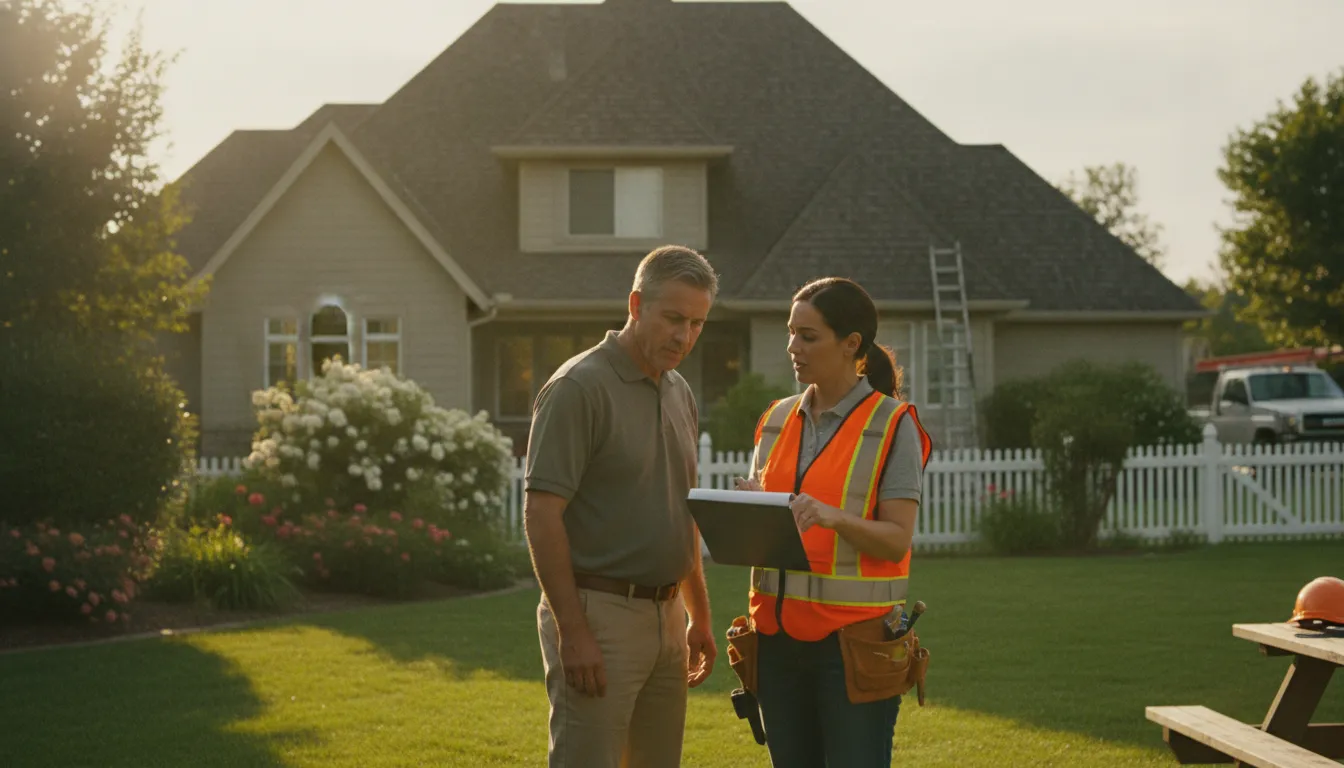
Before the inspection, make sure the contractor can access the roof and surrounding areas. Bring up known leaks, previous repairs, and concerns about your attic or roof deck. Then review the estimate for details that can change the total, such as materials, disposal, permits, warranties, and workmanship coverage. The first step is knowing what a complete estimate should contain.
Ready to see what a professional estimate includes for your home? Request your free roofing estimate today.
What Does a Free Roofing Estimate Include?
A professional estimate should show more than a single project total. It should give you a practical explanation of the work your roof needs, the materials involved, and the costs connected to completing the job. That detail helps homeowners in Puget Sound make an informed decision instead of comparing vague promises or unexpectedly low starting prices.
An itemized breakdown of labor and materials
Look for separate descriptions of the roofing materials, installation labor, and any work required to prepare the roof. The estimate may identify the proposed roofing system, underlayment, flashing, ventilation components, fasteners, and other materials relevant to your home. Labor should be described clearly enough for you to understand what the installation includes, rather than appearing as an unexplained lump sum.
Material requirements can vary with roof size, layout, and condition. A detailed breakdown also makes it easier to ask useful questions. If two estimates use different materials or leave labor details unclear, their totals are not directly comparable. Landmark Roofing & Siding can also help homeowners use a roofing cost calculator as an early planning tool before reviewing a project-specific quote.
A defined scope of work
The scope should state what the contractor will do from preparation through cleanup. It may cover removal of the existing roofing, installation of the new system, flashing work, ventilation adjustments, site protection, and final cleanup. It should also identify potential contingencies, such as additional work if concealed damage is found after the existing roof is removed.
Disposal and material-related fees deserve particular attention. Roofing estimates commonly include costs for removing old materials, transporting debris, disposal, and cleaning the property after installation. Confirm whether those charges are already included or listed separately. A clear scope and fee breakdown reduce the chance that a necessary part of the project appears later as a surprise cost.
Warranty and workmanship information
A complete estimate should explain both the manufacturer warranty for the roofing materials and the contractor’s workmanship guarantee. These protections cover different aspects of the project, so ask what each warranty includes, how long it lasts, and what could affect coverage. The written estimate should identify who stands behind each commitment and how you would request service if a covered issue occurs.
Before accepting any quote, review the scope, fees, exclusions, and warranty language together. The goal is not simply to find the lowest number. It is to understand exactly what you are buying and whether the proposal provides the protection and service your Washington home requires.
How to Prepare for a Free Roofing Estimate
A little preparation helps the estimator evaluate your roof accurately and build a quote around the actual condition of your home. Before the appointment, focus on access, useful records, visible concerns, and the questions you want answered.
- Clear access to the roof and surrounding areas. Move vehicles, patio furniture, toys, branches, and other obstacles away from the home where practical. Keep gates unlocked and make sure the estimator can walk around the yard, reach exterior walls, and inspect roof edges. If attic access is inside a closet or another tight area, clear a path before the appointment. Clear access allows the contractor to examine the roof and surrounding areas instead of limiting the estimate to what can be seen from the driveway.
- Gather your roofing records and material information. Look for the last roofing invoice, warranty paperwork, inspection report, or insurance documentation. If you know when the roof was installed, write down the approximate age. Note the roofing material if you know it, such as asphalt shingles, metal, or another system. These details give the estimator useful background, but do not worry if records are incomplete. The roof’s current condition remains the most important part of the assessment.
- Make a list of leaks, damage, and trouble spots. Write down where you have noticed water stains, dripping, missing shingles, damaged flashing, moss, or drafts. Include when each problem appeared and whether it worsens after heavy rain or wind in Puget Sound. Take a few photos from the ground if they are safe to capture. Do not climb onto the roof to document an issue. During the inspection, the contractor will assess the roof for leaks, damage, and the overall age of the roofing materials. The estimator may also check attic or roof-deck areas for signs of moisture or structural concerns.
- Prepare questions about the recommended work. Ask whether repair or replacement is more appropriate, what the estimate includes, and which conditions could change the final scope. Ask about the contractor’s experience with your roof’s design and similar projects in Washington communities such as Bellevue, Kirkland, Seattle, or Redmond. You can also ask whether permits are needed, how long the work may take, how cleanup will be handled, and what material and workmanship warranties apply. A reputable contractor should take time to answer questions and explain the recommendation clearly.
- Plan to review the written estimate. Set aside time after the inspection to go through the proposed scope, materials, labor, and any allowances or contingencies. Request a written quote rather than relying on a verbal price. A clear estimate makes it easier to understand the work, compare options, and decide on the next step without pressure.
These steps do not need to be perfect. The goal is to give the roofing professional safe access and accurate information so your estimate reflects your home’s needs.
What Affects the Cost of a Roofing Quote?
A roofing quote reflects the work your home actually needs, not a flat price that applies to every property in Puget Sound. Roof size, pitch, design, material requirements, and site conditions all influence the estimate. A transparent contractor should explain each factor and identify potential added costs before work begins.
Roof size and pitch
A larger roof generally requires more materials, labor, underlayment, fasteners, and time. Roof pitch affects the installation process as well. Steeper sections can require additional fall protection, specialized equipment, and slower movement across the roof. Those safety and labor requirements may increase the estimate compared with a similar-sized, low-slope roof.
Roof measurements should also account for more than the home’s square footage. Garages, additions, covered porches, and separate roof sections can change the total area. Ask whether the quote is based on measured roof area and whether it includes removal of the existing roofing system.
Materials and project complexity
Material type and quality are another major part of the price. Different roofing materials have different purchase prices, installation requirements, expected service lives, and warranty terms. The estimate should identify the proposed material, product line, color or style when applicable, and the layers included beneath the visible roof covering.
Complexity can move the price as much as size. Valleys, multiple roof planes, skylights, vents, plumbing penetrations, chimneys, and dormers require careful detailing. Flashing around these areas helps manage water, but replacement or repair may add labor and materials. If a contractor finds damaged decking or moisture-related problems, the written quote should explain whether that work is included, excluded, or priced as an allowance.
Permits, disposal, and cleanup
Permit requirements and fees should be discussed during the initial estimate. Requirements can vary by jurisdiction, so homeowners in Seattle, Bellevue, Redmond, Everett. And other Washington communities should ask who will obtain required permits and whether the related fees appear in the quote.
Disposal is also a meaningful line item. Roofing materials and disposal fees are typically major components of a roof replacement estimate. Confirm that tear-off, hauling, dump fees, magnetic nail cleanup, and final site cleanup are listed clearly rather than left vague. A detailed estimate makes it easier to compare proposals that appear different at first glance.
Before accepting a quote, request an itemized scope with labor, materials, permits, disposal, cleanup, warranty coverage, and allowances separated. That level of detail gives you a fair basis for comparing roofing estimates and reduces the risk of an unexpected change order.
Questions to Ask During a Free Roofing Estimate
A roof estimate should give you enough information to make a careful decision, not pressure you into signing on the spot. Use the meeting to check the contractor, clarify the proposed work, and identify costs that may not appear in a short verbal quote.
Are you licensed and insured?
Ask the contractor to confirm current licensing and insurance before accepting an estimate or scheduling work. Licensing helps establish that the business is authorized to operate, while insurance can help protect you from unnecessary exposure if an accident occurs during the project. Ask what the coverage includes and whether the company uses its own installation crews or subcontractors.
Can I have a detailed written quote?
Do not rely on a number written on a business card or a verbal promise. Request a written quote that explains the scope of work, materials, labor, removal of the existing roof, site cleanup, and any contingencies. A detailed cost breakdown lets you see what you are paying for and makes it easier to compare estimates from contractors serving Bellevue. Seattle, Redmond, and other Puget Sound communities.
Ask these follow-up questions:
- What roofing materials and quantities are included?
- Does the price include tear-off, disposal, and final cleanup?
- What happens if damaged decking or other hidden problems are found?
- Which work is included, and which work would require a change order?
How much experience do you have with a roof like mine?
Roof design, pitch, access, existing materials, and detailing around skylights or other penetrations can affect the work. Ask whether the contractor has completed projects with similar roof designs and materials. Request examples of comparable work in Washington State, and ask who will supervise the installation. A contractor who answers specific questions clearly should be able to explain the approach without resorting to vague assurances.
Who handles permits and disposal fees?
Permit requirements and fees can vary by project and location, so ask whether the contractor will obtain required permits and whether those costs are included in the quote. Clarify how old roofing materials will be removed, transported, and disposed of. Disposal fees are a major component of many roof replacement estimates, but they should not appear as an unexplained surprise after work begins.
What warranty covers the materials and workmanship?
Ask for the material warranty and the contractor’s workmanship guarantee in writing. Confirm what each warranty covers, how long it lasts, and what steps are required if a problem appears. Also ask who you contact for a warranty claim and whether the coverage transfers if the home is sold. Clear answers help you compare the complete value of each estimate instead of choosing based only on the lowest initial price.
How to Compare Multiple Roofing Estimates
Comparing roofing estimates only works when the bids describe the same project. A lower total may reflect fewer materials, less preparation, or missing disposal and cleanup rather than a better deal. Put each quote into the same framework before deciding which contractor to hire for your Puget Sound home.
| Comparison point | What to look for | Questions to ask |
|---|---|---|
| Project scope | The same areas of the roof, preparation work, tear-off, installation, flashing, ventilation, and cleanup. | Does this quote include every required step, or could work be added later as a change order? |
| Materials | The same roofing type, grade, underlayment, flashing, accessories, and stated manufacturer warranties. | Are the products equivalent, or is one bid using a lower-grade material? |
| Total price | Labor, materials, disposal, permits or fees, taxes if applicable, and allowances are clearly identified. | What is included in the total, and what conditions could change it? |
| Contractor value | Written terms, relevant experience, communication, warranty coverage, and confidence in the installation plan. | Who performs the work, and how are workmanship concerns handled? |
Look beyond the lowest number
Price matters, but it should not be the only deciding factor. The strongest estimate explains what you are buying and why the recommended work is necessary. Compare the overall value, including installation quality, material coverage, workmanship protection, and the contractor’s ability to complete the job reliably. A bid that omits important work can look attractive at first and become more expensive once the project begins.
Be cautious when one estimate is dramatically lower than the others. An extremely low bid may signal substandard materials, inadequate preparation, or poor workmanship. Ask the contractor to explain the difference in writing rather than assuming the lowest price represents a special discount. Also treat verbal-only quotes as a warning sign. A reputable contractor should provide written project details so the scope, price, exclusions, and warranty expectations are clear.
Use estimates with a realistic cost check
A cost tool can help you understand general pricing factors before you compare contractor bids. Landmark’s roofing cost calculator offers an additional planning reference, but it does not replace a property-specific estimate. Roof size, design complexity, material requirements, and site conditions all affect the final proposal.
Place the quotes side by side, resolve differences, and choose the proposal that offers a complete scope with clear terms and dependable value. That approach gives homeowners in Seattle, Bellevue, Kirkland, and nearby Washington communities a more useful comparison than focusing on a single headline number.
Compare your options and estimate your roofing costs now, then request a detailed proposal from Landmark.
Frequently Asked Questions
What should I receive after a roofing estimate?
Ask for a written, itemized quote that explains the recommended work, labor, materials, disposal, possible contingencies, permits, and expected warranties. The scope should make clear what is included so you can compare proposals without guessing what a price covers.
How should I prepare for a roofing estimate?
Clear access to the roof and the surrounding areas, then gather information about known leaks, previous repairs, the roof’s age, and any insurance or maintenance records you have. The contractor may review the roof surface, flashing, chimney areas, ventilation, attic, and roof deck for conditions that affect the recommendation.
What questions should I ask a roofing contractor?
Ask whether the contractor is licensed and insured, who will perform the work, how much experience the company has with your roof design, and whether permits are required. Confirm the materials, project timeline, payment terms, workmanship guarantee, and material warranty in writing before accepting the proposal.
Why can two roofing estimates be so different?
Quotes can differ because contractors may be using different materials, measuring different scopes of work, or including different allowances for permits, disposal, flashing, ventilation, or hidden damage. Compare matching scopes and materials first. A very low bid deserves closer review because it may leave out necessary work or rely on lower-quality materials.
Ready to Request Your Free Roofing Estimate?
A clear estimate helps you understand the proposed work, materials, and expected project costs before comparing bids or deciding on next steps. Landmark Roofing & Siding helps homeowners across Puget Sound, including Seattle, Bellevue, Redmond, Kirkland, and surrounding Washington communities, approach the process with useful information in hand.
Request your free roofing estimate from Landmark Roofing & Siding by contacting our team.
Share what you learned during your inspection, ask any remaining questions, and use the written estimate to make a confident choice for your home.