
Date
Thu Aug 20A roof change estimate should explain more than the final number. It should show what a contractor found, which work is included, what materials are planned, and how unexpected conditions will be handled. For Washington homeowners, that detail turns a quick price guess into a useful plan for a roof replacement.
Request a free, no-obligation roof change estimate from Landmark Roofing & Siding
An accurate estimate begins with an inspection of the existing roof. The roofer reviews the roof surface, measurements, access, ventilation, flashing, existing layers, and signs of moisture. The proposal then connects those findings to materials, labor, disposal, timing, warranty terms, and payment conditions. This guide explains how that process works and what to check before comparing quotes.
What Does a Roof Change Estimate Actually Tell You?
A roof change estimate is a scope-and-price plan for one property. It should explain the recommended project, the roofing system being considered, and the assumptions behind the price. That makes it different from a rough guess based on a few photographs, a neighbor’s project, or a generic cost-per-square-foot range.
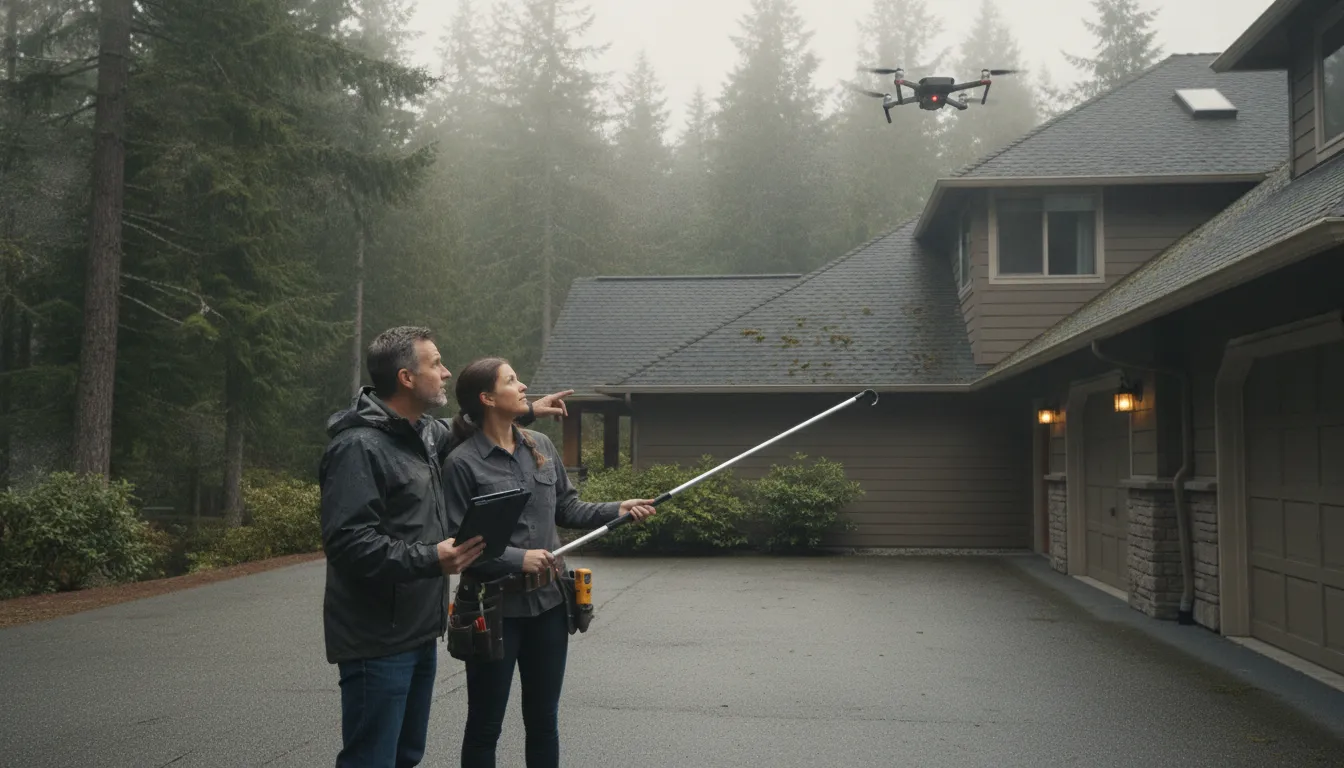
The estimate starts with the condition of the existing roof. The roofer looks for worn or damaged roofing, missing components, moisture evidence, failing flashing, moss or debris buildup, and conditions around vents, chimneys, skylights, and other penetrations. The inspection may also identify concerns with attic ventilation or the roof deck. Those findings affect whether the project needs replacement, repairs, preparation, or additional investigation.
Roof size matters, but it is only one part of the calculation. Roof pitch, valleys, hips, dormers, overhangs, access, staging space, and existing layers can change the amount of material and labor required. A smaller roof with complicated geometry may demand more layout and cutting than a larger roof with simple planes.
Location and site conditions also matter. A project in Redmond, Bellevue, Seattle, or another Puget Sound community has to be planned for the actual property. Driveway access, landscaping, narrow side yards, delivery space, and protection of nearby surfaces can affect the work. A useful estimate describes the job in front of the contractor instead of presenting a number detached from the site.
Read the scope before reading the total. Confirm that the estimate identifies the roof areas, materials, tear-off, disposal, flashing, ventilation, cleanup, schedule, and warranty terms. Landmark’s roof replacement process guide provides additional context for the construction steps that may appear in a proposal.
How Does a Roofer Build an Accurate Roof Change Estimate?
A reliable estimate follows a repeatable inspection and planning process. The exact order may vary by property, but these steps show why a site-specific proposal is more useful than a fast visual guess.
- Discuss the property and project goal. The roofer confirms whether the homeowner is considering a full replacement, a repair, a different material, or an evaluation after storm or moisture damage. The conversation also covers priorities such as appearance, service life, maintenance, timing, and budget.
- Inspect the existing roof. The inspection reviews roofing surfaces, ridges, valleys, eaves, penetrations, flashing, visible wear, moisture signs, and areas that may need repair. An attic or interior review may help identify leak evidence or ventilation concerns.
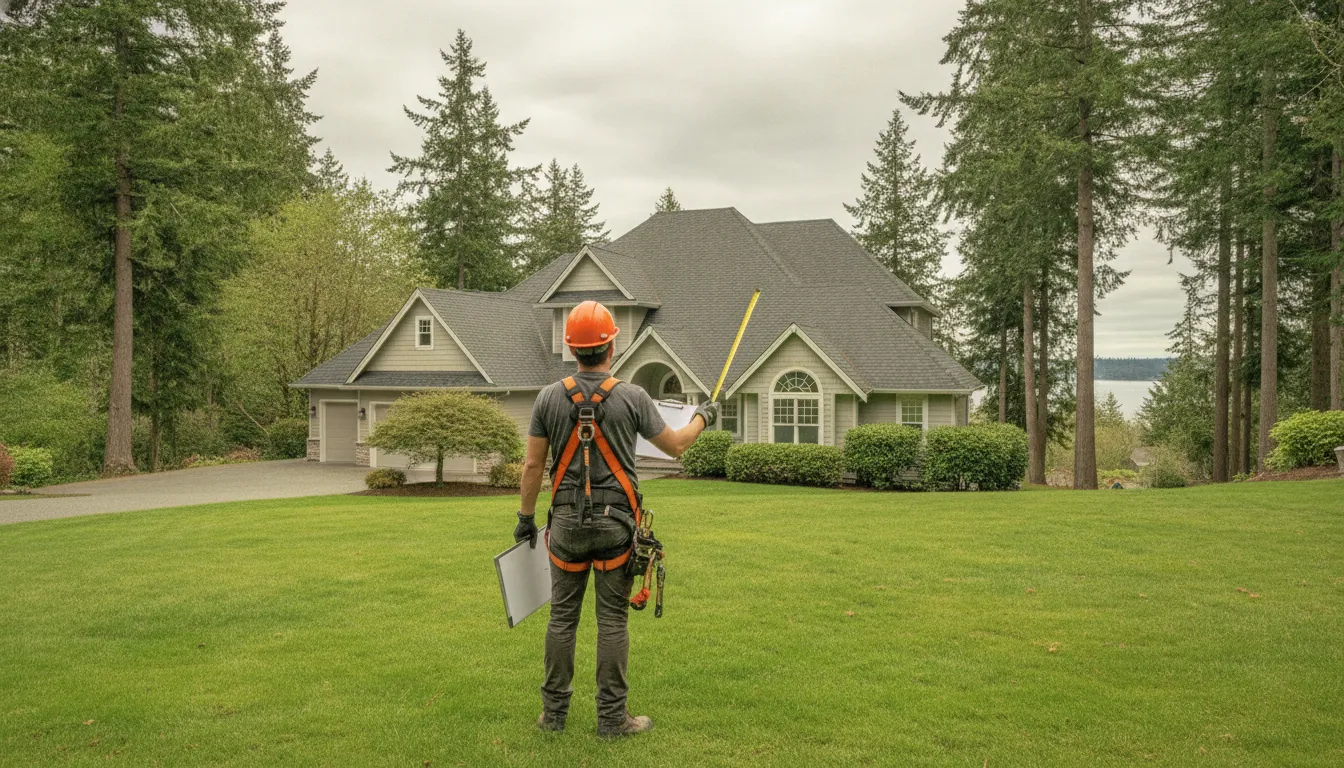
- Measure the roof planes. The roofer accounts for the size and shape of each plane rather than relying only on the home’s floor area. Slopes, hips, valleys, dormers, and overhangs influence material quantities and installation time.
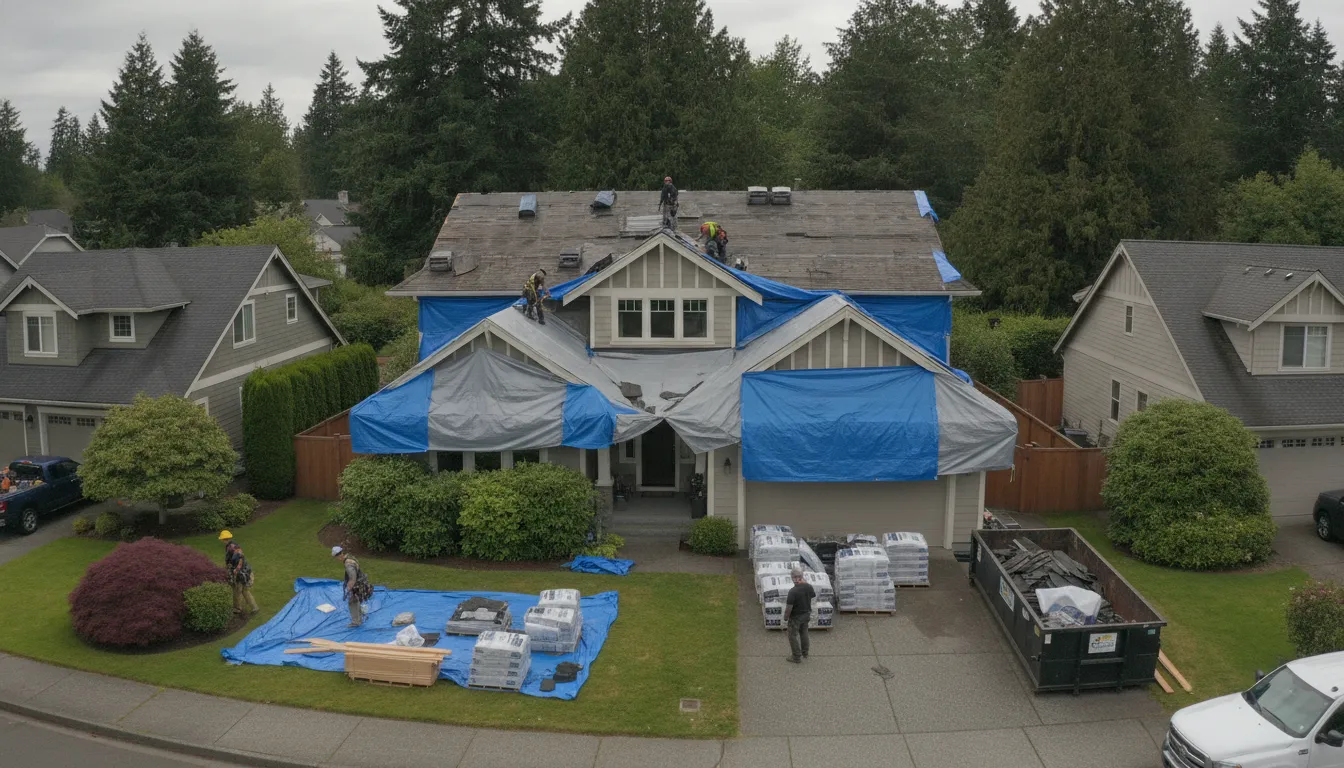
- Identify existing layers and tear-off needs. The proposal should address how many layers are present, what will be removed, how the property will be protected, and how debris will be contained and hauled away.
- Review flashing and ventilation. Flashing around walls, chimneys, skylights, valleys, and penetrations deserves specific attention. The estimate should also identify whether ventilation components need repair, replacement, or adjustment.
- Select the roofing system. The material section should name the proposed roofing product and the related components. Underlayment, water protection, flashing, fasteners, ventilation products, and accessories are part of the system, not afterthoughts.
- Calculate labor and site protection. Labor reflects size, pitch, geometry, access, existing layers, installation details, safety needs, protection, cleanup, and disposal. A complete estimate accounts for the work required to leave the property clean and secure.
- Explain concealed conditions. Some damage cannot be confirmed until old roofing is removed. The estimate should explain how decking damage or another concealed condition will be documented, priced, and approved before additional work proceeds.
Landmark’s quote page invites homeowners to request a free, no-obligation quote and learn more about their options before committing. An online roofing cost calculator can help with early planning, but it does not replace a property-specific inspection.
What Should Be Included in a Written Roofing Quote?
A written quote should give you enough information to understand what will happen, what is included, and how the price could change. A bottom-line number without a clear scope leaves too much room for misunderstanding. Before you compare proposals, look for these items.
| Quote item | What to look for | Why it matters |
|---|---|---|
| Scope of work | Roof areas, removal, installation, repairs, flashing, ventilation, and cleanup are described plainly. | You can see which tasks are included and which are excluded. |
| Materials | The roofing product, underlayment, flashing, ventilation components, and accessories are identified. | You can compare proposals that specify the same type of system. |
| Tear-off and disposal | The number of existing layers and the plan for hauling away debris are stated. | Removal and cleanup costs are not left as surprises. |
| Schedule | Estimated start and completion timing, weather limits, and access conditions are explained. | You have a realistic view of the project window. |
| Price and payment terms | The total, deposit, progress payments, final payment, and accepted methods are clear. | You can plan the expense and understand when payments are due. |
| Warranty | Material coverage and workmanship coverage are separated, with conditions explained. | You know what protection applies after installation. |
| Permits | The quote says whether permits are required and who will handle them. | Responsibility is established before work starts. |
| Change-order terms | The process for concealed conditions and extra work is written down. | You can approve or decline additional work with better information. |
The Federal Trade Commission advises homeowners to get a written estimate that describes the work, materials, price, and expected completion date. It also recommends checking contractor credentials, getting multiple estimates, and asking about large price differences. Review the FTC’s home improvement guidance as you evaluate a proposal.
Ask for clarification if a quote uses broad phrases such as complete replacement without explaining tear-off, disposal, flashing, ventilation, or cleanup. A detailed document lets you compare the same project from one contractor to another instead of comparing incomplete scopes.
How Do Materials and Labor Change the Estimate?
Material selection affects the appearance of the finished roof, installation method, accessory requirements, and labor time. Composition roofing may be a practical choice for many Washington homes. Metal roofing can involve a different material budget, detailing, and installation process. The right comparison depends on the property, the selected system, and the homeowner’s goals.
A material name alone does not define the full scope. Ask whether the proposal includes underlayment, water protection, flashing, ventilation, fasteners, edge details, and other components needed for the installation. Two quotes can use similar product names while including different levels of preparation or protection.
Roof geometry and access affect labor
A simple, accessible roof gives a crew a more predictable installation path. Multiple planes, steep slopes, dormers, valleys, skylights, and tight areas around chimneys require additional layout, cutting, safety measures, and flashing work. These details can increase labor complexity even when two homes have similar floor areas.
Access affects the work plan as well. Limited driveway space, landscaping near walls, a narrow side yard, or difficult staging can require extra handling and property protection. In a dense neighborhood such as Seattle, Bellevue, or Redmond, the crew may also need a careful plan for deliveries, cleanup, and protecting adjacent property.
Existing layers, flashing, ventilation, and disposal belong in the scope
The estimate should identify how many existing layers will be removed, how debris will be contained, and how disposal will be handled. Additional tear-off can add labor and hauling requirements. Once the roof is opened, damaged decking or other concealed conditions may require repair before new materials can be installed.
Flashing around walls, chimneys, skylights, and penetrations may require detailed replacement or repair. Ventilation also deserves attention because inadequate airflow can contribute to premature roof problems. These are functional parts of a roofing system, not decorative extras. Ask which items are included and how any recommended correction affects the total.
Landmark’s residential roofing team can review material options during the estimate process. The goal is not to choose a product from a name alone. It is to match the roofing system, installation details, property conditions, and long-term expectations. Read the residential roofing service page for additional information about the systems and installation support available to Washington homeowners.
How Can Washington Homeowners Compare Roof Change Estimates?
Compare the work behind each price before deciding which proposal offers the better value. One estimate may cover a complete replacement while another leaves out disposal, flashing, ventilation, permits, or possible decking repairs. A lower total is not automatically a lower cost if important work has been excluded.
Start with the scope of work
Check whether each estimate describes the same roof areas and preparation. Look for tear-off requirements, existing layers, underlayment, flashing, ventilation, cleanup, and disposal. If the inspection identified damaged decking or another concealed condition, ask whether the item is included, excluded, or handled through a documented change order.
Compare materials and warranty terms
Make sure the material description is specific enough to compare. Ask whether the quoted product is selected or listed as an allowance. Then review manufacturer and workmanship warranty terms separately. Confirm what is covered, how long coverage lasts, and whether any maintenance or registration conditions apply. Landmark’s roofing warranty information explains why material and workmanship coverage should be reviewed as separate parts of a proposal.
Review timing, qualifications, and payment terms
Compare the estimated start date, completion window, weather contingencies, and steps required before work begins. Verify that every contractor provides appropriate license and insurance information. The FTC recommends checking a contractor’s license with the appropriate government agency and asking for proof of insurance.
Read the payment schedule carefully. Be cautious about pressure to decide immediately or requests for full payment upfront. A clear schedule should connect payments to defined project milestones and state how approved changes will be billed. The strongest estimate is the one that clearly accounts for the work, materials, protection, timing, and responsibilities involved.
Why Does a Free, No-Obligation Estimate Matter?
A free, no-obligation estimate gives a homeowner a chance to understand the recommended work before making a commitment. It creates time to compare materials, ask questions, review the schedule, and decide whether the proposal fits the property and the household’s plans.
The value is in the information, not in a promise that every project will have the same price. A site inspection can identify visible conditions and produce a clearer scope. It cannot expose every issue hidden beneath existing roofing, so the proposal should explain how concealed conditions will be handled if they appear during removal.
Landmark Roofing & Siding has served the Puget Sound region since 2005 and provides residential and commercial exterior services. A homeowner can use the inspection and proposal to compare the project details without treating the first estimate as an obligation.
Schedule your free, no-obligation Landmark roof estimate before comparing proposals
What Is the Best Next Step After Reviewing an Estimate?
Read the proposal line by line and write down every question. Ask whether the price includes tear-off, disposal, flashing, ventilation, permits where applicable, cleanup, and allowances for concealed conditions. If the document uses a term you do not recognize, request a plain-language explanation.
When two estimates differ substantially, compare the work described rather than the totals alone. Ask each contractor to explain major differences in materials, labor, timing, warranty terms, and change-order procedures. Getting multiple written estimates can help reveal whether a price reflects a different scope.
For Washington homeowners, the practical next step is a property-specific inspection and written proposal. Landmark can review the existing roof, discuss material options, and explain the recommended scope so you have a clearer basis for planning a replacement.
Frequently Asked Questions
What is included in a roof change estimate?
A complete estimate should explain the recommended work, roofing materials, tear-off and disposal. Expected timing, total price, warranty terms, payment schedule, exclusions, and how unforeseen repairs will be handled. It should be specific enough for you to compare the same project with another proposal.
How accurate is an estimate before tear-off?
An inspection-based estimate can be detailed and reliable, but some conditions remain hidden until existing roofing is removed. Damaged decking is one example. The proposal should explain how concealed conditions will be documented and approved before extra work proceeds.
Should I get more than one roofing estimate?
Comparing multiple written estimates can help you understand differences in scope, materials, labor, timing, and warranty coverage. Do not compare totals alone. Ask why prices differ and confirm that each contractor is describing the same work.
How do I request an estimate in Washington?
Homeowners in communities such as Redmond, Bellevue, Kirkland, Seattle, Sammamish, Issaquah, Renton, Bothell. And nearby Puget Sound areas can request a free, no-obligation estimate through Landmark’s quote request page. A property inspection gives the contractor the information needed to prepare a more useful proposal.