Date
Fri May 29Here in the Pacific Northwest, our buildings are in a constant battle with the weather. The persistent rain, wind, and humidity mean that siding isn’t just a cosmetic feature; it’s your property’s most critical line of defense. For a multi-family building, a siding failure isn’t a minor inconvenience. It can lead to systemic moisture intrusion, rot, and mold issues that affect dozens of residents and result in massive repair bills. That’s why selecting a material built to withstand our damp climate is non-negotiable. We’ll explore the options that hold up best against the elements, helping you find the best siding for multi-family homes that will keep your property dry, safe, and looking great year after year.
Key Takeaways
- Think Beyond the Initial Price Tag: The cheapest siding can cost you more in the long run through frequent repairs and high maintenance. A durable material is a smarter financial investment that protects your property and your budget for years to come.
- Balance Aesthetics with Practical Needs: While curb appeal is important, your siding’s performance is what truly matters. Factor in durability, weather resistance for our PNW climate, and low maintenance needs to find a material that works as hard as it looks good.
- Hire a Pro Who Knows Multi-Family Rules: Siding a multi-family property involves stricter building codes and different challenges than a single home. Working with a contractor who specializes in commercial projects ensures your siding is installed correctly and meets all local requirements.
Why Is Siding for Multi-Family Homes Different?
Choosing the right siding for a multi-family property like a condo complex or apartment building is a different ballgame than siding a single-family house. The stakes are higher, the scale is larger, and the considerations are more complex. When you’re responsible for the homes of multiple families, every decision, from material durability to aesthetic consistency, carries more weight. Understanding these key differences is the first step to making a smart, long-term investment in your property’s exterior.
It Faces More Wear and Tear
A single dent or scratch on a house is one thing, but on a multi-family building, the potential for wear and tear multiplies with every resident. Think about it: more foot traffic, more moving trucks, more bicycles leaning against walls, and more kids playing nearby. When siding fails on a multi-family property, it doesn’t just affect one family; it can cause stress, disruption, and unexpected costs for everyone. A small issue can quickly become a large-scale problem, leading to widespread moisture damage and higher energy bills for all your tenants. This is why selecting a durable material is so critical for commercial siding projects.
It Needs a Consistent Look
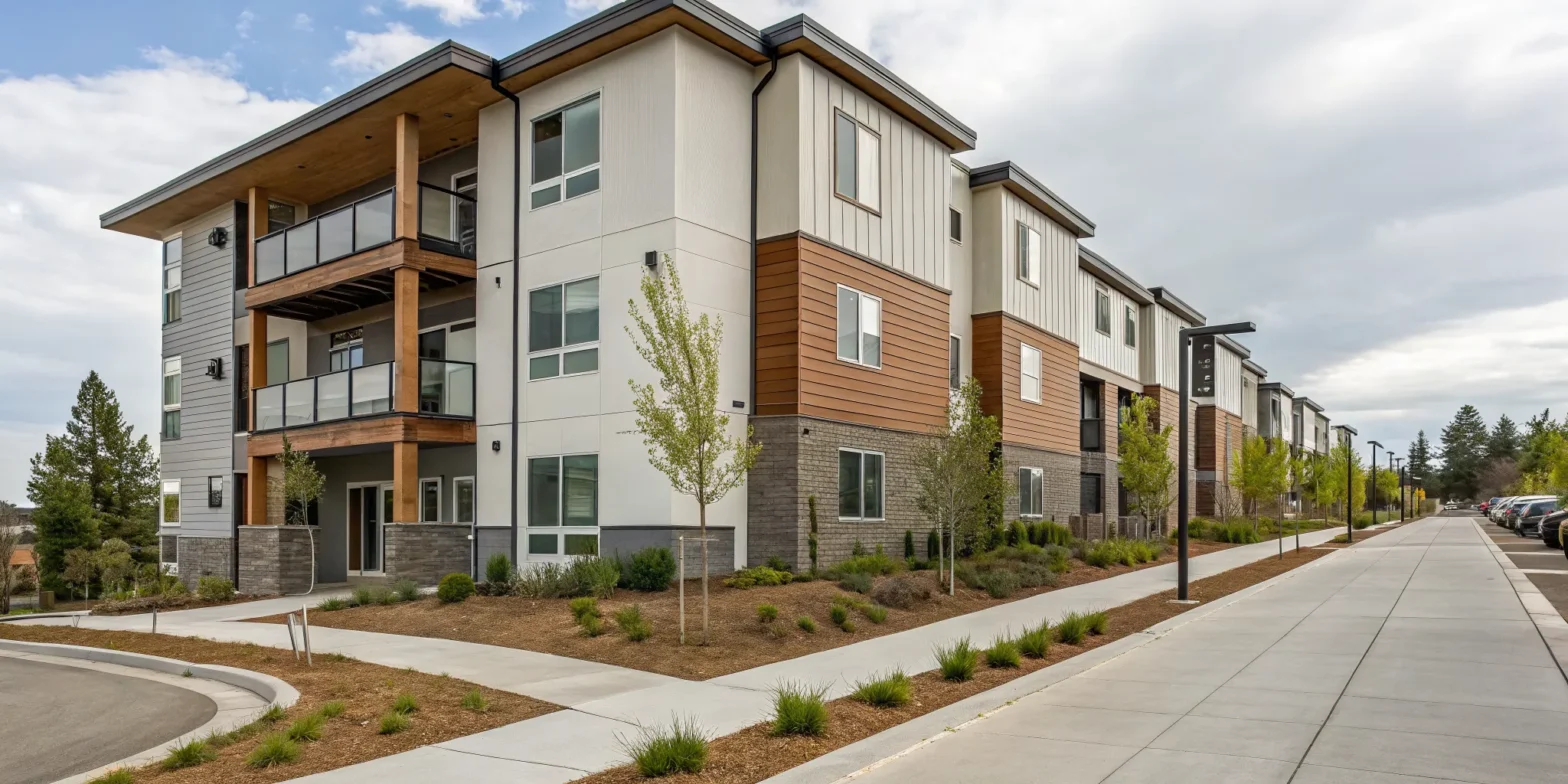
Curb appeal is just as important for a multi-family complex as it is for a single home, but achieving it is a bigger challenge. The siding you choose needs to create a cohesive, attractive look across multiple units and potentially several buildings. The goal is to establish a welcoming aesthetic that enhances the property’s value and attracts high-quality tenants. Your siding acts as the visual identity for the entire community. Choosing a style that is both modern and timeless ensures the property won’t look dated in a few years, protecting your investment and maintaining a positive image for residents.
It Must Meet Specific Building Codes
Multi-family properties are subject to stricter building codes than single-family homes, and for good reason. These regulations are in place to ensure the safety of all residents. Siding requirements often include specific standards for fire resistance, wind load, and moisture management. Using the wrong material or, even worse, hiring a team for an improper installation can lead to failed inspections, costly rework, and serious safety hazards. It’s essential to partner with a contractor who has deep experience with commercial siding and understands the specific codes for multi-family structures in the Puget Sound region.
What Are the Best Siding Materials for Multi-Family Properties?
Choosing the right siding for a multi-family property is a balancing act. You need a material that not only looks great across multiple units but can also stand up to the increased wear and tear that comes with higher foot traffic and more residents. Durability, maintenance, and long-term value are the name of the game. A poor choice can lead to frequent repairs, inconsistent curb appeal, and unhappy tenants, while the right material protects your investment for decades.
In the Pacific Northwest, our siding has to work even harder, battling everything from constant rain and moisture to wind and fluctuating temperatures. As a property manager or owner, you’re looking for a solution that minimizes upkeep and maximizes protection. You need something that meets local building codes and provides a consistent, attractive look for your entire complex. We’ll explore some of the top commercial siding options to help you make an informed decision that fits your property’s needs and budget. Let’s look at the pros and cons of four leading materials: fiber cement, vinyl, wood, and stone.
1. Fiber Cement (James Hardie)
Fiber cement is a fantastic all-around choice for multi-family buildings, and for good reason. Made from a mix of cement, sand, and cellulose fibers, it’s incredibly durable and resistant to many of the issues that plague other materials. It won’t rot, it’s impervious to pests, and it’s non-combustible, which is a huge safety benefit for multi-unit housing. We often recommend James Hardie siding because it offers the classic look of wood without the demanding upkeep. It holds paint well and requires very little maintenance, making it a smart, long-term investment that keeps properties looking sharp with minimal effort.
2. Vinyl
Vinyl siding is one of the most popular and budget-friendly options on the market. Its low upfront cost and minimal maintenance needs make it an attractive choice for large-scale projects. It comes in a wide variety of colors and styles, so you can easily find a look that suits your property. However, it’s important to be aware of the potential downsides. Cheaper vinyl can become brittle and crack in cold weather, and some colors may fade over time with direct sun exposure. It can also be susceptible to damage from high winds or impact, which could lead to more frequent repairs down the line.
3. Wood and Cedar
There’s no denying the timeless, natural beauty of wood siding. Materials like cedar offer a classic Pacific Northwest aesthetic that is warm and inviting. Wood is also a natural insulator, which can contribute to a building’s energy efficiency. The major trade-off, however, is the high level of maintenance required. To protect it from moisture, rot, and pests, cedar siding needs to be regularly sealed, stained, or painted. For a multi-family property, this ongoing upkeep can become a significant and costly task, making it a better fit for owners who are prepared for the commitment.
4. Brick and Stone
When it comes to sheer durability and longevity, brick and stone are in a class of their own. These materials can last for a century or more with very little maintenance, and they offer a premium, classic appearance that never goes out of style. They are completely resistant to fire, rot, and pests. The primary consideration with brick or stone is the significant upfront cost, which is much higher than other siding options. The installation is also more labor-intensive. For property owners focused on ultimate long-term performance and willing to make a larger initial investment, masonry is an unbeatable choice.
A Closer Look at Your Siding Options
Choosing the right material is the biggest decision you’ll make for your siding project. Each option comes with its own set of pros and cons, especially when you’re thinking about a multi-family property. Let’s break down the most popular choices so you can see how they stack up in terms of performance, cost, and appearance.
Fiber Cement: The All-Around Performer
Fiber cement is a fantastic all-around performer, and it’s one of our most recommended materials for a reason. It’s incredibly durable and lasts much longer than many traditional siding options, which saves property owners a lot of time and money on upkeep. We specialize in James Hardie siding, a top-tier fiber cement product known for its resilience. Best of all, you can get the classic look of wood siding without the constant maintenance. With a wide range of patterns and colors, you can create a unique and welcoming exterior that stands out while standing up to the Pacific Northwest weather.
Vinyl: The Budget-Friendly Choice
If your primary concern is the budget, vinyl siding is often the most affordable choice upfront. It comes in a huge variety of colors and styles, and it’s known for being a low-maintenance material that can last for decades. However, there are a few trade-offs to consider. Vinyl can become brittle and crack in very cold weather, and some colors may fade over time with direct sun exposure. It also doesn’t offer the best sound insulation, which can be a factor in a multi-family setting. It’s a practical option, but it’s important to weigh the long-term performance against the initial savings.
Wood and Cedar: The Classic, Natural Look
Nothing beats the classic, natural beauty of real wood and cedar siding. It offers a warm, timeless aesthetic that many property owners love, and it provides excellent natural insulation. The main consideration with cedar siding is the significant maintenance it requires. To protect it from moisture, pests, and rot, wood needs to be regularly painted or stained. While its curb appeal is undeniable, you’ll need to account for the ongoing labor and material costs to keep it looking its best and performing well over the years. This is a critical factor for any multi-family property budget.
Brick and Stone: The Ultimate in Durability
For a timeless look backed by incredible strength, brick and stone siding are in a class of their own. These materials are renowned for their durability and can easily last a lifetime with minimal upkeep, which significantly enhances a property’s curb appeal. However, this premium performance comes with a higher price tag. The material and installation costs are typically much greater than for fiber cement or vinyl. While brick and stone are an excellent long-term investment, the initial expense can be a major hurdle for large-scale multi-family projects, making them a less common choice for full exteriors.
How to Choose the Most Durable Siding
Choosing siding for a multi-family property isn’t just about looks; it’s about making a smart, long-term investment. Durable siding protects the building, keeps residents happy, and prevents you from facing surprise repair bills down the road. In the Pacific Northwest, where we get our fair share of rain, wind, and shifting temperatures, durability is everything. The right material will stand up to the elements year after year, while a poor choice can lead to constant maintenance and costly problems.
When you’re evaluating options, think beyond the initial price tag. Consider how a material will perform over its entire lifespan. Will it resist moisture and pests? Can it handle an accidental bump from a moving truck or a stray baseball? Does it meet local fire safety codes? Answering these questions will help you select a siding that provides lasting value and peace of mind for you and your tenants. It’s about finding that perfect balance between strength, maintenance, and cost that works for your specific property.
Comparing Weather and Fire Resistance
Here in the Puget Sound, siding is your building’s first line of defense against the weather. That’s why materials that resist water and mold are so important. Fiber cement siding, like the products offered by James Hardie, is a fantastic choice because it doesn’t absorb moisture, which helps prevent rot and decay. Fire resistance is another critical factor, especially for multi-family housing. Materials like fiber cement are non-combustible and won’t ignite when exposed to flames. In contrast, traditional wood siding can catch fire easily, which is a significant concern for any property owner. Choosing a fire-resistant material adds a crucial layer of safety for your residents.
Why Durability Equals Long-Term Value
When you invest in durable siding, you’re doing more than just improving your property’s curb appeal. You’re making a financial decision that pays off for years. For a multi-family building, a siding failure isn’t just an inconvenience for one family; it’s a major issue that can affect dozens of residents and lead to widespread problems. High-quality siding means fewer repair calls, lower maintenance costs, and a more predictable budget. It also contributes to the building’s overall value. A well-maintained exterior with durable siding is a major selling point, helping you attract and retain tenants or command a higher price if you decide to sell the property.
The Hidden Costs of Low-Quality Siding
Opting for the cheapest siding available can seem like a good way to save money upfront, but it often leads to significant expenses later. For example, some low-grade vinyl siding can crack in the cold or even melt from heat reflecting off windows. Old-fashioned aluminum siding is notorious for denting easily and can hide moisture issues until they become serious problems. These materials may require frequent repairs or a full replacement much sooner than you’d expect. Beyond the repair bills, failing siding can lead to water intrusion, structural damage, and even higher energy costs for all your tenants. These hidden costs quickly erase any initial savings, making quality commercial siding a much wiser choice from the start.
Can New Siding Lower Your Energy Bills?
The short answer is yes, absolutely. Think of your building’s siding as its jacket. A thin, worn-out jacket won’t do much to keep you warm during a chilly Pacific Northwest winter, and the same is true for your property. Old, damaged, or poorly insulated siding allows the air you’re paying to heat or cool to escape right through the walls. This forces your HVAC system to work overtime, leading to surprisingly high energy bills for you or your tenants.
Upgrading your siding is one of the most effective ways to improve a building’s energy efficiency. Modern siding materials, especially when paired with proper insulation, create a protective barrier that helps maintain a stable indoor temperature all year long. For multi-family properties, this is a huge advantage. It not only reduces utility costs across the board but also makes each unit more comfortable and appealing to residents. Investing in quality commercial siding is an investment in your property’s long-term performance and value. It’s a practical upgrade that pays for itself over time through lower energy consumption.
Understanding Insulated Siding and R-Value
When we talk about insulation, you’ll often hear the term “R-value.” In simple terms, R-value measures how well a material resists heat flow; the higher the R-value, the better the insulation. Insulated siding is designed with a layer of rigid foam insulation attached to the back of each panel. This simple addition significantly increases your wall’s total R-value.
This extra layer of insulation helps keep the inside temperature steady, so you don’t need to use as much heating or cooling. As a bonus for multi-family buildings, that same foam backing that blocks heat transfer also dampens sound. This can help block noise between different homes in the building, making it quieter and more private for residents.
How Poor Siding Choices Impact Energy Costs
Choosing the wrong siding can be a costly mistake that goes far beyond the initial installation price. Bad siding, whether it’s warped, cracked, or simply a low-quality material, can lead to expensive repairs and higher energy bills for everyone in the building. Gaps and damage create pathways for air to leak in and out, making it nearly impossible to control the indoor climate efficiently.
For example, standard vinyl siding is not very good at keeping heat in, which can contribute to higher energy bills without an added insulation layer. While it’s a budget-friendly option, its long-term energy performance may not be ideal. Opting for a higher-performance material like James Hardie fiber cement siding often provides better durability and insulation, preventing the drafts and heat loss that drive up utility costs.
Let’s Talk About Siding Maintenance
The siding you choose for your property has a direct impact on your long-term to-do list. Some materials require little more than an annual rinse, while others demand regular, hands-on care. Understanding these differences upfront helps you balance the look you want with the maintenance you’re willing to perform. Let’s break down what you can expect from the most common siding options.
Low-Maintenance Picks: Fiber Cement and Vinyl
If you prefer to spend your weekends enjoying the Pacific Northwest instead of working on your property’s exterior, low-maintenance siding is for you. Materials like James Hardie fiber cement are incredibly durable because they are made from a tough blend of cement, sand, and wood fibers. This composition resists rot, pests, and weather damage, saving you time and money over the years.
Vinyl siding is another popular choice that requires very little upkeep. It comes in a wide variety of colors and styles, and it won’t chip or flake, so you can put away the paintbrush for good. A simple cleaning once a year is usually all that’s needed to keep both fiber cement and vinyl looking fresh.
Higher-Maintenance Styles: Wood and Stone
There’s no denying the classic, natural beauty of wood siding. However, that timeless look comes with a commitment. Wood siding needs to be repainted or re-stained every few years to protect it from moisture, rot, and pests. Without this consistent care, it can quickly show signs of wear, especially in our damp climate. You’ll need to factor this ongoing work into your budget and schedule.
Brick and stone offer incredible durability and a stately appearance, but they come with their own considerations. The initial cost is significantly higher than other materials. While they are very strong, they aren’t entirely maintenance-free. Mortar joints can crack over time and may need repointing to prevent water from getting behind the siding.
Common Maintenance Myths to Ignore
One of the biggest myths is that “low-maintenance” means “no-maintenance.” While materials like fiber cement and vinyl are tough, they still benefit from a little attention. It’s a good idea to walk around your property once a year to inspect your siding. Look for any small cracks, loose panels, or signs of wear. Catching these minor issues early prevents them from turning into major, costly repairs.
Another myth is that any siding will perform the same as long as it looks good. The truth is that poor installation or choosing the wrong material for our climate can lead to serious problems like moisture intrusion and pest infestations. Regular cleaning and annual inspections are your best defense for keeping your commercial siding in top shape for years to come.
How to Choose the Right Siding for Your Property
Picking the right siding involves more than just choosing a color you like. For a multi-family property, your decision impacts your budget, maintenance schedule, and tenants’ safety for years to come. It’s a balancing act, but thinking through a few key areas will help you land on the perfect material for your building. Let’s walk through the most important factors to consider.
Factor in Pacific Northwest Weather
Here in the Pacific Northwest, our siding has a tough job. It’s the building’s first line of defense against constant rain, strong winds, and the occasional heatwave. Your siding acts as a shield, protecting the structure from moisture that can lead to rot, mold, and costly repairs. When you choose a material, think about how it will stand up to years of damp conditions. Materials like fiber cement and vinyl are excellent choices because they don’t absorb water, which prevents the kind of long-term damage that can sneak up on you with other materials.
Balance Your Budget with Long-Term Value
It’s easy to focus on the upfront cost, but the cheapest siding isn’t always the most affordable in the long run. When you’re looking at your budget, consider the entire lifespan of the material. How much maintenance will it need? How soon will you have to replace it? For example, fiber cement siding often costs less to purchase and install than wood, and its durability means you won’t be paying for frequent repairs or replacements. Investing in a higher-quality, durable material can save you a significant amount of money and headaches over time, making it a smarter financial decision for your property.
Check Fire Resistance and Building Codes
For any multi-family property, safety is non-negotiable. Siding plays a critical role in a building’s defense against fire. Materials like fiber cement are specifically engineered to be non-combustible and fire-resistant, which can provide crucial extra time in an emergency. It’s also essential to make sure your siding choice complies with all local Redmond and Puget Sound building codes. These regulations are in place for a reason, and a professional contractor can help you select a compliant siding option that meets all safety standards for multi-family housing.
Consider Sustainable and Eco-Friendly Options
Choosing sustainable materials is not just good for the planet; it’s also a smart move for your property. Modern buyers and tenants are increasingly drawn to eco-friendly features. Fiber cement is a great example of a sustainable choice, as it’s made from simple, durable ingredients like cement, sand, water, and wood fibers. These materials are built to last for decades, which reduces waste from frequent replacements. Opting for a green material can enhance your property’s appeal and align it with the values of your community.
Maintain a Cohesive Look
The siding you choose has a huge impact on your property’s curb appeal and overall aesthetic. For a multi-family building, you want a look that is both attractive and uniform, creating a welcoming environment for all residents. The good news is that durable materials don’t limit your design options. You can mix and match colors and styles, like combining horizontal planks with board-and-batten accents, to add visual interest while maintaining a cohesive feel. A well-designed exterior not only looks great but also helps protect your investment by making the property more desirable.
Siding Mistakes to Avoid on Multi-Family Properties
Choosing the right siding for a multi-family property is a major decision, and a few common missteps can lead to costly repairs and long-term headaches. Unlike a single-family home, the stakes are higher with more units, tenants, and regulations to consider. A poor choice can impact your budget, your property’s curb appeal, and even its structural health for years to come.
Making a smart investment means looking beyond the price tag and thinking about the bigger picture. From handling local building codes to selecting materials that can stand up to our Pacific Northwest weather, every detail matters. Let’s walk through some of the most frequent mistakes property managers and owners make so you can feel confident in your siding choice. By avoiding these pitfalls, you can protect your investment and ensure your property looks great and performs well for decades.
Don’t Just Focus on Upfront Costs
It’s easy to let the initial price tag guide your decision, but the cheapest siding is rarely the most cost-effective option in the long run. When you only consider upfront costs, you overlook critical factors like durability, maintenance needs, and lifespan. A low-cost material might save you money today, but it could lead to frequent repairs, premature replacement, and higher energy bills down the road. Instead, think about the total cost of ownership. A durable material like James Hardie siding may require a larger initial investment, but its resistance to rot, pests, and weather means you’ll spend far less on upkeep over the life of the building.
Don’t Ignore Our Local Climate
Here in the Puget Sound, our buildings face a lot of moisture. Siding that works well in a dry, arid climate might fail spectacularly here. One of the biggest mistakes is choosing a material that can’t handle persistent rain, humidity, and temperature fluctuations. For example, certain types of wood siding can be prone to rot, mold, and warping if not meticulously maintained. It’s crucial to select a material designed to perform in wet conditions. Fiber cement and high-quality vinyl are excellent choices because they don’t absorb moisture, which helps protect the building’s underlying structure and keeps your property looking its best without constant worry.
Don’t Overlook Building Codes and HOA Rules
Multi-family properties are subject to a different and often stricter set of rules than single-family homes. Local building codes, zoning laws, and Homeowners’ Association (HOA) guidelines can dictate everything from the type of material you can use to its fire-resistance rating. Ignoring these regulations can result in fines, legal trouble, or even being forced to remove and replace non-compliant siding. This is why professional installation is so important. An experienced commercial siding contractor will be familiar with Redmond’s specific requirements and ensure your project is fully compliant from the start, saving you from expensive surprises later.
Don’t Forget About a Unified Aesthetic
Curb appeal is just as important for a multi-family complex as it is for a single home. A dated, mismatched, or worn-out exterior can deter potential tenants and lower your property’s value. The goal is to create a cohesive and welcoming look across all buildings. Some property owners make the mistake of choosing a material with limited design options, resulting in a bland or generic appearance. Modern materials like fiber cement offer the flexibility to mix different styles and colors, allowing you to create a unique and attractive property that stands out. A unified aesthetic not only looks professional but also helps foster a sense of community.
Find the Right Siding Partner in the Pacific Northwest
Choosing the right siding for your multi-family property is a big decision, but picking the right team to install it is even more critical. Here in the Pacific Northwest, where moisture is a constant companion, a flawless installation isn’t just a nice-to-have; it’s your building’s main defense against water damage, mold, and rot. A shoddy job can lead to expensive, long-term problems that a simple warranty won’t cover.
The right partner does more than just hang panels on a wall. They act as your guide through the entire process. They’ll help you weigh the pros and cons of different materials, like the benefits of durable fiber cement siding versus the classic look of cedar. They should discuss your budget, the look you want to achieve, and how much maintenance you’re willing to handle down the road. An experienced local contractor also understands the specific building codes and requirements for multi-family properties in our area.
Ultimately, you’re not just hiring a crew; you’re investing in a long-term solution for your property. Finding a partner with a deep understanding of commercial siding and a proven track record in the Puget Sound region is the best way to protect your investment and ensure the job is done right the first time.
Related Articles
- Top Commercial Siding Materials & Their Pros and Cons
- Commercial Siding Materials: Compare Types, Costs & Durability | Landmark Roofing & Siding
Frequently Asked Questions
Is it really worth paying more for a material like fiber cement over vinyl? It’s a great question that comes down to long-term value. While vinyl siding often has a lower upfront price, a durable material like James Hardie fiber cement is typically a smarter financial decision over the life of your property. It resists rot, pests, and fire far better than vinyl, which means you’ll spend less time and money on repairs. For a multi-family building where wear and tear is higher, that durability protects your investment and prevents small issues from becoming large, expensive problems for your tenants.
What is the single most important quality for siding in the Pacific Northwest? Without a doubt, it’s moisture resistance. Our climate is defined by rain and humidity, which can be tough on a building’s exterior. The best siding for our region is one that won’t absorb water, warp, or rot over time. This is why materials like fiber cement are such a strong choice here. They create a reliable barrier that protects the building’s structure from water damage and mold, which is essential for the health and safety of a multi-family property.
What does “low-maintenance” siding actually require from me? Low-maintenance means you get to avoid the demanding, costly upkeep that comes with materials like wood. You won’t need to schedule regular painting or staining every few years. For materials like fiber cement or vinyl, maintenance is usually as simple as a gentle wash with a hose and a soft brush once a year to remove dirt and grime. It’s also wise to do a quick visual inspection annually to check for any potential issues, but the day-to-day work is minimal.
How much can I realistically expect to save on energy bills with new siding? While the exact savings depend on your building, the impact can be significant. New siding, especially when paired with an insulation layer, creates a much stronger thermal envelope for your property. It seals the small gaps and cracks that let heated or cooled air escape, which means your HVAC systems don’t have to work as hard to maintain a comfortable temperature. This increased efficiency translates directly into lower utility costs for the entire building, making it a practical upgrade that pays for itself over time.
Besides the material, what’s the most important decision for my siding project? Your choice of installation partner is just as critical as the material you select. Even the highest-quality siding will fail if it’s not installed correctly, leading to leaks and damage. For a multi-family property, you need a contractor with proven experience in commercial projects. They will understand the stricter building codes, the logistics of working around tenants, and the proper techniques to ensure your siding performs correctly for decades.