
Date
Mon Jun 29Sudden leaks and missing shingles after a heavy Puget Sound windstorm are signs of serious trouble. Your roof protects your home from the wet Northwest weather. When heavy winds pull at shingles, they leave your house open to water damage.
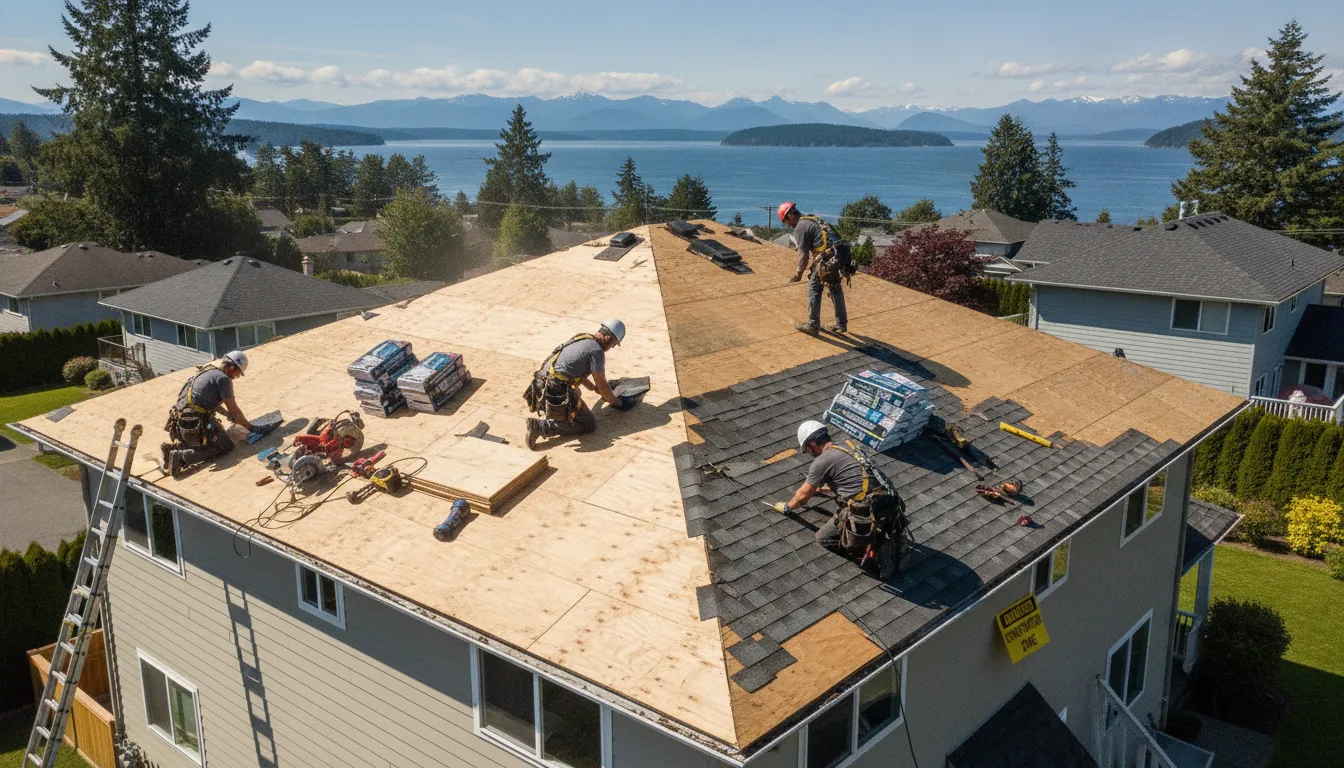
Storm damage roof repair involves fixing your home’s exterior after high winds or heavy rain cause leaks and missing shingles. In the Puget Sound area, wet weather can quickly turn a small crack into a major leak. Professional service includes sealing leaks, replacing shingles, and fixing damaged flashing to keep your home dry. Expert crews often provide same-day emergency tarping to stop water from entering your house during a storm. This fast action prevents wood rot and mold from growing inside your roof deck. According to Landmark Roofing and Siding, these services also cover water intrusion repair and moss treatment. Getting a professional check right after a storm ensures that hidden cracks do not turn into structural failures for your home.
Need immediate help after a storm? Schedule a free storm damage roof repair inspection with Redmond’s trusted experts at Landmark Roofing & Siding.
Finding the signs of a problem is the first step toward keeping your home dry. You must know what to look for on your shingles after the wind stops. Our guide on Identifying Storm Damage on Your Puget Sound Roof explains how to spot the clues. The path begins with
Identifying Storm Damage on Your Puget Sound Roof
Storms in the Puget Sound area can be very strong. High winds and heavy rain often cause storm damage roof repair needs for local homes. You do not always need to get on a ladder to find these problems. You can often see the signs of damage from the ground with your own eyes or binoculars. Checking your roof after a storm is the most important thing you can do to protect your house.
How Do You Look for Wind Damage?
Wind is a major cause of roof failure during big storms. Strong gusts can lift shingles or tear them away. This leaves the wood below open to rain. Research shows that wind pressure can bend roof parts during extreme weather. If you see shingles that look curled or pulled up, you may have a problem. Wind can also break the seals that hold shingles in place.
Check your yard for pieces of roofing. You might find bits of asphalt or even whole shingles on the grass. This is a clear sign that the wind was strong enough to break the bond of your roof. Even if you do not see a leak inside yet, these missing parts can lead to water damage. It is best to find these gaps before the next rain hits your home.

Can You Spot Shingle and Debris Issues?
Falling branches and flying debris can hit your roof hard. This can poke holes in the shingles or the wood deck. In Western Washington, tall trees are common near many homes. After a storm, look for any large limbs resting on your roof. These can cause leaks that need a fast fix. Debris can also scrape off the top layer of your shingles as it slides down.
You should also look for granule loss. These are the small rocks on top of your shingles. If you see a lot of them in your gutters, your shingles are wearing out. Storms can wash these away and leave your roof weak. Check your downspouts after a heavy rain or hail storm. Large piles of these rocks mean your roof is losing its shield against the sun and rain.
If you find damage, you must act fast to keep your home dry. Knowing how to handle a roof emergency can save you time and stress. You can also look up emergency roof repair costs to help you plan. Quick action helps stop small leaks from growing into big, costly repairs that hurt your budget.
How Do You Inspect Flashing and Decking?
Flashing is the metal trim around your chimney and vents. It keeps water out of the spots where the roof meets other parts of the house. High winds can bend or pull this metal away. If the flashing is loose, water will seep into your attic and walls. This can cause rot in the wood deck and ruin your insulation. Check for any metal that looks bent or is sticking out from the roof line.
Look at the edges of your roof for any wood that looks dark or wet. This might mean water is getting under the shingles. If the roof looks saggy in some spots, the wood deck below may be soft from rot. This often happens when water sits on the roof for too long. Finding these issues early stops a small leak from becoming a big mess. Professional help is key to making sure your home stays safe from the wet weather in the Puget Sound.
What Is the Average Cost of Storm Damage Roof Repair?
The cost to fix a roof after a storm in King, Pierce, or Snohomish county depends on the damage. Local storms often cause leaks, loose shingles, or broken parts. For small fixes, you might pay a few hundred dollars. If the storm was very bad, you may need a full new roof. Most people in the Puget Sound area spend about $379 to $1,755 for minor work. Our team serves homeowners from Seattle to Everett who deal with wet weather every year. We know how the local rain and wind can wear down even the best roofs. We have seen how a single storm can change the life of a roof.
What Are Common Repair and New Roof Prices?
Small repairs often fix leaks or a few missing shingles. This type of work is fast and helps stop water from entering your home. If the damage is too big for a simple fix, you will need a new roof. An asphalt shingle roof starts at about $7,500 for a standard house. A metal roof is very tough and lasts a long time but costs more. Metal roof prices usually start at $11,655. Use the table below to see how these costs compare for local homes in our area. These prices are a good starting point for your budget.
| Service Type | Starting Cost |
|---|---|
| Minor Roof Repair. | $379 to $1,755. |
| New Asphalt Roof. | $7,500 and up. |
| New Metal Roof. | $11,655 and up. |
Which Local Factors Change the Bill?
Your final price depends on the size of your roof and the type of shingles you pick. In the Puget Sound, wind and rain are the main causes of roof trouble. Research shows that high wind pressure can bend and damage even metal roof parts. If you live in a wet city like Seattle or Renton, you must also check for water in the attic. Strong winds can lift shingles and let rain seep into the wood below. You can read more about emergency roof repair costs to see how labor and parts add up for your project.
Storm damage often comes from falling tree limbs or heavy hail. Large hail can knock the grit off your shingles. This makes them brittle and prone to leaks. If you live in Snohomish or Pierce county, you may have many trees near your home. Wind can blow these limbs onto your roof and cause holes. Fixing these holes quickly saves you money in the long run. It prevents mold from growing in your walls and ceiling. It also keeps the wood under your roof from rotting over time.
Most insurance plans cover storm damage, but you need to act fast. You must record every part of the damage to get your claim approved. An expert report makes this process much easier. We help you find all the hidden issues so you do not miss any repairs. This ensures your home stays in good shape and keeps its value high. Working with a local expert who knows the area is a smart move for any homeowner.
Can You Get Savings With Quick Tarping Credits?
When a storm hits, you must act fast to stop water from ruining your house. We offer same-day help if you call us before noon. We put a heavy tarp on your roof to keep your home dry during the rain. This stops leaks from getting worse while we plan the full fix. We then credit the cost of that tarp work toward your final bill. This makes it easier for you to protect your home without paying extra fees for quick help. It is our way of helping our neighbors during a hard time.
A fast check is the best way to best emergency roof leak repair and find small holes before they get big. Our pros look at every part of your roof to find hidden damage. We check the flashing, the vents, and the gutters for signs of wear. We also look for loose nails and cracked shingles that might fail in the next storm. This full report helps you work with your insurance company to get the funds you need.
We have spent 20 years helping people in our local area stay safe and dry after bad weather. Our team understands the stress that comes with a damaged roof. We focus on clear talk and expert work to make the fix easy for you. By catching small issues now, you avoid costly repairs later. Trusting a family-owned team with deep roots in the Puget Sound ensures you get the right care. We treat every home like it is our own.
Steps to Take Immediately After a Storm Hits
Severe storms in the Puget Sound area can strike fast and leave a big mess. Taking the right steps after a storm helps you protect your home and handle a roof emergency safely. The most important thing to do is to wait until the weather clears before you head outside. High winds or heavy rain can make any task dangerous for you and your family.
Put Safety First
Do not rush out while the wind is still blowing. Downed power lines or loose debris can hurt you. Check your attic for new leaks to find the best emergency roof leak repair for your home. If you see water coming in, move your rugs and stuff to a dry spot. Keep your kids and pets away from any areas with wet floors or falling ceiling tiles.
Wait for local news or weather alerts to say that the storm has passed. It is also wise to check on your neighbors to see if they need help. Staying calm and waiting for the right time to act is the best way to start your work. Do not try to get on your roof during or after a storm. Wet roofs are slick and can lead to falls.
Check Your Home from the Ground
Once it is safe, walk around the base of your home. Use your eyes to look for signs of storm damage roof repair needs. High winds can cause structural failure in some roof systems. Look for missing shingles, bent metal, or piles of granules at the end of your gutters. Fallen tree limbs can also hide damage to your siding or roof line.
Check your windows and doors for cracks or dents from hail. Hail can hit hard and leave marks that are tough to see from far away. Use a pair of binoculars to get a closer look at the peak of your roof. This allows you to spot issues without needing to climb a ladder. If you find debris on your lawn, do not touch it if it is near a wire.
- Stay inside until the local weather alerts say the storm is over.
- Walk around the yard to look for fallen trees or power lines that pose a risk.
- Take clear photos of any damage you find to show to your insurance agent later.
- Call a pro to check for roof damage that you might not be able to see from the ground.
- Ask for same-day service if you call before noon to get a tarp on your roof fast.
Keep Good Notes for Your Claim
Keep a clear log of all the damage you see. Save any receipts for things like buckets or tarps you buy to stop leaks. Good photos and a pro report will help your insurance claim go more smoothly. Most local teams in our state can help you through the process of filing your claim. They know how to talk to agents to make sure you get the right help.
Record the date and time of the storm as well. These facts are key when you talk to your insurance company. If you have to move out of your home for a bit, keep track of those costs too. Being ready now will save you a lot of stress later. A pro check will give you the peace of mind that your home is still solid and safe.
Should I File an Insurance Claim for My Storm-Damaged Roof?
Choosing to file a claim after a storm can feel like a big choice. You want to fix your home, but you also want to keep your costs low. Most home plans cover damage from wind, hail, or falling trees. But they do not pay for old roofs that just wear out over time. Getting an expert look at your roof is the first step. Our team can help you find out if the storm caused the leaks or if it is time for storm damage roof repair.
Storm Damage vs. Wear and Tear
Insurance firms look for sudden events, not old age. A storm can tear off shingles or dent metal in one night. These are the kinds of issues that plans usually cover. But if your roof is old and has moss or thin spots, the firm may say it is just wear and tear. They expect you to keep your roof in good shape as the years go by.
Wind is a common cause of roof failure during big storms in the Puget Sound area. High winds can lift shingles or bend metal parts. A study from the National Institutes of Health shows how wind pressure can deform roof structures. When this happens, it is a clear case of storm damage that needs a quick fix to stop leaks. This type of damage can lead to house frame issues if you do not fix it right away.
The Role of FEMA and State Aid
Some people hope that FEMA or state aid will pay for their new roof after a big storm. But these programs have very strict rules and often have low limits. They mostly help when a disaster is so big that the local area cannot cope. Even then, the money is often for basic needs or to make the home safe to live in. It rarely covers the full cost of a new roof for one house. Most homeowners in towns like Redmond or Bellevue must rely on their own plans to get their homes back to normal.
State aid is also hard to get and often runs out fast. It is best to think of these as a last resort. Your own home plan is your best tool to fix storm damage. You should read your policy to see what it covers before you start the claim. Knowing your costs and limits will help you plan for the emergency roof repair costs.
How a Local Expert Helps Your Claim
Filing a claim needs proof that is clear and easy to read. You need photos, dates, and a good list of what went wrong. A pro roofer knows how to record damage for insurance so your agent has the facts they need. They can also be there when the insurance adjuster visits your home. This helps ensure that the adjuster sees every dent and leak that the storm caused.
Working with a local team means you get people who know the area and the local weather. We help you handle a roof emergency by giving you the right data for your claim. Our goal is to make the process simple and clear. We focus on direct talk and expert work so you can feel good about your home again.
Why a Quick Check Is Vital
If you wait too long after a storm, it can be hard to prove when the damage took place. Water that gets in today can cause mold or rot next month. A quick check finds these hidden issues early. Landmark Roofing & Siding offers free looks to help you see the real state of your roof. We use our twenty years of local work to spot things that others might miss. This data is key when you talk to your insurance firm. We can even help with emergency tarping to stop more damage while you wait for your claim to go through.
Frequently Asked Questions
Will homeowners insurance pay for storm damage roof repair?
Most homeowners insurance plans cover roof damage from sudden events like wind, hail, or falling trees. However, payment often depends on the age of your roof and if you have kept it in good shape. Plans usually do not pay for damage from normal wear and tear. According to Landmark Roofing & Siding, you should document damage right away with photos. A pro inspection is also key for a good claim.
What should I not say to a roof insurance adjuster?
When you talk to an insurance adjuster, do not guess about the cause of the damage. Do not say the roof is leaking if you are not sure. This could be seen as a care problem rather than storm damage. Avoid saying the damage is old. Instead, give them facts and pro reports. Clear records are very important when handling insurance claims for storm damage to your roof.
At what wind speed does a roof get damaged?
Roof damage can start at wind speeds as low as 50 to 60 miles per hour. These winds can lift shingles or damage metal flashing. Stronger gusts over 75 miles per hour often cause big problems or blow off large parts of the roof. Wind pressure is a main cause of roof failure during big storms. If you suspect damage, you should get a pro to look for hidden leaks.
What is the 25% rule for roof repair?
The 25% rule is a building code that many areas use. It says that if more than 25% of a roof is damaged in one year, the whole roof must be replaced. This is done to make sure the building stays safe and meets current codes. In the Puget Sound area, pro roof inspections help you find out if your repair needs to be a full replacement under this rule.
Ready to Secure Your Puget Sound Home From Storm Damage?
Ignoring minor storm damage now can lead to severe structural issues and costly repairs when the next rainy season arrives. Acting fast to identify leaks and secure your roof is the best way to protect your property and ensure your family’s safety.
Ready to protect your home? Schedule a free storm damage inspection today to get expert help and ensure your peace of mind.
