
Date
Thu Jun 11The most dangerous storm damage isn’t always the most obvious. While a fallen tree branch is impossible to miss, the more subtle issues like wind-lifted shingles or tiny hail fractures can go unnoticed from the ground. These small breaches in your roof’s defense are invitations for water to seep in, leading to rot, mold, and expensive structural problems down the line. This is why a professional inspection is non-negotiable after severe weather. By calling a 24/7 storm damage roof repair service, you get an expert eye on your roof immediately, ensuring no hidden damage is overlooked. This guide will teach you what signs to look for and why a quick, professional response is your best investment.
Key Takeaways
- Respond quickly to minimize damage: After a storm, immediately document the issues with photos and call for emergency service. Getting a temporary tarp on your roof right away is the key to stopping a small leak from becoming a much larger, more expensive problem.
- Let your roofer help with insurance: You shouldn’t have to manage the insurance claim by yourself. A reliable contractor will provide the detailed documentation your insurer needs and can even meet with the adjuster to make sure all damage is accounted for, ensuring a fair assessment.
- Prepare your roof before the storm hits: The best way to handle damage is to prevent it. Simple, proactive steps like scheduling yearly inspections, cleaning your gutters, and trimming overhanging trees can make your roof much more resilient and save you from future emergency repairs.
What is 24/7 Storm Damage Roof Repair?
When a fierce Puget Sound storm hits, the last thing you want to worry about is a leaking roof in the middle of the night. That’s where 24/7 storm damage roof repair comes in. This is an emergency service designed to provide an immediate response when your home suffers unexpected damage from severe weather. Think of it as first aid for your roof. The primary goal is to quickly secure your home and prevent the initial problem, like a few missing shingles, from turning into a much larger, more expensive issue. A reliable team is always on call, ready to act swiftly to protect your property, no matter the hour.
Why Acting Fast Prevents Bigger Problems
It’s tempting to wait until the storm fully passes or for morning to arrive before calling for help, but time is critical when your roof is compromised. A small leak can quickly lead to significant water damage inside your walls and ceilings, creating a perfect environment for mold to grow. Over time, this moisture can even weaken your home’s structural integrity. Acting fast not only minimizes these risks but also keeps repair costs down. Many insurance policies also require you to take reasonable steps to mitigate damage, so a quick call for professional residential roofing repairs can be crucial for a successful claim.
What to Expect from Emergency Services
When you call for emergency help, the first priority is to stop any active leaks. A professional team will typically arrive to perform temporary fixes, like securing a heavy-duty tarp over the damaged area. This is a critical step to prevent further water from getting into your home while waiting for a full assessment. Once the area is secure, you can expect a detailed inspection to identify all points of damage, some of which may not be obvious from the ground. A reputable contractor, whether for your home or commercial property, will also guide you through the insurance process, providing the documentation needed to support your claim and making a stressful situation much more manageable.
Signs Your Roof Has Storm Damage
After a big storm rolls through the Puget Sound, your first thought might be relief that it’s over. But the real work starts with checking for damage, especially to your roof. Spotting problems early can save you from dealing with much bigger, more expensive issues down the road. You don’t need to be a roofing expert to do an initial check. Many signs of storm damage are visible from the ground, you just need to know what to look for. Taking a few minutes to walk around your property can give you the clues you need to decide if it’s time to call in a professional for a closer look.
Missing, Cracked, or Damaged Shingles
This is one of the most straightforward signs to spot. Strong winds can easily lift, bend, or tear shingles right off your roof, leaving obvious empty patches. Hail is another major culprit, often leaving behind cracked, broken, or dented shingles. Take a walk around your house and use binoculars if you have them to get a better view. Even a few damaged shingles can compromise your roof’s ability to protect your home, creating an entry point for water. Different residential roofing materials show damage in different ways, but missing pieces are a universal sign of trouble.
Water Leaks and Interior Stains
A leak is the most undeniable sign that your roof has a problem. But it doesn’t always start with a dramatic drip from the ceiling. Head inside and check your ceilings, interior walls, and attic for any discoloration or water stains. These stains might look like faint, yellowish-brown circles that grow over time. You might also notice paint bubbling or peeling near the ceiling corners. A musty odor in your attic is another red flag, signaling hidden moisture and potential mold growth. If you see any of these signs, it means water has already found its way inside, and you should act quickly.
Granules in Your Gutters
Have you ever noticed a build-up of coarse, sand-like particles in your gutters or on the ground where your downspouts drain? Those are shingle granules. They form the top protective layer of asphalt shingles, shielding them from sun and weather. A severe storm with heavy rain or hail can knock these granules loose. While losing a few is normal over a roof’s lifetime, finding a large amount in your gutters after a storm is a sign of significant wear or direct impact damage. Without this protective layer, your shingles will deteriorate much faster, leaving your roof vulnerable.
Dents, Debris, and Structural Issues
Your roof is more than just shingles. After a storm, look for dents on metal components like flashing, vents, and gutters, which are clear indicators of hail. Also, scan your roof for any fallen tree branches or other debris. Even if a limb doesn’t puncture the roof, its weight and impact can cause structural damage that isn’t immediately obvious. Look for any areas that appear to be sagging or drooping, as this could point to a serious issue with the underlying roof deck. If you notice any of these problems, it’s best to stay on the ground and call for a professional commercial roofing inspection.
Your First Steps After a Storm
The wind has died down and the rain has stopped. It’s tempting to rush outside and see what happened, but taking a few measured steps can make a huge difference in your safety and the outcome of your insurance claim. When your home is hit by a storm, knowing what to do first can feel overwhelming. By following a clear plan, you can protect your family, document the damage properly, and get the repair process started on the right foot. It’s all about moving forward calmly and methodically. These next steps will guide you through the immediate aftermath and help you get the professional assistance you need to secure your property.
Prioritize Your Safety
First things first: your safety is the top priority. Even after the storm seems to have passed, it’s important to stay inside until you are certain it’s over. Once you do head outside, be extremely cautious. Look for downed power lines, which can be live and incredibly dangerous. Also, be aware of potential flooding, unstable tree branches, or other structural hazards around your property. Don’t climb on your roof or use a ladder in wet, windy conditions. It’s best to assess the situation from the ground until a professional can perform a safe and thorough inspection.
Document All Damage
Once you’ve confirmed it’s safe to be outside, your next job is to become a detective. Grab your phone and start documenting everything. Take as many photos and videos as you can of the damage to your roof, siding, windows, and gutters. Make sure to capture wide shots to show the overall context and close-ups to detail specific problems like missing shingles or dents. Do this for both the exterior and interior of your home, especially if you see water stains on your ceilings. Try to get this done within 24 to 48 hours of the storm, as this documentation will be essential for your insurance claim.
Prevent Further Interior Damage
If you’ve found leaks, your immediate goal is to minimize water damage inside your home. Place buckets or towels under drips to catch water and protect your floors. If possible, move furniture, electronics, and other valuable items away from the affected areas. While these are good first steps, they are only temporary. To truly stop more water from getting in, you may need emergency tarping. A professional roofing contractor can quickly cover the damaged sections of your residential roofing, providing a crucial barrier against further rain until permanent repairs can be made.
Call an Emergency Roofing Contractor
With temporary measures in place and damage documented, it’s time to call in the experts. Contact a trusted, local emergency roofing contractor for a professional inspection. A trained roofer can identify not only the obvious damage but also the subtle issues that an untrained eye might miss. They can provide a detailed report and an accurate estimate for repairs, which is exactly what your insurance company will need. At Landmark, we have over 20 years of experience helping Puget Sound homeowners with commercial roofing and residential storm damage. We can assess the situation, perform emergency tarping, and guide you through the next steps of the repair and insurance process.
The Emergency Roof Repair Process
Once you’ve made that crucial call to an emergency roofing contractor, you might be wondering what happens next. The process is more straightforward than you might think, and a professional team will guide you every step of the way. From immediate damage control to long-term solutions, the goal is to get your home secure and back to normal as quickly as possible. Here’s a breakdown of what you can expect during the emergency roof repair process.
Emergency Tarping and Temporary Fixes
The first priority is to stop any more water from getting into your home. When our team arrives, our initial step is to apply an emergency tarp or other temporary patch over the damaged areas. This is a critical measure that acts as a powerful shield, protecting your home’s interior from rain and the elements while we plan for a permanent fix. It’s a fast and effective way to prevent further issues like water stains on your ceiling or damage to your attic, giving you immediate peace of mind.
A Thorough Roof Inspection
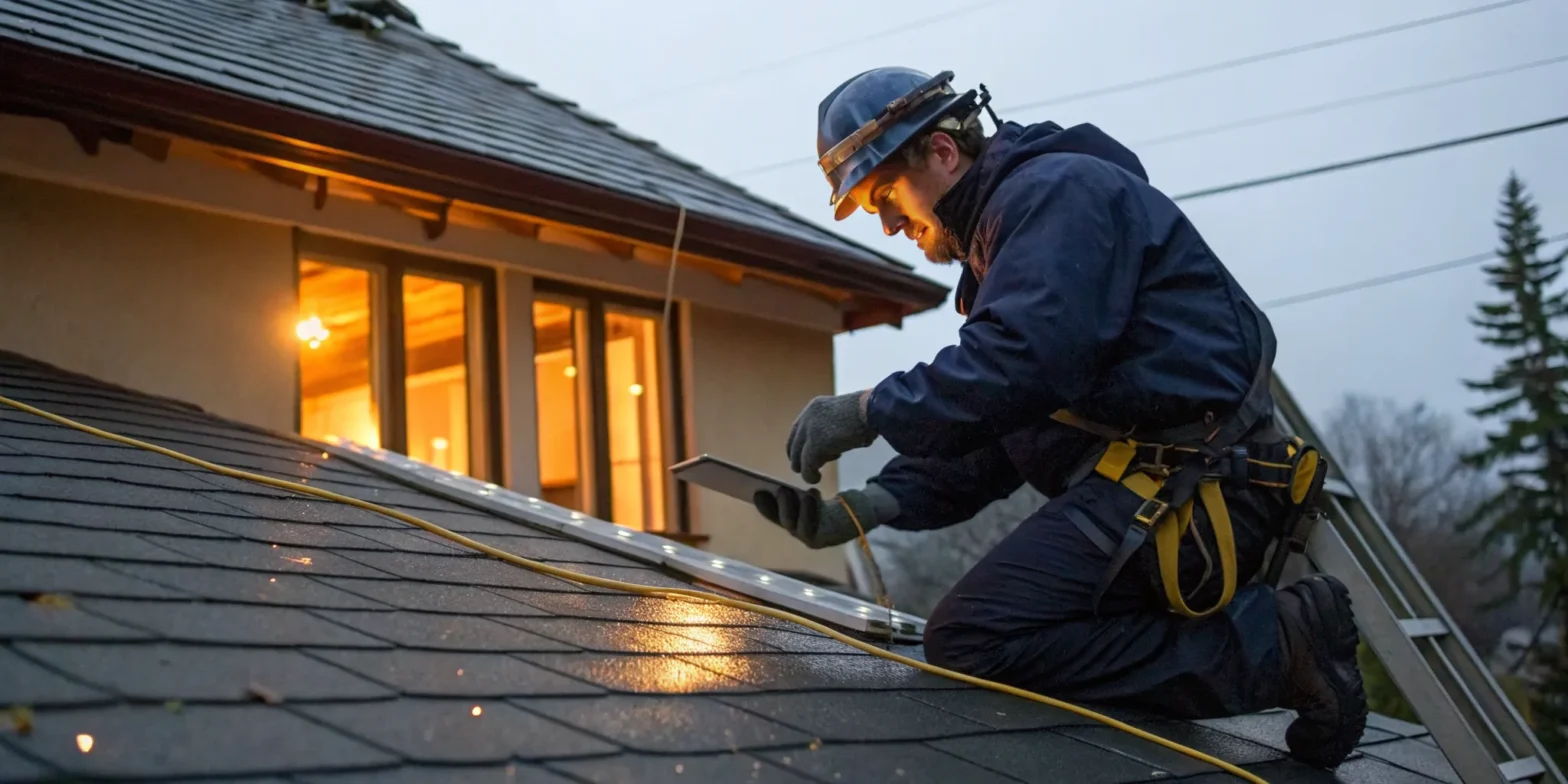
With the immediate threat contained, the next step is a comprehensive roof inspection. Storm damage isn’t always obvious from the ground, and hidden issues can lead to major problems later. Our experts will get on your roof to carefully assess every shingle, flashing, and seam. We look for everything from subtle hail dents and wind-lifted shingles to compromised seals around vents. This detailed evaluation ensures we identify the full extent of the damage, so we can create an accurate plan for your residential roofing repairs and provide a precise quote.
Permanent Repairs and Replacements
After the inspection, we’ll walk you through our findings and recommend the best course of action. For minor to moderate damage, permanent repairs can often be completed in just one to three days. If the damage is extensive or your roof is older, a full replacement might be the most cost-effective solution in the long run. This is also a great opportunity to consider upgrading your materials. We can discuss options like durable architectural shingles or other modern systems that offer better protection. You can even use our roofing cost calculator to get a preliminary idea of the investment.
Recommendations for Future Prevention
Our job isn’t just about fixing the current problem; it’s also about helping you protect your home from future storms. Putting off even small repairs can allow moisture to seep in, leading to mold, rot, and more expensive structural issues down the road. Acting quickly is always the best policy. During the repair process, we can also recommend preventative measures, like installing impact-resistant shingles that are designed to withstand harsh weather. Investing in high-quality materials, whether for your home or a commercial roofing system, gives your property a stronger defense for years to come.
How the Insurance Claim Process Works
Dealing with insurance after a storm can feel like a huge headache, but it doesn’t have to be. Think of it as a clear, step-by-step process. Having a plan and a professional partner on your side makes all the difference in getting your claim approved and your home repaired correctly. Following these steps will help you get organized and feel in control.
Step 1: Document the Damage
Before you move anything or make any calls, your first job is to document everything. Grab your phone and take as many photos and videos as you can within 24 to 48 hours of the storm. Capture the big picture with wide shots of your roof and home exterior, then get close-ups of specific problems like missing shingles, dents in gutters, or water stains on your ceiling. The more evidence you have, the stronger your claim will be. This visual record is your most powerful tool when you talk to your insurance company.
Step 2: Contact Your Insurance Company
Next, it’s time to report the damage. Don’t wait. Most insurance policies have a time limit for filing a claim, often within 30 to 60 days, and reporting quickly shows the damage is a direct result of the recent storm. Waiting too long can give an insurer a reason to question the claim or even deny it. When you call, have your policy number ready and your notes from the damage documentation. They will assign you a claim number and an adjuster who will manage your case.
Step 3: Work With Your Roofer on the Claim
You don’t have to face the insurance adjuster alone. It’s a smart move to have your trusted roofing partner present during the adjuster’s inspection. A professional roofer, like the team at Landmark, acts as your advocate. We know exactly what to look for and can point out damage the adjuster might miss. This ensures the assessment is thorough and fair, covering the full scope of necessary residential roofing repairs. This collaboration helps streamline the process and makes sure you get the compensation you need for a quality restoration.
Understanding What Insurance Covers
Every policy is different, so what’s covered can vary. Generally, homeowners insurance covers damage from sudden and accidental events, like wind, hail, or a fallen tree. It typically does not cover damage that results from a lack of maintenance or an old, worn-out roof. This is why prompt reporting is so important; it connects the damage directly to the storm. Your roofer can help provide the professional documentation needed to support your claim and show that the damage was storm-related, not due to neglect.
Choosing the Right Emergency Repair Service
When your roof is damaged, the pressure to find help fast can be overwhelming. But choosing the first roofer you find online isn’t always the best move. Taking a moment to find a trustworthy, experienced, and responsive contractor will save you headaches and money down the road. You need a partner who will not only fix the immediate problem but also ensure your home is secure for years to come. Here’s what to look for in an emergency repair service.
24/7 Availability and Fast Response
Storms don’t stick to a 9-to-5 schedule, and neither should your roofer. When you have water dripping into your living room, you need help immediately, not the next business day. Look for a company that offers true 24/7 emergency services. A rapid response is critical for minimizing damage; a contractor who can arrive quickly to apply an emergency tarp can prevent a small leak from turning into a catastrophic interior problem. When you call, they should be ready to dispatch a team to secure your home and protect it from further harm.
Local Experience and Credentials
A contractor with deep roots in the Puget Sound area understands the unique challenges our weather presents. With over 20 years of local experience, we’ve seen it all. This kind of expertise means your roofer can accurately diagnose damage and recommend repairs that will hold up against future storms. Beyond experience, check for credentials. Certifications from top manufacturers indicate that a company is trained in the latest installation techniques and committed to high standards. This ensures your residential roofing repairs are handled by qualified professionals who are trusted by the industry’s best.
Help with Insurance Claims
Dealing with insurance paperwork is the last thing you want to do after a storm. A great roofing contractor will be your advocate throughout the claims process. They should provide detailed documentation of the damage, including photos and a comprehensive report, to support your claim. The best teams will even meet with your insurance adjuster on-site to point out all the damage and ensure nothing is overlooked. This professional guidance is invaluable for making sure you get the fair compensation you need to cover the repairs without the added stress of managing the claim alone.
Quality Materials and Warranties
The materials used for your repair are just as important as the person installing them. Ask potential contractors about the quality of the products they use. Opting for durable, impact-resistant materials can provide better protection and might even help lower your insurance premiums in the long run. Furthermore, a reputable company will always stand behind its work with a solid warranty. This isn’t just a piece of paper; it’s a promise that the repair is built to last. A strong warranty on both materials and labor gives you peace of mind knowing your investment is protected.
Common Myths About Emergency Roof Repair
When a storm hits and your roof takes a beating, it’s easy to get overwhelmed by stress and conflicting information. In the rush to get things fixed, many homeowners fall for common myths that can lead to bigger problems, more expensive repairs, and even denied insurance claims. It’s important to separate fact from fiction so you can make smart, timely decisions that protect your home and your wallet. Think of it as your post-storm action plan: knowing what’s true and what isn’t will help you get the right help, right away.
From assuming all damage is obvious to thinking any temporary patch will do, these misconceptions can be costly. Understanding the reality of residential roofing emergencies is the first step toward a successful repair. Let’s walk through some of the most common myths about storm damage repair and get the facts straight. This way, you’ll be prepared to handle the situation with confidence and avoid the pitfalls that can turn a manageable repair into a major disaster.
“All damage is visible from the ground.”
It would be nice if all storm damage was as obvious as a tree branch sitting in your living room, but that’s rarely the case. From the ground, your roof might look perfectly fine, but hidden issues could be lurking. High winds can lift shingles, breaking their watertight seal without tearing them off completely. Hail can leave small, subtle dents and fractures that are nearly impossible to spot from a distance. Research shows that many homeowners don’t realize they have storm damage until weeks or even months later, long after leaks have started causing rot, mold, and structural issues. A professional inspection is the only way to be certain you’ve caught everything.
“My insurance will cover everything.”
Your homeowner’s insurance is your financial safety net, but it’s not a magic wand. Policies come with specific rules, limits, and deadlines. For instance, most insurance companies require you to file a claim within a certain timeframe, often just 30 to 60 days after the storm. If you wait too long, you could forfeit your coverage entirely. It’s crucial to understand your policy’s specifics, including your deductible and any exclusions for things like wear and tear. Knowing how long you have to file a claim and what’s covered will help you avoid unexpected out-of-pocket costs and ensure a smoother process.
“A temporary fix is good enough.”
Putting a tarp over a leak is an essential first step, but it’s not a long-term solution. Thinking of a temporary patch as a permanent fix is one of the most expensive mistakes a homeowner can make. Water is persistent and can seep into the smallest gaps, leading to serious issues over time. Delaying proper emergency roofing repairs can cause hidden mold growth, rot in your roof deck and framing, and compromised insulation that drives up your energy bills. What starts as a small, manageable problem can quickly escalate into a full roof replacement if it isn’t addressed promptly by a professional.
“All roofers offer true 24/7 service.”
Many roofing companies advertise 24/7 emergency services, but not all of them can deliver when you need it most. True emergency service means having a team ready to respond immediately, especially when water is actively entering your home. When you call a roofer after a storm, you need to ask direct questions: “How quickly can you get here?” and “Can you install a tarp today to stop the leak?” Some companies may not have the crew available for a same-day response. Verifying that a roofer can provide immediate assistance is key to minimizing damage and getting your home secured as quickly as possible.
How to Prepare Your Roof for the Next Storm
The best way to handle storm damage is to prevent it from happening in the first place. While you can’t control the weather here in the Puget Sound, you can take proactive steps to make sure your roof is ready for whatever comes its way. A little maintenance now can save you from the stress and expense of emergency repairs later. Here’s what you can do to prepare.
Schedule Regular Inspections
Think of a roof inspection as a check-up for your home. A professional can spot subtle issues that aren’t visible from the ground, like loose flashing or aging seals that could fail during a heavy downpour. Catching these small problems early is the most effective way to prevent a minor leak from turning into a major interior disaster. We recommend having your residential roofing inspected at least once a year, especially before the fall and winter storm season begins. This simple step gives you peace of mind, knowing your first line of defense is secure.
Clear Your Gutters and Downspouts
Your gutters have an important job: to channel water away from your roof and foundation. When they get clogged with leaves, pine needles, and other debris, that water has nowhere to go. It can back up onto your roof, seeping under shingles and causing rot and leaks. Clogged gutters can also become heavy and pull away from the house, creating another entry point for water. Make it a habit to clear them out each spring and fall. A clean gutter system is one of the easiest and most effective ways to protect your roof and home from water damage.
Trim Overhanging Tree Branches
The beautiful, mature trees in our neighborhoods can pose a risk to your roof during a storm. High winds can snap heavy branches, sending them crashing down and causing serious structural damage or punctures. Even smaller branches that constantly scrape against your shingles can wear away their protective granules, shortening your roof’s lifespan. Take a walk around your property and identify any limbs that hang directly over your house. For large branches, it’s always safest to call a professional arborist to trim them back properly and protect both your roof and the tree.
Upgrade to Impact-Resistant Materials
When it’s time for a roof replacement, consider it an opportunity to strengthen your home’s defenses. Modern roofing materials are engineered to be far more durable than their older counterparts. Options like metal, DaVinci Roofscapes, and other impact-resistant composition shingles are specifically designed to withstand high winds, hail, and debris. Upgrading is a long-term investment that not only provides superior protection but can also add value to your home. When you’re ready to explore your options, a professional can help you choose the best roofing materials for our local climate.
Related Articles
- How to Handle an Emergency Roof Repair Safely – Landmark Roofing & Siding
- Roof Damage & The Most Expensive Part to Fix
- A Smart Homeowner’s Guide to Roof Repair – Landmark Roofing & Siding
Frequently Asked Questions
My roof looks fine from the ground after a storm. Could there still be damage? Yes, absolutely. Many types of storm damage, like hail impacts or wind-lifted shingles that have broken their seals, are nearly impossible to see from the ground. These hidden issues can lead to slow leaks that cause rot and mold over time. The only way to be certain your roof is okay is to have a professional perform a thorough inspection.
Should I call my insurance company or a roofing contractor first? It’s a great idea to call a trusted roofing contractor first. A professional can perform an emergency tarping to prevent further water damage and then give you a detailed assessment of the situation. This professional report provides you with valuable documentation and an expert opinion to have on hand when you do contact your insurance company to file the claim.
Is it safe for me to get on my roof to check for damage myself? I strongly advise against it. A roof can be slippery and unstable after a storm, and there could be structural damage you can’t see. It’s much safer to do your initial assessment from the ground, using binoculars if you have them. Leave the hands-on inspection to trained and properly equipped professionals who know how to safely assess the roof.
How long can an emergency tarp stay on my roof? An emergency tarp is a temporary, but critical, first aid measure. It’s designed to protect your home for a short period, typically a few days to a few weeks, while you arrange for permanent repairs. Leaving a tarp on for too long can sometimes trap moisture, so it’s important to view it as a temporary shield and move forward with a permanent fix as soon as possible.
I need help fast. Why shouldn’t I just call the first roofer I find online? In an emergency, it’s tempting to go with the quickest option, but taking a moment to verify a roofer’s credentials can save you from a huge headache. Look for a local company with a proven track record, proper licensing, and experience with insurance claims. A reputable contractor will respond quickly while also providing the quality materials and workmanship needed for a lasting repair, not just a quick patch.