
Date
Thu Jun 11Wet needles and shaded moss can shorten a cedar roof’s useful life. In the Puget Sound, routine care keeps cedar dry, secure, and ready for the next storm.
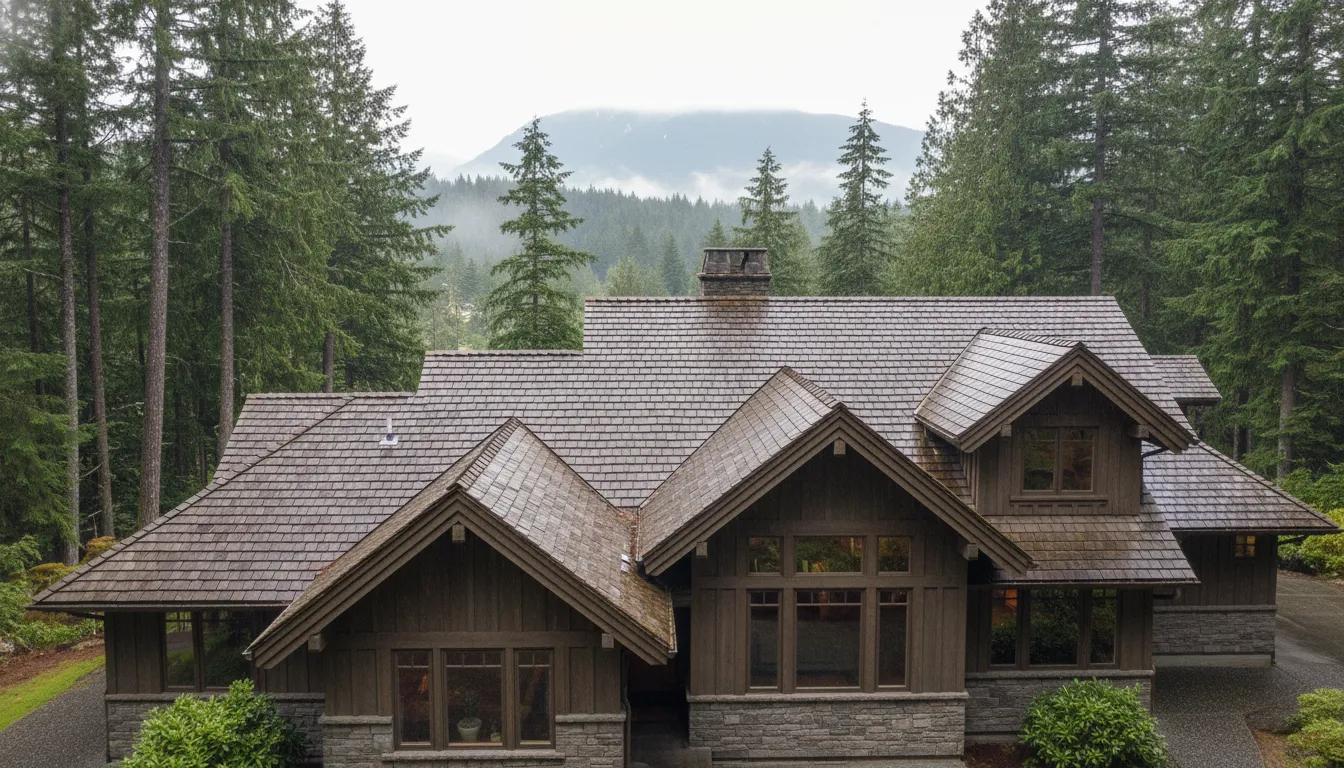
Cedar shake roof maintenance is a planned cycle of inspections, gentle debris removal, moisture control, targeted repairs, and suitable protective treatments. For Washington properties, inspect the roof at least yearly and after major storms, then address broken, curled, or missing shakes before water spreads. Keep valleys and gutters clear, trim overhanging branches, and watch shaded areas for moss because trapped moisture can speed decay. Proper ventilation also helps shakes dry, while careless power washing can strip the wood’s protective surface. Guidance from Oregon State University Extension explains how weather exposure degrades wood surfaces, which is why safe methods and timely professional care matter. With consistent upkeep, owners and property managers can reduce avoidable repair costs, protect curb appeal, and get more service from an existing cedar roof.
For Washington homeowners and property managers, the real question is how to keep cedar dry without damaging its surface year after year. That starts with a clear look at why cedar shake roof maintenance matters in the Pacific Northwest first. Here’s how.
Why cedar shake roof maintenance matters in the Pacific Northwest
Cedar is well suited to Puget Sound homes, but it still needs room to dry between wet periods. Rain, shade, and trapped debris can keep shakes damp longer than expected. Cedar shake roof maintenance helps manage that moisture before it leads to decay or damaged shakes.
Moisture and drying conditions
Western redcedar has a natural resistance to decay and insects. Still, weather exposure slowly wears down the wood surface. The Pacific Northwest guide to wood roof care explains why proper ventilation is key. It lets moisture escape and supports a longer service life.
Drying conditions can vary across the same roof. A sunny, open slope may dry faster than a shaded area near trees. Shaded surfaces stay wet longer, which makes them more prone to moss and mildew. Valleys and other low-flow areas also need attention because leaves and needles can gather there.
Moss, debris, and nearby trees
Moss and algae are more than surface concerns. They hold moisture against cedar, which can speed up decay. The US Forest Service wood roof guidance recommends trimming overhanging branches. This step reduces debris while improving sunlight and airflow.
- Remove leaves, needles, and small branches so water can drain and cedar can dry.
- Check shaded slopes and areas below trees for moss or mildew growth.
- Keep gutters and roof drainage paths clear during wet Puget Sound seasons.
- Have broken, curled, loose, or missing shakes assessed before water reaches the layers below.
Cleaning methods matter as much as timing. Harsh power washing can strip the wood’s protective outer layer when pressure or technique is wrong. A careful inspection should guide the cleaning plan. Gray color alone does not always mean the shakes have failed.
A practical maintenance cycle
A sound maintenance plan combines inspection, debris removal, suitable treatment, and timely repair. It also checks whether the roof has enough airflow to dry after rain. This full approach protects the roof without treating every stain or weathered shake as a reason for replacement.
Homeowners should view cedar shake roof maintenance as ongoing care rather than a one-time cleaning project. The roof’s shade, tree cover, drainage, and current condition should shape each visit. Regular checks can reveal small concerns while repair options remain focused.
A seasonal cedar shake roof maintenance checklist
Washington rain, shade, and wind can leave cedar roofs wet or covered with debris. A seasonal routine helps homeowners spot changes before water reaches the home. The safest plan pairs ground-level checks with scheduled professional care.
A safe inspection boundary
Homeowners can scan the roof from the ground with binoculars after storms and during each seasonal check. Look for missing, split, curled, or shifted shakes. Also note sagging areas, dark streaks, thick moss, loose flashing, and debris collecting in valleys.
Do not walk on cedar shakes, pressure wash them, or try to replace damaged pieces yourself. Cedar can be slick, and the wrong cleaning method can harm its surface. The Oregon State University maintenance guide warns that improper power washing can cause early wear.
The season-by-season schedule
Use this numbered sequence as a repeating cedar shake roof maintenance schedule. Take dated photos from the same safe viewpoints each season. Those images make it easier to see whether a small concern is spreading.
- Spring: Check for storm damage, loose shakes, clogged gutters, and new moss growth. Ask a roofing professional to inspect any area that changed over winter.
- Summer: Watch how shaded sections dry after rain, and note branches hanging over the roof. Schedule professional cleaning or treatment work during a dry weather window.
- Fall: From the ground, check for leaves and needles trapped in valleys or near roof edges. Have a professional clear roof debris and assess drainage before steady rain returns.
- Winter: Inspect the attic for damp spots, stains, or musty odors after heavy rain. Outside, note displaced shakes or flashing, but leave all roof access to a professional.
Moisture control matters throughout the year. Moss and algae can hold water against cedar and speed decay, according to the US Forest Service. A roofer can also check airflow, drainage, and shaded sections that stay damp longer.
Work for a roofing professional
A trained roofer should handle close inspections, roof walking, debris removal, moss control, repairs, and finish selection. Ask the roofer to document failed shakes, flashing concerns, soft areas, and signs of poor ventilation. Repairs should match the roof’s age, condition, and current installation.
Call sooner when you see a leak, a sagging section, several missing shakes, or damage after strong wind. Homeowners in Redmond can review common warning signs and available roof repair and maintenance services. For routine visits, keep the roofer’s notes beside your seasonal photos to track changes over time.
How should cedar shakes be cleaned and protected?
Safe cedar shake roof maintenance focuses on keeping the wood clean, dry, and able to breathe. The goal is not to make weathered shakes look new. Instead, careful upkeep removes conditions that hold water and speed decay.
Debris, gutters, and nearby trees
Remove loose leaves, needles, twigs, and cones before they form damp mats. Use a gentle method that does not scrape, split, or lift the shakes. Work from a secure position, and leave steep or fragile roofs to a trained roofer. Debris clearing also helps water follow the roof’s intended drainage path.
Keep gutters and downspouts clear so water can leave the roof edge without backing up. Check valleys and spots below overhanging branches, since debris often gathers there. Trim branches away from the roof to reduce debris and improve sun and airflow. The USDA Forest Service also links branch trimming with better drying conditions in its wood roof maintenance guidance.
Careful moss management
Moss and algae can trap moisture against cedar, which may speed wood decay. Shaded parts of a Puget Sound roof may stay damp longer and need closer checks. Do not tear at thick moss or force tools beneath the shakes. That approach can break aged wood or disturb the roof layers.
Avoid aggressive pressure washing as a quick fix. Improper power washing can remove the wood’s protective outer surface and lead to early wear. Oregon State University’s care and maintenance guide explains how weather and maintenance affect wood shake roofs. A qualified cedar specialist can choose a cleaning method based on roof age, pitch, moss level, and shake condition.
Do not treat every gray shake as damaged. Gray color can be normal weathering, while softness, rot, splits, or movement point to a deeper issue. Before cleaning, have weak areas found and repaired. This reduces the chance that cleaning will turn a small defect into a leak.
Drying, ventilation, and treatments
Cedar needs a chance to dry after rain. Keep attic and roof ventilation paths open, and do not cover vents during other home projects. Proper airflow helps moisture escape instead of remaining around the wood. Clear gutters, fewer branches, and sound ventilation work together to support drying.
Protective products require caution because not every coating suits cedar. Film-forming finishes may trap moisture, while research has examined penetrating, non-film-forming finishes for western redcedar roofs. Never apply a generic sealer, bleach mix, or oil without checking its fit for the roof. Product choice should reflect the cedar type, current finish, roof condition, and manufacturer guidance.
For a roof with heavy growth, unknown past treatments, or damaged shakes, start with a professional assessment. Landmark’s overview of cedar shake roof maintenance provides more context on this roofing material. A roofer familiar with cedar can separate safe cleaning needs from repair needs before work begins.
Repair or replace: what do cedar roof warning signs mean?
Not every weathered shake calls for a new roof. Gray color can be normal, while splits, curling, soft spots, and loose shakes may show active damage. Good cedar shake roof maintenance starts by separating a small repair from a roof-wide problem.
Warning signs that need a closer look
Look for missing shakes, open splits, curled edges, exposed fasteners, and areas that feel soft. Also check flashing near chimneys, walls, valleys, and roof openings. Damaged flashing or loose shakes can let water reach the layers below, even before a ceiling stain appears.
Persistent moss also needs attention because it holds moisture against the wood and may speed decay. The US Forest Service wood roof guidance covers maintenance and care for wood shakes and shingles. Do not assume that cleaning alone will fix wood that has already softened or rotted.
Repair and replacement signals
A repair may make sense when damage is limited to a small area and the nearby shakes remain firm. A roofer can replace isolated shakes, secure loose pieces, and repair flashing. The inspection should also trace any leak to its source because the visible stain may sit far from the opening.
| Warning sign. | Repair may fit when. | Replacement assessment is wise when. |
|---|---|---|
| Split, curled, or missing shakes. | Only a few shakes are affected. | Damage appears across several roof areas. |
| Soft or loose shakes. | Nearby wood stays firm and dry. | Softness or movement is widespread. |
| Exposed fasteners. | Fasteners are limited to one repair area. | Many fasteners and shakes have shifted. |
| Damaged flashing or leaks. | The opening is clear and surrounding wood is sound. | Leaks repeat or water has damaged the roof deck. |
| Persistent moss. | Growth is light and shakes remain sound. | Moss returns with widespread soft or decayed wood. |
Widespread decay, repeated leaks, and many failed shakes point toward a replacement assessment. These signs can mean the roof no longer sheds water as one working system. Review what replacement work involves before choosing a contractor for maintaining your cedar roof.
What a professional assessment should cover
A sound assessment checks more than the surface. It should cover shake condition, flashing, fasteners, valleys, drainage paths, ventilation, and the roof deck where access allows. It should also explain which defects need prompt repair and which ones can be watched.
Ask for photos and a clear scope for each recommended repair. If damage is broad, request repair and replacement options with the tradeoffs stated plainly. Landmark’s free inspection and consultation can help Puget Sound homeowners understand the condition before selecting the next step.
When should you call a cedar roofing professional?
Call a roofing professional when an inspection requires anyone to step onto the cedar. A wet, steep, or weathered roof can be hard to cross safely. Foot traffic can also crack weak shakes or disturb pieces that still shed water.
Why roof access needs care
Cedar can look sound from the ground while hiding soft, split, or loose areas. An experienced roofer can spread weight safely, use suitable access points, and avoid turning small flaws into larger ones. Homeowners can still check gutters, ceilings, and visible roof areas from safe locations.
A professional can also tell the difference between normal gray weathering and active decay. The U.S. Forest Service notes that western redcedar has natural resistance to decay and insects. That strength does not rule out damage from trapped moisture, failed flashing, or broken shakes.
What a professional inspection covers
A cedar specialist checks for missing, curled, split, and rotted shakes. The inspection should also cover flashing, valleys, roof edges, fasteners, ventilation, and areas where debris holds water. This full review helps find the source of a leak instead of treating only its visible symptom.
Repair methods depend on the roof’s condition and how each shake was installed. A roofer may replace damaged shakes, correct exposed fasteners, or repair flashing while protecting nearby wood. For broader planning, review these tips for maintaining your cedar roof and choosing a qualified cedar contractor.
Signs that should prompt a call
Schedule an inspection after a major Puget Sound storm, especially if wind moved debris across the roof. Call sooner when you see ceiling stains, active drips, missing shakes, sagging areas, or pieces of cedar on the ground. A new leak needs prompt attention, even if it stops when the rain ends.
- Water stains or damp spots appear in the attic or ceiling.
- Shakes are missing, split, curled, loose, or visibly soft.
- Flashing looks bent, lifted, rusted, or separated from the roof.
- Moss, leaves, or needles keep sections of cedar damp.
Do not wait for water to spread before arranging an assessment. Prompt repairs can limit further harm to the roof deck, insulation, and interior finishes. Washington homeowners who notice warning signs can review local roof repair and maintenance services before scheduling an inspection.
How can you help a cedar shake roof last longer?
Cedar shake roof maintenance supports service life, but no schedule can promise a set number of years. The roof’s starting condition, original installation, sun exposure, airflow, and past repairs all shape how it ages. In Puget Sound, the goal is simple: help the shakes shed water, dry well, and stay sound.
A useful roof history
Start a roof record with inspection reports, photos, repair invoices, and notes about leaks or storm damage. Dated photos from the same roof areas help a roofer compare changes instead of relying on memory. Keep product labels and treatment details too, since the wrong coating or cleaning method may harm cedar.
A contractor can use this record to spot repeat trouble and plan work before small defects spread. Note when you first see a stain, lifted shake, or loose flashing. For more context, Landmark’s guide to cedar shake roof maintenance explains key material features homeowners should know.
Professional checks and timely repairs
A professional inspection should check for split, curled, loose, or missing shakes. It should also cover flashing, fasteners, valleys, roof edges, drainage paths, and signs of trapped moisture. A gray surface alone does not prove the roof has failed, so condition matters more than color.
Repair small defects before water reaches nearby wood or the roof deck. Replacing a damaged shake or fixing loose flashing may limit the affected area. If you notice ceiling stains, shifted shakes, or storm damage, arrange roof repair and maintenance services rather than waiting for the next routine check.
Puget Sound moisture and shade
Wet weather, shaded slopes, fallen needles, and nearby trees can slow drying across Puget Sound homes. The USDA wood roof guidance notes that moss and algae can trap moisture and speed wood decay. A roofer can assess buildup and choose a cleaning method suited to the roof’s condition.
Keep gutters and drainage paths clear, and have overhanging branches reviewed when they leave heavy debris or deep shade. Do not walk on wet or fragile shakes to inspect them yourself. Ask the roofer to note changes in airflow, soft areas, and recurring buildup during each visit.
Maintenance choices should follow what the roof needs now, not a fixed treatment calendar. A sound roof may need routine monitoring, while a worn or poorly installed roof may need broader repair. Clear records and repeat inspections make those decisions easier to support.
Frequently Asked Questions
What is the cost of cedar shake roof maintenance?
Cedar shake roof maintenance costs depend on roof size, pitch, access, condition, and the work required. Cleaning alone may cost between $0.21 and $0.34 per square foot, according to Homewyse. Repairs, moss removal, and protective treatments add to the total. A roof inspection provides the most useful estimate for a specific Washington property.
Do cedar shake roofs need to be sealed?
Cedar shakes may benefit from the right protective finish, but a film-forming sealer can trap moisture in the wood. Research documented by the National Park Service favors penetrating, non-film-forming finishes that allow cedar to breathe. Before applying any product, confirm that it suits the roof’s shake type, condition, and manufacturer requirements.
What are the common problems with wood shake roofs?
Common wood shake roof problems include moss, algae, trapped debris, cracked shakes, curling, missing pieces, and decayed wood. Shaded sections often stay wet longer and face greater moss and mildew risk. The US Forest Service notes that moss and algae can trap moisture against the wood. Prompt repairs and careful cleaning help prevent small defects from spreading.
How often should you treat a cedar shake roof?
There is no single treatment schedule for every cedar shake roof. Timing depends on the finish, roof exposure, drainage, shade, and the product manufacturer’s directions. One industry guide recommends cleaning and preserving cedar roofs every five to seven years. However, annual inspections can identify moisture, moss, or damaged shakes before the next planned treatment. Use a cedar-compatible, penetrating finish when treatment is appropriate.
How long does a cedar shake roof last with proper maintenance?
A properly maintained cedar shake roof may last 30 to 60 years or longer, according to a cedar roofing industry guide. Actual service life depends on installation quality, ventilation, sun exposure, moisture, and repair history. In the Pacific Northwest, keeping the roof clear of debris and addressing moss or damaged shakes promptly supports longer service life.
Ready to Protect Your Cedar Shake Roof This Season?
Waiting to address worn shakes, trapped debris, or drainage concerns can allow manageable maintenance needs to become more involved roofing problems. Starting now gives you time to understand the roof’s condition, plan needed work, and address concerns before the next stretch of wet weather. A professional inspection can help you set clear priorities and budget for maintenance without rushing into decisions after visible damage appears.
Take the first step toward a clear maintenance plan for your Washington property. Request a roofing inspection and quote to identify current concerns and discuss practical next steps with Landmark Roofing & Siding. Contact the team now so you can schedule work around your property, tenants, or household before maintenance needs become urgent.