
Date
Wed Jan 7There’s a common belief that a wood roof can’t handle the persistent rain and moss-friendly conditions of the Pacific Northwest. It’s easy to assume that a natural material would be vulnerable, leading many to overlook one of the most beautiful roofing options available. The truth is, modern cedar shake roof shingles are far more resilient than you might think. Thanks to its natural oils, cedar is inherently resistant to moisture and decay. When combined with proper installation and treatment, it becomes a durable, long-lasting shield for your home. This article will break down the facts, debunk the myths, and show you why a cedar roof is a fantastic choice for our region.
Key Takeaways
- Cedar is a high-performance aesthetic choice: It offers unmatched curb appeal with its natural, rustic texture while also providing excellent insulation that can help manage your home’s energy costs.
- It’s a long-term investment in both cost and care: A cedar roof has a higher upfront cost than other materials and requires proactive maintenance, like keeping it clear of debris, to prevent moisture issues and ensure it lasts.
- Expert installation is non-negotiable: The lifespan and performance of a cedar roof, particularly in our damp climate, are directly tied to the quality of the installation. Proper airflow and technique are essential to prevent rot and maximize durability.
What Exactly Is a Cedar Shake Roof?
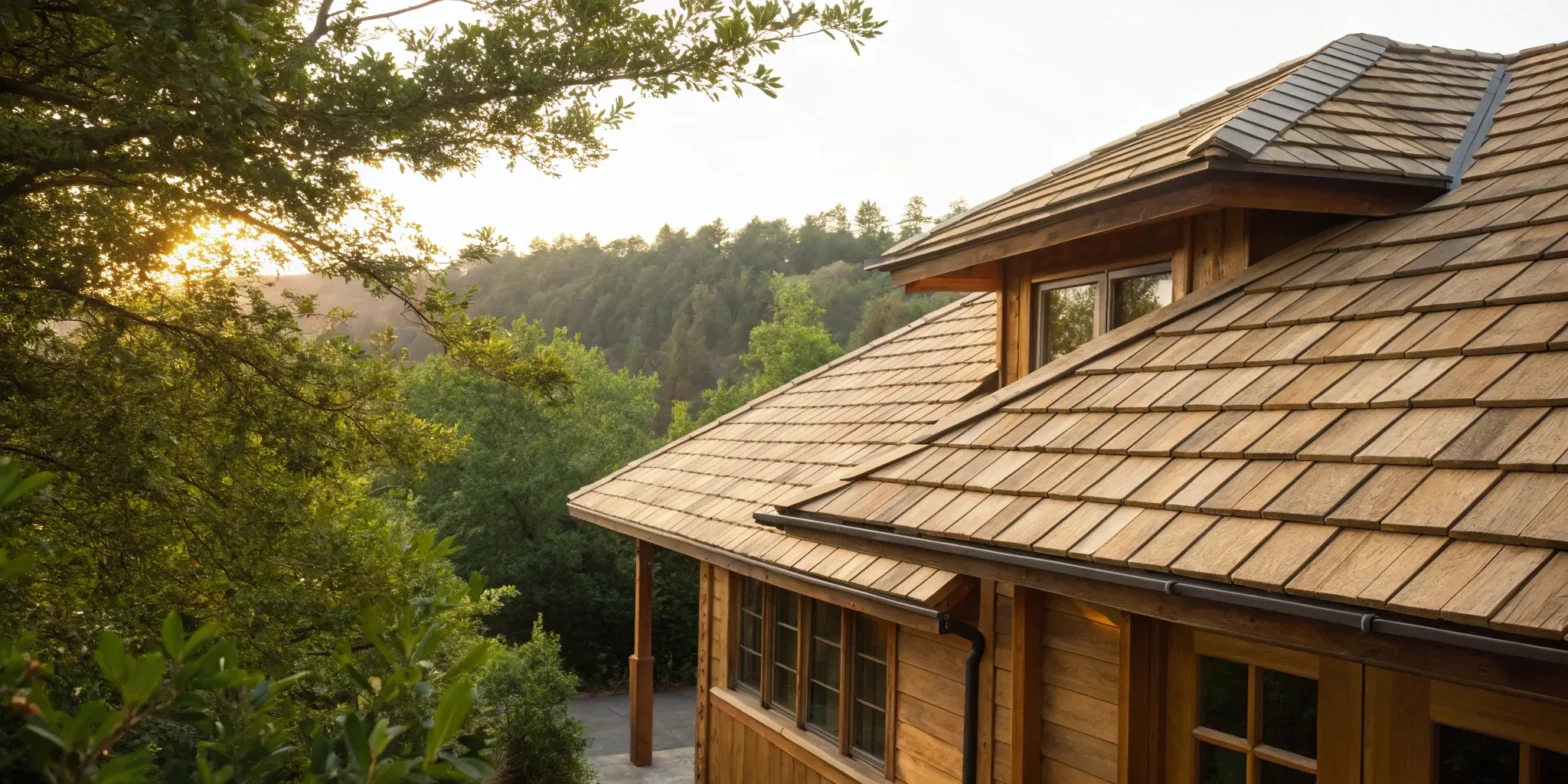
So, what exactly is a cedar shake roof? Think of it as the classic, handsome choice in the roofing world. It’s a premium roofing system crafted from natural wood, usually Western Red Cedar. Each piece, called a “shake,” is substantially thicker and more rugged than a standard asphalt shingle. This gives the roof a beautiful, textured dimension that you just can’t get with other materials, creating deep shadow lines and a truly custom look for your home.
Homeowners often choose cedar shakes for their undeniable curb appeal. The rich tones and organic texture add a warm, rustic charm that complements a wide range of architectural styles, from cozy Pacific Northwest cottages to grand, traditional estates. But it’s not just about looks. Cedar is a fantastic natural insulator, which means it can help keep your home cooler in the summer and warmer in the winter. This can even lead to some savings on your energy bills over time. It’s a beautiful and practical choice for anyone looking for a distinctive, high-performance residential roofing solution that stands out from the crowd. Because it’s a natural product, each shake is unique, ensuring your roof has a one-of-a-kind character that ages gracefully, often developing a lovely silver-gray patina over the years.
Hand-Split vs. Tapersawn Shakes
When you start looking at cedar shakes, you’ll hear two terms come up: hand-split and tapersawn. The difference is all in how they’re made, which directly affects their appearance. Hand-split shakes are split from logs using a mallet and froe, giving them a rugged, uneven texture and a more rustic, natural look. They are thicker and less uniform. On the other hand, tapersawn shakes are cut with a saw on both sides. This process creates a smoother, more tailored appearance with a consistent thickness, similar to a traditional shingle but much thicker. Your choice really comes down to the aesthetic you’re going for—charming and rustic or clean and refined.
Shakes vs. Shingles: What’s the Difference?
It’s easy to use the terms “shake” and “shingle” interchangeably, but in the world of cedar roofing, they are quite different. The main distinction comes down to thickness and texture. Cedar shakes are thicker and are typically hand-split from a log, which gives them a rugged, irregular surface. This creates a more rustic and dimensional look on a roof. Cedar shingles, however, are sawn on both sides to be thinner and have a smooth, uniform finish. Because they are machine-cut, they lay flat and provide a more precise, clean appearance. While both are made from cedar, shakes offer a robust, natural aesthetic, whereas shingles provide a more polished, tailored look.
Common Types of Cedar Shakes
When you picture a cedar shake roof, you probably have a specific look in mind—that warm, rustic charm that feels right at home in the Pacific Northwest. But “cedar” isn’t a one-size-fits-all category. The type of wood you choose impacts everything from the color and grain of your roof to its durability and maintenance needs. Think of it like choosing a paint color, but with much higher stakes. The species of cedar determines how your roof will age, how it stands up to our rainy seasons, and how much work you’ll need to put in to keep it looking its best.
Understanding these differences is the first step in any successful residential roofing project. It’s about finding the perfect match for your home’s architecture, your budget, and your lifestyle. Some cedars offer deep, rich colors, while others are prized for their exceptional strength against the elements. Each variety has its own unique personality and set of strengths. To help you make an informed choice, let’s walk through the three most common options you’ll encounter. We’ll break down what makes each one special so you can feel confident in your decision.
Western Red Cedar
Think of Western Red Cedar as the gold standard for shake roofing. It’s prized for its stunning, rich reddish-brown tones that create instant curb appeal. This type of cedar isn’t just about looks, though. It contains natural oils that make it inherently resistant to decay and insects, which is a huge advantage in our damp Puget Sound environment. Its beautiful grain pattern adds a layer of texture and character that you just can’t get from other materials. While it’s a top-tier choice, it does require some upkeep to maintain that vibrant color over the years.
Alaskan Yellow Cedar
If durability is at the top of your list, Alaskan Yellow Cedar is a fantastic contender. This wood is incredibly dense and strong, offering exceptional resistance to moisture and rot. Its color is much lighter than its red counterpart, ranging from a pale yellow to a soft light brown that weathers to a beautiful silvery gray. One of its biggest advantages is its stability; it’s far less prone to warping or splitting under the stress of changing weather. This makes it a practical and long-lasting choice for homeowners who want a tough roof that can handle anything the seasons throw at it.
White Cedar
For those looking for the cedar aesthetic on a tighter budget, Eastern White Cedar is an attractive option. It’s lighter in both weight and color, with a pale, creamy hue. While it doesn’t have the same rugged durability as Western Red or Alaskan Yellow, it still provides natural resistance to insects and decay. The main trade-off is that it’s a softer wood, so it may require more frequent maintenance or have a slightly shorter lifespan. However, for the right home and a budget-conscious owner, it delivers that classic wood-shake look without the premium price tag of other cedar varieties.
The Pros: Why Homeowners Love Cedar Shakes
Cedar shake roofs are a classic choice for a reason. Beyond their stunning appearance, they offer a range of practical benefits that make them a smart investment for many homeowners. From natural energy efficiency to impressive strength against the elements, cedar provides a unique combination of form and function. If you’re drawn to the timeless look of a wood roof, you’ll be happy to know that its advantages run more than skin deep. Let’s look at some of the top reasons why cedar shakes remain a popular and beloved roofing material, especially here in the Pacific Northwest.
Unmatched Curb Appeal
There’s simply no substitute for the natural beauty of a cedar shake roof. Each hand-split shake has a unique texture and thickness, creating a rich, dimensional look that can’t be replicated by synthetic materials. Initially, the shakes have a warm, amber hue that gradually weathers to a distinguished silvery-gray, a look that complements many architectural styles, from rustic cabins to modern homes. This authentic charm adds significant curb appeal and can even increase your property’s value. It’s a statement piece for your home’s exterior, offering a timeless aesthetic that feels both elegant and grounded in nature.
Natural Insulation and Energy Efficiency
Wood is a fantastic natural insulator, and cedar is one of the best. Cedar shakes have a cellular structure with air pockets that help prevent heat transfer. In fact, cedar provides up to twice the insulation value (R-value) of standard asphalt shingles. This means your home stays cooler during warm summer months and warmer when the winter chill sets in. Better insulation can lead to lower energy bills, as your heating and cooling systems won’t have to work as hard to maintain a comfortable indoor temperature. It’s a practical benefit that pays you back season after season.
Impressive Durability and Weather Resistance
Don’t let their natural appearance fool you—cedar shakes are tough. The wood is naturally stable and resistant to shrinking or warping in response to temperature changes. Thanks to their thickness and sturdy composition, cedar shakes can stand up to heavy rain, hail, and high winds, which is a major plus for homes in the Puget Sound region. Cedar also contains natural oils and tannins that act as preservatives, helping the wood resist moisture, decay, and insect damage. When you choose quality materials for your residential roofing, you’re investing in long-term protection for your home.
An Eco-Friendly Roofing Option
For homeowners looking for a sustainable choice, cedar is an excellent option. Cedar is a renewable resource, and reputable manufacturers source their wood from well-managed forests. Unlike many other roofing materials that end up in landfills at the end of their life, cedar shakes are biodegradable. Old shakes can even be recycled and repurposed as mulch or wood chips, returning to the earth instead of creating waste. Choosing a cedar roof means you’re opting for a material that is not only beautiful and durable but also has a lighter environmental footprint.
The Cons: Potential Downsides to Consider
As much as we love the look of a cedar shake roof, it’s important to go in with your eyes wide open. Like any premium building material, cedar has specific characteristics that might not be the perfect fit for every home or homeowner. Understanding these potential downsides is the key to making a confident decision and ensuring you’ll be happy with your roof for decades to come. Let’s walk through the main considerations so you can weigh them against the benefits.
Fire Safety and Treatments
It’s no secret that wood is a combustible material, and this is a valid concern for many homeowners. Untreated cedar shakes typically have a Class C fire rating, which may not meet building codes in all areas or could lead to higher insurance premiums. However, modern advancements have addressed this issue head-on. Most high-quality cedar shakes available today are pressure-treated with fire retardants, allowing them to achieve a Class A rating—the highest level of fire resistance available. When you choose a roofing material, be sure to ask about the available fire treatments to ensure your home is both beautiful and safe.
Higher Maintenance Needs
A cedar roof requires a bit more attention than an asphalt shingle or metal roof. Because it’s a natural product, it needs to be kept clean of debris like leaves, pine needles, and branches. If left to sit, this organic matter can trap moisture and encourage moss or algae growth, which is a common issue here in the Pacific Northwest. You’ll want to plan for regular inspections to check for any cracked, curling, or split shakes that need replacing. While it’s not a constant chore, this proactive roof maintenance is essential to prevent small issues from becoming larger problems and to ensure the roof reaches its full lifespan.
The Upfront Investment
There’s no way around it: a cedar shake roof is a significant investment. The initial cost is higher than many other common roofing materials. This price difference comes from two main factors: the cost of the high-quality wood itself and the specialized labor required for a proper installation. Installing cedar shakes is a craft that demands more time and expertise than laying asphalt shingles. While the upfront expense is greater, it’s helpful to view it as an investment in your home’s curb appeal, character, and overall value. You can use a roofing cost calculator to get a general idea of the budget required.
Vulnerability in Certain Climates
Cedar is incredibly durable, but its performance is closely tied to the surrounding environment. In persistently damp or humid climates like ours in the Puget Sound, cedar’s natural tendency to absorb moisture can be a challenge. Without proper installation that allows for adequate airflow, the shakes can’t dry out effectively, making them susceptible to moss, mildew, and eventually, rot. This is why choosing an experienced installer is non-negotiable. A team that understands the demands of our local climate will ensure your residential roof has the ventilation and underlayment it needs to breathe and shed water properly, protecting its structure and longevity.
How Much Does a Cedar Shake Roof Cost?
Let’s talk numbers. A cedar shake roof is a premium choice, and its price reflects the quality, craftsmanship, and stunning aesthetic it brings to your home. While it’s a bigger upfront investment than some other materials, it’s important to see the full picture, from the cost of materials and labor to the long-term value it adds. The final price tag can vary quite a bit based on your specific home, but understanding the components can help you budget accordingly.
Think of this as a starting point. Every roof is unique, with its own size, slopes, and complexities. The best way to get a precise figure for your home is to use a roofing cost calculator or get a detailed estimate from a professional. Below, we’ll break down the key elements that contribute to the total cost of a beautiful new cedar shake roof.
Breaking Down Material Costs
When you’re planning for a new cedar shake roof, the materials themselves are a significant part of the budget. On average, homeowners can expect the total project cost to be around $21,000. Most projects fall somewhere in the $15,800 to $30,000 range. However, for smaller, simpler roofs, the cost could be as low as $9,000, while large, complex projects with premium materials could reach upwards of $52,500. This price reflects the quality of the cedar, the grade of the shakes, and any factory treatments applied to enhance fire resistance or prevent decay.
Factoring in Labor and Installation
Installing a cedar shake roof is a craft that requires specialized skill and precision, which is why labor makes up a large portion of the total cost—typically 50% to 60%. For an average-sized roof, this can translate to roughly $10,500 to $12,600 for the installation team. Unlike standard asphalt shingles, cedar shakes must be installed individually to ensure proper overlap and water shedding. This meticulous process is crucial for the roof’s longevity and performance, and it’s why hiring an experienced residential roofing contractor who understands the nuances of working with wood is so important.
Understanding the Long-Term Value (ROI)
A cedar shake roof is more than just a covering for your home; it’s an investment that pays off. Beyond the immediate and dramatic improvement in curb appeal, installing a cedar roof can offer a significant return on investment (ROI) of 50% to 70% if you decide to sell your home. Potential buyers often see a cedar roof as a high-end feature that signals quality and character, making your property stand out. This long-term value, combined with the roof’s natural durability and insulating properties, helps justify the initial expense and adds tangible worth to your home for years to come.
What Influences the Final Price?
Several key factors will determine the final quote for your cedar shake roof. The most obvious is the size and complexity of your roof; a larger surface area or a design with many gables, dormers, and valleys will require more materials and labor. The grade of the wood you choose also plays a big role, as premium, clear-grain shakes cost more than those with more imperfections. Your geographic location can affect pricing due to regional labor rates. Finally, the cost will also include the removal and disposal of your old roofing material and any necessary repairs to the underlying roof deck.
How to Maintain a Cedar Shake Roof
A cedar shake roof is a stunning feature, but like any premium material, it needs a bit of care to perform its best and last for decades. The good news is that maintaining it isn’t as demanding as you might think. With a straightforward routine, you can keep your cedar shakes looking beautiful and protecting your home effectively. The key is to be proactive with cleaning, apply protective treatments when needed, and have a professional take a look every so often. This approach helps you catch small issues before they turn into costly repairs.
Regular Cleaning and Prevention
Keeping your cedar roof clean is the first step to ensuring its longevity. Over time, leaves, pine needles, and other organic debris can pile up on your roof and in your gutters. This buildup traps moisture against the wood, creating a damp environment where moss, algae, and mildew can thrive. Without proper care, the shakes can begin to curl or split, compromising your roof’s integrity.
You can prevent this by gently sweeping debris off the roof with a soft-bristle broom. It’s also wise to keep nearby trees trimmed back to minimize falling leaves and allow sunlight to dry the roof naturally. Remember to avoid using a pressure washer, as the high-powered stream can strip the wood’s natural protective oils and force water underneath the shakes. A consistent, gentle approach is all you need to keep your residential roofing in top shape.
Protective Treatments and Sealing
Cedar has natural preservatives that make it resistant to moisture and decay, but applying a protective treatment can significantly extend its life. These treatments act as a shield against the elements, particularly harsh UV rays and the damp Puget Sound climate. A quality water-repellent sealant or stain helps prevent the wood from absorbing excess moisture, which reduces the risk of rot and fungal growth.
This isn’t a one-time task; treatments typically need to be reapplied every five to seven years, depending on your specific environment and the product used. Choosing the right treatment is critical, as some products can do more harm than good by trapping moisture inside the wood. It’s often best to consult with a professional who can recommend and apply the appropriate finish for your roof.
Scheduling Professional Inspections
One of the biggest myths about cedar roofs is that they require constant, hands-on work. While they do need some attention, it’s not as demanding as many believe. The smartest way to stay ahead of maintenance is to schedule regular professional inspections. A trained expert can spot subtle signs of trouble you might miss, like cracked shakes, loose nails, or early decay in hard-to-see areas.
Having a professional from a company like Landmark Roofing & Siding inspect your roof every year or two, especially after a major storm, can help you identify potential issues before they become significant problems. This proactive step saves you money in the long run and gives you peace of mind knowing your beautiful cedar shake roof is sound and secure.
How to Choose the Best Cedar Shakes
Once you’ve decided on a cedar shake roof, the next step is picking the right shakes. The quality can vary quite a bit, and your choice directly impacts your roof’s appearance, durability, and lifespan. It’s about more than just color; you’ll want to consider the wood grade, any protective treatments, the manufacturer’s reputation, and safety ratings. Getting these details right ensures you end up with a beautiful residential roof that performs well for decades. Let’s walk through what to look for.
Understanding Wood Grade and Thickness
Not all cedar is created equal, and the grade of the wood makes a huge difference. You’ll generally find three grades: Common, Selects, and 100% Straight Grain. For roofing, you’ll want to focus on the highest quality available. Shakes graded as 100% Straight Grain are cut from the best part of the tree, making them incredibly stable and less likely to curl over time. While they are a bigger initial investment, their longevity makes them worthwhile. You should also consider the thickness. Thicker shakes, often called “heavies,” provide better insulation and a more pronounced, rustic texture, adding to both the performance and character of your roof.
Considering Treatment and Preservation
Here in the Pacific Northwest, moisture is a constant companion. That’s why choosing treated cedar shakes is one of the smartest decisions you can make. While cedar has natural resistance to decay, a professional treatment process takes that protection to the next level. Pressure-treated shakes are infused with preservatives that guard against fungal growth, rot, and insect damage. This treatment helps your roof withstand our damp climate and extends its lifespan significantly. Think of it as a built-in defense system that keeps your roof healthy and strong from the moment it’s installed.
Checking the Warranty and Brand Reputation
A strong manufacturer’s warranty is a great indicator of a quality product. Companies that are confident in their cedar shakes will stand behind them with solid coverage. Before you commit, ask your contractor about the brands they trust and the warranties they offer. A good warranty will protect you against manufacturing defects and gives you peace of mind that your investment is secure. It shows that the manufacturer has high standards for its materials and production process. Don’t hesitate to ask for the warranty details so you know exactly what’s covered and for how long.
Looking at Fire-Resistance Ratings
It’s natural to have questions about the fire safety of a wood roof. The good news is that modern cedar shakes can be treated to meet strict fire-resistance standards. Look for shakes that have a Class A or Class C rating. A Class A fire rating is the highest available and means the roofing material is effective against severe fire exposure. This is achieved by pressure-treating the shakes with fire retardants. Opting for fire-retardant-treated shakes not only protects your home and family but may also be required by local building codes, so it’s an essential factor to discuss with your roofing professional.
Common Myths About Cedar Shake Roofing
Cedar shake roofing has a timeless beauty that’s hard to deny, but it also comes with a few persistent rumors. You’ve probably heard whispers about high maintenance, short lifespans, and vulnerability to the elements, especially in our damp Pacific Northwest climate. It’s easy to get the wrong impression when you’re sorting through conflicting information online, and these myths can unfortunately steer homeowners away from a fantastic roofing option that adds incredible character and value to a home.
Let’s clear the air and separate fact from fiction. Many of the so-called “downsides” of cedar roofing are based on outdated information or misunderstandings about how modern cedar shakes perform. With today’s treatment options and advanced installation techniques, cedar is more resilient and manageable than ever before. A well-installed cedar roof is a long-term investment in your home’s protection and curb appeal. Understanding the truth behind these myths can help you decide if this classic, beautiful roofing material is the right fit for your home. We’ll look at the three biggest misconceptions—maintenance, durability, and installation—to give you a clearer picture of what to really expect.
Myth vs. Fact: Maintenance
The Myth: Cedar roofs require constant, back-breaking maintenance.
The Fact: While cedar isn’t a “set it and forget it” material like asphalt, its maintenance needs are often exaggerated. A cedar roof doesn’t need constant attention, but it does benefit from routine care. This involves keeping the roof clear of debris like leaves, pine needles, and branches that can trap moisture and encourage moss growth. An annual, gentle cleaning and ensuring your gutters are clear can make a huge difference. Scheduling periodic professional inspections will also help you catch and address any small issues before they become bigger problems, extending the life of your roof significantly.
Myth vs. Fact: Durability
The Myth: Cedar is a soft wood that can’t stand up to the wet, harsh weather of the Pacific Northwest.
The Fact: This couldn’t be further from the truth. Cedar is one of nature’s most durable materials. It contains natural oils and tannins that make it inherently resistant to moisture, decay, and insect damage. When properly installed and maintained, a cedar shake roof can easily last 30 to 40 years, and sometimes even longer. It’s a resilient material that holds up well against wind, rain, and snow, making it a perfectly viable and long-lasting option for homes in the Puget Sound region.
Myth vs. Fact: Installation
The Myth: Cedar shakes are fragile and prone to insect damage right from the start.
The Fact: As we mentioned, cedar has a natural resistance to pests. The real key to its longevity and performance lies in the quality of the installation. A professional roofing team that specializes in cedar knows the importance of proper ventilation. Each shake needs to breathe to prevent moisture from getting trapped underneath. Correct spacing, underlayment, and flashing techniques are critical. When you work with an experienced residential roofing contractor, you ensure your cedar roof is set up for a long and beautiful life from day one.
What’s the Lifespan of a Cedar Shake Roof?
One of the biggest questions homeowners have when considering a new roof is, “How long will it last?” With cedar shakes, the answer is impressive, but it comes with a caveat: its longevity is directly tied to the quality of installation and your commitment to maintenance. Unlike some materials you can set and forget, a cedar roof is a long-term relationship.
When properly cared for, a cedar shake roof is a fantastic investment that adds decades of beauty and protection to your home. But if neglected, its lifespan can be cut short, leaving you with costly repairs. Understanding the factors that contribute to its durability and knowing the warning signs of failure will help you get the most out of this beautiful, natural roofing material. It’s all about knowing what to expect and having a plan to keep it in top shape.
Expected Lifespan with Proper Care
With the right care, a cedar shake roof can last up to 60 years—that’s two to three times longer than a typical asphalt shingle roof. This incredible durability is why so many homeowners feel it’s worth the investment. However, reaching that 60-year mark isn’t automatic. It depends heavily on a professional installation and consistent upkeep. Think of it this way: the initial installation sets the foundation for a long life, and regular maintenance ensures it gets there. Without both pieces, you won’t see the full potential of your cedar roof.
Factors That Influence Longevity
Several key factors determine whether your cedar roof lasts 20 years or 60. First and foremost is the quality of the installation. A roof that isn’t installed correctly will be vulnerable to leaks and storm damage from day one. The climate here in the Puget Sound also plays a huge role; our damp weather can encourage moss and rot if the roof isn’t cleaned and treated properly. Proper attic ventilation is another critical piece of the puzzle, as it prevents moisture from building up underneath the shakes and causing them to decay from the inside out.
Telltale Signs It’s Time for a Replacement
Even the best-maintained roof will eventually reach the end of its life. Knowing what to look for can help you plan for a replacement before minor issues become major problems. Keep an eye out for shakes that are curling, splitting, or cracking, as this indicates they’ve become brittle. Widespread moss, algae, or rot that can’t be resolved with a simple cleaning is another red flag. If you notice missing shakes or find pieces in your yard after a storm, it’s a clear sign the roof is weakening. And, of course, any evidence of leaks in your attic means it’s time to call for a professional inspection.
Is a Cedar Shake Roof the Right Choice for You?
Choosing a new roof is a major decision, and it’s about more than just function—it’s about finding the perfect match for your home’s style, budget, and local environment. Cedar shakes offer a timeless beauty that’s hard to beat, but they aren’t a one-size-fits-all solution. If you’re drawn to their rustic charm, it’s important to think through a few key factors to make sure they’re the right fit. Answering these questions will help you decide if a cedar shake roof is a smart investment that you’ll love for decades.
Considering Your Climate and Local Codes
Here in the Puget Sound, our roofs have to put up with a lot—from gusty winds to months of steady rain. The good news is that cedar is naturally up to the task. Made from thick, sturdy wood, cedar shakes are inherently resistant to wind and rain damage, making them a great choice for our weather. They also provide fantastic natural insulation, keeping your home warmer in the winter and cooler in the summer, which can help with your energy bills. Before you get too far, it’s also wise to check your local building codes. A professional roofing contractor can help you understand the regulations in your specific city, especially concerning fire ratings.
Matching Your Home’s Style
A cedar shake roof makes a definite style statement. Its rich texture and natural, rustic appearance add incredible curb appeal and character that you just can’t get from other materials. Cedar is a perfect complement for classic Pacific Northwest architectural styles like Craftsman, cottage, or Tudor homes, enhancing their traditional charm. Over time, the shakes will weather to a beautiful silvery-gray, adding to their authentic look. If your home has a very modern, minimalist design, or if you prefer a perfectly uniform look, cedar might not be the best fit. But if you’re looking for a roof that feels warm, organic, and full of personality, cedar is an unbeatable choice.
Weighing the Cost vs. Your Commitment
Let’s talk numbers and upkeep. It’s true that cedar shake roofs have a higher initial investment compared to common materials like asphalt shingles. The quality of the wood and the specialized installation process contribute to the upfront cost. However, it’s important to view this as a long-term investment. A properly installed and maintained cedar roof can last for 50 years or more, far outliving many other options. You can get a better idea of the numbers if you estimate the cost with our online tool. This longevity does require a commitment to regular maintenance, like keeping the roof clear of debris and scheduling professional inspections. But for many homeowners, the trade-off is well worth it for a beautiful, durable roof that stands the test of time.
Related Articles
- Cedar Shake Roofing | Landmark Roofing & Siding
- What Is the Average Cost for a New Roof? – Landmark Roofing & Siding
- DaVinci Roofing Price Comparison: A 2026 Guide – Landmark Roofing & Siding
Frequently Asked Questions
How long can I realistically expect a cedar shake roof to last in the rainy Puget Sound climate? With our damp weather, this is a fair question. When installed correctly by a professional who understands our climate, a cedar shake roof can easily last 30 to 50 years, and sometimes even longer. The key is ensuring the roof has proper ventilation so the shakes can breathe and dry out completely. This, combined with routine maintenance, prevents the moisture issues our region is known for and helps the roof reach its maximum lifespan.
Is maintaining a cedar roof a lot of work? It’s less about constant work and more about consistent, simple care. The most important task is keeping the roof surface clean of leaves, pine needles, and other debris that can trap moisture. An annual cleaning, along with keeping your gutters clear, handles most of the work. Scheduling a professional inspection every couple of years is also a smart way to catch any small issues before they grow, ensuring the roof stays in great shape without demanding too much of your time.
Aren’t wood roofs a serious fire risk? This is a common concern, but modern cedar shakes are far safer than their untreated predecessors. Today, high-quality shakes are pressure-treated with fire retardants to achieve a Class A fire rating, which is the highest level of resistance available. This means they are effective against severe fire exposure, making them a safe and reliable choice for your home as long as you select a properly treated product.
Why is the installation cost for cedar shakes higher than for other materials? The higher cost comes down to craftsmanship. Installing cedar shakes is a more meticulous and time-consuming process than laying asphalt shingles. Each shake must be placed individually with precise spacing and overlap to ensure the roof sheds water effectively and has proper airflow. This specialized skill requires an experienced roofer, and the labor involved reflects that expertise. You’re paying for a custom-fitted roof that is built to last.
Will a cedar shake roof actually add value to my home? Absolutely. A cedar shake roof provides a significant boost to your home’s curb appeal, creating a premium, timeless look that stands out. Potential buyers often see it as a high-end feature that signals quality and character. This can make your property more desirable and often translates to a higher resale value, offering a solid return on your initial investment.