Date
Wed May 27If the term “asphalt shingles” brings to mind flat, basic roofing, it’s time for a second look. Today’s composition shingles are high-tech systems designed for superior performance. Manufacturers have engineered solutions specifically for our climate’s biggest challenges. Think of shingles made with rubberized asphalt for flexibility that prevents cracking in temperature swings, or shingles infused with copper granules that naturally fight off moss and algae growth. This advanced engineering is what creates the best composition shingles for Pacific Northwest weather. We’ll break down these innovative features so you can understand what makes a modern roof so resilient and effective.
Key Takeaways
- Choose Shingles Designed for PNW Weather: Look beyond basic 3-tab shingles and select architectural or luxury options with features like built-in algae resistance, high wind ratings, and flexible SBS-modified asphalt to withstand our region’s unique climate.
- Find the Sweet Spot of Value and Performance: Composition shingles provide an excellent middle ground, offering decades of reliable protection and a wide variety of styles at a more accessible price point than premium materials like metal or cedar.
- Protect Your Roof with Simple Upkeep: A little maintenance goes a long way; extend your roof’s life by scheduling regular professional inspections, keeping gutters clear, and promptly addressing any moss growth before it becomes a bigger issue.
What Are Composition Shingles?
If you’ve ever looked at a classic American roof, you were likely looking at composition shingles. Also known as asphalt shingles, they are the most popular roofing material in the country for good reason. They hit that sweet spot of being affordable, durable, and versatile, making them a go-to choice for countless homeowners. At their core, these shingles are made of a fiberglass base mat coated in waterproof asphalt and topped with a layer of mineral granules. This simple but effective construction is what gives them their strength and protective qualities.
One of the biggest draws of composition shingles is the sheer variety they offer. Whether you want a simple, uniform look or a more textured, high-end style, there’s a shingle for you. They come in a huge range of colors and designs, so you can easily find something that complements your home’s exterior. Plus, they are relatively easy to install, which can help keep labor costs down. When you’re considering a new residential roof, understanding what composition shingles bring to the table is the perfect place to start.
The Three Main Types: 3-Tab, Architectural, and Luxury
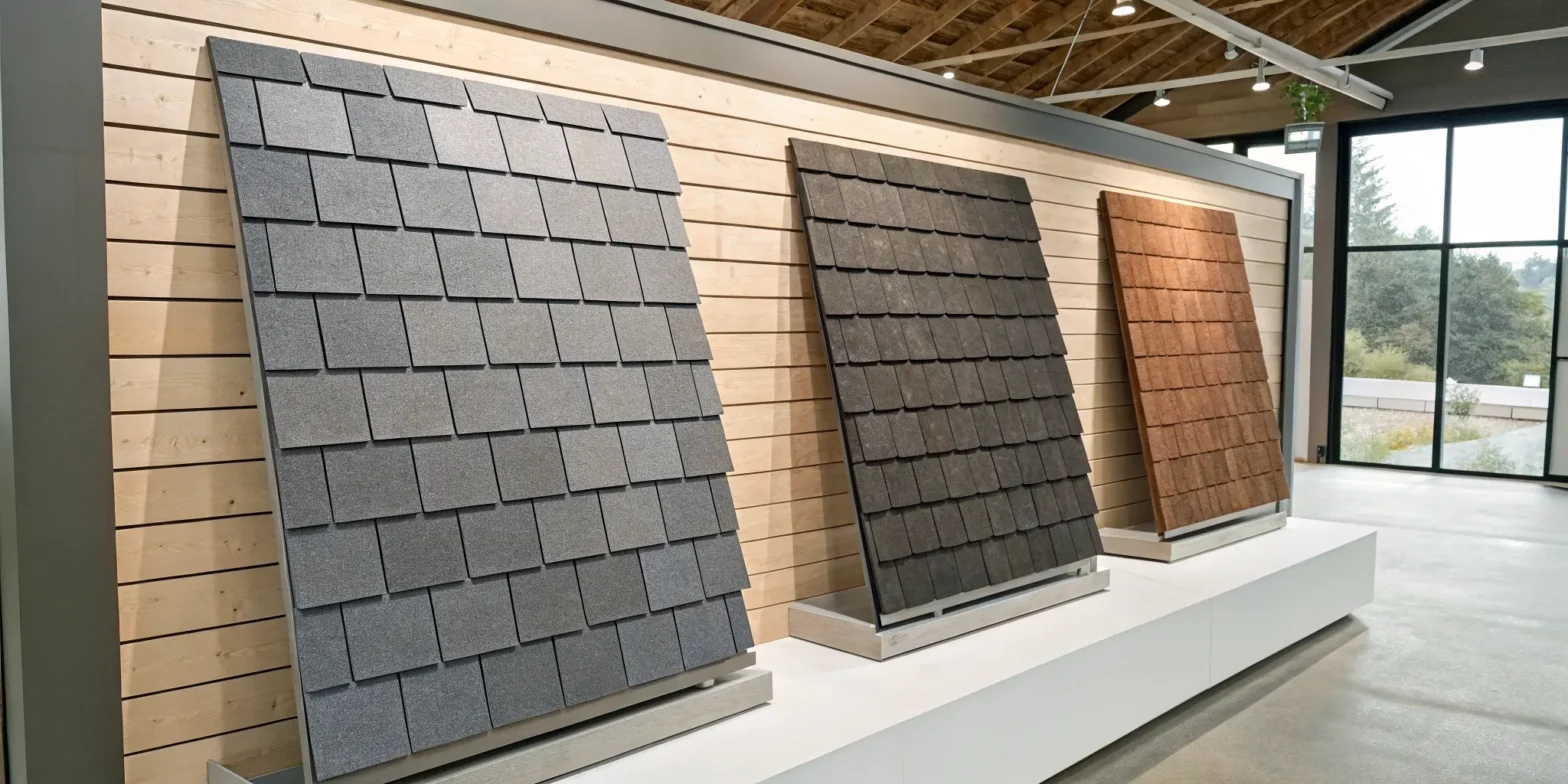
Not all composition shingles are created equal. They generally fall into three categories, each with its own look, price point, and level of durability.
First up are 3-tab shingles. These are the most traditional and budget-friendly option. They have a flat, single-layer design with cutouts that make each shingle look like three separate tabs. While they get the job done, they have the shortest lifespan and are best suited for homeowners on a tight budget.
Next are architectural shingles. This is a big step up in quality and appearance. They are thicker, with multiple layers of material laminated together to create a dimensional, textured look. This layered construction makes them far more durable and better at resisting wind and weather than 3-tab shingles, which is a huge plus here in the Pacific Northwest.
Finally, we have luxury shingles. These are the top-of-the-line option, designed to mimic the beautiful appearance of natural materials like slate or cedar shakes. They offer the best in durability, impact resistance, and longevity, giving you a premium look without the high maintenance or cost of their natural counterparts.
How They Compare to Metal, Cedar, and Tile
It’s helpful to see how composition shingles stack up against other popular roofing materials. Think of composition shingles as the strong all-arounder. They typically last between 17 and 30 years and are usually the most affordable option upfront, offering a fantastic balance of performance and value.
In comparison, a metal roof is a bigger initial investment but can last much longer, often 35 to 45 years. A cedar shake roof provides a beautiful, natural aesthetic and can last over 30 years, but it requires more regular maintenance to keep it in top shape. Tile roofs are the heavyweights in terms of durability, easily lasting 50 years or more, but they are also the most expensive and require a roof structure strong enough to support their weight. Each material has its place, but composition shingles often provide the most practical solution for many homeowners.
Debunking Common Myths About Composition Roofing
There are a couple of common misconceptions about composition shingles that we hear from time to time. Let’s clear them up.
The first myth is that all asphalt shingles are basically the same. As you just learned, this couldn’t be further from the truth. There are significant differences in quality, thickness, durability, and warranty coverage between 3-tab, architectural, and luxury shingles. The brand you choose also makes a huge difference in performance, which is why working with an experienced installer who uses quality materials is so important.
Another myth is that composition shingles aren’t a good choice for wet climates like the PNW. While older, basic shingles might have struggled with moss and moisture, modern composition shingles are a different story. Many are now engineered with features like algae resistance and advanced designs that help shed water more effectively, making them an excellent and reliable choice for our rainy region.
How PNW Weather Impacts Your Roofing Choice
Living in the Pacific Northwest means we get to enjoy stunning green landscapes, but that beauty comes with a unique set of weather challenges. Our persistent rain, gusty winds, and shady, damp conditions are tough on the exterior of our homes, especially our roofs. Choosing the right roofing material isn’t just about curb appeal; it’s about selecting a defense system that can stand up to everything our climate throws at it.
Before you decide on a new roof, it’s essential to understand how our local weather directly affects its performance and lifespan. A roof that works perfectly in a dry, sunny climate might fail quickly here. The constant moisture, seasonal storms, and tendency for moss growth mean we have to be much more strategic. Your roof needs to be a hardworking shield, protecting your home from water intrusion, wind damage, and the slow decay that can come from organic growth. Let’s break down the three biggest weather factors you need to consider.
Handling Our Constant Rain and Moisture
It’s no secret that it rains a lot here. That constant drizzle and moisture create an environment where some roofing materials can struggle. When a roof holds onto water instead of shedding it quickly, it can lead to serious problems like rot, mold, and mildew, which can compromise your home’s structure. While traditional asphalt shingles are popular, some basic versions can absorb moisture and become a breeding ground for mildew. That’s why selecting a material designed for wet conditions is non-negotiable for any residential roofing project in the Puget Sound area. You need a roof that can handle months of rain without breaking a sweat.
Standing Strong Against Wind and Storms
Along with the rain, the PNW gets its fair share of powerful windstorms, especially during the fall and winter. These storms can send gusts of wind howling across your roof, testing its strength. If shingles aren’t properly secured or if the material itself is too flimsy, high winds can lift, curl, or even tear them off completely, leaving your home vulnerable to leaks and water damage. This is why wind resistance is a critical feature to look for. Materials with strong adhesion are built to withstand these forces, ensuring your commercial roofing and residential properties stay secure and dry, no matter how hard the wind blows.
Fighting Off Moss, Algae, and Mildew
If you look around your neighborhood, you’ll likely see roofs with green or black streaks. That’s the work of moss, algae, and mildew, which thrive in our damp, shady climate. This isn’t just a cosmetic issue; moss can be incredibly destructive. It acts like a sponge, trapping moisture against your roof’s surface. As it grows, its roots can lift shingles, creating gaps for water to seep in and causing the protective granules to slough off. Some materials, like standard asphalt, can decay quickly when covered in moss. Fortunately, many modern composition shingles are designed with built-in resistance, often using copper granules to naturally inhibit the growth of moss and algae, keeping your roof healthy for years.
Key Features for a Pacific Northwest Composition Roof
When you’re choosing a roof for a home in the Pacific Northwest, you can’t just pick the first shingle you see. Our climate, with its signature drizzle, powerful windstorms, and lush, moss-friendly environment, demands a little more from our building materials. Fortunately, today’s composition shingles are engineered with specific features to handle exactly these challenges. Choosing the right shingle isn’t just about color; it’s about arming your home with the best possible defense against the elements.
A quality residential roofing system in our region needs to do more than just keep you dry. It needs to actively fight moss growth, flex without cracking during temperature shifts, and hold fast when the wind starts howling. When you’re comparing options, look for shingles that include these five essential features. They are the difference between a roof that simply survives and one that truly thrives in the PNW.
Built-In Algae and Moss Resistance
That green, fuzzy layer on roofs is a classic Pacific Northwest sight, but it’s a nightmare for shingles. Moss and algae hold moisture against the roof surface, which can lead to granule loss and premature aging. Instead of scheduling constant cleanings, look for shingles with built-in algae and moss resistance. These shingles are made with granules that contain copper or other algae-resistant metals. When it rains, trace amounts of these metals wash down the roof, creating an environment where moss, algae, and mildew can’t grow. This simple feature protects your investment and keeps your roof looking clean for years.
Flexible, SBS-Modified Asphalt for Durability
Our temperatures can swing, and your roof needs to handle it without cracking under pressure. This is where SBS-modified asphalt comes in. SBS (styrene-butadiene-styrene) is a synthetic rubber polymer that is blended with the asphalt in high-quality shingles. Think of it as making the shingle more rubberized and flexible. This added elasticity allows the shingle to bend and flex with temperature changes and impacts from debris, preventing cracks and tears. It also helps the granules stay put, which is your roof’s first line of defense against UV rays and weather. This flexibility is key to a longer, more durable roof life.
High Impact and Wind Ratings
From the coast to the Cascades, PNW windstorms are no joke. A standard shingle might not be able to withstand the gusts we see each year. That’s why you should always check a shingle’s wind rating. Top-tier composition shingles are designed with reinforced nailing zones and powerful adhesives that seal them together, allowing them to resist winds of 110 mph or even 130 mph. This is especially critical for large commercial properties with vast roof surfaces. High impact ratings are also a plus, giving you peace of mind against hail or falling branches during a storm.
Energy-Efficient and Reflective Properties
While we don’t get as much intense sun as other parts of the country, a roof that works to keep your home cool is still a major benefit. Some modern composition shingles are designed with special granules that reflect more of the sun’s infrared radiation. Known as “cool roof” shingles, they help reduce the amount of heat transferred into your attic. This can make your home more comfortable during those unexpected summer heatwaves and may even lead to modest savings on your energy bills. It’s a smart feature that adds to your home’s overall efficiency.
A Warranty That Has You Covered
A manufacturer’s warranty is a direct reflection of their confidence in the product. When you see a shingle that comes with a long-term, comprehensive warranty, it’s a good sign. Look for warranties that offer a significant non-prorated period. This means if the shingles fail within that time, the manufacturer will cover the full cost of replacement materials, not a depreciated value. Understanding the warranty details helps you know what to expect. It’s also important to remember that the best product warranties are only valid when the roof is installed by a certified contractor, which is why professional installation is just as important as the shingle itself. You can estimate the cost of your project to get a better idea of your budget.
Top Composition Shingle Brands for PNW Homes
When it comes to choosing composition shingles, the brand you pick really does matter. Here in the Pacific Northwest, our roofs face a unique set of challenges, from relentless rain to gusty winds. After more than 20 years of installing residential roofing across the Puget Sound, we’ve seen which brands hold up best. We consistently recommend a few top performers that deliver on durability, weather resistance, and long-term value. Here are the three brands we trust most for PNW homes.
Malarkey
Malarkey is a fantastic choice for homeowners who value both high performance and environmental responsibility. Their shingles are specifically engineered to handle the PNW’s demanding weather. What makes them stand out is their use of polymer-modified asphalt, which essentially rubberizes the shingle, making it more flexible, durable, and resistant to impact. This is a huge advantage during our cold, wet winters and stormy seasons. Their Legacy and Vista lines are excellent examples of this technology in action. Plus, Malarkey is a leader in sustainable roofing solutions, incorporating recycled materials into their products, so you can feel good about your choice.
CertainTeed
CertainTeed is one of the most trusted names in the industry, and their Landmark series is a go-to for many PNW homes. These shingles are designed with a tough, dual-layered construction that offers an extra measure of protection against the elements. This design is particularly effective at preventing wind uplift and handling our region’s heavy rainfall, keeping your home dry and secure. Beyond their strength, Landmark shingles come in a wide array of colors and styles, giving you the freedom to find the perfect look to match your home’s aesthetic. It’s a great combination of brawn and beauty that we’ve seen perform reliably for years.
GAF
As one of North America’s largest roofing manufacturers, GAF has built a reputation for quality and innovation. Their Timberline series is especially popular here, and for good reason. We often recommend their Timberline HDZ shingles, which feature LayerLock technology. This unique design mechanically fuses the shingle layers together, providing exceptional strength against high winds. GAF’s advanced weathering technology also ensures the shingles can stand up to years of heavy rain without breaking down. To top it off, they back their products with a lifetime limited warranty, giving you peace of mind that your investment is protected for the long haul.
Composition Shingles vs. Other Local Favorites
Composition shingles are a fantastic all-around choice for the Pacific Northwest, but they aren’t the only game in town. You’ll see plenty of homes with classic cedar shake or modern metal roofs, and for good reason. Each material has its own set of strengths and weaknesses, especially when you factor in our unique climate. Let’s break down how composition shingles stack up against two other local favorites so you can feel confident in your decision.
Composition vs. Metal Roofing
Metal roofing is a true powerhouse when it comes to durability. It can last anywhere from 40 to 70 years and easily handles our heavy rain, shedding water efficiently and limiting moss growth. This long-term performance, however, comes with a higher upfront cost compared to composition shingles. While a metal roof is a significant investment, it pays off over decades. On the other hand, you might find it noisier during a downpour, and some materials can dent. Choosing between them often comes down to your budget and how long you plan to stay in your home. Composition offers a great balance of performance and affordability, while metal is the choice for maximum longevity in residential roofing.
Composition vs. Cedar Shake
Nothing says “Pacific Northwest” quite like the rustic, natural beauty of a cedar shake roof. It’s a classic look that blends perfectly with our woodsy surroundings. However, that beauty demands a lot of attention. Cedar requires regular maintenance and treatments to prevent moss, rot, and insect damage, and it can be a fire risk in some areas. While a well-maintained cedar roof can last 30 to 50 years, it’s a more expensive and hands-on option than composition. If you love the look but not the upkeep, modern architectural composition shingles offer a compelling alternative. They provide durability and peace of mind without the constant maintenance schedule that comes with natural cedar siding and roofing.
The Pros and Cons of Composition Shingles in the PNW
Deciding on the right roofing material can feel overwhelming, but understanding the specific benefits and drawbacks of each option for our unique climate makes the choice much clearer. Composition shingles are a popular choice in the Pacific Northwest for good reason, but they aren’t the perfect fit for every single home. Let’s break down what you can expect so you can make an informed decision for your property.
The Pros
The biggest advantage of composition shingles is their affordability. They offer a high-quality look without the premium price tag of materials like metal or cedar, making them an accessible option for many homeowners. This cost-effectiveness is a primary reason they are a top choice for residential roofing projects across the Puget Sound. Beyond price, modern composition shingles are engineered to perform well in our damp environment. Many top brands include copper granules that actively resist the growth of moss and algae, which is a constant battle for PNW roofs. Furthermore, advanced options like SBS-modified asphalt shingles provide excellent flexibility and durability, helping them resist cracking and stand up to wind.
The Cons
While composition shingles have many benefits, they also have some downsides to consider. Their lifespan, typically 15 to 25 years, is shorter than materials like metal or slate, which can last 50 years or more. This means you might face a replacement sooner. In our persistently damp climate, lower-quality composition shingles can be prone to retaining moisture, which can lead to mildew if not properly managed. They also require consistent maintenance. You’ll need to keep an eye on them, clearing away debris and ensuring moss doesn’t get a foothold, especially if your home is surrounded by trees. This upkeep is essential to making sure your roof reaches its full expected lifespan.
How to Maintain Your Composition Shingle Roof
Composition shingles are a fantastic, low-maintenance choice for Pacific Northwest homes, but our damp climate means a little upkeep is key to getting the most out of your investment. Taking a few proactive steps each year will help your roof reach its full lifespan, protecting your home from the elements and preventing small issues from turning into costly repairs. Think of it as a simple health check-up for the most important part of your home’s exterior.
Schedule Regular Professional Inspections
The single best thing you can do for your roof is to have it professionally inspected. While you can spot obvious problems from the ground, a trained expert can identify subtle signs of wear and tear that might otherwise go unnoticed. An experienced contractor will check for things like granule loss, hidden cracks, and potential issues with the underlying structure. We recommend scheduling a residential roofing inspection every one to two years, or after any major storm. This allows a professional to catch and repair small problems, extending the life of your current roof and helping you plan for an eventual replacement when the time is right.
Remove Moss and Algae Growth Promptly
In the PNW, that green, velvety moss on your roof isn’t a charming feature; it’s a problem in the making. Moss and algae act like sponges, trapping moisture against your shingles, which can lead to deterioration and rot over time. While many modern composition shingles have copper granules that help inhibit growth, it can still take hold in shady areas. If you see moss, it’s important to remove it. Avoid using a pressure washer, as it can strip the protective granules from your shingles. Instead, use a gentle, long-handled brush or a specific roof-cleaning solution. For heavy growth, it’s always safest to call a professional.
Keep Your Gutters Clear and Trees Trimmed
Your gutters are your roof’s first line of defense against water damage. When they get clogged with leaves and pine needles, rainwater has nowhere to go but back up onto your roof and potentially under your shingles. This can lead to rot, leaks, and even damage to your home’s foundation. Make it a habit to clean your gutters at least twice a year, especially in the fall. At the same time, take a look at any overhanging tree branches. Trimming them back prevents them from scraping against your shingles in the wind and reduces the amount of debris that falls onto your roof, giving moss less of a foothold.
Check on Flashing and Seals
Flashing is the thin metal material that directs water away from the most vulnerable parts of your roof, like chimneys, vents, and skylights. It’s a critical component, but it’s also a common source of leaks. From the ground, you can use binoculars to visually inspect these areas. Look for any signs of rust, bent or loose pieces of metal, or cracked and peeling sealant around the edges. Catching a small gap in the flashing seal early can save you from a major interior leak down the road. If you see anything that looks out of place, it’s a good idea to schedule a professional repair.
Are Composition Shingles a Good Investment?
Choosing a new roof is a major financial decision, and you want to know your money is being spent wisely. Composition shingles offer a fantastic balance of performance, style, and value, making them a strong investment for most Pacific Northwest homeowners. When you look beyond the initial price tag and consider the full lifespan of your roof, you can see how a quality installation pays for itself over time.
Comparing Lifespan and Warranties
A standard asphalt shingle roof typically lasts between 15 and 30 years. However, not all shingles are created equal, especially when it comes to handling our wet climate. Upgraded options, like Malarkey SBS-modified asphalt shingles, are designed for greater flexibility and durability, extending their lifespan to an impressive 22 to 35 years. This extra decade of protection is a significant factor in your roof’s overall value.
Warranty is another key piece of the puzzle. A great warranty shows a manufacturer’s confidence in their product. For example, Malarkey offers a 15-year non-prorated warranty that covers the full replacement cost, while other popular brands might offer a shorter 10-year term. A stronger warranty means more peace of mind and less financial risk for you, making it a critical part of your residential roofing investment.
Understanding the Long-Term Cost Savings
The initial quote for a roof replacement includes both materials and labor, with labor often making up a large portion of the total. Choosing a more durable, higher-quality shingle might cost more upfront, but it saves you money in the long run. A roof that lasts 30 years instead of 15 means you avoid the cost and hassle of a second full replacement.
Think of it this way: a quality composition roof requires fewer repairs and stands up better to wind and rain, preventing costly interior damage. While materials like metal have a longer lifespan, their initial cost can be significantly higher. High-quality composition shingles hit a sweet spot, providing decades of reliable protection without the premium price tag. To get a better idea of the numbers for your specific home, you can use a roofing cost calculator to compare estimates.
Related Articles
- 5 Best Residential Roof Replacement Materials – Landmark Roofing & Siding
- How to Choose the Best Residential Roofers Near Me – Landmark Roofing & Siding
- A Smart Guide to Choosing a Metal Roof – Landmark Roofing & Siding
Frequently Asked Questions
How long will a new composition roof really last in our wet climate? The lifespan of your roof depends heavily on the quality of the shingle you choose and how well you maintain it. A basic 3-tab shingle might last around 15 to 20 years, but an architectural shingle, which is thicker and more durable, can easily last 25 to 30 years or more. Choosing a shingle with features designed for the PNW, like built-in moss resistance, is key to helping it reach its maximum lifespan.
What are the most important signs that my roof needs replacing? There are a few key things to look for from the ground. If you see shingles that are curling at the edges, cracking, or buckling, it’s a strong sign they are nearing the end of their life. Another major indicator is finding a lot of shingle granules (they look like coarse black sand) in your gutters. Widespread moss growth or dark streaks can also signal that moisture is becoming a problem. If you notice any of these, it’s a good time for a professional inspection.
Is it better to repair a few damaged shingles or just replace the whole roof? This really depends on the age of your roof and the extent of the damage. If your roof is relatively new and a few shingles were damaged in a storm, a professional repair is often a perfectly good solution. However, if your roof is over 15 years old and you’re seeing widespread issues like cracking or granule loss, a full replacement is usually the smarter long-term investment. Patching an old, failing roof can sometimes be a temporary fix for a much larger problem.
Are the more expensive architectural or luxury shingles actually worth it? For most homeowners in the Pacific Northwest, the answer is yes. Architectural shingles are a significant step up from basic 3-tab shingles in durability, wind resistance, and longevity, making them a wise investment for our climate. Luxury shingles take it even further, offering maximum durability and a high-end look that mimics natural materials like slate or cedar shakes. The choice often comes down to your budget and aesthetic goals, but upgrading from the most basic option almost always pays off in performance.
How much maintenance does a composition roof need to survive in the PNW? Composition shingles are fairly low-maintenance, but they aren’t “no-maintenance,” especially here. The most important tasks are keeping your gutters clean so water can drain properly and trimming back any overhanging tree branches to reduce debris. You should also address any moss growth as soon as you see it, since it traps moisture. Beyond that, having a professional inspect your roof every couple of years is the best way to ensure it stays in great shape.
Need help turning product features into a practical choice? Use our Pacific Northwest roofing shingle comparison guide to evaluate wind ratings, algae resistance, installation details, and complete proposals.