
Date
Mon May 25A sudden roof leak brings more than just water into your home; it brings a wave of financial anxiety. You’re not just worried about the damage, but also about the cost of fixing it. How much will this cost? Will my insurance cover it? How do I avoid getting overcharged in a crisis? These are valid concerns. Finding the best emergency roof leak repair team isn’t just about a quick fix; it’s about finding a trustworthy partner who can help you navigate the entire process, including the insurance claim. This article will guide you through documenting the damage, understanding costs, and choosing a professional who offers transparent pricing and expert support.
Key Takeaways
- Control the scene before calling for help: Your first ten minutes matter. Contain drips with buckets, relieve pressure on a sagging ceiling by carefully poking a small hole, and shut off electricity to the area. Document everything with photos for your insurance claim.
- Vet emergency roofers for speed and safety: A true emergency service offers 24/7 availability and a rapid response. Always confirm they are licensed and insured, have local experience with PNW weather, and can provide clear pricing for both temporary and permanent repairs.
- Use the crisis to plan for the future: After the immediate danger is over, work with a professional to decide if a targeted repair or a full replacement is the smarter investment. Then, commit to routine inspections to catch small problems before they become major emergencies.
Is Your Roof Leak an Emergency?
That dark spot on your ceiling is a heart-sinking discovery. Your first instinct might be to panic, but not every leak is a full-blown, middle-of-the-night crisis. The key is knowing how to tell the difference between a problem that needs immediate action and one that can wait until morning. An active, gushing leak is an obvious emergency, but other signs can be more subtle. Understanding the severity helps you make the right call, protecting your home from further damage without unnecessary stress.
A true roofing emergency is any situation that poses an immediate threat to your home’s structure or your family’s safety. This could be from sudden storm damage, a major structural failure, or a leak that’s letting a significant amount of water inside. It’s about the speed and scale of the damage. A slow drip might not require a 2 a.m. call, but it still needs to be addressed quickly. On the other hand, water pouring through your light fixtures is a clear sign to pick up the phone, no matter the hour. Here’s how to assess the situation and tell if your roof leak has crossed the line from a simple repair job into emergency territory.
Active Leaks vs. Slow Drips
It’s tempting to put a bucket under a slow drip and add it to your to-do list, but even minor leaks deserve urgent attention. In the damp climate of the Puget Sound, mold can begin to grow in as little as 24 to 48 hours. A slow drip can quietly saturate insulation, rot wood framing, and turn a small fix into a major project. While you may not need an after-hours call for a tiny drip, you should schedule a residential roofing inspection right away. An active leak, on the other hand, is a clear emergency. If you have water steadily streaming into your home, the damage is happening in real time and requires an immediate call to a professional.
Assessing Storm Damage, Missing Shingles, and Debris
After a big storm with strong winds or hail, it’s always a good idea to check on your roof. Damage isn’t always as dramatic as a fallen tree branch, though that is certainly an emergency. Look for missing or damaged shingles, dents in flashing, or large amounts of shingle granules in your gutters. A few missing shingles might not seem like a crisis, but they leave your roof’s underlayment exposed to the elements. This vulnerability can quickly lead to leaks the next time it rains. If you can see a visible hole in your roof or a significant number of shingles are gone, you have an emergency on your hands and should call for help immediately.
Spotting Structural Risks
Some of the most dangerous signs of a roof emergency appear inside your home. If you notice your ceiling has started to sag, droop, or bulge, this is a major red flag. It means water has pooled and is weighing down the drywall, putting immense strain on your home’s structure. A sagging ceiling is at risk of collapsing, which is a serious safety hazard. If you see this, your first step is to get everyone out of the affected area. Once you and your family are safe, call for a professional assessment. This isn’t a situation to wait on; it indicates a critical failure that needs immediate attention.
Your Roof Is Leaking: Your First 10 Minutes
That sinking feeling when you spot a dark stain on your ceiling or hear the steady drip-drip-drip of water is something no homeowner wants to experience. It’s easy to feel a surge of panic, but what you do in the first ten minutes can make a huge difference in minimizing the damage. Acting quickly and methodically can protect your home and belongings while you wait for professional help.
Think of this as your emergency action plan. Before you even pick up the phone to call a roofer, taking these immediate steps will help you get control of the situation. The goal is to contain the water, prevent further structural or electrical problems, and document everything for your records. This isn’t about fixing the roof yourself; it’s about smart, immediate triage to prevent a small problem from turning into a catastrophe. A little bit of water can cause a lot of damage to drywall, flooring, and your personal items, so every second counts. Once you’ve managed the immediate crisis, you can then focus on getting a professional out to assess and fix the source of the leak. For now, let’s focus on damage control. After you’ve worked through these steps, your next call should be to a trusted expert in residential roofing to get the problem solved for good.
Protect Your Belongings and Contain the Water
Your first priority is to get anything valuable out of the water’s path. Move furniture, electronics, rugs, and any sentimental items to a dry area of your home. If you have large, heavy furniture that can’t be moved, cover it completely with thick plastic sheeting.
Next, contain the drip. Place a bucket, trash can, or any large waterproof container directly under the leak to catch the water. If the water is splashing, you can place an old towel or a small piece of wood in the bottom of the bucket to absorb the impact and reduce the noise. For leaks that are spread over a wider area, you may need several containers.
Relieve Pressure on the Ceiling
If you see the ceiling starting to bulge or sag, it means a significant amount of water is pooling in that spot. This puts immense pressure on the drywall, which can lead to a ceiling collapse and a much bigger mess. To prevent this, you need to release the water safely.
Place a large bucket underneath the lowest point of the bulge. Then, carefully use a screwdriver or a similar sharp object to poke a small hole in the center of the bulge. This will allow the trapped water to drain in a controlled stream into your bucket, relieving the pressure and preventing a more destructive failure of the ceiling.
Shut Off Power to Affected Areas
Water and electricity are a dangerous combination. If the leak is near any light fixtures, ceiling fans, or electrical outlets, you must shut off the power to that part of your house immediately. Head to your home’s breaker box and flip the circuit breaker that corresponds to the affected room or area. If you aren’t sure which breaker controls which room, it’s safest to shut off the main power until a professional can assess the situation. This simple step can prevent electrical shocks, short circuits, and even a potential fire.
Document the Damage
Before you move too much or clean anything up, grab your phone and start documenting the damage. Take clear photos and videos of the active leak, the water-stained ceiling and walls, and any damaged belongings. Be sure to capture the containers filling with water and any bulging in the ceiling. This visual evidence is incredibly important and will be essential when you file an insurance claim. A detailed record makes the claims process smoother and helps ensure you get the coverage you need for repairs. Keep these files in a safe, accessible place.
Quick Fixes to Minimize Damage
Once you’ve contained the immediate mess inside, your next thought is likely about the roof itself. While a professional repair is the only long-term solution, there are a few temporary measures you can take to minimize further water intrusion. These quick fixes are designed to buy you precious time, protecting your home from more extensive damage while you arrange for a permanent repair. Your safety should always come first, so only attempt these fixes if you feel completely comfortable and the conditions are safe. If you have any doubts, it’s best to wait for a professional.
How to Tarp Your Roof Correctly
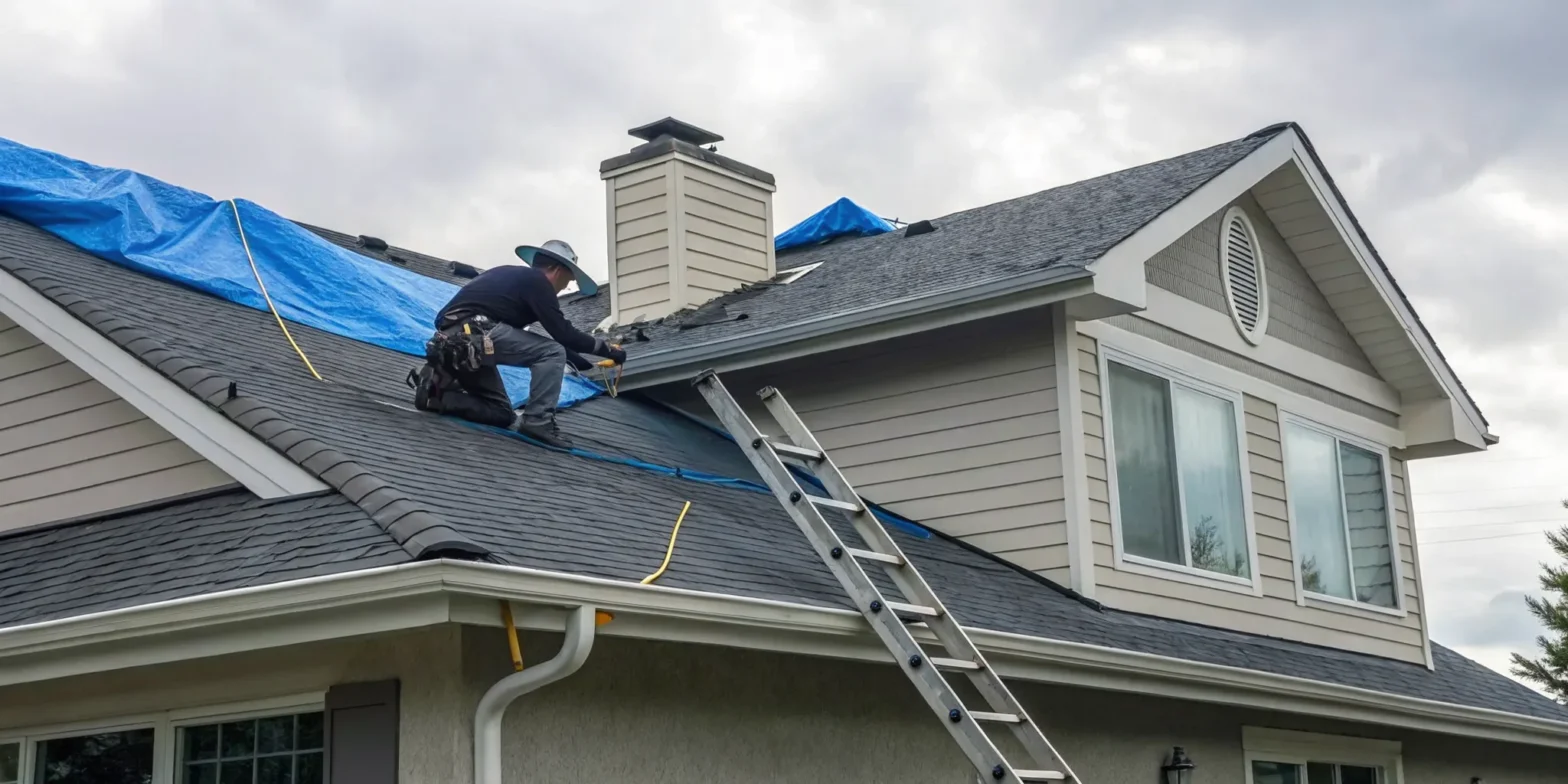
Placing a tarp over the damaged area is one of the most effective temporary solutions. A properly installed tarp can last for 60 to 90 days, giving you a solid window to schedule a professional residential roofing service without feeling rushed. While you can do this yourself, getting on a roof is risky, especially a wet one. A professional can install a tarp securely for a few hundred dollars, ensuring it holds up against wind and rain. This small investment can prevent thousands of dollars in additional interior water damage, making it a smart move in an emergency.
Use Roofing Cement or Tape for a Temporary Seal
For very small, isolated leaks like a single cracked shingle or a small hole, roofing cement or specialized roofing tape can provide a temporary seal. You can find these materials at most hardware stores. Roofing cement is a thick, tar-like substance that you apply over the crack to block water. This type of patch can last for a month or two, but it’s only suitable for minor issues. It’s not a solution for large areas of damage or widespread leaks. Think of it as a bandage, not a cure. It will hold things together just long enough for a professional to arrive.
Protect Your Home’s Interior from Drips
While you figure out the roof, don’t forget about the inside. Your immediate goal is to manage the water that has already entered your home to prevent further damage. First, move any furniture, electronics, rugs, and valuables away from the leak. Next, place buckets, pans, or other waterproof containers directly under the drips to catch the water. If you have a significant amount of water pooling on the floor, use towels or a mop to clean it up right away. This helps prevent damage to your flooring and subfloor and reduces the risk of mold growth.
What to Avoid While You Wait for a Pro
Your safety is more important than any temporary fix. Never go on your roof during or after rain, when it’s icy, or on a windy day. Working on a roof at night or alone is also extremely dangerous. Falls are a leading cause of serious injury, and a wet, damaged roof is an unpredictable surface. If you aren’t experienced with roof work or don’t feel 100% confident, please stay on the ground. The best and safest course of action is to contact a professional who has the right safety equipment and expertise to handle the situation without risk.
Emergency vs. Standard Roof Repair: What’s the Difference?
When your roof is damaged, the line between a simple fix and a full-blown crisis can feel blurry. Understanding the difference between a standard and an emergency roof repair is key to getting the right help when you need it and knowing what to expect. Think of it this way: a standard repair is a scheduled appointment for a non-urgent issue, like replacing a few worn-out shingles you noticed during a gutter cleaning. You have time to gather quotes and plan the work during regular business hours.
An emergency repair, on the other hand, is a rapid-response service designed to address an immediate threat to your home. This is for situations like a tree branch crashing through your roof during a storm or a sudden, severe leak that’s causing water to pour into your living room. The focus isn’t on a perfect, permanent fix right then and there. Instead, the goal is immediate damage control to protect your property until a more comprehensive residential roofing solution can be put in place. Both are essential parts of home maintenance, but they serve very different purposes at very different times.
The Need for Speed: Response Time
The most significant difference between the two services is the response time. When you schedule a standard roof repair, you’re getting on a contractor’s calendar. It might be a few days or even a week before they can come out, which is perfectly fine for minor issues that aren’t actively damaging your home. An emergency service is built for speed. Companies offering 24/7 emergency repairs have teams on standby, ready to head out as soon as you call, no matter the time. The objective is to get to your property quickly and stop the problem from getting worse, like containing a major leak before it causes extensive water damage.
After-Hours and Weekend Service
Roofing emergencies rarely happen at a convenient time. A major storm can hit on a Saturday night, or you might discover a serious leak on a holiday morning. This is where emergency services really stand apart. They operate around the clock, including nights, weekends, and holidays, because disasters don’t keep business hours. In contrast, standard roofing work is almost always scheduled for weekdays. While this after-hours availability is a lifesaver, it’s good to know that it often comes at a premium cost compared to a standard daytime appointment. You’re paying for the immediate availability and peace of mind that help is on the way.
What an Emergency Visit Covers
When you call for an emergency repair, the goal is stabilization, not a complete, permanent fix. The responding crew is there to perform triage on your roof. This typically involves temporary measures to secure your home and prevent further damage. For example, they might tarp over a large hole to keep rain out, apply roofing cement to seal an active leak, or remove a fallen tree limb that has punctured your roof. They’ll assess the situation and do what’s necessary to stop the immediate threat. Afterward, you’ll schedule a follow-up appointment for a permanent repair or replacement once the crisis has passed and a full assessment can be done in daylight.
Choosing an Emergency Roof Repair Service: 7 Things to Look For
When you’re dealing with a roof emergency, your first instinct is to get it fixed as fast as possible. The sound of dripping water or the sight of a ceiling stain can send anyone into a panic. But in the rush to find help, it’s easy to hire the first company that answers the phone without knowing if they’re the right fit for the job. A hasty decision can lead to shoddy work, surprise costs, and more headaches down the road. You might end up with a temporary patch that fails in the next storm or, worse, a contractor who disappears after taking your money.
To make a smart choice even when you’re stressed, it helps to have a checklist ready. Knowing what to look for ahead of time can save you from making a costly mistake. The right emergency roofer will not only stop the immediate problem but also provide a reliable, long-term solution with professionalism and transparency. They’ll be your partner in protecting your home. Here are seven essential things to look for when you’re vetting a roofing contractor for an urgent repair.
1. 24/7 Availability and a Fast Response
Roof leaks don’t stick to a 9-to-5 schedule, and neither should your emergency roofer. A true emergency service is available around the clock, ready to answer your call during a weekend downpour or in the middle of the night. When you contact them, ask about their expected response time. A company that specializes in emergencies should be able to dispatch a team quickly to assess the situation and perform temporary repairs to prevent further damage. If they can’t give you a clear timeframe or tell you to wait until the next business day, they aren’t the right service for an urgent problem.
2. Proper Licensing and Insurance
This is a non-negotiable. Before you let anyone on your roof, confirm they are fully licensed and insured. Licensing proves they meet state and local requirements to perform the work, while insurance protects you from liability. If an uninsured worker is injured on your property, you could be held financially responsible. A reputable company will have no problem providing you with their license number and proof of both liability insurance and workers’ compensation. It’s a simple step that provides crucial peace of mind and separates the professionals from the rest.
3. Manufacturer Certifications and Strong Warranties
A contractor’s certifications are a great indicator of their skill and reliability. Top manufacturers like GAF, DaVinci Roofscapes, and Duro-Last offer special training and certify roofers who master their products. Choosing a certified contractor means your roof will be repaired by a team that is up-to-date on the best materials and installation techniques. It also often gives you access to stronger warranties on both the products and the workmanship. This is your assurance that the repair is built to last and that the company stands behind its work.
4. Local Expertise in Pacific Northwest Weather
The Pacific Northwest has a climate all its own, and your roof bears the brunt of it. From relentless rain and high winds to moss growth, our weather presents unique challenges. That’s why hiring a local company with years of experience in the Puget Sound area is so important. A local roofer understands exactly what your residential roofing needs to withstand the specific environmental stressors of our region. They’ll recommend materials and repair methods that are proven to hold up, and their local reputation depends on the quality of their work.
5. Clear, Upfront Pricing
An emergency shouldn’t come with a blank check. While you can expect a service fee for an after-hours call, a trustworthy contractor will be transparent about all costs. They should provide a clear, detailed estimate for any permanent repairs before work begins. Be cautious of any company that gives you a vague verbal quote or pressures you to agree to work without a written breakdown of charges. Many professional roofers even offer tools like a roofing cost calculator to help you understand potential expenses, reflecting a commitment to transparency.
6. Help with Insurance Claims
After you’ve stopped the leak, the next step is often dealing with your homeowner’s insurance. This process can feel complicated, but an experienced roofer can be a huge help. Ask potential contractors if they are accustomed to working with insurance companies. A seasoned pro will know exactly what kind of documentation your insurer needs, from detailed photos of the damage to a formal report and a precise estimate. Their assistance can streamline the claims process and help ensure you get the full coverage you’re entitled to for the damage.
7. Comprehensive Repair Capabilities
The water dripping from your ceiling is the symptom, but it might not be the whole story. The best emergency roofers can handle more than just a quick patch. You want a team that offers comprehensive services, from fixing a few missing shingles to addressing major structural damage from a fallen tree. A full-service contractor can accurately diagnose the root cause of the leak and determine if a simple repair will suffice or if a larger section of your roof is compromised. This ensures you get a lasting solution, not just a temporary fix that will fail in the next storm.
Finding Emergency Roof Repair in the Puget Sound Area
When water is dripping into your living room, the last thing you want to do is scroll through dozens of websites. The stress of finding a reliable roofer who can show up quickly is immense. Knowing who to call, or at least what to look for in a contractor, makes all the difference. Here’s how to find a trustworthy emergency roofer in the Puget Sound area.
Landmark Roofing & Siding
As a Redmond-based company with over 20 years of experience, we at Landmark Roofing & Siding have seen our fair share of Pacific Northwest storms. We know that a leaking roof is more than an inconvenience; it’s a threat to your home and peace of mind. Our team is prepared to respond quickly to emergency calls, providing professional assessments to stop damage in its tracks. We focus on providing durable, high-quality residential roofing solutions, whether it’s a small patch or a major fix. Our goal is to secure your home efficiently so you can feel safe and dry again, no matter what the weather throws your way.
How to Vet Other Local Companies
If you’re exploring other options, it’s important to do a quick but thorough check. Start by looking at recent online reviews on sites like Google or Yelp, paying close attention to comments about emergency response and communication. Always confirm that any company you consider is fully licensed and insured in Washington State; this protects you from liability. A reputable contractor will also provide a clear, detailed estimate and be transparent about their experience with your specific type of roof damage. Finally, don’t forget to ask about warranties on both labor and materials. These are key indicators that a company stands behind its work and are great factors to consider as you choose a roofing contractor you can trust.
What About Insurance After an Emergency Repair?
Once you’ve contained the water and called for help, your thoughts will likely turn to the cost. Dealing with a roof leak is stressful enough without worrying about how you’ll pay for it. The good news is that your homeowner’s insurance policy often covers sudden and accidental damage, like the kind caused by storms, wind, or falling trees. However, getting your claim approved requires a clear process and solid proof.
Navigating an insurance claim can feel overwhelming, but you don’t have to do it alone. This is where a great roofing contractor becomes your most valuable partner. They do more than just fix the leak; they provide the professional assessment and documentation you need to build a strong case for your insurer. An experienced roofer understands what insurance companies look for and can help you manage the claim from start to finish. They act as your advocate, ensuring that the assessment is fair and that the approved repairs will restore your roof to its proper condition. This support is critical for turning a chaotic situation into a manageable one and getting the full compensation you’re entitled to.
How to Document Damage for Your Claim
Before your contractor even arrives, you can start building your case. Your insurance company will need proof of the damage, so it’s essential to document everything thoroughly. Grab your phone and start taking photos and videos of the leak and any resulting damage inside your home. Capture wide shots of the room and close-ups of the water dripping, stained ceilings or walls, and any damaged furniture or belongings. If you can do so safely from the ground, take pictures of the exterior of your roof as well.
Keep a detailed file of all your expenses related to the incident. This includes receipts for any temporary fixes you bought, like tarps or buckets, and especially the invoice from your emergency repair service. It’s also important to understand what your policy covers. Most insurance plans cover damage from sudden events but may not cover leaks caused by old age or a lack of routine maintenance. Your documentation will help prove the damage was unexpected.
The Role Your Contractor Plays in the Process
Your roofing contractor is your expert on the ground during the insurance process. A reputable professional will conduct a thorough inspection of the damage, taking their own detailed photos and notes to create a comprehensive report. This professional documentation is often more compelling to an insurance adjuster than a homeowner’s photos alone. They know exactly what to look for, from hidden water damage to subtle structural issues that an untrained eye might miss.
Even better, your contractor can be present when the insurance adjuster visits your property. They can walk the roof with the adjuster, point out the full extent of the damage, and answer technical questions to ensure nothing is overlooked. This collaboration helps guarantee your claim is handled fairly and that the scope of work approved by the insurer is sufficient for a complete and lasting residential roofing repair. Having an expert in your corner makes the entire process smoother and helps you get the resources needed to protect your home.
Repair or Replace? Making the Call After an Emergency
After an emergency, you’re faced with a big question: does your roof need a simple repair or a full replacement? The answer depends on the extent of the damage, your roof’s age, and your long-term goals for the property. While a professional inspection is the only way to know for sure, understanding the key signs can help you prepare for the conversation with your contractor and make a confident decision under pressure.
Signs You Only Need a Repair
If your roof is relatively young and the damage is isolated, a repair is often the most sensible path. A few shingles blown off in a storm or a leak around a single vent pipe doesn’t usually signal a system-wide failure. When damage is contained to one specific area and the rest of your roof is in good shape, a targeted fix can restore its integrity without the cost of a full replacement. Most homeowner’s insurance plans cover this type of storm damage, so it’s always a good idea to check your policy. A professional residential roofing contractor can quickly address these issues, preventing minor problems from turning into major headaches.
Signs It’s Time for a Full Replacement
Sometimes, a repair is like putting a small bandage on a much larger problem. If your roof is over 20 years old, it’s likely nearing the end of its functional life, and any emergency repair money might be better invested in a replacement. A good guideline is the 25% rule: if more than a quarter of your roof is damaged, a full replacement is typically more cost-effective. Trying to patch large sections can lead to an uneven appearance and create weak points where future leaks can occur. Widespread issues like curling shingles across multiple areas, significant granule loss, or multiple active leaks are all strong indicators that your roof system is failing and it’s time for a fresh start. You can get a general idea of what to expect by using a roofing cost calculator to help with your initial planning.
Preventing the Next Roof Emergency
After the stress of a roof leak, the last thing you want is a repeat performance. The good news is that you can often stop the next emergency before it starts. A little proactive care goes a long way in protecting your home and your peace of mind. It all comes down to regular check-ups and knowing what to look for.
The Importance of Routine Inspections
Think of routine roof inspections like a regular health check-up for your home. Having a professional look at your roof, especially after a major storm, helps catch small issues before they turn into costly, ceiling-damaging disasters. A trained eye can spot subtle signs of wear or damage that are not visible from the ground. Addressing a minor problem early is always easier and more affordable than dealing with a full-blown emergency leak in the middle of the night. Regular maintenance is the key to extending the life of your residential roofing and keeping your home secure and dry, season after season.
Warning Signs Your Roof Needs Attention
You don’t have to be a roofing expert to spot potential trouble. Take a walk around your property and look up. Are any shingles missing, cracked, or curling at the edges? Check your gutters for an accumulation of black, sand-like granules; this is a sign that your shingles are losing their protective layer. If your roof is over 20 years old, it’s likely approaching the end of its lifespan, so it’s wise to pay closer attention. Spotting these issues early gives you time to plan for repairs or a replacement. If you see these signs, our roofing cost calculator can help you get a preliminary idea of the budget.
Related Articles
- How to Handle an Emergency Roof Repair Safely – Landmark Roofing & Siding
- A Smart Homeowner’s Guide to Roof Repair – Landmark Roofing & Siding
- Signs of Roof Damage & The Most Expensive Part to Fix – Landmark Roofing & Siding
Frequently Asked Questions
What is the very first thing I should do if I discover a leak? Before you do anything else, focus on damage control. Move any furniture, electronics, or personal items out of the water’s path. Place a large bucket or waterproof bin directly under the drip to catch the water. If the leak is near any lights or outlets, go to your breaker box and shut off the power to that area to prevent any electrical hazards. Once you have the immediate situation contained, you can then focus on calling a professional.
My ceiling is starting to bulge, but it’s not dripping yet. Is this a serious problem? Yes, this is a critical warning sign that requires immediate action. A bulging ceiling means that a significant amount of water is pooling on top of the drywall, creating immense pressure. This puts your ceiling at risk of collapsing, which is a major safety hazard. To prevent a bigger mess, place a large bucket under the bulge and carefully poke a small hole in the center of it with a screwdriver to allow the water to drain in a controlled way.
Will my homeowner’s insurance cover the cost of an emergency repair? In many cases, yes. Most homeowner’s insurance policies cover damage from sudden and accidental events, like a storm or a fallen tree. However, coverage can vary, and it typically does not include damage from old age or poor maintenance. To support your claim, be sure to take plenty of photos and videos of the leak and any damaged property. A professional roofing contractor can also provide essential documentation and even speak with your insurance adjuster to help ensure the full scope of the damage is accounted for.
I had a temporary fix done. How long can I wait before getting a permanent repair? A temporary solution, like a professionally installed tarp or a cement patch, is meant to buy you time, not solve the problem for good. A good tarp can often last for a couple of months, but you should see it as a short-term bandage. The goal is to prevent further water intrusion while you schedule a permanent repair. Waiting too long risks the patch failing in the next storm, putting you right back where you started.
Is a slow, minor drip really considered an emergency? While a slow drip might not require a middle-of-the-night call, it is absolutely an urgent issue that needs prompt attention. Here in the damp Puget Sound climate, moisture can lead to mold growth in as little as 24 hours. That small drip can quietly saturate your insulation and rot the wooden structure of your home, turning a simple fix into a much larger and more expensive project. It’s best to treat any leak as a serious problem and schedule an inspection right away.