
Date
Wed Jun 10Metal roofing cost is a larger upfront investment built to outlast several cheaper roof cycles. For Washington homeowners, that premium can buy decades of dependable weather protection.
Request a metal roofing estimate from Landmark Roofing & Siding.
Metal roofing cost in the Puget Sound typically ranges from $14,000 to $20,000 for 1,000 square feet. A 1,500-square-foot roof commonly runs $21,000 to $30,000, while 2,000 square feet may cost $28,000 to $40,000. These are estimates, since material type, slope, roof complexity, removal needs, and hidden wood rot all affect the final quote. Metal panels cost more than standard shingles, and skilled labor adds expense because flashing, seams, and fasteners must be installed precisely. The exact lifespan depends on the chosen system, maintenance, exposure, and the quality of the original installation. That higher initial price can deliver strong long-term value through a long service life, lower replacement frequency, and dependable Pacific Northwest weather protection.
The real question is whether that upfront investment makes sense for your home, budget, and plans. Metal roofing cost in Washington: the quick answer sets a realistic baseline for a Puget Sound property before we separate materials, labor, and lifespan. Here’s how.
Metal roofing cost in Washington: the quick answer
Quick answer: For early planning, use about $7 to $16 per square foot for common metal roof systems. Treat that range as a starting point, not a Washington project quote. Your final price depends on the chosen system, roof shape, tear-off needs, and site access.
A practical planning range
Published installer ranges place standing seam metal roofing at $10 to $16 per square foot, including materials and installation. The same source places corrugated metal roofing at $7 to $12 per square foot. These figures help set a rough budget before a contractor measures the roof and defines the work.
The lower end often reflects a simpler system and straightforward work. The upper end can reflect a more involved system, complex roof details, or added preparation. The table shows how the two common planning paths differ before project-specific items enter the quote.
| Cost consideration | Corrugated metal | Standing seam |
|---|---|---|
| Published planning range | $7 to $12 per square foot | $10 to $16 per square foot |
| Fastener style | Exposed fasteners | Concealed fasteners |
| Budget position | Lower starting range | Higher starting range |
| Detailing needs | Depends on roof shape | Depends on roof shape |
| Final quote | Requires roof inspection | Requires roof inspection |
Why Washington quotes move
Square footage is only one part of metal roofing cost. Valleys, dormers, skylights, steep slopes, and many roof edges add cuts and detail work. A contractor must also check the roof deck, old roofing, flashing, ventilation, and safe access before setting a firm price.
- Roof geometry: A simple gable roof needs fewer cuts and transitions than a roof with several sections.
- System choice: Panel type, metal type, finish, and fastening method change material and labor needs.
- Tear-off: Removing old materials can reveal deck repairs that were not visible during early planning.
- Site conditions: Tight access, staging space, slope, and weather planning can affect the work plan.
Local exposure also matters when selecting materials and coatings. Research on galvanized roofing sheets shows that rainwater and acidic conditions affect corrosion resistance. A sound quote should match the metal system and finish to the home’s setting, not just its roof area.
What a useful estimate includes
Ask each contractor to price the same scope. The estimate should state the panel system, metal and finish, underlayment, tear-off, deck repair terms, flashing, ventilation, and disposal. It should also explain which items are fixed and which may change after removal begins.
A site visit turns the planning range into a useful project number. It lets the contractor measure each roof plane and inspect access, transitions, and visible deck concerns. Compare complete scopes rather than choosing the lowest total alone, since missing work can make one quote look cheaper.
What changes the price of a metal roof?
Metal roofing cost depends on the work needed for your specific home, not just the home’s floor area. A sound estimate starts with a site visit and a clear scope. It should show the roof system, removal work, repairs, details, and site needs.
Roof size, shape, and slope
Contractors price the actual roof surface rather than the home’s listed square footage. Eaves, overhangs, and attached sections add covered area. Panels also need cuts at edges and roof features, so the order must include some waste.
A simple roof with broad, open planes takes less layout and cutting. Valleys, dormers, skylights, and several roof levels add detail work. A steep slope can also require added safety gear and slower staging. These features can raise labor and material needs even when two homes have a similar footprint.
Existing roof and site conditions
The estimate should state whether the crew will remove the old roof and how many layers are present. Removal creates labor, hauling, and disposal costs. Once the old material is gone, the crew may find soft decking or other damage that needs repair.
Access matters as well. A clear driveway and open work area make deliveries and debris handling easier. Tight lots, landscaping, fences, and limited parking may call for more hand-carrying or special staging. Puget Sound homes on slopes can have access limits that are not clear from an online photo.
Homeowners can use Landmark’s Roofing Cost Calculator as an early planning tool. A final proposal should still reflect measured roof area, confirmed access, and visible site conditions. Hidden damage should be handled through a clear change-order process instead of a guess built into the quote.
Roof system details and workmanship
The chosen metal system affects both material and installation work. Panel profile, finish, underlayment, fasteners, and trim all shape the scope. Ventilation, pipe boots, wall joints, valleys, and chimney flashing also need project-specific details. These parts help manage water at the roof’s most complex points.
Permit needs and local review can add fees and scheduling steps. A complete estimate should state who handles permits and inspections. It should also explain how the crew will protect the site, stage materials, and clean up.
Labor quality is not a useful place to compare quotes by price alone. Metal panels and flashing must be measured, cut, and joined for the roof in front of the crew. Ask each contractor to describe the installation method, repair allowances, and warranty terms in writing.
Metal is often chosen for long-term performance, not only its first cost. Landmark’s guide to metal roofing benefits and durability explains why Puget Sound homeowners may weigh service life with the initial quote. Comparing the same written scope is the fairest way to review bids.
How do metal roofing materials affect cost?
The metal roofing cost depends partly on the panel system and the metal beneath its finish. Material choice also changes the labor, trim, fasteners, and upkeep needed after installation. A fair comparison should look beyond the panel price and consider the full roof system.
Corrugated and exposed-fastener panels
Corrugated panels and other exposed-fastener systems often have the lowest starting cost among metal roof options. Their broad panels can cover simple roof sections with fewer seams and less detailed labor. The visible ribs and screws create a practical look that may suit sheds, barns, and some homes.
These systems place fasteners through the face of each panel. Heat-driven movement and weather can stress the washers around those fasteners over time. Owners should plan for routine checks and repairs when needed. This upkeep can narrow the gap between a lower initial price and the long-term cost.
Standing seam systems
Standing seam roofing conceals its fasteners beneath raised, joined seams. That clean profile gives homes a more refined appearance. Clips can also let panels move as temperatures change, without placing the same stress on exposed screws. The system requires careful layout, shaped trim, and skilled seam work.
Those installation demands usually make standing seam a higher-cost choice than exposed-fastener panels. Roof shape matters too. Valleys, dormers, skylights, and short panel runs create more cuts and custom flashing. Homeowners comparing systems should assess these details with a contractor, not rely on a price per panel.
Premium metals and finishes
Premium options may include aluminum, copper, zinc, or coated steel with a higher-grade finish. Each material has a different look, weight, forming method, and response to local conditions. Copper and zinc can develop a distinct surface patina. Aluminum can be useful where corrosion resistance is a key concern.
Metal type also affects accessory parts and installer needs. Matching flashing, trim, and compatible fasteners help avoid weak points in the roof assembly. Complex forming or specialty details add labor, while less common materials may have longer order times.
Color and finish can also affect roof heat gain. The U.S. Department of Energy’s cool roof guidance explains how reflective roof surfaces can stay cooler in sunlight. Appearance and energy goals should still be balanced with climate, roof design, and installation quality.
The right option depends on the building, budget, and desired upkeep. Review metal roofing benefits and durability alongside the initial estimate. Then compare panel type, finish, flashing, labor, and future upkeep as one complete package.
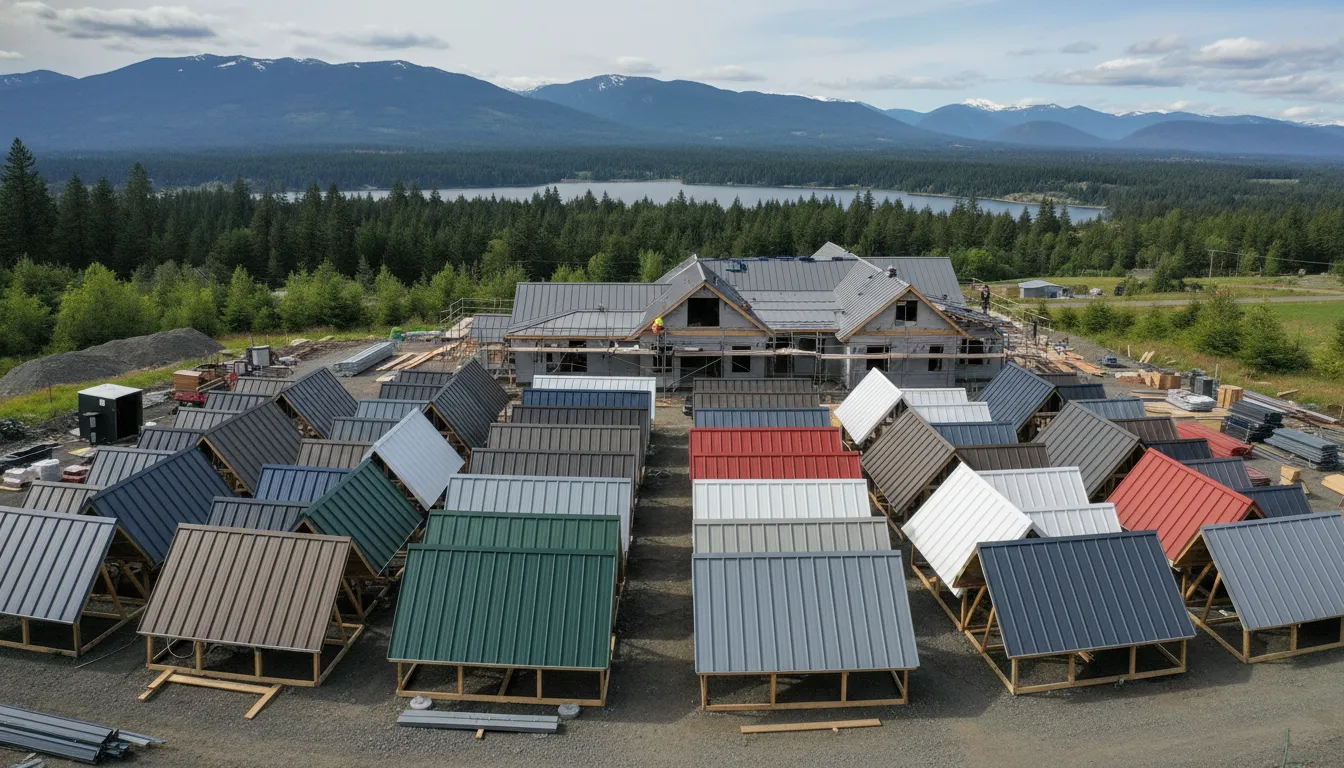
Compare metal roofing options with a Landmark roofing specialist.
Why labor and installation details matter
Metal roofing cost is not just the price of panels. Labor pays for the careful work that keeps wind-driven rain from reaching the roof deck. A low bid may leave out key details, then add them later as change orders.
That risk matters in the rainy, windy Puget Sound region. Research on galvanized roofing sheets also shows that rainwater environments can affect corrosion resistance. The published corrosion study supports choosing compatible materials and handling cut edges with care.
The water-shedding system
Metal panels are only one layer of the roof. Underlayment provides a backup layer beneath them when water gets past seams or trim. The installer should name the underlayment type, where it will be used, and how roof deck damage will be handled.
Flashing directs water away from valleys, walls, chimneys, and roof edges. Each pipe, vent, and skylight also creates a penetration that needs a fitted, sealed detail. These areas take time to measure and finish, so a detailed labor scope often costs more than a vague one.
Ventilation and fastening details
Ventilation should work as a complete path, with intake near the eaves and exhaust near the roof peak. The contractor should explain how the new roof will work with the home’s existing attic and insulation. Any needed vent changes should appear in the quote.
Fastener placement and panel attachment also affect how the roof handles wind and normal metal movement. Ask whether fasteners will be exposed or concealed, and how trim pieces will be secured. The answer should match the panel system proposed for the home.
A practical quote-comparison checklist
Compare written scopes before comparing totals. Use this sequence to find missing work, unclear allowances, and bids that are not truly equal.
-
Confirm the exact panel profile, metal type, gauge, finish, and fastening system. Make sure each bidder is pricing the same basic roof.
-
Check whether tear-off, disposal, deck inspection, and deck repairs are included. Ask how the contractor prices repairs found after removal.
-
Review the named underlayment and its planned coverage. Confirm whether extra protection is included at valleys, eaves, and other leak-prone areas.
-
Count every valley, wall joint, chimney, skylight, pipe, and vent. Require the quote to state how each feature will be flashed and sealed.
-
Ask for the ventilation plan, including any vent removal or replacement. Confirm that the scope covers the needed trim, closures, and related labor.
-
Review workmanship coverage, material coverage, permits, cleanup, and change-order terms. Get unclear items answered in writing before choosing a bid.
A complete scope makes the higher or lower metal roofing cost easier to understand. It also shows whether the contractor priced the whole installation, not just the most visible materials.
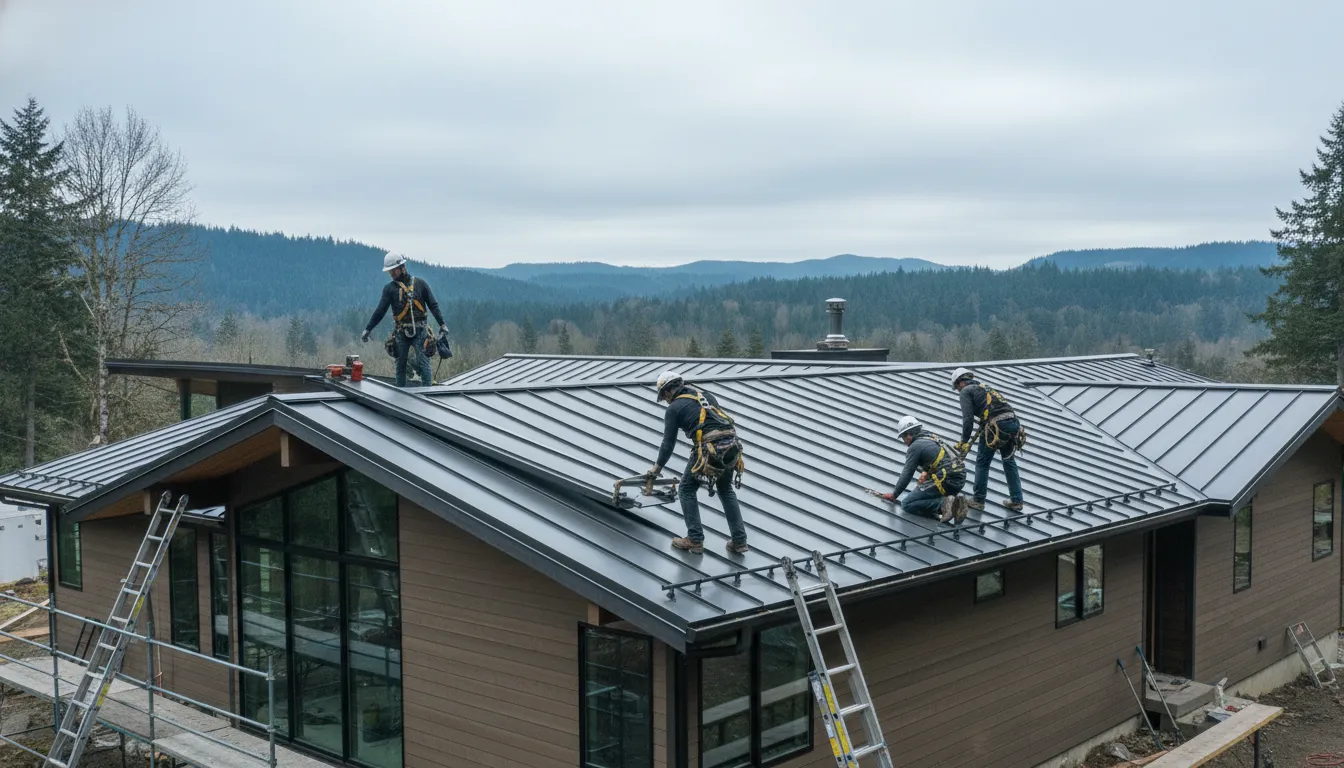
Is a metal roof worth the higher upfront cost?
A higher metal roofing cost can make sense when the roof provides value over many years. The lowest first price does not always mean the lowest long-term cost. Compare each quote by expected service needs, system design, and how long you plan to own the home.
Price versus service life
Start by asking each contractor what is included in the quoted system. Panels, underlayment, flashing, ventilation, trim, and labor all affect the final result. A less costly proposal may leave out parts that another contractor includes, so compare the scope before comparing totals.
Next, estimate value across your likely ownership period. Divide the installed price by the years you expect to use the roof, then add likely maintenance costs. This simple check gives a clearer view than focusing on the initial bill alone.
Your ownership plan matters as much as the roof material. A long-term owner may place more value on fewer replacement cycles and planned upkeep. A homeowner who expects to move soon should weigh those benefits against other needs and the local housing market.
System details and maintenance
Not every metal roof has the same maintenance needs. Ask whether the system uses exposed or concealed fasteners, and learn which parts need routine checks. Also ask how the installer handles seams, penetrations, edges, and places where water could collect.
Panel finish and coating choices also shape long-term care. Research shows that rainwater and acidic conditions can affect corrosion resistance in galvanized roofing sheets. For a Puget Sound home, ask how the proposed metal and coating suit the site.
A useful quote should explain inspection needs and repair options in plain terms. Ask who will check sealants, fasteners, flashing, scratches, and debris after installation. Clear maintenance guidance helps you compare systems and avoid treating every metal roof as the same product.
Energy use and ownership plans
Energy savings should be treated as a possible benefit, not a promised return. Roof color, finish, insulation, attic airflow, shade, and home design can change the result. One study found that reflective paint and other cool-roof methods reduced indoor temperatures versus standard metal sheets.
Ask contractors to separate roof-system value from broad energy claims. A sound comparison covers installation scope, expected care, warranty terms, and fit for the home. It should also reflect your budget and how long you expect to keep the property.
Before choosing, request itemized bids for systems that meet the same goals. Review what can wear, how repairs are made, and which work the warranty covers. That process shows whether the higher upfront cost buys useful long-term value for your ownership plan.
How can you get an accurate metal roof estimate?
An accurate metal roof estimate starts with a clear scope, not a quick price per square foot. Ask each contractor to quote the same roof system and site conditions. This approach makes bids easier to compare and reduces surprises after work starts.
Measurements and roof condition
A contractor should measure each roof plane, ridge, valley, eave, rake, and wall connection. The estimate should also account for pitch, height, access, and panel lengths. These details affect the amount of metal, trim, labor, and safety equipment needed.
Request an on-roof inspection before accepting a final quote. The contractor should check flashing, vents, chimneys, drainage, and visible signs of deck damage. Photos can help you understand which repairs are included and which conditions remain unknown.
Ask how the quote handles tear-off, disposal, and damaged decking. A useful estimate states the included decking allowance and the unit price for added repairs. It should also explain how hidden damage will be documented before a change order is approved.
System details behind the price
Metal roofing cost depends on more than the visible panels. Each quote should name the metal type, gauge, panel profile, finish, fastening method, underlayment, flashing, and ventilation plan. If those details differ, the totals are not a true side-by-side comparison.
Coating and material choices should suit the home’s setting. Research on galvanized roofing sheets shows that rainwater and acidic conditions can affect corrosion resistance. Ask the contractor to explain why the proposed metal, finish, and fasteners fit your Washington property.
- Confirm whether the scope includes tear-off, hauling, cleanup, and magnetic nail collection.
- List every penetration, flashing detail, gutter adjustment, and ventilation change.
- State whether the contractor or homeowner handles permits and inspection fees.
- Separate optional upgrades so their effect on the total is clear.
Warranty and change-order terms
Read both the product warranty and workmanship warranty before choosing a bid. The estimate should state their terms, exclusions, and responsible parties. It should also note any required maintenance or registration steps that protect coverage.
Finally, ask for a written payment schedule and change-order process. No added work should begin until you receive the reason, price, and effect on the schedule. Clear approval rules help keep the final invoice tied to the agreed scope.
When comparing estimates, review exclusions as closely as included work. A low bid may leave out permits, deck repairs, disposal, or key flashing details. Choose the quote that defines the complete system and explains how unknown conditions will be priced.
Request a detailed metal roofing quote for your Washington property.
Frequently Asked Questions
How much does a metal roof cost per square foot?
Metal roofing cost depends heavily on the panel system and project details. One industry estimate places installed standing seam roofing at $10 to $16 per square foot, while corrugated roofing runs $7 to $12 per square foot. A Washington contractor should inspect the roof before providing a firm price.
What factors affect metal roofing cost in Washington?
Major cost factors include the chosen metal, panel gauge, roof size, slope, access, tear-off needs, underlayment, coatings, and flashing details. Complex roofs with valleys, skylights, or multiple levels require more labor and custom cuts. Local permit requirements and the condition of the roof deck can also change the final price after inspection.
Does a metal roof estimate include labor and materials?
Some metal roof estimates combine labor and materials, while others list each cost separately. Ask whether the quote covers old-roof removal, disposal, underlayment, fasteners, flashing, ventilation, permits, and deck repairs. The contract should also state the metal type, panel gauge, coating, warranty terms, and any costs that could change after work begins.
How does roof complexity affect metal roof installation costs?
A simple roof with broad, accessible sections usually requires less labor than a steep or highly detailed roof. Valleys, dormers, chimneys, skylights, and several roof levels add measuring, cutting, flashing, and safety work. These details can increase material waste and installation time, so contractors generally need an on-site inspection to prepare an accurate estimate.
Can a metal roof’s lifespan lower its long-term cost?
A long service life can reduce the average annual cost of a metal roof, but lifespan depends on the system and its environment. Proper installation, compatible fasteners, protective coatings, drainage, and routine inspections all matter. Washington homeowners should compare expected maintenance, warranty coverage, and likely replacement timing rather than judging options only by the initial installation price.
Plan your Washington metal roofing project with confidence
Metal roofing cost is best understood through a detailed estimate built around your roof, your chosen system, and the installation details required for lasting performance. Landmark Roofing & Siding helps homeowners across Redmond, Bellevue, Kirkland, Seattle, and surrounding Puget Sound communities evaluate practical roofing options.
Request a roofing estimate from Landmark Roofing & Siding. A project-specific assessment will give you a clearer budget than a broad online average and help you compare the long-term value of each option.