Date
Fri Jun 12A metal roof replacement makes sense when leaks, corrosion, failing seams, or repeated repairs show that the roof can no longer reliably keep water out. For a Washington homeowner, the decision is especially important: months of rain, wind-driven moisture, fallen branches, and freeze-thaw cycles can turn a small weakness into damaged insulation, decking, or framing. The right time to replace is not determined by age alone. It depends on the condition of the panels, fasteners, flashing, coatings, and roof deck as a complete system.
Ready to evaluate your metal roof? Request a free inspection from Landmark Roofing & Siding.
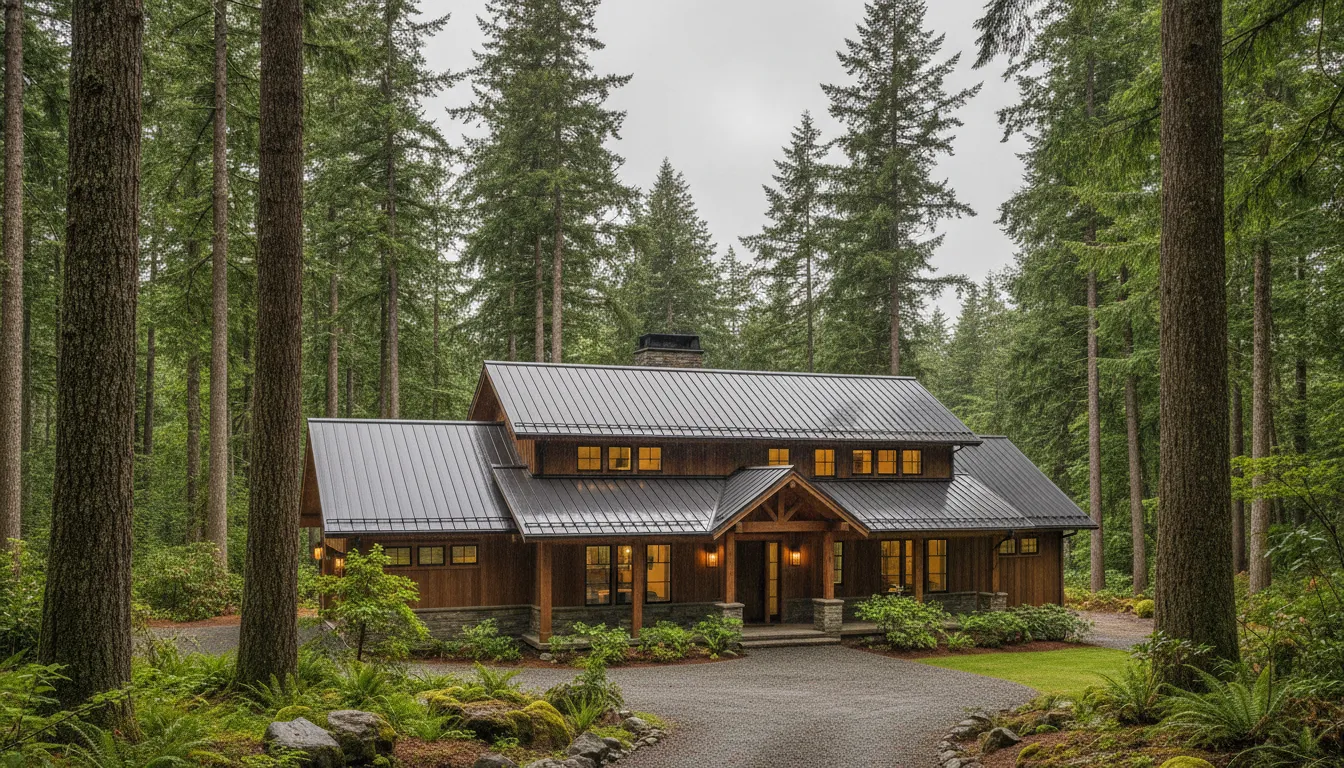
This guide explains the signs that point toward replacement, when repair may still be reasonable, and what to expect when planning a new metal roof in Redmond, Seattle, Bellevue, or another Puget Sound community. Trusted Redmond residential roofing contractors can help determine the right timeline for replacement.
When Does a Metal Roof Need to Be Replaced?
A metal roof should be replaced when deterioration is widespread, the roof assembly has recurring water-entry problems, or repair costs are no longer producing a dependable result. One isolated damaged panel or a small flashing issue may be repairable. Problems found across multiple roof planes usually call for a broader solution. Landmark Roofing & Siding evaluates the entire assembly so Washington homeowners can compare repair and replacement based on documented conditions. A certified Bellevue roofing contractor will evaluate the entire assembly so Washington homeowners can compare repair and replacement based on documented conditions.
Metal roofing is known for durability, but “metal roof” describes several systems with different lifespans and maintenance needs. Standing seam panels conceal their fasteners, while exposed-fastener panels rely on many washers and screws that require closer attention over time. Panel material, coating quality, installation details, ventilation, nearby trees, and maintenance history all influence how long the system performs.
Seven Signs Replacement May Be the Better Choice
- Leaks keep returning. A leak that reappears after multiple repairs can indicate a systemic problem with seams, penetrations, underlayment, or flashing rather than one isolated defect.
- Corrosion appears in multiple areas. Surface marks may be manageable, but widespread rust, perforation, or corrosion at panel edges and laps can compromise the roof’s ability to shed water.
- Seams are separating or panels are shifting. Metal expands and contracts as temperatures change. If clips, seams, or attachment points fail, panels may move enough to admit wind-driven rain.
- Fasteners repeatedly loosen or back out. This is especially relevant on exposed-fastener systems. Replacing a few fasteners is maintenance; addressing the same issue throughout the roof year after year may not be.
- The protective finish is failing extensively. Chalking or fading can be cosmetic, but peeling coatings and exposed metal across large areas deserve professional evaluation.
- The roof deck is soft, wet, or deteriorated. Damage beneath the panels cannot be solved by sealing the visible surface. The assembly may need to be opened so compromised materials can be replaced.
- Storm damage affects many panels or critical details. Wind, branches, and impact can deform panels, open seams, or damage flashing in ways that make piecemeal repairs impractical.
Repair or Replace? Use the Whole-Roof Test
The visible leak is not always directly above the interior stain. Water can travel along panels, underlayment, or framing before it appears indoors. That is why a replacement decision should begin with a whole-roof inspection, not a guess based on one symptom.
| Repair may make sense when | Replacement may make sense when |
|---|---|
| Damage is confined to one panel or flashing detail | Leaks or failures appear in several areas |
| The roof deck and underlayment remain dry and sound | Moisture has damaged decking or underlying materials |
| Matching components are available | Panels or system components are obsolete or difficult to match |
| Seams, coatings, and fasteners are generally performing | Seams, coatings, or fasteners show widespread deterioration |
| The issue has not returned after prior work | Repeated repairs have not stopped the problem |
Ask the roofing contractor to document findings with photos and explain which components have failed. A trustworthy recommendation should connect observed conditions to the proposed scope. If replacement is recommended, the estimate should clarify whether existing roofing will be removed, how damaged decking will be handled, what underlayment and flashing details will be used, and how the property will be protected during work.
Why Washington Conditions Change the Decision
Puget Sound roofs do not need to withstand only rainfall. They must manage persistent moisture, wind-driven rain, organic debris, shaded areas that dry slowly, and occasional cold snaps. A roof detail that performs adequately during a short shower may fail during a windy winter storm.
Trees also deserve attention. Branches can scrape coatings or strike panels, while needles and leaves can collect near valleys and gutters. Debris can slow drainage and hold moisture against roof components. Homes near wooded areas in places such as Woodinville, Sammamish, Snohomish, and North Bend may benefit from more frequent inspections and routine debris removal.
Good ventilation and condensation control matter as much as the visible metal. Warm, moist indoor air can reach a cold roof assembly and condense if the system is poorly designed. During replacement, the contractor should evaluate the roof deck, ventilation path, insulation conditions, penetrations, and underlayment rather than treating new panels as a cosmetic cover.
For a closer look at the material’s regional advantages, read about the benefits of metal roofing in the Pacific Northwest. Homeowners comparing a metal project with other systems can also review Landmark Roofing & Siding’s complete roofing services.
Which Metal Materials Fit Puget Sound Homes?
Material selection changes how a replacement performs, looks, and fits the budget. Galvanized or coated steel is widely used because it combines strength with versatile profiles and finishes. Aluminum naturally resists corrosion and may be worth discussing for properties exposed to especially damp conditions. Copper offers a distinctive appearance and develops a patina, but it is typically selected for premium applications or architectural accents rather than as the default whole-roof option.
The panel material is only one part of the decision. Finish quality, panel gauge, attachment method, compatible fasteners, underlayment, and flashing details all affect performance. A standing seam system hides its fasteners and allows controlled movement as temperatures change. Exposed-fastener panels put washers and screws directly in the weather, so those components require closer inspection and maintenance throughout the roof’s life.
Ask each contractor to explain why the proposed material and system match your home’s roof geometry, tree exposure, ventilation, and moisture conditions. Landmark Roofing & Siding can also explain how locally manufactured Nu-Ray Metals standing seam options are designed for Pacific Northwest weather. The strongest proposal connects every recommended component to an observed condition or a clear performance goal.
Should You Replace an Asphalt Roof With Metal?
Metal roof replacement can also mean switching from asphalt shingles to metal. This can be a strong long-term choice for homeowners who plan to remain in the home, want a durable system, or prefer the appearance and lower routine maintenance needs of quality metal roofing.
The decision should account for more than the panel price. Compare the complete installed systems, expected service life, maintenance requirements, removal scope, flashing details, ventilation work, and warranty terms. Metal commonly requires a larger upfront investment than asphalt shingles, but a properly selected and installed system may offer a longer service life. Your actual value depends on the roof design, material, workmanship, and how long you expect to own the property.
Standing seam and exposed-fastener systems are not interchangeable. Standing seam roofing conceals attachments beneath raised seams and is commonly selected for homes where longevity and weather performance are priorities. Exposed-fastener systems can be economical in suitable applications but place washers and fasteners directly in the weather, making inspection and maintenance especially important. See Landmark’s guide to choosing a metal roof before comparing proposals.
What Happens During a Metal Roof Replacement?
Every property is different, but a professional replacement generally follows a clear sequence:
- Inspection and scope development: The contractor evaluates panels, seams, flashing, penetrations, drainage, roof geometry, ventilation, and visible signs of deck damage.
- Material and system selection: Homeowners choose the appropriate panel profile, metal, finish, color, underlayment, and related details for the home and budget.
- Permitting and scheduling: The project is prepared around local requirements, material lead times, and a workable weather window.
- Property protection and tear-off: Landscaping, siding, windows, and access areas are protected. Existing material is removed as specified so the underlying assembly can be assessed.
- Deck repairs and preparation: Damaged decking is replaced, and the surface is prepared for underlayment and the new system.
- Underlayment, flashing, and panel installation: Details at valleys, eaves, walls, chimneys, skylights, vents, and other penetrations receive careful attention because these are common water-entry points.
- Final inspection and cleanup: The crew checks seams, trim, penetrations, drainage, and workmanship, then removes debris and reviews care requirements with the owner.
Landmark Roofing & Siding’s overview of the metal roof installation process provides more detail about what happens once a system has been selected.
Want a replacement scope based on your property’s actual conditions? Contact Landmark Roofing & Siding to schedule an inspection.
Questions to Ask Before Approving Replacement
- What specific conditions make replacement preferable to repair?
- Will the existing roof be removed, and what will be inspected underneath?
- How will damaged decking be identified, documented, and priced?
- Which metal roof system and coating are proposed, and why do they fit this home?
- How will valleys, chimneys, skylights, vents, walls, and other transitions be flashed?
- How will ventilation and condensation risks be addressed?
- What workmanship and manufacturer warranties apply?
- Who is responsible for permits, cleanup, and final inspection?
Be cautious of a proposal that promises a universal solution without inspecting the roof assembly. Also be wary of estimates that leave major details undefined. A low number can become expensive if the scope omits tear-off, deck repair procedures, flashing, trim, or ventilation work.
How Much Does Metal Roof Replacement Cost?
Metal roof replacement cost varies substantially because it is shaped by roof size, pitch, access, panel system, metal type, finish, tear-off needs, deck repairs, penetrations, and architectural complexity. A simple roof with few transitions is generally less labor-intensive than a steep roof with valleys, dormers, skylights, or multiple levels.
Rather than relying on a generic online average, request an itemized estimate based on an inspection of your home. It should distinguish the base scope from possible additional work, such as replacing damaged decking discovered after tear-off. This makes proposals easier to compare and reduces surprises. Before reviewing bids, use this roof replacement guide to understand the decisions that shape a complete project.
Frequently Asked Questions About Metal Roof Replacement
How long does a metal roof last?
A metal roof can provide decades of service, but there is no single lifespan for every system. Panel material, coating, attachment method, installation quality, roof design, environment, and maintenance all affect longevity. Regular inspections help catch small issues before they become system-wide failures.
Can a new metal roof be installed over an existing roof?
Sometimes, but it is not automatically the best choice. Existing layers, local requirements, roof condition, weight, deck integrity, ventilation, and manufacturer specifications must all be considered. Removing the old material allows the contractor to inspect the deck and correct concealed damage.
Is metal roof replacement worth it for a Washington home?
It can be, especially when the owner values long-term durability and the system is designed for local moisture and wind conditions. The investment makes the most sense when installation details, ventilation, underlayment, and flashing receive the same attention as the panels. Landmark Roofing & Siding helps homeowners weigh those details against the roof’s current condition and their long-term plans.
Is a metal roof cheaper than shingles?
Metal roofing usually carries a higher initial installed cost than standard asphalt shingles. Compare total ownership factors rather than upfront cost alone, including expected service life, maintenance, warranties, and how long you plan to keep the home.
How can I tell whether a replacement recommendation is trustworthy?
Ask for photos, a written explanation of observed failures, and an itemized scope. The contractor should explain repair alternatives when they are reasonable and show why replacement is recommended. Landmark Roofing & Siding connects its recommendations to documented roof conditions so property owners can make an informed decision. Consider another professional opinion if the findings are vague or pressure replaces evidence.
Plan a Metal Roof Replacement With Local Expertise
The best replacement decision starts with evidence. A careful inspection can determine whether your roof needs a targeted repair, broader restoration, or a complete new system. Addressing widespread deterioration before the next wet season can also help limit damage beneath the roof.
Landmark Roofing & Siding brings more than 20 years of experience to residential and commercial exterior projects across the Puget Sound region. If you are evaluating a metal roof in Redmond, Bellevue, Seattle, Kirkland, Issaquah, or a nearby Washington community, explore Landmark’s professional metal roof replacement services and request an evaluation for your property.