
Date
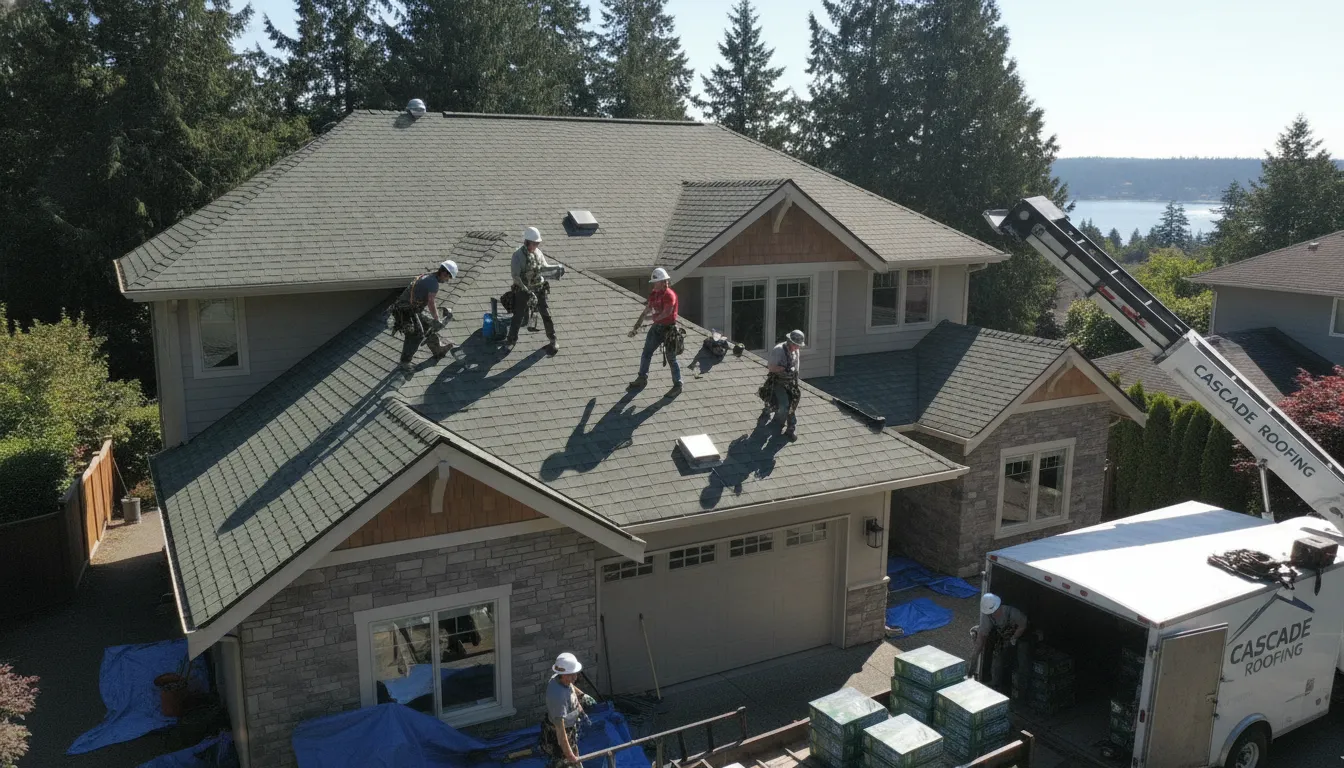
Fri Jul 17Many homes built on the Eastside during the late twentieth century now need new roofs to stay watertight against local storms. A professional Bellevue roofing contractor can help you navigate this process while keeping your home protected from water damage.
A residential roof replacement Bellevue project is a vital home upgrade that requires careful planning around local climate factors, building codes, and municipal rules. While the wet Pacific Northwest weather promotes moss growth that can degrade materials over time, most quality roofs last between twenty and thirty years. Standard residential projects do not require a building permit from the city if you replace five or fewer sheets of plywood sheathing. But all work must still meet current energy and building codes. To protect your investment, you must select durable materials like composite shingles or metal and coordinate with your homeowners association before work starts. Working with a certified local crew ensures your new roof keeps your home safe and dry for decades.
Before you choose a color or schedule a crew, you must understand the local rules that govern home construction. Navigating Bellevue’s Roof Replacement Permit Process is the critical first step to ensure your home upgrade is fully compliant with municipal codes. Here is how the local permit system works.
Roof Replacement Bellevue: Navigating Bellevue’s Roof Replacement Permit Process
When you plan a roof replacement Bellevue project, you must think about local building codes and rules. Navigating the rules set by the city is key to a smooth build. Many homeowners do not know when a permit is needed or what rules apply to their homes.
When You Do Not Need a Permit
In many cases, a simple residential roof swap does not need a building permit. The city of Bellevue says you do not need a permit if you only replace a small amount of wood sheathing. Specifically, a permit is not required if the repaired or replaced substrate is limited to five sheets of four-foot by eight-foot plywood sheathing. This rule helps keep small repairs fast and simple. If your roof deck has only minor rot, you can skip the paperwork and start your build right away.
When Plan Review Is Required
If your project goes beyond a basic swap, you will need a residential permit with a full plan review. This is true if you make structural changes to your home. For example, adding new square footage, changing the slope of your roof, or adding dormers will trigger a permit and plan review. Working on these changes means you must submit your plans to the city first. You can learn more about these rules on the Bellevue permit page. You must wait for city approval before your team can start work on any structural changes.
Meeting Local Codes
Even if your job does not need a permit, you must still follow the rules. All work must meet the current building and Washington State energy codes. These codes govern things like attic insulation and roof airflow. Proper ventilation is vital to keep your home dry and safe in our wet Pacific Northwest climate. You must make sure your home complies with all rules. For more details on these guidelines, check the official Bellevue code page to see how they apply to your home.
Environmentally Sensitive Areas
Bellevue is known for its beautiful lakes, steep hills, and green spaces. Because of this, some homes sit in special zones. If your property is in a critical area or an environmentally sensitive site, you may face extra rules. This can include homes near steep slopes or wetlands. You must check with the city to see if your home sits in one of these zones before you begin. These zones can restrict how you handle runoff and debris. Checking these details early helps you avoid fines and keeps your project on track.
Choosing the Right Roofing Material for Your Bellevue Home
A home is a major investment. When you need a roof replacement Bellevue project, the material you choose matters. Your roof must withstand heavy rain, damp winter air, and fast summer sun. The right material protects your home, lowers energy bills, and raises curb appeal. Let us look at the top choices for homes in our area.
Asphalt Shingles for Value
Asphalt shingles are the most common choice for homeowners in the Pacific Northwest. According to industry data on choosing roofing materials, these shingles offer a cost-effective solution that stands up well to local weather. They are affordable, durable, and quick to set up. Most asphalt shingles last between 20 and 30 years with proper care. Modern versions also come with coatings that resist algae. This is very helpful in our wet climate.
Asphalt is easy to repair and replace when needed. It is a solid choice for homeowners who want good value. The lower initial cost fits many budgets while still giving great protection. We highly recommend this material for its all-around performance.
Metal Roofing for Long Life
Metal roofing is growing in popularity in Bellevue. Metal roofs are very tough. They can last between 50 and 70 years with only annual maintenance. They are highly effective against heavy rain and strong winds. Moss cannot root on metal. This solves a major problem for local homes. While metal costs more at first, its long lifespan makes it a smart investment for the future. You will save money over time by not needing another roof replacement.
Metal panels also reflect heat in the summer months. This helps keep your home cool and lowers your cooling bills. It is a green choice that can lower your carbon footprint. Modern metal roofs also look sleek and fit well with Bellevue home styles.
Composite for a Premium Look
Composite roofing shingles mimic the look of natural slate or cedar shakes. They give you a high-end look without the weight or maintenance of real stone or wood. Composite materials are made from recycled polymers and rubber. They resist impact, rot, and moss. These shingles are highly durable. They offer an excellent class A fire rating for your home.
Many composite brands come with 50-year warranties. This gives you peace of mind for decades. If you want the look of wood shakes but do not want the fire risk, composite is your best option. It stands up to the worst Northwest storms with ease.
Cedar Shakes and Local Fire Codes
Cedar shakes have a classic, natural look. But they require regular maintenance and are subject to strict local fire safety codes. In Bellevue, fire codes require treated cedar shakes that meet class B or class A fire standards. Untreated wood shingles are not allowed on new roofs because of wildfire risks. Because of these rules and the high need for upkeep, many local homeowners now choose composite or metal alternatives.
Wood roofs need regular cleaning to prevent moss and rot. Without this care, cedar can fail in less than fifteen years. Bellevue homeowners should check their local fire district rules before picking wood. For most, composite is a safer and easier path.
Material Comparison for Bellevue Homes
To help you choose, here is how the top roofing materials compare on weight, fire safety, cost, and lifespan in our region.
| Material Type | Typical Lifespan | Fire Rating | Material Weight | Estimated Cost Range |
|---|---|---|---|---|
| Asphalt Shingles | 20 – 30 Years | Class A | Light to Medium | $8,000 – $30,000 |
| Metal Panels | 50 – 70 Years | Class A | Lightweight | $14,000 – $50,000 |
| Composite Shingles | 50 Years | Class A | Medium | $20,000 – $45,000 |
| Cedar Shakes | 20 – 30 Years | Class B or C (Treated) | Medium | $25,000 – $55,000 |
Every home has unique structural needs. The slope of your roof, your home style, and your neighborhood rules will impact your choice. Talking with a professional team can help you find the best fit for your budget and goals.
The Roof Replacement Process: What Bellevue Homeowners Should Expect
Replacing a roof can seem like a huge chore, but knowing what to expect makes the job much easier to handle. A clear, step-by-step path ensures your home stays dry and safe in the wet Pacific Northwest climate. From the first talk to the final check, here is how a Bellevue roofing contractor replaces your roof.
- Your Initial Consultation: The project starts with a detailed talk at your home. A professional team member will sit down with you to look over your goals and timeline. This step is key to setting clear expectations for the work ahead, as noted in general roofing project guides on Landmark Roofing. During this visit, we also talk about your budget and look at sample materials.
- Roof Inspection and Assessment: Next, we perform a deep physical check of your current roof. We look for worn shingles, cracked seals, and soft spots to see how much work your home needs. Every home is unique, and roof replacement costs vary based on the square footage of the roof, the chosen material, and the complexity of the home’s architecture.
- Material Selection and Planning: Once we know what your roof needs, you get to choose your new materials. You can select standard asphalt shingles, modern metal, or long-lasting composite products. If you are replacing a wood roof, we can guide you through our specific professional roof replacement plan for cedar shake conversions. This is also when we set a firm start date.
- Permitting and Code Verification: Before any physical work starts on your home, we verify local building codes. In Bellevue. A home roof replacement project does not require a building permit if the repaired or replaced substrate is limited to five sheets of four-foot by eight-foot sheathing. We check these details with the city to ensure your home meets all local standards, according to official Bellevue Permit Guidelines.
- Tear-Off and Safe Disposal: On the first day of active work, our crews protect your yard with heavy tarps and then strip off the old roof. A complete roof replacement in the Bellevue area involves the removal and disposal of old roofing materials, which should be accounted for in your project budget. Our crews handle all cleanup to keep your lawn free of nails and debris.
- Deck Inspection and Repair: Once we expose the bare wood deck, we inspect every inch for damage. When replacing roofing, the contractor must ensure that the roof deck is sound, repairing or replacing any wood sheathing that shows signs of water damage or rot. This ensures your new shingles have a strong, flat, and solid base.
- Ice and Water Barrier Installation: To protect your home from driving winter rains, we install a waterproof barrier. Ice and water shield barriers are essential in the Bellevue climate, particularly near roof edges and valleys, to protect against water backup and ice dams. This rubber layer seals around nail shafts to stop water leaks.
- Installing Your New Roof: Now we lay down your selected shingles, metal panels, or composite tiles. Our skilled crews use precise nail patterns to secure each piece against high winds. We also install new flashing around chimneys, pipes, and vents to keep water from seeping into your home’s seams.
- Gutter and Ventilation Discussion: As the new roof goes up, we check your drainage and airflow systems. During a roof replacement, homeowners should discuss the need for gutter replacement, as gutters are often damaged during the roofing process. We also make sure your attic has correct intake and exhaust vents to prevent heat buildup.
- Final Inspection and Walk-Through: Finally, we do a meticulous cleanup and a complete walk-through with you. We double-check every joint, seal, and edge to ensure the installation is perfect. Once you are fully happy with the work, we sign off on your new lifetime craftsmanship warranty.
HOA Requirements and Roof Replacement in Bellevue
Replacing a roof in Bellevue requires careful planning, especially if you live in a community with a Homeowners Association (HOA). Most Bellevue neighborhoods, particularly across the Eastside, have strict rules regarding residential aesthetics to maintain cohesive neighborhood standards and protect property values. Before scheduling a HOA roofing requirements review or signing a contract, you must understand your association’s guidelines for roof style, color, and materials. Navigating these requirements early prevents costly delays, fines, or legal issues during your project.
Common HOA Restrictions in Eastside Neighborhoods
HOA rules in Bellevue communities often focus on material types and color palettes to ensure homes look consistent. For example, many neighborhoods mandate specific asphalt shingle types or restrict material choices altogether. Some Eastside HOAs only allow composite shingles that mimic high-end slate or natural wood, while others outright ban metal roofs or wood shakes. Color options are usually limited to a pre-approved palette of neutral tones, such as charcoal, slate gray, and dark brown, to blend with the natural Pacific Northwest environment. Checking your community’s specific guidelines helps you choose an approved material for your roof replacement bellevue project.
The ARC Submission Process and Timeline
To get approval for a new roof, you must submit a formal application to your HOA’s Architectural Review Committee (ARC). This submission must include detailed documentation, such as the exact shingle manufacturer, the product line, color samples, and proof of your contractor’s licensing and insurance. You must also submit a copy of the contractor’s proposal outlining the scope of work. Most Bellevue HOAs take about four to six weeks to review and approve these submissions. Because of this timeline, you should start the ARC process at least two months before your desired installation date to avoid scheduling conflicts with your roofing crew.
Consequences of Replacing a Roof Without Approval
Installing a new roof without securing written HOA approval can lead to severe consequences. If you use unapproved materials or colors, the HOA board has the legal authority to halt construction immediately. The association can issue substantial fines that accumulate daily until the issue is resolved. In extreme cases, the HOA can legally force you to remove the newly installed roof at your own expense and replace it with an approved material. According to regional guidelines on community standards, homeowners must ensure compliance before any physical work begins to prevent these costly disputes.
How a Professional Contractor Helps You Succeed
A knowledgeable roofing contractor makes the HOA approval process much easier for Bellevue homeowners. Professional teams regularly work with Eastside HOAs and understand how to prepare submittal packets that meet ARC standards. Your contractor can provide physical shingle samples, manufacturer spec sheets, and clear warranty information to include in your application. They can also recommend pre-approved material alternatives that match your neighborhood’s aesthetic while offering superior weather protection. Working with an experienced local contractor ensures your application is complete, accurate, and ready for quick approval.
How Much Does a Roof Replacement Cost in Bellevue?
Planning a roof replacement Bellevue project requires a clear understanding of the investment involved. The final cost of a new roof is never a single, flat rate. Instead, roof replacement costs vary widely based on the total square footage of your home, the materials you select, and the complexity of your roof architecture. For Bellevue homes, the most common material choice is composition asphalt shingles, while metal roofing stands as a premium, long-lasting alternative.
Cost Ranges by Material and Home Size
To help you budget, local cost ranges clarify what you might invest. For a standard composition shingle roof on a smaller home of about 1,000 square feet, the cost usually ranges from $8,000 to $12,000. For a larger home of 2,500 square feet, a composition shingle roof typically ranges from $20,000 to $30,000. If you choose a metal roof, the investment is higher because the material lasts much longer. A metal roof for a 1,000 square feet home runs from $14,000 to $20,000, while a larger 2,500 square feet home ranges from $35,000 to $50,000.
Key Factors That Impact Your Final Estimate
Several regional and structural elements will shift your final estimate up or down. A steep slope or a complex pitch requires more safety gear and labor, which increases the price. The condition of your roof deck is another major factor. Crews must inspect the wooden sheathing for water damage or hidden rot. Replacing damaged roof deck sheets adds to the material and labor costs. Finally, the climate in the Pacific Northwest requires extra protection, such as ice and water shield barriers near roof edges and valleys to prevent leaks from winter storms.
Payment Terms and Financing Options
Most professional roofing contractors use a structured payment schedule. It is standard practice to pay a 40% deposit before the project begins, with the remaining 60% completion payment due once the work is finished. To help make this investment manageable, flexible financing options are available. Homeowners can use these plans to pay for their project over time with low monthly payments. You can use a roofing cost calculator to estimate your potential project price before scheduling a professional on-site consultation.
Protecting Your Investment: Roof Maintenance and Longevity in Bellevue
A new roof is a major investment for any homeowner in the Puget Sound area. Standard asphalt shingle systems are designed to last between 20 and 30 years, depending on the material quality and local weather stressors. To get the most value from your installation, you must take active steps to protect it from the damp local climate.
Defeating Moss and Moisture
Bellevue’s wet climate promotes the growth of moss and algae on roofs, which can damage roofing materials over time if you do not clean them regularly. Moss acts like a sponge, holding water against the shingles and causing them to rot. To avoid early wear, you can use zinc or copper strips along the roof ridge to help stop moss from growing. For general Pacific Northwest conditions, check our guide on roof lifespan to see how different materials hold up against water over the years.
The Power of Proper Attic Ventilation
Heat and damp air must have a clear path to escape from your attic. Proper ventilation is critical for residential roofing to prevent moisture buildup, which can lead to mold and premature shingle decay. A balanced attic system uses intake vents at the soffits to draw in fresh air. Along with ridge vents to let hot air escape at the highest point of the roof. To understand how these components work together to protect your home from wood rot and high energy bills, read more about proper roof ventilation in our detailed resource.
Critical Cold Weather Defenses
Winters in the Northwest bring heavy rain, freezing temperatures, and occasional snow. Ice and water shield barriers are essential in the Bellevue climate, particularly near roof edges and valleys, to protect against water backup and ice dams. When snow melts and freezes at the eaves, it can force water under the shingles. These sticky underlayment sheets seal around nails to stop leaks before they reach the wood deck. In addition to these barriers, you should have annual professional roof inspections to look for cracked flashing, clogged vents, or loose shingles before winter storms arrive.
Frequently Asked Questions
Do I need a permit for a roof replacement in Bellevue?
According to the City of Bellevue, you do not need a building permit if you replace five or fewer sheets of plywood sheathing. Changing your roof slope or adding dormers will require a permit with a plan review. Even when your project does not need a permit, all work must still meet local building and energy codes.
How much does a roof replacement cost in Bellevue?
For a standard home, composition shingles usually cost about $8,000 to $12,000 for 1,000 square feet, or up to $30,000 for larger homes. Metal roofs are a premium choice and range from $14,000 to $50,000. Your total price will depend on your home size, the slope, and the layout. You can estimate your project costs using this online roofing cost calculator.
Are there specific HOA requirements for roof replacement in Bellevue?
Yes. Most home associations require you to get approval before you start work. They often have rules about the colors, styles, and materials you can use to keep the neighborhood looking uniform. Check your community guidelines first. You can learn more about managing these rules in this guide on HOA roofing requirements.
How long does a typical roof last in Washington?
Standard asphalt shingle roofs in the Pacific Northwest usually last between 20 and 30 years. Metal roofing is highly resistant to local wind and moss, and it can last 50 years or longer. Regular maintenance is key to reaching these lifespans. For more details on material durability, read our guide on roof lifespan in the Puget Sound climate.
Ready to Schedule a Free Bellevue Roof Estimate?
Delaying a roof replacement can lead to costly water damage and wood rot from the wet Puget Sound weather. Acting now protects your home’s structure and prevents small leaks from turning into major, expensive repairs. Getting your new roof installed on time keeps your family safe and secures your long-term investment.
Ready to schedule a free roof replacement estimate? Call (855) 908-7663 to speak with our Bellevue roofing team today.