
Date
Thu Jun 25Trapped moisture can quietly shorten the life of a Washington roof long before a ceiling leak appears. Balanced roof ventilation in the Pacific Northwest moves humid attic air outside, protects the roof deck, and helps insulation perform as intended through rainy winters and warmer summers.
Request a professional roof ventilation assessment from Landmark Roofing & Siding.
Roof ventilation in the Pacific Northwest is needed to manage the high humidity and heavy rain that define the Puget Sound climate. Good airflow stops moisture from building up in the attic, which can lead to mold growth, wood rot, and structural damage. Without a balanced system of intake and exhaust vents, damp air stays trapped against the roof deck. This can void manufacturer warranties and shorten the life of your roofing materials. Landmark Roofing & Siding finds that a working ventilation system balances temperatures and protects the home from moisture failures. One study in Seattle found that moisture damage in multi-family buildings cost nearly $100 million in repairs (WSU Energy Program). Keeping your attic dry is the best way to protect your home.
Homeowners and property managers can use the warning signs below to spot airflow problems early, then have a roofing professional confirm vent sizing, intake, exhaust, and insulation conditions.
Roof Ventilation Pacific Northwest: How can you tell if a roof is poorly ventilated?
A poorly ventilated roof often shows moisture on the roof deck, rusted fasteners, musty attic odors, curled shingles, uneven indoor temperatures, or winter ice dams. These symptoms indicate that warm, humid air is staying in the attic instead of leaving through a balanced intake-and-exhaust system.
Check for moisture in the attic
The attic is the best place to find early signs of a problem. On a cold day, look at the bottom of your roof deck for water drops. This dampness happens when warm air from your house meets the cold roof. If this stays wet, you may see dark spots or fuzzy mold. Experts note that proper moisture control is the only way to prevent mold and wood rot in local homes.
You might also notice a musty smell when you open the attic hatch. This scent means damp air has nowhere to go. Check for rusted nails as well. If the metal is red or brown, it is a sign that the air is too wet. Over time, this wet air can lead to roof ventilation in rainy climates that hurts your wood frame. You should also touch your attic fill. If it feels damp or looks flat, it is likely trapping wet air.
Inspect the roof for shingle damage
The outside of your house also tells a story. When an attic gets too hot, it can “cook” the shingles from below. This heat buildup causes shingles to curl, crack, or lose their grit faster than they should. In our region, moss is also a concern. While moss likes shade and rain, it thrives even more on a roof that stays warm and damp from poor airflow.
Look at your roofline during the winter too. If you see ice dams or large icicles, your vents are likely failing. Heat leaking from the attic melts the snow on the roof. That water then freezes again at the cold edges. This can push water under your shingles and into your walls. A balanced roof ventilation system helps keep the roof deck at a steady heat to stop this.
Watch your indoor comfort levels
Your living space can also give you clues. If your top floor is much hotter than the main floor in the summer, your attic might be trapping heat. This makes your air cooling system work harder and raises your bills. You might also notice that the air feels thick or damp inside. Wet air in the winter can also mean your vents are blocked or too small.
If you see these signs, it is wise to call a pro for a look. Landmark Roofing & Siding offers a free check to help you find and fix these flaws. Our team has 20 years of work in the Puget Sound area. We use our own trained crew to make sure your vents meet the rules set by the makers. This helps you keep your warranty and makes your roof last longer. We serve homes in Seattle, Bellevue, and nearby areas.
Which roof ventilation system works best?
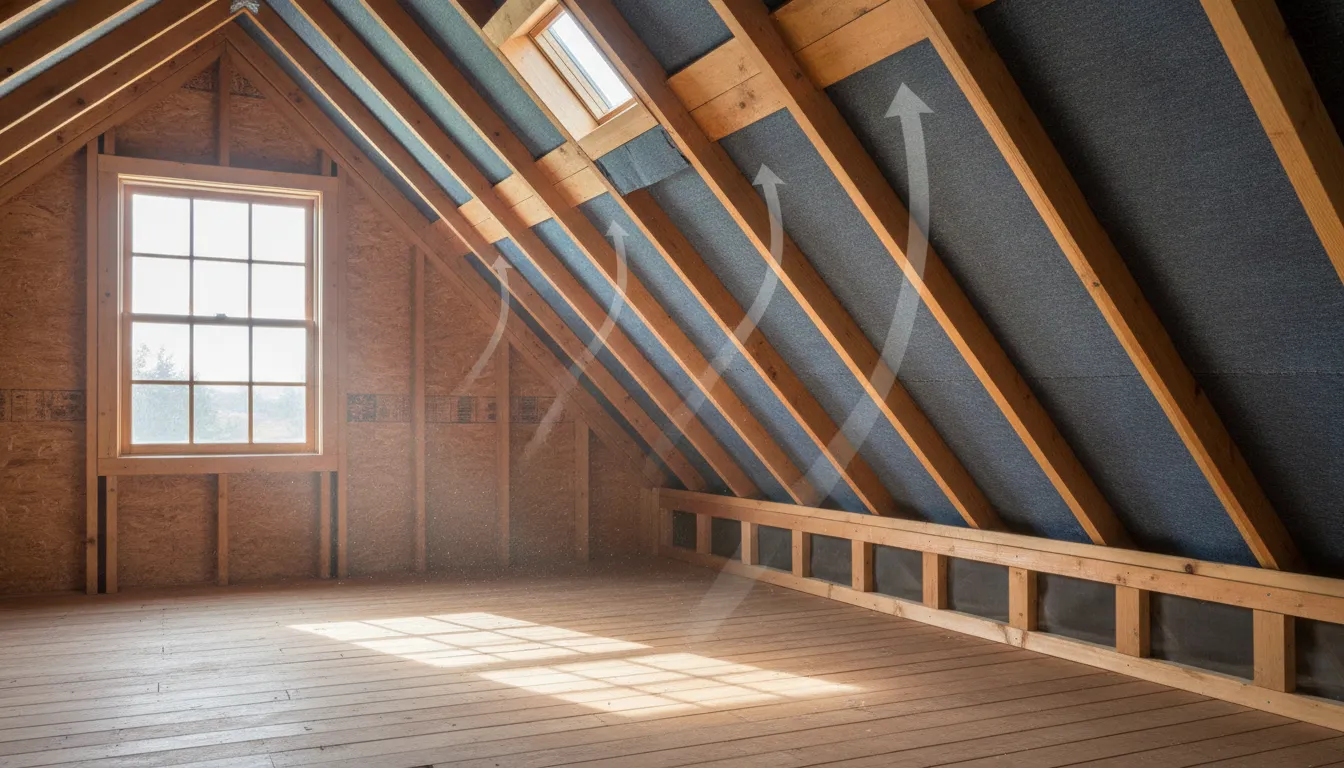
For many Pacific Northwest homes, continuous soffit intake paired with ridge exhaust provides effective, even airflow. The right choice still depends on roof shape, attic layout, insulation, and vent capacity. A roofing professional should calculate the required net free vent area before recommending a system.
Why balance matters for your attic
When intake and exhaust are not in balance, air can get stuck in your attic. This trap leads to heat and moisture buildup. In the Pacific Northwest, too much moisture can cause moisture-related building failures that are very costly to fix. Wet wood in the attic can rot and lose its strength over time. A balanced setup keeps the attic heat level close to the air outside. This prevents wood rot and helps your roof last much longer.
A poor setup can also cause ice dams in cold months. Warm air from the house hits the cold roof and melts snow. The water runs down and freezes at the edge. This can cause leaks and harm your gutters. Proper air flow keeps the roof deck cool to stop this cycle. Landmark Roofing and Siding uses direct crews to make sure your roof ventilation system follows all brand rules.
Top vent choices in the Puget Sound
Most homes in Washington use a mix of vent types. Ridge vents are common because they sit at the very top of the roof. They use the natural rise of warm air to pull moisture out. These vents are low-profile and hard to see from the street. Box vents are another choice for roofs with complex shapes. They are small units that sit in a row on the roof face. They work well, but you often need many of them to get enough air flow for a large space.
Soffit vents are the best way to get air into the attic. These sit under the eaves and are hidden from view. They should never be blocked by attic insulation. For homes with no eaves, gable vents can help. These are set into the side walls of the house near the roof peak. Some people also use power vents with fans. These fans pull air out fast, but they need power and can wear out over time. They are most helpful in large or hot attics.
| Vent Type | Best Use | Main Benefit | Maintenance |
|---|---|---|---|
| Ridge Vents | Standard sloped roofs | Clean look and great flow | Low |
| Box Vents | Small or complex roofs | Low cost to install | Check for clogs |
| Gable Vents | Homes without eaves | Easy to reach and fix | Low |
| Power Vents | Large, hot attics | Fastest air movement | High (needs power) |
Choosing the right vent depends on your roof shape and size. What works for a small cottage might not work for a large business building. Poor vent choices can void your roof warranty and lead to early shingle wear. Landmark has more than 12 factory honors to help you pick the best fit. We know how to meet strict rules for every roof we build. This ensures your roof stays covered by the brand warranty for years to come.
If you are not sure if your attic is dry, we can help. A free roof check can find air flow gaps before they cause mold or rot. This is the best way to keep your home safe in the wet Puget Sound area. Our team can look at your current vents and suggest a plan that meets all local needs. We make sure your intake and exhaust work as one unit to protect your investment.
What happens during a roof ventilation assessment?
During a roof ventilation assessment, a professional inspects the attic, roof deck, insulation, intake vents, and exhaust vents. The goal is to identify blocked airflow, condensation, leaks, and mismatched vent capacity, then recommend corrections that fit the roof design and manufacturer requirements.
Checking the attic space
The check starts inside your home. A pro will go into your attic to see how it feels and smells. They look for signs of trapped heat or wet air. If the air is too warm or damp, it means your vents are not doing their job well. Wet wood or rust on nails are clear signs of a problem. Most pros will also check for light coming through the vents at the eaves. If they see no light, the vents may be blocked by dirt or old nests. Fast action helps you avoid moisture damage in buildings that can lead to costly fixes. You want to find these signs before they cause roof rot or ruin your ceiling.
Steps for a full check
- Look at the wood: The tech checks the wood and roof deck for wet spots, dark mold, or wood rot.
- Find moisture sources: They search for air leaks from the home that let warm, wet air into the attic space.
- Check air intake: They make sure the vents at the eaves are open and let fresh air into the attic.
- Assess exhaust vents: The pro checks the ridge or roof vents to see if they let hot air out as they should.
- Inspect insulation: They ensure the insulation is not blocking the air flow from the eaves or the soffit vents.
- Check fan ducts: The tech looks at the ducts for bath or kitchen fans to see if they go all the way outside.
- Plan the fix: The tech selects the right vents or repairs to balance the air flow and keep the roof cool.
Venting and warranty rules
A big part of the check is looking at your fan ducts. Fans from the bath or kitchen must go all the way outside the roof. In many old homes, these pipes just stop in the attic. This dumps wet air right under your roof deck. A pro will make sure every pipe goes through the roof to the open air. This stops the importance of proper roof ventilation from being ruined by indoor steam. It keeps your attic dry during the months when you use your heat most.
Proper air flow is also about warranty rules for your home. Most shingle makers need your attic to have a balanced vent system to keep the cover in force. If the vents are wrong, you might lose your warranty. A pro check ensures your wood framed system meets all the maker rules. This gives you peace of mind and protects the value of your house. It keeps your roof strong for many years of rain and wind in Washington state. A balanced system moves air in and out at the same rate to keep the roof deck at the right temp.
Ventilation, insulation, and the complete roof system
Ventilation and insulation solve different problems but must work together. Insulation slows heat transfer between living areas and the attic, while ventilation carries excess heat and moisture outside. Air sealing also limits humid indoor air from reaching the attic in the first place.
The role of airflow and insulation
Airflow keeps your attic at a stable heat. In the winter, you want the attic to stay cool. If warm air from your home leaks into the attic, it hits the cold roof deck. This leads to dampness, which can cause wood to rot. Insulation and air sealing help keep that warm air inside your living space. But if you have thick insulation, it can sometimes block the paths where fresh air should enter. This can trap moist air against the wood framing and plywood.
Good airflow also helps during the summer. It moves hot air out before it can bake your shingles from the bottom up. When heat stays trapped, it can shorten the life of your roof parts. A balanced system uses intake vents at the eaves and exhaust vents near the ridge. This setup allows for a constant stream of air that keeps the roof deck dry. By following moisture control guidance, you can protect your attic from mold and structural decay.
Why roof systems fail
Adding more vents is not always the fix for a hot attic. If your insulation is blocking the soffit vents, new ridge vents will not help. Air must be able to move from the bottom of the roof to the top. Many homes in cities like Bellevue or Redmond have enough insulation but lack the baffles needed to keep vents clear. Without these channels, the air becomes stagnant. This is when moist air starts to build up on the underside of your roof deck.
A common mistake is mixing different types of exhaust vents. This can disrupt the flow and even pull in rain or snow. For those needing roof ventilation in rainy climates, keeping water out is just as vital as letting air in. High levels of moist air in the Pacific Northwest make it hard for wet wood to dry on its own. A small leak or poor venting can lead to big costs over time. Research shows that moisture health is a major factor in building health in our region. Common signs of a failing system include:
- Frost or moist air on the underside of the roof deck in winter.
- Curling or brittle shingles that age too fast.
- Ice dams forming at the edges of the roof in cold months.
- Mold or mildew growth on attic beams.
The value of professional check
A complete roof system needs to meet specific rules set by the people who make the parts. If the ventilation is wrong, it can void your maker warranty. At Landmark Roofing & Siding, we use our 20 years of regional work to find these hidden issues. Our crews are direct employees who know how to install every part of the system the right way. We check your insulation, vents, and roof deck to make sure they all work as one unit. We serve many areas including Seattle, Kirkland, and Issaquah.
Getting a professional roofing check can help you find problems before they lead to rot. We look for signs of heat damage and moist air that might be missed by others. In the Pacific Northwest, your roof has to stand up to a lot of wet weather. Making sure your ventilation and insulation are in sync is the best way to keep your home safe and dry for years. A full system check ensures your home lasts as long as possible.
When should ventilation be upgraded?
Ventilation should be evaluated when you see condensation, mold, rusted fasteners, curled shingles, uneven temperatures, or recurring ice dams. A roof replacement or major repair is also an efficient time to correct intake and exhaust because the roof deck and vent openings are easier to access.
Upgrading during a full roof replacement
A full roof replacement is the best time to fix roof ventilation systems. When we remove old shingles, we can see the wood deck underneath. This lets our crews find and fix hidden “roof rot” or moisture damage before it spreads. In the Pacific Northwest, controlling moisture is key to preventing wood decay in your home’s framing. Installing a balanced intake and exhaust system during this phase ensures the whole roof works as one unit.
Many older homes in Washington State have too few vents for modern standards. These older systems often trap warm, wet air in the attic. According to the EPA, managing moisture through proper design is vital for building health. Upgrading during a re-roof allows you to add intake vents at the eaves. This fresh air helps push wet air out through the ridge, which protects your attic from mold and decay.
Meeting maker and code rules
Most shingle makers have strict rules for attic airflow to keep their warranties active. If your vents do not meet these specs, you could lose your coverage. Using an expert for roof ventilation in rainy climates helps you stay in compliance. Our crews hold many factory certifications to make sure every vent meets these high standards. Following these rules is the only way to get the full life out of your new roofing materials.
Washington State building codes also change over time. An older home may not meet current rules for net free venting area. During a roof inspection, we can tell you if your home needs more airflow to stay up to code. Professional checks can find these gaps before they cause structural issues. In colder parts of the state, proper airflow even helps stop ice dams from forming in the winter. A well-timed upgrade keeps your home safe and saves you from costly moisture failures.
Frequently Asked Questions
These concise answers address common questions Washington homeowners ask about attic airflow, energy performance, ridge vents, and roof manufacturer requirements.
Why is roof ventilation critical in the Pacific Northwest?
The Pacific Northwest has a very damp climate that creates high moisture levels in homes. Without proper airflow, wet air gets trapped in the attic and turns into water on the wood beams. This condensation can lead to mold growth and wood rot. According to the City of Seattle, moisture damage has caused building failures costing millions of dollars locally. Proper vents keep the air moving to protect your home.
Is ridge venting effective in the Pacific Northwest?
Yes, ridge vents work very well for homes in the Puget Sound area. These vents sit at the peak of your roof and allow warm air to rise out naturally. They work best when paired with intake vents under the eaves. This balanced system prevents the moisture buildup that leads to structural decay in wood framing and plywood. Because ridge vents have a low profile, they also protect against wind-driven rain and snow while keeping a clean look for your home.
Does attic ventilation help with energy efficiency in PNW climates?
Yes, proper attic vents help save energy by cooling your home in the summer and keeping it dry in the winter. In the hot months, vents let trapped heat escape so your air unit does not have to work as hard. In the winter, they prevent moisture from soaking your insulation. Wet insulation loses its ability to hold heat, which makes your power bills go up. A balanced ventilation system keeps your indoor climate stable and saves you money on energy costs all year.
Can improper roof ventilation void my manufacturer warranty?
Yes, most roofing material makers need a set amount of airflow to keep their warranties valid. If your attic does not have enough vents, the heat and moisture can damage the shingles from below. This causes the roof to fail early, and the maker may refuse to pay for fixes. Landmark Roofing & Siding holds over 12 manufacturer certifications to ensure your system meets these strict rules. Proper setup protects your investment and ensures you stay covered for the life of your roof.
Ready to protect your home with better roof airflow?
In the Pacific Northwest, damp air can cause big problems for your house. Without good airflow in your roof, moisture gets trapped in your attic and leads to wood rot. This damage costs a lot to fix if you wait too long, but you can stop it now. A healthy roof keeps your family safe and dry through every rainy season and helps your home stay cool. Our team is here to help you find the best way to vent your roof and save money on bills today. You will also get peace of mind knowing your roof is built to last for years to come.
Ready to talk to an expert? Request a professional roof ventilation assessment to keep your home safe and dry.