

Date
Wed Jun 24Cedar siding can last for many years if you give it the right care. This wood adds value to your house while protecting your family from the wind and rain. Taking care of it stops rot in damp places like Bellevue and Kirkland.
Request a free cedar siding estimate from Landmark Roofing & Siding.
Effective cedar siding maintenance means cleaning the wood and checking it for damage every year. Homeowners should wash their siding once a year to remove dirt and mold that trap moisture. According to the U.S. Forest Service, wood siding can keep its beauty for hundreds of years when given proper care. You should also look for small cracks or holes where bugs and water could get inside. Applying a new coat of stain or sealer every three to five years is the best way to stop rot or graying. If you stay on top of these simple jobs, your wood siding will stay strong and look great for a long time. This proactive work is the secret to a long-lasting wood exterior.
Owning a home with wood siding in Washington takes a special plan because of our rainy weather. Learning the best way to handle Cedar siding maintenance for Puget Sound homes is key to stopping moss and water damage. The path begins with
Cedar siding maintenance for Puget Sound homes
Cedar is a top choice for homes in the Pacific Northwest. Its natural oils help it stand up to the wet weather in cities like Redmond and Seattle. But cedar is a softwood. This means it is at risk of damage from sun, wind, and rain if you do not look after it. Taking good care of your wood siding ensures it stays strong and looks great for a long time. With the right care, wood siding can last for many decades while keeping its beauty.
Seasonal cleaning and checks
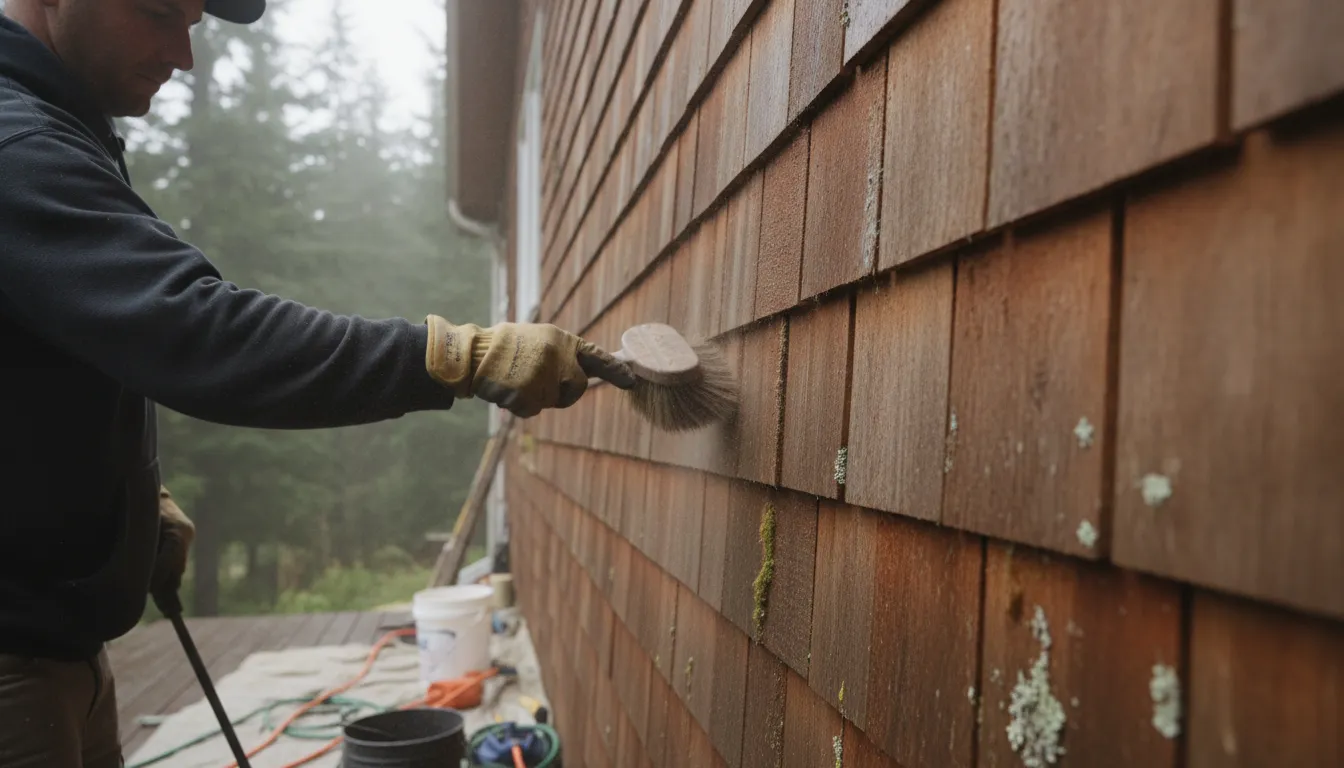
The best way to start a maintenance plan is with set checks. You should clean your cedar siding at least once or twice each year. Most experts suggest doing this in the spring and fall. A gentle wash helps remove dirt, dust, and pollen that can trap moisture. Avoid using a high-pressure washer as it can gouge the soft wood fibers. Instead, use a soft brush and a mild soap mix.
During your wash, look for any signs of mold or mildew. These issues are common in damp areas like Snohomish and Bellevue. If you find dark spots, you may need a special cleaner to kill the spores. You should also check for small cracks or loose boards. Catching these problems early makes wood house siding repair much easier and less costly.
Moisture control in rainy climates
Rain is the biggest threat to cedar siding in the Puget Sound area. When wood stays wet for too long, it can begin to rot. You must keep water away from the surface of your boards. Check your gutters and downspouts to make sure they work well. If water spills over the side of your roof, it can soak the cedar and lead to damage.
You also need to keep plants and trees trimmed back. Bushes that touch your home can trap wet air against the wood. This prevents the siding from drying out after a storm. Good airflow is vital for keeping the wood dry and healthy. Cedar does not shrink or swell as much as other woods, but it still needs a chance to breathe. This strength makes it a great fit for cedar siding services in our local climate.
Staining and sealing schedules
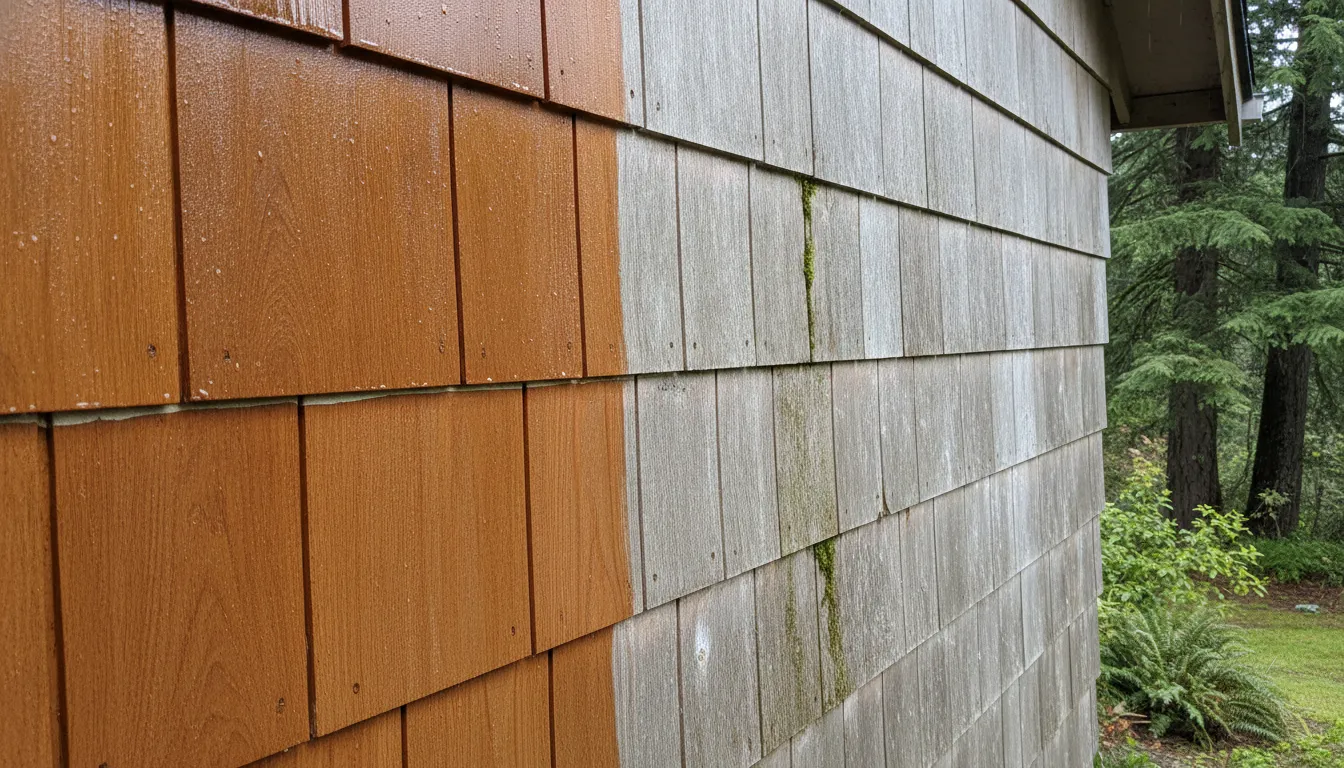
A good finish acts like a shield for your home. It keeps moisture out and protects the wood from sun damage. You will need to reseal or restain your siding every three to five years. The exact timing depends on the type of finish you use and how much sun your home gets. If the wood starts to look dull or gray, it is time for a fresh coat.
Before you use a new finish, make sure the wood is clean and dry. Some water-based stains form a film on the surface. These products may need a chemical stripper before you can add a new layer. Choosing a high-quality oil-based stain can often make future work easier. Regular staining prevents the wood from drying out and cracking over time. This simple step is the best way to protect your home for years to come.
How should you clean cedar siding?
Cleaning your home’s outer walls is a key part of cedar siding work in the Puget Sound. Since cedar is a softwood, it needs a light touch to stay in good shape. You should wash the wood once or twice a year to keep it clean. This helps remove dirt and keeps the natural grain looking fresh for a long time. Experts suggest doing this task in the spring or fall when the weather is mild.
Choose the right cleaning mix
Most dirt will come off with warm water and a small amount of mild soap. You can use a soft brush to work the mix into the wood. If you see dark spots, you may have mold or mildew. A mix of one part bleach to four parts water can help kill these tiny spores. This mix is safe for the wood but strong enough to stop growth. Always test your soap on a small, hidden spot before you do the whole wall to check for color changes.
Scrub away mold and mildew
Mold can grow fast in damp areas like Seattle or Redmond. It often looks like small black dots on the face of the boards. To stop it from spreading, use a mix that kills fungi. The nature of wood means that water can stay trapped if you do not clean it well. Scrubbing with the grain will help lift the grime without scratching the wood fibers. This step is vital to keep the wood from rotting over time.
Protect the wood from high pressure
You must never use a high-pressure washer on cedar boards. The strong blast of water can tear the soft fibers or force water deep into the wood. This can lead to rot or cause the paint to peel off. A simple garden hose with a spray head gives enough force for a safe rinse. Keeping the water flow gentle is the best way to maintain the basic strength of your siding. If you use too much force, you might damage the wood for good.
Follow these steps for the best results when you wash your cedar walls:
- Wet the siding from the top down with a garden hose to loosen light dust.
- Apply your cleaning mix using a soft brush or a pump sprayer.
- Scrub the surface gently in the way of the wood grain to remove stains.
- Rinse the area with fresh water before the soap has a chance to dry.
- Let the wood dry for at least two days before you apply any new stain or sealer.
Steady washing is a big part of wood house siding repair and care. By removing grime early, you can stop bigger issues like rot or lasting stains. This simple task ensures your home stays looking great and stays safe from the weather for many years. It is much easier to wash your siding now than to fix a rotten wall later. Taking care of your cedar today will save you money and stress in the long run.
Which finish protects cedar siding best?
Choosing the right finish is a key part of your cedar siding maintenance routine. Cedar is a softwood. This means it can take damage from the sun, wind, and rain if left bare. Some people like the gray look of old wood. But most finishes help the wood last much longer by blocking water and sun rays. The best choice for your home depends on how much wood grain you want to see and how often you want to stain the boards.
Clear and semi-transparent stains
Clear stains or water sealers offer the most natural look. They soak into the wood to block moisture without changing the color. However, they provide very little protection against the sun. Since sun rays break down wood fibers, clear finishes need a new coat every year. This makes them a high-effort choice for long-term care.
Semi-transparent stains are a popular middle ground for many cedar siding services in the Puget Sound. These stains have a small amount of pigment. This acts like sunscreen for your siding. They tint the wood but let the natural texture show through. You can usually expect a good semi-transparent stain to last about three to five years before it needs work.
Solid stains and paint
Solid stains look more like paint because they form a film on the surface. They hide the wood grain but still show the texture of the siding. These products offer great protection against the wet weather in Snohomish and King Counties. Since they block more sun light than thin stains, they often last five to seven years. They are a good choice if you want to change the color of your home while keeping the wood safe.
Cedar is a top choice for painting because it lacks the dense bands of wood that can make paint peel on other trees. A high-quality paint job can last for ten years or more. This makes it the most durable option. But paint hides the natural look of the wood. If you plan to paint, keep in mind that wood house siding repair is harder to do once the boards are under a thick layer of paint.
Comparing finish care
How often you need to recoat your siding depends on the product you choose and your home’s exposure. For example, the side of a house that faces the hot afternoon sun will need a fresh coat sooner than the shade side. Using a quality product helps ensure your siding can keep its beauty for a long time. This is shown by the life of wood on many historic homes, as noted in USDA research on wood siding.
| Finish Type | Visual Style | Sun Protection | Care Cycle |
|---|---|---|---|
| Clear Sealer | Full wood grain | Very Low | 1-2 Years |
| Semi-Transparent | Visible grain/tint | Moderate | 3-5 Years |
| Solid Stain | Hidden grain | High | 5-7 Years |
| Exterior Paint | Full color cover | Maximum | 10+ Years |
Before you apply a new coat, you must clean the wood to remove dirt and mold. Some academic research on wood maintenance shows that moisture changes cause wood to shrink and swell. This stresses the finish. This is why keeping a steady plan for your home exterior maintenance is so vital for preventing cracks or peels in the finish.
How do you prevent moisture damage and rot?
Moisture is the main threat to wood in the wet Pacific Northwest climate. While cedar has a natural resistance to weather, it is a softwood that can still absorb water if you do not take the right steps. To keep your wood in top shape, you must control how water hits and leaves your home’s exterior. These simple habits for home exterior maintenance can prevent costly rot and help your siding last for decades.
Manage water runoff
Gutters and downspouts are your first line of defense against rot. If your gutters clog, water can spill over the edge and soak into your cedar siding panels. This constant wetness leads to wood decay and peeling paint or stain. Make sure your downspouts carry water at least five feet away from your home’s base. This keeps the ground dry and stops moisture from wicking up into the bottom boards of your siding.
Landscaping also plays a big role in keeping wood dry. Trim back bushes and tree limbs so they are at least three feet from your walls. This gap allows for better airflow, which helps the wood dry out after a rainstorm. You should also check your sprinklers to ensure they do not spray directly onto the siding. Constant soaking from a sprinkler can cause cedar to swell and warp over time, stressing the wood’s fibers.
Check flashing and seals
Flashing is the metal trim that directs water away from gaps around windows, doors, and roof lines. Over time, these metal pieces can rust or pull away from the house. If water gets behind the flashing, it can rot the wood from the inside out. Inspect these areas once a year to look for cracks or loose spots. Small gaps in the wood can often be fixed with wood house siding repair techniques before they turn into major leaks.
Caulking and seals around trim also need regular care. High-quality caulk keeps rain from seeping into joints where different boards meet. If you see caulk that is dry, cracked, or missing, scrape it out and apply a new bead. Using a sealant that stays flexible will help it last longer as the wood expands and shrinks with the seasons. Research from Purdue University shows that lighter woods like cedar shrink and swell less than dense woods, but they still need protection from moisture changes to keep paint films from failing.
Keep a clean surface
Dirt, moss, and algae hold onto moisture and keep it pressed against the wood. This damp environment is where rot starts to grow. You should plan to clean your siding once or twice a year to remove these build-ups. A soft brush and a mild soap solution are usually enough to get the job done. Avoid high-pressure washers, as they can gouge the soft wood and push water deep into the walls.
Finally, keep an eye on the state of your stain or paint. These coatings act as a shield against the rain. Most experts suggest that you should reseal your siding every three to five years to keep that shield strong. Following a steady cedar siding maintenance plan is the best way to catch small issues before they become big problems. Proper care ensures that your wood siding retains its beauty for a long time, as noted in studies from the USDA Forest Service.
What are the signs cedar siding needs repair?
Taking care of your home starts with a close look at the outside. Regular checks are a key part of good cedar siding maintenance. Cedar is strong. But the wet weather in the Puget Sound can take a toll. Knowing what to look for helps you find small issues before they grow into big costs. Walk around your home at least twice a year to check for changes.
Surface and color changes
One of the first signs of wear is a change in the finish. If you see paint or stain peeling, the wood is no longer safe from the rain. Cedar is a softwood, which means it can take damage from the sun and wind more easily than some other woods. When the seal fails, moisture can soak into the fibers and lead to rot. Also, look for gray wood. This color change means the sun has worn down the surface of the boards.
Stains can also point to moisture leaks or mold growth. Dark spots or streaks often mean water is trapped behind the siding. Since wood can last for many years with good care, catching these stains early is vital. If you wait too long, the water can seep into your walls and cause harm to your home’s frame. Cleaning these spots often helps, but sometimes you need to fix the source of the leak.
Cracks, gaps, and soft spots
As cedar gets old, it may start to crack or warp. Small cracks are normal. But deep splits can let pests and water inside. Warped boards may pull away from the wall, which leaves gaps. Check the caulk around your windows and doors. If the caulk is dry or missing, water will get in. Fixing these gaps is a basic step that keeps your home dry and safe from the rain.
Soft wood is a major red flag for rot. You can test for this by gently pressing a screwdriver into areas that look wet or dark. If the wood feels soft or spongy, it needs to be replaced. Moisture changes can cause wood to move and bend, which puts stress on the boards. This stress can cause the wood to split or the nails to pop out over time. Loose boards should be nailed down or replaced right away.
Pest activity and expert help
Insects like termites or carpenter ants love damp wood. Look for small holes, piles of sawdust, or mud tubes along the base of your siding. If you find these signs, you may have a pest problem that needs a pro. Birds like woodpeckers can also poke holes in cedar if they find bugs inside. These holes let more water in, which speeds up the rot. A quick check for bugs can save you from a big repair bill later.
Sometimes the damage is too deep for a simple patch. If you see many boards that are soft or falling off, it is time for wood house siding repair from a pro. Experts can tell if the damage is only on the surface or if it has reached the inner walls. They can also check if your gutters are working well to keep water away from the siding. Getting cedar siding services helps you make the best plan for your home.
When should you call a siding professional?
You can handle many parts of cedar siding maintenance on your own. Basic tasks like soft washing with a garden hose or looking for small cracks are good weekend projects. But some jobs need a higher level of skill and the right tools. Knowing when to step back and call for help can save you from costly mistakes and injury. A pro knows exactly what to look for to keep your home safe in the wet Puget Sound climate.
Working at heights safely
Most siding work needs a ladder to reach the upper parts of your home. Working on a tall ladder is risky, mostly on uneven ground or near power lines. Pros have the training and safety gear to work high up without danger. They use stable platforms and fall safety gear that most owners do not have. If your siding is higher than one story, it is best to let an expert handle it. This keeps you safe while ensuring every board gets the care it needs.
Finding deep damage and rot
It is not always easy to see if your siding has deep issues. While cedar is strong by nature against weather, moisture can still cause wood to swell or shrink over time. Based on Purdue University work, these changes in size can stress the paint and lead to early failure. A pro can find hidden moisture behind your boards before it turns into serious rot. If you see soft spots or large areas of mold, you likely need wood house siding repair from an expert team. They will check the flashing and house wrap to make sure no water is getting in.
Tough cleaning and staining
Removing old finishes can be a very hard job. If your home has a water-based finish, it may bond to the surface and need chemical stripping to remove it. This process uses harsh liquids that you must handle with care to protect your yard and your health. Experts have the tools to strip and reseal the wood safely. They can also ensure the new stain is even and bonds well to the wood fibers. Here are some signs it is time to call a pro:
- Large sections of siding have grey or black wood rot.
- Water is leaking into the house through the walls.
- The siding boards are warped or pulled away from the house.
- You need to use chemical liquids to remove old paint or stain.
- The wood has deep cracks that go all the way through the board.
Choosing to hire an expert for your cedar siding services ensures the job is done right the first time. They can spot small problems before they grow into large, costly repairs. This help will keep your cedar looking good for many years to come. In areas like Seattle and Bellevue, expert care is the best way to guard your home from constant rain.
Contact Landmark Roofing & Siding for a free estimate before small cedar siding problems spread.
Frequently asked questions about cedar siding maintenance
How often should cedar siding be cleaned?
Inspect cedar siding each spring and fall, then clean it when dirt, pollen, algae, or mildew begins to build up. A gentle wash about once a year is often useful for Puget Sound homes, but shaded and damp walls may need attention sooner.
Can you pressure wash cedar siding?
High-pressure washing is not a good choice for cedar. It can roughen the wood fibers, strip the finish, and drive water behind the boards. Use a garden hose, mild cleaner, and soft brush instead, then rinse gently and let the wall dry.
How often should cedar siding be stained?
The right timing depends on the stain, sun exposure, and wall condition. Transparent and semi-transparent finishes usually need attention sooner than solid stains or paint. Inspect the finish each year and plan to recoat when water stops beading or the color fades unevenly.
Can weathered cedar siding be restored?
Many weathered cedar surfaces can be cleaned, repaired, and refinished if the wood remains sound. Boards that feel soft, show deep rot, or have major cracks may need replacement. A siding professional can check for hidden moisture before refinishing begins.
Ready to request your free cedar siding assessment?
Ignoring your cedar siding care now leads to costly wood rot, mold growth, and deep water damage that spreads into your home walls and harms the frame. By acting now, you catch small issues early and avoid the high cost of a full siding job on your home during the next rainy season in Washington. Taking these steps today ensures your wood stays strong and protects your home value for a longer time without any extra stress or worry.
Ready to protect your house and keep it looking like new for many years? Contact Landmark Roofing & Siding to request a siding assessment and get a clear plan for your wood care today.