Date
Tue Aug 11A decaying roof hurts home value and allows Puget Sound dampness to seep inside. Choosing the right wood grade protects your home from costly moisture damage. Cedar shingles offer a classic look that fights off wet climate rot.
Cedar shingles are fine wood roofing tiles sawn on both sides to provide a clean, even, and tailored look for your home. While similar cedar shakes offer a rugged split face, these shingles deliver a smooth, classic finish that protects your roof from local dampness. When choosing these wood roof options, high-quality wood grades often cost between nine hundred and sixteen hundred dollars per square installed on local homes.
According to research from Oregon State University Extension, these durable wood roofs can last twenty-five to forty years with proper care. This helpful buying guide covers main shingle grades, average costs, local lifespan factors, and key maintenance steps to help you make the best choice.
How do you know if this classic wood is the right fit for your roof? To help you decide, we will first look at why cedar shingles suit Pacific Northwest homes and how they protect local property from heavy rain.
Schedule a free roofing consultation today for an honest look at whether cedar shingles fit your Redmond-area home.
Why Cedar Shingles Suit Pacific Northwest Homes
Homeowners in Redmond, Bellevue, Kirkland, and Seattle face unique roofing challenges because of our wet climate. Choosing the right roofing materials is a key choice for local property owners. For many local homes, classic cedar shingles offer the ideal mix of visual appeal and weather protection. These wood roofing systems look beautiful, but they also offer real benefits for homes in the Puget Sound area.
Natural decay resistance
Western redcedar is the primary wood species used for local roofing. Its dense heartwood contains natural chemical extractives that are toxic to harmful fungi and wood-boring insects. This unique organic makeup gives western redcedar great long-term rot resistance. Because of these built-in compounds, cedar shingles remain stable and resist decay during heavy Washington rainstorms.
Long and reliable service
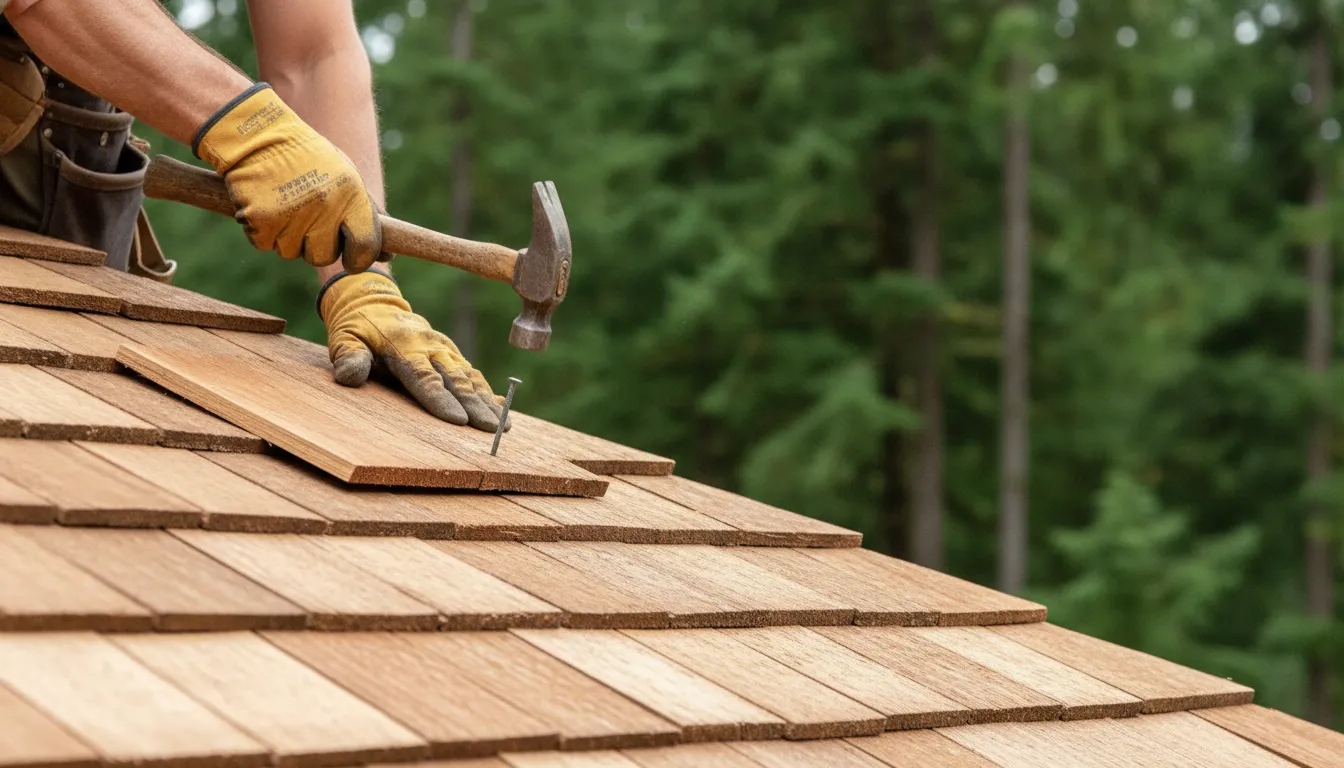
A classic wood roof is a big investment for any Washington homeowner. Cedar shingles can provide long and reliable service when well installed and maintained over time. Enlisting professional roofing services is the best way to ensure proper work. Skilled local crews know exactly how to nail each wood shingle to prevent future curling or cupping.
Weather protection and natural style
Wood has natural air pockets that block heat flow. This makes cedar shingles much better at holding heat than basic asphalt. This barrier helps keep homes in Seattle and Kirkland cool during hot summer days. It also keeps the warmth inside during cold winter months.
Heavy rain and strong winds often hit Redmond and Bellevue. Because of their tight and interlocking fit, cedar shingles easily withstand high winds. The wood is also stable and does not expand or shrink much when the weather changes. This stability keeps the shingles flat and secure even in harsh coastal weather.
Homeowners who choose wood roofing enjoy several key benefits:
- Natural rot resistance from built-in oils and organic extractives.
- Lower energy bills due to the natural thermal properties of cedar.
- Excellent wind resistance that protects against local coastal storms.
- A classic, tailored look that ages beautifully over several decades.
Beyond strength, cedar shingles offer a classic, timeless look that matches the Pacific Northwest landscape. The warm wood tones slowly weather to a beautiful silver gray over the years. This natural aging process blends perfectly with the tall trees and green hillsides of Bellevue and Kirkland. It is a premium look that plastic options simply cannot copy.
Cedar Shingles vs. Cedar Shakes: What’s the Difference?
Many homeowners in the Pacific Northwest want a wood roof but do not know which style to buy. The choice often comes down to cedar shingles or shakes. While both are made of red cedar, they look very different on a home. Knowing how they differ helps you pick the right look for your roof.
The smooth look of cedar shingles
Cedar shingles have a clean, neat look because of how they are made. Workers saw them on both sides to make each piece flat, even, and tapered. When set on a roof, cedar roof shingles lie flat in tight, even rows. This cut gives your home a modern and tailored look.
The rustic feel of cedar shakes
Cedar shakes have a much rougher, more natural face. Workers split the wood by hand or with a machine rather than sawing it on both sides. This split leaves a rich, uneven texture that shows the grain of the wood. Shakes are thicker than shingles, which creates deep shadows and a rugged, rustic style.
The cut of the wood affects care, as tight shingles do not trap debris as easily. Shakes have more gaps and uneven spots where pine needles and leaves can collect. This damp debris can hold wetness and lead to moss growth in our wet Washington climate. Regular care is key to keeping both types of wood strong for decades.
Tapersawn shakes as a strong option
You can also choose a hybrid option called a tapersawn shake. Workers saw these on both sides so they lie flat, but they cut them thicker for a heavy shadow line. According to research from Oregon State University, both shingles and shakes last a long time when set up and kept up well. If you plan to install a wood roof, comparing cedar shingles and shakes will help you find the best match for your budget.
| Wood Product | How It Is Cut | Surface Feel | Wood Thickness | Shadow Line | Relative Price |
|---|---|---|---|---|---|
| Cedar Shingles | Sawn on both sides | Smooth and clean | Thin and even | Slight shadow line | Moderate |
| Cedar Shakes | Split face, sawn back | Rustic and rough | Thick and rugged | Deep shadow line | Highest |
| Tapersawn Shakes | Sawn on both sides | Semi-textured | Medium thickness | Strong shadow line | High |
Cedar Shingle Grades and Types Explained
When you plan a roof project in Washington, you must pick the right cedar shingles. Not all wood is the same. The grades and wood types you choose will affect how your roof looks and how long it lasts. Knowing these options helps you make the best choice for your home.
The three grades of cedar shingles
The top grade is No. 1 Grade. Industry groups call these Certigrade shingles. These premium shingles are 100% heartwood, 100% clear, and 100% edge grain, as noted by the Cedar Bureau. Heartwood comes from the center of the tree and resists rot. Clear wood has no knots. Edge grain means the wood grain runs straight up and down. This grain type keeps the shingles flat so they do not warp.
The next tier is No. 2 Grade. These shingles have mixed grain and a few small knots. They work well for other buildings, but they are not the best for a main home roof because they can curl over time. Below that is No. 3 Grade. These shingles have more knots and flat grain. Most roofing experts use them only for sheds, walls, or under-layers. Homeowners in the wet Puget Sound area should choose No. 1 Grade shingles to get the best results.
Cedar wood species and types
When you look at wood species, western red cedar is the most common choice for roofing. A study by Oregon State University shows that its heartwood contains natural oils that fight decay. These compounds are toxic to the fungi and insects that often attack roofs in damp climates. This natural defense makes western red cedar perfect for the rainy weather we get in Washington cities like Bellevue and Seattle.
You may also see Alaskan yellow cedar and Eastern white cedar. Alaskan yellow cedar is very dense and has a distinct silver color as it ages. It is a strong wood that works well on homes near the coast. Eastern white cedar is a smaller tree that grows mostly in the eastern part of the country. It is less common in our region but still offers good decay resistance. Most homeowners here choose western red cedar because of its local supply and classic look.
Standard cedar shingle sizes
When you buy cedar roof shingles, you will find three main lengths. These are 16 inches, 18 inches, and 24 inches. The industry uses classic names for these sizes. For example, 16-inch shingles are called Fivex. The 18-inch size is called Perfection, and the 24-inch size is called Royal. The thickness of each shingle increases with its length.
The size you choose changes how much of each shingle is left open to the weather. Roofers call this open area the exposure. A longer shingle can have a larger exposure, which changes the look of your roofline. It also affects the thickness of the wood layer on your home. Most local roof projects use 18-inch Perfection shingles. This size provides a clean, classic look that fits the style of homes in Redmond and Kirkland.
How Much Do Cedar Shingles Cost Per Square?
How much does a new roof cost? If you want the beauty of wood, you should look at cedar shingles. They cost more than asphalt, but they offer a unique look. The final price depends on several key choices.
Material cost by cedar grade
To start, cedar shingles are sold in bundles. A square of roofing covers one hundred square feet, and it usually takes four bundles to cover this area. The price for each bundle changes based on the grade of the wood you choose. You will pay less for lower grades of wood, but premium cedar shingles always cost more.
A lower grade like number four can cost about $65 to $80 per bundle. If you choose a number two grade, the price may rise to $115 per bundle. Premium cedar shingles that are pre-finished can cost as much as $495 to $525 per box. These high-end options cost more because they have better grain and fewer knots.
Factors that impact the total price
Wood species and roof shape also play a big role in the total cost. Most local homes use Western redcedar because the wood contains natural oils that resist moisture and decay. You can also choose other types like Alaskan yellow cedar, which will change the price of your project. If your roof has many valleys, dormers, or a steep pitch, the crew will need more time to install the cedar shingles.
Labor costs are another factor to think about before you start. Workers must tear off the old shingles and prepare the roof deck. While wood costs more than asphalt, it can give long, reliable service when you install it well. This long-term value is described in a guide by Oregon State University Extension.
The local weather in Washington also means your roof needs special care during setup. Wet climates can cause moss and mold to grow if the wood does not dry out. Professional roofers use zinc or copper strips at the top of the roof to help stop this growth. This step adds to the initial setup cost but saves you from early roof failure.
The value of a local estimate
Every house is different, so online price guides can only tell you so much. If you want to know the true cost, you need a local quote. A local roofer knows the climate, the shipping costs, and the local permit fees. They can inspect your roof and give you a detailed price sheet.
We recommend contacting a team that offers expert roofing services in Washington. A local crew in areas like Bellevue, Redmond, Kirkland, or Seattle knows how the Puget Sound weather affects wood and how to prevent rot. They can help you pick the right grade of cedar shingles for your budget. This ensures you get a beautiful roof that stands up to the heavy rain of the Pacific Northwest.
Get a free cedar shingles estimate for your home and see exactly what your new wood roof will cost.
How Long Do Cedar Shingles Last in the Pacific Northwest?
A roof made of cedar shingles is a fine choice for any Puget Sound home. With proper care, these roofs can protect your home for decades. But the wet climate of Washington State can test any wood roof. To get the most from your roof, you must know how long the wood will last.
Expected Roof Lifespan
A well-maintained cedar shingle roof can last about 25 to 40 years. This range is longer than most standard asphalt roofs. According to state extension studies, wood shingle and shake roofs can provide long, reliable service when properly installed and maintained. But this long life depends on the quality of the wood and the skills of the crew that puts it on.
When you compare roof types, the expected roof lifespan is a key factor for homeowners. Natural cedar shingles have a unique charm, but they also offer strong protection against the elements. If you use high-quality wood, you can expect your roof to last much longer than cheap wood options. Using premium grades helps ensure your roof stands up to the test of time.
Why PNW Weather Matters
The Pacific Northwest has a wet climate that can cause wood to decay over time. Rain, wind, and shade create a damp space where moss and mold love to grow. Cedar shingles contain natural oils that help them resist rot, but constant moisture is still a major threat. If leaves and needles pile up on the roof, they hold wetness against the wood and speed up decay.
Sun exposure also plays a role in how long your roof will last. In areas like Redmond or Bellevue, some homes get full sun on one side and heavy shade on the other. This uneven weather exposure can cause shingles on one side of your roof to wear out faster than the other. Proper airflow and sunlight help dry the wood, which is crucial for preventing early rot.
How to Care for Your Roof
To keep your roof in good shape, you must focus on proper setup and upkeep. Proper spacing between each shingle is needed so they can expand and contract as they wet and dry. If the shingles are placed too close together, they can buckle or split when they swell from the rain. Skilled roofers know how to leave the right amount of gap to prevent these issues.
Finally, regular roof care is the best way to protect your investment. You should clear off debris like moss, pine needles, and leaves at least once a year. When you stay on top of cedar shingle maintenance, you keep water from getting trapped under the wood. This simple step can add ten or fifteen years to the life of your roof and prevent costly leaks.
Cedar Shingle Maintenance: Keeping Your Roof in Top Shape
Proper cedar shingle maintenance keeps your roof strong. In the wet Pacific Northwest, rain, moss, and leaves can damage wood. When debris sits on your roof, it traps moisture. This dampness leads to mold, rot, and fungi that break down the wood fibers over time.
Why regular care is needed
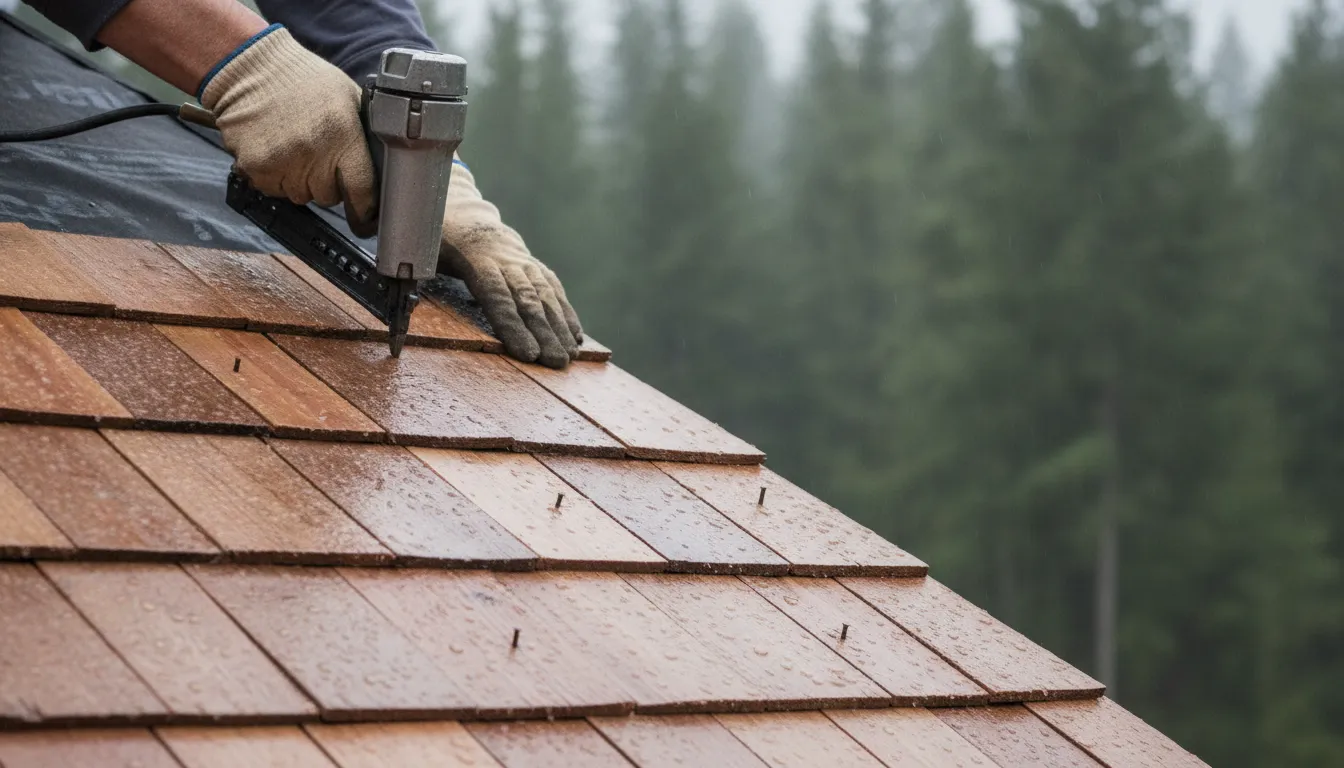
Wood roofs can provide long, reliable service when you keep them clean. But you must also watch for physical changes like curling or cupping shingles. According to industry experts, cupping is often due to nails placed in the wrong spots. If nails are too high or too far from the edge, the wood lifts as it dries.
To prevent these problems, you need a clear plan. Clean gutters let water run off the roof fast. Overhanging tree branches block the sun and keep the roof wet. Trimming these limbs helps the wood dry after heavy PNW rain.
Five steps to preserve your roof
You can keep your roof in top shape with a simple routine. Use these steps to guide your seasonal roof care:
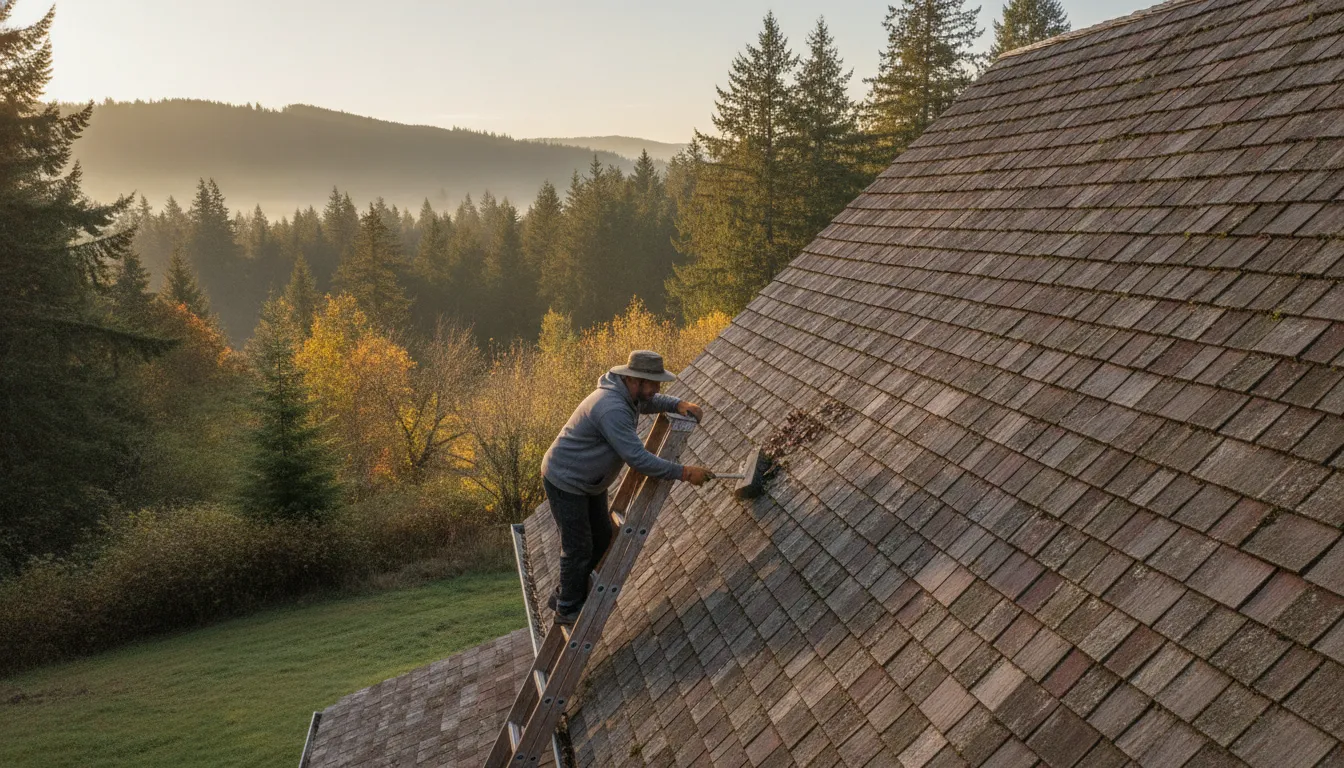
- Clear away debris. Sweep off leaves, pine needles, and twigs that pile up in the channels between your shingles. Debris traps water and speeds up rot.
- Treat moss and algae. Apply a zinc-based wash to stop moss from growing on the wood. Never use a high-pressure washer, as it will tear the wood apart.
- Clean the gutters. Keep gutters and downspouts clear so rainwater flows off the roof easily. Blocked gutters can push water under the bottom shingles.
- Trim tree branches. Cut back limbs that hang over the roof. This lets sun and wind dry the shingles fast after a heavy rain storm.
- Check for damage. Look for split, cupped, or missing wood pieces. Check if any shingles have curled up due to old age or poor nail spots.
When to call a local expert
Some care tasks are easy to do, but others are risky. Walking on a wet wood roof is slick and unsafe. Walking on cedar shingles can also crack the wood if you step in the wrong place. If your roof has deep rot, you should hire a professional.
A local team has the right tools and safety gear. They can find hidden leaks and fix poor nail spots before they cause water damage. If you live in Bellevue, Kirkland, or Seattle, a trained eye can help extend your roof lifespan. This regular care saves you money on major repairs over time.
Is a Cedar Shingle Roof Right for Your Home?
Choosing the right roof is a big choice for any homeowner. A cedar roof offers a timeless look that blends with the natural beauty of Washington. But wood is not the right fit for every house. You must weigh the unique pros against the upkeep needs before you buy a new roof. Let us look at what makes cedar a great fit for Washington homes and when you might want to choose another option.
Curb appeal and natural insulation
First, cedar shingles offer unmatched style. They turn a plain house into a warm home with their neat lines, clean look, and rich tone. As they age, they turn a soft silver-grey that many homeowners love. Beyond looks, wood also acts as a natural shield. It helps keep your home cool in the hot summer and warm in the cold winter.
This natural shield can lower your energy bills over time. In fact, research shows that western redcedar resists decay because of natural compounds in the wood. These compounds protect the wood from moisture and pests. This makes it a great choice for the damp climate of the Pacific Northwest.
Maintenance and environmental factors
But wood needs more care than other roofing materials for the Pacific Northwest. You must keep the roof free of pine needles and damp leaves. Debris can trap moisture on the wood and cause rot or moss growth. If you do not want to clean your roof every year, other materials might work best for you.
Cedar shingles also cost more to buy and set up than standard asphalt shingles. Still, the long-term rewards are great. A well-maintained cedar roof can last forty years. The wood will stand strong through wind and rain if you keep it clean. You just have to commit to regular care to protect your home.
Professional local installation
Getting the best results depends on who sets up your roof. Wood shingle roofs can give long, great service when they are built right and kept clean. A skilled roofer must place every shingle with care to prevent leaks.
Landmark Roofing & Siding serves homes in Seattle, Bellevue, Redmond, and Kirkland. Our team knows how to install wood shingles to withstand wet WA weather. If your old wood roof is failing or leaking, our skilled team can help you today. Contact us to discuss a cedar roof replacement for your home. We will help you find the best fit for your style, home, and budget.
Request a cedar shingles inspection before the rainy season and protect your home from costly water damage.
Frequently Asked Questions
What do you put behind cedar shingles?
Roofers install a breathable barrier and a vented drainage mesh behind cedar shingles to protect your home from moisture. This setup manages water and lets the wood dry from the back. According to the Oregon State University Extension, proper installation and ventilation prevent rot and help wood roofs last for decades.
How long will cedar shingles last in the Pacific Northwest?
In the Pacific Northwest, a cedar shingle roof often lasts twenty-five to forty years with proper care. High-grade wood resists rot, but damp weather means you must clear moss and tree debris. Read more about local wear in our guide to roof lifespan in Washington.
Why do cedar shingles cup or curl?
Cedar shingles cup or curl when roofers place nails in the wrong spots. Nails that are too high or too far from the edge allow the wood to warp as it wets and dries. According to the Cedar Shake and Shingle Bureau, proper nail placement is vital to keep shingles flat and secure.
Are cedar shingles more expensive than asphalt shingles?
Yes, cedar shingles cost more than standard asphalt shingles for both materials and labor. However, they provide excellent insulation and natural beauty that can boost your home value. To get an accurate price for your roof, you should request a quote from a local contractor who knows the Pacific Northwest climate.
Ready to protect your home with cedar shingles?
Leaving an old or worn roof on your home can lead to major leaks and costly wood rot. If you delay this critical update, the damp Puget Sound climate will cause severe water damage to your attic and walls. Waiting too long to replace failing shingles only increases your repair bills when the rainy weather returns. Taking action today ensures your home stays safe, dry, and secure through the next rainy season.
Our skilled roofing team in Redmond is ready to install the best cedar shingles for your Puget Sound home. We bring top craftsmanship to every project so your new roof will stand strong for many years. You can rely on our local experts to handle the entire job with care.
Ready to get started on your home? Schedule a free roofing consultation with our team. We will help you choose the right cedar shingles and plan a roof that protects your home for decades.