Date
Mon Feb 16Shingle granules in your gutters? A few curled edges on your roof? These small signs can hint at bigger problems down the road. Instead of just worrying, get a clear answer. This is where a free roof inspection comes in. Many homeowners wonder, “are roof inspections free?” and the answer is yes. A professional Bellevue roofing inspection gives you an honest, no-obligation look at your roof’s health. It’s the best way to turn uncertainty into a confident action plan.
Key Takeaways
- Use Inspections for Proactive Maintenance: A free roof inspection is a powerful tool for catching small issues, like cracked shingles or worn sealant, before they lead to expensive water damage and major repairs.
- A Good Inspection Ends with a Written Report: A trustworthy contractor will provide a detailed report with photos and clear explanations, giving you a valuable record for insurance purposes and a solid basis for planning any necessary work.
- Choose Your Inspector Wisely: The value of an inspection depends on the professional performing it. Always verify that a contractor is licensed, insured, and has positive local reviews to avoid high-pressure sales tactics and get an honest assessment.
What’s *Really* Included in a Free Bellevue Roof Inspection?
When you hear “free inspection,” it’s easy to be a little skeptical. You might wonder if it’s just a quick glance from the curb followed by a sales pitch. But a truly professional roof inspection is a detailed assessment of your entire roofing system, designed to give you a clear picture of its health. A reputable contractor uses this opportunity to build trust by providing real value and expertise. From the shingles on top to the decking underneath, a thorough inspection covers several key areas to identify existing issues and spot potential problems before they become expensive headaches. It’s a comprehensive check-up for one of the most important parts of your home.
A Top-to-Bottom Visual Check
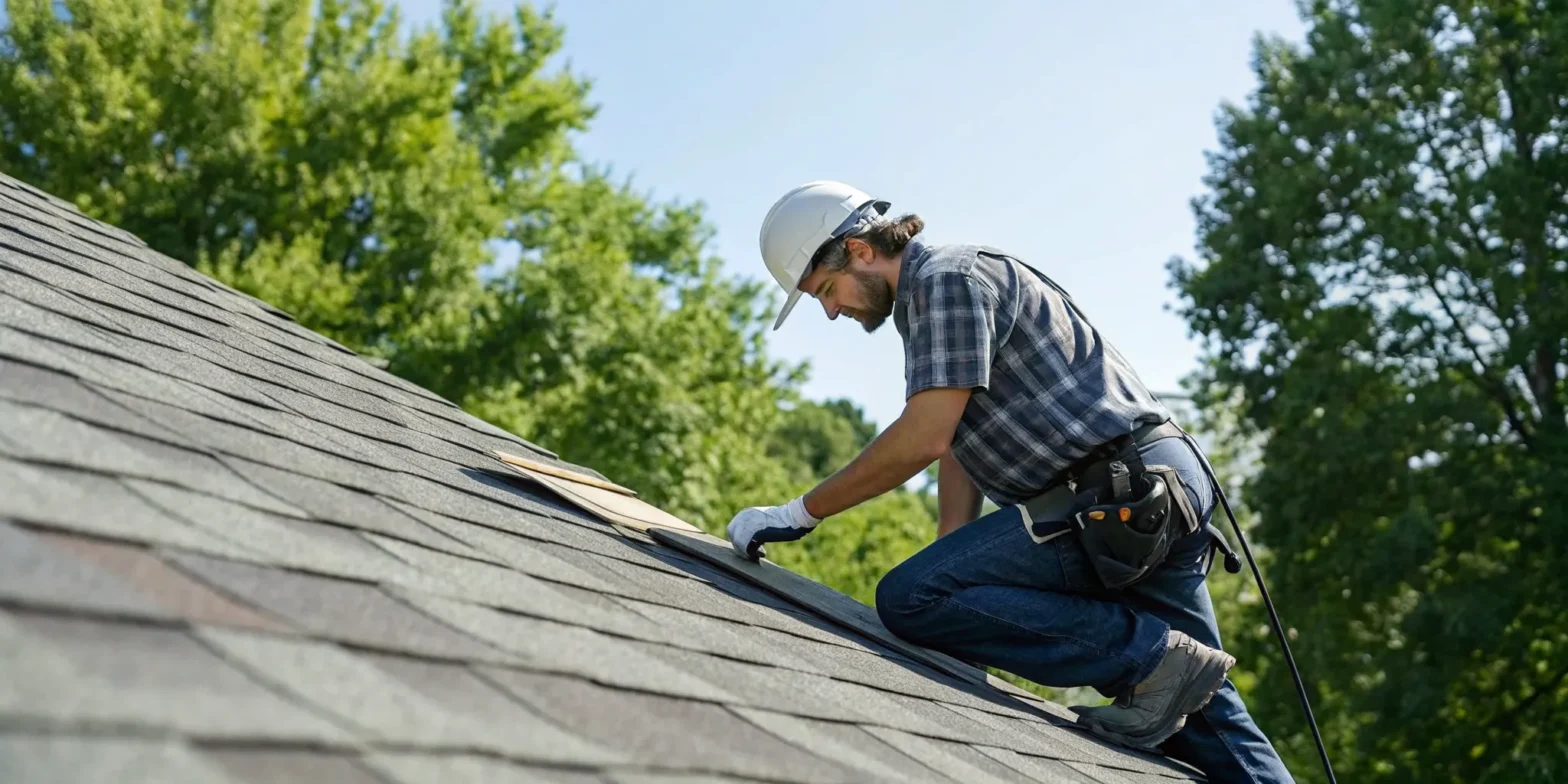
The inspection starts with a detailed, hands-on look at the roof itself. A professional will get up on your roof to examine the condition of your roofing materials, whether you have standard composition shingles, cedar shake, or metal. They’ll look for common signs of wear and tear like cracked, curling, or missing shingles. The inspector also checks for issues with flashing around chimneys, vents, and skylights, as these are common spots for leaks to start. They will assess the overall structure, check for proper ventilation, and identify any areas where water might be pooling. This comprehensive visual check is the foundation for understanding your residential roofing system’s current condition.
Getting Photo Evidence of Damage
A good inspection is about more than just finding problems—it’s about clearly communicating them to you. After the visual assessment, you should receive a detailed report of the findings. This isn’t just a verbal summary; a professional contractor will provide a written document, often including photos of any specific areas of concern. This documentation is incredibly helpful because it gives you a visual record of your roof’s condition. It allows you to see exactly what the inspector saw, from minor granule loss on your shingles to more significant damage. This report serves as a clear, transparent record and a solid basis for any recommended next steps.
Are Your Gutters Doing Their Job?
Your roof and gutters work together as a single system to protect your home from water damage. That’s why a thorough roof inspection always includes a look at your gutters and drainage. The inspector will check for clogs from leaves and other debris, which can cause water to back up and seep under your shingles, leading to rot in the roof decking. They will also look for sagging gutters, loose connections, and ensure that downspouts are effectively directing water away from your home’s foundation. Proper drainage is critical for the longevity of your roof and the structural integrity of your entire house.
Spotting Hidden Leaks Inside Your Home
Some of the most serious roofing problems are only visible from the inside. As part of the inspection, the contractor will likely ask to check your attic or the ceilings on your top floor. From the attic, they can look for signs of leaks that aren’t obvious from the outside, such as water stains on the underside of the roof deck, damp or moldy insulation, or even visible light coming through cracks or holes. Catching these interior signs early is key. A small, hidden leak can cause significant damage over time, including wood rot and mold growth, so this inside look is a crucial final step in a complete inspection.
Why You Shouldn’t Skip a Free Roof Inspection
It’s easy to put off thinking about your roof until a problem, like a leak, demands your attention. But being proactive is one of the smartest things you can do as a homeowner. A free roof inspection isn’t just about getting a sales quote; it’s a crucial health check-up for your home. It gives you a clear picture of your roof’s condition, helps you plan for the future, and protects your investment from the unpredictable Pacific Northwest weather. Think of it as a no-cost, high-value opportunity to ensure the structure protecting you and your family is in top shape.
Find Small Problems Before They Get Expensive
The old saying “a stitch in time saves nine” is especially true for roofing. A small issue, like a cracked shingle or failing sealant around a vent, can seem minor. But over time, water can seep in, leading to rotted wood, damaged insulation, and even mold growth inside your walls. A professional inspection catches these small problems before they escalate into major, expensive repairs. By having an expert examine your residential roofing, you can address minor issues with a simple fix instead of facing a complete overhaul down the road. This preventative approach not only saves you money but also extends the life of your roof.
Know Your Home is Protected
Your roof is your home’s first line of defense against rain, wind, and snow. Worrying about its condition every time a storm rolls through can be stressful. A free roof inspection provides invaluable peace of mind. A professional will assess your roof’s overall health, identify any potential weak spots, and give you an honest estimate of its remaining lifespan. This knowledge empowers you to plan and budget for future maintenance or replacement without any surprises. You can relax knowing your home is secure or, if repairs are needed, you have a clear plan of action. It’s a simple step that removes the guesswork and lets you feel confident in your home’s safety.
Simplify Your Insurance Claim Process
After a major storm, dealing with insurance can be a headache. Having professional documentation of your roof’s condition is a game-changer. Following a free inspection, a reputable contractor will provide a detailed written report, complete with photos and notes on any damage found. This report serves as official proof if you need to file an insurance claim, making the process much smoother. It also outlines recommendations for future upkeep and potential costs, helping you budget effectively. This document is a valuable asset, providing a clear, expert assessment that can support your claim and ensure you get the coverage you deserve.
Meet Insurance and Warranty Requirements
Did you know that your home insurance policy and your roofing material warranty might have maintenance requirements? Many home insurance policies and manufacturer warranties require you to show proof of regular upkeep to keep your coverage valid. If you neglect your roof and a problem arises, your claim could be denied, leaving you to cover the full cost of repairs. A professional roof inspection provides the perfect documentation. The detailed report you receive serves as proof that you’ve been proactive about maintaining your property. It’s a simple step that ensures the safety nets you have in place—your insurance and warranties—will actually be there for you when you need them most.
Improve Your Home’s Energy Efficiency
Your roof plays a huge role in your home’s energy efficiency by helping to regulate its temperature. An inspection can reveal hidden issues that are costing you money every month, such as poor attic ventilation or deteriorating insulation. When your attic can’t breathe properly, heat gets trapped in the summer and escapes in the winter, forcing your HVAC system to work overtime. This leads to higher energy bills and a less comfortable home. An inspector can identify these problems and, along with ensuring your roof is sound, might suggest improvements to other areas of your home’s exterior, like your windows, to create a more energy-efficient envelope and lower your utility costs.
How to Choose the Right Bellevue Roofing Contractor
Once you have your inspection report, the next step is finding the right team for the job. Choosing a roofing contractor is a major decision, and it’s worth taking the time to find a partner you can trust. A great contractor will not only do quality work but also communicate clearly and respect your property. To make sure you’re hiring a true professional, focus on these three key areas.
Check for Proper Licensing and Insurance
Before you even discuss a quote, make this your first checkpoint. A legitimate roofing contractor must be licensed and insured in Washington state. This isn’t just a formality; it’s your protection. Proper insurance, including liability and workers’ compensation, shields you from any responsibility if an accident happens on your property. It also ensures the contractor is accountable for their work. Don’t just take their word for it—ask to see their documentation. You can easily verify a contractor’s license through the state. This simple step ensures the company operates legally and meets local standards for residential roofing projects.
See What Past Customers Are Saying
A contractor’s reputation is built on past projects. Start by looking up the company on Google and the Better Business Bureau (BBB) to read reviews from other Bellevue homeowners. Look for patterns in the feedback. Do customers consistently praise their communication, professionalism, and cleanup process? While a perfect record is rare, a history of satisfied clients is a great sign. For an even clearer picture, ask the contractor for a list of local references you can contact. A confident, reputable company will be happy to connect you with past customers who can speak to the quality of their commercial roofing and residential work.
Do They Understand PNW Weather?
Roofing in Bellevue isn’t like roofing in other parts of the country. Our persistent rain, strong winds, and tendency for moss growth create unique challenges. That’s why it’s so important to hire a contractor with deep experience in the Pacific Northwest. A local expert will understand which materials stand up to our damp climate and how to install them for maximum longevity. They’ll know the right techniques for proper ventilation to prevent moisture damage in your attic and how to address issues like moss and debris accumulation. Choosing a roofer who gets our local weather is one of the best ways to ensure your new roof is built to last.
Is Your “Free” Roof Inspection a Scam?
A free roof inspection is a fantastic tool for homeowners, but it’s smart to be aware of potential pitfalls. While most local roofing companies offer them as a legitimate way to earn your business, some use “free” to pressure you into unnecessary work. Knowing what to look for helps you separate the trustworthy professionals from the opportunists and ensure you’re getting a truly valuable service.
Warning Signs You Can’t Ignore
Be cautious of anyone who shows up unannounced, especially after a storm. These “storm chasers” often travel from out of state, perform shoddy work, and disappear before you notice problems. Another red flag is a rushed inspection. A quick glance from the ground isn’t enough and can miss hidden damage, leading to expensive repairs later. It’s easy for someone to claim they’re a roofer, so always verify their credentials. A legitimate company has a local address, proper licensing, and a history of providing quality residential roofing services in your community.
Unsolicited Offers, Especially After a Storm
A major red flag is the unsolicited knock on your door, especially right after a significant storm. Scammers, often called “storm chasers,” capitalize on these events, knowing homeowners are worried about potential damage. They might say they were working on a neighbor’s house and “noticed” a problem with your roof. This creates a false sense of urgency designed to get you to agree to an inspection—and often, unnecessary repairs—on the spot. A reputable, local company will never pressure you this way. You should be the one to initiate contact when you’re ready for an inspection, not the other way around.
Vague or Missing Business Information
When you interact with a roofing contractor, they should be an open book. Be wary if they are hesitant to provide basic business information. A professional will always have a business card, a marked vehicle, and a local address and phone number they can share. According to the Better Business Bureau, dishonest roofers often avoid giving you a proper business name or written proposals. If the person you’re speaking with is vague or can’t provide clear, verifiable details about their company, it’s a strong signal to walk away and find a more established contractor.
Using a Real Company’s Name to Seem Legitimate
Some scammers take their deception a step further by using the name of a well-known, legitimate local company to gain your trust. They might show up claiming to be from a company you’ve heard of, but they are not actually affiliated with them. This is why independent verification is so important. If someone says they are from a specific company, don’t just take their word for it. Take a moment to look up the company’s official website and phone number yourself and call them directly to confirm the person’s identity. This simple step can protect you from fraud and ensure you’re dealing with a true professional.
What to Do When They Pressure You to Buy
A reputable contractor gives you a detailed report and space to make an informed decision. If you feel pressured to sign a contract on the spot, that’s a major warning sign. Watch out for tactics like, “This special price is only good for today,” or claims of damage requiring immediate, expensive action. Always ask for a written estimate with a clear breakdown of costs. If an offer seems too good to be true, it probably is. Using an online roofing cost calculator can give you a general idea of what to expect, helping you spot an unusual quote.
What Does “Free” Really Mean?
For an established company, a free inspection is a genuine offer—an investment they make to demonstrate their expertise and build a relationship with you. For a less scrupulous contractor, “free” is just a way to get on your roof and create a sales opportunity, sometimes by exaggerating damage. A professional paid inspection can cost anywhere from $75 to $600, so a comprehensive free assessment from a reputable company provides real value. Always ask upfront if there are any obligations. A transparent contractor providing commercial roofing or residential services will have no problem answering.
Common Deceptive Tactics
Knowing the warning signs is one thing, but it’s also helpful to understand the specific tricks some dishonest contractors use. These tactics are designed to create a sense of urgency and confusion, pushing you to make a quick decision without doing your research. By familiarizing yourself with these common plays, you can spot them immediately and protect yourself from a costly mistake. A trustworthy contractor will never resort to these methods; their goal is to provide clear information and build a relationship based on expertise and honesty, not fear.
Intentionally Creating or Faking Damage
It sounds unbelievable, but some scammers will intentionally damage your roof to create a problem they can “fix.” This can be as blatant as tearing off a few shingles while you’re not looking and then pointing it out as recent storm damage. The Better Business Bureau warns that this is a real tactic used to pressure homeowners into immediate, costly repairs. This is why it’s so important to work with a company that has a long-standing reputation in the community. A trusted professional builds their business on quality work and honest assessments, not on creating problems to solve.
Showing You Photos of a Different Roof
Another common trick is showing you photos of a severely damaged roof and claiming it’s yours. In reality, the pictures could be from another house or just stock photos of roof damage. This tactic preys on the fact that most homeowners can’t safely get on their own roof to verify the claims. This is exactly why a legitimate inspection always includes a detailed report with photos taken on-site, clearly documenting the state of *your* roof. When you have this evidence, you can see the issues for yourself and make decisions based on facts, not fear.
Pressuring You Into Bad Financial Decisions
A major red flag is a contractor who uses high-pressure tactics to get you to sign a contract or make a payment immediately. They might offer a “one-day-only” deal or create a sense of panic about the damage. Some scammers even go as far as coaching homeowners to take out loans or dip into retirement funds to pay for unnecessary work. A professional will give you a detailed, written estimate and encourage you to take your time to review it. They understand that a new roof is a significant investment and will respect your need to consider your options without pressure. The experience should feel supportive, not stressful.
Questions to Ask During Your Free Roof Inspection
A free inspection is your chance to get expert eyes on your roof and ask all your questions. Think of it as an interview—you’re gathering information to make a smart decision about your home. A trustworthy contractor will be happy to walk you through their findings and explain everything clearly. Being prepared with a few key questions helps you get the most out of the appointment and feel confident about the next steps.
Here are the essential questions to ask, broken down by topic.
Ask About Their Process and Experience
First, get a feel for who you’re working with and what they plan to do. You want to ensure the person on your roof is qualified and thorough. Don’t be shy about checking their background and understanding exactly what their inspection covers. A professional will appreciate your diligence.
Start with these questions:
- How long have you been inspecting roofs in the Bellevue area?
- Are you licensed and insured? Can I see your documentation?
- What does your inspection process involve? Will you be getting on the roof?
- What specific things will you be looking for? (A good answer includes checking for damaged materials, signs of leaks, and proper ventilation.)
- Do you use any special equipment, like drones, for hard-to-see areas?
Clarify Repair Costs and Timelines
If the inspector finds issues, your next step is to understand the severity and the proposed solution. This is where you can separate a simple fix from a major problem. Ask for specifics so you can understand the urgency and scope of any potential work. A clear explanation of the damage—whether it’s a few curled shingles after a storm or more significant structural wear—is crucial.
Dig deeper with these questions:
- Can you show me exactly where the damage is and explain what you see?
- Is this a necessary repair, or is it a recommendation for the future?
- What are the consequences if I don’t address this issue right away?
- What are my options for repair versus a full residential roofing replacement?
- If repairs are needed, what is the estimated timeline for starting and completing the work?
Understand Your Report and What’s Next
A verbal summary is helpful, but a written report is essential. This document is your official record of the roof’s condition and the inspector’s professional recommendations. It should be detailed, easy to understand, and free of surprise costs. This report empowers you to plan for future maintenance or budget for immediate repairs.
Make sure you’re on the same page by asking:
- Will I receive a detailed written report after the inspection?
- What information will be included in the report? (It should include photos, a summary of findings, and repair advice.)
- When can I expect to receive the report?
- If I decide to move forward, what are the next steps for getting a formal quote?
- Can you provide an estimate of future upkeep or replacement costs? Our roofing cost calculator can also be a helpful tool for planning.
When Should You Schedule a Roof Inspection?
Knowing when to call for a roof inspection shouldn’t be a guessing game. While many people wait until they see a leak, a proactive approach is always better. Scheduling inspections at key moments can save you money and stress by catching small issues before they turn into major headaches. Certain events and times of the year are perfect opportunities to have a professional take a look and give you a clear picture of your roof’s condition.
Right After a Big Storm Hits
Here in the Pacific Northwest, we’re no strangers to strong winds and heavy rain. After a major storm, it’s always a smart move to schedule a roof inspection. High winds can lift or tear off shingles, while hail can create cracks that compromise your roof. Even if you don’t see obvious damage from the ground, a trained inspector can spot subtle issues. They’ll check for missing or broken shingles and look inside your attic for signs of leaks, water stains, or mold. Getting a professional assessment for your residential roofing can prevent minor storm damage from escalating into a costly interior water issue.
If You’re Buying or Selling a Home
A roof inspection is a non-negotiable step in any real estate transaction. If you’re selling, a pre-listing inspection lets you address issues beforehand, smoothing out negotiations. For buyers, it’s critical due diligence. A roof replacement is one of the most expensive projects a homeowner can face, and an inspection ensures you won’t be hit with an unexpected repair bill right after closing. Knowing your roof’s condition is essential to getting a fair price and making an informed decision. It provides peace of mind for everyone involved in the sale.
At Least Once a Year for Maintenance
The most effective way to extend your roof’s lifespan is through routine care. An annual inspection should be part of your home maintenance checklist, especially if your roof is over 15 years old. Regular inspections help you stay ahead of natural wear and tear. A professional can identify and fix small problems—like cracked sealant or a few loose shingles—before they allow water to cause rot or structural damage. This proactive approach is particularly important for commercial roofing, where a leak can disrupt business. Catching issues early is the best way to prevent expensive emergency repairs and keep your roof in great shape.
Expert Advice for Homeowners
Navigating roof maintenance, repairs, and replacements can feel overwhelming, but you don’t have to do it alone. A few key pieces of advice can help you make smart, confident decisions that protect your home and your wallet. By being proactive and knowing when to call in a professional, you can avoid common pitfalls and ensure you’re working with a contractor who has your best interests at heart. These tips are designed to empower you, whether you’re dealing with storm damage, buying a new home, or just trying to stay ahead of routine maintenance.
Get a Roofer’s Opinion Before Filing an Insurance Claim
When you discover roof damage after a storm, your first instinct might be to call your insurance company. However, it’s often wiser to get a professional roofer’s assessment first. Filing a claim, even if it’s denied, can sometimes lead to an increase in your premiums. A trusted contractor can inspect the damage and tell you if the repair costs are likely to exceed your deductible, making a claim worthwhile. If the fix is minor, you might save money and hassle by handling it directly. This expert opinion gives you the information you need to make a strategic decision rather than an emotional one.
Hire a Roofing Specialist When Buying a Home
A general home inspector does a great job of looking at the big picture, but they aren’t roofing experts. They might miss subtle signs of wear or improper installation that a specialist would catch immediately. When you’re making a significant investment like buying a home, hiring a dedicated roofing contractor for an inspection is crucial. This small extra step can uncover hidden issues that could lead to thousands of dollars in repairs down the line. A specialist provides a detailed assessment of the roof’s condition and remaining lifespan, giving you powerful leverage in negotiations and preventing you from inheriting a costly problem with your new residential roofing system.
Always Get a Second Opinion on Unsolicited Offers
If a contractor knocks on your door offering a “free inspection” right after a storm, it’s wise to be cautious. These “storm chasers” can be aggressive and may exaggerate or even create damage to pressure you into a sale. Never feel obligated to accept an unsolicited offer. Instead, thank them for their time and let them know you’ll be getting a second opinion. Contacting a well-established, local company for another assessment gives you a reliable baseline. A trustworthy contractor will provide an honest evaluation, helping you confirm if repairs are truly needed and ensuring you don’t fall for a high-pressure sales tactic.
How to Safely Handle Door-to-Door Sales
When a salesperson comes to your door, it’s important to stay in control of the situation. Never sign a contract or agree to work on the spot. A legitimate professional will understand your need to do your research. Simply ask for their business card, company name, and contractor license number. Let them know you plan to look them up and will contact them if you’re interested. This simple step allows you to verify their credentials, check online reviews, and ensure they are a reputable business. A professional company will respect your diligence; a scammer will often move on to an easier target.
Free vs. Paid Roof Inspections: What’s the Difference?
When you suspect a problem with your roof or just want to be proactive, you’ll find two main options for inspections: free and paid. It can be confusing to know which one is right for your situation, but it doesn’t have to be. The main difference is who performs the check-up. A paid inspection is typically done by an independent, third-party inspector who isn’t affiliated with a specific roofing company. A free inspection, on the other hand, is offered by a roofing contractor.
Both have their place, and understanding the key differences will help you make an informed decision for your home. The right choice often comes down to your specific needs. For example, if you’re buying a house, your lender might require a certified report from a neutral inspector. Similarly, for a complex insurance claim, an independent assessment can carry more weight. However, for routine maintenance or when you spot a potential issue like a loose shingle, a free inspection from a trusted local roofer is often the most practical first step. Think of it this way: a paid inspection is like getting a formal appraisal, while a free inspection is like getting a professional consultation. One isn’t inherently better than the other; they just serve different purposes.
How Much Does a Paid Inspection Cost?
A paid inspection from a third-party inspector usually costs between $75 and $600, with the national average sitting around $220. The final price tag depends on a few things, like the size and complexity of your roof and the technology the inspector uses. For example, a detailed inspection using a drone might be on the higher end of that range. This type of inspection is often used for real estate transactions or complex insurance claims where an unbiased, certified report is required. While it’s an out-of-pocket expense, it provides a detailed assessment from a neutral party whose only job is to evaluate your roof’s condition.
Factors That Influence the Cost
Several key factors can shift the price of a paid inspection. The biggest one is your roof itself—its size, steepness, and overall complexity. A large, multi-level roof with steep pitches and several dormers requires more time and safety precautions to inspect than a simple, low-slope roof on a one-story home. Accessibility also plays a part; if your roof or attic is difficult to get to, that can add to the cost. Finally, the type of inspection you need matters. A basic visual check will be less expensive than a more detailed assessment that might be required for an insurance claim or real estate transaction, which often involves a more in-depth report.
Is a Paid Inspection Worth It?
A free inspection from a trusted roofing contractor offers a different kind of value. It’s a fantastic way to stay on top of your roof’s health without an upfront cost, helping you catch small issues before they turn into major headaches. Reputable companies offer these inspections as a way to build trust and show you what they can do. Think of it as a professional consultation. While it’s smart to be wary of any offer that seems too good to be true, a free inspection from an established local company is a low-risk way to get an expert opinion on your residential roofing and plan for any necessary maintenance or repairs.
Types of Advanced Paid Inspections
While a thorough visual inspection is perfect for routine check-ups, some situations call for a more high-tech approach. Advanced paid inspections use specialized equipment to uncover issues that are invisible to the naked eye. These are typically performed by certified inspectors and are especially useful for complex insurance claims, real estate transactions, or diagnosing persistent, hard-to-find leaks. Think of it as the difference between a regular check-up and getting an MRI—sometimes you need a deeper look to get the full picture. These methods provide incredibly detailed data, giving you a comprehensive understanding of your roof’s condition from the inside out.
Aerial or Drone Inspection
An aerial or drone inspection uses a high-resolution camera mounted on a drone to get a bird’s-eye view of your roof. This technology is a game-changer, especially for roofs that are very steep, large, or have delicate materials like slate or tile that could be damaged by foot traffic. The drone can capture detailed images of every nook and cranny, including hard-to-reach spots, without anyone needing to step on a shingle. This method is not only safer but also incredibly efficient, providing a comprehensive assessment of the roof’s condition in a fraction of the time. It’s an excellent option for both residential homes and sprawling commercial roofing systems.
Infrared Inspection
An infrared inspection uses thermal imaging to see what the eye can’t. The technology works by detecting temperature variations across your roof’s surface. Areas where moisture has seeped under the roofing material hold heat differently than dry areas, creating distinct thermal signatures. This allows an inspector to pinpoint hidden leaks and saturated insulation long before you’d see a water stain on your ceiling. It’s an incredibly effective, non-invasive way to find the exact source of a leak, saving you from the guesswork and potential for more extensive damage down the line. This method is particularly valuable for flat or low-slope roofs where water can pool and hide.
Structural Inspection
A structural inspection goes beyond the shingles and flashing to examine the very bones of your roof. This in-depth assessment focuses on the roof’s framework, including the rafters, trusses, and the underlying decking. An inspector will check for signs of stress, such as sagging, cracked or rotting wood, and improper connections that could compromise the roof’s ability to support its own weight and handle environmental pressures like heavy snow or strong winds. This type of inspection is crucial if you’ve noticed sagging in your roofline, are planning a major renovation, or want to ensure the structure is sound before installing heavy new materials on your residential roofing.
Telltale Signs You Need a Roof Inspection
Your roof is your home’s first line of defense, but it’s easy to forget about it until a problem becomes obvious. The good news is that you don’t have to be a roofing expert to spot potential trouble. By knowing what to look for, you can catch issues early and call in a professional before minor damage turns into a major headache. A quick visual check from the ground and a peek inside your attic can tell you a lot about your roof’s health. Let’s walk through the key signs that mean it’s time to schedule an inspection.
Signs You Can See from the Ground
Start by taking a walk around your property and looking up. If you see shingles that are cracked, curled at the edges, or missing entirely, those are clear indicators that your roof’s integrity is compromised. For flat roofs, keep an eye out for cracks or bubbles. It’s also smart to do a check after any significant weather event, like a heavy windstorm or hail. Look for any visible damage or debris that has collected on the roof surface. Another thing to check is your gutters—if you see a lot of shingle granules (they look like coarse black sand), it means your shingles are aging and losing their protective layer. These are all signs that your residential roofing system needs a closer look.
Signs You Can Spot Inside Your Home
Some of the most serious warning signs are found inside your home, specifically in the attic. Grab a flashlight and head upstairs. Look for any signs of water intrusion, like dark stains on the wood, active leaks, or visible mold growth. A musty smell is another red flag. Water damage can compromise your home’s structure, so these signs require immediate attention. You should also look for any beams of daylight coming through the roof boards—if light can get in, so can water. Spotting any of these issues means it’s definitely time to have a professional from a company like Landmark Roofing & Siding come out for a thorough inspection.
What to Expect After Your Free Roof Inspection
The inspector has packed up their ladder and driven away, and now you’re waiting for the results. This is where the true value of a professional inspection comes to light. A trustworthy contractor won’t just leave you with a vague list of problems; they’ll provide a clear, detailed report and walk you through the next steps. This report is your roadmap for protecting your home. The goal is to move from uncertainty to a confident action plan, whether that means scheduling a minor repair, planning for routine maintenance, or starting to budget for a future replacement. Understanding the current state of your residential roofing is the first step toward ensuring it can handle whatever the Pacific Northwest weather throws its way. The post-inspection phase is all about turning information into action. It’s your opportunity to ask questions, clarify recommendations, and make informed decisions that safeguard your investment and give you peace of mind for years to come. A good report empowers you to take control of your home’s health, distinguishing between urgent needs and long-term considerations. It should give you a complete picture, from the condition of the shingles and flashing to the state of your ventilation and drainage systems.
Making Sense of Your Inspection Report
After the inspection, you should receive a written report detailing your roof’s condition. Don’t just skim it—this document is key to understanding your home’s health. A thorough report will break down the findings clearly, often with photos to illustrate any problem areas. Look for sections covering the roofing materials, flashing, gutters, and ventilation. It should identify any existing damage, potential leaks, and areas of wear and tear. The best reports also provide advice on what to expect for future upkeep, repairs, and potential replacement costs, giving you a clear timeline to work with. If anything is unclear, don’t hesitate to ask your inspector to walk you through it.
Deciding What to Do Next
With the inspection report in hand, you can start making a plan. The report should help you prioritize what needs to be done. Some issues, like active leaks or significant storm damage, will require immediate attention to prevent further problems. Other findings might be recommendations for future maintenance that can extend your roof’s lifespan and save you money on emergency repairs down the road. Discuss the recommendations with your contractor to understand the scope and urgency of each item. This is also the perfect time to start budgeting. Using a roofing cost calculator can give you a preliminary idea of potential expenses, helping you plan financially for any necessary work.
Related Articles
- Bellevue Roofing & Siding Contractor | Landmark Roofing
- What Is a Certified Roof Inspector & Why Hire One? – Landmark Roofing & Siding
Frequently Asked Questions
Is a “free” roof inspection really free, or is there a catch? For a reputable, local company, a free inspection is a genuine offer with no strings attached. Think of it as their way of demonstrating their expertise and building a relationship with you. You are not obligated to hire them for any repairs they might recommend. The “catch” to watch out for comes from less trustworthy operations that use the inspection as an excuse to employ high-pressure sales tactics. A true professional will give you a detailed report and the space to make your own decision.
How often should I actually get my roof inspected? A good rule of thumb is to have your roof professionally inspected once a year, especially if it’s more than 15 years old. Beyond that, you should always schedule an inspection after a major storm with high winds or hail, even if you don’t see any obvious damage. It’s also a critical step when you’re buying or selling a home. This proactive approach helps you stay ahead of normal wear and tear.
My roof looks fine from the ground. Do I still need an inspection? Yes, it’s still a great idea. Many of the most common and potentially serious roofing issues are impossible to spot from the curb. An inspector gets up on the roof to check for things like cracked flashing around vents, subtle hail damage, and granule loss on your shingles. They also check inside your attic for hidden signs of leaks or poor ventilation, which can cause major problems over time.
What if the inspector finds a problem? Do I have to hire them for the repair? Absolutely not. After a free inspection, you should receive a detailed report of the findings. This report is yours to keep, and you are under no obligation to hire that specific contractor for the work. In fact, you can use that report to get quotes from other companies to compare your options. A trustworthy contractor understands this and will focus on providing you with clear, helpful information, not pressuring you into a sale.
How long does a typical roof inspection take? A thorough inspection usually takes between 45 minutes and an hour and a half. The exact time depends on the size, pitch, and complexity of your roof. During this time, the inspector will perform a hands-on assessment of the roof’s exterior, check your gutters, and often ask to look in your attic for any signs of interior damage.