Date
Wed Feb 11So, what is the estimated cost of a roof inspection? Let’s get right to it. You’ve seen “free” offers next to quotes for hundreds of dollars, and it’s tough to know what’s fair. The reality is, the final roof inspection cost depends on several key factors. A paid inspection provides a detailed report that a free estimate just can’t match, and the roof inspection report cost reflects that value. We’ll break down exactly what influences the price so you can understand the quotes you receive and make a smart choice for your home.
Key Takeaways
- Understand what you’re paying for: While inspection costs vary, a paid report is an investment in unbiased, expert advice. This detailed document empowers you to make informed decisions and catch minor issues before they turn into major, costly repairs.
- Expect a thorough, multi-point evaluation: A proper inspection isn’t just a quick look from a ladder. A professional will examine your roof’s exterior for damage and also assess your attic for hidden signs of leaks, mold, or poor ventilation, giving you a complete picture of your roof’s health.
- Be an active partner in the process: To get the most value, prepare your property for easy access and share any specific concerns or leaks you’ve noticed with your inspector. Choosing a licensed, experienced professional and communicating openly ensures your biggest questions get answered.
How Much Should a Roof Inspection Cost?
When you’re thinking about your roof’s health, one of the first questions that comes to mind is, “What’s this going to cost me?” It’s a fair question, and the answer isn’t always straightforward. A professional roof inspection is a key part of home maintenance, but you need to know what to budget. The price isn’t set in stone; it can vary based on your roof’s size, the materials used, and even your specific location. Think of it as a small investment to protect one of your property’s most critical assets.
A thorough inspection gives you a clear picture of your roof’s condition, helping you catch small issues before they turn into costly repairs down the line. Whether you own a home with a classic cedar shake roof or manage a commercial building with a flat roofing system, understanding the potential cost helps you plan ahead. For most property owners, the peace of mind that comes from a detailed report is well worth the expense. It allows you to address any problems on your own terms, rather than waiting for an emergency leak to force your hand. Getting a professional opinion on your residential roofing is a proactive step toward safeguarding your entire property from the top down.
What’s the Typical Price Range?
Generally, you can expect a standard roof inspection to cost between $150 and $400. This price typically covers a comprehensive visual assessment where a professional gets on your roof to check for signs of damage, wear and tear, and potential leaks. They’ll examine shingles, flashing, gutters, and vents to make sure everything is functioning as it should. This range is a solid starting point for budgeting, but remember that it’s a ballpark figure. The final price can shift depending on the complexity of your roof and the specific services included in the inspection package.
National Averages and Basic Costs
To give you a solid benchmark, let’s look at the national numbers. Most homeowners across the country pay between $125 and $400 for a professional roof inspection, with the sweet spot often landing around $200 to $300. This price typically covers a comprehensive visual assessment where an inspector physically gets on your roof to look for signs of damage, wear, and potential leaks. For a more basic visual check, costs can be as low as $75. However, if you need a more advanced look with tools like drones or thermal imaging to detect hidden moisture, the price can easily exceed $400. These figures provide a great frame of reference, but the final price tag will always depend on your roof’s complexity and the specific services you need.
How Your Location Impacts the Cost
Living in the Puget Sound area means local market conditions play a significant role in pricing. The cost of doing business, regional demand, and labor rates in cities like Redmond, Bellevue, and Seattle can influence the final quote for a roof inspection. Prices can change based on how busy local roofers are, especially after a storm season when demand for inspections is high. A reputable local company will provide a quote that reflects the quality of their work and their understanding of the unique challenges our Pacific Northwest weather presents for commercial roofing and residential structures alike.
What Factors Influence Roof Inspection Costs?
When you start looking for a roof inspection, you’ll quickly notice that there’s no single, flat-rate price. That’s because every roof is different, and the cost of an inspection reflects the unique details of your property. Think of it less like buying a product off the shelf and more like a personalized service tailored to your home. The final price tag is shaped by a handful of key factors, from the sheer size of your roof to the specific materials protecting your home. Understanding what goes into the quote will help you see the value in the service and choose a professional who can give your roof the attention it deserves. Let’s walk through the main elements that inspectors consider when putting together a price.
How Roof Size and Complexity Play a Role
It makes sense that a larger roof takes more time and effort to inspect than a smaller one. An inspector needs to walk every square foot, so the overall size is a primary factor in the cost. But it’s not just about square footage. The complexity of your roof’s design plays a huge role, too. A simple, single-level gable roof is much quicker to assess than a multi-level roof with dormers, valleys, skylights, and chimneys. Each of these features adds a potential point for leaks or damage, requiring a more detailed and time-consuming examination. The more complex your residential roofing system, the more time an expert needs to ensure nothing is missed.
Factoring in Your Roof’s Material and Age
The material on your roof is another major piece of the pricing puzzle. A standard composition shingle roof is typically the most straightforward to inspect. However, homes in the Puget Sound feature a wide variety of materials, and some require specialized knowledge. If you have a cedar shake, metal, or slate roof, your inspector needs specific expertise to identify issues without causing damage. These materials can be more delicate and have unique wear patterns. The age of your roof also matters. An older roof that’s nearing the end of its lifespan will likely have more subtle signs of wear and tear, demanding a more meticulous inspection than a roof that’s only a few years old.
The Importance of Roof Accessibility
Safety is paramount for any roofing professional, and the accessibility of your roof directly impacts the inspection cost. A low-slope, single-story roof that’s easy to walk on presents minimal risk. However, many homes, especially on the Eastside, have steep pitches or multiple stories that require extra safety equipment like harnesses and ropes. If your home is situated on a hill or surrounded by dense trees and landscaping, it can make just getting onto the roof a challenge. These accessibility and safety considerations add time and require specialized gear, which will be factored into the final price of the inspection.
Understanding Local Labor Rates
Just like with any professional service, rates for roof inspections can vary between companies here in the Redmond area. This difference often comes down to the inspector’s experience, the company’s reputation, and the depth of the inspection itself. A newer, less-experienced inspector might offer a lower price, but a seasoned professional from an established company like Landmark Roofing & Siding brings years of knowledge and a trained eye for catching issues others might miss. A higher price often includes a more thorough inspection process and a detailed report with photos, which is invaluable for making informed decisions about roof repairs or replacement.
Why Some Inspections Cost More
While the $150 to $400 range covers most standard inspections, some situations call for a more in-depth assessment, which can push the cost higher. Think of it as the difference between a routine check-up and a specialist’s consultation. If your roof has a long history, has known issues, or if you need extensive documentation for an official purpose, the inspection becomes a more detailed and time-consuming process. These specialized inspections provide a deeper level of analysis and a more comprehensive report, ensuring you have all the information you need to make critical decisions about your property.
Older Roofs or Known Damage
Inspecting an older roof or one with pre-existing damage requires a more forensic approach. An inspector isn’t just looking for surface-level wear; they’re investigating the roof’s entire history of exposure to Pacific Northwest weather. As one expert notes, inspections for older roofs or homes with damage often fall on the higher end of the price spectrum, sometimes exceeding $400. If you’ve already spotted a leak or have concerns after a major storm, the inspection shifts from preventative care to active diagnosis. The inspector must trace the source of the problem, which can be a complex task, especially if water is traveling before it becomes visible inside. This requires a higher level of expertise and more time to ensure the root cause is found and documented correctly.
Detailed Reports for Insurance or Warranties
Sometimes, you need more than just a verbal summary of your roof’s condition. For insurance claims, real estate transactions, or warranty purposes, a formal, detailed report is essential. This type of “full package inspection” includes a comprehensive write-up with photos, detailed notes on the roof’s condition, and sometimes an official certification of its lifespan. This documentation takes significant time to compile and provides you with the official evidence needed to support your claim or sale. The added cost reflects the labor involved in creating a professional, thorough document that can be presented to insurance adjusters, buyers, or manufacturers, giving you the leverage you need for your commercial siding or roofing project.
Travel Fees for Remote Locations
A roofer’s time is a valuable part of the service, and that includes the time it takes to get to your property. While most companies have a standard service area, homes located in more remote or hard-to-reach parts of the Puget Sound region may incur additional costs. As one contractor points out, “If your home is far away, there might be extra travel fees.” This isn’t meant to be a penalty; it simply covers the inspector’s time and fuel for the extended drive. Reputable companies are always transparent about these charges, so if you live outside the main metro areas, it’s a good idea to ask about potential travel fees when you schedule your inspection.
What Are the Different Types of Roof Inspections?
Not all roof inspections are created equal. Depending on your roof’s condition and your specific concerns, a professional might recommend one of several approaches. Understanding the differences helps you know what you’re paying for and ensures you get the right level of detail. From a basic visual check to a high-tech thermal scan, each type of inspection serves a unique purpose in protecting your property. Let’s break down the most common options so you can make an informed choice for your home or commercial building.
What a Visual Inspection Covers
Think of this as the classic, hands-on check-up for your roof. A professional inspector will physically get up on your roof to get a close look at everything. They’re searching for any obvious signs of trouble—like cracked or missing shingles, damaged flashing around chimneys, or blocked gutters. This is the most common type of inspection and gives a solid overview of your roof’s current health. It’s a fundamental part of maintaining both residential and commercial properties, and you can typically expect this service to cost between $120 and $400.
Getting a Bird’s-Eye View with Drones
For roofs that are particularly steep, complex, or difficult to access safely, a drone inspection is an excellent alternative. Instead of climbing, an inspector uses a high-resolution drone to capture detailed images and videos of your entire roof surface. This method minimizes risk while still providing a thorough examination of hard-to-see areas. It’s a safe and efficient way to spot potential issues without anyone ever setting foot on a precarious slope. A drone inspection usually runs between $200 and $400, offering a modern solution for comprehensive roof assessments.
Seeing Hidden Damage with Infrared Scans
Sometimes, the biggest roofing problems are the ones you can’t see. An infrared inspection uses a special thermal camera to detect temperature differences across your roof, revealing hidden issues beneath the surface. This technology is fantastic for finding moisture intrusion, heat loss, or gaps in insulation that are invisible to the naked eye. It’s like giving your roof an X-ray to pinpoint problems before they cause serious damage. Because it requires specialized equipment and expertise, an infrared inspection is more of an investment, generally costing between $500 and $700.
When You Need a Full Structural Assessment
This is the most comprehensive evaluation your roof can get. A structural assessment goes beyond the surface to examine the entire roofing system. The inspector will check the exterior shingles, vents, and gutters, but they’ll also head into your attic. Inside, they’ll look for signs of leaks, mold, inadequate insulation, and any issues with the structural integrity of the rafters and decking. Afterward, you’ll receive a detailed report outlining all findings and recommended repairs. This deep dive ensures every component of your roofing system is sound.
What Happens During a Roof Inspection?
Knowing what to expect can make the process feel much smoother. A professional roof inspection isn’t just a quick glance from the street; it’s a systematic check-up for one of your home’s most important assets. From the shingles on top to the decking underneath, a thorough inspector examines every component to give you a complete picture of your roof’s health. Here’s a step-by-step look at what a comprehensive inspection involves.
How Long Does an Inspection Take?
You can generally expect a standard roof inspection to take between 45 minutes and two hours. The exact time depends on a few key factors. A larger, more complex roof with steep pitches will naturally take longer to assess than a smaller, simpler one. The type of roofing material, how easy it is to access, and the overall condition also play a role. If there’s significant damage to document, the inspector will need more time to be thorough. The goal is to be comprehensive without taking up your entire day, ensuring every detail is carefully reviewed.
What the Inspector Looks for Outside
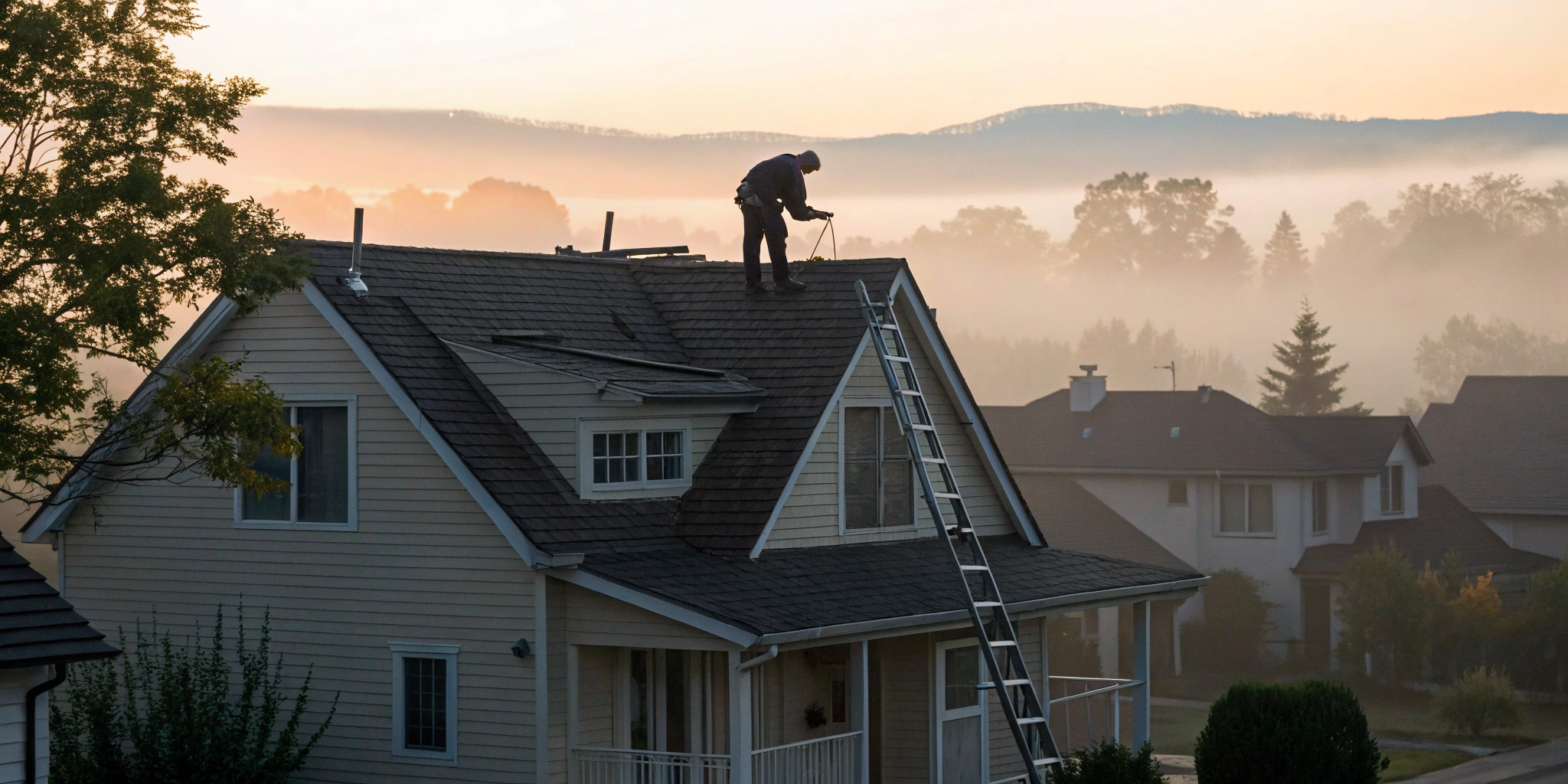
The process starts on the ground with the inspector walking around your property to get a big-picture view of the roof, gutters, and drainage. Then, they’ll get up on the roof for a closer look. They meticulously check for cracked, curling, or missing shingles, and examine the flashing around chimneys, vents, and skylights, as these are common spots for leaks. They’ll also look for signs of moss or algae growth, which can trap moisture and damage your residential roofing over time. If the roof is too steep or unsafe to walk on, a drone may be used to capture high-resolution images for a detailed assessment.
Checking for Problems from the Inside
A roof’s health isn’t just about what you see on the outside. That’s why the next step is heading inside to your attic. Here, the inspector looks for signs of water intrusion that might not be visible from the exterior, such as dark stains on the wood, damp insulation, or mold growth. They will also check for adequate ventilation. Proper airflow in the attic is critical for preventing heat and moisture buildup, which can shorten your roof’s lifespan and lead to issues like ice dams in the winter. This inside look provides crucial clues about your roof’s underlying condition.
Understanding Your Roof Inspection Report
After the physical inspection is complete, you’ll receive a detailed report outlining all the findings. This isn’t just a simple checklist; it’s a comprehensive document that includes photos of any problem areas, a clear explanation of the issues, and professional recommendations for the next steps. Whether it suggests minor repairs or a full replacement, the report gives you the information you need to make an informed decision. This document is incredibly valuable for planning future maintenance, and you can even use our roofing cost calculator to get a preliminary idea of potential expenses based on the recommendations.
Roof Inspection Cost Myths, Busted!
When you start looking for a roof inspector, you’ll quickly see a lot of different offers, and it can be tough to know what’s what. From “free” inspections to detailed paid reports, the options can feel a bit overwhelming. Let’s clear the air and talk through some of the most common myths about inspection costs so you can feel confident in your choice. Understanding the difference between a sales pitch and a professional assessment is the first step toward making a smart investment in your property’s health.
Are “Free” Roof Inspections Really Free?
You’ve probably seen the ads: “Free Roof Inspection!” It sounds like a great deal, but it’s important to understand the context. Many companies offer a free look at your roof because they’re hoping to land a bigger job, like a full residential roof replacement. The inspection itself is a lead generation tool. While there’s nothing wrong with this approach, the assessment you receive might be less of a detailed diagnostic and more of a sales estimate focused on a replacement. It’s a good idea to ask what the “free” service includes and to remember that the primary goal is often to sell you on a larger project.
Why Paying for an Inspection Is Worth It
Paying for a roof inspection might seem counterintuitive when free options exist, but you’re paying for something entirely different: unbiased expertise. A paid inspection is a professional service where the inspector’s only job is to give you a thorough and honest assessment of your roof’s condition. You’ll receive a clear, detailed report outlining what’s included, not just a single price for a potential job. This document is incredibly valuable. It gives you a complete picture of your roof’s health, pinpoints specific areas that need attention, and empowers you to get accurate quotes from different contractors. Think of it as an investment that helps you make informed decisions and can save you from much larger expenses down the road.
Should You DIY Your Roof Inspection?
It can be tempting to grab a ladder and check out the roof yourself, but a quick glance from a homeowner is very different from a professional assessment. While you can certainly help prepare for an inspection by moving things like patio furniture or cars out of the way, the actual inspection is best left to the pros. A trained inspector knows exactly what to look for. They can spot subtle signs of damage, like cracked flashing or minor granule loss, that an untrained eye would easily miss. Catching these small problems early is the key to preventing them from turning into big, expensive repairs. Plus, climbing on a roof is risky. A professional has the right safety gear and training to do the job without anyone getting hurt.
How to Get the Most from Your Roof Inspection
A roof inspection is your best tool for understanding the health of your home’s most important protector. But it’s not just a passive process where you wait for a report. By taking a few simple steps, you can make sure you get the clearest possible picture of your roof’s condition and needs. Think of it as a partnership with your inspector—your preparation and input help them do their best work, which ultimately gives you the peace of mind you deserve. An inspector can spot issues you might miss, but you have the day-to-day knowledge of your home’s quirks. Combining your observations with their expertise leads to the most comprehensive assessment.
This proactive approach ensures that no small detail is overlooked and that your specific concerns are addressed directly. From clearing the way for a safe assessment to pointing out that subtle water spot you’ve been eyeing, your involvement is key. It transforms the inspection from a simple transaction into a collaborative effort to protect your home. When you’re engaged in the process, you’ll also gain a better understanding of your roof’s components and how to care for them long-term. This section will walk you through how to prepare your property, communicate your concerns effectively, and understand the best time to schedule a check-up. Being proactive doesn’t just make the inspector’s job easier; it empowers you with knowledge and helps you make informed decisions about your home’s maintenance and future.
How to Prep Your Home for the Inspector
A little prep work goes a long way in helping your inspector perform a safe and thorough assessment. Before they arrive, take a moment to clear the area around your home. Moving cars from the driveway and shifting patio furniture away from the walls gives them the space they need to place ladders and move around freely. If you have any low-hanging tree branches over the roof, trimming them back is a great help. Finally, make sure the access point to your attic or crawlspace is unlocked and clear of obstructions. These small actions allow the inspector to work efficiently and focus completely on evaluating every aspect of your roof, inside and out.
Tell Your Inspector About Leaks and Issues
You know your home better than anyone. Before the inspection, play detective and make a list of anything that seems off. Have you noticed any water stains on your ceilings or walls? Walked outside and seen a shingle missing after a windy day? What about finding a collection of shingle granules in your gutters? These are all important clues about your roof’s health. By pointing these specific issues out to your inspector, you can guide their attention to your biggest concerns. This ensures the problems that worry you most are thoroughly investigated, giving you direct answers and a clear path forward for any needed residential roofing repairs.
How Often Should You Get a Roof Inspection?
Timing is everything when it comes to roof maintenance. Most experts recommend having your roof professionally inspected once a year. The best times are typically in the spring or fall, as this allows you to prepare for the intense summer sun or the wet, stormy Puget Sound winter. Regular check-ups are the key to preventative care; they help you catch and fix small problems before they escalate into major, expensive headaches. It’s also wise to schedule an inspection after any severe weather event, like a major windstorm or hailstorm, just to be sure no damage occurred. Staying on a consistent schedule protects your investment and keeps your home secure year-round.
Annual Checks for Roofs Over 10 Years Old
Once your roof crosses the 10-year mark, it’s time to move from a casual check-up schedule to a more consistent one. We recommend an annual professional inspection for older roofs. At this age, materials naturally start to show signs of wear from years of exposure to sun, rain, and wind. An annual inspection allows a trained professional to catch subtle issues like granule loss on shingles, minor cracks in flashing, or early signs of moss growth before they become significant problems. Think of it as a yearly physical for your roof—a proactive step that helps you plan for future repairs and extend the life of your current residential roofing system.
Bi-Annual Checks for Asphalt Shingle Roofs
For homes with asphalt shingles, which are the most common roofing material in our area, a good rule of thumb is to schedule an inspection every one to two years. While durable, asphalt shingles can be susceptible to issues like curling, cracking, and blistering over time, especially with our wet Pacific Northwest climate. A regular check-up allows an expert to assess the health of the shingles and ensure the sealant strips are still intact. This frequency strikes the right balance between being proactive and practical, helping you stay ahead of potential leaks and ensuring your roof remains in top condition for as long as possible.
When to Schedule an Inspection Beyond Routine Checks
While a regular inspection schedule is the foundation of good roof maintenance, life doesn’t always stick to a calendar. Certain events can impact your roof’s integrity, and it’s smart to call in a professional for an unscheduled look. These situations go beyond routine wear and tear and often involve significant changes or potential damage that needs immediate assessment. Waiting for your next scheduled check-up could allow a small, fixable issue to turn into a major, costly repair. Being vigilant and knowing when to call for an extra inspection is just as important as your annual maintenance plan.
When Buying or Selling a Home
A roof inspection is a non-negotiable step when a property is changing hands. If you’re buying a home, an inspection is your best defense against inheriting hidden problems and unexpected expenses. It gives you a clear picture of the roof’s remaining lifespan and can be a powerful negotiating tool. For sellers, a pre-listing inspection provides transparency and builds trust with potential buyers. It allows you to address any issues beforehand or accurately price your home, which can help streamline the closing process and prevent last-minute surprises from derailing the sale.
After Major Storms or Repairs
The Puget Sound is no stranger to intense weather, and your roof bears the brunt of it. After any significant storm involving high winds, heavy rain, or hail, it’s crucial to have your roof inspected. Damage isn’t always visible from the ground; strong winds can lift shingles and break their seals, while hail can create small dents or cracks that compromise the material. This proactive check can identify storm-related damage early, making the insurance claim process smoother and preventing small leaks from causing extensive interior damage. A post-storm inspection ensures your home’s roofing remains secure.
How to Choose the Right Roof Inspector
Finding the right company to inspect your roof is just as important as the inspection itself. You want a team that is thorough, honest, and has the expertise to give you a clear picture of your roof’s condition. A great inspection gives you the information you need to make smart decisions about repairs or replacement, so it pays to be selective. When you’re ready to hire a professional, focus on a few key areas to ensure you’re working with a true expert who has your best interests at heart.
Always Check for Licensing and Insurance
Before you let anyone on your roof, make sure they are properly licensed and insured. This is a non-negotiable first step that protects you from any liability if an accident happens on your property. A reputable contractor will always carry general liability insurance and workers’ compensation. In Washington, you can easily look up a contractor to confirm their license is active and that they have the necessary bonding and insurance. A professional company will be upfront with this information, so don’t hesitate to ask for proof. This simple check provides peace of mind and ensures the company meets local and state regulations.
Do They Have Experience with Your Roof Type?
Not all roofs are created equal, and neither is the experience of the inspectors. The techniques for inspecting a cedar shake roof are very different from those for a flat commercial roof. It’s important to choose a professional who has direct experience with your specific roofing material, whether it’s composition shingles, metal, or a specialty product like DaVinci Roofscapes. When you call for an inspection, ask about their team’s familiarity with your type of residential roofing. An inspector with the right background will know exactly what to look for, from common failure points to material-specific signs of aging.
Review Sample Reports and Ask About Next Steps
A quality inspection ends with a quality report. This document should be more than a simple checklist; it should be a detailed summary of the findings, complete with photos, clear descriptions of any issues, and straightforward recommendations. Ask a potential company if you can see a sample report. This will show you the level of detail you can expect. Also, ask about their follow-up process. What happens after you receive the report? A great company will walk you through the findings, answer your questions, and provide a clear, no-pressure quote if any roof repairs are needed.
Read Customer Reviews and Compare Quotes
Before you commit, take some time to see what past customers have to say. Online reviews on platforms like Google and Yelp are a great starting point for gauging a company’s reputation for quality and customer service. Once you’ve narrowed down your list to a few reputable contractors, reach out and request quotes. Don’t just look at the bottom-line price; compare what’s included in the inspection. A lower bid might only cover a quick visual check, while a slightly higher one could include a detailed report with photos and a thorough attic assessment. Getting a few different quotes helps you understand the local market rate and find a professional who offers the best value, not just the lowest price for their inspection service.
Consider an Unbiased, Third-Party Inspector
If you want a truly objective opinion on your roof’s condition without any sales pressure, hiring an independent, third-party inspector is a fantastic option. Unlike a free estimate, which is often a precursor to a sales pitch for a full replacement, a paid inspection is a standalone service. The inspector’s only goal is to provide you with a detailed, unbiased report on your roof’s health. This is especially useful if you’ve received conflicting opinions or want a clear, expert assessment you can use to get accurate quotes for repairs from different companies. You’re paying for expertise and peace of mind, ensuring you have all the facts before making a major decision about your home’s roofing system.
Is a Roof Inspection a Good Investment?
When you’re managing a budget, any extra expense can feel like a burden. It’s easy to look at a roof inspection as just another line item, but it’s one of the most valuable investments you can make for your property. Think of it as a check-up for one of your home’s most critical components. A thorough inspection gives you a clear picture of your roof’s health, helps you plan for future maintenance, and provides peace of mind, especially after a classic Puget Sound storm. It’s not just about finding problems; it’s about protecting your entire home from the top down. By spending a little now, you can avoid significant, stressful, and costly repairs down the road.
Catch Small Problems Before They Get Worse
The old saying “an ounce of prevention is worth a pound of cure” is especially true for roofing. Getting your roof checked regularly helps find and fix small problems before they become big, expensive ones. A single cracked shingle, a small patch of failing sealant, or a clogged gutter might not seem like a big deal, but they can be entry points for water. Over time, that moisture can lead to wood rot, mold growth in your attic, and damage to your home’s interior. A professional inspection catches these issues early, allowing for simple, affordable repairs that preserve the integrity of your entire residential roofing system and extend its lifespan.
Get the Documentation You Need for Insurance
After a severe storm, the last thing you want is a difficult back-and-forth with your insurance company. Having a professional roof inspection before you file a claim can make the entire process much smoother. A detailed report from a qualified inspector serves as credible, third-party documentation of any damage. It outlines the extent of the problem and provides an expert opinion on the cause, which is exactly what insurance adjusters need to see. This evidence strengthens your position and helps ensure you receive a fair settlement to cover the necessary repairs. It transforms your claim from “I think my roof is damaged” to “Here is a professional assessment of the storm damage.”
Meeting Policy Requirements
Your roof’s warranty is a valuable safety net, but it often comes with its own set of rules. Many manufacturers require regular, documented inspections to keep the warranty valid. If you skip these check-ups and later need to file a claim for a defect, you could find it denied due to what they might call neglect. A professional inspection report provides the official documentation you need to prove you’ve been proactive about maintenance. This simple step ensures that if a manufacturing problem does arise, your investment is protected, and you can hold the company to their promise without any hassle.
Potentially Lowering Your Premiums
Insurance companies are all about managing risk. A well-maintained roof is less likely to fail during a storm, which makes your home a lower risk to insure. By providing your insurance agent with a recent, detailed inspection report showing your roof is in excellent condition, you might be able to secure a lower premium. This documentation serves as proof that you are a responsible homeowner who actively maintains your property. While it’s not a guarantee, a clean bill of health for your residential roofing system can be a powerful tool for negotiating better rates and saving money over the long term.
Maintain Your Home’s Value
Your roof is a significant factor in your property’s overall value and curb appeal. Roof inspections are a smart way to take care of your home and protect your investment. A well-maintained roof is a huge selling point for potential buyers, and having a recent, clean inspection report can provide them with confidence and peace of mind. On the other hand, a roof with known issues can be a major red flag during a sale, often leading to lower offers or failed negotiations. Regular inspections ensure your roof remains in top condition, preserving your property’s value and helping you get the most out of your initial roofing investment.
Related Articles
- What Is a Certified Roof Inspector & Why Hire One?
- Certified Roof Inspector: What to Expect From a Pro
- Certified Roof Inspector Guide: What to Know & Why It Matter
Frequently Asked Questions
Should I opt for a “free” roof inspection? A free inspection is often a sales estimate in disguise. The main goal is usually to determine if you need a full roof replacement and then sell you that service. If you simply want a quote for a big job, it can be a starting point. However, if you’re looking for a detailed, unbiased assessment of your roof’s overall health to plan for maintenance or address a specific concern, a paid inspection provides much more value. You’re paying for an expert’s time and a comprehensive report, not just a sales pitch.
How often do I really need to get my roof inspected? A good rule of thumb is to have your roof professionally inspected once a year, ideally in the spring or fall. This proactive approach helps you catch small issues before they become big, costly problems. It’s also a smart move to schedule an inspection after any major weather event, like a severe windstorm, to make sure there wasn’t any hidden damage. Regular check-ups are the best way to extend your roof’s life and avoid surprises.
What happens if the inspection uncovers damage? If the inspection finds any issues, you’ll receive a detailed report that includes photos and a clear explanation of the problems. A reputable company will then walk you through the findings and provide a no-pressure quote for any recommended repairs. The report is yours to keep, giving you the information you need to get other quotes or plan for the work on your own timeline. You are always in control of the next steps.
Why can’t I just inspect my own roof? While it’s great to keep an eye on your roof from the ground, a professional inspection is far more thorough. Trained inspectors know how to spot subtle signs of wear and tear that an untrained eye would easily miss, like minor granule loss or cracked flashing around vents. They can identify potential problems long before they cause leaks. Most importantly, getting on a roof is dangerous without the proper safety equipment and training, so it’s a job best left to the pros.
If I pay for an inspection, am I obligated to hire you for the repairs? Absolutely not. When you pay for an inspection, you are paying for a professional service that provides a thorough assessment and a detailed report. You are not committing to any further work. The report is a valuable tool that you can use to make informed decisions, whether that means hiring the inspecting company, getting quotes from other contractors, or simply planning for future maintenance. There should never be any pressure to commit to repairs.
Protecting Your Roof Warranty
Your roof warranty is a valuable safety net, but it often comes with fine print. Many manufacturers require regular, documented inspections to keep the warranty valid. Think of it as a required check-up to prove you’re maintaining your investment. If you skip these professional assessments and a problem arises later, your claim could be denied, leaving you to cover the full cost of repairs. A paid inspection provides the official documentation you need to show you’ve been proactive about your roof’s care. This simple step ensures that if you ever need to use your warranty for your residential roofing, you’ll have the paperwork to back up your claim and protect your investment.
Securing a Roof Certification for Real Estate
If you’re buying or selling a property, a roof certification can be a game-changer. This official document, which you can only get after a full professional inspection, verifies the condition of the roof and estimates its remaining lifespan. For sellers, it provides peace of mind to potential buyers and can help a sale go through more smoothly. For buyers, it offers assurance that you won’t be facing an unexpected roof replacement right after moving in. It’s a powerful tool in real estate negotiations that provides a clear, unbiased assessment of one of the most critical parts of the property, ensuring there are no surprises for either party during the transaction.