
Date
Wed Feb 4Think of yourself as a home health detective. When it comes to your roof, some of the most important clues are hiding in plain sight, while others require a closer look. From the ground, you might spot a cracked shingle or granules collecting in your gutters. Inside, a faint water spot on the ceiling or a musty smell in the attic could be a sign of a hidden leak. Each of these signs tells a piece of the story about your roof’s condition. We’ll show you exactly what to look for, so you can piece the clues together and know when it’s time to call in an expert for a Kirkland roof repair.
Key Takeaways
- Know the Warning Signs of Roof Damage: Catching issues early saves you from major headaches. Periodically check for missing or curling shingles outside and look for water stains or peeling paint on your ceilings inside.
- Choose a Contractor Who Knows Kirkland’s Climate: A local, licensed, and insured roofer understands how to protect your home from our specific weather challenges, like persistent rain and moss growth, ensuring a durable repair.
- Weigh the Long-Term Value of Repair vs. Replace: While a repair is cheaper upfront, a full replacement might be more cost-effective for an older roof with widespread issues, offering better protection and peace of mind.
How to Tell if Your Kirkland Roof Needs Repair
It’s easy to forget about your roof until something goes wrong. But catching problems early can save you from the headache of major water damage and expensive fixes later on. Knowing the signs of roof damage helps you address issues before they spiral out of control. Some clues are easy to spot from the street, while others are more subtle and require a bit of detective work inside your home. Taking a few minutes to check for these warning signs can give you peace of mind and help you protect your biggest investment. Many homeowners think a roof is fine as long as it isn’t actively leaking into the living room, but the reality is that damage often starts small and stays hidden. By the time you see a water stain on your ceiling, the problem has likely been developing for a while, potentially causing rot and mold in your attic or walls. That’s why being proactive is so important. A quick visual inspection a couple of times a year, especially after a major storm, can help you spot trouble before it escalates. If you see anything that concerns you, it’s always best to have a professional take a look. A small repair now is much better than a full replacement down the line.
Check for Damage Outside
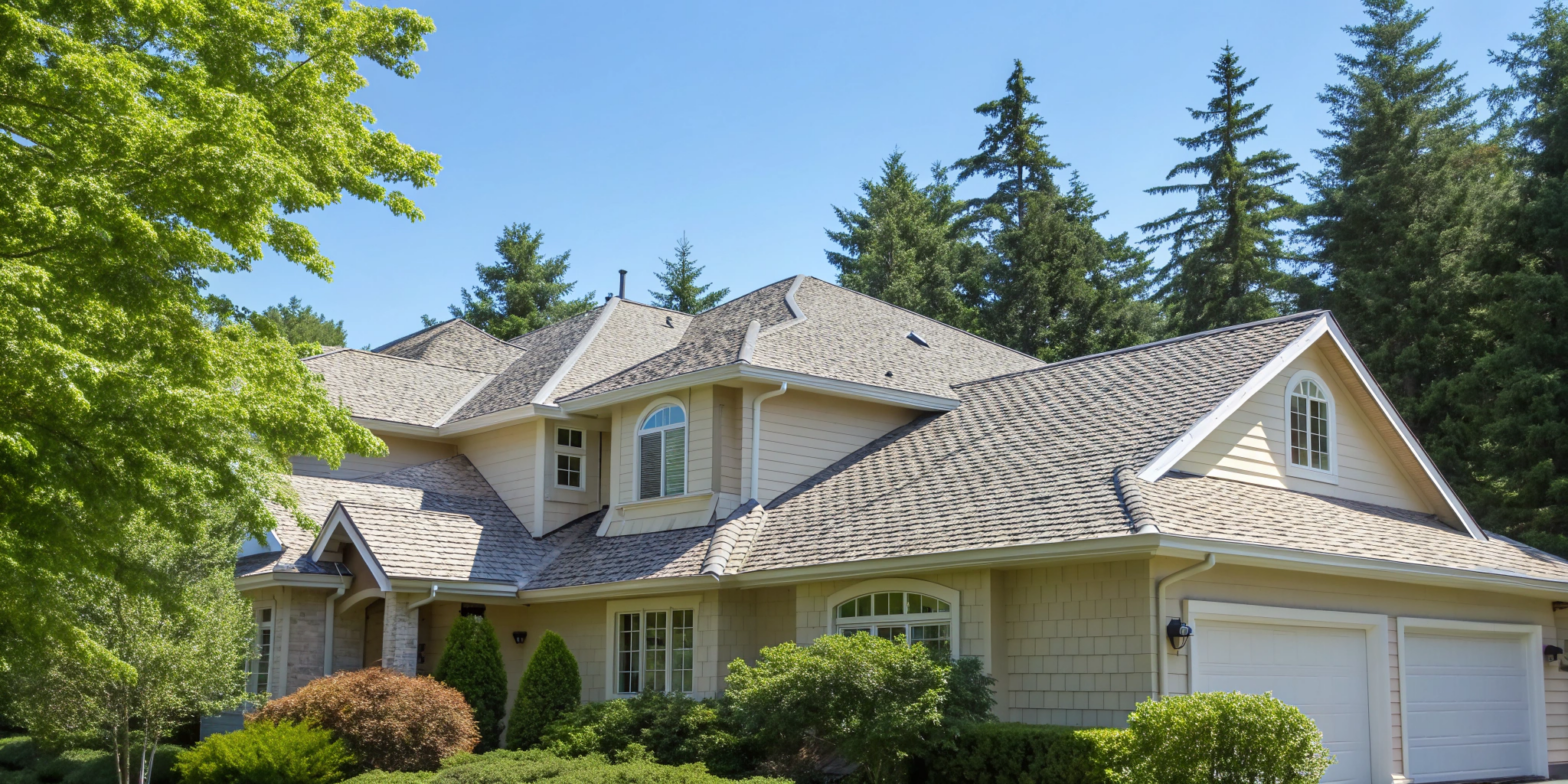
The most obvious signs of trouble are often visible from your yard. Take a walk around your property and look up at your roof. Do you see any shingles that are missing, cracked, or curling at the edges? These are clear indicators that your roof’s first line of defense is weakening. Also, look for any sagging spots, which could point to underlying structural issues. Another thing to check is your gutters. If you find a lot of shingle granules—they look like coarse black sand—it means your shingles are aging and losing their protective layer. Spotting these issues early is key to maintaining a healthy residential roofing system.
Look for Warning Signs Inside
Sometimes, the first sign of a roof problem appears inside your home. Head upstairs and check your ceilings and walls for any water stains, discoloration, or peeling paint, especially after it rains. These are classic signs of a leak. Don’t forget to peek inside your attic if you can. Look for damp insulation, water stains on the wood, or any daylight peeking through the roof boards. A musty odor in the attic can also signal hidden moisture. These interior clues are your home’s way of telling you that the exterior barrier of your home or commercial roofing has been breached.
Notice Your Energy Bills?
Have your heating or cooling bills been creeping up for no apparent reason? Your roof might be the culprit. A well-maintained roof is a crucial part of your home’s insulation system. When it’s damaged, it can allow air to leak out, forcing your HVAC system to work overtime to keep your home comfortable. This loss of energy efficiency shows up directly on your monthly utility bills. If you’ve ruled out other causes for a sudden spike in energy costs, it’s a good idea to consider your roof’s condition. You can even use a roofing cost calculator to get a sense of what a repair or replacement might involve.
Repairing Common Kirkland Roofing Materials
Your roof’s material plays a big role in how it’s repaired. Here in the Pacific Northwest, we see a few common types of roofing, and each has its own specific needs when it comes to fixes. Understanding what your roof is made of helps you know what to expect when you call in a professional for a repair. From the ever-popular composition shingles to the classic look of cedar shake, each material requires a unique approach to keep your home safe and dry.
Asphalt and Composition Shingles
Asphalt and composition shingles are the go-to for many Kirkland homes, and for good reason. They offer a great mix of affordability and reliability. When these shingles get damaged—whether from wind, rain, or just age—you might notice pieces that are cracked, curling at the edges, or missing altogether. Repairing this type of residential roofing involves carefully removing the damaged shingles and sliding new ones into place, securing them to protect the underlayment. It’s important to address this quickly, as even one missing shingle can create a direct path for water to seep in and cause more serious issues.
Metal Roofs
Metal roofing is known for being incredibly tough and long-lasting, standing up well to our wet weather. However, it’s not completely invincible. Repairs are usually needed for issues like loosened seams, minor punctures from falling debris, or fasteners that have backed out over time. The good news is that because metal roofs are installed in large panels, repairs can be quite efficient. A professional can often seal seams, replace fasteners with new weatherproofed ones, or even swap out a single damaged panel without disturbing the rest of the roof, making it a durable choice for commercial roofing as well.
Cedar Shake Roofs
Cedar shake roofs give homes a beautiful, rustic look that’s hard to beat. As a natural wood product, they require a bit more attention to stay in top shape. The damp Kirkland climate can encourage moss growth, which traps moisture and can lead to rot. Repairs typically involve replacing individual shakes that have split, warped, or decayed. A roofer might also recommend a treatment to protect the wood from moisture and prevent moss from taking hold again. Regular maintenance is key to extending the life of these gorgeous roofs and preventing small problems from becoming big ones.
Flat Roofs
Often found on commercial buildings and modern homes, flat roofs have their own set of repair needs. Since they don’t have a steep slope to shed water, proper drainage and a completely sealed surface are critical. Common repairs for flat roofs include patching up punctures or tears in the roofing membrane, sealing seams that have separated, and addressing areas where water has started to pool. The materials used for these repairs, like single-ply membranes or specialized coatings, are designed to create a seamless, waterproof barrier that protects the structure below from moisture damage.
How to Find a Reliable Kirkland Roof Repair Contractor
Once you’ve identified a problem with your roof, the next step is finding the right person to fix it. Choosing a contractor can feel overwhelming, but a little homework goes a long way in ensuring you hire a trustworthy professional. A great contractor not only does quality work but also communicates clearly and respects your property. Taking the time to vet your options will give you peace of mind and a roof that’s built to last. Here are four key steps to help you find a reliable roof repair service in Kirkland.
Verify Their License and Insurance
Before you even discuss the details of your roof, your first question should be about licensing and insurance. A valid contractor’s license proves they meet state requirements, and proper insurance protects you from liability if an accident happens on your property. A professional roofer will be upfront with this information. It’s also important to hire a roofer who knows the specific rules and processes for your city. A licensed local contractor will be familiar with Kirkland’s building codes and permit requirements, ensuring your repair is done correctly and legally from the start.
Look for Local Climate Expertise
Kirkland’s weather is no joke. The persistent rain and moisture from the lake mean our roofs face unique challenges. A contractor with local experience understands this intimately. They know which materials stand up best to the Pacific Northwest climate and how to prevent common issues like moss growth and water intrusion. When a company has a long history of serving the Puget Sound region, they’ve seen it all. They can recommend the best residential roofing solutions designed to handle our specific weather patterns, protecting your home for years to come.
Read Reviews and Ask for References
What past customers say is one of the best indicators of a contractor’s quality and reliability. Check online reviews on sites like Google, Yelp, and the Better Business Bureau to get a sense of their reputation. Look for patterns in the feedback—do customers consistently praise their communication, timeliness, and cleanup? A few negative reviews aren’t necessarily a dealbreaker, but pay attention to how the company responds. Don’t be afraid to ask the contractor for a list of recent references, either. Speaking directly with a former client can give you firsthand insight into their experience and the quality of the work performed.
Get a Few Detailed Estimates
It’s always a good idea to get at least three written estimates from different contractors. This helps you compare pricing and understand the scope of work each company proposes. A vague quote is a red flag; a reliable contractor will provide a detailed breakdown of costs for labor and materials. While price is a factor, don’t let it be the only one. Delaying a necessary repair can lead to more expensive problems like water damage and mold down the line. You can use a roofing cost calculator to get a preliminary idea, then compare the detailed professional estimates to make an informed choice.
What Affects Roof Repair Costs in Kirkland?
When you get a quote for a roof repair, you might wonder what goes into the final number. The truth is, the cost isn’t arbitrary; it’s a reflection of several specific factors that determine the scope and complexity of the job. From the materials on your roof to the time of year you schedule the work, each element plays a role in the overall price. Understanding these variables can help you make sense of your estimate and plan for the expense. It also highlights why a detailed, on-site inspection is so important for getting an accurate quote.
Your Roofing Material
The type of material covering your roof is one of the biggest factors in determining repair costs. Different materials come with different price points and require specific skills to fix correctly. For instance, asphalt and composition shingles are the most common residential roofing choices in Kirkland because they offer a great balance of affordability and performance, making their repairs relatively straightforward and budget-friendly. On the other hand, materials like metal, cedar shake, or specialty products like DaVinci Roofscapes require more expertise and specialized tools. The materials themselves are more expensive, and the labor to repair them properly often costs more due to the craftsmanship involved.
The Scope of the Damage
It makes sense that a small patch job will cost less than a major repair, but the true scope of the damage isn’t always visible from the ground. A few missing shingles might seem minor, but they could be a sign of underlying issues. If water has seeped underneath, you could be looking at replacing insulation, decking, or even structural supports. As one expert notes, delaying roof repair can cause water damage, mold, and structural issues that are much more costly to fix. That’s why it’s so important to address problems as soon as you spot them. A thorough inspection will uncover the full extent of the damage, ensuring the repair addresses the root cause, not just the symptom.
Labor and Roof Accessibility
The cost of labor is directly tied to the complexity of your roof’s design and how easy it is for a crew to access. A single-story home with a low-slope roof is much simpler to work on than a three-story house with a steep pitch, multiple dormers, and skylights. Difficult-to-access roofs require more time, safety equipment, and staging, which all contribute to the labor costs. A professional team will use comprehensive methods, like ensuring proper underlayment and strategic flashing placement, to guarantee a lasting repair. This skilled labor is a critical part of the investment, ensuring the job is done right and your home is protected.
The Time of Year
In the Pacific Northwest, the season can influence both the timing and the cost of your roof repair. Kirkland’s unique climate demands consistent maintenance, but scheduling non-urgent repairs can be strategic. The rainy season, from fall through spring, is the busiest time for roofers dealing with emergency leaks. Scheduling a repair during this peak season might come at a premium due to high demand and challenging weather conditions. If your repair isn’t an emergency, booking it during the drier summer months can sometimes offer more scheduling flexibility. Planning ahead can make the process smoother and help you manage the overall cost.
What to Expect from a Roof Repair Warranty
A warranty is more than just a piece of paper; it’s your assurance that the investment you’ve made in your home is protected. When you hire a contractor for a roof repair, you should always receive a warranty that covers both the quality of the work and the integrity of the materials used. Think of it as a safety net. If something goes wrong down the line, a good warranty ensures you won’t be left paying for the same problem twice.
Understanding your warranty before the work begins is key. Every reputable contractor will provide two distinct types of coverage for any significant repair or replacement: a workmanship warranty from the contractor themselves and a material warranty from the manufacturer. These two warranties work together to provide comprehensive protection for your roof. Knowing the difference between them, what they cover, and what they don’t cover will help you feel confident in your choice of a roofing partner and prepared for the future.
Workmanship Guarantees
A workmanship guarantee is the contractor’s direct promise to you. It covers the quality of the installation and repair work itself. If a leak springs up because a flashing was installed incorrectly or shingles weren’t properly secured, this is the warranty that has your back. It ensures the contractor will return to fix the installation error at no extra cost. The length of these warranties can vary, so it’s a great question to ask when you’re getting estimates. At Landmark, we stand behind every residential roofing project with a guarantee that our craftsmanship will hold up to the demanding Puget Sound weather.
Material Warranties
While the workmanship guarantee covers the labor, the material warranty covers the physical products used on your roof. This warranty comes directly from the manufacturer of the shingles, metal panels, or other roofing components. It protects you against defects in the materials themselves—things like shingles that curl or degrade prematurely. These warranties often last for decades, but they won’t cover issues caused by poor installation. That’s why having a strong workmanship guarantee from a trusted installer is just as important as choosing high-quality materials for your commercial roofing project.
Exclusions and Limitations
It’s important to read the fine print on any warranty to understand its limitations. Most warranties will not cover damage from events outside of the contractor’s or manufacturer’s control. This typically includes damage from severe weather like hail or high winds, falling tree limbs, or foot traffic. Warranties also may not cover issues that arise from a lack of basic maintenance or from alterations made by another contractor after the initial repair, like installing a satellite dish. Understanding these exclusions helps you know when a repair is covered by your warranty versus when you might need to file a claim with your homeowner’s insurance.
Should You Repair or Replace Your Roof?
Deciding between a roof repair and a full replacement can feel like a huge decision, and honestly, it is. A simple patch job might solve your immediate problem, but sometimes it’s just a temporary fix for a much bigger issue. Thinking through a few key factors will help you make a confident choice that protects your home and your wallet in the long run.
Assess Your Roof’s Age and Condition
The age of your roof is one of the biggest clues. Most asphalt shingle roofs last around 20 to 25 years. If yours is approaching that age and showing signs of wear, a replacement is likely on the horizon. Look for widespread issues like curling or cracked shingles, significant granule loss in your gutters, or sagging spots. While a single leak or a few missing shingles can often be repaired, extensive damage is a sign that the entire system is failing. Putting off a necessary replacement can lead to serious problems like water damage, mold, and even structural issues. Acting quickly is the best way to protect your property’s value and avoid more expensive fixes down the road.
Weigh the Costs and Benefits
It’s tempting to go with the lower upfront cost of a repair, but it’s important to think about the long-term value. If your roof is older and requires frequent fixes, those costs can add up quickly. A full residential roofing replacement is a significant investment, but it offers long-term peace of mind, can improve your home’s energy efficiency, and increases its resale value. In Kirkland, many homeowners choose asphalt and composition shingles because they offer a great balance of affordability and performance. To get a clearer picture of the potential costs, you can use a roofing cost calculator to compare estimates for different materials and project scopes.
Consider Climate and Weather Damage
The Pacific Northwest climate is tough on roofs. The constant rain, wind, and moss growth in Kirkland mean your roof has to work hard year-round. A roof that has been weakened by years of weather exposure might not be a great candidate for a simple repair. A small patch could fail during the next big storm, leaving you with the same problem all over again. Kirkland’s unique climate demands a roofing system that’s up to the challenge. A full replacement allows you to install modern, weather-resistant materials designed to handle our damp conditions, giving you a more durable and reliable defense against the elements.
How to Maintain Your Roof After Repairs
After investing in a roof repair, the last thing you want is another issue popping up a year or two later. Consistent maintenance is your best strategy for protecting your home and getting the most out of your roof’s lifespan. Think of it as proactive care that keeps small problems from turning into major headaches. By staying on top of a few key tasks, you can ensure your roof remains in great shape, safeguarding your home against the Kirkland elements for years to come. A little effort now saves you from costly surprises down the road and keeps your home secure, dry, and protected.
Schedule Regular Inspections
It’s a good idea to have your roof inspected at least once a year, especially after a stormy season. A professional can spot subtle signs of wear and tear that might not be obvious from the ground, like cracked sealant around vents or loose shingles. Catching these issues early is the difference between a minor fix and a major, costly repair. Regular check-ups ensure your recent repairs are holding up well and help you plan for future maintenance, extending the life of your entire residential roofing system. It’s a small step that provides significant peace of mind and protects your home’s value.
Manage Moss and Debris
Here in the Pacific Northwest, moss is a persistent guest on our roofs. While it might look quaint, it acts like a sponge, trapping moisture against your shingles. This can lead to rot, deterioration, and leaks over time. Similarly, fallen leaves, pine needles, and branches can pile up, especially in roof valleys, creating dams that prevent water from draining properly. Make it a habit to clear away any visible debris. For stubborn moss, it’s often best to call in a professional, as harsh scrubbing or pressure washing can damage your shingles. Keeping your roof clear is essential for its health and longevity.
Keep Your Gutters Clean
Your gutters are a critical part of your roofing system, designed to channel water safely away from your home’s foundation. When they get clogged with leaves and debris, that water has nowhere to go but up and over, often seeping back onto your roof and under the shingles. This can cause water damage to the roof deck, fascia boards, and even your home’s interior. Cleaning your gutters twice a year—once in the spring and again in the fall—is a vital maintenance task. If you’re not comfortable on a ladder, many roofing companies offer gutter services to handle the job for you safely and efficiently.
Consider a Professional Maintenance Plan
Juggling all these tasks can feel like a lot. A professional maintenance plan takes the responsibility off your shoulders and puts it into the hands of experts who know exactly what to look for. These plans are tailored to the specific challenges of our local climate, addressing issues like moss growth and heavy rainfall before they cause damage. A contractor can create a customized schedule for inspections, gutter cleaning, and debris removal, ensuring your roof gets consistent, expert care. This is one of the most effective ways to protect your investment in commercial roofing and residential properties alike, keeping your roof in optimal condition year-round.
Related Articles
- Kirkland Roofing & Siding Contractor | Landmark Roofing
- Most Popular Types of Roofing Materials in Redmond WA
- Residential Roofing Contractor in Redmond: The Negative Impacts of Delaying a Necessary Roof Replacement
Frequently Asked Questions
My roof isn’t actively leaking, but I see a few damaged shingles. Can I wait to get it fixed? It’s tempting to put off what seems like a minor issue, but even a few missing or cracked shingles can compromise your roof’s integrity. Here in Kirkland, that small opening is an invitation for our persistent rain to seep into the underlayment, potentially causing rot and water damage that you won’t see until it’s a much bigger problem. Addressing small issues quickly is the smartest way to prevent a more expensive, large-scale repair later on.
How long does a typical roof repair take to complete? The timeline for a repair really depends on the extent of the damage and, of course, the weather. A straightforward fix, like replacing a handful of composition shingles, can often be completed in just a few hours. More complex jobs that involve fixing underlying structural damage or replacing flashing around a chimney could take a full day or more. A reliable contractor will always provide a clear time estimate along with their detailed quote.
Is it safe for me to try and fix my own roof? While the DIY spirit is admirable, I strongly recommend leaving roof repairs to the professionals. Working at heights is inherently dangerous without the proper safety gear and experience. Beyond the safety risks, a professional roofer can identify the root cause of a problem, not just the symptom you can see. An improper repair can lead to bigger leaks and may even void the warranty on your roofing materials.
Why is local experience so important for a Kirkland roofing contractor? The Pacific Northwest climate is tough on roofs. A contractor with years of experience in the Puget Sound region understands the specific challenges we face, from managing moss growth to preventing water intrusion from constant, wind-driven rain. They know which materials and installation techniques hold up best against our damp weather, ensuring your repair is built to last. This local expertise is invaluable for a durable, long-term solution.
Will a roof repair be covered by my homeowner’s insurance? This often depends on what caused the damage. Most insurance policies cover damage from sudden and unforeseen events, like a storm or a fallen tree limb. However, they typically do not cover repairs needed due to normal wear and tear, old age, or a lack of maintenance. Your best bet is to review your specific policy and consult with your insurance agent to understand what your coverage includes.