
Date
Tue Dec 30A solid roof is your home’s first line of defense against a classic Puget Sound storm. But when you start questioning its condition, that sense of security can quickly turn to anxiety. The good news is you don’t have to live with the uncertainty. Many of the most critical signs you need a new roof are easy to spot on your own, without ever climbing a ladder. This guide is designed to give you that confidence, showing you the clear signs to invest in a new roof and protect your home for years to come.
Key Takeaways
- Proactive checks prevent major headaches: You can spot most warning signs—like curling shingles, granules in the gutters, or attic water stains—safely from the ground. Catching these issues early is the best way to avoid costly, emergency repairs down the line.
- Don’t underestimate the cost of waiting: A roof’s age and exposure to weather mean that minor damage rarely stays minor. Postponing a necessary replacement can lead to serious problems like structural rot, mold, and insurance complications, ultimately costing you more.
- Follow a clear plan when you find damage: If you spot a problem, start by safely documenting the issue with photos. Next, call a professional for a thorough inspection to understand the full scope and get a clear recommendation on whether to repair or replace.
5 Signs You Need a New Roof
Your roof does a fantastic job of protecting you from the elements, but it won’t last forever. Spotting trouble early can save you from costly, stressful repairs down the road. While some signs are obvious, others are more subtle. Paying attention to these key indicators will help you know when it’s time to call in a professional for an assessment. Here are the five most common signs that your roof is nearing the end of its life.
Your Shingles Are Curling, Cracking, or Bald
Take a look at your shingles, as they often provide the first clues of wear. Are any of them cracked, curling at the edges, or buckling? These are signs that they’re losing their integrity. Another thing to watch for is granule loss. Those sand-like granules on asphalt shingles aren’t just for color; they protect the shingle from UV rays and damage. When they start to wear away, you might see dark, “bald” patches on your roof. If you find a lot of these granules in your gutters, it’s a clear signal that your roof’s protective layer is deteriorating and can no longer effectively shield your home from water intrusion. A quality residential roofing system depends on every shingle being in top condition.
You’re Seeing Water Stains on the Ceiling
This is one of the most urgent signs. If you see dark spots, water stains, or peeling paint on your ceilings or walls, you likely have a leak. Don’t ignore it, even if it seems small. The issue is often bigger than the visible stain suggests. Head up to your attic with a flashlight, especially after it rains, and look for damp rafters or signs of moisture. Any water getting inside your home is a serious problem that needs immediate attention to prevent mold growth, rotting framework, and damaged insulation. A persistent leak is a clear indication that your roof’s defenses have been breached and a replacement may be necessary to protect your home’s interior.
Your Roofline Is Starting to Sag
A sagging roof is a major red flag that points to a structural problem. Your roofline should be straight and strong. If you notice a dip, droop, or curve in the middle, it could mean the underlying decking is water-damaged and has weakened. This is a very serious issue that compromises the structural integrity of your entire roof system. Trapped moisture or a long-term leak can cause the wood to rot and lose its ability to support the weight of the shingles. If you see any sagging, it’s critical to have your roof inspected by a professional right away to assess the extent of the damage and prevent a potential collapse.
You See Damaged Flashing or Rusted Gutters
Flashing consists of the thin metal strips installed around your chimney, vents, and skylights to seal the seams of your roof. It’s a critical barrier against water. If you notice that this flashing is cracked, bent, or pulling away from the roof, you have a weak spot that’s highly vulnerable to leaks. Similarly, take a look at your gutters. While a little rust might not seem like a big deal, it can indicate that your gutter system is failing. When gutters can’t effectively channel water away, it can back up and seep under your shingles, leading to rot and other moisture issues. These metal components are just as important as your shingles for a complete roofing system, and their failure is a clear sign that an inspection is in order.
There’s Moss and Algae Growth
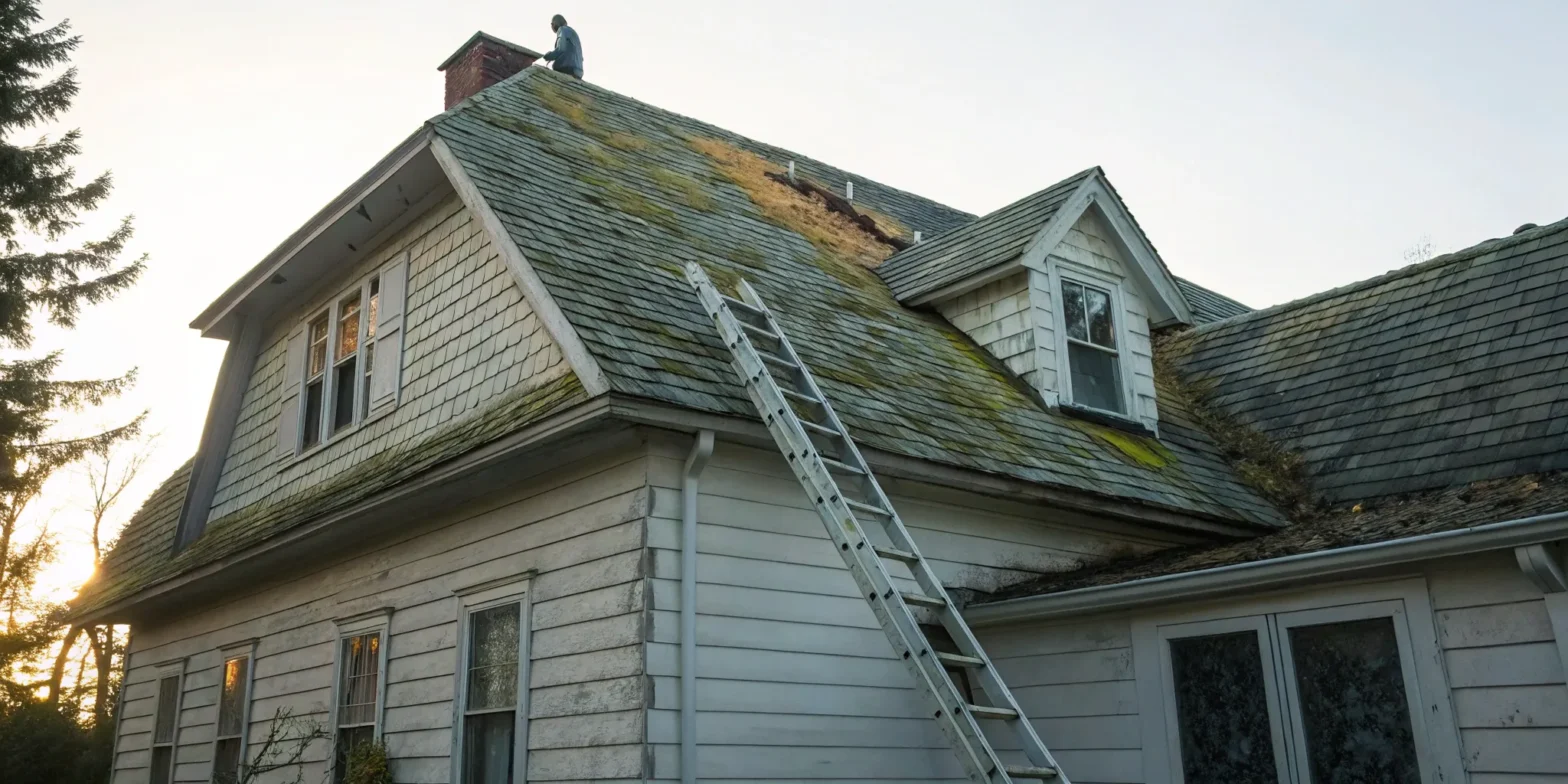
In the damp climate of the Pacific Northwest, a little green on your roof might seem normal, but it’s often a sign of trouble. Moss is particularly damaging because it acts like a sponge, trapping moisture against your shingles. This constant dampness can accelerate wear, cause granules to lift, and eventually lead to rot in the underlying roof deck. Algae, which typically shows up as dark streaks, is less structurally damaging but still indicates that your roof is retaining moisture. According to experts at FORTIFIED Home, both types of growth point to moisture problems that shouldn’t be ignored. A roof covered in moss or algae is a roof that’s holding onto water, which is the last thing you want.
A Note on Moss and Algae Removal
If you see green growth, your first instinct might be to scrape it off. Please don’t. Using a pressure washer or sharp tools can do more harm than good by stripping away the protective granules on your shingles. The best approach is to have it assessed by a professional who can determine the extent of the issue and recommend a safe removal method that won’t compromise your roof’s integrity.
Your Neighbors Are All Getting New Roofs
It might sound like keeping up with the Joneses, but if you see roofing trucks on your street frequently, it’s worth paying attention. Homes in the same neighborhood were often built around the same time, using similar materials. This means their roofs have endured the same weather conditions and are likely aging at a similar rate. If several of your neighbors are replacing their roofs, it could be a strong signal that yours is also nearing the end of its expected lifespan. It’s a practical cue to at least get your own roof inspected to see how it’s holding up in comparison.
You’re Paying for Frequent Repairs
One or two minor repairs over several years is normal, but if you have a roofer on speed dial, it’s time to re-evaluate. Constantly patching leaks or replacing shingles is not only frustrating but can also become a significant financial drain. At a certain point, the cumulative cost of these small fixes can start to approach the price of a full replacement. A new roof offers a long-term solution and peace of mind that a patchwork of repairs simply can’t provide. If you’re curious about the investment, using a roofing cost calculator can give you a ballpark idea of what to expect, helping you decide if a replacement is the more cost-effective choice.
Your Energy Bills Are Spiking
Have your heating or cooling bills been creeping up without a clear reason? Your roof could be the culprit. A well-functioning roof is a key part of your home’s insulation system. When it’s compromised, it can allow air to escape, forcing your HVAC system to work much harder to maintain a comfortable temperature inside. Poor ventilation in your attic, often tied to roofing issues, can also lead to heat buildup in the summer and heat loss in the winter. If you’ve ruled out other causes for a spike in your energy usage, it’s worth considering whether an aging or damaged roof is affecting your home’s efficiency.
Your Roof Is Past Its Prime
Even if your roof looks okay from the ground, its age is a critical factor. Different materials have different lifespans. For example, a typical asphalt shingle roof lasts around 20 to 25 years. If your roof is approaching or has surpassed that milestone, it’s time to start planning for a replacement, even without obvious signs of failure. Older roofs are simply more susceptible to damage from wind and rain. Knowing the age of your roof can help you proactively manage its replacement before minor issues become major emergencies. If you’re unsure, you can always estimate the cost of a new roof to better prepare for the investment.
How to Safely Inspect Your Roof
Figuring out your roof’s condition doesn’t mean you have to climb a wobbly ladder. In fact, you shouldn’t. A thorough and safe initial assessment can be done with your feet planted firmly on the ground and a quick trip to your attic. This process helps you spot potential red flags early, so you can address them before they become bigger, more expensive problems. Think of it as a health check-up for your home’s most important protector. By knowing what to look for, you can make an informed decision about when it’s time to call in a professional for a closer look.
Start Your Inspection from the Ground
Your first step is a simple walk around your property. Begin with a visual examination from the ground, looking for any obvious signs of trouble. Use binoculars for a closer view of shingles that are cracked, curling at the edges, or missing entirely. Pay attention to any sagging spots, which could indicate a structural issue with the decking underneath. You should also look for discoloration, like dark streaks caused by algae or patches of moss, as these can trap moisture and shorten your roof’s lifespan. This simple, safe check is one of the most effective ways to get a baseline understanding of your residential roofing system’s health.
Check the Attic for Leaks and Light
What’s happening inside your home can tell you a lot about what’s going on outside. Head up to your attic on a sunny day and turn off the lights. Do you see any slivers of daylight coming through the roof boards? That’s a clear sign of a hole. You should also inspect your attic for signs of moisture, mold, and rot. Look at the rafters and the underside of the roof deck for water stains or dark marks. A musty, damp smell is another major red flag. Check the insulation, too—if it looks compressed or feels damp, you likely have a leak somewhere that needs immediate attention.
Look for Shingle Granules in Your Gutters
Next time you’re cleaning your gutters, take a look at what’s inside. Finding a significant amount of asphalt granules—the coarse, sandy material that coats your shingles—can be a sign that your roof is nearing the end of its life. These granules protect the shingles from the sun’s harsh UV rays and weather damage. While it’s normal to lose some, especially after a new installation, a large accumulation means your shingles are becoming brittle and losing their protective layer. Be sure to check the areas around your downspouts, as this is where the granules will often collect after washing off the roof.
Know When It’s Time to Call a Pro
A DIY assessment is a great starting point, but it can’t replace a professional evaluation. If you notice any of the signs of damage mentioned above, or if you’re simply unsure about the condition of your roof, it’s time to call for a professional inspection. A qualified roofing contractor has the training and safety equipment to get on your roof and identify subtle issues you might miss from the ground. They can assess the full extent of any problems and give you a clear picture of whether you need a simple repair or a full replacement, providing you with peace of mind.
The Dangers of Delaying a Roof Replacement
Putting off a roof replacement can feel like a smart financial move, but it’s a gamble that rarely pays off. An aging or damaged roof doesn’t just look bad; it stops doing its most important job of protecting your home from the elements. Ignoring the warning signs can turn a manageable project into a cascade of expensive and stressful problems. From hidden water damage to serious structural risks, the consequences of waiting too long can impact your home’s safety, value, and your wallet.
You’re Inviting Water Damage and Mold
A compromised roof is a direct line for water to enter your home, especially with the persistent rain we see in the Puget Sound. The first signs are often subtle: small water stains on the ceiling, peeling paint near the walls, or a faint, musty smell in your attic. If you see these, water has already breached your defenses. This moisture can saturate your insulation, ruin drywall, and create the perfect environment for mold and mildew to grow. Mold isn’t just unsightly; it can pose serious health risks to your family. Addressing roof issues promptly is the best way to keep your home dry, safe, and healthy.
Your Home’s Structure Could Be at Risk
What starts as a small leak can lead to a much bigger problem: structural damage. Over time, water weakens the wooden decking and support beams that make up your roof’s framework. If you notice your roofline looks wavy, droopy, or uneven from the outside, it’s a critical warning sign. This sagging indicates that the underlying structure is failing and can no longer support its own weight properly. According to home safety experts at FORTIFIED, a sagging roof can signal damage that extends from the attic all the way down to your home’s foundation. This is a serious safety concern that requires immediate professional attention.
Small Problems Can Become Major Expenses
It’s easy to dismiss a few missing shingles or a tiny drip, but these small issues are often symptoms of a larger problem. Ignoring them allows a roof to age much faster, as water and weather get past your primary defenses and attack the underlying layers. A leak that could have been fixed with a simple repair can quickly escalate, requiring you to replace insulation, decking, and drywall. If you find yourself constantly scheduling small fixes, it’s often more cost-effective to invest in a full residential roofing replacement. A new roof provides comprehensive protection and peace of mind, saving you from the cycle of recurring repairs and unexpected costs.
You Could Lose Insurance Coverage and Home Value
Your roof plays a huge role in your home’s curb appeal and overall value. A worn, damaged roof can be a major dealbreaker for potential buyers and can lower your property value. It also creates problems with your homeowner’s insurance. Most policies cover sudden storm damage, but they won’t pay for issues caused by old age or a lack of maintenance. An insurer might see an old roof as a major liability, leading them to raise your premiums or even refuse to renew your policy. Proactively replacing an old roof protects your investment and ensures you maintain good standing with your insurance provider.
How Long Does a Roof Really Last?
Figuring out when to replace your roof isn’t just about marking a date on the calendar. While every roof has an expected lifespan, several key factors can shorten or extend that timeline. Think of it less as a strict expiration date and more as a range influenced by the materials used, the quality of the initial installation, and the specific environmental challenges your home faces year after year. Understanding these elements will help you make an informed decision and avoid waiting until a small issue becomes a major headache. It’s about knowing what to look for and recognizing how your roof’s unique circumstances affect its durability.
Consider Your Roofing Material’s Lifespan
The material on your roof is the single biggest factor in its longevity. Different materials are designed to last for different amounts of time. For instance, a standard asphalt shingle roof, which is very common, typically lasts between 15 and 30 years. On the other hand, more durable options like metal or certain synthetic slates can protect your home for 50 years or even longer. Choosing the right residential roofing materials for our climate is key to getting the most out of your investment. Knowing what kind of roof you have gives you a baseline for when you should start paying closer attention to its condition.
Factor in Installation Quality and Maintenance
Even the best roofing materials won’t last if they weren’t installed correctly. A professional installation ensures that every component, from the underlayment to the flashing, works together to protect your home from the elements. Shoddy workmanship can lead to premature leaks, wind damage, and a significantly shorter lifespan for your roof. Likewise, a lack of maintenance can turn small, fixable problems into reasons for a full replacement. Neglecting to clean your gutters or replace a few missing shingles allows water to get where it shouldn’t, accelerating wear and tear. Consistent care and a quality initial installation are your best investments for a long-lasting roof.
Check if Your Roof Was Installed Over Old Shingles
It’s also important to know if your roof was installed over an old layer of shingles. This practice, sometimes called a “roof-over,” is a shortcut that can cause major headaches later. When new shingles are laid on top of old ones, they can trap heat and moisture, which makes the new layer break down much faster. This added weight also puts extra stress on your home’s structure. While some building codes allow for one overlay, understanding the risks is crucial. You can often spot a layered roof by checking the edges or looking around vents—if it seems unusually thick or you can see multiple layers of shingles, that’s a sign. A proper installation always starts with a clean slate, and a roof with hidden layers will almost certainly have a shorter lifespan.
Account for Your Local Climate
Here in the Puget Sound, our roofs are up against a lot. The constant cycle of rain, sun, and wind puts materials under continuous stress. Moisture can encourage moss and algae growth, which can trap water against the shingles and cause them to degrade. Strong winds can lift and tear shingles, while UV rays from the sun slowly break down their protective layers. A sudden storm or a falling tree limb can also cause immediate, severe damage that requires urgent attention. The specific location of your home and its exposure to these environmental factors play a huge role in how quickly your commercial roofing or residential roof ages.
Is It Normal Aging or Premature Wear?
It’s important to distinguish between a roof that’s simply getting old and one that’s failing too soon. Normal aging looks like gradual changes over many years—think shingles that are thinning or losing their granules evenly across the roof. This is an expected part of the material’s lifecycle. Premature wear, however, often looks more like damage. This includes things like missing or cracked shingles, significant leaks, or damaged flashing around chimneys and vents. These are often signs of a specific problem, like storm damage or an installation error, rather than old age. If you’re unsure what you’re seeing, a professional inspection is the best way to get a clear answer.
Found Roof Damage? Here Are Your Next Steps
Discovering roof damage can feel overwhelming, but having a clear plan of action makes all the difference. Instead of panicking, you can approach the problem systematically to ensure your home is protected and the issue is resolved correctly. The key is to move deliberately through a few essential steps: documenting the damage, getting an expert opinion, weighing your options for a fix, and finally, selecting a trustworthy professional to handle the work. By following this process, you can turn a stressful situation into a manageable home improvement project, ensuring the safety and integrity of your property for years to come.
Step 1: Document the Damage
Before you make any calls, take a moment to document what you’ve found. From a safe spot on the ground, use your phone to take clear pictures or videos of any visible damage, like missing shingles or dented flashing. If you’ve noticed leaks inside, photograph the water stains on your ceilings or walls, too. Keeping a detailed record is incredibly helpful, especially if you need to file an insurance claim. Inspecting your roof after a major storm is particularly important to catch problems early. Remember to prioritize your safety—leave the climbing and close-up inspections to the professionals.
Step 2: Get a Professional Inspection
While your photos are a great starting point, nothing replaces an expert eye. A professional inspection is the best way to understand the full extent of the damage and determine whether you need simple repairs or a full replacement. A qualified roofing contractor can identify subtle issues you might have missed and provide an accurate assessment of your roof’s condition. They will give you a detailed report and a written estimate for the recommended work. This professional opinion is crucial for making an informed decision and provides the documentation you’ll need for insurance or financing.
Step 3: Decide Between Repair or Replacement
With a professional assessment in hand, you can decide whether to repair or replace your roof. A few missing shingles on a relatively new roof might only require a simple repair. However, if your roof is nearing the end of its lifespan or has widespread issues like sagging or significant granule loss, a full replacement is often the more cost-effective solution in the long run. While the upfront cost is higher, a new roof provides peace of mind and better protection, potentially saving you from the headache of recurring repairs and future water damage.
Using Temporary Repairs to Buy Time
Sometimes, a full roof replacement isn’t in the budget or schedule right away. In these situations, a temporary repair can be a smart move to prevent further damage while you plan. A professional can apply a patch or tarp to stop an active leak, buying you valuable time. However, it’s crucial to remember that this is a short-term fix, not a permanent solution. It’s easy to dismiss a tiny drip, but these small issues are often symptoms of a larger problem that will only get worse. The dangers of delaying a necessary replacement are significant, as minor water intrusion can lead to rot and mold. Always consult with a professional to ensure a temporary repair is done safely and effectively, giving you the breathing room you need to prepare for the real solution.
When Repair Makes Sense
- Age Factor – Roof is less than 15 years old with isolated damage
- Damage Scope – Less than 30% of roof area affected
- Budget Considerations – Limited funds available, but damage isn’t threatening structural integrity
- Timing – Temporary solution while planning full replacement within 2-3 years
When Replacement Is Necessary
- Age Threshold – Composition shingles over 20 years, cedar shakes over 25 years
- Widespread Issues – Multiple problem areas or recurring leak locations
- Energy Efficiency – Significant heating/cooling loss due to poor insulation or ventilation
- Storm Damage – Extensive hail, wind, or debris damage affecting multiple roof planes
Choose a Qualified Roofing Contractor
Once you’ve decided on a course of action, the final step is to choose the right team for the job. It’s always a good idea to get quotes from a few different local contractors to compare costs and services. Look for a company with a long-standing reputation in your community, proper licensing and insurance, and positive customer reviews. Finding a trusted roofer is essential, so take your time to ask questions about their experience, the materials they use, and the warranties they offer. A reliable contractor will be transparent and help you feel confident in your investment.
How to Vet a Roofer and Avoid Scams
To protect your investment, it’s crucial to vet any potential contractor thoroughly. Start by confirming they are licensed, bonded, and insured in Washington state—this protects you from liability. Look for a roofer with a physical office and a strong local history, as this indicates stability. Be wary of anyone who uses high-pressure sales tactics, asks for the full payment upfront, or offers a deal that seems too good to be true. A professional installation is the foundation of a long-lasting roof, ensuring every shingle and piece of flashing works together to shield your home. A reputable company will always provide a detailed, written estimate and be happy to answer all of your questions without pressure.
Planning for the Cost of a New Roof
A new roof is one of the most significant investments you’ll make in your home, so it’s important to plan for the expense. Putting off a necessary replacement might seem like a good way to save money in the short term, but it’s a gamble that can lead to much bigger problems, like structural rot and mold. The final cost of a new roof depends on several factors, including the size and complexity of your roof, the materials you choose, and local labor rates. High-quality materials like metal or DaVinci synthetic slate will cost more upfront than standard asphalt shingles but offer a longer lifespan and superior durability.
To get a ballpark idea of what to expect, you can use an online roofing cost calculator, which can give you a preliminary estimate based on your home’s square footage and preferred material. However, this is just a starting point. The best way to get an accurate figure is to schedule a professional inspection and receive a detailed, written quote. This document should break down all the costs, from materials and labor to permits and debris removal, ensuring there are no surprises. This transparency is a hallmark of a trustworthy contractor and allows you to budget with confidence.
Consider Off-Season Scheduling to Save Money
If your roof isn’t in critical condition and you have some flexibility, scheduling your replacement during the off-season can be a smart financial move. Most roofing contractors are busiest during the late summer and fall, as homeowners rush to get projects done before the winter weather sets in. By planning your project for late winter or early spring, you might find that contractors have more availability in their schedules. This can sometimes translate into more competitive pricing or simply an easier time booking your preferred company. This strategy works best for proactive replacements, not emergencies, allowing you to plan ahead and potentially save on a major home expense.
Look Into Energy-Efficient Roof Incentives
A new roof can do more than just protect your home from rain; it can also help lower your energy bills. A well-functioning roof is a critical part of your home’s insulation, and modern, energy-efficient materials are designed to reflect solar heat, keeping your home cooler in the summer. This reduces the strain on your air conditioning system. Because of these benefits, some energy-efficient roofing products may qualify for federal tax credits or local utility rebates. You can check resources like the ENERGY STAR website to see which materials meet the criteria and learn about available incentives in your area, turning a necessary replacement into a smart, long-term investment in your home’s efficiency.
Be Strategic with Small Insurance Claims
While it’s tempting to file an insurance claim for any roof damage, it’s not always the best strategy. Most homeowner’s insurance policies are designed to cover sudden, accidental damage from events like a storm or a fallen tree, but they typically won’t pay for issues caused by old age or a lack of maintenance. Before filing a claim for a minor issue, consider your deductible. If the cost of the repair is only slightly more than your deductible, paying out-of-pocket might be the better choice. Filing frequent small claims can sometimes lead to an increase in your premiums, so it’s often wise to save your insurance for major, unexpected events.
Related Articles
- Ultimate Guide to Roof Replacement for Homeowners
- Does a New Roof Increase Home Value? Buyer’s Guide
Frequently Asked Questions
How do I know if I need a full roof replacement or just a simple repair? This is a great question, and the answer usually comes down to two things: the age of your roof and the extent of the damage. If your roof is relatively young and you have an isolated issue, like a few shingles that blew off in a storm, a repair is often the perfect solution. However, if your roof is over 15-20 years old and you’re seeing widespread problems like curling shingles, significant granule loss in the gutters, or multiple leaks, a full replacement is almost always the smarter long-term investment. Constantly patching an old roof can end up costing you more over time.
Will my homeowner’s insurance pay for a new roof? It really depends on the reason you need a new roof. Most insurance policies are designed to cover damage from sudden, specific events like a storm, fire, or a fallen tree. They typically don’t cover replacement due to old age or a lack of maintenance. If you suspect the damage is from a recent storm, your first step should be to document everything with photos and call a professional for an inspection. They can help you determine the cause of the damage, which is key information for your insurance claim.
What are the main factors that influence the cost of a roof replacement? Several key elements determine the final price tag. The size and complexity of your roof are the biggest factors—a large, steep roof with multiple angles and dormers will cost more than a simple, smaller one. The type of material you choose also plays a huge role, as options range from standard asphalt shingles to more premium materials like metal or synthetic slate. Finally, the condition of the underlying roof deck can affect the cost; if any of the wood is rotted and needs to be replaced, that will add to the total.
How long does a typical roof replacement take? For an average-sized home, the entire process of tearing off the old roof and installing the new one usually takes just a few days. Of course, this can vary. A very large or complex roof might take a week or more, and unpredictable weather can certainly cause delays. A professional contractor will be able to give you a much more specific timeline once they’ve seen your home and can plan for the project’s unique requirements.
With so many material options, how do I choose the right one for my home? Choosing the right material is about balancing your budget, your home’s style, and how long you want the roof to last. Asphalt shingles are a popular and cost-effective choice with a solid lifespan. If you’re looking for something more durable that can handle our Pacific Northwest weather for decades, you might consider metal or a high-quality synthetic slate. Think about your long-term goals for the house and talk with your contractor about which materials offer the best value and protection for your specific situation.