Date
Mon Jan 5In the Puget Sound, a roof has to be tough. It needs to handle relentless rain and serious windstorms. A wood shingle roof is a classic choice for its rugged, natural beauty, but our damp climate raises fair questions. Can a wooden shake roof truly last here without becoming a headache? Absolutely. This guide is written for Pacific Northwest homeowners like you. We’ll cut through the myths and show you what it really takes to maintain one, how it performs in our weather, and why it remains a beloved, durable option for so many homes.
Key Takeaways
- A Wood Shake Roof Is a Commitment: The unmatched rustic beauty of a wood shake roof comes with a need for proactive maintenance. To ensure its longevity in the damp Pacific Northwest climate, you must plan for regular debris removal, professional inspections, and periodic treatments to prevent moisture damage.
- Look Beyond the Initial Price Tag: While wood shakes have a higher upfront cost than materials like asphalt, they are a long-term investment. Their impressive 30 to 50-year lifespan means you won’t face replacement costs for decades, and their timeless curb appeal can add significant value to your home.
- Your Contractor Is as Important as the Material: The success of a wood shake roof depends heavily on specialized installation. It’s critical to hire a licensed and insured contractor with proven experience in wood roofing, who understands local building codes and how to manage our region’s specific climate challenges.
What Exactly Is a Wood Shake Roof?
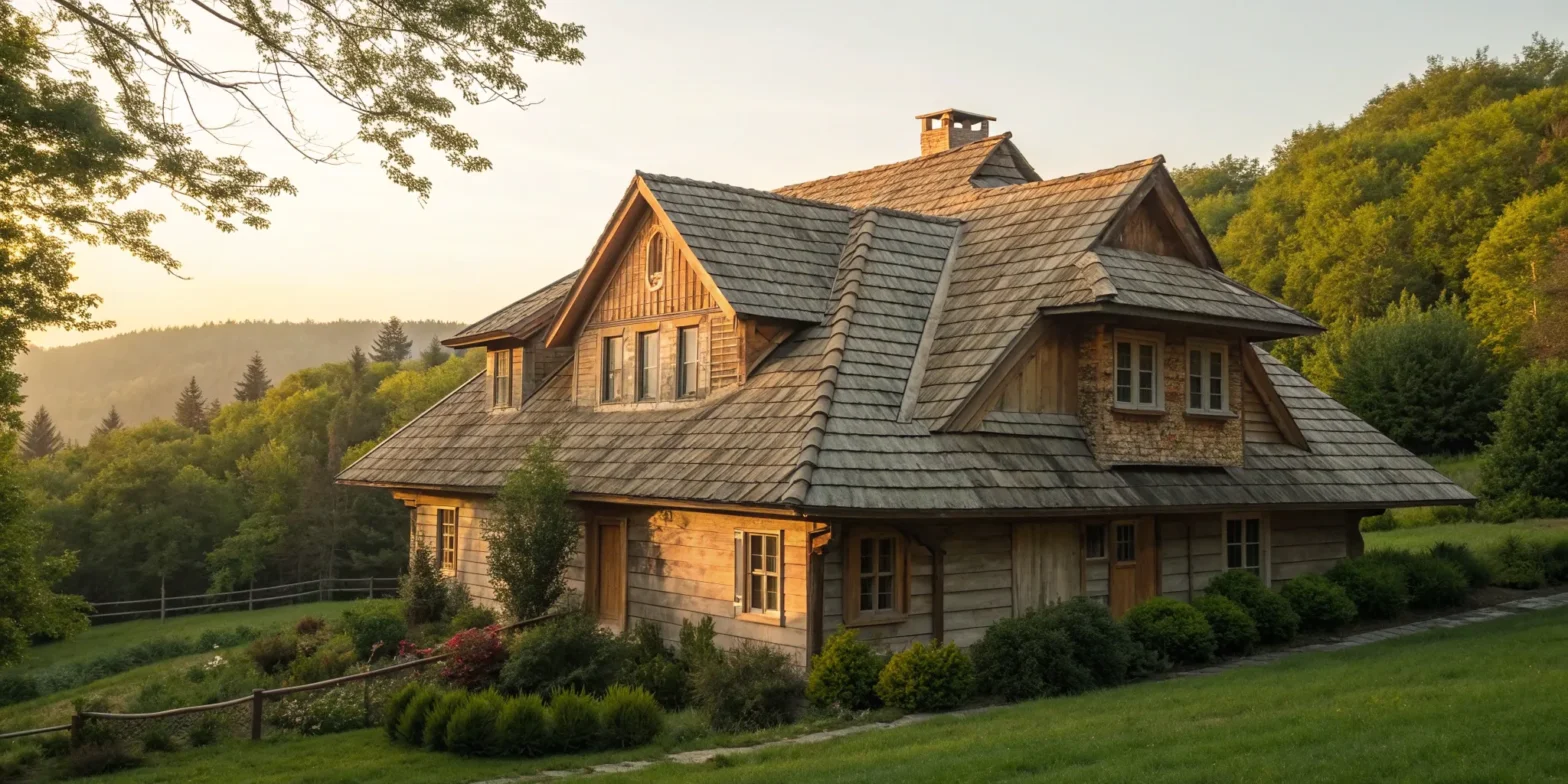
If you love a rustic, natural aesthetic that feels right at home in the Pacific Northwest, a wood shake roof might be exactly what you’re looking for. These roofs are made from thick pieces of wood, called shakes, that are split directly from logs. This process gives each piece a unique, textured appearance that adds incredible character and charm to a home. Unlike the uniform look of many other roofing materials, a wood shake roof has a rugged, dimensional quality that can’t be replicated.
Beyond their distinct beauty, wood shake roofs are known for their impressive durability. With proper installation and maintenance, they can last 30 to 50 years or even longer. They also provide excellent natural insulation, helping to keep your home warmer in the winter and cooler in the summer. Plus, their construction makes them highly resistant to strong winds—a definite advantage in our region. When you choose a high-quality residential roofing option like cedar shakes, you’re investing in a timeless look that blends perfectly with our area’s natural landscapes. But before you make a decision, it’s helpful to understand a few key details, like the difference between shakes and their close cousin, shingles, and which types of wood are best suited for the job.
Shakes vs. Shingles: What’s the Difference?
You’ll often hear the terms “shake” and “shingle” used together, but they aren’t the same thing. The main difference comes down to how they’re made. Wood shingles are cut by a machine, which gives them a smooth, uniform, and tapered look. Think of them as the more polished and precise option. Wood shakes, on the other hand, are traditionally split by hand. This hand-splitting process follows the natural grain of the wood, resulting in a rougher, more rustic, and less uniform appearance. This rugged texture is what gives shake roofs their signature character. Functionally, that hand-split nature also makes shakes a bit more resilient against wind and water.
A Brief History of Wood Roofing
Wood has been a trusted roofing material for centuries, and for good reason. Long before modern materials were available, wood shingles were a common sight in early North American colonies and across parts of Europe. Their use in some regions, like rural Scandinavia, continued well into the 1950s. This long history isn’t just a fun fact; it’s a testament to the material’s reliability and timeless appeal. When you choose a wood roof, you’re not just picking a building material—you’re connecting with a long tradition of craftsmanship that has protected homes for generations. Its enduring popularity speaks volumes about its natural beauty and proven performance, making it a classic choice that never goes out of style.
Understanding Wood Cuts and Styles
When you start looking into wood roofing, you’ll quickly realize that not all products are the same. The final look and, more importantly, the long-term durability of your roof depend heavily on two key factors: the quality of the wood grain and the style of the cut. The way a log is milled determines how stable the final shingle or shake will be, which is especially important in a damp climate like ours. Similarly, the choice between a smooth, uniform shingle and a rustic, textured shake will define your home’s entire aesthetic. Understanding these differences is the first step toward choosing a roof that you’ll love for decades to come and that will perform beautifully in the Pacific Northwest weather.
Wood Grain Quality
The angle at which a piece of wood is cut from the log directly impacts its strength and stability. The highest quality cut is called Edge Grain. It’s cut straight across the tree’s growth rings, making it incredibly stable and far less likely to warp or cup over time. The next type is Flat Grain, which is cut parallel to the rings. This cut is less stable and more prone to splitting as it ages. The least durable option is Slash Grain, cut at a random angle, which often results in an uneven appearance and a shorter lifespan. For a high-performing residential roof in the Pacific Northwest, investing in premium edge grain material is one of the most important decisions you can make to ensure longevity and performance.
Shake and Shingle Styles
The style you choose creates the visual signature for your roof. As we covered earlier, wood shingles are sawn by a machine, giving them a smooth, uniform appearance that creates clean, crisp lines. This style works well for homes where a polished, traditional look is desired. On the other hand, wood shakes are split from the log, which gives them a rougher, more textured surface with a natural, uneven thickness. This creates a rugged, rustic aesthetic that is incredibly popular in our region, as it complements the natural beauty of the landscape. The choice between the two is all about the character you want your home to have and the story you want it to tell.
What’s the Best Wood for a Shake Roof?
Not all wood is created equal when it comes to roofing. The hands-down favorite for wood shakes is Western Red Cedar. This isn’t just a style choice; it’s a practical one. Western Red Cedar is incredibly durable and contains natural oils and compounds that act as preservatives. These properties make it inherently resistant to moisture, decay, and insect damage, which is essential for a roof that’s constantly exposed to the elements. While other woods can be used, Western Redcedar is the industry standard because its natural resilience ensures your roof will look beautiful and perform well for decades. It’s the ideal material for creating a long-lasting, high-quality wood shake roof.
Cedar: The Classic Choice
When we talk about wood shake roofs in the Pacific Northwest, we’re almost always talking about Western Red Cedar. There’s a good reason it’s the gold standard. This remarkable wood is naturally equipped to handle our damp climate thanks to its inherent oils and compounds that act as preservatives. These properties make it incredibly resistant to moisture, rot, and insect damage—all major concerns for any exterior material in our region. Choosing a cedar shake roof means you’re getting a material that has evolved to thrive in environments just like ours. Its durability isn’t just a feature; it’s a core characteristic, ensuring your roof remains a beautiful and protective asset for decades.
Other Wood Options: Teak, Wallaba, and More
While Western Red Cedar dominates the market, it’s not the only wood used for roofing. In different parts of the world and for specific architectural styles, you might find roofs made from other durable woods. For instance, California redwood is another popular choice on the West Coast, sharing many of cedar’s resilient qualities. Other options include Atlantic white cedar, and even tropical hardwoods like teak or Wallaba, though these are far less common in our area. While these woods have their own merits, Western Red Cedar remains the most trusted and proven material for the unique weather challenges we face in the Puget Sound, making it the most practical and reliable choice for local homeowners.
Cost and Lifespan Considerations
It’s true that a wood shake roof has a higher upfront cost compared to more common materials like asphalt shingles. However, it’s best to view it as a long-term investment in your home’s value and protection. With professional installation and proper care, a quality cedar shake roof can last an impressive 30 to 50 years, easily outliving many other roofing types. This longevity means you won’t be facing replacement costs again for a very long time. Beyond its durability, the timeless curb appeal of a wood shake roof can significantly increase your home’s value. If you’re curious about the numbers, using a roofing cost calculator can give you a preliminary idea of the investment for your specific home.
Why Choose a Wood Shake Roof?
If you’re drawn to the classic, rugged beauty of a wood shake roof, you’re in good company. This roofing style has been a favorite for centuries, and for good reason. Beyond its stunning appearance, a wood shake roof offers some impressive practical benefits that make it a fantastic choice for homes in the Pacific Northwest. From natural energy efficiency to serious durability, let’s walk through the advantages of topping your home with real wood. Many people think of wood shakes as just a style choice, but their performance is just as compelling. When properly installed and maintained, a cedar shake roof is more than just a covering—it’s a long-term investment in your home’s character, comfort, and protection. It’s a material that works with our climate, offering a unique blend of rustic charm and resilience that few other options can match. In the following sections, we’ll explore exactly why so many homeowners fall in love with their wood shake roofs and never look back.
Stay Comfortable with Natural Insulation
One of the standout features of wood is its natural ability to insulate. Unlike materials that readily conduct heat, wood shakes have a dense cellular structure that slows heat transfer. This means they help keep your home warmer during our chilly Redmond winters and cooler when the summer sun finally makes an appearance. This insulating property can contribute to more stable indoor temperatures year-round, potentially reducing your reliance on heating and air conditioning. A more comfortable home and lower energy bills? That’s a win-win. It’s a smart, functional benefit that comes naturally with the material itself.
Add Instant Curb Appeal
There’s simply no substitute for the authentic, rustic charm of a wood shake roof. Each shake is unique, creating a rich, textured look with beautiful shadow lines that synthetic materials just can’t replicate. Wood shakes lend a timeless elegance that complements a wide range of architectural styles, from classic Craftsman homes to modern rustic designs. Over time, the wood naturally weathers to a distinguished silvery-gray, adding even more character. If you want to make a statement and significantly enhance your home’s curb appeal, a wood shake roof is one of the most effective ways to do it.
An Eco-Friendly Roofing Choice
For homeowners who prioritize sustainability, wood shakes are an excellent choice. They are made from a renewable resource—typically cedar trees harvested from well-managed forests. Unlike asphalt shingles, which are petroleum-based, wood is a natural material that is completely biodegradable at the end of its lifespan. Choosing wood means you’re opting for a roofing material that has a lower environmental impact from production to disposal. By selecting a natural material for your residential roofing, you can feel good about making a more environmentally conscious decision for your home and the planet.
Built to Withstand Wind and Weather
Don’t let their natural beauty fool you—wood shakes are incredibly tough. Their thickness, weight, and installation method make them highly resistant to damage from strong winds, which is a common concern here in the Puget Sound. While asphalt shingles can lift and tear off in a storm, wood shakes are known to withstand high winds, sometimes up to 173 mph. They also hold up well against hail and UV exposure. This inherent durability means a wood shake roof provides reliable protection, keeping your home safe and secure through whatever weather comes our way.
Potential Downsides to Consider
While wood shake roofs are undeniably beautiful, they come with a unique set of challenges that you’ll want to consider before making a final decision. Think of it like owning a classic car—it has incredible style, but it also requires more attention and a specific kind of care to keep it in top shape. Understanding these potential downsides will help you decide if a wood shake roof is the right long-term fit for your home and lifestyle. From maintenance needs to upfront costs, let’s walk through the practical side of owning a wood shake roof.
What About Fire Risk?
One of the most significant concerns with wood shake roofs is their flammability. Wood is a combustible material, which makes these roofs a higher fire risk compared to materials like metal or composition shingles. This is an especially important factor if you live in an area with dry seasons or proximity to woodlands where wildfires could be a threat. While modern wood shakes can be treated with fire retardants to meet certain safety standards, these treatments can add to the overall cost and may need to be reapplied over time. It’s crucial to check your local building codes, as some municipalities have restrictions on using wood roofing materials due to fire safety regulations.
The Reality of Wood Roof Maintenance
A wood shake roof requires more hands-on care than many other roofing types. To keep it looking great and functioning properly, you’ll need a consistent maintenance routine. This includes clearing away leaves, pine needles, and other debris that can trap moisture and encourage the growth of moss, algae, or fungi. Without regular cleaning and professional inspections, these issues can lead to rot and decay, shortening your roof’s lifespan. You’ll also need to have the wood treated with protective coatings periodically to preserve its integrity. If you’re looking for a low-maintenance option, a wood shake roof might not be the best choice.
Guarding Against Moisture and Rot
Here in the Puget Sound, we know a thing or two about rain, and that constant moisture can be tough on a wood roof. The natural cycle of wood getting wet and then drying out can cause the shakes to split, warp, or curl over time. This weathering process can weaken the wood fibers and create a “washboard” texture, which isn’t just a cosmetic issue—it can compromise the roof’s ability to shed water effectively. Proper installation with adequate ventilation is key to managing moisture, but even the best-installed roof will need your help to fend off the effects of our damp climate.
Understanding the Upfront Cost
There’s no getting around it: wood shake roofs are a premium product with a price tag to match. The materials themselves often cost 50% to 100% more than standard asphalt shingles because of the craftsmanship required to produce them. Installation is also more complex and labor-intensive, requiring specialized skills that come at a higher cost. While the final look is stunning, the initial investment is significant. Before you commit, it’s a good idea to get an estimate to see how a wood shake roof fits into your overall budget compared to other high-quality materials.
How Long Do Wood Shake Roofs Last?
One of the biggest questions homeowners have is about the lifespan of a wood shake roof. It’s a significant investment, so you want to know it will protect your home for decades. The great news is that wood shakes, particularly cedar, are known for their impressive durability. A well-installed and properly maintained wood shake roof can easily outlast many other common roofing materials, making it a fantastic long-term choice. The final lifespan depends on the quality of the shakes, the expertise of the installation, your local climate, and your commitment to regular maintenance. When you give your wood roof the care it needs, it will reward you with years of reliable performance and timeless beauty.
A Realistic Look at Lifespan
So, what’s a realistic number? Generally, you can expect a high-quality wood shake roof to last a very long time. According to industry experts, “The standard lifespan of cedar shake roof installations is between 40 and 50 years.” Of course, this is an average, and many roofs exceed this benchmark with the right care. The key takeaway is that your roof’s longevity is directly tied to its upkeep. The better you maintain it, “the longer life expectancy you will see.” Starting with premium materials like cedar, which is naturally resistant to rot and insects, gives your roof a strong advantage from day one and makes that 50-year mark very achievable.
Key Factors in Your Roof’s Durability
Several environmental factors can influence how your wood shake roof ages, especially here in the Pacific Northwest. As one study notes, “A roof’s lifespan depends on rainfall, temperature, roof slope, and nearby trees.” Our region’s frequent rain and lush tree canopy are beautiful, but they can be tough on a roof. Overhanging branches can drop leaves and needles that trap moisture, while the constant shade can encourage moss and algae growth. A steeper roof slope helps by allowing water to run off more efficiently, reducing the time that moisture sits on the wood. A professional residential roofing contractor can assess these factors and ensure your roof is set up for success.
Does Your Climate Affect Your Roof’s Lifespan?
Beyond your immediate property, the broader climate plays a major role. Moisture is the primary concern in the Puget Sound area. Consistent dampness can soften the wood over time, making it more susceptible to rot or pests if not properly maintained. Another factor to consider is fire risk. As one source points out, “Wood can catch fire easily. Because of this, wood shake roofs are not a good choice for homes in areas where wildfires are common.” Fortunately, you can address this by choosing Class A fire-rated, pressure-treated shakes. These modern materials offer excellent protection and are often required by local building codes, making wood a safe and beautiful option for your home.
How to Maintain Your Wood Shake Roof
A wood shake roof is a stunning feature, but its natural beauty requires a bit of upkeep to ensure it lasts for decades. Think of it like caring for a hardwood floor or a beautiful piece of wooden furniture—regular maintenance is key to preserving its integrity and appearance. Because wood is an organic material, it responds to its environment, and without proper care, it can be vulnerable to moisture, pests, and decay. By staying on top of a few simple tasks, you can protect your investment and keep your roof in top condition for years to come. A consistent care routine helps prevent common issues like moss growth, moisture damage, and premature aging, especially in the damp climate of the Puget Sound. This proactive approach doesn’t have to be complicated or time-consuming. It boils down to keeping your roof clean, applying protective treatments when needed, scheduling professional check-ups, and following a simple seasonal checklist. Taking these steps will not only extend the life of your roof but also keep it looking its best, ensuring it remains a valuable and beautiful asset to your home.
Clear Away Leaves and Debris
One of the simplest yet most effective things you can do for your wood shake roof is to keep it clean. Throughout the year, leaves, pine needles, and small branches can accumulate on the surface. This debris traps moisture against the wood, creating a perfect environment for moss, algae, and rot to develop. Before the fall rains begin, make it a point to gently sweep or use a leaf blower to clear everything off. A clean roof can dry out properly, which is essential for preventing decay and extending the life of the shakes.
Use Treatments to Protect the Wood
To give your roof an extra layer of defense, consider applying a protective treatment every few years. These treatments are specifically designed for wood shakes and act as a shield against the elements. Look for products that offer a water repellent to keep moisture out and UV inhibitors to prevent the sun from breaking down the wood fibers. Many high-quality treatments also contain fungicides, which help stop moss and algae growth before it starts. Proper care and maintenance, including the right treatments, will keep your shakes strong and resilient.
Why You Need Professional Inspections
While you can handle much of the routine cleaning yourself, nothing beats a professional eye. Scheduling a professional inspection every few years allows an expert to assess the health of your roof up close. A trained roofer can spot subtle signs of trouble you might miss, like cracked shakes, hidden moisture damage, or issues with the underlayment. Catching these problems early can save you from much larger and more expensive repairs down the road. An annual check-up is a small investment that provides peace of mind and helps ensure your residential roofing system is performing as it should.
Your Seasonal Maintenance Checklist
Creating a simple seasonal checklist can make roof maintenance feel much more manageable. In the spring and fall, clear your gutters to ensure water can flow freely away from the roof and foundation. After major storms, do a quick visual check from the ground for any obviously loose, cracked, or missing shakes. It’s also a great idea to trim back any overhanging tree branches. This not only reduces the amount of debris that falls on your roof but also allows more sunlight to reach it, helping it dry faster after it rains.
What Does a Wood Shake Roof Cost?
Let’s talk about the investment. A wood shake roof is a premium choice, and its price reflects the quality, craftsmanship, and natural beauty it brings to your home. While the initial cost is higher than for some other materials, it’s helpful to understand what goes into the price tag and how it pays off over time. The final cost depends on several factors, including the size and complexity of your roof, the specific type of wood you choose, and local labor rates. Think of it not just as an expense, but as a long-term investment in your home’s protection and curb appeal.
What’s Included in the Installation Cost?
So, why are wood shakes more expensive than, say, standard asphalt shingles? It comes down to two key things: the material and the installation. Wood shakes are thicker and more irregular than shingles because they are typically split by hand, which gives them their distinctive rustic texture. This requires a more specialized and time-consuming installation process. Each shake has to be placed individually by a skilled roofer to ensure a perfect, weather-tight fit. This meticulous labor, combined with the higher cost of the premium wood itself, makes up the bulk of the installation price.
Wood Shakes vs. Other Materials: A Cost Comparison
When you line up the numbers, a wood shake roof almost always costs more upfront than common alternatives like asphalt. You can often expect the price to be 50% to 100% higher. For a standard 2,500-square-foot home, a new wood shake roof could range from $36,000 to $54,000. Of course, this is just a ballpark figure. The best way to understand the cost for your specific home is to get a personalized estimate. This will give you a clear picture of the investment required for your property.
Is It a Good Long-Term Investment?
Absolutely. While the initial sticker price is higher, a wood shake roof can be an excellent long-term investment. Their lifespan is one of their biggest selling points, typically lasting 30 to 50 years with proper maintenance. That’s more than double the lifespan of many asphalt shingle roofs, which often need replacing in 15 to 20 years. This durability means you won’t have to worry about a replacement for decades. Plus, the timeless, natural beauty of a wood shake roof adds significant curb appeal and can even increase your home’s resale value, making it a smart choice for any homeowner focused on quality and long-term performance in their residential roofing.
Is It Time for a Repair? Watch for These Signs
Your wood shake roof has a tough job protecting your home from the Pacific Northwest weather. While these roofs are known for their durability, they still need attention to stay in top shape. Catching problems early can save you from bigger, more expensive headaches down the road. Knowing what to look for is the first step, and many warning signs are easy to spot.
Spotting Curls, Cracks, and Splitting
Start with a simple visual check from the ground. Can you spot any shakes that are splitting, cracking, or curling up at the edges? Over time, constant exposure to sun and rain wears down the wood, which can create a grooved, “washboard” appearance. Also, keep an eye out for dark patches or discoloration. While moss and lichens don’t directly harm the wood, they trap moisture against the surface. This damp environment is a breeding ground for fungi, which can lead to wood decay and rot. Widespread discoloration is a clear signal your roof needs a closer look.
Don’t Ignore These Structural Red Flags
Beyond surface-level issues, there are more serious structural signs to be aware of. Are any shakes missing, especially after a big windstorm? Gaps in your roof are a direct invitation for water to seep in. Inside your home, check the attic and top-floor ceilings for any water stains or signs of leaks. An even more critical warning is a sagging roofline. If any part of your roof appears to be dipping or bowing, it could point to a significant problem with the underlying structure, often caused by prolonged water damage. These issues require immediate professional assessment for your residential roofing.
When to Call a Roofing Pro
While it might be tempting to climb up and fix a loose shake yourself, working on a wood roof can be tricky and unsafe without the right experience. If you spot any of the visual or structural warning signs we’ve covered, your best move is to call a professional. A qualified roofing contractor can perform a thorough inspection to find the root cause of the problem, not just the symptoms. They can accurately tell you whether you’re looking at a simple repair or if it’s time for a replacement. Regular professional inspections are also a key part of maintenance, helping you catch small issues before they become major ones.
Alternatives to Natural Wood Shakes
Love the look of wood shakes but not the idea of all that maintenance? You’re not alone. The timeless, rustic charm of a wood roof is hard to beat, but the reality of upkeep in our damp climate can be a real concern. Fortunately, modern roofing technology has come a long way, offering some fantastic alternatives that give you that classic wood-shake aesthetic without the demanding maintenance schedule. These materials are engineered to stand up to the wind, rain, and moss that are part of life in the Puget Sound. Let’s look at two of the most popular options: synthetic composite shakes and rubber shake shingles, both of which deliver stunning looks and serious performance.
Synthetic Composite Shakes
Synthetic composite shakes are a game-changer for homeowners who want the beauty of cedar without the upkeep. Crafted from high-quality polymers and recycled materials, these shakes are designed to replicate the authentic texture and color variations of natural wood. The result is a roof that has the same rich, dimensional appearance but with superior durability. Brands like DaVinci Roofscapes and EcoStar offer products that are incredibly resistant to harsh weather, impact, and fire. Unlike real wood, they won’t split, crack, or rot, and they require virtually no maintenance beyond occasional cleaning. With a lifespan that often exceeds traditional wood, they are a smart, long-lasting investment for any residential roofing project.
Rubber Shake Shingles
If you’re looking for a durable and eco-friendly option, rubber shake shingles are an excellent choice. Often made from recycled materials like old tires, these shingles are a sustainable way to get the wood-shake look while reducing your carbon footprint. They are specifically engineered to handle extreme weather, making them a perfect fit for the Pacific Northwest. Rubber shakes can withstand heavy rain, high winds, and even hail without cracking or breaking. They are also incredibly low-maintenance, as the material naturally resists moisture, moss, and algae growth, so you won’t need to worry about regular sealing or treatments. This makes them a practical and resilient alternative for a beautiful, long-lasting roof.
Thinking of a Wood Shake Roof? Read This First
A wood shake roof is a significant investment that defines your home’s character. Before you commit, it’s important to look beyond the beautiful, rustic aesthetic. Practical factors like our Pacific Northwest climate, local building codes, and your home’s specific style all play a huge role in whether wood shakes are the right choice for you. Thinking through these key areas will help you make a decision you’ll be happy with for years to come.
Common Wood Shake Myths, Busted
Many people assume wood roofs are fragile, but that’s not the whole story. Because wood shakes are split by hand, their rugged, uneven texture is actually better at resisting wind and water than you might expect. Another common myth is that they only fit country-style homes. While they offer a wonderful rustic look, their natural charm complements a wide range of architectural styles, from traditional to modern craftsman. The biggest concern—fire risk—is a valid one. While modern treatments can improve fire resistance, it’s a crucial factor in your decision and something you’ll need to address with local codes.
Is a Wood Roof Right for Your Climate?
Here in the Puget Sound, our weather is a major consideration. The good news is that wood shakes are very strong against wind damage, holding up well during our stormy seasons. However, their natural material makes them more vulnerable to moisture. In our rainy, humid climate, a wood shake roof can be susceptible to mold, mildew, or rot without proper care. This means you must be ready to commit to regular maintenance. This includes keeping the roof clear of debris and applying protective treatments every few years to prevent algae growth and preserve the wood’s integrity against constant dampness.
Are Wood Shake Roofs Legal in Your Area?
This step is non-negotiable. Because wood is a combustible material, many municipalities have specific regulations about where wood shake roofs can be installed, especially in areas with any wildfire risk. Before you get too attached to the idea, it’s essential to check your local building and fire codes in Redmond or your specific city. These rules can dictate the type of wood, treatments required, and even if they’re allowed at all. A professional residential roofing contractor can help you with the specific requirements in your area to ensure your new roof is not only beautiful but also fully compliant and safe.
How to Match a Roof to Your Home’s Style
A wood shake roof makes a strong style statement. Its textured, rustic appearance with deep shadow lines gives a home a unique and natural character that’s hard to replicate. This style is a perfect match for homes that blend with natural scenery, like the traditional, ranch, or craftsman houses common throughout our region. While a wood shingle roof offers a smoother, more uniform look, shakes provide a rugged, dimensional quality that can significantly enhance your home’s curb appeal. It’s a choice that makes your home feel truly one-of-a-kind and connected to its surroundings.
How to Choose the Right Roofing Contractor
Choosing the right material for your roof is a huge decision, but picking the right person to install it is just as critical. A wood shake roof is a specialized system, and the quality of the installation will determine its lifespan and performance. You want a team that not only understands the nuances of working with natural wood but also has a proven track record in the Pacific Northwest climate. The right contractor will guide you through the process, ensuring your investment is protected and your home looks stunning. Finding a trustworthy partner for your residential roofing project is the key to a successful outcome. A great contractor acts as your project manager, handling everything from the initial tear-off to the final cleanup, leaving you with nothing but a beautiful, durable roof.
What to Expect During Installation
Once you’ve found a potential contractor, the installation process should be transparent and professional from the start. It typically begins with a thorough inspection of your existing roof and attic to assess the underlying structure. Following this, you should receive a detailed, written proposal. This document is more than just a price quote; it should clearly outline the full scope of work, the specific type of wood shakes to be used, underlayment details, a projected timeline, and a complete cost breakdown. Don’t be afraid to ask questions—a reputable contractor will be happy to walk you through every line item so you feel completely comfortable before work begins.
The Role of Underlayment and Flashing
Beneath those beautiful wood shakes, an unseen system is working hard to keep your home dry. The first part of this system is the underlayment, a waterproof barrier that acts as your roof’s hidden defense against moisture. It’s the final shield protecting your roof deck from the constant dampness of our Pacific Northwest climate, which is essential for the roof’s long-term durability. Next is the flashing—the custom-fitted metal pieces installed around chimneys, vents, and in the roof’s valleys. Its job is to channel water away from the most vulnerable spots where leaks could start. These components are only effective when installed with precision. Proper layering and sealing are what make a wood shake roof a truly resilient, long-lasting system, preventing water damage before it ever has a chance to begin.
Questions to Ask Your Roofing Contractor
Doing your homework on a contractor is the best way to protect yourself and your home. First, cover the basics: confirm they are licensed, bonded, and insured in Washington. This is non-negotiable, as it protects you from liability in case of accidents or property damage. Next, dig into their reputation. Look for online reviews on multiple platforms and ask for a list of recent references you can call. It’s also a great idea to ask to see a portfolio of their previous wood shake roof installations. This due diligence is just as important for commercial property owners as it is for homeowners.
Understanding Warranties and Quality Standards
A contractor’s confidence in their own work is often reflected in the warranties they offer. You should look for two types of coverage: a manufacturer’s warranty on the wood shakes themselves and a workmanship warranty from the installer. The workmanship warranty is crucial, as it covers any issues that might arise from the installation process. Be sure to get the details of both warranties in writing. Understand what is covered, the duration of the coverage, and what the process is for filing a claim. A strong warranty provides peace of mind and is a clear sign that you’re working with a professional who stands behind their quality.
Related Articles
- Choosing the Right Roofing Design for Your Home
- Top Commercial Siding Materials & Their Pros and Cons
Frequently Asked Questions
Are wood shakes really a good idea for our rainy PNW weather? This is a great question. While it seems counterintuitive, wood shakes can perform beautifully here. Their weight and texture make them excellent at resisting our strong winds. The key is managing moisture. Proper installation with good ventilation is the first step, and consistent maintenance—like keeping the roof clear of damp leaves and debris—is essential to prevent issues like moss or rot. With the right care, a cedar shake roof can handle the PNW climate for decades.
Honestly, how much maintenance does a wood shake roof require? It’s definitely more hands-on than an asphalt roof, but it’s manageable if you have a routine. Plan on clearing debris off the roof and out of the gutters at least twice a year, especially in the spring and fall. Every few years, you’ll want to consider having a professional apply a protective treatment to repel water and prevent moss growth. A professional inspection every couple of years is also a smart move to catch any small issues before they grow.
Should I be worried about the fire risk with a wood roof? It’s a valid concern, but modern wood shakes are not the same as the untreated ones from decades ago. Today, you can get shakes that are pressure-treated with fire retardants to achieve a Class A fire rating, which is the highest level of protection available. It’s crucial to check your local building codes, as some areas have specific requirements. When installed correctly with these modern materials, a wood shake roof can be a safe option.
Will a wood shake roof actually increase my home’s value? Yes, it certainly can. A wood shake roof adds a level of character and curb appeal that few other materials can match, which can make your home more attractive to potential buyers. Because they are a premium product with a very long lifespan, they are seen as a high-quality, long-term feature. While the initial cost is higher, that investment is often reflected in your home’s overall market value.
How can I be sure a contractor is an expert in wood shake installation? This is so important because installation is everything. When you’re vetting contractors, ask them specifically about their experience with wood shakes, not just general roofing. Ask to see a portfolio of their completed wood shake projects and for references from those specific jobs. A true expert will be able to discuss the nuances of proper ventilation, underlayment, and the specific techniques required for working with natural wood.
Why Professional Installation is Non-Negotiable
When it comes to a wood shake roof, the quality of the installation is every bit as important as the wood itself. This isn’t a job for a general handyman; it’s a specialized craft that requires a deep understanding of how wood behaves in our damp Pacific Northwest climate. Each shake must be individually placed and fastened to create a system that can effectively shed rain and withstand high winds. A contractor with proven experience in residential roofing, specifically with cedar shakes, will know how to ensure proper ventilation and underlayment—two critical factors that prevent moisture from getting trapped and causing rot. Getting the installation right from the start is the single most important thing you can do to guarantee your beautiful new roof lasts for decades.