
Date
Wed Mar 4We’ve all seen it: the house with peeling paint and sloppy trim. Here in the Pacific Northwest, that’s more than just an eyesore—it’s a sign your home is losing the battle against our constant rain. When you start searching for a painter, you need a pro who truly understands our climate. This guide will show you the average cost to paint a house and exactly what to look for in a contractor in Woodinville. We’ll give you the right questions to ask so you can hire a true craftsperson.
Key Takeaways
- Confirm license and insurance first: Before hiring anyone, make sure they have a valid license and carry both general liability and workers’ compensation insurance. This crucial step protects you from being held responsible for accidents or property damage.
- Look for value, not just the lowest price: The cheapest quote is often a red flag for shortcuts or low-quality materials. A professional estimate will be detailed, outlining the prep work, paint brands, and labor costs so you understand the true value of the job.
- Get everything in writing before work begins: A verbal agreement isn’t enough. A comprehensive contract should clearly define the project scope, timeline, materials, and payment schedule to ensure you and your painter are on the same page.
How to Find the Best Local Painter for Your Home
Finding the right painter can feel like a big task, but it doesn’t have to be overwhelming. The key is knowing what to look for and what questions to ask. A great paint job can completely transform your home, so taking the time to find a skilled and reliable professional is well worth the effort. By focusing on a few key areas like their background, legal standing, and previous work, you can confidently hire a painter who will deliver fantastic results. Let’s walk through the essential steps to vet your local painting pros.
Vet Their Experience and Credentials
Experience is more than just a number; it’s a sign of reliability and skill honed over time. A painter who has been in business for a decade or more has likely seen it all and knows how to handle unexpected challenges. They’ve built a reputation they want to protect. When you’re talking to potential painters, ask how long they’ve been in business and what kind of projects they specialize in. You can also look for credentials, like certifications or memberships in groups like the Painting Contractors Association, which shows a commitment to professional standards and ongoing education in their craft.
Are They Licensed and Insured?
This step is non-negotiable. Before you hire anyone, confirm they are properly licensed and insured. A professional painter should carry both general liability insurance to cover any damage to your property and workers’ compensation insurance to cover their crew in case of an injury on the job. This protects you from being held financially responsible for accidents. Reputable companies are always transparent about their coverage. You can, and should, ask for a certificate of insurance. For local contractors, you can also verify their license with the Washington State Department of Labor & Industries.
Ask to See Their Portfolio
A picture is worth a thousand words, especially when it comes to painting. Ask to see a portfolio of their completed projects. Look for homes with a similar style or scope to yours. Here’s a pro tip: don’t just look at brand-new work. Ask if you can see photos of, or even drive by, a project they completed a few years ago. This gives you a real sense of how their work holds up against the elements. Don’t hesitate to ask for references from recent clients, and actually call them to ask about their experience with the crew and the final result.
Understanding Professional Painting Services
When you think about hiring a painter, you probably picture someone with a roller and a can of paint. While that’s part of the job, professional painting services go far beyond just changing the color of your walls. A reputable painter is a craftsperson who prepares, protects, and beautifies your home’s surfaces. Their work is your home’s first line of defense against wear and tear on the inside and harsh weather on the outside.
Think of a great paint job as a crucial part of your home’s overall exterior health, working alongside your roofing and siding to keep everything protected. Professional painters handle the entire process, from meticulous prep work to the final, flawless coat. They offer a wide range of services that can completely refresh your living space or give your home’s exterior a major facelift. Understanding the full scope of what they can do helps you find the right pro for your project and ensures you get the beautiful, long-lasting results you’re paying for.
Interior House Painting
Interior painting is all about transforming your living spaces with precision and care. A professional painter’s work starts long before the first coat is applied. They handle all the necessary prep, which includes moving furniture, protecting floors, and taping off edges. They also repair minor imperfections like nail holes and cracks in the drywall to create a perfectly smooth surface. Their services typically cover walls, ceilings, trim, doors, and even built-in shelving. A skilled painter can help you choose the right paint finish, whether you need a durable semi-gloss for a busy kitchen or a flat matte for a formal dining room.
Exterior House Painting
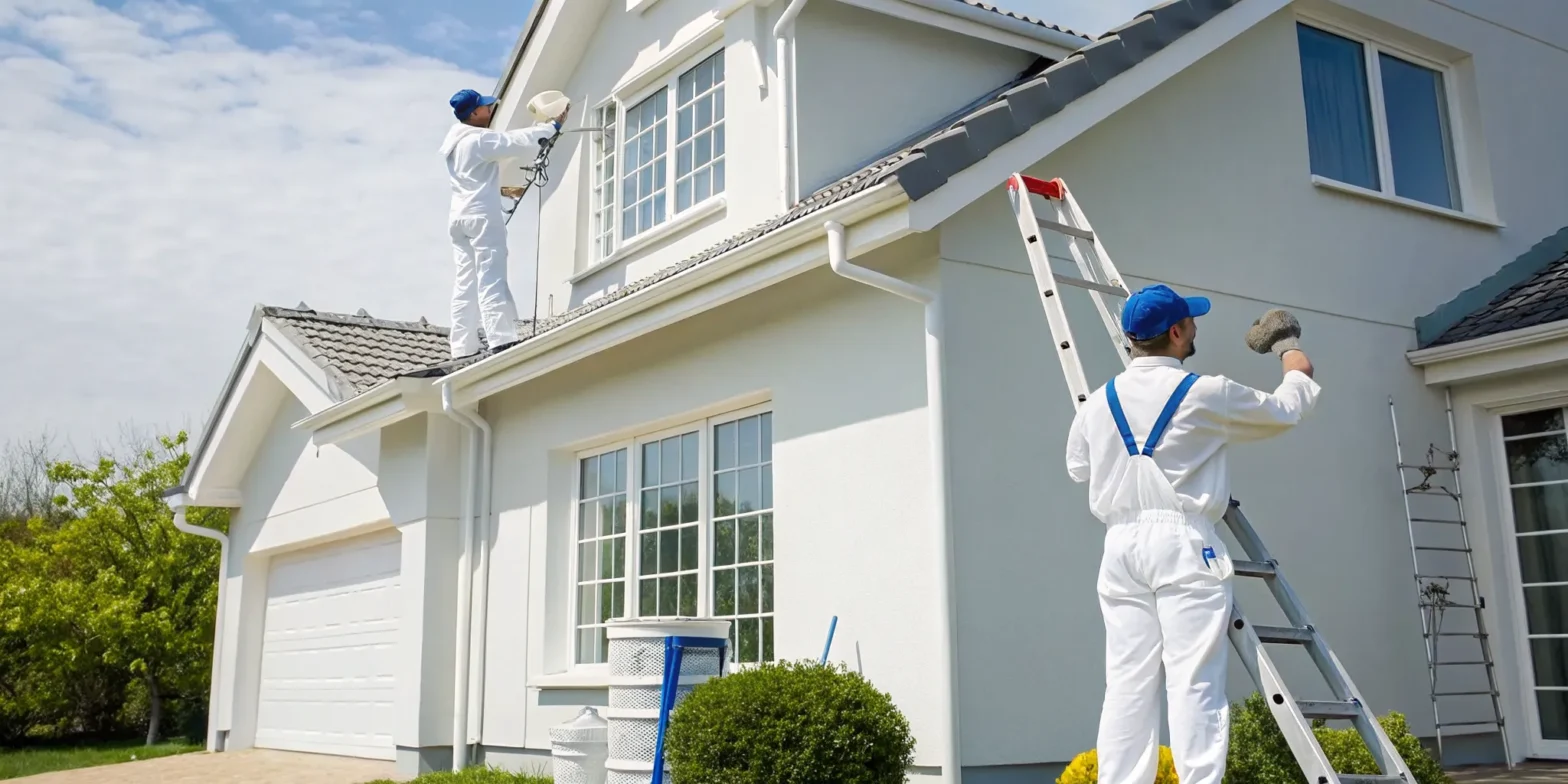
Exterior painting is one of the most effective ways to protect your home while seriously improving its curb appeal. This service is critical for safeguarding your home’s exterior from the damp Puget Sound climate. Professional painters prepare surfaces by pressure washing away dirt and mildew, scraping off old, peeling paint, and caulking gaps to seal out moisture. They then apply high-quality primers and paints designed to withstand the elements. This service covers everything from your home’s siding to trim, doors, and shutters. A quality exterior paint job is essential for preserving materials like wood and is a perfect final touch after installing new residential siding.
Roof Painting
While not as common as siding or trim painting, roof painting is a specialized service that can protect and revitalize certain types of roofs, particularly metal ones. It’s more than just a cosmetic update; a proper roof coating acts as a protective barrier, reflecting UV rays, sealing minor cracks, and extending the life of the material underneath. This process requires specific knowledge of materials and application techniques to ensure the coating adheres correctly and provides long-lasting protection. When done right, it’s a cost-effective way to maintain one of your home’s most important assets without committing to a full replacement.
Benefits of Painting Your Roof
Painting your roof can be a smart move to refresh your home’s look and even help with energy savings. A fresh, reflective coating can lower the temperature of your roof, which may translate to reduced cooling costs during warmer months. It’s also a budget-friendly alternative to a full replacement when your roof is still in good structural shape. For a fraction of the cost—often between $1,000 and $3,000 compared to $10,000 or more for a new roof—a professional paint job can give your roof a new lease on life, instantly improving your home’s curb appeal and adding a layer of protection against the elements.
When to Paint vs. When to Replace Your Roof
Deciding whether to paint or replace your roof comes down to its current condition and age. If your roof is relatively new and structurally sound but is showing signs of fading or minor wear, a fresh coat of paint can be a great maintenance step. However, if you’re dealing with extensive damage, widespread leaks, or a roof that’s nearing the end of its expected lifespan, painting is just a temporary fix that covers up bigger problems. The best way to know for sure is to have a professional take a look. An experienced roofer can assess the structural integrity and tell you if you’d be better off investing in a full roof replacement.
Choosing the Right Paint for Metal Roofs
Not all paint is created equal, especially when it comes to your roof. Using the right product is critical for a durable, long-lasting finish. For metal roofs, you’ll want to use a water- or oil-based acrylic paint specifically formulated for that surface. This ensures the paint will adhere properly and withstand constant exposure to sun, rain, and temperature changes. For a more environmentally friendly option, look for paints with low or no volatile organic compounds (VOCs), which are harmful chemicals found in some paints. A professional painter will know exactly which product is best suited for your specific roof type and climate.
Important Considerations Before Painting
A successful roof painting project is all in the preparation. Before any paint or primer is applied, the surface must be meticulously cleaned, usually with a pressure washer, to remove all dirt, grime, and loose debris. This step is essential for proper adhesion. A quality roof coating can also seal minor cracks and prevent small leaks from becoming big problems. While you should generally plan to repaint about every 10 years, some high-quality paints can last much longer, making it a durable investment in your home’s protection. Always ensure this prep work is clearly outlined in your painter’s estimate.
Beyond the Basics: Specialty Finishes
Many painting companies offer a variety of related services, allowing you to tackle multiple projects with a single trusted contractor. These add-ons often include tasks that go hand-in-hand with painting. For example, if you’re tired of outdated wallpaper, many painters offer professional removal services. They can also handle light carpentry to repair rotted wood trim before painting. Other common specialty services include kitchen cabinet refinishing, deck and fence staining, and even pressure washing for driveways and patios. Bundling these jobs can save you time and the headache of coordinating with several different companies for your home improvement projects.
How Much Does It Cost to Hire a Painter?
Figuring out a budget for a painting project is one of the first steps, and the cost can vary quite a bit. On average, you can expect professional painting to cost between $3 and $8 per square foot. Some painters find that exterior work runs a little higher, from about $4.50 to $9 per square foot, while interior jobs average around $3.50 per square foot. Think of these numbers as a starting point, because the final price tag depends on the specifics of your project.
The size of your home, the condition of the walls, and even the type of paint you choose will all play a role in the final quote. A simple, one-room job will cost much less than a full exterior repaint that requires extensive prep work. While we at Landmark focus on protecting your home with durable roofing and siding, we know that a fresh coat of paint is another key part of maintaining your home’s curb appeal and value. Getting a detailed estimate from a qualified painter is the best way to understand the true cost for your specific needs.
Factors That Affect House Painting Costs
Several key factors determine a painter’s final quote. The biggest one is the scope of work, which includes the total square footage, whether it’s an interior or exterior job, and the amount of prep required. If your walls have cracks, holes, or peeling paint, the painter will need to spend extra time on repairs, sanding, and priming, which adds to the labor cost. The type and quality of paint also matter; premium paints cost more upfront but offer better coverage and durability. While a DIY approach might seem cheaper, you often save in the long run with a professional who uses high-quality materials and gets the job done right the first time.
The Average Cost to Paint a Roof
Painting your roof, especially a metal one, can be a smart way to refresh its look and add a layer of protection without the cost of a full replacement. Generally, you can expect the cost to paint a metal roof to fall between $1.20 and $2.70 per square foot. For a typical 2,500-square-foot roof, that means a total project cost of roughly $1,440 to $3,300. This process not only improves curb appeal but can also help reflect sunlight and extend the life of your roofing material. While it’s a great maintenance step, it’s important to know when painting is the right call versus when you might need to consider a full roof replacement to address underlying issues.
Labor and Additional Project Costs
The total price of a roof painting job is split between labor and materials. Labor is the largest part of the expense, typically running from $40 to $90 per hour, or about $1 to $3 per square foot, depending on the complexity of your roof. The paint itself usually adds another $0.30 to $0.40 per square foot. It’s tempting to cut costs here, but the quality of both the paint and the painter’s work will determine how long the finish lasts. A professional job involves thorough cleaning and preparation, which is critical for adhesion and durability. Investing in an experienced painter ensures the job is done safely and effectively, giving you a protective finish that will withstand the elements for years to come.
Decoding Your Painting Estimate
When you get an estimate, it should be more than just a number on a piece of paper. A professional quote will be a detailed document that breaks down all the costs. Look for an itemized list that includes the cost of labor, the specific paints and materials to be used (including brand and color), and a clear description of the prep work involved. The estimate should also outline the project timeline and payment terms. Once you agree to the terms, make sure you obtain a complete contract that includes the painter’s contact information, license number, and all the details from the estimate. This protects both you and the contractor.
Painting Cost Myths, Busted
One of the biggest myths is that hiring a professional painter is always too expensive. While it’s an investment, a pro painter saves you valuable time, handles all the tedious prep and cleanup, and delivers a flawless finish that’s hard to achieve on your own. Another common myth is that all paint is the same. The truth is, the quality of paint makes a huge difference. Premium paints from brands like Sherwin-Williams or Benjamin Moore have a different chemical makeup than cheaper options, offering better adhesion, color retention, and washability. Using a higher-quality paint means your new paint job will look great for years to come.
Where to Find Reputable Local Painters
Finding the right painter can feel like a huge task, but it doesn’t have to be overwhelming. A quality paint job can completely transform your home, so taking the time to find a skilled professional is a smart investment. The key is knowing where to look. By combining a few different search methods, you can build a solid list of potential candidates to interview. We’ll walk through three reliable ways to find the best local painters: starting with a broad online search, tapping into your local network for trusted recommendations, and checking with professional organizations for certified experts. This approach helps you gather options, vet them thoroughly, and choose a painter you can trust.
How to Search for Painters Online
Your first instinct is probably to grab your phone and search for “painters near me,” and that’s a great place to start. Websites like Google, Yelp, and Houzz can give you a quick overview of local companies. As you browse, look beyond the star ratings. A professional painter’s online profile should include a clear list of services, a gallery of high-quality photos from past projects, and detailed customer reviews. Many homeowners search for painters online because hiring a vetted professional reduces the risk of a botched job or a contractor who disappears mid-project. Use your online search to create a shortlist of three to five companies that look promising.
Get Recommendations from Friends and Neighbors
Don’t underestimate the power of a good old-fashioned recommendation. Ask friends, family, and neighbors whose homes you admire who they hired for their paint jobs. People are usually happy to share their experiences, both good and bad. You can also ask other trusted trade professionals, like your roofer or plumber, if they have painters they recommend. When you get a name, ask specific questions about their experience. Was the crew professional? Did they stick to the timeline and budget? A key piece of advice is to be wary of any painter who won’t provide a written warranty for their work before you sign a contract. A confident professional will always stand behind their craftsmanship.
Check with Professional Painting Associations
For another layer of confidence, check out professional trade organizations. The Painting Contractors Association (PCA) is a great resource. Painters who are members of these associations are often more dedicated to their craft, staying current on the latest techniques and products. They also typically agree to a code of ethics, which means they’re committed to professionalism and customer satisfaction. A great painting company works with you, not just around you, and membership in a professional group is often a sign of that commitment. You can often use these associations’ websites to find accredited painters in your area, giving you a pre-vetted list of serious professionals to consider for your project.
Don’t Hire a Painter Without Asking These Questions
Once you’ve narrowed your list down to a few promising candidates, it’s time to dig a little deeper. Asking smart, specific questions before you sign a contract is the best way to ensure you’re hiring a true professional who will respect your home and deliver fantastic results. Think of this as the final interview round. A great painter will be happy to answer your questions and provide clear, confident responses. This conversation helps set clear expectations for both of you and is a crucial step in finding the right partner for your project. It’s your chance to confirm all the details, from the type of paint they use to the final payment schedule, ensuring there are no surprises down the road.
Ask About Their Process and Materials
A professional painter should be able to give you a clear and realistic timeline for your project, including a start date and an estimated completion date. Ask them what a typical workday looks like and how they plan to protect your furniture and floors. It’s also important to talk about the specific materials they plan to use. Don’t just settle for “high-quality paint.” Ask for brand and product names. A great way to gauge the durability of their work is to ask for addresses of past projects. Make sure to examine jobs from several years ago to see how their craftsmanship and material choices hold up against time and weather.
What Kind of Guarantee Do They Offer?
A warranty or guarantee is a painter’s promise to stand behind their work. Before you hire someone, you need to understand exactly what they cover and for how long. Ask if they offer a guarantee on their labor and the materials used. Some companies offer a multi-year guarantee on their painting work, which gives you peace of mind knowing they’ll address any issues like chipping or peeling that might pop up after the job is done. A contractor who is confident in their skills will have a clear policy. This isn’t just about fixing potential problems; it’s a sign of professionalism and commitment to your satisfaction.
Understanding Roof Painting Warranties
When it comes to painting your roof, you need to look at two different warranties. First, the painter should guarantee their own labor against issues like peeling or fading. Second, the paint manufacturer often provides a separate, long-term warranty on the product itself, sometimes for 20 years or more. But here’s a critical detail you can’t afford to miss: applying a coat of paint might cancel any existing warranty you have on your roofing material. Before you sign any contracts, be sure to read the fine print on your current roof warranty and ask the painter for specifics on their coverage. This ensures you’re not accidentally trading one protection for another.
Understand the Contract and Payment Schedule
Never move forward without a detailed written contract. This document protects both you and the painter by outlining every aspect of the job. Make sure the contract includes all key information: the contractor’s full name, address, phone number, and license number, along with a detailed description of the work, materials, and total cost. Pay close attention to the payment terms. While a deposit is standard, be wary of requests for a large upfront payment. A typical structure might be a third to start, a third midway, and the final third upon satisfactory completion. This ensures the painter is motivated to finish the job to your standards.
Comparing Painting Quotes: What to Look For
Once you have a few painting estimates in hand, the real work begins. It can be tempting to just scan for the lowest price, but a smart comparison goes much deeper. Taking the time to properly evaluate each quote helps you find a reliable professional who will deliver high-quality, lasting results. This process is your best tool for understanding exactly what you’re paying for and avoiding any unwelcome surprises once the project starts.
Why One Quote Is Never Enough
A good rule of thumb is to get at least three different estimates for your painting project. The goal here isn’t just to find the cheapest option; it’s to get a clear picture of the market rate and understand how different professionals approach the job. You might find that one painter recommends a specific type of paint for our Pacific Northwest climate, while another includes more detailed prep work in their quote. Seeing these variations helps you spot what’s standard and what’s a shortcut. Choosing the lowest bid without comparing the details is a common pitfall, so gathering a few quotes gives you the perspective needed to make an informed decision.
How to Spot a Good (and Bad) Quote
A professional quote should be a detailed document, not just a number scribbled on a business card. Make sure every estimate you receive is in writing and includes the contractor’s full name, address, phone number, and license number. The scope of work should be clearly defined, listing the exact areas to be painted, the prep work involved (like pressure washing, scraping, and priming), and the specific brand and finish of paint they plan to use. A clear breakdown of costs for labor and materials, along with a projected timeline, should also be included. Finally, a reputable painter will always offer a written warranty for their work.
Look for Value, Not Just the Lowest Price
The cheapest quote often ends up being the most expensive in the long run. True value lies in the intersection of quality materials, expert craftsmanship, and a durable finish that will protect your home for years to come. A slightly higher upfront cost might reflect more thorough prep work or the use of premium paint, which can save you from costly repairs and premature repainting. It’s similar to investing in other major exterior updates, like new residential roofing or siding. Quality work from a trusted professional provides peace of mind and lasting results that a bargain price rarely delivers.
Reading Between the Lines of Online Reviews
Online reviews can feel like a jungle. One painter has glowing five-star ratings, while another has a mix of feedback that leaves you wondering what to believe. Learning to read between the lines is the key to finding a professional you can trust with your home. Don’t just look at the star rating; look for the story behind it. A contractor with a 4.8-star average across hundreds of reviews is often a safer bet than one with a perfect 5.0 from just a handful of people.
Pay close attention to how a company responds to criticism. A defensive or dismissive reply to a negative review is a major warning sign. On the other hand, a business that responds politely, offers a solution, and takes accountability shows professionalism and a commitment to customer satisfaction. Think of yourself as a detective looking for clues. You’re searching for evidence of consistent quality, clear communication, and respect for the client’s home and time. The best reviews are specific, balanced, and give you a clear picture of what it’s like to work with that painter from start to finish.
Where to Find Reviews You Can Actually Trust
While general search engines are a good starting point, it helps to look at sources that specialize in vetting home service professionals. Websites that compile detailed customer feedback can give you a more reliable overview of a painter’s reputation in your specific area. These platforms often have stricter verification processes, which helps filter out fake or unhelpful reviews. Another fantastic, and often overlooked, resource is your local paint store. The staff there interact with painters all day long. They know who buys quality materials, who is consistently busy with projects, and who has a reputation for doing great work. Don’t hesitate to ask them for a few recommendations.
Positive Signs to Look for in Reviews
When you’re reading through testimonials, skim past the generic comments like “They did a great job!” and look for the details. The most helpful reviews paint a full picture of the customer’s experience. Did the painters show up on time every day? Did they carefully protect furniture and floors? Were they clean and respectful of the homeowner’s space? Look for mentions of the crew’s prep work, as this is a huge indicator of a quality paint job. A great review will often highlight the painter’s communication skills, mentioning how they handled questions or addressed any issues that came up. These specifics give you real insight into their professionalism.
Red Flags to Watch Out for in Reviews
One bad review isn’t always a dealbreaker, especially if the company has hundreds of positive ones. What you need to watch for are patterns. If you see multiple reviews mentioning the same problem, take it seriously. Consistent complaints about painters not showing up, leaving a mess behind, or projects dragging on for weeks longer than promised are significant red flags. Be equally cautious of reviews that seem too perfect or overly vague. A flood of five-star ratings posted in a short period with similar, generic wording could be a sign that the reviews aren’t authentic. Trust your gut; if a company’s reviews feel off, it’s best to keep looking.
Hiring a Painter? Avoid These Common Mistakes
Choosing the right painter is about more than just picking a color; it’s about entrusting someone with your home. A great paint job can transform your space, but hiring the wrong person leads to headaches and extra costs. The good news is that most negative experiences are avoidable. Whether you’re hiring a painter, a roofer, or a siding specialist, these principles for vetting a contractor will help ensure your project is a success.
Why You Should Skip Door-to-Door Solicitations
It might seem convenient when a painter knocks on your door with a special deal, but these unsolicited offers are often a red flag. High-pressure tactics can push you into a quick decision without proper research. One of the biggest mistakes homeowners make is selecting the lowest quote without evaluating what’s included. A legitimate company has a steady stream of clients and won’t need to resort to door-to-door sales. It’s always better to proactively find a reputable contractor yourself rather than reacting to an offer that lands on your doorstep.
Is That Low Bid Really a Good Deal?
A surprisingly low bid is rarely a bargain. While everyone wants a fair price, an estimate that dramatically undercuts others should be examined closely. Hiring the least expensive option can lead to poor quality work, as the contractor may use inferior materials or inexperienced labor. A rock-bottom price could also signal a painter who is uninsured or unlicensed. Be cautious about large down payments, too. While a small deposit is standard, a contractor asking for a significant portion upfront may not be financially stable. A fair contractor payment schedule involves installments tied to project milestones.
The Golden Rule: Always Get It in Writing
A verbal agreement is not enough to protect you. Before any work begins, you need a detailed, written contract signed by both you and the painter. This document is your single most important tool for ensuring the project goes as planned. A proper contract should include all key information: the contractor’s full name, address, phone number, and license number. It must also clearly outline the scope of work, specifying the areas to be painted, the prep work, the types of paint to be used, a project timeline, and a clear payment schedule. A comprehensive contract sets clear expectations and provides a legal framework if disputes arise.
Smart Ways to Save on Your Painting Project
A fresh coat of paint is one of the most effective ways to update your home, but it’s also an investment. While you want a beautiful, long-lasting result, you also want to be smart with your money. The good news is that you don’t have to choose between quality and affordability. Saving on your painting project isn’t about cutting corners or settling for a subpar job. It’s about making strategic choices, planning carefully, and knowing what questions to ask. Many homeowners think the only way to save is to grab the cheapest can of paint or attempt a tricky exterior job themselves, but these shortcuts often lead to peeling paint, visible brush strokes, and a finish that doesn’t last. The real savings come from understanding the entire process, from prep work to the final coat. By focusing on value and preparing for the project, you can get a professional finish that fits your budget and protects your home for years to come. A well-painted home not only looks great but also maintains its value and is better protected from the elements. Here are a few practical ways to manage costs without compromising on the final outcome.
How to Create a Realistic Painting Budget
Creating a realistic budget starts with understanding where your money is going. While it might seem like a way to save, doing a major paint job yourself can lead to mistakes that cost more to fix later. Hiring a skilled professional often provides better value through efficiency and a durable finish. To keep costs in check, consider handling simple prep work yourself, like moving furniture or taking down wall art. You can also schedule your project during a painter’s off-season (typically late fall and winter), when they may offer more competitive pricing. Finally, discuss paint choices with your contractor. A higher-quality paint might have a bigger price tag upfront but could save you money by requiring fewer coats and lasting longer.
Planning for the Unexpected in Your Budget
One of the biggest budgeting mistakes is choosing the lowest quote without carefully reviewing what it includes. A cheap bid might leave out crucial prep work or use low-grade materials, leading to surprise charges later. It’s important to understand exactly what you’re paying for. When painting an older home, especially the exterior, you might uncover issues like rotted wood trim or damaged siding that need to be addressed before any paint can be applied. A good rule of thumb is to set aside a contingency fund of 10% to 15% of the total project cost. This buffer ensures that unforeseen repairs won’t derail your project or your finances.
Don’t Forget to Ask About Discounts
Don’t be shy about asking for a better price. Many painting companies run promotions, especially during slower seasons, but they might not always advertise them. When you call for an estimate, ask if they have any current specials or discounts available. Some contractors offer deals for seniors, military personnel, or even for booking your project well in advance. It’s also worth checking their website for coupons or seasonal offers before you reach out. Getting multiple quotes is standard practice, and it gives you the leverage to negotiate the best possible terms for your project. Always start the conversation by requesting a free, detailed estimate to understand the full scope of the cost.
You’ve Chosen a Painter: What’s Next?
Congratulations, you’ve made it through the research and vetting process and have picked the right painter for your project. Now, the real excitement begins. Before the first can of paint is opened, there are a couple of key steps to take to ensure your project goes smoothly from start to finish. Taking the time to prepare your home and finalize the agreement will set the stage for a successful partnership and a beautiful result you’ll love for years to come.
When Is the Best Time of Year for Exterior Work?
Choosing the right time of year for an exterior paint job is about more than just convenience; it’s about ensuring a durable, beautiful finish. Here in the Pacific Northwest, fall is often the sweet spot. The mild, dry weather provides the ideal temperatures for paint to cure properly, without the intense heat of summer or the constant moisture of other seasons. Spring can also be a great option as the weather warms up, but you’ll need to be flexible and plan around potential rain delays. While summer offers longer daylight hours for work, a sudden heatwave can cause paint to dry too quickly, which can lead to cracking and an uneven finish. Winter is generally best reserved for planning your project and gathering quotes, as the cold, damp conditions aren’t suitable for most exterior paints.
How to Prep Your Home for Painting Day
A little prep work goes a long way in making the painting process efficient and stress-free. Before the crew arrives, walk through the space and move any furniture, artwork, and fragile items away from the walls. While most professional painters will cover large furniture and floors, clearing smaller items yourself prevents accidental damage and gives them more room to work. It’s also a great time to communicate any last-minute thoughts or confirm your color choices. A simple visual brief with inspiration photos can help ensure you and your painter share the same vision for the final look.
Finalizing the Contract and Kicking Off the Project
The final step before work begins is signing a detailed contract. This document is your project’s roadmap and your protection, so don’t rush through it. A thorough contract should clearly outline the painter’s contact and license information, a detailed scope of work, the specific materials and paint colors to be used, a project timeline, and the payment schedule. According to the Federal Trade Commission, getting all promises in writing is one of the most important steps. A great painter works with you, not just around you, so this document should feel like a mutual agreement that makes you feel confident and ready to kick off the project.
Maintaining Your Newly Painted Roof
A freshly painted roof is a major upgrade, and a little maintenance will keep it looking great and doing its job for years. The most important step is to conduct regular visual inspections, especially after a big storm. Look for any signs of peeling, chipping, or damage. Catching these small issues early can prevent bigger problems down the road. It’s also smart to keep your roof and gutters clear of leaves and debris, as this helps prevent moisture from getting trapped against the painted surface. For metal roofs, plan on having the surface repainted every 10 to 12 years to maintain its protective barrier. This simple upkeep ensures your roof continues to protect your home from the elements and keeps its energy-efficient properties intact, preserving both your curb appeal and your investment.
Related Articles
- How to Hire Painting Companies Near Me: A Smart Guide – Landmark Roofing & Siding
- 7 Cost Factors for House Painting You Should Know – Landmark Roofing & Siding
Frequently Asked Questions
What are the absolute must-haves I should look for in a painter? Before you even look at a portfolio, confirm two things: licensing and insurance. A professional painter must be licensed with the state and carry both general liability and workers’ compensation insurance. This is your protection against any accidents on your property. Once you’ve confirmed those non-negotiables, you can focus on their experience, past work, and communication style to find the right fit for your project.
Is it always a mistake to go with the lowest bid? Not necessarily, but a quote that is significantly lower than others deserves a closer look. An unusually low price can sometimes indicate that a painter is cutting corners, perhaps by skipping important prep work, using low-quality materials, or not carrying proper insurance. True value comes from a job done right the first time, so evaluate quotes based on the detailed scope of work and materials, not just the final number.
How can I tell if an online review is trustworthy? Look for details and patterns. Vague, one-sentence reviews aren’t very helpful, but testimonials that describe the entire experience are gold. Look for comments about the crew’s punctuality, cleanliness, and communication. Also, pay attention to how a company responds to negative feedback. A professional and helpful response is a good sign, while a defensive one is a red flag.
What should be included in a professional painting contract? Your contract is your most important tool for a successful project. It should be a detailed, written document that includes the painter’s full contact information and license number. It also needs to clearly outline the scope of work, the specific brands and finishes of paint to be used, a project timeline with start and end dates, and a clear payment schedule.
How much prep work should I do before the painters arrive? While a professional crew will handle the heavy lifting like covering floors and taping trim, you can help make the process more efficient. Before they arrive, it’s a good idea to remove all wall hangings, decor, and fragile items from the rooms being painted. Moving smaller furniture away from the walls also gives the crew clear access and helps protect your belongings.