Date
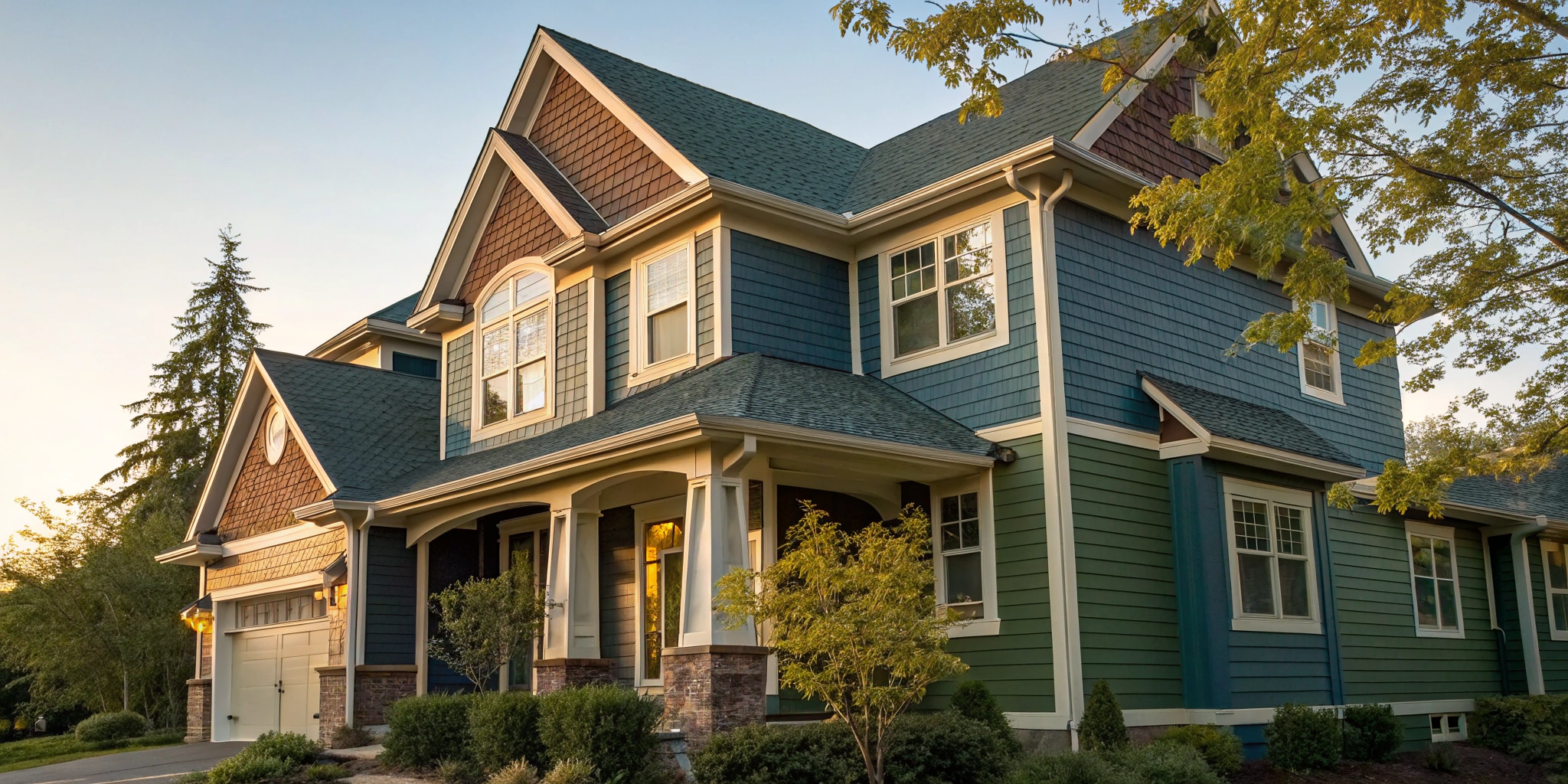
Mon Jan 12Choosing an exterior color in the Puget Sound is a unique challenge. Our homes need to look great in bright summer sun and under our signature gray skies. A shade that looks perfect in a brochure can feel completely different once it’s on your house. This is where the thoughtfully designed James Hardie siding colors truly shine. Their palette is filled with versatile neutrals and classic blues that complement our natural landscape beautifully. These Hardie colors are engineered to hold their vibrancy, making them a perfect, worry-free fit for our region, rain or shine.
Key Takeaways
- Select a Color That Complements Your Home: Consider your home’s permanent features—like its roof, trim, and architectural style—when choosing a color. Use online visualizers and test physical samples in our local light to make a confident decision.
- Opt for a Finish That Lasts: James Hardie’s factory-applied ColorPlus® Technology is a baked-on finish designed to resist fading and damage from our damp climate. This means your color stays vibrant for years, saving you the cost of frequent repainting.
- Prioritize Durability and Professional Installation: The siding’s resistance to fire, pests, and moisture is backed by a 30-year warranty. To ensure these benefits and validate your warranty, it’s essential to hire a certified installer for the job.
Why Choose James Hardie Siding?
The #1 Siding Brand in North America
There’s a reason James Hardie is the most popular fiber cement siding brand across the continent. Products like their well-known Hardie® Plank Lap Siding deliver a timeless look combined with incredible durability. This material is specifically designed to resist the common issues we face in the Puget Sound area, including moisture damage, rot, and pests. It won’t warp or swell when exposed to our damp climate, and it’s non-combustible, adding a layer of safety for your family. Choosing James Hardie for your residential siding means you’re getting a low-maintenance exterior that protects your home and maintains its curb appeal for decades.
Colors Curated by Design Experts
One of the best parts of choosing James Hardie is their ColorPlus® Technology. Instead of painting your siding after installation, the color is applied and baked on in a controlled factory environment. This process creates a vibrant, consistent finish that is engineered to resist fading, chipping, and cracking, even after years of exposure to sun and rain. The color palette isn’t overwhelming, either. James Hardie works with design experts to curate a selection of beautiful, versatile colors that are proven to look great on any style of home. This thoughtful approach removes the guesswork and helps you confidently choose a color that will stay beautiful for years to come.
Top 10 James Hardie Siding Colors for Your Home
Choosing an exterior color for your home is a big deal. It’s the first thing people see, and it sets the tone for your entire property. The right color can make your home feel welcoming and highlight its best architectural features, while the wrong one can, well, fall flat. That’s why so many homeowners in the Puget Sound area turn to James Hardie siding. Not only is it incredibly durable, but the color selection is designed to be both beautiful and long-lasting.
James Hardie’s curated color palette makes it easier to find a shade you’ll love for years to come. Instead of overwhelming you with endless options, they’ve focused on timeless, proven colors that work well on their own or in combination. From crisp whites and soothing blues to earthy neutrals and dramatic grays, there’s a perfect match for every style, whether you have a classic Craftsman or a sleek modern build. Below, we’ll walk through the ten most popular colors that homeowners consistently choose to protect and beautify their homes. These are the tried-and-true favorites that deliver amazing curb appeal every time.
The Statement Collection®
If you’re looking to make a bigger impact, the James Hardie Statement Collection® is the perfect place to start. This curated selection features some of the brand’s most popular and striking colors, all designed to make a lasting impression. These deep, bold hues are engineered with ColorPlus® Technology, a factory-applied finish that’s baked on to resist fading from UV rays and damage from our wet weather. This means a color like the dramatic Iron Gray—which was recently named the 2026 Color of the Year—will maintain its rich, sophisticated look through sunny summers and gray winters alike. The collection offers a focused palette of timeless, expert-picked shades, so you can make a bold choice with the confidence that it will look incredible for years to come.
Arctic White
You can’t go wrong with a classic. Arctic White is James Hardie’s most popular color for a reason—it’s clean, crisp, and endlessly versatile. This bright white gives your home a fresh, timeless look that stands out in any neighborhood. It’s the perfect canvas, allowing your home’s architectural details, landscaping, and trim colors to truly shine. Whether you pair it with a bold black trim for a modern farmhouse vibe or softer neutrals for a more traditional feel, Arctic White always looks sharp. It reflects light beautifully, which can make your home appear larger and more inviting, a wonderful bonus during those gray Pacific Northwest days.
Evening Blue
Named James Hardie’s 2025 Color of the Year, Evening Blue is a stunning deep blue that feels both sophisticated and serene. It’s a striking shade that brings a sense of calm and stability to a home’s exterior. Think of it as the perfect navy—dark enough to be dramatic but with a softness that keeps it from feeling too imposing. Evening Blue pairs beautifully with crisp Arctic White trim for a classic, almost nautical look that’s incredibly popular. It also works well with natural wood accents or stone features, creating a rich, textured appearance. It’s a confident choice for homeowners who want a bit of color that still feels timeless and elegant.
Boothbay Blue
If you love the idea of a blue house but prefer something a little softer than a deep navy, Boothbay Blue is your perfect match. This gentle, muted blue has gray undertones that give it a calm, coastal feel, making it a fantastic choice for homes across the Puget Sound. It’s a welcoming color that feels both charming and relaxed. Boothbay Blue is incredibly versatile, looking just as good on a cozy cottage as it does on a larger, more traditional home. It pairs wonderfully with white or cream trim for a light, airy look, or you can combine it with darker grays for a more modern, layered color scheme.
Aged Pewter
Aged Pewter is one of those perfect “greige” shades that works with just about anything. It’s a warm and adaptable gray that avoids feeling cold, thanks to its subtle beige undertones. This makes it an incredibly versatile neutral that can complement both warm and cool accent colors. It’s a sophisticated choice that gives a home a grounded, established feel without being too dark. Aged Pewter looks fantastic with a variety of trim colors, from bright whites to deep, earthy browns. It’s an ideal main siding color for homeowners who want a timeless neutral that has a bit more depth and character than a standard beige or gray.
Timber Bark
Inspired by the rich, earthy tones of the forest, Timber Bark is a deep, gray-brown that feels both elegant and natural. This color is perfect for homes in the Pacific Northwest, as it blends seamlessly with the surrounding landscape of trees and greenery. It’s a strong, grounding color that won’t go out of style. Timber Bark is versatile enough to be used as the main color for your entire home or as a handsome accent on gables and dormers. It pairs beautifully with creamy off-white trim for a warm, inviting look or with other earthy tones like deep greens and rich reds for a more rustic aesthetic.
Iron Gray
For a look that is bold, modern, and undeniably elegant, Iron Gray is a top contender. This deep, saturated charcoal gray makes a dramatic statement. It’s a powerful color that gives any home a sophisticated, contemporary edge. The best way to make Iron Gray truly pop is by pairing it with crisp Arctic White trim. The high contrast creates clean, sharp lines that highlight your home’s architectural features. This color is a popular choice for both residential siding and commercial properties looking for a strong, modern facade. It’s a confident choice that delivers a serious dose of style.
2026 Color of the Year Design Pairings
Building on its modern appeal, James Hardie recently crowned Iron Gray as its 2026 Color of the Year. This deep, bold shade from the Statement Collection® offers a dramatic yet elegant look that’s perfect for the diverse weather of the Puget Sound. Iron Gray stands out while complementing our natural green landscape, making it an excellent choice for homeowners who want to add sophisticated curb appeal to their property.
What makes Iron Gray so versatile is how well it pairs with other colors. For a classic, clean aesthetic, try pairing Iron Gray siding with Arctic White trim. This high-contrast combination makes architectural features pop and adds a crisp, modern touch to any home. For a more cohesive and monochromatic look, you can use Iron Gray for both the siding and trim. This approach creates a strong, unified appearance that feels confident and stylish, ensuring your home makes a memorable statement.
Cobble Stone
Cobble Stone is a warm, inviting neutral that feels like a cozy hug for your home. This taupe-like color sits perfectly between brown and gray, making it a versatile choice that complements a wide range of architectural styles and materials. It’s a timeless shade that looks beautiful with darker accent colors, such as a deep brown trim or a black front door. Cobble Stone also pairs wonderfully with natural materials like brick and stone, creating a cohesive and harmonious exterior. If you’re looking for a classic, go-to neutral that feels warm and welcoming, Cobble Stone is an excellent option.
Night Gray
If you’re drawn to darker colors, Night Gray offers a rich, dramatic look that adds depth and dimension to your home’s exterior. It’s a dark charcoal that is slightly softer than Iron Gray, giving it a moody and sophisticated feel. This color is perfect for creating a modern aesthetic and works especially well on homes with clean lines and simple forms. To keep it from feeling too heavy, pair Night Gray with lighter trim colors like a soft white or a light gray. Natural wood accents, like a cedar soffit or front door, also provide a beautiful, warm contrast to the cool depth of this popular dark shade.
Pearl Gray
Pearl Gray is a light, airy gray that exudes elegance and sophistication. It’s a soft, natural shade that provides a clean look without the starkness of a bright white. This color is perfect for homeowners who want a light and timeless exterior that feels calm and serene. Pearl Gray is incredibly versatile—it can be used as the main siding color for a classic, understated look or as an accent to complement a darker main color. It pairs beautifully with Arctic White trim for a crisp, monochromatic scheme or with a darker gray for a bit of gentle contrast. It’s a graceful choice that will never go out of style.
Deep Ocean
Deep Ocean is a captivating blue that has a dynamic, chameleon-like quality. In the shade, it appears as a dark, moody blue-gray, almost like a night sky. But when the sun hits it, the color transforms into a brighter, more lively blue. This ever-changing nature makes it one of the most interesting and modern colors in the James Hardie collection. It’s a popular choice for homeowners who want a unique color with a lot of personality. Deep Ocean looks stunning paired with white trim for a bold, fresh look, and it also works well with gray tones for a more subtle, sophisticated palette.
Other Popular Hardie Colors
While the top ten colors get a lot of attention, James Hardie’s palette offers even more beautiful options that deserve a look. If you haven’t found your perfect match in the most popular shades, don’t worry. Their extended collection includes a thoughtful range of warm neutrals, soft grays, and classic statement colors that are just as durable and stylish. These colors are also designed with our unique Pacific Northwest environment in mind, ensuring they look fantastic whether the sky is bright blue or a familiar shade of gray. Let’s explore a few more favorites that might be the ideal fit for your home’s exterior, offering timeless appeal and lasting beauty.
Navajo Beige, Monterey Taupe, and Khaki Brown
For a warm and inviting look, you can’t go wrong with James Hardie’s earthy neutrals. Colors like Navajo Beige, Monterey Taupe, and Khaki Brown provide a soft, welcoming feel that blends beautifully with the natural greenery of the Puget Sound. These shades are incredibly versatile, complementing a wide variety of architectural styles, from rustic to contemporary. They create a timeless backdrop that works well with stone or wood accents and allows your landscaping to take center stage. If you’re looking for a color that feels grounded, classic, and harmonious with our local scenery, these warm tones are an excellent choice.
Light Mist, Gray Slate, and Countrylane Red
Beyond the neutrals, you’ll find other popular shades like the soft Light Mist, the deeper Gray Slate, and the classic Countrylane Red. What makes these colors so reliable is the advanced ColorPlus® Technology. This isn’t just a layer of paint; it’s a durable finish that’s applied in the factory and baked on to resist fading, chipping, and cracking. This is a huge advantage in our climate, where siding takes a beating from rain and sun. When we install James Hardie siding, you can be confident that your chosen color will maintain its vibrancy for years, looking just as good on a gray winter day as it does in the bright summer sun.
What’s So Special About James Hardie ColorPlus® Technology?
When you choose a siding color, you want it to look great on day one and just as stunning years later. That’s where James Hardie’s ColorPlus® Technology comes in. This isn’t just a coat of paint. It’s a proprietary finish applied in a controlled factory setting, designed to give you a longer-lasting, better-looking color. The process involves applying multiple coats of a finish made specifically for James Hardie fiber cement siding. Each layer is cured between coats, creating a strong bond that resists chipping, peeling, and cracking. This meticulous process ensures your home’s exterior is beautiful, durable, and ready to face whatever our Pacific Northwest weather throws at it.
A Baked-On Finish for Lasting Color
Imagine a paint job that’s perfectly even, with no drips, streaks, or missed spots. That’s the quality you get with ColorPlus® Technology. Because the finish is applied and baked-on in a controlled factory environment, every board receives a consistent, durable coating. Unlike a traditional paint job that’s exposed to weather, dust, and temperature changes during application, this process eliminates those variables. The result is a vibrant, uniform finish that adheres to the siding far better than standard paint. This baked-on color is engineered to last, saving you the time and expense of repainting your home every few years.
Colors That Won’t Fade in the Sun
We love our sunny Pacific Northwest summers, but that UV exposure can be tough on a home’s exterior, causing colors to fade and look dull over time. James Hardie’s ColorPlus® Technology is specifically formulated to resist fading from UV rays. The finish contains special additives that protect the color’s vibrancy, ensuring your home looks fresh and new for years to come. Whether you choose a light, airy color like Arctic White or a deep, dramatic shade like Iron Gray, you can trust that the color will hold true. This fade resistance is a key reason why James Hardie siding is such a smart investment for your home’s curb appeal.
Made to Withstand Pacific Northwest Weather
Living in the Puget Sound area means we need home exteriors that can handle a little bit of everything—rain, wind, humidity, and the occasional heatwave. James Hardie siding with ColorPlus® Technology is engineered to perform beautifully in our specific climate. The finish is designed to resist damage from moisture, so you don’t have to worry about the constant dampness causing peeling or blistering. It also stands up to temperature fluctuations and won’t crack or chip like wood or vinyl might. This makes it an ideal choice for our residential siding projects, giving you peace of mind that your home is protected and looks great no matter the season.
Engineered for Climate® Technology
James Hardie goes beyond just durable color with its HardieZone® System. They understand that siding for a dry, hot climate like Arizona simply won’t cut it in the damp Pacific Northwest. Our region is in the HZ10® zone, meaning the siding we install is specifically engineered to handle our wet, freezing conditions and big temperature swings. This thoughtful engineering is your home’s best defense against the swelling, splitting, and cracking that our constant moisture can cause. It’s this level of detail that ensures your siding isn’t just beautiful, but is built from the ground up to perform better and last longer right here in the Puget Sound.
Less Upkeep, More Living
One of the biggest advantages of James Hardie siding is how little maintenance it requires. The durable ColorPlus® finish means you can put away the paintbrush and scraper for good. Beyond its resistance to chipping and fading, the fiber cement material itself is non-combustible and resists damage from pests like termites and woodpeckers. This means you’ll spend less time and money on upkeep and repairs and more time enjoying your home and everything our beautiful region has to offer. It’s a practical choice that delivers long-term value and lets you focus on what matters most.
How to Choose the Perfect Hardie Siding Color
Picking a new siding color is one of the most exciting parts of a home exterior project, but the sheer number of options can feel a little daunting. You’re not just choosing a color; you’re defining your home’s character for years to come. The good news is that you don’t have to make the decision on a whim. By thinking through a few key elements, you can find a color that perfectly suits your home, your style, and our beautiful Pacific Northwest surroundings.
Consider Your Home’s Architectural Style
A great starting point is your home’s architectural style. Certain colors naturally complement specific designs, whether you have a classic Craftsman, a traditional Colonial, or a modern Northwest Contemporary home. For example, earthy tones like Timber Bark or Aged Pewter often look stunning on a Craftsman, while a crisp Arctic White can give a Colonial a timeless, clean look. If you’re not sure where to begin, James Hardie offers excellent color and design guidance tailored to various architectural styles. Thinking about your home’s bones first helps narrow the field and ensures the final result feels intentional and harmonious.
Coordinate with Your Roof, Trim, and Windows
Your siding doesn’t exist in a vacuum. It needs to work with the other fixed features of your home’s exterior, especially your roof, trim, and window frames. Take a look at these elements. Do you have a dark composition roof or a lighter metal one? Are your window frames white, black, or a natural wood tone? The best siding color will create a cohesive palette. For instance, a home with a black roof and white trim can handle a bold color like Evening Blue or Iron Gray. Considering these features helps you build a complete and polished look for your residential siding project.
Look at Your Surroundings and Natural Light
Here in the Puget Sound, our light and landscape are unique. The often-overcast skies can make colors appear cooler and more subdued than they might in a sunnier climate. It’s a good idea to consider how a color will look on a gray day as well as in the bright summer sun. You can also draw inspiration from our natural surroundings—the deep greens of the forests, the blues of the water, and the grays of the mountains. Choosing a color that complements this natural palette, like Boothbay Blue or Pearl Gray, can help your home feel perfectly situated in its environment.
Select Your Siding Texture
Once you’ve narrowed down your color choices, the next step is to think about texture. This detail might seem small, but it has a massive impact on your home’s overall character and how the color appears in different lighting. A textured surface creates subtle shadows that can add depth and warmth, while a smooth surface provides a crisp, clean look that feels more modern. James Hardie offers a few different textures, but the two most popular choices for residential siding projects are by far the Select Cedarmill® and Smooth finishes. Each one offers a distinct personality, and the right one for you depends entirely on the aesthetic you want to achieve.
Select Cedarmill® vs. Smooth Finish
The choice between Select Cedarmill® and Smooth really comes down to your home’s architectural style and your personal taste. The Smooth finish is exactly what it sounds like—sleek, clean, and modern. It’s perfect for contemporary homes where you want sharp lines and a minimalist feel. On the other hand, the Select Cedarmill® finish has a soft, natural-looking wood grain texture embossed into the board. This option is fantastic for more traditional, rustic, or Craftsman-style homes, giving you the timeless look of wood without the high maintenance. As some homeowners note, the best finish often depends on the home itself; a cabin-style house feels right with a textured finish, while a modern build shines with a smooth one.
Visualize Options with the Hardie® Designer Tool
It can be tough to imagine how a small color swatch will look across your entire home. This is where technology becomes your best friend. James Hardie has a fantastic visualizer tool that lets you experiment with different siding and trim colors on a sample home or even a photo of your own house. The Hardie® Designer tool allows you to try on different combinations, from bold to neutral, helping you feel much more confident in your final choice. It’s a simple, fun way to see your vision come to life before the work even begins.
Upload a Photo of Your Own Home
Choosing the right color for your home’s exterior can feel like a huge commitment, especially when you’re trying to guess how different shades will look in the unique lighting of the Puget Sound. To remove the guesswork, James Hardie offers a visualizer tool that lets you upload a photo of your own home. This feature allows you to experiment with different siding styles and colors right on your house, giving you a realistic preview of how your choices will look with your specific roofline, windows, and landscaping.
By using the Hardie® Designer tool, you can see how colors like Evening Blue or Aged Pewter interact with the natural light around your property. This is so important in our region, where an overcast sky can completely change a color’s appearance. It also gives you confidence that the color you fall in love with is one that will last. Thanks to their ColorPlus® Technology, the factory-applied, baked-on finish resists fading from the sun, ensuring the color stays vibrant for years. This tool helps you make a confident decision that enhances your home’s curb appeal and harmonizes with our beautiful local landscape.
Always Test a Sample on Your Home
Once you’ve narrowed down your choices, the final step is to test them in the real world. A color can look dramatically different in the morning light versus the evening shade. We always recommend getting physical samples of your top two or three colors and placing them against your current siding. Watch them throughout the day to see how the color shifts with the changing light. This simple step is the most reliable way to ensure you’ll love the color you choose from every angle, in every type of weather our region sends your way.
Explore Design Galleries and Regional Palettes
Sometimes the best way to find your perfect color is to see it in action. James Hardie makes this easy with their online resources, which are a fantastic source of inspiration. Their design galleries are filled with beautiful photos of real homes, allowing you to see how different colors and styles look in various settings. This is especially helpful for us in the Puget Sound, where the light can change so dramatically. They also offer a curated ColorPlus Palette with colors specifically chosen to complement the natural beauty of the Pacific Northwest. You’ll find those versatile neutrals, earthy tones, and classic blues that harmonize perfectly with our lush, green surroundings, taking much of the guesswork out of the process.
Use Your Postal Code for Local Availability
As you explore the options, keep in mind that product and color availability can vary by region. To make sure the colors you fall in love with are available for your home, James Hardie’s website has a simple feature where you can enter your postal code. This quick step confirms which products are offered in our area, ensuring your final selections are not only beautiful but also practical for your project. It’s a straightforward way to make sure there are no surprises when it’s time to order materials for your new siding installation.
Is James Hardie Siding a Good Investment?
Choosing a color is the fun part, but the real value of James Hardie siding goes much deeper than its beautiful finish. It’s about choosing a material that protects your home, holds its value, and gives you peace of mind for decades. When you invest in new siding, you want something that can handle everything the Pacific Northwest throws at it without demanding constant upkeep. From its durable composition to its industry-leading warranty,
Enjoy Vibrant Color That Outlasts Paint
One of the biggest frustrations with traditional painted siding is how quickly it can start to look dull and faded. James Hardie solves this with its advanced ColorPlus® Technology. This isn’t just a coat of paint applied on-site; it’s a factory-applied, baked-on finish with multiple coats. This process creates a vibrant, consistent color that’s specifically engineered to resist fading from UV exposure. That means the color you fall in love with today will stay rich and true for years to come, saving you the time, money, and hassle of repainting every few years. Your home’s curb appeal remains high with far less maintenance.
Protect Your Home with Fire-Resistant Siding
Your home is your sanctuary, and protecting it is a top priority. James Hardie siding offers an incredible layer of defense because it’s non-combustible. Unlike wood or vinyl siding, which can melt or burn when exposed to flames, fiber cement siding will not ignite. This exceptional fire resistance can help protect your home and family in the event of a fire. Many insurance companies even recognize this added safety feature, potentially offering lower premiums for homes with fire-resistant siding. It’s a feature you hope you’ll never need, but having that extra protection provides invaluable peace of mind for any homeowner.
Resists Damage from Pests and Moisture
Here in the Pacific Northwest, we know a thing or two about moisture. Unfortunately, traditional wood siding can absorb that moisture, leading to rot, swelling, and warping over time. It’s also a tempting target for pests like termites and woodpeckers. James Hardie siding is made from fiber cement, a material that pests find completely unappealing. It also doesn’t absorb water, so it won’t rot or lose its shape, even after years of exposure to our rainy seasons. This means your residential siding will continue to look great and protect your home’s structure without the constant worry of moisture damage or pest infestations.
Protect Your Investment with a Strong Warranty
New siding is a significant investment in your home, and you want to know it’s protected. James Hardie stands firmly behind its products, which is why Hardie® Plank lap siding comes with a 30-year, non-prorated warranty. “Non-prorated” means the coverage doesn’t decrease over time. Even better, the warranty is transferable to the next owner, which is a fantastic selling point that adds real value to your property. This robust warranty shows the company’s confidence in its product’s ability to withstand the elements and perform beautifully for decades. It’s not just siding; it’s a long-term investment in your home’s durability and worth.
Understanding Your Paint and Labor Coverage
Beyond the impressive 30-year warranty on the siding material itself, James Hardie provides a separate, robust warranty specifically for their beautiful finish. When you choose siding with ColorPlus® Technology, you get a 15-year limited warranty that covers both the paint and the labor. This protects your investment against peeling, cracking, and chipping, addressing the most common concerns homeowners have about their siding’s appearance over time. It’s another layer of assurance that the vibrant color you choose is built to last, backed by a company that stands by its factory-finishing process. This specific coverage for the finish is what makes the ColorPlus® system such a smart, worry-free choice for your home.
Ready for James Hardie Siding in the Puget Sound?
Choosing the perfect color is an exciting step, but the quality of the installation is what truly brings your vision to life and protects your home for years to come. To get the full benefit of James Hardie’s durability and beauty, the siding needs to be installed correctly by trained professionals. Here’s what you need to know to get started on your siding project in the Puget Sound area.
Your Premier Certified James Hardie® Siding Contractor in Redmond & the Puget Sound
Working with a manufacturer-certified contractor is the single most important step to protect your siding investment and validate James Hardie’s industry-leading 30-year warranty.
As a certified James Hardie® Preferred Contractor with Premier Status, Landmark Roofing & Siding has spent nearly two decades transforming homes across Redmond, Bellevue, Kirkland, Seattle, Sammamish, Issaquah, Woodinville, and the surrounding Puget Sound communities.
When you choose Landmark, you get:
- Manufacturer-Certified Crews: Every board is installed by our highly trained, in-house craftspeople—never subcontractors—according to strict manufacturer specifications.
- Double Warranty Protection: Rest easy with James Hardie’s 30-year non-prorated product warranty and a 15-year warranty on ColorPlus® paint and labor, combined with Landmark’s own lifetime craftsmanship warranty.
- Flexible Financing: Explore our stress-free payment options, including 0% APR plans and terms up to 240 months to fit your project budget perfectly.
Get a Free Siding Consultation & Estimate
Ready to see how James Hardie siding colors like Iron Gray, Aged Pewter, or Arctic White look on your home? Our local experts will walk you through the entire catalog and provide a detailed, zero-pressure estimate.
Transform Your Home’s Curb Appeal Today
Get expert design help and a free, no-obligation estimate from the Pacific Northwest’s trusted siding specialists.
What to Expect During Your Installation
A professional installation process is thorough and transparent. It begins with a careful assessment of your home’s exterior to address any underlying issues before the new siding goes on. Your installation team will handle the materials with care, ensuring everything stays dry and protected before it’s installed. This is critical, as moisture can compromise the material’s integrity. The crew will then use the proper framing techniques and fasteners to secure each panel, creating a tight, weather-resistant barrier for your home. From site prep to the final cleanup, a great team manages the entire project so you can feel confident in the process.
Ask About Financing and Rebates
New siding is a major home improvement, and it’s smart to explore your payment options. Don’t hesitate to ask your contractor about financing plans that can help make the project more manageable for your budget. Many certified installers offer flexible solutions to fit your needs. It’s also a good idea to inquire about any local rebates for energy-efficient upgrades. Because James Hardie siding can improve your home’s insulation, you may be eligible for programs that offer financial incentives. This can help offset the cost while you invest in a high-quality, long-lasting exterior for your home.
2026 James Hardie ColorPlus Technology Updates
James Hardie’s ColorPlus Technology represents the pinnacle of factory-applied siding finishes, offering superior durability and color retention compared to field-painted alternatives. Recent technological advances provide even better performance and expanded color options for modern home designs.
Advanced Acrylic Coating System
The proprietary multi-coat system includes primer, base color, and protective topcoat applied under controlled factory conditions. This process ensures uniform thickness, optimal curing, and superior adhesion impossible to achieve with field painting. Independent testing shows ColorPlus finishes last 2-3 times longer than field-applied paint.
UV Protection Enhancement
New UV-resistant formulations protect against color fading and chalking, particularly important for darker colors traditionally prone to solar degradation. The enhanced formula maintains color integrity for 15+ years, even in high-UV environments.
Moisture Management
The finish system allows proper vapor transmission while blocking liquid water infiltration. This balance prevents trapped moisture issues while protecting the fiber cement substrate from weather damage. Properly installed ColorPlus siding provides superior moisture management compared to painted alternatives.
Warranty Coverage
ColorPlus finishes include a 15-year warranty against defects, fading, and peeling – significantly longer than typical paint warranties. This coverage reflects the superior durability and manufacturing quality of factory-applied finishes.
Related Articles
- Top Siding Ideas: A Guide to Styles & Materials – Landmark Roofing & Siding
- James Hardie Siding | Landmark Roofing & Siding
- Residential Siding Ideas for Better Curb Appeal – Landmark Roofing & Siding
Frequently Asked Questions
How long will the ColorPlus® finish actually last? The baked-on ColorPlus® finish is designed to last much longer than a traditional paint job. James Hardie is so confident in its durability that it comes with a 15-year limited warranty that covers both the paint and the labor, protecting against peeling, chipping, and cracking. This means you can expect your color to stay vibrant for years without the constant need for touch-ups or repainting.
Can I paint my James Hardie siding a different color in the future? Absolutely. While the factory-applied ColorPlus® finish is incredibly tough, one of the great things about fiber cement siding is its versatility. If you decide you want a new look a decade or so down the road, the siding can be repainted. This gives you long-term flexibility to update your home’s exterior without having to replace the siding itself.
How do I clean and maintain my new siding? James Hardie siding is refreshingly low-maintenance. To keep it looking its best, all you really need to do is give it a gentle wash once or twice a year. Simply use a soft brush or cloth with water and a mild soap to remove any dirt or grime. It’s best to avoid using a high-pressure power washer, as that can damage the finish.
Is James Hardie siding really worth the investment compared to vinyl? While the initial cost may be higher than vinyl, James Hardie siding provides exceptional long-term value, especially in our climate. It’s significantly more durable, won’t warp or melt from heat, and is resistant to moisture, rot, and pests. Its non-combustible nature also adds a layer of safety that vinyl can’t offer, making it a smarter and more resilient investment for your home.
Do I have to use one of the ten colors you listed? Not at all! The ten colors in this post are the most popular choices that homeowners consistently love, which makes them a great starting point. However, James Hardie offers a broader, thoughtfully curated palette of colors. We highlighted the fan favorites to help simplify the process, but you can certainly explore their full collection to find the perfect shade for your home.