
Date
Wed May 6Reclaiming your space can be one of the most satisfying home improvement projects. An unnecessary exterior door can create drafts, pose a security concern, or simply disrupt the flow of a room. Replacing it with a solid, insulated wall can transform your living area, making it more comfortable and functional. But before you start planning the new layout, you need a clear picture of the investment required. The ‘cost to remove exterior door and replace with wall’ involves several stages, including demolition, framing, insulation, and finishing work on both the inside and outside. Here, we’ll walk you through each step of the process so you can understand the pricing and make a confident decision for your home.
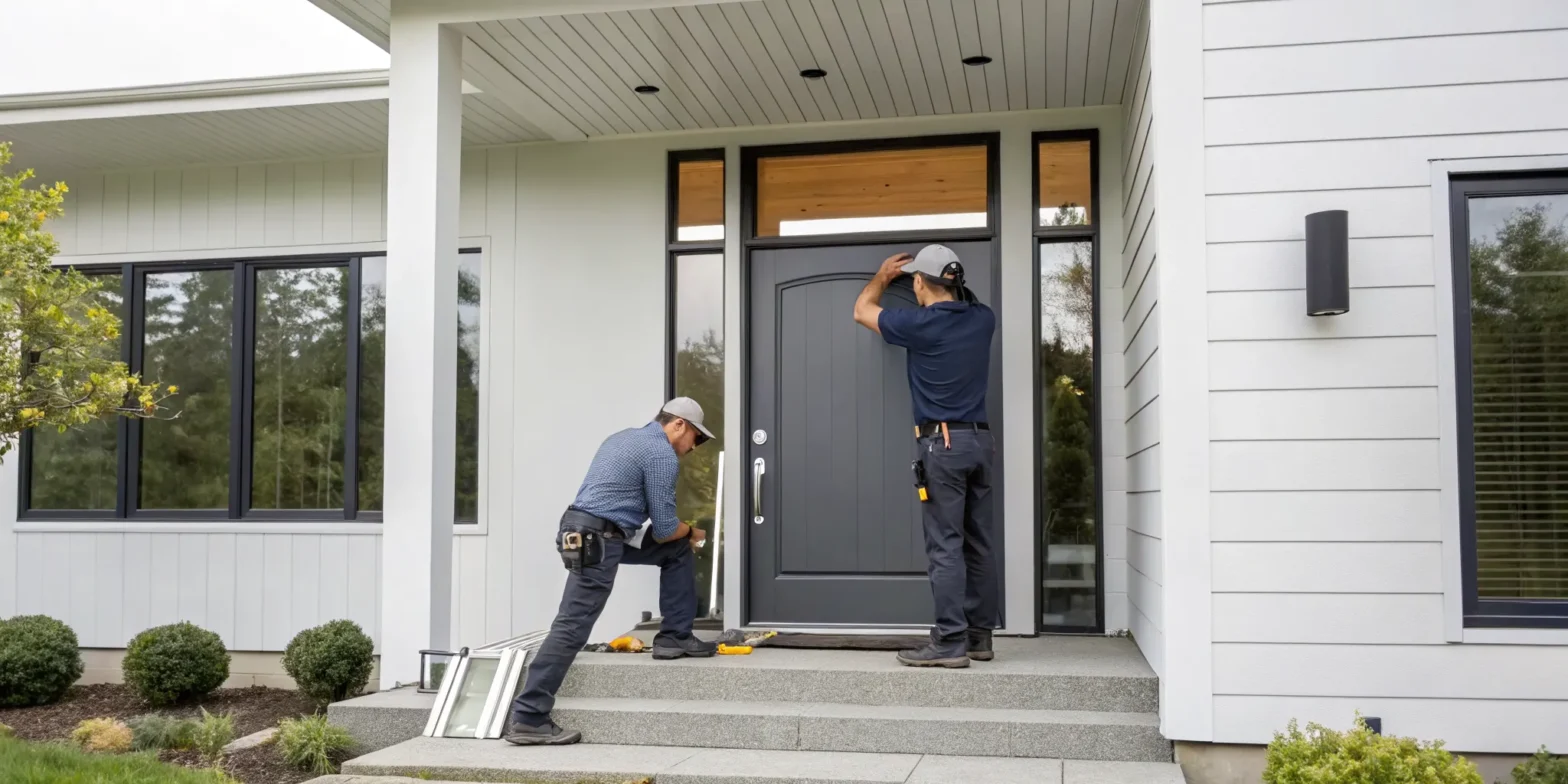
Getting a quote for a new exterior door can sometimes feel like a mystery. You know the price of the door you picked out at the store, but the installation estimate can seem much higher than you expected. What exactly are you paying for? The labor cost to replace exterior door covers more than just swapping one piece of wood for another. It includes the careful removal of your old door, ensuring the new one is perfectly level and secure, and creating a weathertight seal to protect your home. Here, we’ll break down what goes into a professional installation.
Key Takeaways
- Budget for the Whole Project, Not Just the Door: A realistic budget accounts for more than the door’s sticker price; remember to factor in professional labor, disposal of the old unit, and potential extras like frame repairs or new hardware.
- Your Door and Frame are the Biggest Cost Factors: The material you choose, such as steel, fiberglass, or wood, and the condition of your existing frame are the two main variables that will determine your project’s total price.
- An Itemized Quote Prevents Unexpected Costs: To get a true sense of your final cost, ask a local professional for a detailed written estimate that breaks down all expenses, including labor, materials, and potential repairs, so there are no surprises.
What’s the Real Cost to Replace an Exterior Door?
When you’re ready to replace an exterior door, it’s helpful to understand that the final price tag includes both the door itself and the cost of labor. While the door’s material and style will be a big part of your budget, professional installation is what ensures it functions correctly, looks great, and protects your home. The cost for installation can vary based on a few key factors, from the type of door you choose to the condition of your existing door frame. Getting a handle on these variables will help you set a realistic budget and make confident decisions for your home improvement project.
Breaking Down Exterior Door Replacement Labor Costs
For a standard exterior door installation, you can generally expect labor costs to range from $300 to $800. Most straightforward projects land somewhere in the middle, with an average labor cost of about $400 to $600. This fee covers the installer’s time and expertise in removing the old door, fitting the new one perfectly, and ensuring it’s properly sealed and secured. This is a crucial step because an improper installation can lead to drafts, water leaks, or security issues. Investing in a quality installation protects not just your door, but all the other exterior elements of your home, like your siding and windows.
Does Your Zip Code Change the Price?
Just like the price of coffee, labor costs for home services can change depending on where you live. The rates for a door installation in the Redmond area will reflect our local market, which might be different from costs in another state or even a different part of Washington. This variation is tied to regional labor rates, the cost of living, and local demand. When you get a quote from a local contractor, it will be tailored to the Puget Sound area, giving you a much more accurate picture of your total project cost than a national average would.
Pre-Hung vs. Slab: Which Costs More?
Your installation costs will also depend on whether you choose a “slab” door or a “pre-hung” door. A slab door is just the door itself, without the frame. If your existing door frame is in excellent condition, level, and square, opting for a slab can be a more budget-friendly choice because it requires less work to install. However, if your frame is old, warped, or damaged, a pre-hung door is the way to go. This type comes as a complete unit with the door already mounted in its own frame, which simplifies installation and ensures a perfect fit. A professional can assess your current frame to help you decide which option is best for your home.
What Factors Affect Your Exterior Door Installation Cost?
When you budget for a new exterior door, it’s easy to focus on the price of the door itself. However, the final bill includes much more than that. Several factors can influence the total installation cost, from the condition of your home to the time of year you schedule the project. Understanding these variables ahead of time helps you create a realistic budget and ensures there are no surprises when the work is done. Let’s walk through the key elements that will shape your final quote.
How Material and Style Impact the Price Tag
The biggest factor in your project’s cost is the door you choose. Exterior doors come in a wide range of materials like steel, fiberglass, and wood, each with its own price point and benefits. A simple, standard-sized steel door will be on the lower end of the cost spectrum, while a custom-designed wooden door with decorative glass will be significantly more expensive. Because they have to stand up to the elements, exterior doors are built to be more durable and secure than interior ones, which is reflected in their price. Upgrading your home’s exterior with new windows and doors can completely transform its curb appeal, but the style choices you make will directly impact the budget.
The Hidden Cost of Replacing Your Door Frame
In a perfect world, your new door would slide right into the existing frame. More often than not, however, the old frame needs some attention. Years of exposure to moisture and temperature changes can cause wood to rot, warp, or split. If your contractor discovers any damage, the frame will need to be repaired or completely replaced before the new door can be installed. This extra work adds to both labor and material costs. A thorough inspection of the door frame is a critical first step in any replacement project, as it helps identify potential issues that could affect the final price.
What’s the Cost to Remove an Old Exterior Door?
Part of the installation process involves taking out the old door and getting it off your property. While it might seem like a minor task, this service is factored into your labor costs. The price for removal and disposal can range from around $80 to $200 for an exterior door. Heavier doors made of solid wood or those with large glass panels may cost more to handle and haul away. This fee covers the time and effort required to carefully detach the old door without damaging the surrounding wall and ensures it’s disposed of properly, saving you a trip to the dump.
How Job Site Access Affects Your Quote
How easy is it for the installation crew to get to your door? The accessibility of the job site can play a role in your labor costs. A ground-floor front door with a clear path is straightforward, but a second-story door leading to a balcony or a back door in a tight, hard-to-reach space can complicate the process. If installers have to carry a heavy door up multiple flights of stairs or use special equipment to work in a confined area, it will take them longer. These kinds of challenges can increase the labor hours needed to complete the job safely and correctly.
Does the Season Affect Installation Costs?
Believe it or not, the season you choose for your door installation can affect the price. Spring and summer are peak seasons for home improvement projects, which means contractors are in high demand. This increased demand can sometimes lead to higher labor costs. If your project isn’t urgent, you might find more flexible scheduling and potentially lower costs by booking the installation during the off-season, such as late fall or winter. As long as the weather is cooperative, a good contractor can install a door any time of year.
How Long Does an Exterior Door Installation Really Take?
One of the most common questions we get is about the installation timeline. It’s completely understandable; you want to know how long your home will be open to the elements and when you can start enjoying your beautiful new door. While every project has its own unique details, we can give you a general idea of what to expect. Most professional installations are surprisingly quick, but a few factors can add time to the job. Knowing what these are ahead of time can help you plan accordingly and ensure the project goes smoothly from start to finish.
What to Expect on Installation Day
You might be pleasantly surprised to learn that a standard exterior door replacement isn’t an all-day affair. For a single, pre-hung door going into a frame that’s in good shape, a professional installer can typically complete the job in about two to four hours. This means we can often have your new door installed, sealed, and secured in just one afternoon. Our goal is always to work efficiently while maintaining the highest quality standards, minimizing disruption to your day. This quick turnaround is one of the many benefits of hiring an experienced team for your home’s window and door projects.
What Can Cause Installation Delays?
The biggest variable in any door installation is the condition of the existing frame and surrounding structure. If we remove the old door and find that the frame is rotted, warped, or damaged, it will need to be repaired or replaced before the new door can be installed. This is a crucial step to ensure a secure and weathertight fit. Similarly, if your new door is a custom size or requires altering the rough opening, that will add time. These adjustments are essential for a perfect fit but require careful, precise work. These are the kinds of issues we often uncover during residential siding projects as well.
Need It Done Fast? What to Expect for a Rush Job
While a fast installation is great, a proper one is even better. Rushing through a door installation can lead to costly problems down the road, like drafts, water leaks, or security vulnerabilities. A true professional will take the necessary time to ensure your door is perfectly level, securely fastened, and properly insulated and sealed. If unforeseen repairs are needed for the frame, it’s always worth taking the extra time to do it right. This commitment to quality ensures your new door not only looks great but also performs correctly for years to come, protecting your home and saving you money on energy bills.
What Other Costs Should You Budget For?
When you’re budgeting for a new exterior door, it’s easy to focus on the two biggest numbers: the cost of the door and the labor for installation. But those figures don’t always tell the whole story. Several other expenses can surface during the project, and if you haven’t planned for them, they can throw your budget off track. Thinking through these potential costs from the start is the best way to avoid surprises and ensure a smooth process from beginning to end.
These additional costs aren’t just minor details; they’re often crucial for a high-quality, long-lasting installation. For example, your door frame might need repairs before a new door can be installed securely. You might also need a city permit before the work can even begin. Then there are the finishing touches, like new hardware, locks, and paint, that truly complete the look and function of your new entryway. By understanding what these items are and why they’re important, you can create a more realistic budget and have more confident conversations with your contractor. Let’s walk through the most common costs you should plan for beyond the basics, so you can feel fully prepared for your project.
Will You Need a Permit for Your New Door?
Depending on where you live in the Puget Sound area, you may need a permit to replace an exterior door, especially if you’re altering the size of the opening. Permit fees are rarely included in a standard installation quote, and these costs can vary by city and the scope of your project. An inspection might also be required to ensure the new door meets local building codes for safety and energy efficiency. It’s always a good idea to ask your contractor if they handle the permitting process or if that’s something you’ll need to manage on your own. Factoring this in early prevents delays and ensures your project is compliant from day one.
Budgeting for Necessary Door Frame Repairs
During the removal of your old door, your contractor might find that the existing frame is rotted, warped, or damaged by pests or weather. A compromised frame can’t properly support a new door, leading to drafts, security issues, and problems with opening and closing. If your frame needs work, a repair or full replacement will be necessary. This is a common issue in older homes, and addressing it is crucial for a successful installation. A new frame can add a few hundred dollars to your project, but it’s a worthwhile investment in your home’s structural integrity and the longevity of your new door.
The Finishing Touches: Hardware, Locks, and Paint
A new door often needs new hardware to go with it. This includes things like doorknobs, locksets, hinges, and kick plates. While some pre-hung doors come with basic hardware, you might want to upgrade for better security or a style that matches your home’s aesthetic. You should also budget for finishing touches. The door and surrounding trim will likely need to be painted or stained to protect them from the elements and match your home’s interior and exterior. Don’t forget essentials like weather stripping to ensure a tight seal against drafts and improve your home’s energy efficiency.
Breaking Down Hardware and Parts Costs
The little things can add up, and that’s definitely true for a door replacement project. Beyond the door itself, you’ll need to account for the hardware and parts that make it functional and secure. These components are often overlooked in initial estimates but are essential for a complete installation. While some pre-hung doors include basic hardware, you may decide to choose your own to better match your home’s style or to add extra security. Factoring these items into your budget from the start helps ensure you have a clear and complete picture of the total cost.
Door Knobs and Locks
Your new door isn’t complete without a doorknob and a secure lockset. This is one area where you have a lot of control over both style and cost. A basic knob and deadbolt set might be relatively inexpensive, but you can also opt for high-end designer hardware or a smart lock with keyless entry. Think of it as an opportunity to enhance your home’s front door security and curb appeal at the same time. The price for new locksets can range from under a hundred dollars to several hundred, depending on the features and finish you choose.
Hinges and Thresholds
While not as glamorous as a new lockset, hinges and thresholds are critical for your door’s performance. Your new door will need a sturdy set of hinges to swing smoothly and support its weight over time. The threshold, which is the strip of material at the bottom of the doorway, creates a seal to keep drafts and water out. If your old threshold is worn or damaged, replacing it is a must for energy efficiency. These parts are typically included in a professional installation quote, but it’s good to know what they are and why they matter for a long-lasting, weathertight fit.
Door Jambs
The door jamb is the part of the frame where the door is mounted. If the existing jamb is rotted, warped, or out of square, it must be repaired or replaced before the new door can be installed. This is a common discovery, especially in older homes around the Puget Sound where moisture can take its toll on wood. Installing a new door into a damaged jamb will only lead to problems with sticking, drafts, and security. This extra work will add to your material and labor costs, but it’s a non-negotiable step for a proper, professional installation that will stand the test of time.
Installation Costs for Different Door Types
Not all doors are created equal, and the complexity of the installation will directly influence the labor cost. A standard, single front door is the most straightforward to install, but larger or more intricate systems like patio doors or French doors require more time, precision, and sometimes more than one installer. These types of doors often involve more significant adjustments to the opening and careful sealing to ensure they operate correctly and protect your home from the elements. When getting a quote, make sure it specifies the type of door being installed, as the labor will vary accordingly.
Patio and Sliding Door Costs
Installing a new patio or sliding glass door is a more involved process than a standard entry door replacement. These units are large, heavy, and must be perfectly level and square to slide smoothly and seal properly. The labor cost for installing a patio door can range from $500 to over $3,500, depending on the size, style, and whether any structural changes are needed. Because they are a major feature of your home’s exterior, it’s important that they integrate seamlessly with your siding and overall structure to prevent leaks and energy loss.
French Door Costs
French doors add an elegant, classic touch to any home, but their installation requires a high level of skill. The cost to install French doors can range from $600 to $5,800, with double doors landing at the higher end of that spectrum. The main challenge is perfectly aligning the two doors so they meet precisely in the middle, creating a tight seal without any gaps. If they aren’t hung correctly, they can be drafty, difficult to lock, and may not close properly. This is a job where professional expertise is essential to ensure your beautiful new doors function as well as they look.
How to Get a Truly Accurate Quote
The best way to avoid unexpected expenses is to get a detailed, written quote from a professional contractor before any work begins. A thorough estimate should break down all the potential costs, including labor, materials, potential frame repairs, hardware, finishing, and disposal of the old door. Don’t hesitate to ask questions and clarify what is and isn’t included in the price. For a clear and comprehensive understanding of your project’s total cost, always contact trusted professionals who can provide a specific quote tailored to your home. This simple step is key to keeping your project on budget and ensuring there are no surprises along the way.
Understanding What a Basic Quote Might Exclude
Think of a basic quote as a starting point, not the final number. It often covers the labor for a simple, best-case-scenario installation, but it can leave out several important costs. For instance, most initial estimates assume your existing door frame is in perfect shape. However, it’s common to discover rot or warping once the old door is removed, and the necessary frame repairs will be an additional charge. Similarly, permit fees are almost never included in a base price, and the cost to haul away and dispose of your old door might be a separate line item. To get a true sense of your final cost, it’s essential to ask for a detailed, itemized estimate that clarifies what is and isn’t covered, so there are no surprises down the line.
Cost to Remove an Exterior Door and Replace with a Wall
Sometimes a door just isn’t in the right place. Maybe it’s a redundant entry to a deck, or it disrupts the flow of a room you want to repurpose. Whatever the reason, removing an exterior door and replacing it with a solid wall is a common project that can dramatically improve your home’s layout and energy efficiency. While it sounds complex, the process is straightforward for a professional team. It involves carefully removing the old door, framing a new wall section, and finishing both the interior and exterior to blend seamlessly with your home. Let’s look at what this kind of project typically costs.
Average Cost to Wall Off a Doorway
So, what’s the bottom line? For a complete project that includes removing an exterior door and building a new, finished wall in its place, you can generally expect the cost to range from $1,500 to $3,500. This estimate, based on project costs shared by homeowners, typically covers all the necessary steps—from demolition and framing to insulation, drywall, siding, and final paint. Where your project falls within this range will depend on several factors, including the materials needed, the complexity of the job, and whether any structural or electrical changes are required. This all-in price reflects the transformation of an entryway into a fully integrated part of your home’s wall.
Detailed Cost Breakdown for Door Removal and Wall Construction
To understand where that total estimate comes from, it helps to see how the project is broken down into different phases. Each stage involves specific labor and material costs that contribute to the final price. Seeing the itemized steps gives you a clearer picture of the work involved and ensures you know exactly what you’re paying for when you hire a professional to handle the job.
Demolition and Framing
The first step is to carefully remove the existing door, frame, and trim, which requires a delicate touch to avoid damaging the surrounding walls and siding. Once the opening is clear, a contractor will build a new wood frame to fill the space. This new structure must be perfectly square and integrated with your home’s existing framing to ensure it’s stable and secure. This initial phase of demolition and framing typically costs between $400 and $1,000, setting a solid foundation for the rest of the project.
Insulation and Drywall
With the new frame in place, the next step is to insulate the wall cavity. This is a critical step for maintaining your home’s energy efficiency, as it prevents drafts and heat loss through the new wall section. After the insulation is installed, drywall is hung on the interior side, taped, and mudded to create a smooth, seamless surface. This phase, which makes the opening start to look like a real wall from the inside, generally costs between $300 and $600, depending on the size of the opening and the type of insulation used.
Exterior Siding and Finishing
Making the new wall blend in from the outside is one of the most important parts of the job. This involves installing new exterior siding that matches your home’s current material, color, and texture. The cost for this step can range from $500 to $1,200, largely because finding a perfect match can be tricky, especially with older or custom siding. A professional finish here is key to maintaining your home’s curb appeal and ensuring no one can tell there was ever a door there in the first place.
Interior Painting and Trim
The final step is to make the new wall disappear on the inside. This involves installing new baseboards and trim to match the rest of the room, caulking all the seams, and applying a fresh coat of paint. A perfect paint match and crisp trim work are what make the new wall feel like it has always been a part of the room. These finishing touches typically add between $200 and $400 to the total cost and are essential for a polished, professional result.
Key Factors That Influence the Total Cost
While the cost breakdown provides a great baseline, every home renovation project has its own unique quirks. Several factors can influence the final price of walling off a doorway, from hidden issues behind the wall to the specific materials you choose. Being aware of these variables can help you budget more accurately and avoid surprises along the way.
Electrical and Structural Changes
If your exterior door has a light switch, an outdoor outlet, or a doorbell next to it, these electrical components will need to be safely removed or relocated by a licensed electrician. This will add a separate cost to your project. Additionally, if the door is located in a load-bearing wall, your contractor may need to add extra structural support to ensure your home remains safe and sound. These kinds of structural adjustments require more labor and materials, which will increase the overall price.
Matching Your Home’s Exterior Siding
Finding a perfect match for your home’s siding can be one of the biggest cost variables. If your siding is a common style and color, the process might be simple. However, if your siding has been discontinued, has faded over time, or is made from a unique material like cedar, sourcing a match can be more difficult and expensive. This is where hiring an experienced team makes a difference, as they have the expertise to seamlessly blend new and old materials, protecting your home’s cohesive look. This is a common challenge we see in both siding and roofing projects.
Interior Finishing Details
The condition of your interior space can also affect the final cost. If the flooring needs to be patched where the old door threshold was, that will require extra work. Similarly, if your interior walls have a complex texture that’s difficult to replicate on the new drywall, it will take more time and skill to create a seamless blend. These small but important finishing details are crucial for making the new wall look like it was part of the original construction, and their complexity can influence the labor cost.
Alternatives to Building a Solid Wall
If you’re looking to close off an exterior doorway but aren’t completely set on a solid, windowless wall, you have other creative options. These alternatives can solve your layout problem while adding a unique feature to your home, giving you a little more function and style for your investment.
Installing a New Window
Instead of filling the entire opening with a wall, consider installing a new window. This is a fantastic solution if you want to close off the entryway but don’t want to lose the natural light it provided. You can choose a window that matches the others in your home, from a large picture window to a smaller accent window. This not only brightens the room but can also improve your view and add to your home’s curb appeal, making it a popular and valuable alternative.
Creating a Cased Opening
If the door leads to another interior room rather than the outside, you could create a cased opening. Think of it as a doorway without the door—it’s an opening that’s framed and finished with decorative trim, but it remains open to maintain flow between spaces. This is a great way to create a sense of separation between rooms without completely closing them off from each other. It’s often a more cost-effective choice than building a full wall and can add an elegant architectural detail to your home.
Related Articles
- How to Know Your Entry Door Needs Replacement
- The Guide to Modern Exterior Glass Doors
- 9 Things to Know About Modern Exterior Doors with Glass
Frequently Asked Questions
What is a realistic budget for a new exterior door project? The total cost is a combination of the door itself and the installation labor. Labor for a standard installation typically runs from $300 to $800. The price of the door can vary widely, from a few hundred dollars for a basic steel door to several thousand for a custom wood or fiberglass model. It’s best to budget for both of these major expenses, plus a little extra for potential frame repairs or new hardware.
Why do installation quotes vary so much between projects? Every home is unique, so every installation has its own set of requirements. The final cost is shaped by several factors, including the material and weight of your chosen door, the condition of your existing door frame, and even how easy it is for the crew to access the workspace. A simple replacement is straightforward, but if the job requires rebuilding a rotted frame or working in a tight space, the labor costs will reflect that extra time and complexity.
How long will my home be open to the outside during the installation? You can expect a professional to complete a standard, single-door installation in about two to four hours. An experienced installer works efficiently to minimize the time your home is exposed. If the project is more complex, for instance, if the frame needs to be replaced or the opening needs to be resized, it will naturally take longer.
What other costs might come up besides the door and the labor? Beyond the main expenses, you should plan for a few finishing touches. This can include the cost of a new lockset and hardware, paint or stain for the door and trim, and weather stripping to ensure a tight seal. In some cases, if the old frame is rotted or damaged, it will need to be repaired or replaced, which would be an additional cost.
Is it cheaper to install a slab door instead of a pre-hung door? A slab door, which is just the door itself, can sometimes be a more budget-friendly option, but only if your existing door frame is perfectly square, level, and in excellent condition. For most homes, especially older ones, a pre-hung door is the better choice. It comes as a complete unit with the door already fitted in its own frame, which guarantees a proper, weathertight seal and often simplifies the installation process.