
Date
Fri May 1A new roof is a major project, and it’s completely normal to feel overwhelmed by all the decisions. Which material is best? How do you find a contractor you can trust? What does the installation even look like? This guide to commercial roofing is here to answer those questions and bring clarity to the entire process. We’ll demystify commercial roof construction by breaking down the different systems, weighing the pros and cons, and outlining the commercial roof installation process from start to finish. My goal is to give you the confidence to move forward with your project.
Key Takeaways
- Recognize your roof is a complete system: A commercial roof isn’t just one layer; it’s a combination of a structural deck, insulation, a waterproof membrane, and a drainage system that must all function together to properly protect your property.
- Choose materials based on long-term value: Look beyond the initial price tag and consider how materials like TPO, metal, or EPDM will perform in our climate. The best choice balances cost with durability, maintenance needs, and energy efficiency.
- Vet your contractor carefully: The quality of the installation is just as critical as the materials used, so always partner with a licensed, insured, and experienced professional who communicates clearly and provides strong warranties for their work.
Commercial vs. Residential Roofing: What’s the Difference?
You might think a roof is a roof, but commercial and residential projects are worlds apart. While the core function is the same—keeping the elements out—the similarities end there. The key differences lie in the project’s size, the materials required, and the strict regulations you must follow. Understanding these distinctions is crucial for planning a successful commercial roofing project, as it ensures you partner with a team that has the right expertise and equipment for the job.
Project Scale and Complexity
The most obvious difference is scale. Commercial buildings are much larger than homes, so their roofs are vast. This demands specialized equipment, larger crews, and precise project management. Beyond size, commercial roofs are more complex, often needing to accommodate HVAC systems, pipes, and vents. Each of these penetrations is a potential weak spot, so a skilled commercial roofing contractor must use proven waterproofing techniques around them to ensure a seamless, durable surface that protects the entire structure.
Materials and Structural Demands
Most homes have steep-sloped roofs that use gravity and overlapping shingles to shed water. Commercial buildings, however, usually have flat or low-slope roofs that require a different strategy. Instead of shedding water, these roofs must form a completely waterproof barrier. This is done with single-ply membranes like TPO, PVC, or EPDM, which are sealed at the seams to create one continuous sheet. These materials are designed to handle pooling water and harsh UV exposure, unlike materials used for a typical residential roof.
Building Codes and Regulations
Commercial properties are subject to much stricter building codes because they serve the public and protect significant business assets. These codes dictate everything from material types and fire resistance ratings to insulation values and wind uplift standards. Navigating these rules requires a deep understanding of local requirements in the Puget Sound area. Working with an experienced contractor who knows commercial codes is essential. It ensures your new roof is safe, durable, and fully compliant, saving you from potential fines and costly rework.
What Are the Key Layers of a Commercial Roof?
A commercial roof is much more than a simple cover for your building; it’s a complex system of layers working together to protect your property, inventory, and employees. Understanding these components can help you make informed decisions about maintenance, repairs, and eventual replacement. A well-built commercial roofing system is an investment in your building’s longevity and efficiency. Each layer has a specific job, from providing structural support to ensuring every drop of rain finds its way to the ground. Let’s break down the four key parts that make up a typical commercial roof.
The Foundation: Your Roof Deck
Think of the roof deck as the skeleton of your entire roofing system. It’s the foundational layer that provides structural support for everything else that goes on top. Typically made of steel, concrete, or wood, the deck is what attaches the roof to the rest of the building. Its primary job is to bear the weight of the insulation, the waterproof membrane, and any external pressures like heavy rain, snow, or equipment. A strong, stable roof deck is the first and most critical step in ensuring your commercial roof is built to last and can withstand the demanding Puget Sound weather.
The Insulation Layer
Insulation is the unsung hero of your commercial roof. This layer sits on top of the roof deck and plays a huge role in your building’s energy efficiency. By creating a thermal barrier, insulation helps keep your building warmer in the winter and cooler in the summer. This means your HVAC system doesn’t have to work as hard, which can lead to significant savings on your energy bills over time. Good insulation also adds a bit of rigidity to the roof and can even help with soundproofing. It’s a crucial component for both comfort and cost-effectiveness in any commercial property.
The Waterproofing Membrane
This is the layer you actually see from the outside and the one that provides the primary defense against the elements. The waterproofing membrane is a vital component that prevents water from seeping into your building, protecting it from leaks, mold, and structural damage. There are many types of membranes, including TPO, EPDM, and modified bitumen, each with its own set of benefits. In a climate like ours, where rain is a constant, having a durable, properly installed waterproof membrane is absolutely essential for keeping your building dry and secure. It’s your first line of defense against water intrusion.
The All-Important Drainage System
A flat or low-slope commercial roof can’t rely on gravity alone to get rid of water. That’s where a well-designed drainage system comes in. This system includes components like drains, scuppers, and gutters that are strategically placed to channel water off the roof and away from the building’s foundation. An effective drainage system is critical for preventing “ponding,” which is when water pools on the roof’s surface. Ponding water can add immense weight, accelerate the deterioration of roofing materials, and eventually lead to serious leaks. Proper drainage ensures water exits quickly, extending the life of your roof.
Comparing the Top Commercial Roofing Materials
Choosing the right material for your commercial roof is one of the most important decisions you’ll make for your property. The roof protects your building, your inventory, and your people from the elements, so durability and performance are key. Your decision will likely come down to your building’s specific needs, the local climate here in the Puget Sound, and your budget. Modern commercial roofing materials offer incredible advancements in energy efficiency, longevity, and ease of maintenance, giving you more options than ever before.
Most commercial buildings have flat or low-slope roofs, which require materials that can create a continuous, waterproof barrier. These systems are designed to handle standing water and prevent leaks effectively. The main categories you’ll encounter are single-ply membranes like TPO and EPDM, multi-ply systems like Built-Up Roofing (BUR), and metal roofing. Each has a unique set of characteristics suited for different applications. Understanding the basics of each type will help you have a more productive conversation with your roofing contractor and make a choice that provides the best long-term value for your investment.
Metal Roofing: Durable and Long-Lasting
Metal roofing is a fantastic choice for its sheer strength and longevity. These systems are known for their ability to withstand harsh weather, including high winds and impacts. While the initial investment can be higher than other materials, their long lifespan often makes them a cost-effective option over time. One of the most popular styles is the standing seam metal roof, where the panels are interlocked at the seams above the roofline. This design is excellent for channeling water away efficiently, a major plus in our rainy climate. Metal is also resistant to fire and heat, adding a layer of safety to your building.
Lifespan and Cost
When it comes to longevity, metal roofing is in a class of its own, often lasting 30 to 40 years or even longer with proper care. While it does have one of the highest upfront costs compared to other materials, it’s important to view it as a long-term investment. The extended lifespan, combined with minimal maintenance requirements, means you could avoid the expense and disruption of a full roof replacement for decades. This durability makes it a financially savvy choice over the life of your building. To get a better sense of how this investment might look for your property, you can use a roofing cost calculator to explore some initial figures.
Best Use Cases
Metal roofing is an excellent fit for properties where both aesthetics and performance are top priorities. It’s a popular choice for modern office buildings, retail storefronts, and new construction projects that aim for a sleek, professional look and maximum durability from day one. Because metal is so tough and long-lasting, it provides peace of mind for building owners who want a reliable, low-maintenance solution. Here in the Pacific Northwest, its ability to handle heavy rain and resist corrosion makes it a particularly smart choice for any commercial property looking for dependable, long-term protection against our challenging weather patterns.
TPO: The Energy-Efficient Choice
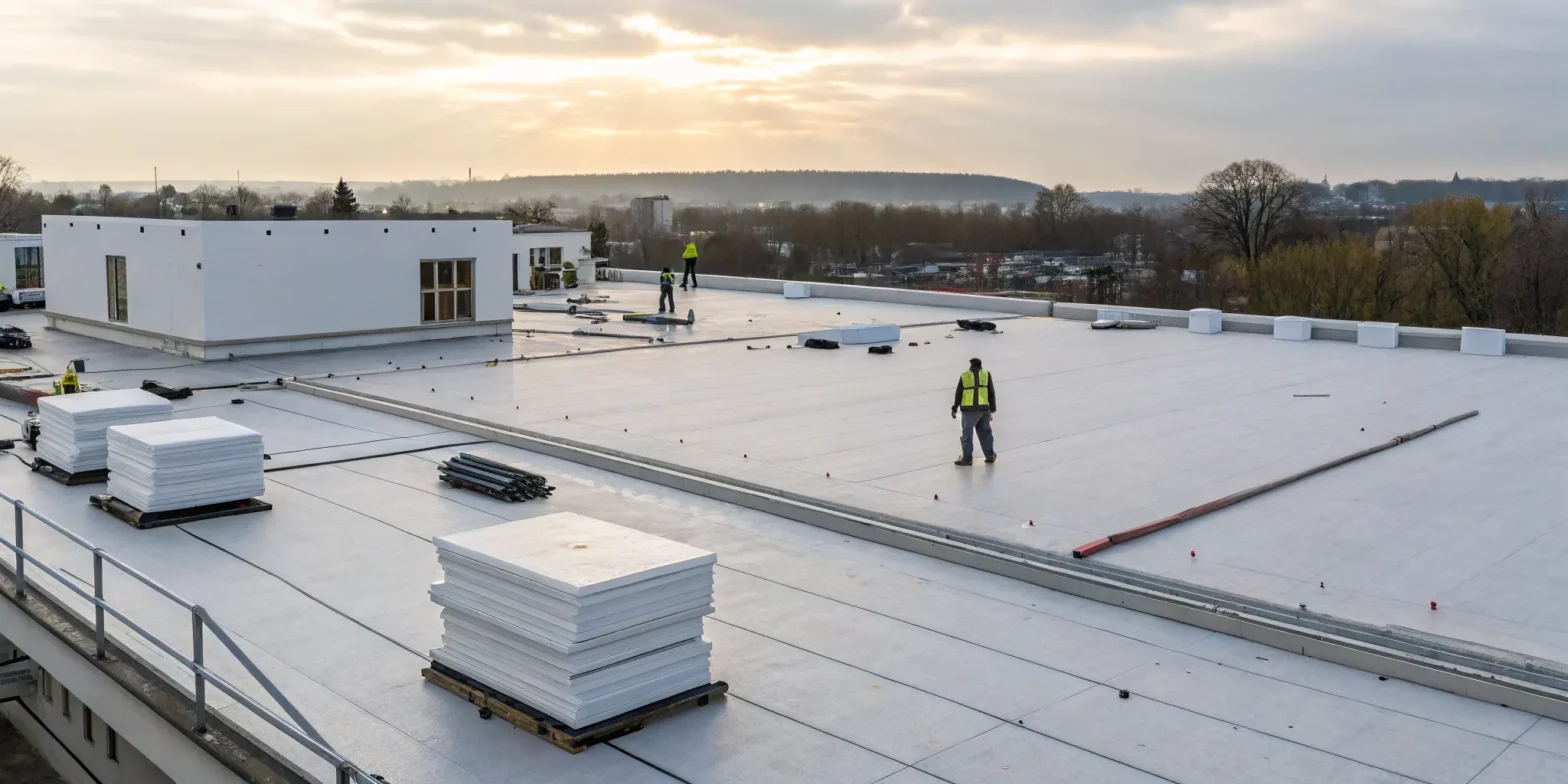
If you look at new commercial buildings, you’ll likely see TPO roofing. It’s the leading choice for flat roofs, and for good reason. TPO is a single-ply membrane made from synthetic rubber that is typically bright white. This reflective surface is a huge benefit, as it bounces sunlight away from the building, helping to keep the interior cooler and potentially lowering your energy bills during warmer months. The seams are heat-welded together to create a strong, monolithic membrane across the entire roof surface, offering excellent protection against leaks. Its popularity comes from this great balance of performance, energy efficiency, and cost.
Lifespan and Cost
When it comes to longevity, metal roofing is in a class of its own, often lasting 30 to 40 years or even longer with proper care. While it does have one of the highest upfront costs compared to other materials, it’s important to view it as a long-term investment. The extended lifespan, combined with minimal maintenance requirements, means you could avoid the expense and disruption of a full roof replacement for decades. This durability makes it a financially savvy choice over the life of your building. To get a better sense of how this investment might look for your property, you can use a roofing cost calculator to explore some initial figures.
Best Use Cases
Metal roofing is an excellent fit for properties where both aesthetics and performance are top priorities. It’s a popular choice for modern office buildings, retail storefronts, and new construction projects that aim for a sleek, professional look and maximum durability from day one. Because metal is so tough and long-lasting, it provides peace of mind for building owners who want a reliable, low-maintenance solution. Here in the Pacific Northwest, its ability to handle heavy rain and resist corrosion makes it a particularly smart choice for any commercial property looking for dependable, long-term protection against our challenging weather patterns.
EPDM: A Reliable Rubber Membrane
EPDM is another highly popular single-ply membrane, often referred to as a “rubber roof.” It has been a reliable choice in the commercial roofing industry for decades. Made from a synthetic rubber material, EPDM is known for its exceptional durability, flexibility, and resistance to UV radiation and extreme temperatures. It’s a cost-effective and environmentally friendly option that holds up well over the long term. Unlike TPO’s heat-welded seams, EPDM seams are typically sealed with specialized adhesives. Its proven track record makes it a go-to for property owners looking for a dependable and affordable roofing solution.
Lifespan and Cost
When it comes to longevity, metal roofing is in a class of its own, often lasting 30 to 40 years or even longer with proper care. While it does have one of the highest upfront costs compared to other materials, it’s important to view it as a long-term investment. The extended lifespan, combined with minimal maintenance requirements, means you could avoid the expense and disruption of a full roof replacement for decades. This durability makes it a financially savvy choice over the life of your building. To get a better sense of how this investment might look for your property, you can use a roofing cost calculator to explore some initial figures.
Best Use Cases
Metal roofing is an excellent fit for properties where both aesthetics and performance are top priorities. It’s a popular choice for modern office buildings, retail storefronts, and new construction projects that aim for a sleek, professional look and maximum durability from day one. Because metal is so tough and long-lasting, it provides peace of mind for building owners who want a reliable, low-maintenance solution. Here in the Pacific Northwest, its ability to handle heavy rain and resist corrosion makes it a particularly smart choice for any commercial property looking for dependable, long-term protection against our challenging weather patterns.
Built-Up Roofing (BUR): A Multi-Layer System
Built-Up Roofing, or BUR, is a classic, time-tested system. It’s constructed with multiple layers of asphalt and reinforcing fabrics, or “felts,” that are applied directly on-site. The number of layers, called plies, determines the roof’s overall durability and protection level. This multi-layer design creates a thick, seamless barrier that is incredibly tough and resistant to punctures and foot traffic. BUR systems are also valued for their excellent fire resistance and ability to withstand temperature fluctuations. The top layer is often covered with gravel or a mineral coating to protect the underlying layers from sun damage.
Modified Bitumen: Flexible and Tough
Modified Bitumen can be thought of as the modern evolution of Built-Up Roofing. It combines the reliable, multi-layer protection of traditional asphalt with the added benefits of modern polymers. These factory-made asphalt sheets are modified with rubber (SBS) or plastic (APP) to give them enhanced flexibility and elasticity, especially in colder temperatures. This makes the material less prone to cracking. Modified Bitumen systems are known for their quick installation, straightforward maintenance, and overall cost-effectiveness, offering a durable and robust roofing solution that stands up well to the elements.
Lifespan and Cost
Modified Bitumen is a solid middle-ground option, offering a great balance of durability and affordability. With proper maintenance, you can expect it to last around 20 years. When you’re thinking about budget, it’s always smart to consider the long-term value instead of just the initial price tag. For example, single-ply membranes like TPO and EPDM are also very cost-effective and have a lifespan of 15 to 30 years. At the premium end, metal roofing requires a larger upfront investment but can last 50 years or more, which often makes it the most economical choice over the life of your building. To get a clearer idea of the numbers for your property, you can play around with our roofing cost calculator or schedule a consultation with us. We can help you figure out which commercial roofing system truly fits your budget and long-term goals.
Single-Ply Membranes: Quick to Install
Single-Ply Membranes are a broad category of roofing materials that includes both TPO and EPDM. As the name suggests, these systems use a single layer of factory-manufactured material to protect the roof. This factory production ensures consistent quality and thickness across every sheet. There are two main types of single-ply systems. Thermoset membranes, like EPDM, are made from rubber polymers that are excellent at resisting sunlight and chemicals. Thermoplastic membranes, like TPO and PVC, can be softened with heat and welded together at the seams, creating an exceptionally strong bond as they cool and harden.
PVC (Polyvinyl Chloride): Chemical and Puncture Resistant
PVC is another top-tier single-ply membrane, often compared to TPO. What sets it apart is its exceptional toughness. PVC roofing is incredibly durable, offering strong resistance to punctures, water, and chemicals. This makes it a go-to choice for buildings where the roof might be exposed to grease, oils, or other harsh substances. Like TPO, its seams are heat-welded to form a continuous, watertight barrier. While it shares many benefits with other single-ply systems, its unique chemical resilience makes it the perfect solution for specific commercial environments where other materials might degrade over time. It’s a premium option that provides peace of mind in demanding settings.
Lifespan and Cost
PVC is considered a higher-cost option compared to TPO or EPDM, but that initial investment buys you superior durability and a long service life. A properly installed PVC roof can last between 20 and 30 years, providing decades of reliable protection. The cost reflects its specialized manufacturing process and robust chemical makeup. For the right application, the long-term value is clear. The reduced need for repairs and its resistance to common commercial byproducts mean you’re investing in a roof that will hold up under pressure, protecting your property and preventing costly disruptions to your business operations down the line.
Best Use Cases
The unique properties of PVC make it the ideal choice for certain industries. It’s particularly effective in environments where chemical resistance is a top priority. Think of restaurants and food processing facilities, where grease and oils from ventilation systems can damage other roofing materials. Healthcare facilities also benefit from PVC’s durability, as it can withstand harsh cleaning agents. Its puncture resistance is also a major advantage for buildings with a lot of rooftop equipment or heavy foot traffic for maintenance. If your business operations involve chemicals or require a roof that can handle extra wear and tear, PVC is often the best material for the job.
Green Roofing: An Eco-Friendly Option
A green roof, or living roof, is a system where vegetation is planted over a waterproof membrane. It’s an incredibly eco-friendly choice that offers a host of benefits beyond just looking beautiful. Green roofs are excellent insulators, which helps regulate the building’s temperature and can significantly reduce heating and cooling costs. They also do a fantastic job of managing rainwater runoff by absorbing large amounts of water, easing the burden on local storm drains—a huge plus in the rainy Puget Sound. While it’s a more complex installation, a green roof makes a powerful statement about your company’s commitment to sustainability and can even extend the life of the underlying membrane by protecting it from UV rays.
Shingle and Pitched Roofing for Commercial Properties
While flat roofs are common, many commercial buildings feature pitched or sloped designs. This is often true for properties like apartment complexes, churches, retail centers, and office buildings that want a more traditional architectural style. For these structures, shingle roofing is an excellent and widely used option. Materials like asphalt, slate, or ceramic tiles are all available, but asphalt shingles remain the most popular due to their cost-effectiveness and design flexibility. They come in a huge variety of colors and styles, allowing you to match your building’s aesthetic perfectly. A well-installed shingle roof on a commercial property provides reliable protection and great curb appeal, just as it does for a home.
Pros and Cons of Different Roofing Systems
Choosing the right roof for your commercial building is a big decision. You’re balancing upfront costs with long-term performance, maintenance needs, and how well the material suits our Pacific Northwest climate. Each system has its own set of strengths and weaknesses. To help you make a clear choice, let’s break down the pros and cons of three popular commercial roofing options: metal, single-ply membranes, and built-up roofing. Understanding these trade-offs will give you the confidence to select a system that protects your investment for years to come.
When to Choose Metal Roofing
If longevity and strength are your top priorities, metal roofing is an excellent contender. These systems are known for their incredible durability, easily standing up to the heat, high winds, and impacts that can challenge other materials. A properly installed commercial metal roof can last for decades, making it a fantastic long-term investment for your property. The main consideration with metal is the higher upfront cost compared to other options. However, when you factor in its long lifespan and minimal maintenance needs, many property owners find the initial expense pays for itself over time.
The Benefits of Single-Ply Membranes
Single-ply membrane systems like TPO and EPDM are a popular modern choice for commercial flat roofs. They consist of large, flexible sheets that are manufactured in a factory, which ensures consistent quality and often leads to a faster, more efficient installation process. Thermoplastic membranes (TPO) can be heat-welded at the seams, creating a strong, continuous barrier against leaks. Thermoset membranes (EPDM) are highly resistant to sunlight and chemicals, offering great protection from the elements. Their reliability and streamlined installation make them a go-to for many commercial buildings in the Puget Sound area.
Is Built-Up Roofing Right for You?
Built-Up Roofing, often called BUR, is a classic, time-tested system that has protected commercial properties for over a century. It’s constructed with multiple layers of asphalt and reinforcing fabrics, creating a thick, durable, and seamless surface. This multi-layer design provides exceptional protection against physical damage, heavy foot traffic, and extreme temperature changes. BUR systems are also known for being very difficult to puncture and having excellent fire resistance. If you need a tough, heavy-duty roof that offers maximum protection and a proven track record, built-up roofing is a solid and reliable choice.
Repair or Replace? Making the Right Decision
One of the biggest questions property owners face is whether to patch up a problem or invest in a full roof replacement. It’s a tough call, but a few key principles can help guide you toward the most sensible and cost-effective choice. Making the right decision now can save you from significant headaches and expenses down the road. It’s about weighing the immediate cost of a repair against the long-term value and peace of mind that comes with a brand-new roof. Let’s look at some factors that can bring clarity to this important decision.
Understanding the “25% Rule”
In the roofing world, there’s a guideline known as the “25% Rule.” It’s a simple concept: if more than a quarter of your roof’s surface is damaged and needs repairs, it’s usually more practical to consider a full replacement. While patching a few problem spots is fine, extensive patchwork can lead to an uneven, mismatched appearance and may not solve underlying issues. Think of it as a tipping point where continuing to apply bandages becomes less effective than addressing the root cause. Opting for a full replacement in these situations ensures a uniform, reliable barrier and prevents the cycle of recurring repairs and constant worry.
Key Factors: Age, Damage, and Future Costs
Beyond any single rule, your decision should be based on a few critical factors. First, consider your roof’s age. If it’s more than 20 years old, it may simply be nearing the end of its natural lifespan, making replacement the logical next step. Second, assess the extent of the damage. Are you dealing with a few missing shingles, or are there widespread issues like curling, cracking, and frequent leaks? If the damage is significant, delaying action can lead to more severe problems like water damage to your home’s structure. A professional inspection can give you a clear picture of your roof’s condition. Finally, think about future costs. A replacement is a larger upfront investment, but it can save you money over time by eliminating the need for repeated repairs. If you’re trying to weigh the numbers, a roofing cost calculator can provide a preliminary estimate, helping you compare the long-term value of a new roof against the short-term savings of a patch.
The Commercial Roof Installation Process, Step by Step
A new commercial roof is a significant investment, and the installation process is much more involved than a simple residential project. It’s a carefully coordinated effort that moves from detailed planning to precise execution and final checks. Understanding these stages helps you know what to expect and ensures you partner with a contractor who gets every detail right. From selecting materials that can handle the Puget Sound weather to ensuring the final installation is watertight and secure, each step is critical for a long-lasting, reliable roof that protects your property.
Step 1: Planning and Design
The planning and design phase is the foundation for a successful roofing project. This is where we move beyond just the price tag and look at what your specific building needs. We’ll consider factors like the building’s height, its exposure to wind, the amount of foot traffic the roof will get, and of course, the overall appearance. Choosing the right materials and system for your property is a collaborative process. Working with an experienced commercial roofing contractor from the start ensures every variable is accounted for, leading to a design that is both functional and durable for years to come.
When Is the Best Time for a Roof Installation?
Timing your roof installation can make a big difference in the smoothness of the project. For the Puget Sound area, fall is often the sweet spot. The weather is typically moderate—not too hot and not too cold—which helps roofing materials adhere properly for a solid installation. However, because late summer and fall are ideal, they are also the busiest seasons for roofing contractors. If you’re aiming for an autumn project, it’s smart to schedule your installation months in advance to secure a spot. Of course, some situations can’t wait. If your roof has significant damage, it’s best to address it immediately, no matter the season, to prevent further issues.
Understanding Temperature Requirements
Did you know that temperature plays a critical role in the success of a roof installation? Many roofing materials, especially those with adhesives like asphalt shingles, have specific temperature needs to ensure they seal correctly. It’s best to install them when the temperature is above 40°F but below 85°F. In warmer weather, the adhesive strips on shingles will activate and seal within a few hours, creating a watertight barrier. In cooler temperatures, this process can take days or even weeks. An experienced roofing team is well aware of these requirements and will plan the work accordingly to ensure every component of your new roof performs exactly as it should.
Securing Necessary Building Permits
Before any work begins, it’s crucial to handle the paperwork. In most cases, a full roof replacement requires a building permit from your local municipality. This isn’t just a formality; it ensures the work is done to code, which is vital for your building’s safety and for insurance purposes. The rules can vary between cities, so it’s always important to check with your local building department. A professional and experienced contractor will take this burden off your shoulders. At Landmark Roofing, we manage the entire permitting process for our clients, ensuring everything is properly filed and approved before we start the installation.
Aligning Stakeholder Priorities
On a commercial project, you’re often balancing the needs of several different parties. A building manager might prioritize minimizing disruption to daily operations, while the property owner is focused on long-term return on investment and asset protection. If a sale is on the horizon, a potential buyer will be looking for clear costs and reliable warranties. The “best” roofing system is one that successfully aligns these stakeholder priorities. A key part of the initial planning phase is having open conversations to ensure the chosen roof meets everyone’s goals, from operational efficiency to financial value.
Step 2: The On-Site Installation
Once the plan is set, the installation begins. This is where you see the expertise of your roofing team in action. Commercial roofs are complex systems built in layers. The process typically starts with preparing the roof deck, followed by adding layers of insulation for energy efficiency and a waterproofing membrane to keep moisture out. One of the most critical components is the flashing, which seals the areas around vents, skylights, and walls. Proper flashing installation is a technical skill that prevents leaks, so it’s essential that it’s handled by a skilled crew who understands how to create a seamless, watertight barrier.
Step 3: Quality and Safety Inspections
The job isn’t finished once the last shingle or membrane is laid. A thorough quality and safety check is the final step in the installation process. Your contractor should conduct a detailed inspection to ensure every component was installed correctly and meets industry standards. This is also the time to establish a plan for future care. A well-built roof still needs regular maintenance to perform its best. We recommend scheduling inspections at least twice a year and after any severe weather events. This proactive approach helps you catch small issues like minor leaks or ponding water before they can turn into major problems, protecting your investment and your building.
Overcoming Challenges in Commercial Roof Construction
Any large-scale construction project comes with its own set of potential hurdles, and commercial roofing is no exception. Being aware of these common challenges ahead of time can help you ask the right questions and ensure your project runs smoothly from start to finish. A successful installation isn’t just about the final product; it’s about how you get there. An experienced roofing partner will anticipate these issues and have clear strategies in place to manage them effectively, protecting your timeline, budget, and investment. From unpredictable weather to long-term upkeep, here are the key challenges to keep on your radar.
Handling Unexpected Weather Delays
Here in the Puget Sound, we know that the weather forecast can change in an instant. For a roofing project, this isn’t just an inconvenience; it’s a critical factor that can cause delays and affect the quality of the work. Heavy rain, high winds, or even extreme heat can halt progress and impact how roofing materials cure and adhere. A professional crew will build a flexible schedule that accounts for potential weather interruptions. They will also have a solid plan for protecting your building and their materials when the weather turns, ensuring the integrity of your new roof isn’t compromised by an unexpected downpour.
Preventing Leaks and Ponding Water
Flat or low-slope roofs are common in commercial buildings, but they come with a specific risk: ponding water. This happens when water fails to drain properly and sits on the roof surface for more than 48 hours. The most common cause is an improper installation, where the roof lacks the appropriate slope or has an inadequate drainage system. Over time, that constant contact with water will degrade the roofing membrane, leading to leaks and serious damage. A quality installation from a team specializing in commercial roofing is your best defense, ensuring your roof is designed to shed water effectively from day one.
Choosing the Right Materials for the Job
Selecting the right materials is one of the most important decisions you’ll make for your commercial roof. The goal is to find a system that can stand up to our region’s specific climate, from damp winters to fluctuating summer temperatures. Materials like modern single-ply membranes (TPO and EPDM) offer excellent resistance to moisture and temperature extremes, making them a popular choice. Your contractor should walk you through the pros and cons of each option, helping you select a material known for its durability and performance. This choice is a long-term investment in your building’s protection, so it’s worth getting expert guidance.
Planning for Long-Term Maintenance and Safety
A new roof is a major investment, and the best way to protect it is with a proactive maintenance plan. Many building owners overlook this step, but routine inspections and upkeep are essential for extending the life of your roof and preventing small issues from turning into costly repairs. A good contractor’s job doesn’t end when the installation is complete. They should provide you with a clear maintenance schedule and safety plan for future access. This forward-thinking approach not only preserves your roof but also reduces operational disruptions and ensures your building remains a high-performing asset for decades.
How to Choose the Best Roofing for a New Commercial Building
Selecting the right roof for your commercial property is a big decision that impacts your building’s safety, appearance, and long-term costs. It’s about finding the perfect match for your specific structure, climate, and budget. Let’s walk through the key factors to consider so you can make a choice with confidence.
Assess Your Building’s Unique Needs
Every building has its own requirements, and a one-size-fits-all approach doesn’t work for roofing. Before looking at materials, think about your property’s unique traits. How tall is it? Is it exposed to high winds? Will maintenance crews need to walk on the roof? The answers will help narrow your options. You should also consider the building’s purpose and aesthetic. A sleek metal roof might be perfect for a modern office, while a different system is better for a large warehouse. Understanding these needs is the first step in selecting a durable and effective commercial roofing system.
Consider Your Local Climate and Weather
Here in the Puget Sound region, our roofs face a lot of moisture and persistent wind. Your roofing system is the first line of defense, so it needs to be up to the task. Commercial roofs are constantly exposed to pressures that can lead to material degradation over time. Choosing a material that can handle our damp climate is crucial for preventing leaks, water damage, and mold. A system with excellent waterproofing and durability will protect your investment and ensure your building stays dry and secure, no matter what the Pacific Northwest weather brings.
Balance Your Budget with Long-Term Performance
While the initial price is always a factor, the true cost of a roof is measured over its lifespan. Investing in a well-planned roofing strategy can reduce unexpected repair costs and improve your building’s energy efficiency. When comparing options, think beyond the upfront expense. Consider the material’s durability, maintenance needs, and potential to lower your energy bills. A less expensive roof might save you money today but could lead to more frequent repairs down the road. Planning for long-term value ensures you get the best return on your investment. You can start exploring potential costs with a roofing calculator to get a preliminary idea.
Exploring Tax Credits and Rebates
A new roof is a significant expense, but you may be able to recover some of that cost through financial incentives. By choosing an energy-efficient system, such as a reflective TPO or a certified cool roof, your project could qualify for various tax credits and rebates. These programs, offered at both the federal and state level, are designed to encourage sustainable building practices and can help offset your initial investment. It’s worth checking the Database of State Incentives for Renewables & Efficiency to see what opportunities are available in Washington. Beyond the upfront savings, an energy-efficient roof also reduces long-term operational costs by lowering your heating and cooling bills, offering a great return for years to come.
What to Look for in a Commercial Roofing Contractor
Choosing the right materials for your commercial roof is only half the battle. The other half is finding a skilled contractor to install it correctly. The quality of the installation directly impacts your roof’s performance and lifespan, so this isn’t a decision to take lightly. A great contractor brings more than just tools to the job; they bring experience, professionalism, and a commitment to quality that protects your investment for years to come.
When you’re ready to hire a team for your commercial roofing project, you’ll want to look for a partner, not just a provider. This means finding a company that is reliable, transparent, and has a solid reputation in the community. They should understand the unique challenges of commercial structures, from managing logistics on a busy property to ensuring the safety of everyone on site. The right team will work with you to minimize disruption to your business operations while delivering a final product that meets all building codes and industry standards. Vetting potential contractors based on the following criteria will help you find a team you can trust to get the job done right, ensuring your building is protected and your project runs smoothly from start to finish.
Verify Their Experience and Expertise
When you’re evaluating contractors, start with their track record. A company with years of experience in the Puget Sound area will understand the specific challenges our climate presents, from heavy rainfall to high winds. Look for a well-established business with a portfolio of successful projects similar to yours. Don’t hesitate to ask for case studies or client testimonials; a contractor who is proud of their work will be happy to share it. This history demonstrates their ability to handle different roofing systems and proves they can deliver high-quality, reliable results that stand the test of time.
Look for Manufacturer Certifications
A manufacturer certification is more than just a piece of paper; it’s proof that a contractor has been specially trained by the company that makes your roofing materials. This training ensures they know the exact installation methods required for that specific system to perform correctly and last as long as it should. Crucially, this certification is often required to keep your material warranty valid. If an uncertified team handles your commercial roofing project, the manufacturer could void the warranty, leaving you without coverage if a product defect arises. This credential is a key indicator of a contractor’s commitment to quality and their ability to protect your long-term investment.
Confirm They Have Proper Licensing and Insurance
This is a critical, non-negotiable step. Any professional roofing contractor must have the proper licensing to operate in Washington, along with comprehensive liability insurance. This isn’t just about checking a box; it’s about protecting your business. Proper insurance covers any potential accidents or damages that could happen on your property during the project, shielding you from liability. A reputable contractor will readily provide proof of their credentials, often displaying their license number on their website or vehicle. This transparency is a clear sign that you’re working with a professional who takes their responsibility seriously.
Inquire About Safety Records and Protocols
A contractor’s commitment to safety goes far beyond just following rules; it’s a reflection of their professionalism and respect for your property. A team that prioritizes safety is one that pays attention to every detail, which is exactly what you want when they’re working on a critical asset like your roof. A safe worksite is an organized and efficient one, minimizing the risk of accidents that could damage your building or cause costly delays to your project. Before you hire anyone, ask about their safety program and protocols. A professional contractor will have a comprehensive plan in place and will be happy to discuss it with you, demonstrating their commitment to protecting their crew, your employees, and your property.
Understanding the Experience Modification Rate (EMR)
One of the best ways to gauge a contractor’s safety performance is by looking at their Experience Modification Rate, or EMR. Think of it as a safety score. This number is calculated by insurance companies and reflects a company’s history of workplace injury claims compared to the industry average. According to the National Council on Compensation Insurance, an EMR of 1.0 is considered average. A rate below 1.0 indicates a better-than-average safety record, while a rate above 1.0 is a red flag. Asking a potential contractor for their EMR is a straightforward way to assess their risk level. A low EMR suggests the company is proactive about safety, which often translates to a smoother, more reliable project with fewer disruptions.
Ask About Their Communication and Process
A successful roofing project depends on clear and consistent communication. From the very beginning, your contractor should be transparent about the project timeline, budget, and scope of work. You should expect regular updates on their progress and feel comfortable asking questions at any stage. A great contractor will have a dedicated project manager who serves as your main point of contact, keeping you in the loop and addressing any concerns promptly. This open line of communication builds trust and ensures there are no surprises, keeping your project on track and on budget from start to finish.
Check for Strong Warranties and Quality Work
A contractor’s confidence in their own work is often reflected in the warranties they offer. Look for a company that stands behind its installation with a strong workmanship warranty, in addition to the manufacturer’s warranty on materials. Quality workmanship is what ensures your roof performs as it should for its entire expected lifespan, preventing premature leaks or failures. A solid warranty provides peace of mind, guaranteeing that if any issues come up after the project is complete, the contractor will be there to make it right. This commitment protects both your building and your long-term investment.
How to Maintain Your Warranty
A warranty is a great safety net, but it’s not a “set it and forget it” agreement. To keep it valid, you need to be proactive about roof care. This starts with regular, documented inspections. We recommend having your roof inspected at least twice a year and after any major storm. Keeping detailed records of these inspections and any maintenance performed is crucial, as it provides proof that you’ve been upholding your end of the agreement. It’s also important to only use certified professionals for any repairs. Unauthorized work can easily void your warranty, so always partner with a trusted contractor who understands the requirements for maintaining your specific commercial roofing system.
Ensure They Offer Emergency Services
Roofing emergencies rarely happen at a convenient time. A severe storm or unexpected leak can cause significant damage outside of standard business hours, threatening your inventory, equipment, and daily operations. That’s why it’s essential to choose a contractor who offers emergency services. Having a reliable team on call means you can get a fast response to mitigate damage, protect your assets, and prevent a small issue from becoming a catastrophic failure. This prompt action can also be critical for keeping your warranty intact. When vetting contractors, always ask if they provide emergency support. A company that does is showing a true commitment to being your long-term partner in protecting your property.
Related Articles
- 6 Types of Commercial Roofing Systems Explained – Landmark Roofing & Siding
- A Guide to Commercial Roofing Material Types – Landmark Roofing & Siding
- 5 Types of Commercial Roofing Material to Know – Landmark Roofing & Siding
- Flat Roofing Systems for Commercial Buildings Guide
Frequently Asked Questions
How long should I expect my new commercial roof to last? The lifespan of a commercial roof varies quite a bit, typically ranging from 20 to over 50 years. The final number really depends on three things: the material you choose, the quality of the installation, and how well you keep up with maintenance. For example, a metal roof can last for decades, while a single-ply membrane system has a different expected lifespan. Consistent, proactive maintenance is the best way to ensure you get the maximum life out of your investment.
My business can’t afford to shut down. How disruptive is a roof installation? This is a very common and valid concern. A professional roofing contractor understands that your business needs to keep running. Their team will work closely with you to create a detailed project plan that minimizes disruption. This often involves scheduling the noisiest work during off-hours, clearly marking safe pathways for your employees and customers, and maintaining a clean and organized job site to ensure operations can continue as smoothly as possible.
What are the most common signs that my commercial roof needs attention? Beyond an obvious leak, there are a few subtle signs to watch for. Look for areas where water sits for more than a day or two after it rains, as this “ponding” can cause serious damage over time. You might also notice bubbles, cracks, or blisters forming on the roof’s surface. Another key area to check is the flashing, which is the material that seals edges around vents and equipment; if it looks loose or damaged, it’s time to call for a professional inspection.
I keep hearing about TPO and EPDM. What’s the real difference? Both are excellent single-ply roofing materials, but they have a few key differences. TPO is a thermoplastic membrane, usually white, that is highly reflective and helps keep buildings cooler. Its seams are heat-welded together, creating a very strong, unified surface. EPDM, often called a rubber roof, is a thermoset material that has been a reliable choice for decades. It’s known for its durability and resistance to UV rays, and its seams are typically sealed with a special adhesive.
Why is proper drainage so important for a flat roof? While we call them “flat,” commercial roofs are actually designed with a slight slope to guide water toward drains. Proper drainage is critical because standing water is a roof’s worst enemy. The constant weight puts stress on the building’s structure, and the persistent moisture can rapidly degrade roofing materials, leading to premature aging, leaks, and costly damage. An effective drainage system ensures water gets off the roof quickly, protecting its integrity and extending its life.