
Date
Mon Mar 16Think all flat roofs are the same? That’s a common—and costly—misconception. The reality is, the world of commercial roofing material types is incredibly diverse, and each system has unique strengths. From flexible TPO that reflects scorching sun to ultra-durable built-up systems, the right choice depends entirely on your building, climate, and budget. This guide cuts through the noise with a straightforward comparison of the best commercial roofing materials, laying out all the pros and cons so you can protect your investment with total confidence.
Key Takeaways
- Match the material to your specific needs: Consider your building’s structure, our local climate, and your budget to find a roofing system that offers the best performance and value for your property.
- Think in terms of lifecycle cost, not just price: A durable, low-maintenance roof may cost more upfront but often saves you significant money over time by avoiding frequent repairs and early replacement.
- Regular maintenance is non-negotiable: Extend your roof’s lifespan and prevent costly emergencies by following a simple plan: keep it clean, spot trouble early, and get it professionally inspected each year.
What Makes a Roof “Commercial”?
When you think of a roof, you probably picture the sloped, shingled roof on a house. A commercial roof, however, is a different beast entirely. These systems are designed to protect larger buildings like warehouses, retail centers, factories, and schools. Their main job is to cover a massive surface area, keep the building and everything inside it dry, and withstand the unique stresses placed on a commercial structure. Because they often have to support heavy equipment like large-scale HVAC units and are typically flat or low-sloped, they require specialized materials and installation techniques. A well-built commercial roof is a critical asset for any business, safeguarding it from the elements and contributing to its overall structural integrity.
The Defining Features of a Commercial Roof
So, what sets a commercial roof apart? It comes down to a few key characteristics. Unlike residential roofs, commercial systems are engineered for performance on a much larger scale. They use different materials, such as single-ply membranes or metal panels, and have unique designs to manage water drainage over vast, flat surfaces. The installation methods are also more complex, often requiring specialized equipment and expertise. Commercial roofing projects must adhere to strict building codes and are built to endure more rigorous weather conditions and foot traffic from maintenance crews. When choosing a system, you’ll need to consider its specific features, how it’s attached, its long-term maintenance needs, and the warranty options available.
Low-Slope vs. Flat Roofs
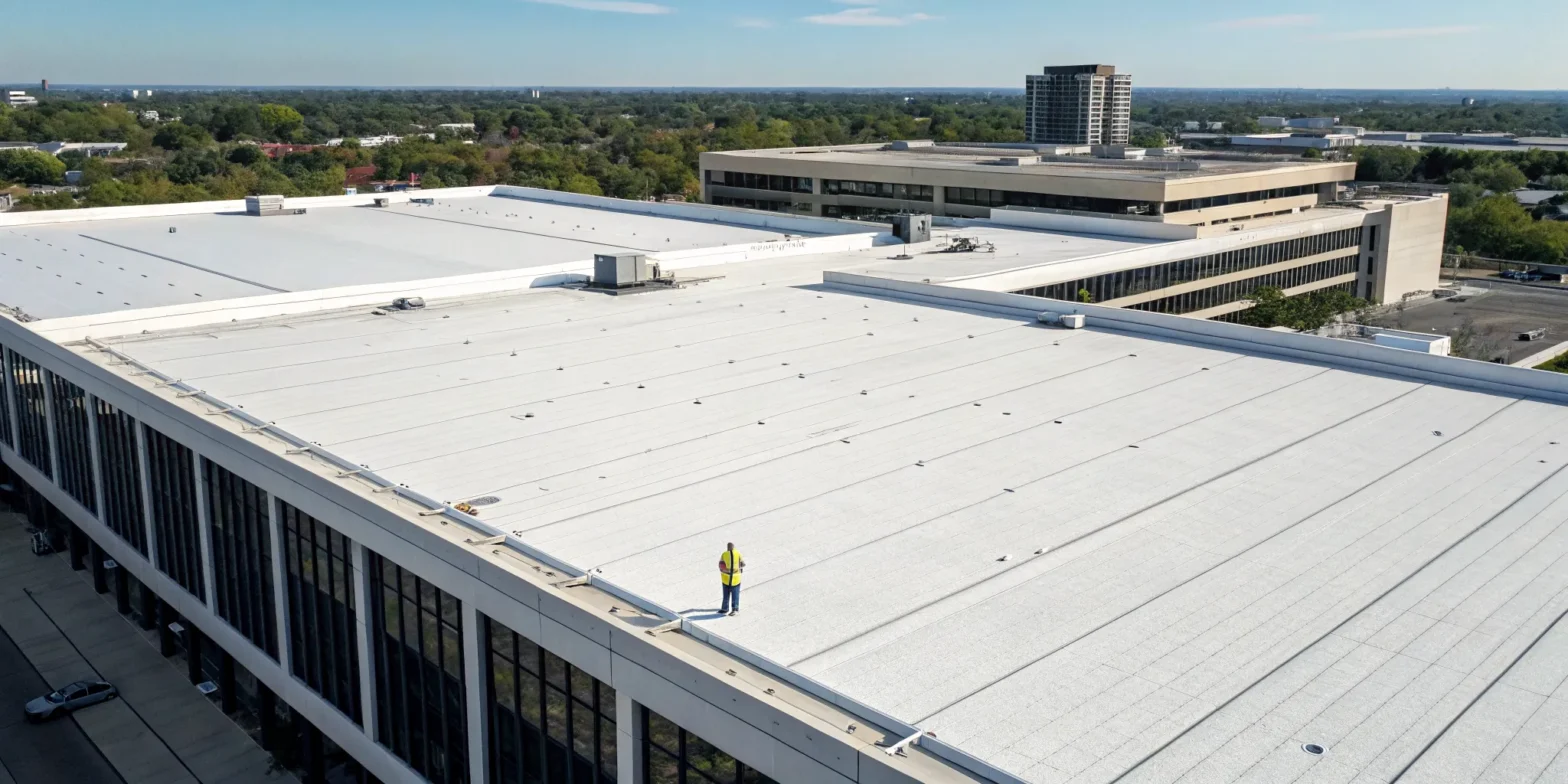
When we talk about commercial “flat roofs,” we’re actually referring to low-slope systems. These roofs are engineered with a very slight angle—just enough to direct water toward drains and prevent it from pooling, which is a major cause of leaks and structural damage. This design is the standard for large buildings like warehouses and factories because it’s an efficient and cost-effective way to cover a massive area. The success of a low-slope system depends entirely on using the right commercial roofing materials that create a continuous, watertight seal. Popular choices like TPO, PVC, and EPDM membranes are durable, flexible, and excellent at resisting leaks. Plus, many modern options, especially white membranes, are highly reflective and can help lower a building’s cooling costs.
Commercial vs. Residential: What’s the Difference?
It’s a common misconception that a roof is just a roof, but commercial and residential roofing are worlds apart. The biggest difference lies in their design and structural requirements. A residential roofing system is typically steep-sloped to shed water and snow easily from a smaller footprint. In contrast, commercial roofs are usually flat or have a very low slope, which means they need robust, seamless materials to prevent pooling water and leaks. They are also built to handle heavier loads, from industrial ventilation systems to solar panels. This fundamental difference in purpose dictates everything from the materials used to the maintenance schedule required to keep the roof in top condition.
Your Guide to Commercial Roofing Material Types
Choosing the right material is the most critical decision you’ll make for your building’s roof. The best option depends on your property’s structure, your local climate here in the Puget Sound, and your budget. Each material offers a unique set of benefits, from durability and energy efficiency to aesthetic appeal. Understanding these differences will help you select a commercial roofing system that protects your investment for decades. Let’s look at five of the most common and effective materials available today.
Single-Ply Membranes: TPO, PVC, & EPDM
Single-ply roofing is a popular choice for good reason. It uses large, flexible sheets of synthetic material that create a durable, seamless surface with minimal upkeep. These systems generally fall into two categories. Thermoplastic membranes, like TPO and PVC, have seams that can be heat-welded together for an incredibly strong, watertight bond. The other type is a thermoset membrane, like EPDM, which is a rubber-based material known for its excellent resistance to sunlight and chemicals. All three are fantastic options for protecting flat or low-slope roofs from the elements.
Market Popularity of Single-Ply Options
It’s no surprise that single-ply roofing has become a go-to choice in the commercial market. These systems use large, flexible sheets of synthetic material to create a durable, seamless surface with minimal upkeep, a key reason they’ve become such a popular choice for commercial buildings. When you look at the numbers, Thermoplastic Olefin (TPO) is the clear frontrunner, making up about 40% of all new commercial flat roofs. The popularity of TPO comes down to its excellent balance of cost and performance, making it an attractive option for many building owners. Another major advantage is energy efficiency. The white, reflective surface of a TPO membrane bounces sunlight away from the building, which can significantly reduce cooling costs during warmer months. This combination of durability, affordability, and energy savings is what makes single-ply systems such a smart and popular choice for commercial properties.
Metal Roofing: Strength and Durability
Once seen mostly on industrial buildings, metal roofing is now a stylish and practical choice for a wide range of commercial properties. It’s valued for its exceptional durability, long lifespan, and modern look. You’ll typically see two types: standing seam and screw-down. Standing seam systems hide the fasteners, creating a sleek appearance and offering superior protection against wind and leaks, often lasting over 50 years. Screw-down roofs, where the fasteners are visible, are also a very reliable and cost-effective choice. Both can significantly enhance a building’s curb appeal and value.
Modified Bitumen: A Reliable Classic
Modified bitumen, or “mod bit,” is a type of asphalt roofing that has been enhanced with rubber or plastic polymers to make it more flexible and durable. Think of it as a modern update to traditional asphalt roofing. These factory-made sheets are installed in layers, creating a tough, redundant barrier against moisture. Installation methods vary, but they all result in a robust roof. Modified bitumen is also versatile, with options that are fire-rated or have reflective surfaces to help reduce cooling costs during warmer months.
Built-Up Roofing (BUR): The Time-Tested Option
Built-up roofing, often called BUR, is the classic workhorse of the commercial roofing world. This system is constructed on-site with multiple layers of asphalt and reinforcing fabrics, topped with a layer of gravel or a mineral coating. This multi-layer design provides exceptional strength and resistance to punctures, fire, and heavy foot traffic. Because of its redundancy, a small cut or hole won’t necessarily cause a leak. If your building requires a roof that can withstand serious wear and tear, the proven performance of a BUR system makes it a solid and dependable choice for long-term protection.
Green Roofs: The Sustainable Choice
Green roofs are an innovative and environmentally friendly solution that is gaining traction. These systems involve covering a roof with a waterproof membrane, a drainage system, and a layer of vegetation. Beyond the visual appeal, a green roof provides excellent insulation, which can lower your energy bills. It also helps manage stormwater runoff and can extend the life of the roof membrane by protecting it from UV rays. For property owners focused on sustainability and modern design, a green roof is a forward-thinking investment that offers both practical and ecological benefits.
Spray Polyurethane Foam (SPF) Roofing
Spray Polyurethane Foam, or SPF, is a unique system where a liquid is sprayed onto the roof and expands into a solid foam. This process creates a completely seamless and waterproof barrier that conforms to any shape, making it ideal for roofs with lots of vents, pipes, or other protrusions. One of its biggest advantages is its excellent insulation, which can significantly reduce your building’s heating and cooling costs. Because SPF is so lightweight, it can often be applied directly over an existing roof, saving you the time and expense of a full tear-off. It’s a versatile and energy-efficient choice for many commercial properties.
Roof Coating Systems
Think of a roof coating as a protective shield for your existing roof. It’s a liquid membrane that is rolled or sprayed on to create a seamless, waterproof layer. This is a fantastic way to extend the life of your current roof without the cost of a full replacement. Coatings can seal small leaks, protect against UV damage, and many are reflective, which helps lower indoor temperatures and reduce energy consumption. They are especially effective for maintaining flat roofs and can be a very cost-effective solution for breathing new life into an aging but still functional roofing system.
Other Material Considerations
While membranes and metal systems cover many commercial buildings, there are a few other materials worth knowing about, especially for properties with unique structural designs or specific aesthetic goals.
Concrete Roofing
Concrete is one of the toughest and most durable roofing materials you can choose, often lasting the entire life of the building. Its sheer weight means the building’s structure must be strong enough to support it, but the trade-off is incredible resilience. Concrete offers superior fire resistance and acts as a great insulator. While the initial investment for this type of commercial roofing is higher than for many other systems, its longevity and minimal maintenance needs can lead to significant long-term savings, making it a smart choice for property owners who prioritize durability above all else.
Asphalt Shingles for Sloped Commercial Roofs
You might associate asphalt shingles with residential homes, but they are also a practical option for smaller commercial buildings that have sloped roofs, like apartment complexes or retail storefronts. Their main appeal is affordability and ease of installation. They come in a wide array of colors and styles, giving you plenty of design flexibility. While their lifespan isn’t as long as materials like metal or concrete, they provide reliable protection and are straightforward to repair if a shingle gets damaged, making them a common choice for budget-conscious projects.
Tile Roofing
Tile roofing, made from clay or concrete, offers a classic, upscale look combined with impressive durability. It’s known for its long lifespan and ability to withstand harsh weather, from heavy rain to high winds. Tile is also naturally energy-efficient, as it helps insulate the building and keep it cooler in warm weather. This material is a significant investment upfront, but its longevity and timeless aesthetic can add substantial value to a commercial property. For buildings where appearance and long-term performance are top priorities, a tile roof is an excellent choice.
Commercial Roofing Materials: A Pros and Cons Comparison
Choosing the right material for your commercial roof involves balancing durability, cost, and maintenance needs. Each option comes with its own set of strengths and weaknesses, and what works for one building might not be the best fit for another. Understanding these trade-offs is the first step toward making a smart investment that protects your property for years to come.
To help you compare your options, let’s break down the pros and cons of the most common commercial roofing materials. Think about your building’s specific needs, your local climate here in the Puget Sound, and your long-term budget as you review each one. This will give you a clearer picture of which material aligns best with your goals.
Single-Ply Membrane: Pros and Cons
Single-ply membranes like TPO, PVC, and EPDM are popular for a reason. They are known for their impressive longevity, often lasting between 20 and 30 years with proper care. These materials are also energy-efficient, flexible, and resistant to UV rays, making them a solid choice for our often-overcast but sometimes-sunny climate. Their installation is relatively straightforward, and they require minimal maintenance over their lifespan.
On the downside, these membranes can be punctured by sharp objects, like falling branches or dropped tools. If a repair is needed, it often requires specialized expertise to ensure a lasting fix. The seams can also be a weak point if not installed perfectly, potentially leading to leaks down the road.
Drawbacks of TPO
While TPO (Thermoplastic Polyolefin) is a strong and affordable option, it has a couple of potential weaknesses to keep in mind. It doesn’t always perform its best in climates with prolonged, intense heat, which can affect its longevity. More importantly, the seams can become a vulnerable point if they aren’t welded perfectly during installation. A flawless installation is absolutely critical to prevent seam failure and potential leaks. This is why choosing an experienced team for your commercial roofing project is so important—it ensures every detail, especially the seams, is handled with precision for a watertight finish.
Drawbacks of PVC
PVC (Polyvinyl Chloride) is known for being incredibly tough and resistant to chemicals and fire, but these premium features come with a higher price tag. The initial cost for a PVC roof is typically greater than for TPO or EPDM, which is a key factor for many budgets. Another consideration for us here in the Puget Sound is its performance in the cold. PVC membranes can become stiff and less flexible in very cold weather, which could make them more susceptible to damage under certain conditions. It’s a trade-off between its superior durability and these specific limitations.
Drawbacks of EPDM
EPDM (Ethylene Propylene Diene Monomer) is a durable, rubber-based material, but it has its own set of considerations. For some property owners, the standard black color can be an aesthetic drawback, although lighter-colored options are available at a higher cost. The more significant concern is its vulnerability to punctures. While tough, the membrane can be damaged by heavy foot traffic, dropped tools, or sharp debris. If your roof requires frequent maintenance for HVAC units or other equipment, you’ll need to be mindful to avoid accidentally piercing the surface, which could lead to leaks if not addressed promptly.
Metal Roofing: Pros and Cons
If you’re looking for durability, it’s hard to beat metal. Metal roofing systems can last an incredible 40 to 60 years or even longer, standing up to fire and the extreme weather we sometimes see in the Pacific Northwest. They require very little maintenance and can reflect heat, which helps with energy savings during warmer months.
The main drawback is the higher initial cost compared to other materials. While you’ll likely save money over the long run, the upfront investment can be significant. Metal roofs can also be noisy during heavy rain or hail unless you install proper insulation underneath, which is an important consideration for any business or tenant space. You can get a better idea of the investment by using a roofing cost calculator to estimate your project.
Modified Bitumen: Pros and Cons
Modified bitumen is a tough, asphalt-based material that’s great for commercial roofs with high foot traffic, like those with HVAC units that need regular servicing. It’s known for its strength and flexibility, and modern versions can even be self-adhered, which simplifies the installation process.
However, its lifespan is generally shorter than single-ply or metal systems, typically lasting around 20 to 25 years. Because it’s installed in multiple layers, the material and labor costs can sometimes be higher than for other flat roofing options. It’s a reliable workhorse, but it may not offer the same long-term value as some of the more modern materials available today.
Built-Up Roofing: Pros and Cons
Built-up roofing (BUR), often called “tar and gravel,” is a classic for a reason. These systems are incredibly durable, consisting of multiple layers of asphalt and reinforcing fabric that provide excellent resistance to punctures and temperature changes. A BUR system can last 20 to 30 years and offers fantastic protection.
The installation process, however, can be a major drawback. It’s labor-intensive and costly due to the materials and the need to apply hot tar, which can be messy and produce strong fumes. While it’s a time-tested method, many property owners now lean toward more modern systems that offer similar durability without the complex and disruptive installation.
Installation Challenges and Weight
The weight of a BUR system is another significant factor. All those layers of asphalt and gravel are heavy, and your building’s structure must be able to support the load, especially since it may already be holding large HVAC units. The installation itself is also one of the most demanding for any commercial roofing system. It’s a labor-intensive process that involves applying hot tar, which can be messy and create strong odors that might disrupt your business operations. Because of these complexities, a successful BUR installation depends heavily on the skill of the crew. It requires a team with deep experience in traditional roofing methods to ensure it’s built correctly and safely.
Green Roofs: Pros and Cons
Green roofs, which involve growing vegetation on a rooftop, are an amazing way to make a positive environmental impact. They help improve air quality, reduce the urban heat island effect, and provide excellent insulation that can lower your energy bills. Plus, they look beautiful and create a unique space.
The challenges, however, are significant. The initial installation cost is much higher than for any traditional roofing system because it requires complex layers for drainage, waterproofing, and soil. Green roofs also demand ongoing maintenance to keep the plants healthy and ensure the building’s structural integrity isn’t compromised. They are a wonderful but demanding option that requires a serious commitment.
Budgeting for Your Roof: Cost vs. Lifespan
Choosing a new roof for your commercial property is a significant investment, and the price tag is often the first thing you look at. But the initial cost is only one part of the equation. To make the smartest decision for your building, you need to balance the upfront expense with the roof’s expected lifespan and long-term performance. A cheaper roof today could mean more expensive repairs and an earlier replacement down the road. Let’s break down what you can expect in terms of cost and value.
What’s the Upfront Installation Cost?
The initial installation cost of a commercial roof varies widely depending on the material you choose. For single-ply membrane systems like TPO or PVC, you can generally expect to pay between $5 and $9.50 per square foot. Modified bitumen is in a similar range, costing about $6 to $9 per square foot. Metal roofing systems, known for their exceptional durability, typically have a higher upfront cost, ranging from $7 to $12 per square foot. To put that in perspective, for a 20,000-square-foot building, a single-ply roof could cost anywhere from $100,000 to $190,000. These figures are estimates, but they give you a solid baseline for budgeting your commercial roofing project.
Cost Estimates for Common Materials
To make budgeting a little easier, here’s a quick breakdown of what you can expect to pay for the most common materials. Single-ply membranes like TPO or PVC usually run between $5 and $9.50 per square foot. Modified bitumen, another reliable choice, is priced similarly at about $6 to $9 per square foot. If you’re investing in long-term durability, metal roofing is an excellent option, though it has a higher starting cost of $7 to $12 per square foot. And while built-up roofing (BUR) has a competitive price, its labor-intensive installation can affect the final cost. Having these numbers in hand will help you better evaluate your commercial roofing choices and make a decision that fits your financial plan.
Looking Beyond the Price Tag: Lifespan & Value
A roof’s true value becomes clear when you consider how long it will last. While single-ply membrane and modified bitumen roofs are reliable options with lifespans of 20 to 30 years, a metal roof can protect your building for 40 to 60 years or even longer. Although metal has a higher initial cost, its extended lifespan often makes it more cost-effective over time because you won’t have to replace it as frequently. Think of it as a long-term investment in your property’s security and value. A roof that lasts twice as long can save you significant money and headaches in the future, making it a financially sound choice for many property owners.
Expected Lifespans of Different Systems
To help you see the long-term picture, here’s a quick breakdown of what you can expect from each type of commercial roofing system. Single-ply membranes like TPO, PVC, and EPDM are reliable performers, typically lasting between 20 and 30 years. A classic built-up roof (BUR) offers similar durability, also providing 20 to 30 years of service. Modified bitumen systems are tough but have a slightly shorter lifespan of around 20 to 25 years. If longevity is your top priority, metal roofing is the champion, often lasting an impressive 40 to 60 years or more. Finally, while green roofs require more upkeep, they can extend the life of the underlying membrane by shielding it from harsh UV rays.
What Factors Influence the Final Price?
The material itself isn’t the only thing that determines the final price of your new roof. Several other factors come into play, including the complexity of the installation, the type of warranty offered, and the roof’s specific features. For example, if your roof needs to support heavy equipment or withstand regular foot traffic, you’ll need more durable materials, which can increase the cost. The building’s structure, insulation needs, and energy efficiency goals also play a role. A more energy-efficient roof might cost more initially but can lead to lower utility bills. The best way to get an accurate picture is to have a professional assess your building’s unique requirements.
How to Choose the Right Material for Your Building
Selecting the right roofing material is one of the most important decisions you’ll make for your commercial property. It’s about finding the perfect balance between performance, budget, and your building’s specific needs. A great roof does more than just keep the rain out; it protects your assets, contributes to energy efficiency, and ensures the safety of everyone inside. To get it right, you need to consider a few key factors. Let’s walk through them to help you make a confident choice for your property.
Matching Your Roof to Your Local Climate
Here in the Puget Sound region, our roofs have a tough job. They face long seasons of rain, persistent moisture that encourages moss growth, and the occasional heatwave or snowfall. Your roofing material needs to be up to the challenge. Materials like metal and single-ply membranes (TPO, PVC) are excellent choices because they offer superior water resistance and durability. A high-quality commercial roofing system designed for our damp climate will protect your investment from leaks, water damage, and premature wear, ensuring your building stays dry and secure year-round.
Evaluating Your Building’s Structural Needs
Before you settle on a specific material, you need to consider your building’s structure. Is your roof flat or sloped? Does it need to support heavy equipment like large HVAC units? How much foot traffic does it get for maintenance? These questions will help determine the right material. For example, a roof with a lot of equipment and regular foot traffic needs a highly durable and puncture-resistant surface, like a thick TPO membrane. The weight of the material also matters. Heavier systems like green roofs or built-up roofing require a structure that can handle the extra load.
Matching Materials to Building Use
The function of your building plays a huge role in determining the best roofing material. A restaurant with kitchen exhaust vents has very different needs than a sprawling warehouse or a high-tech data center. Choosing a material that aligns with your building’s daily operations is key to ensuring long-term performance and avoiding costly issues. For example, some materials are better at resisting chemicals, while others are designed to withstand heavy foot traffic or reflect heat to keep cooling costs down. Thinking about how you use your building will help you narrow down the options and find a commercial roofing system that works as hard as you do.
Best for Restaurants and Hospitals: PVC
If your building is a restaurant, hospital, or any facility with rooftop chemical exposure, PVC is an excellent choice. This single-ply membrane is highly durable and flexible, but its real strength lies in its resistance to chemicals, grease, and fire. Kitchen exhaust systems on restaurant roofs can emit oils and chemicals that break down other roofing materials over time. PVC stands up to this exposure without degrading, providing reliable, long-lasting protection. Its heat-welded seams create a watertight seal, which is critical for sensitive environments like hospitals where preventing leaks and maintaining a sterile environment is a top priority.
Best for Warehouses and Factories: EPDM
For large, functional buildings like warehouses, office parks, and factories, EPDM is a top contender. Often called “rubber roofing,” this material is known for its exceptional longevity, often lasting 30 years or more. Its flexibility allows it to handle the temperature fluctuations and building shifts common in large structures without cracking or splitting. EPDM offers fantastic resistance to wind, hail, and UV radiation, making it a low-maintenance workhorse that provides decades of reliable protection. For property owners who need a durable, no-fuss solution for a massive roof, EPDM delivers consistent performance and great long-term value.
Best for High Foot Traffic: Modified Bitumen
Does your roof have a lot of HVAC units, vents, or other equipment that requires regular maintenance? If so, you need a material that can handle frequent foot traffic. Modified bitumen is designed for exactly this scenario. This asphalt-based, multi-ply system is incredibly tough and has a high resistance to punctures from dropped tools or heavy boots. Its layered construction provides a redundant barrier against leaks, so even if the top layer gets scuffed or damaged, the underlying layers keep your building protected. This durability makes it a smart choice for any roof that doubles as a workspace for maintenance crews.
Best for Retail and Data Centers: TPO
TPO is one of the most popular materials for a reason: it’s cost-effective, versatile, and highly energy-efficient. Its typically white, reflective surface bounces sunlight away from the building, which can significantly reduce cooling costs—a major benefit for large retail stores and heat-sensitive data centers. TPO is also durable and resistant to algae and bacteria growth, which is a plus in our damp Puget Sound climate. For property owners looking for an affordable, high-performance roofing system that helps manage energy bills and protects valuable inventory or equipment, TPO is an outstanding and practical choice.
Setting Your Energy Efficiency Goals
Your roof plays a huge role in your building’s energy consumption and utility bills. If lowering energy costs is a priority, look for materials with high solar reflectivity, often called “cool roofs.” A reflective white TPO roof can significantly reduce the amount of heat your building absorbs, cutting summer cooling costs. According to the U.S. Department of Energy, this can lower roof surface temperatures by over 50°F. Paired with proper insulation, an energy-efficient roof can lead to substantial savings year after year while creating a more comfortable indoor environment for your employees or tenants.
Factoring in Your Budget and Maintenance Plan
The best roofing choice balances initial cost with long-term value. While some materials have a lower upfront price, they might require more frequent repairs or an earlier replacement, costing you more over time. It’s helpful to think about the total lifecycle cost. A durable, low-maintenance material like metal might have a higher installation cost but save you money on upkeep and last for decades. Be realistic about your budget and how much time and resources you can dedicate to maintenance. You can start to estimate your costs to see how different materials fit into your financial plan.
Modern Roofing Trends and Energy Efficiency
The roofing industry is evolving quickly, and today’s best systems do far more than just provide cover. Modern commercial roofs are designed as high-performance assets that actively contribute to a building’s efficiency, sustainability, and overall health. From materials that reflect sunlight to technology that spots problems before they start, these advancements are changing how property owners protect their investments. Staying informed about these trends can help you make smarter, more cost-effective decisions for your property’s future.
The Rise of Cool Roofs
Your roof has a major impact on your building’s internal temperature and, by extension, your energy bills. This is where “cool roofs” come in. These systems use materials with high solar reflectivity to bounce sunlight and heat away from your building. A reflective white TPO roof, for example, can dramatically reduce the amount of heat your building absorbs, which is a huge help in cutting down on summer cooling costs. For large, flat-roofed commercial buildings, this can translate into significant savings. According to the Environmental Protection Agency, cool roofs can also help extend a roof’s service life by reducing thermal stress.
Sustainable and Recyclable Materials
For property owners focused on sustainability, green roofs are an exciting and eco-friendly solution. These systems, which feature a layer of vegetation over a waterproof membrane, offer incredible benefits. A green roof provides excellent natural insulation, helping to lower your energy bills year-round. It also helps manage stormwater runoff—a big plus here in the Puget Sound—and protects the roof membrane from UV damage, extending its lifespan. Beyond living roofs, many modern materials like metal are highly recyclable, making them a responsible choice for a forward-thinking investment in your commercial roofing system.
Technological Advances in Roofing
Technology is transforming every aspect of the roofing industry, from materials to maintenance. A great roof does more than just keep the rain out; it protects your assets, contributes to energy efficiency, and ensures the safety of everyone inside. Innovations in roofing technology are making it easier than ever to achieve all three of these goals. Advanced installation techniques ensure a more secure and longer-lasting final product, while new inspection methods provide a clearer picture of your roof’s health. These developments are empowering property owners to be more proactive about roof care, saving them from costly surprises down the line.
Smart Roofs and Drone Inspections
Two of the most impactful technological shifts are smart roofs and drone inspections. Smart roofs embed sensors that monitor for things like moisture intrusion or temperature fluctuations, alerting you to potential issues in real-time. This allows for targeted, proactive maintenance before a small problem becomes a major expense. At the same time, drones have made roof inspections safer, faster, and more thorough. They can capture high-resolution images and thermal data from every angle, identifying hidden moisture or weak spots that the human eye might miss. This level of detail is essential to ensure your commercial roof remains in top condition.
What Maintenance Does Your Commercial Roof Need?
Selecting the right material for your commercial roof is a huge step, but the work doesn’t stop once the installation is complete. To protect your investment and get the most out of your roof’s lifespan, consistent maintenance is essential. A proactive approach will always be more cost-effective than reacting to a major failure down the road. Think of it as routine health care for your building; it helps you catch small issues before they become expensive emergencies. Many building owners misunderstand what’s needed for commercial roof care, which can lead to avoidable problems.
Proper maintenance for a commercial roofing system isn’t complicated, but it does require a plan. It generally involves three key practices: following a preventive schedule, knowing how to spot early signs of trouble yourself, and scheduling regular professional inspections. By staying on top of these tasks, you can keep your roof in excellent condition, protect your property from water damage, and ensure your building remains safe and secure for years to come. This isn’t just about fixing problems; it’s about preventing them from happening in the first place, which ultimately reduces long-term costs and extends the life of your roof.
Creating a Preventive Maintenance Plan
A preventive maintenance schedule is your best defense against unexpected roof problems. Instead of waiting for a leak to appear, this proactive plan involves performing routine checks and cleanings throughout the year. A good schedule includes clearing debris like leaves, branches, and trash from the roof surface, gutters, and drains, especially after storms. Clogged drainage is a primary cause of pooling water, which can accelerate wear and tear.
This plan also involves visually inspecting seals and flashing around vents, skylights, and HVAC units. By staying ahead of potential issues, you can significantly extend the life of your roofing system and avoid disruptive, costly repairs. A consistent schedule helps you protect your building and manage long-term costs effectively.
How to Spot Early Signs of Damage
Between professional visits, it’s a good idea to know what to look for yourself. Catching problems early can make the difference between a simple fix and a complex, expensive project. After a heavy rain or windstorm, take a moment to look for obvious signs of trouble. One of the most common red flags is pooling or standing water that doesn’t drain within 48 hours.
Also, keep an eye out for cracks, blisters, or bubbles in the roof membrane. Check for separated seams or loose flashing around the edges of the roof and any penetrations. Inside the building, watch for water stains on the ceiling or walls. If you notice any of these signs, it’s crucial to address the issues immediately to prevent them from escalating.
When to Schedule a Professional Inspection
While your own visual checks are helpful, they can’t replace a professional inspection. A trained roofing expert can identify subtle issues that an untrained eye might miss. We recommend having a professional inspect your roof at least once a year and after any major weather event, like a severe storm with high winds or hail. A professional has the tools and expertise to assess the entire roofing system, from the membrane integrity to the structural components.
During an inspection, a professional will provide a detailed report on your roof’s condition, note any areas of concern, and recommend necessary repairs. This expert assessment not only helps you maintain your roof but also provides crucial documentation that may be required for your warranty. It’s a small investment that offers significant peace of mind.
What to Expect During a Commercial Roof Installation
Once you’ve selected the right material, the next step is the installation itself. A well-managed installation process is key to a successful project, ensuring your daily operations face minimal disruption while your property gets the protection it needs. Knowing what’s coming can make the entire experience smoother and less stressful. From the initial site prep to the final inspection, a professional team will have a clear plan to get the job done efficiently and correctly.
Why Professional Installation Matters
Choosing the right material is a great start, but the quality of the installation is what truly determines your roof’s performance and longevity. A professional installation ensures that every component is fitted correctly, creating a seamless, watertight barrier. This precision affects everything from your building’s energy costs to how much maintenance the roof will need down the line. An expert crew has the training and experience to handle the specific requirements of different commercial roofing systems, preventing common issues like leaks, poor drainage, and premature wear. Investing in a professional installation protects your property and ensures you get the full value out of your new roof.
Key Components and Installation Methods
A commercial roof is much more than just the top layer you see from the street. It’s a complete system where every component works together to protect your building. The way these components are installed is just as critical as the materials themselves. A flawless installation ensures every seam is sealed and every layer is secure, which is the key to a long-lasting, leak-free roof. Understanding how these systems are put together will give you a better appreciation for the craftsmanship that goes into a high-quality commercial roofing project.
Common Installation Methods for Single-Ply Membranes
Single-ply roofing uses large, flexible sheets of synthetic material to create a seamless, durable surface. These systems are generally divided into two types. Thermoplastic membranes, like TPO and PVC, have seams that are heat-welded together, essentially melting them into a single, continuous sheet for an incredibly strong and watertight bond. The other type is a thermoset membrane like EPDM, which is a rubber-based material known for its fantastic resistance to sunlight and chemicals. Depending on the building, these membranes can be mechanically fastened to the roof deck, fully adhered with a special adhesive, or held down with ballast like gravel.
Modified Bitumen Application Techniques
Think of modified bitumen, or “mod bit,” as a modern, high-tech version of traditional asphalt roofing. It’s made of asphalt that has been enhanced with polymers to make it more flexible and durable. These factory-made sheets are installed in overlapping layers to create a tough, multi-layered barrier against moisture. There are a few different ways to apply it. Some methods use a torch to heat the material and adhere it to the roof, while newer techniques use powerful cold-applied adhesives or self-adhering sheets. No matter the method, the result is a robust and reliable roof built to withstand the elements.
The Role of Insulation and Vapor Retarders
Beneath the main roofing material lie two unsung heroes: insulation and a vapor retarder. Insulation is crucial for energy efficiency, as it reduces the flow of heat in and out of your building, which can lead to significant savings on your utility bills. Just as important, especially in our damp Puget Sound climate, is the vapor retarder. This layer is installed underneath the insulation to stop moisture from rising up from inside the building and getting trapped. Without it, moisture could condense and saturate the insulation, reducing its effectiveness and potentially leading to mold or structural damage over time.
How Timelines and Weather Play a Role
A typical commercial roof installation follows a structured timeline. For a 20,000-square-foot building, the process usually takes about five to ten days, though this can vary. The project begins with preparing the site and staging materials, followed by the careful removal of the old roof if necessary. Then, the new system is installed, followed by a detailed final inspection and a thorough cleanup of the area. Here in the Puget Sound, weather can be unpredictable, but an experienced team plans for it. We monitor forecasts closely and take steps to protect your building from the elements throughout the installation, ensuring the project stays on schedule without compromising quality.
Understanding Building Codes and Warranties
A new commercial roof is a significant investment, and it should come with solid protection. You’ll typically receive two types of warranties: a manufacturer’s warranty covering material defects and a contractor’s warranty covering the workmanship. It’s important to understand what each one covers and any actions that might void them, like unapproved alterations. Additionally, every project must comply with local building codes. A reputable contractor will manage all necessary permits and inspections, making sure your new roof meets all safety and structural standards. This leaves you with peace of mind, knowing your roof is not only well-built but also fully compliant.
Don’t Believe These Commercial Roofing Myths
When it comes to commercial roofing, a lot of misinformation can float around. These myths can lead to poor decisions, unexpected costs, and long-term problems for your property. Let’s clear the air and tackle some of the most common misconceptions so you can make informed choices for your building. Understanding the facts will help you protect your investment and ensure your roof performs well for years to come.
Myth #1: A Higher Price Always Means Higher Quality
It’s easy to assume that the most expensive roofing material is automatically the best, but that’s not always the case. True quality comes from finding the right fit for your specific building, climate, and budget. The best commercial roofing material is one that offers long-term value. This means considering its durability, maintenance requirements, and energy efficiency, not just the initial price tag. A moderately priced roof that’s perfectly suited to the Pacific Northwest climate can easily outperform a more expensive option that isn’t.
Myth #2: All Flat Roofs Are Created Equal
This is a common but incorrect assumption. The term “flat roof” is an umbrella category for several different systems, each with its own unique properties. Materials like TPO, PVC, EPDM, and modified bitumen all fall under this category, but they are far from identical. For example, a white TPO roof is highly reflective and great for energy efficiency, while a modified bitumen roof is known for its exceptional durability and resistance to foot traffic. The right choice depends entirely on your building’s specific needs and how you use your roof space.
Myth #3: A Brand-New Roof is Maintenance-Free
Installing a new roof is a major investment, but the work doesn’t stop once the installation is complete. Just like a new car needs regular oil changes, a new roof requires routine maintenance to perform at its best and last its full lifespan. Neglecting it can lead to small, fixable issues turning into major, costly problems. Scheduling regular professional inspections helps you catch potential trouble spots like clogged drains, separated seams, or minor punctures early, ensuring you get the most out of your investment.
Myth #4: All Materials Offer the Same Energy Savings
Different roofing materials have a significant impact on a building’s energy consumption, and the savings are definitely not one-size-fits-all. For instance, a reflective white TPO roof can reduce summer cooling costs by reflecting sunlight away from the building. In contrast, a traditional dark-colored roof will absorb more heat. Good insulation paired with the right material can lower your energy bills year-round. Choosing a material with your energy efficiency goals in mind can lead to substantial savings on heating and cooling over the life of the roof.
Related Articles
Frequently Asked Questions
How do I know if my commercial roof needs to be replaced or if it can just be repaired? Deciding between a repair and a full replacement really depends on the age of your roof and the extent of the damage. If you’re dealing with a single, isolated issue like a small puncture or a loose seam on a relatively new roof, a repair is often the most practical solution. However, if your roof is showing widespread problems like extensive blistering, multiple leaks, or is nearing the end of its expected lifespan, a replacement is usually the smarter long-term investment. A professional inspection is the best way to get a clear answer.
Which roofing material do you recommend most for the Puget Sound’s wet climate? There isn’t one single “best” material, as several options perform exceptionally well in our rainy environment. Single-ply membranes like TPO and PVC are fantastic choices because their seams are heat-welded, creating a single, waterproof sheet that is very effective at preventing leaks. Metal roofing is another top contender due to its incredible durability and how efficiently it sheds water. The right choice for your building will ultimately depend on its structure, your budget, and your long-term goals.
How long will a new roof installation take, and will my business have to shut down? A professional roofing team will always work to minimize disruption to your daily operations. The exact timeline depends on the size and complexity of your roof, but we create a detailed plan to keep your business running smoothly. We can often complete the project in sections and will coordinate with you to manage noise, debris, and access to the building. Our goal is to ensure the installation process is as efficient and unobtrusive as possible.
What’s the real difference between a contractor’s warranty and a manufacturer’s warranty? It’s a great question, as both are important for protecting your investment. Think of it this way: the manufacturer’s warranty covers the roofing materials themselves against defects or premature failure. The contractor’s warranty, on the other hand, covers the quality of the installation. It’s our promise to you that the work was done correctly and to the highest standard. A quality project will always be backed by both.
Besides the material, what are the biggest factors that affect the final cost of a new roof? Several key factors influence the final price of a commercial roofing project. The condition of the existing roof is a big one; if a complete tear-off is required, that will add to the cost. The complexity of the roof’s design, such as the number of vents, skylights, and HVAC units, also plays a role because these features require more detailed labor. Finally, the type of insulation chosen and how easily accessible the roof is for crews and equipment will also affect the overall project cost.