Date
Tue Mar 17When the wind howls and rain pounds your windows, the last thing you want to worry about is your roof. That peace of mind comes from knowing you have durable, high-quality materials protecting your home. But how do you cut through the marketing noise to find the right shingles? Instead of just trusting brand claims, look at the hard data. The list of the best shingles consumer reports compiles is based on intense testing for wind, rain, and impact resistance. These unbiased roof shingle ratings empower you to choose shingles proven to withstand the toughest weather.
Key Takeaways
- Look Beyond the Price Tag: The best shingle for your home balances cost with long-term performance. Prioritize materials with high wind and impact ratings, as these features provide lasting value and save you money on future repairs.
- Your Contractor Choice Protects Your Warranty: Even top-rated shingles can fail if installed incorrectly, which often voids the manufacturer’s warranty. Choosing an experienced contractor is the most important step to ensure your roof performs correctly and your investment remains covered.
- Simple Upkeep Extends Your Roof’s Life: A new roof requires consistent care to last. Simple actions, like keeping gutters clean and scheduling annual professional inspections, prevent small problems from turning into costly repairs and help you get the most out of your shingles.
Why I Trust Consumer Reports for Roofing Shingle Ratings
Walking down the roofing aisle at a home improvement store can feel overwhelming. With so many brands, styles, and promises, how do you know which shingles will actually protect your home? This is where Consumer Reports (CR) comes in. Think of them as your incredibly thorough, unbiased friend who does all the hard research for you. When you’re making a significant investment in your home, like a new residential roof, you want to feel confident in your decision, and CR’s data can help you get there.
What makes their ratings so trustworthy? First, Consumer Reports is an independent, nonprofit organization. They buy every single product they test, including every bundle of shingles. This means their reviews are completely objective and not influenced by advertisers or manufacturers. You’re getting the real story, not a sales pitch.
Second, their testing process is intense. They don’t just read the packaging; they simulate the harsh conditions your roof will face. They have machines that mimic years of sun exposure, driving rain, and heavy winds. They even test for impact resistance to see how shingles hold up against hail or falling debris. This rigorous testing reveals how different shingles will actually perform over time, giving you a clear picture of their strength and durability. By using their research, you can cut through the marketing noise and choose shingles that are proven to last.
Signs It’s Time for a New Roof
Knowing when to replace your roof can feel like a guessing game, but your home often gives you clear clues. Paying attention to a few key signs can help you address issues before they turn into costly emergencies. If you notice any of these red flags, it’s a good idea to schedule a professional inspection to get a clear picture of your roof’s condition.
Visible Shingle Damage
One of the most straightforward ways to check your roof’s health is to look at it from the ground. Take a walk around your property and pay close attention to the shingles. Do you see any that are curling up at the edges, cracked, or buckled? Are there dark patches that look wet or areas where the protective granules have worn away? Even more obvious are shingles that are completely missing, especially after a windstorm. As testing confirms, this type of damage means your roof’s first line of defense is failing, leaving your home vulnerable to the elements.
Leaks and Water Stains
Sometimes, the first sign of a problem isn’t on the roof itself, but inside your home. That new, brownish stain on your ceiling or the paint bubbling on a wall is often a direct result of a leak. Don’t dismiss these as minor cosmetic issues. Even a small drip indicates that water has breached your roofing system and is making its way into your home’s structure. Experts advise homeowners to take ceiling stains seriously, as they can lead to bigger problems like mold, damaged insulation, and rotted wood framing if the source of the leak isn’t addressed promptly.
Your Roof’s Age
Even if your roof looks okay and you haven’t found any leaks, its age is a critical factor. Most asphalt shingle roofs are designed to last about 15 to 25 years. If your roof is approaching or has surpassed the 20-year mark, its materials are likely nearing the end of their effective life. Before committing to materials, compare your next steps with a trusted roof replacement contractor so small issues do not turn into leaks. The shingles may have become brittle and less resistant to wind and impact. Planning for a roof replacement proactively allows you to manage the project on your own timeline and budget, rather than being forced into a rushed decision after a sudden failure during a major storm.
The Best Shingles Consumer Reports Recommends
When it’s time to choose shingles for your home, the sheer number of options can feel overwhelming. You want something that looks great, holds up to the Pacific Northwest weather, and fits your budget. That’s where trusted, unbiased sources like Consumer Reports come in handy. They put shingles through rigorous testing to see how they stand up to wind, rain, and impact, so you can make a decision with confidence. Their ratings cut through the marketing noise and focus on what really matters: performance and durability.
We’ve gone through their findings to highlight the shingles that consistently earn top marks. These brands are recognized for their strength, longevity, and overall value. From multi-layered architectural shingles that offer a beautiful, dimensional look to options specifically designed for high-wind areas, there’s a top-rated choice for every home. Understanding what makes these shingles stand out will help you have a more informed conversation with your residential roofing contractor and select the perfect material for your roof replacement. Let’s look at the five brands that made the cut.
Our Top Pick: Owens Corning Berkshire Collection
If you’re looking for a shingle that combines a premium, slate-like appearance with serious strength, the Owens Corning Berkshire Collection is a fantastic choice. These are multi-layered architectural shingles, which means they have a thicker, more dimensional profile that adds a lot of character to your home. But they’re not just about looks. Consumer Reports gives them an “Excellent” rating for wind resistance, a must-have feature in our region. They’re built to withstand damage from falling tree limbs and harsh weather, giving you peace of mind when the next storm rolls through. This combination of beauty and brawn makes them a top performer year after year.
Featuring SureNail Technology
So, what’s the secret behind their impressive strength? It comes down to a smart innovation called SureNail Technology. Owens Corning embeds a tough, woven fabric strip right into the nailing area of each shingle, creating an incredibly secure hold—almost like a seatbelt for your shingles. This reinforcement is what gives the Berkshire line its exceptional grip, drastically reducing the chance of shingles tearing or blowing off during the intense windstorms we sometimes get. In fact, this design is so effective that it helps the shingles withstand winds up to 130 mph. For us homeowners, that translates to a more durable roof and a lot less to worry about when the weather turns. It’s engineered to provide a strong, reliable bond that keeps your home protected.
GAF Timberline HDZ
GAF is one of the most recognized names in roofing, and their Timberline HDZ shingles live up to the reputation. They are a go-to for homeowners who prioritize wind protection. These shingles come with an impressive 130 mph wind warranty, offering superior performance during intense storms. What makes them unique is a feature called the StrikeZone, which is a specially designed nailing area. This might sound technical, but it’s a huge benefit because it helps ensure your roofer can install the shingles with incredible accuracy. A proper installation is key to a long-lasting, leak-free roof, and the Timberline HDZ design makes that process more foolproof.
CertainTeed Landmark
CertainTeed Landmark shingles are a popular choice for good reason, especially here in the damp Pacific Northwest. One of their standout features is a strong adhesive that helps prevent algae growth, which is what causes those unsightly black streaks you see on older roofs. This keeps your roof looking clean and new for longer. Beyond that, these shingles consistently receive high marks from Consumer Reports for their overall strength and durability. They offer a great balance of performance, a wide range of color options, and reliable protection, making them a solid and dependable choice for any home.
Atlas StormMaster Slate
For homeowners looking for exceptional performance without the premium price tag, Atlas StormMaster Slate shingles are a top contender. They offer incredible value by providing superior protection at a more accessible cost. Their main claim to fame is their Class 4 impact resistance, which is the highest rating available. This means they are designed to withstand significant impact from things like hail or falling branches, reducing the risk of damage. The “slate” in their name refers to their aesthetic, which mimics the look of natural slate tiles. This allows you to get a high-end look that enhances your home’s curb appeal while staying within your budget.
Scotchgard Protector for Algae Prevention
Living in the Pacific Northwest, we’re no strangers to damp weather, which unfortunately creates the perfect environment for algae to grow on roofs. Those ugly black streaks you often see aren’t just dirt; they’re a sign of algae taking hold. To combat this, many top shingle brands now incorporate algae-resistant technology. For example, the Atlas StormMaster Slate shingles we just talked about use Scotchgard Protector, which is specifically designed to prevent this kind of growth and keep your roof looking clean. Similarly, CertainTeed Landmark shingles feature a strong adhesive that resists algae. Choosing shingles with this kind of built-in protection is a smart move. It not only preserves your home’s curb appeal but also helps with long-term roof maintenance, saving you from future headaches and cleaning costs.
Tamko Heritage
Tamko Heritage architectural shingles are often recommended for homeowners who want a perfect balance of performance, appearance, and cost. They are a durable and reliable option that provides excellent protection without being the most expensive shingle on the market. Known for their appealing look, they come in a variety of beautiful color blends that can complement any home style. Their construction gives them a dimensional quality that adds visual interest and curb appeal. If you’re looking for a trusted, all-around great shingle that has proven its worth over time, the Tamko Heritage line is a fantastic and popular choice.
How to Choose the Right Shingles for Your Home
Picking out new shingles can feel like a big decision, and it is. Your roof is your home’s first line of defense against the elements, so the materials you choose matter. While aesthetics are important, the real value lies in performance and longevity. Before you settle on a color, it’s helpful to understand the key factors that separate a basic shingle from a high-performance one.
Think about durability, especially with our Pacific Northwest weather. You’ll also want to look at specific performance ratings for wind and impact, which tell you how well a shingle can handle a storm. The warranty is another critical piece of the puzzle, as it protects your investment for years to come. Finally, remember that even the best shingles in the world won’t perform well without proper installation. Let’s walk through what each of these factors means for your home.
Will Your Shingles Stand Up to the Weather?
When you’re investing in a new roof, you want it to last. Durability is all about how long your shingles can hold up against sun, rain, and wind without breaking down. Asphalt shingles are a popular choice because they offer a great balance of longevity and weather resistance, with lifespans ranging from 15 to 50 years depending on the quality. For homeowners in the Puget Sound, choosing a material designed to handle persistent moisture is key. High-quality composition roofing is engineered to resist algae growth and stand up to our damp climate, keeping your home protected and looking great for decades.
Decoding Wind and Impact Ratings
Shingle ratings give you a clear idea of how they’ll perform under pressure. Wind ratings, for example, indicate the maximum wind speed a shingle can withstand before it starts to lift or tear off. Given the occasional windstorms we see in Washington, this is a critical feature. Similarly, impact ratings measure a shingle’s ability to resist damage from hail or falling debris. As Consumer Reports notes, thicker, multilayered architectural shingles often provide more than double the strength of standard options. Investing in a shingle with higher ratings gives you peace of mind that your roof is built to handle whatever nature throws its way.
The Importance of a Class 4 Impact Rating
When you see a shingle with a Class 4 impact rating, it means you’re looking at the toughest option available. This is the highest level of protection a shingle can earn, and it’s a big deal for long-term durability. To get this rating, a shingle must withstand having a two-inch steel ball dropped on it without cracking or breaking. While we may not get frequent, damaging hail in the Pacific Northwest, our windstorms can send tree limbs and other debris crashing onto our homes. A Class 4 shingle is built to handle that kind of impact, significantly reducing the risk of damage. This superior strength not only gives you peace of mind but can also sometimes lead to a discount on your home insurance, making it a wise investment in your home’s protection.
Understanding Your Warranty
A strong warranty is a sign that a manufacturer stands behind its product. When you’re comparing shingles, don’t just look at the length of the warranty; look at what it actually covers. The best warranties cover the full replacement cost of the shingles and the labor to install them if they fail prematurely. It’s always a good idea to read the fine print. Some warranties are prorated, meaning their coverage decreases over time. Understanding these details upfront ensures you know exactly what level of protection you’re getting with your new roof.
What “Lifetime” Really Means
The word “lifetime” on a warranty sounds fantastic, but it often comes with a catch. In the roofing world, a lifetime warranty doesn’t always mean you’re covered for the entire time you own your home. Typically, these warranties provide full, non-prorated coverage for a specific initial period, often around 10 years. After that, the coverage becomes prorated, which means the manufacturer will only cover a decreasing percentage of the replacement cost as the years go by. It’s crucial to read the warranty documents carefully to understand the exact terms and timeline, so you have a realistic expectation of what’s covered down the road.
Common Warranty Exclusions to Know
A manufacturer’s warranty is designed to protect you from defects in the shingles themselves, but it won’t cover everything. There are several common exclusions you should be aware of. For instance, damage from severe weather events, often called “acts of God,” is typically not covered. This includes things like hurricanes or major hail storms, which would fall under your homeowner’s insurance policy instead. Warranties also won’t cover problems caused by poor attic ventilation or structural issues with your home. Most importantly, improper installation will almost always void your warranty, which is why choosing a skilled and certified roofing contractor is so essential.
Considering Solar Panels? Check Your Warranty First
Solar panels are a great way to make your home more energy-efficient, but they can have a big impact on your roof warranty. Before you move forward with a solar installation, you need to check the terms of your shingle warranty. The process of mounting solar panels involves drilling into your roof deck, which can create potential entry points for water. Because this alters the original state of the roof, many manufacturers will void the warranty if the installation isn’t done by a certified professional or if specific guidelines aren’t followed. As Consumer Reports advises, it’s best to have a conversation with both your roofer and your solar installer to ensure everyone is on the same page and your investment remains protected.
Why Quality Installation is Non-Negotiable
You can buy the most expensive, highest-rated shingles on the market, but they’ll only perform as well as their installation. A shoddy installation job can lead to leaks, blow-offs, and a drastically shortened lifespan for your roof. In fact, most manufacturers specify that their shingles must be installed by a professional for the warranty to be valid. This is why choosing experienced residential roofing services from a reputable contractor is just as important as choosing the right shingle. Proper installation ensures every component works together to protect your home effectively and keeps your warranty intact.
Why Your Installer’s Warranty Matters Most
While a manufacturer’s warranty is great for covering defects in the shingles themselves, it won’t protect you if the problem stems from how they were put on your roof. This is where the installer’s workmanship warranty becomes your most important safety net. It’s a promise from your contractor that they stand behind the quality of their work, covering you for any leaks or issues that arise from an installation error. As we’ve mentioned, choosing an experienced contractor is the most important step to ensure your new roof performs correctly and your investment remains covered. A strong workmanship warranty is a clear sign that your installer is confident in their skills and committed to providing a long-lasting, durable roof, giving you a direct line of recourse if anything goes wrong.
Finding the Best Shingle for Your Budget
Choosing the right shingle often comes down to balancing your budget with your long-term goals for your home. While it’s tempting to go for the lowest upfront price, it’s also smart to think about performance, appearance, and how long you want your roof to last. A shingle that costs a bit more today might save you a lot of money on repairs and replacements down the road. The good news is that there are excellent options at every price point, so you can find a shingle that protects your home and fits your finances. To get a better sense of what to expect, you can start planning your budget with a roofing cost calculator to get a rough idea of the investment.
3-Tab Shingles: The Budget-Friendly Basic
If your main priority is keeping initial costs low, 3-tab shingles are the classic, go-to choice. They have a flat, uniform appearance and provide solid, basic protection for your roof. These shingles can handle winds up to 60 mph and are generally the most affordable option on the market, which is why they’re a popular pick for homeowners on a tight budget or for use on rental properties. While they don’t have the same lifespan or dimensional look as other options, they get the job done without breaking the bank. They offer a reliable and cost-effective roofing solution when upfront cost is the most important factor.
Weight and Durability
One of the main differences you’ll notice with 3-tab shingles is their weight. They are significantly lighter and thinner than architectural shingles, which directly impacts their overall durability. This lighter construction means they are more susceptible to damage from high winds and falling debris. According to research, thicker, multi-layered shingles can provide more than three times the protection of standard 3-tab options. This is why 3-tab shingles have a lower wind rating and a shorter lifespan. While they provide adequate protection under normal conditions, they don’t offer the same level of resilience as their heavier counterparts, making them a trade-off between upfront cost and long-term strength.
Architectural Shingles: The Sweet Spot for Most Homes
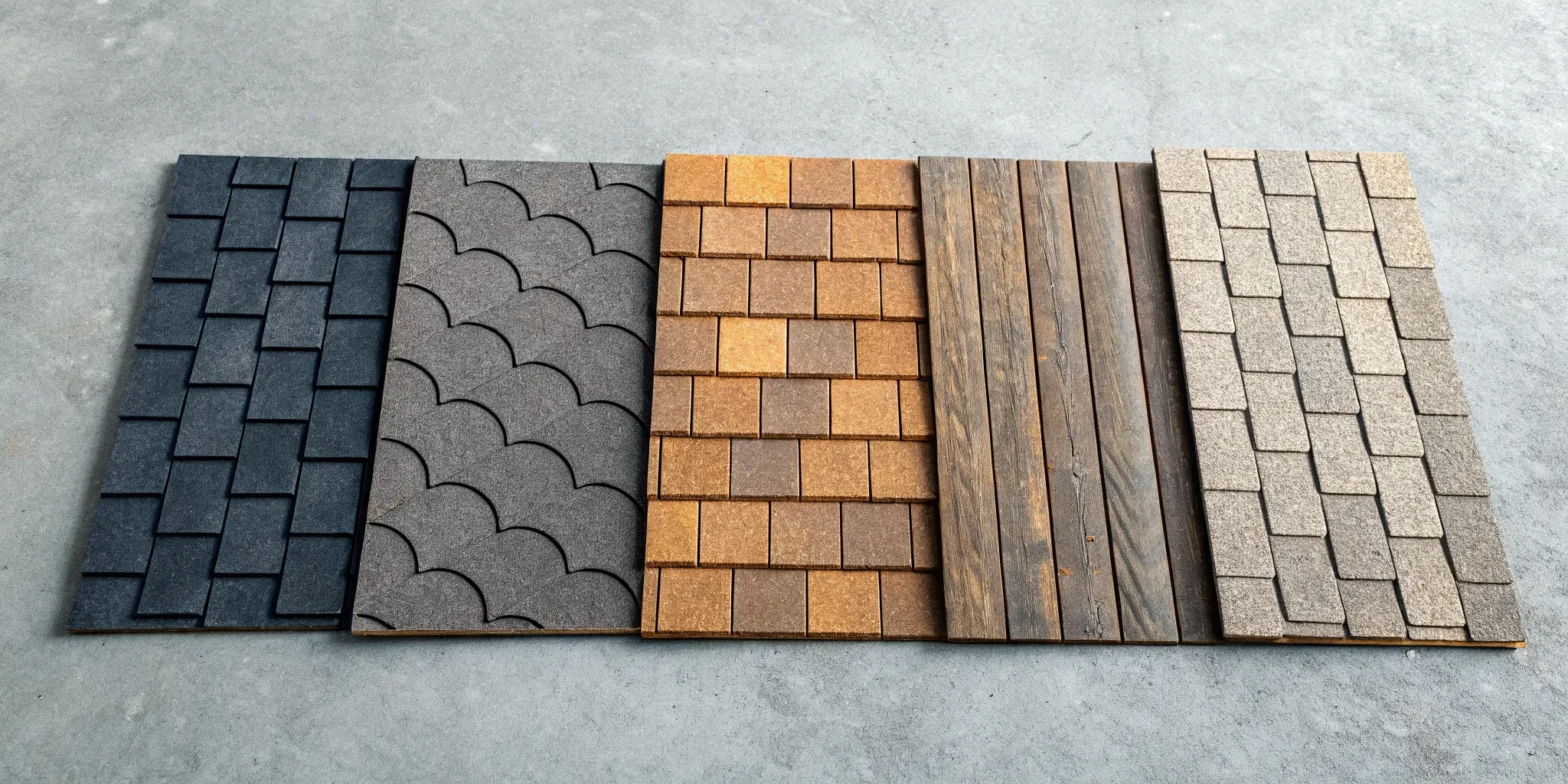
For most homeowners, architectural shingles hit that perfect sweet spot. Also known as laminated or dimensional shingles, they offer the best balance of visual appeal, durability, and cost. Their layered construction creates depth and texture, mimicking the look of more expensive materials like wood shakes but without the high price tag. They are thicker and heavier than 3-tab shingles, which means they last longer and stand up better to the elements. Because they provide a significant upgrade in style and performance for a moderate price increase, architectural shingles have become the most popular choice for residential roofing projects today.
Premium Shingles: Top-Tier Performance and Longevity
When you want the absolute best in performance and longevity, premium shingles are the answer. These are typically multilayered architectural shingles designed for maximum durability and a striking appearance. Some are strong enough to withstand winds up to 110 mph and offer superior protection against hail and wind-driven rain. While they come with a higher price tag, this investment pays off over time with a longer lifespan, enhanced curb appeal, and fewer worries about maintenance. For homeowners who plan to stay in their homes for the long haul and want ultimate peace of mind, premium shingles provide top-tier protection and lasting value.
Heavier Weight for Enhanced Protection
When you’re comparing shingle samples, you can literally feel the difference in quality. Heavier shingles aren’t just bulky; their weight is a direct result of their multi-layered construction, which creates a more robust shield for your home. This added mass is what gives them superior wind resistance, often rated for gusts up to 110 mph or more. It also contributes to a higher impact rating, meaning they are better equipped to handle damage from falling branches or hail. According to independent tests, many premium shingles carry a Class 4 impact rating—the highest available—offering maximum peace of mind during a storm. Choosing a heavier, more durable shingle is a smart investment for any residential roof in the Pacific Northwest, ensuring it can withstand our demanding weather for decades.
Beyond Asphalt: A Look at Alternative Roofing Materials
Asphalt shingles are a fantastic and popular choice, but they aren’t the only option out there. Depending on the style of your home, your long-term goals, and your personal taste, you might find that an alternative material is a better fit. Exploring other options opens up a world of possibilities for both aesthetics and performance. From the sleek, modern lines of metal to the timeless elegance of natural slate, different materials offer unique benefits. Whether you’re looking for unparalleled longevity, a specific architectural look, or superior weather resistance, it’s worth taking a moment to see what else is available before making your final decision.
Metal Roofing
If durability and longevity are at the top of your list, metal roofing is an incredible option to consider. Long gone are the days of simple, corrugated tin roofs; today’s metal roofs come in a wide variety of styles and colors that can mimic the look of traditional shingles, slate, or shakes. Compared to asphalt, metal roofs bring some major advantages—think decades-long durability, top-notch weather resistance, and even energy savings. They are lightweight, fire-resistant, and reflect solar heat, which can help keep your home cooler in the summer. While the initial investment can be higher, a metal roof can last 50 years or more, making it a smart, long-term choice for your home.
Composite Shingles
Composite shingles offer the best of both worlds: the high-end look of natural materials with the low-maintenance durability of modern engineering. These shingles are made from a blend of synthetic materials, often including recycled plastics and rubber, to create a product that beautifully replicates the appearance of slate or cedar shakes. They are incredibly tough and designed to withstand harsh weather, moisture, and impact. Because they aren’t made of organic material, you don’t have to worry about rot or insect damage. Investing in a shingle with higher ratings gives you peace of mind that your roof is built to handle whatever nature throws its way, and composite options like DaVinci Roofscapes consistently deliver that performance.
Cedar Shakes
There’s nothing quite like the classic, rustic beauty of a cedar shake roof. This traditional roofing material offers a warm, natural look that is especially popular on homes throughout the Pacific Northwest. Beyond their stunning appearance, cedar shakes are also natural insulators, helping to keep your home warmer in the winter and cooler in the summer. However, this natural beauty comes with a commitment to maintenance. To keep them looking their best and prevent rot, moss, and insect damage in our damp climate, cedar shakes require regular cleaning and treatments. For homeowners who love the aesthetic and are prepared for the upkeep, a cedar shake roof is a timeless and beautiful investment.
Slate and Tile
For a roof that makes a statement and is built to last for generations, slate and tile are in a class of their own. These premium materials are renowned for their unparalleled longevity and aesthetic appeal, often lasting over 100 years. They are completely fireproof, resistant to rot, and can easily withstand the harshest weather conditions without showing wear. Of course, this level of performance comes with a higher upfront cost. Slate and tile are also very heavy, so your home’s structure must be strong enough to support the weight, which sometimes requires reinforcement. For those seeking ultimate durability and a truly elegant, timeless look, a slate or tile roof is an investment that can last a lifetime.
How Much Do Quality Shingles Really Cost?
Figuring out the cost of a new roof can feel overwhelming, but it helps to think of it as a long-term investment in your home’s safety and value. The price tag on shingles isn’t just about the materials; it’s about the performance, lifespan, and peace of mind you get in return. While it’s tempting to go for the cheapest option, understanding the real cost involves looking beyond the initial quote. Factors like durability, warranty, and installation quality all play a huge role in what you’ll actually spend over the life of your roof.
Understanding National Averages
When you start researching roof replacement costs, you’ll see a lot of numbers thrown around. According to Consumer Reports, the national average to replace a roof is about $9,513, with most homeowners spending somewhere between $5,867 and $13,211. It’s a wide range because so many factors influence the final price, including the size and complexity of your roof, your geographic location, and the materials you choose. For most homes, asphalt shingles are the go-to material because they offer a great combination of affordability and reliability. These national averages are a helpful starting point, giving you a general idea of the investment so you can begin to plan your budget with a realistic perspective.
Cost Breakdown by Shingle Type
The type of shingle you select is one of the biggest factors in your total project cost. The price is often measured per “square,” which is a 100-square-foot area of roofing. Basic 3-tab shingles are the most budget-friendly option. A step up from there are architectural shingles, which offer greater durability and a more dimensional look for a moderate price increase. At the top end are premium, multi-layered architectural shingles, which can cost two to three times as much as basic shingles but provide maximum performance and a high-end aesthetic. Remember, these prices reflect the materials only. The best way to understand the full cost for your home is to get a detailed quote from a trusted residential roofing contractor.
How to Balance Price with Long-Term Performance
When you start comparing shingle prices, you’ll notice they’re often priced by the “square.” This is a standard roofing term for a 10×10-foot area, or 100 square feet. Using this measurement helps you make fair, apples-to-apples comparisons between different products. For example, standard asphalt shingles typically run between $300 and $450 per square. While that initial number is important, remember that spending a bit more on higher-quality shingles often means they’ll last much longer, saving you from another replacement down the road. To get a clearer picture for your specific home, you can use a roofing cost calculator to estimate your project’s budget.
The Benefit of “Cool Roof” Shingles
You might also come across “cool roof” shingles, a smart option designed to reflect more sunlight and absorb less heat than standard materials. This feature is especially valuable during our increasingly warm summers here in the Pacific Northwest. By keeping your roof from baking in the sun, these shingles help lower the temperature in your attic and living spaces, giving your air conditioning system a much-needed break. This directly translates to lower energy bills and a more comfortable home. Plus, it’s an environmentally friendly choice; this technology can reduce urban heat islands, which benefits the entire community. It’s a forward-thinking upgrade that pays off in both comfort and efficiency.
Are Premium Shingles Worth the Upfront Cost?
It’s true that top-rated shingles come with a higher upfront cost, but their long-term value is hard to ignore. Premium shingles can easily last twice as long as their budget-friendly counterparts. This is especially important here in the Pacific Northwest, where our roofs are constantly battling rain, wind, and moss. The best shingles tested by Consumer Reports are often more than twice as strong as basic shingles. That’s because they are thicker and have multiple layers, offering significantly more protection for your home than standard 3-tab shingles. Investing in a durable residential roofing system means you won’t have to worry every time a storm rolls through.
Watch Out for These Hidden Costs
The price of the shingles themselves is only one part of the equation. A couple of “hidden” factors can dramatically affect your roof’s real cost. First, let’s talk about warranties. A “lifetime” warranty sounds great, but it often doesn’t mean your roof is fully covered for its entire life. The non-prorated, full-coverage period is typically much shorter, sometimes only around 10 years. Second, installation quality is non-negotiable. Even the most expensive, highest-rated shingles will fail if they aren’t installed correctly. Common mistakes like improper nailing, poor shingle alignment, or faulty flashing can lead to leaks and major damage, turning a great investment into a costly problem.
Avoid These Common Mistakes with Your New Roof
You’ve spent time and money selecting the perfect shingles, and you’re excited to see your new roof come to life. But the work doesn’t stop there. A few common missteps can turn your beautiful new roof into a costly problem down the road. Even the highest-rated shingles can fail if they aren’t installed and maintained correctly, which is why protecting your investment means being aware of the pitfalls that can compromise your roof’s integrity and shorten its lifespan.
One of the biggest mistakes is assuming all installers are created equal. A shoddy installation job can void your manufacturer’s warranty before the crew even leaves your property. Things like improper nail placement or incorrect shingle overhang might seem small, but they can lead to leaks and premature failure. Another frequent error is buying into the myth that a new roof is maintenance-free. Here in the Pacific Northwest, our damp climate means roofs need a little extra attention to fend off moss and moisture damage. Ignoring simple upkeep can take years off your roof’s life. Finally, not choosing materials and a system built for our specific climate can be a disaster. Proper ventilation is key to preventing moisture buildup that can rot your roof from the inside out. Knowing what to avoid is just as important as knowing what to choose.
How Poor Installation Can Void Your Warranty
A new roof often comes with a manufacturer’s warranty, but that protection isn’t unconditional. One of the fastest ways to void it is through poor installation. Each shingle brand has very specific guidelines, and something as small as improper nail placement or incorrect shingle overhang can compromise the entire system. When installers don’t follow these rules, they not only risk performance issues like leaks but also give the manufacturer a reason to deny your warranty claim. This is why vetting your contractor is so critical. You need a team that understands the technical specifications for the products they install, ensuring your residential roofing investment is fully protected from day one.
Roofing Maintenance Myths to Ignore
It’s easy to think of a new roof as a “set it and forget it” home improvement project. A common misconception is that durable materials mean no maintenance is required. The truth is, your roof needs regular attention to reach its maximum lifespan, especially here in the Pacific Northwest. Debris like leaves and pine needles can trap moisture, while moss can lift shingles and cause damage over time. Simple tasks like keeping your gutters clean and scheduling periodic professional inspections can prevent small issues from becoming major, expensive repairs. Taking a proactive approach to roof maintenance is the best way to protect your home and your investment.
Does Your Climate Affect Your Shingle Choice?
Our beautiful Pacific Northwest climate comes with its own set of challenges for roofing. The persistent dampness and rain mean that moisture management is everything. A critical mistake is overlooking the importance of proper attic ventilation. Without adequate airflow, heat and moisture get trapped, which can lead to condensation, mold growth, and even rot in your roof deck. This moisture can also cause shingles to curl and degrade prematurely. A great roof is more than just shingles; it’s a complete system designed to handle local weather. Working with a contractor who understands our region’s specific needs ensures your commercial roofing or home’s roof is built to last through every rainy season.
How to Make Your Shingles Last Longer
Choosing high-quality shingles is a fantastic start, but their longevity truly depends on what happens after they’re installed. A little bit of care goes a long way in protecting your investment and ensuring your roof performs well for decades. Staying proactive with inspections, seasonal maintenance, and timely repairs helps protect your roof and your wallet. With a few simple habits and the right professional support, you can easily extend the life of your shingles and keep your home safe and dry.
Simple Tips for a Longer-Lasting Roof
You don’t need to be a roofing expert to keep your shingles in good shape. Start by regularly cleaning your gutters, especially in the fall. Clogged gutters can cause water to back up under your shingles, leading to rot and ice dams in the winter. It’s also a good idea to trim any overhanging tree branches that could scrape against the roof or drop debris. After a storm, take a quick look from the ground with binoculars to spot any obvious issues like missing or curled shingles. These simple steps are fundamental to maintaining your residential roofing and preventing small problems from becoming expensive headaches.
Why and When to Get a Professional Inspection
While your own visual checks are helpful, a professional inspection is essential for catching less obvious issues. A trained roofer can identify subtle signs of wear, potential leaks, and problems with flashing that an untrained eye would miss. Even new roofs need regular maintenance to ensure they remain in top condition. We recommend scheduling a professional inspection at least once a year and after any major weather event, like a severe windstorm. This allows you to address minor repairs before they compromise your entire roofing system. Whether you own a home or need services for commercial roofing, an annual check-up is a smart move.
How to Choose a Qualified Roofing Contractor
The single most important factor for a long-lasting roof is a quality installation. Even the best shingles will fail if they aren’t installed correctly. Common installation mistakes can lead to leaks, wind damage, and a voided warranty. By choosing a trusted, experienced contractor, you’re investing in peace of mind, knowing your roof will be installed with care and precision. Look for a local company with a long-standing reputation, proper licensing and insurance, and positive customer reviews. A true professional will not only handle your roof but can also manage other exterior needs, like installing residential siding, ensuring your entire home is protected.
Always Get Multiple Quotes
Before you commit to a contractor, it’s wise to get at least three different quotes for the job. This isn’t just about finding the lowest price; it’s about understanding the value each company offers. Comparing bids allows you to see differences in the proposed materials, timelines, and scope of work. A detailed quote should also include information on the manufacturer’s warranty for the shingles. As Consumer Reports points out, it’s critical to evaluate what the warranty actually covers, not just its length. A strong, comprehensive warranty is a sign of a quality product. Taking the time to gather and review multiple quotes ensures you know exactly what you’re paying for and what level of protection you’re getting for your home.
Verify Experience and Reputation
Once you have a few quotes in hand, the next step is to vet the contractors themselves. Your roof is too important to trust to just anyone. Look for a company with a proven track record and deep roots in the community—ideally one that has been in business for at least five years. Don’t hesitate to ask for proof of licensing and insurance, including both liability and workers’ compensation, to protect yourself from any accidents on your property. A shoddy installation can void your shingle warranty before the crew even leaves, turning a major investment into a huge liability. Choosing an experienced, reputable team ensures your new roof is installed correctly and your warranty stays intact.
Current Trends in the Roofing Industry
The roofing world is always changing, with new materials and technologies emerging while the industry adapts to economic shifts. Staying aware of these trends can help you understand the options available for your home and the factors that might influence your project’s timeline or cost. It’s not about becoming an expert overnight, but about having the context to ask the right questions and make informed decisions when you’re ready to invest in a new roof. Two of the biggest topics in the industry right now are the move toward sustainable energy and the ongoing effects of supply chain disruptions.
The Rise of Solar Shingles
One of the most exciting developments in roofing is the growing popularity of solar shingles. Think of them as a two-in-one solution: they protect your home just like traditional shingles, but they also generate electricity from the sun. For homeowners interested in sustainability and lowering their energy bills, this technology is a game-changer. Instead of mounting bulky solar panels on top of your roof, the solar technology is integrated directly into the shingles themselves, creating a sleek, seamless look. While it’s still a newer and more premium option, the demand for renewable energy solutions is pushing this technology forward, making it an interesting trend to watch for any homeowner planning for the future.
Navigating Supply Chain and Labor Shortages
It’s no secret that the construction industry has been dealing with some hurdles lately. Widespread supply chain disruptions and a shortage of skilled labor have impacted everything from material costs to project timelines. For homeowners, this can sometimes mean longer waits for specific materials or adjustments to project schedules. This isn’t meant to be discouraging—it’s just the current reality of the industry. The key is working with an experienced contractor who knows how to manage these challenges. A well-established team has strong relationships with multiple suppliers and the foresight to plan ahead, ensuring your residential roofing project stays on track as smoothly as possible despite these external pressures.
Related Articles
- The Pros and Cons of Cedar Shake Roof Shingles – Landmark Roofing & Siding
- Asphalt Shingle Roof Replacement Cost | Landmark Roof
- What is a CertainTeed SELECT ShingleMaster? – Landmark Roofing & Siding
Frequently Asked Questions
Architectural shingles are mentioned a lot. Are they really that much better than the basic 3-tab shingles? Yes, for most homeowners, they represent a significant upgrade. Think of it this way: 3-tab shingles are a single, flat layer, while architectural shingles are made with multiple, laminated layers. This construction makes them thicker, heavier, and much more durable. They can handle higher winds, resist impact better, and generally last much longer. Plus, their dimensional look adds a lot more character and curb appeal to your home, making them a great investment for both performance and style.
What’s the single most important thing to consider for a roof in the Pacific Northwest? If I had to pick just one thing, it would be moisture management. Our climate is defined by dampness, so you need a roof that can handle it. This means choosing shingles with features like algae resistance to prevent those dark streaks from forming. More importantly, it means ensuring your roof is installed as a complete system with proper attic ventilation. Without good airflow, moisture gets trapped, which can lead to rot and shorten the life of even the best shingles.
Are the most expensive shingles always the best choice? Not necessarily. The “best” shingle really depends on your specific home, budget, and how long you plan to live there. While premium shingles offer the longest lifespan and top-tier features, many architectural shingles provide excellent durability and weather resistance at a more moderate price. Some brands even offer high-impact resistance, a premium feature, without the premium cost. It’s all about finding the right balance of performance and value for your situation.
You mentioned poor installation can void a warranty. What does a “good” installation actually involve? A good installation is one that follows the manufacturer’s instructions precisely. Every brand has specific requirements for how their shingles should be installed to perform correctly. This includes using the right number of nails per shingle, placing those nails in the exact designated spot, and ensuring the shingles are properly aligned. It also involves correctly installing flashing around vents and chimneys. When a contractor gets these details right, your roof is secure and your warranty remains valid.
How often should I really have my roof professionally inspected? A professional inspection once a year is a great rule of thumb. It’s also smart to have one done after any major storm with high winds or hail. While you can spot obvious problems from the ground, a professional can get up on the roof to see subtle signs of trouble, like cracked sealant around flashing or granules wearing away. An annual check-up is a small investment that helps you catch minor issues before they turn into major, costly water damage.