
Date
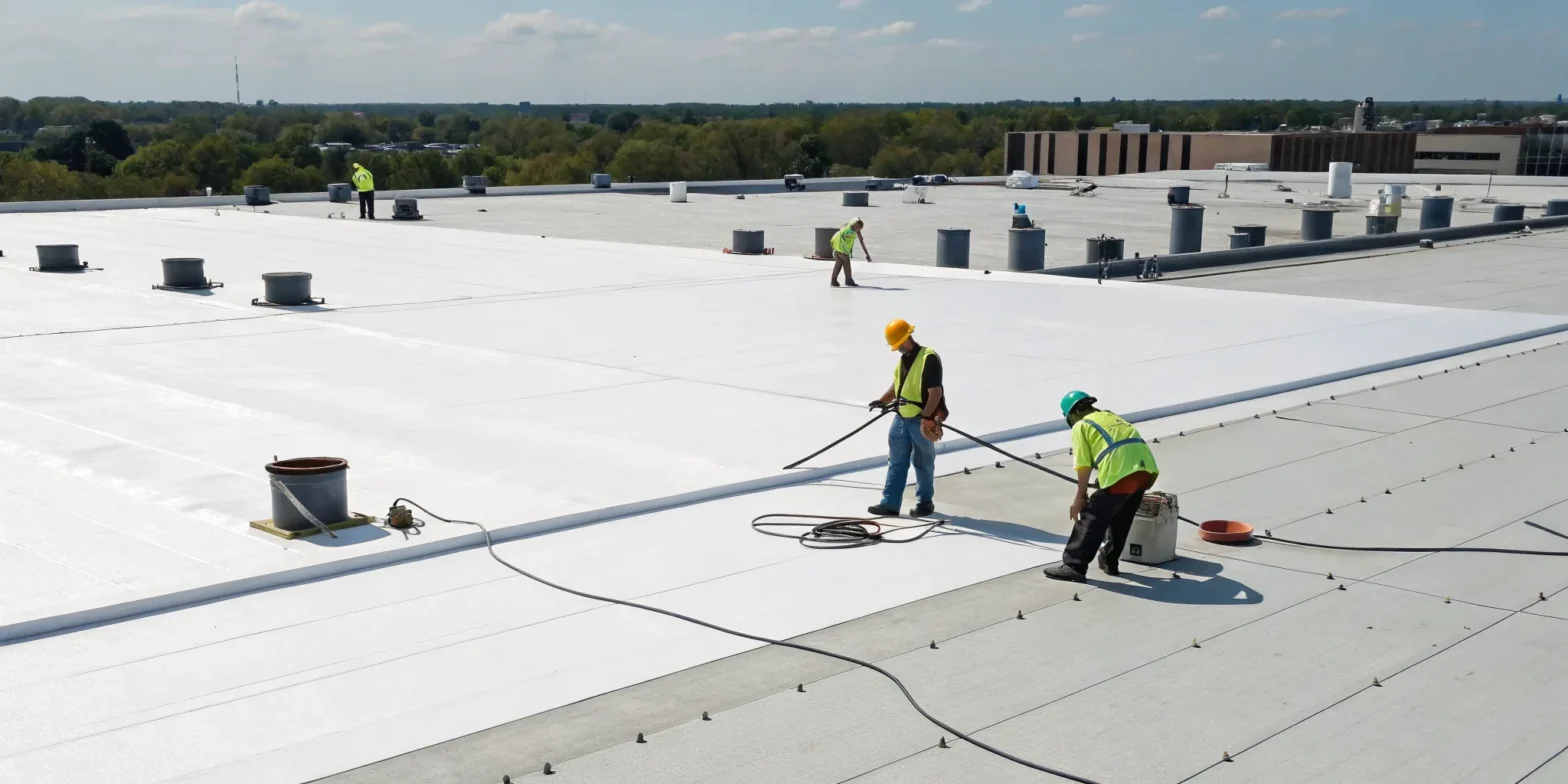
Fri Apr 17That persistent leak or recurring water stain is a clear warning sign from your flat roof. While a quick patch seems like an easy fix, it often just delays a bigger problem. You end up in a frustrating cycle of costly repairs that never truly solve the issue. When a roof has widespread damage or is nearing its end, a full commercial flat roof replacement is the smarter, long-term solution. A professional commercial flat roof installation gives you a fresh start, protecting your investment for decades and providing true peace of mind.
Key Takeaways
- Know when to replace instead of repair: If more than 25% of your roof is damaged, a full replacement is the most practical long-term solution, saving you from an endless cycle of temporary fixes.
- Match the material to your business goals: Your choice of roofing material, whether it’s energy-efficient TPO or durable EPDM, should align with your budget, climate, and how you use your property.
- Prioritize professional installation and maintenance: A quality installation from a vetted contractor combined with a regular maintenance plan is the most effective way to extend the life of your new roof.
What Is a Commercial Flat Roof Replacement?
A commercial flat roof replacement is much more than a simple patch job; it’s the process of completely removing an old or failing roofing system and installing a brand new one. This comprehensive approach ensures the structural integrity of your building is sound from edge to edge. For property owners in the Puget Sound, where persistent rain challenges roofs year-round, a full replacement is a critical investment in protecting your asset. When we talk about commercial roofing, we’re talking about the first line of defense for everything and everyone inside.
Flat roofs have their own unique set of challenges. Because they don’t have a steep slope to shed water quickly, they are more susceptible to issues like pooling water, which can accelerate the breakdown of roofing materials. Over time, the protective membrane can develop cracks, blisters, or tears from sun exposure and temperature changes. These openings leave your property vulnerable to leaks and serious water damage that can compromise insulation, ceilings, and even structural components. A full replacement is the best long-term solution when the existing roof has reached the end of its functional life or has sustained widespread damage. It gives you a fresh start with modern, durable materials designed to withstand our local climate.
How Do You Know It’s Time for a Replacement?
Deciding between repairs and a full replacement can feel tricky, but a good guideline to follow is the 25% rule. If more than a quarter of your roof is damaged, a complete replacement is almost always the more practical and cost-effective choice. Patching widespread issues can become a never-ending cycle of costly repairs that don’t address the root cause. Often, extensive damage is a sign of a systemic problem, like poor initial installation or years of deferred maintenance. Investing in a new roof provides a comprehensive solution, saving you money and headaches down the road.
Warning Signs Your Flat Roof Needs Replacing
Catching problems early is the key to preventing a small issue from turning into a major expense. Regular inspections of your flat roof can help you spot trouble before it gets out of hand. Be on the lookout for clear warning signs that your roof is failing. Common indicators include persistent leaks or water stains on your ceilings, large pools of standing water that don’t evaporate 48 hours after it rains, and visible cracks, tears, or blisters in the roof membrane. You might also notice sagging areas or a general look of wear and tear, signaling that the materials are breaking down.
Key Components of a Flat Roofing System
A flat roof is much more than what you see from the ground. It’s actually a sophisticated system of layers, each with a specific job to do. Think of it like a team where every player is essential for protecting your building from the elements. When one component fails, the entire system is at risk. The main players are the waterproof membrane on top, the insulation that controls temperature, and the vapor retarder that manages moisture from within. Understanding how these parts work together is helpful when you’re considering a replacement. A professional commercial roof installation isn’t just about rolling out a new surface; it’s about building a complete, integrated system designed to last for decades.
Vapor Retarders
A vapor retarder is an unsung hero of the flat roofing system. This thin layer is installed on the warm side of the insulation to stop moisture from inside your building from seeping up into the roof assembly. You might wonder why this is so important. Every day, activities inside a commercial building—from people breathing to industrial processes—generate water vapor. Without a barrier, this vapor can travel upward and get trapped in your insulation, especially during colder months. Once insulation gets wet, it loses its ability to insulate effectively and can become a breeding ground for mold. A properly installed vapor retarder is crucial for maintaining your roof’s thermal performance and preventing long-term damage.
Insulation (Polyisocyanurate/Polyiso)
Insulation is the component that does the heavy lifting for your building’s energy efficiency. Its primary job is to reduce heat flow, keeping your property warmer in the winter and cooler in the summer. This directly translates to lower energy bills and a more comfortable environment for employees or tenants. For commercial flat roofs, Polyisocyanurate—often called polyiso—is a top choice. This rigid foam board insulation packs a powerful punch with a high R-value, meaning it provides excellent thermal resistance without adding excessive thickness or weight to the roof structure. Investing in quality insulation during a roof replacement is one of the smartest financial decisions you can make for your property, delivering returns through energy savings for years to come.
Comparing the Top Materials for Commercial Flat Roofs
Choosing the right material for your commercial roofing replacement is a big decision, especially here in the Puget Sound where our weather puts any roof to the test. The best option for your building depends on several key factors, including your budget, the local climate, and how you use your property. Do you have heavy foot traffic on your roof for HVAC maintenance? Are you looking to improve your building’s energy efficiency? Each material offers a unique set of benefits designed to meet these different needs. From modern, reflective membranes that can lower your cooling bills to ultra-durable systems built to last for decades, the technology behind commercial roofing has come a long way. Getting familiar with the leading materials on the market is the first step toward making a smart investment. Let’s walk through some of the most popular choices so you can feel confident in your decision. Understanding these options will help you have a more productive conversation with your roofing contractor and ensure you get a roof that serves your business well for years to come.
TPO (Thermoplastic Olefin) Roofing
TPO is a fantastic single-ply roofing membrane that has become a go-to for many commercial properties. One of its biggest advantages is its energy efficiency. TPO roofing is often white and reflective, which can help lower your building’s cooling costs during warmer months. The seams are heat-welded together, creating a strong, waterproof bond that protects your building from leaks. This combination of energy savings and reliable waterproofing makes TPO a smart and popular investment for property owners looking for a modern, high-performance roofing solution.
EPDM (Ethylene Propylene Diene Monomer) Roofing
You might hear EPDM referred to as a “rubber roof,” and for good reason. This material is known for being incredibly durable and can last for over 50 years with proper maintenance. It’s a synthetic rubber membrane that holds up well against weathering and temperature fluctuations. While EPDM is typically black, you can have light-colored coatings applied to improve its energy efficiency and reflect sunlight. Its long lifespan and proven performance make it one of the most reliable types of commercial flat roofing materials available.
PVC (Polyvinyl Chloride) Roofing
If your business involves food, such as a restaurant or processing facility, a PVC roof is an excellent choice. PVC membranes are highly resistant to oils, fats, and chemicals, which can vent out onto the roof and damage other materials over time. Like TPO, its seams are heat-welded for superior strength and waterproofing. This durability, combined with its chemical resistance, makes PVC a top-tier option for businesses that need a roof that can withstand more than just the elements. It’s a tough, long-lasting material built for demanding environments.
Modified Bitumen Roofing
Modified Bitumen (MB) is a modern take on traditional asphalt roofing. It’s made of asphalt reinforced with fiberglass or polyester, creating a multi-layered system that’s incredibly tough. MB roofs are thicker and can handle more foot traffic than some single-ply options, which is ideal if you have HVAC units or other equipment on your roof that requires regular servicing. Many modified bitumen products are also available with reflective surfaces to help reduce energy consumption, giving you both durability and efficiency in one package.
Built-Up Roofing (BUR)
Think of Built-Up Roofing, or BUR, as the classic workhorse of the flat roof world. This system has been around for over a century for a reason: it’s incredibly tough. It’s constructed on-site by layering asphalt (bitumen) with reinforcing fabric felts. The more layers you add, the stronger and more puncture-resistant the roof becomes. This multi-ply design makes it exceptionally durable and provides excellent fire resistance. For property owners who need a reliable, time-tested solution that can handle building movement and stand up to the elements without a lot of fuss, BUR is a solid, dependable choice that has proven its worth for generations.
Metal Roofing
Metal roofing is one of the oldest and most resilient roofing materials available, known for its impressive strength and longevity. It’s an excellent choice for commercial properties because it effectively resists wind, heat, and impacts, making it a truly durable shield for your building. While the initial investment for a commercial metal roof can be higher than for other systems, its long lifespan and minimal maintenance needs often make it a more cost-effective solution over the long run. If you’re looking for a roof that you can install and have confidence in for decades to come, metal is a premium option that delivers exceptional performance and peace of mind.
Spray Polyurethane Foam (SPF) Roofing
Spray Polyurethane Foam, or SPF, is a unique and highly effective roofing system. It’s applied as a liquid that expands into a solid, seamless foam layer, perfectly conforming to the roof’s surface and sealing any gaps. This foam is then protected with a durable topcoat. The result is a roof with outstanding insulation properties, which can lead to significant energy savings on heating and cooling costs. With proper maintenance, an SPF roof can last for over 50 years and even adds structural strength to your building. It’s a fantastic choice for property owners focused on long-term energy efficiency and a seamless, waterproof barrier.
Vegetative (Green) Roofs
Vegetative, or “green,” roofs are an innovative and eco-friendly option that transforms your roof into a living space. These systems involve installing a layer of living plants, which helps manage stormwater runoff, improves air quality, and provides natural insulation to keep your building cooler in the summer and warmer in the winter. While they offer incredible environmental and aesthetic benefits, green roofs require a robust, high-quality waterproof membrane underneath to prevent any moisture from reaching the building structure. For businesses looking to make a sustainable statement and reduce their environmental footprint, a green roof is a beautiful and functional choice, provided it’s installed with expert care.
Understanding Single-Ply Membrane Roofing
Single-ply membrane roofing is a broad category that includes TPO, EPDM, and PVC. These systems are popular because they are flexible, lightweight, and dependable. They consist of sheets of rubber and other synthetics that are installed in a single layer over your roof. This installation method is efficient and reliable, offering a seamless, waterproof barrier for your building. Because they offer a variety of material choices, commercial roofing installation professionals can help you find a single-ply system that perfectly matches your building’s needs and your budget.
Ballasted Systems
A ballasted system is a straightforward installation method where the roofing membrane is laid loosely over the insulation and then held in place by weight. This weight, or ballast, is typically made of smooth, round river rock, gravel, or even large concrete pavers. It’s an older, more traditional method that can be cost-effective since it doesn’t require adhesives or a large number of fasteners. However, the extra weight means your building’s structure must be able to support it. This system is also less suitable for roofs with a significant slope or for buildings in areas prone to high winds, as strong gusts can shift the ballast and expose the membrane underneath.
Mechanically Fastened Systems
Mechanically fastened systems are one of the most common installation methods for commercial flat roofs, and for good reason. With this approach, the roofing membrane is secured directly to the roof deck using specialized screws and plates. This creates a very strong, physical attachment that provides excellent resistance to wind uplift—a critical feature for properties here in the Puget Sound. This method is versatile and can be used on almost any type of roof deck. It’s a reliable and practical choice that ensures your roof stays put, even during intense storms, offering long-term security for many different commercial applications.
Fully Adhered Systems
For a sleek, seamless look and top-tier performance, a fully adhered system is an outstanding choice. In this method, the roofing membrane is glued directly to the insulation or roof deck below it using a powerful adhesive. This creates a smooth, uniform surface without any visible fasteners, which many property owners find more aesthetically pleasing. More importantly, the continuous bond provides exceptional waterproofing and durability, as there are no seams or punctures for water to exploit. While it can be a more labor-intensive installation, a fully adhered system offers superior protection and a clean finish that enhances your building’s appearance.
How Do Flat Roofing Material Costs Compare?
When you’re planning a commercial roof replacement, the budget is always a top consideration. But the true cost of a new roof goes far beyond the initial price tag. To make a smart investment, you need to look at the complete picture, which includes the upfront installation price, the material’s expected lifespan, and the ongoing maintenance it will require.
Different materials come with different financial commitments over time. A less expensive option might seem appealing at first, but it could lead to higher repair bills and an earlier replacement date. On the other hand, a premium material could offer decades of reliable performance with minimal upkeep. Thinking through these three key areas will help you choose a roofing system that fits your budget and protects your property for years to come.
Breaking Down the Initial Installation Cost
The upfront cost is the first number everyone wants to know. This expense covers the materials themselves, professional labor, and any necessary permits. The final price can vary quite a bit depending on several key factors, including the specific material you choose, the total square footage of your roof, and its overall condition. For example, if multiple layers of old roofing need to be torn off before the new system can be installed, that will add to the project’s cost and timeline. To get a preliminary idea of what to expect, you can use a roofing cost calculator for a helpful estimate based on your property’s details.
Calculating Long-Term Value and Lifespan
A new roof is a significant investment, so you want it to last. This is where durability and lifespan come into play. Some materials are simply built to withstand the Puget Sound’s weather better than others. For instance, EPDM roofing is known for its exceptional longevity and can last for 50 years or more with proper care. Choosing a durable material means fewer worries about leaks, damage, and premature failure. While a more resilient system might have a higher initial cost, it often provides greater long-term value by delaying the need for another full replacement. Thinking about your commercial roofing in terms of its entire lifecycle is the best way to make a cost-effective decision.
Planning for Future Maintenance and Repair Costs
Every roof needs regular attention to perform its best, but the maintenance requirements can differ between materials. Some systems may need more frequent inspections or resealing of seams to prevent leaks, while others are relatively low-maintenance. It’s important to create a proactive maintenance plan with a professional roofing contractor. Regular activities like cleaning drains, clearing debris, and inspecting seals are vital for extending your roof’s lifespan and catching small issues before they become expensive problems. Factoring in these predictable, ongoing costs will give you a much more accurate picture of your roof’s total expense over time and help you protect your investment.
What Affects Your Commercial Flat Roof Replacement Cost?
When you get a quote for a commercial roof replacement, the final number is more than just the cost of materials. Several key factors influence the price, from the size of your roof to the fine print in local building codes. Understanding these elements will help you see exactly where your investment is going and why one quote might differ from another. Let’s break down the main components that shape the total cost.
How Roof Size and Access Impact Price
It’s no surprise that the larger your roof, the more it will cost. A bigger surface area requires more materials and more hours of labor to cover. But size is only part of the equation. Accessibility plays a huge role, too. Is your building several stories high with limited street access for cranes and equipment? Or is it a single-story warehouse with plenty of space to work? Getting our crew and materials safely to the rooftop can impact the timeline and labor costs. You can get a preliminary idea of costs by using a roofing cost calculator, but a professional assessment is key to an accurate quote.
The Role of Labor and Project Complexity
The complexity of your roof’s layout is a major cost driver. A simple, wide-open roof is straightforward to work on. However, most commercial roofs have obstacles like HVAC units, pipes, vents, and skylights. Each of these penetrations needs to be carefully waterproofed and sealed, which requires specialized labor and extra time. The type of roofing system you choose also affects the complexity, as some materials are quicker to install than others. An experienced crew knows how to handle these challenges efficiently, ensuring every detail is perfect. This expertise is a critical part of the labor cost and ensures your new roof performs as it should for years to come.
Why Your Current Roof’s Condition Matters
What we find when we remove your old roof can significantly affect the project’s cost. If your existing roof has multiple layers from previous replacements, they all need to be torn off, which adds to labor and disposal fees. More importantly, we need to inspect the underlying roof deck. If years of leaks have caused water damage, rot, or mold, those sections of the deck must be repaired or replaced before the new roof can be installed. Addressing these underlying issues is non-negotiable for a structurally sound and long-lasting commercial roofing system. A thorough initial inspection helps anticipate these potential repairs.
Understanding Local Building Codes and Permit Costs
Roofing projects aren’t just about materials and labor; they also have to meet local regulations. Building codes in the Puget Sound area dictate specific requirements for things like wind resistance, fire safety, and energy efficiency. These codes might influence which materials you can use or require specific installation techniques, which can affect the cost. Additionally, every commercial roofing project requires permits from your local municipality. The process of obtaining these permits involves fees and administrative work. Working with a contractor who is well-versed in local codes ensures your project is compliant from start to finish, avoiding potential fines or delays down the road.
Weighing the Pros and Cons of Each Roofing Material
Choosing the right material for your flat roof replacement involves weighing the benefits and drawbacks of each option against your building’s specific needs and your budget. Every material offers a unique set of features, from energy efficiency to long-term durability. Understanding these differences is the first step toward making a confident decision for your property. As you explore these options, remember that the best choice often depends on factors like your local climate, the type of business you run, and how you use your roof space. Let’s break down the most popular materials for commercial roofing so you can see how they stack up.
The Pros and Cons of TPO Roofing
TPO, or Thermoplastic Olefin, is a popular single-ply roofing membrane known for its energy-saving properties. Its typically white, reflective surface helps bounce sunlight away, which can significantly reduce cooling costs during warmer months. This makes it an excellent choice for property owners focused on energy efficiency. TPO is also resistant to mold growth, dirt accumulation, and punctures. On the flip side, its relative newness to the market means its long-term performance is still being evaluated compared to more established materials. While durable, some formulations may not hold up as long as other options, so it’s important to choose a high-quality product from a trusted manufacturer.
Lifespan and Market Share
TPO has quickly become one of the most popular materials in the commercial roofing industry, capturing a significant portion of the market. Its rise in popularity is largely due to its excellent energy efficiency and competitive pricing. A properly installed TPO roof can last between 20 and 30 years, offering solid long-term value. Because TPO roofing is often white and reflective, it can help lower your building’s cooling costs during warmer months, a benefit that many Puget Sound property owners appreciate. The key to reaching that maximum lifespan is choosing a quality product and ensuring it’s installed by a skilled team that understands the nuances of single-ply systems.
Common Drawbacks
The main drawback of TPO is the variability in quality across different manufacturers. Since it’s a newer material compared to EPDM or PVC, formulations have evolved over the years. Some earlier or lower-cost versions didn’t hold up as well against UV exposure, leading to premature cracking. This is why it’s so important to work with a contractor who sources materials from reputable brands with a proven track record. Additionally, the heat-welded seams that make TPO so waterproof require precise installation. If not done correctly, these seams can become a weak point. Choosing an experienced commercial roofing professional is the best way to avoid these potential issues and ensure your investment is protected.
The Pros and Cons of EPDM Roofing
EPDM, often called a “rubber roof,” is a synthetic rubber roofing membrane that has been a reliable choice for decades. Its biggest advantage is its exceptional durability and longevity; a well-installed EPDM roof can last for 50 years or more, making it a fantastic long-term investment. It’s also highly resistant to weathering, hail, and temperature extremes. However, EPDM does have a few downsides. The standard black color absorbs heat, which can increase cooling expenses, though lighter-colored options are available. It can also be more susceptible to punctures from sharp objects, so it may not be the best fit for roofs with heavy foot traffic or lots of equipment.
Lifespan and Performance
When it comes to long-term value, EPDM is a true standout. This material is known for its exceptional longevity and can last for 50 years or more with proper care, making it one of the most durable options on the market. For property owners in the Puget Sound, that kind of resilience offers incredible peace of mind. Its synthetic rubber composition is built to withstand harsh weather, from constant rain to fluctuating temperatures, without becoming brittle. This proven track record means you’re making a smart, long-term investment in your commercial roofing system, minimizing the chances you’ll have to worry about a premature replacement down the road.
Common Drawbacks
While EPDM is incredibly durable, it has a couple of trade-offs to consider. The standard black color absorbs heat, which can increase your building’s cooling expenses during the warmer months. While lighter-colored coatings can be applied to improve reflectivity, the default option isn’t the most energy-efficient. EPDM can also be more susceptible to punctures from sharp objects compared to some other systems. This means it may not be the ideal choice for roofs that see heavy foot traffic for maintenance or have a lot of equipment that could potentially damage the membrane. It’s important to weigh these factors against how you use your roof space.
The Pros and Cons of PVC Roofing
PVC, or Polyvinyl Chloride, is another trusted single-ply membrane known for its strength and resistance to harsh conditions. One of its standout features is its excellent resistance to chemicals, oils, and fats, making it an ideal choice for restaurants or industrial facilities where rooftop vents might expel greasy fumes. PVC roofs are also highly durable, fire-resistant, and can handle foot traffic well. The main consideration with PVC is its cost. It tends to be more expensive upfront than TPO or EPDM. While its longevity and low maintenance needs can offset the initial investment over time, the higher price point is something to factor into your budget.
Lifespan and Durability
When it comes to toughness, PVC is a real standout. Its durability goes beyond just standing up to the Puget Sound’s rain and wind. PVC membranes are highly resistant to oils, fats, and chemicals, which is a game-changer for certain businesses. If you own a restaurant or an industrial facility, rooftop vents can release substances that would degrade other roofing materials over time. PVC handles this exposure without breaking down. This chemical resistance, combined with its strong, heat-welded seams and overall resilience, makes PVC a top-tier option for property owners who need a commercial roofing system that can withstand more than just the weather. It’s built for demanding environments and designed to last for decades with proper care.
Common Drawbacks
The primary consideration when looking at PVC roofing is the upfront cost. It generally has a higher initial price point compared to other single-ply options like TPO or EPDM. This can be a significant factor for property owners working with a tight budget. However, it’s important to view this as a long-term investment. While the initial outlay is greater, PVC’s exceptional durability, low maintenance needs, and resistance to damage can lead to lower lifecycle costs. You’ll likely spend less on repairs and won’t have to think about a replacement for a very long time, which can make it a more cost-effective choice in the long run.
The Pros and Cons of Modified Bitumen
Modified Bitumen is an asphalt-based roofing system designed for low-slope or flat roofs. It’s a multi-ply system, which gives it superior tear resistance and durability. Because it’s thicker and more robust, it’s a great option for roofs that see a lot of foot traffic from maintenance crews. This material also performs well in extreme weather conditions. On the other hand, the installation process for modified bitumen can be more complex and labor-intensive, sometimes involving torches, which can increase installation costs. Its darker surface can also absorb heat, potentially leading to higher energy bills if not coated with a reflective material.
How to Choose a Commercial Roofing Contractor
Choosing the right contractor for your commercial flat roof replacement is just as important as selecting the right materials. The quality of the installation determines how well your roof performs and how long it lasts. A great partner will guide you through the process, ensure the job is done right, and stand by their work for years to come. Here’s what to look for to find a reliable, experienced professional for your project.
Always Verify Licensing, Insurance, and Certifications
Before you even discuss project details, make sure any potential contractor is properly licensed, bonded, and insured. This is your first line of defense. Licensing proves they meet state and local requirements to perform the work. Insurance, including liability and workers’ compensation, protects you and your business from any accidents that might happen on your property. Don’t just take their word for it; ask to see the documents. Reputable companies with years of experience will have this information ready and will be happy to provide it. This simple step ensures you’re working with a legitimate professional who takes their business seriously.
Familiarity with NRCA Standards
When you’re vetting contractors, ask if they follow the standards set by the National Roofing Contractors Association (NRCA). Think of the NRCA as the organization that sets the gold standard for the roofing industry, creating the best practices that ensure a project is done safely and correctly. A contractor who knows and applies these standards understands that proper installation is what makes the difference between a roof that fails prematurely and one that protects your building for decades. This commitment also shows they are dedicated to ongoing education in an industry that’s always changing. Don’t be shy about asking how they incorporate these guidelines into their work; it’s a great way to confirm they have a process for quality control that will protect your investment. You can learn more about these best practices directly from the NRCA.
Confirm Their Experience with Commercial Flat Roofs
Not all roofing experience is created equal. A contractor who specializes in residential pitched roofs may not have the specific skills needed for a commercial flat roof. Flat roofs have unique challenges, especially when it comes to drainage, and are often more prone to leaks if not installed perfectly. Ask potential contractors about their experience with commercial roofing projects similar to yours. Look at their portfolio, ask for references from other business owners, and inquire about the specific materials they work with. A contractor with a proven track record in flat roofing will understand the nuances of the job and deliver a result that protects your building.
Seek Out a Clear Process and Honest Assessment
A trustworthy contractor will be transparent from the very beginning. Their process should start with a thorough inspection of your current roof to provide an honest assessment of its condition. Be wary of anyone who gives you a quote over the phone without seeing the property. The best way to understand what a project will cost is to have a qualified professional provide their recommendations for a long-term solution. They should be able to explain their findings clearly, walk you through the recommended options, and provide a detailed, itemized estimate. This ensures there are no surprises down the line.
Ask About Warranties and Maintenance Plans
A new roof is a significant investment, and a good warranty protects it. Ask about two types of warranties: the manufacturer’s warranty, which covers the materials themselves, and the contractor’s workmanship warranty, which covers the installation. Understand the terms, duration, and what could void them. Beyond the warranty, ask about ongoing maintenance plans. Regular maintenance is key to maximizing the lifespan of your new roof and catching small issues before they become costly problems. A contractor who offers maintenance services shows they are committed to a long-term partnership in protecting your property.
Manufacturer’s Material Warranty
Think of the manufacturer’s warranty as the promise from the company that created your roofing material. It specifically covers problems with how the material was made. If your new TPO or PVC membrane fails due to a defect in its production, this warranty is what protects you. These warranties vary in length, but they often last around 10 years or more. It’s essential to read the fine print carefully. You need to understand exactly what is covered, for how long, and what actions—like improper installation or unapproved alterations—could void the coverage. A good contractor will help you select materials from reputable manufacturers who stand behind their products with solid warranties.
Contractor’s Workmanship Warranty
This warranty is your contractor’s personal guarantee on the quality of their work, and it’s arguably the most important one. Most roof failures aren’t due to faulty materials but to mistakes made during installation. A workmanship warranty covers issues related to the labor, such as leaks at seams, improper flashing around vents, or incorrect fastening. Always ask what the warranty covers and for how long. A confident, experienced contractor will offer a strong warranty because they stand by the quality of the installation. Make sure you get a formal certificate for your warranty so you have clear, written proof of your coverage for your records.
Your Commercial Flat Roof Replacement: A Step-by-Step Guide
Replacing a commercial flat roof is a significant project, but understanding the process can make it feel much more manageable. A professional team will follow a clear, structured plan to ensure the job is done right, minimizing disruption to your business and maximizing the life of your new roof. From the first look to the final sign-off, here’s what you can expect.
Step 1: The Initial Roof Inspection and Assessment
The first step is a thorough inspection of your current roof. A professional contractor will come to your property to evaluate its condition, identify areas of damage, and check for underlying structural issues. This isn’t just a quick glance; it involves looking at the roof membrane, flashing, drainage systems, and insulation. According to industry experts, regular assessments by skilled contractors help ensure your flat roof remains in optimal condition. This initial evaluation is crucial for creating an accurate project plan and a detailed quote, so you know exactly what to expect. This is also the time to discuss material options and your specific needs with your commercial roofing team.
Step 2: Removing the Old Roofing System
Once the plan is in place, the crew will begin removing the old roofing materials. This tear-off phase is essential for a successful replacement because it exposes the roof deck underneath. This allows the team to inspect the deck for any rot, water damage, or other issues that need to be addressed before the new roof is installed. While removing old materials can add to the project’s cost, it’s a non-negotiable step for a long-lasting, reliable roof. Skipping this could mean trapping moisture or covering up structural problems, leading to much bigger headaches down the road. It is essential to factor this into your budget when planning for a roof replacement.
Step 3: Your New Commercial Flat Roof Installation
With a clean and repaired roof deck, it’s time to install the new roofing system. The process will vary depending on the material you’ve chosen, whether it’s TPO, EPDM, or another system. The crew will lay down any necessary underlayment or insulation boards first, followed by the new membrane. A critical part of this stage is ensuring all seams are perfectly sealed to create a watertight barrier. This is also a great time to implement a preventative maintenance program with your contractor to keep these components in top shape for years. Proper installation is the key to performance, so this is where craftsmanship and attention to detail really matter.
Step 4: The Final Walk-Through and Quality Check
After the new roof is fully installed, the project isn’t quite finished. A final inspection is performed to ensure every detail meets high-quality standards and local building codes. The project manager will walk the roof, checking seams, flashing, and penetration points to confirm everything is sealed and secure. This quality check is your assurance that the job was done correctly. Regular maintenance not only extends the life of your roof but also ensures the safety of your property and its occupants. This final walkthrough gives you peace of mind, knowing your investment is protected and your building is secure for years to come.
Lifespan and Resilience
When you’re looking at a roof replacement, it’s easy to focus on the upfront cost, but the real value lies in a material’s lifespan and resilience. A durable roof means fewer worries about leaks and damage for decades to come. For example, EPDM, often called a “rubber roof,” is famous for its longevity and can last over 50 years with proper care, making it a truly reliable choice. Another popular option for commercial roofing is TPO, which is a star when it comes to energy efficiency. Its reflective surface helps lower cooling costs, and its heat-welded seams create a seamless, waterproof barrier that stands up to our rainy Puget Sound weather. Both are excellent single-ply options that offer long-term peace of mind.
Other materials are designed for more specific challenges. If you run a restaurant, a PVC roof is a fantastic choice because it’s highly resistant to the oils and fats that can vent out onto the roof. For properties with a lot of foot traffic from maintenance crews, Modified Bitumen is a great fit. It’s a multi-layered system that’s incredibly tough and tear-resistant. Choosing the right material is about balancing durability, your building’s daily use, and your budget. Making an informed choice is the most important step in any project, which is why a comprehensive re-roofing guide can be so helpful. Ultimately, investing in a resilient system protects your property and ensures you won’t have to think about it again for a very long time.
Planning Your Commercial Roof Replacement Project
A successful commercial roof replacement begins long before the first piece of old material is torn off. It all comes down to thoughtful planning. A well-developed plan helps minimize surprises, keeps the project on budget, and reduces disruption to your daily business operations. It’s about working with your contractor to align the project timeline with your company’s schedule and our region’s often unpredictable weather. This proactive approach ensures a smooth process from start to finish, turning what could be a stressful undertaking into a manageable and valuable upgrade for your property. A solid plan is the foundation for a roof that will protect your asset for years to come.
Effective planning revolves around a few key decisions. First, you need to think about timing. Scheduling your replacement during the right season is critical for a quality installation, especially here in the Puget Sound. Next, you’ll need to select the right material for your building’s specific needs, weighing the pros and cons of options like TPO, EPDM, and PVC. Finally, you need a clear understanding of your budget, considering not just the initial installation but the roof’s entire lifespan. Working through these elements with an experienced commercial roofing contractor helps you make informed choices that protect your investment for decades.
Choosing the Best Season for Installation
Timing your roof replacement correctly is one of the most important parts of planning. Here in the Pacific Northwest, we know that weather can be unpredictable, but aiming for a dry season is key. Late summer and early fall often provide the best window, with more stable, mild weather. This is important because roofing materials perform best within specific temperature ranges. For example, adhesives need time to cure properly, and cold weather can make membranes brittle and harder to install correctly. Scheduling your project during a period with less rain and wind helps prevent delays and ensures that no moisture gets trapped under your new roof, which could lead to major problems later on. As industry experts point out, good weather is a critical component of a successful installation.
Understanding Temperature and Weather Constraints
Cold, wet, or windy conditions can create significant challenges for a roofing project. Low temperatures can make certain materials, like single-ply membranes, stiff and brittle, making them difficult to handle and properly seal. Rain, snow, and ice not only create unsafe working conditions but can also introduce moisture into the roofing system, leading to future leaks and rot. High winds can cause further delays and even damage materials before they are secured. Choosing the right season helps avoid these weather-related setbacks, ensuring a smoother, more efficient installation process.
Key Factors in Selecting a Roofing Material
As we’ve covered, there are several excellent materials for commercial flat roofs, but choosing the right one is a big decision. The best choice isn’t about which material is universally superior, but which one best fits your specific circumstances. You need to consider several key factors. Think about your budget, not just for the upfront cost but for long-term maintenance and potential energy savings. Consider our local climate—a roof in the Puget Sound needs to handle persistent moisture. Finally, think about how you use your property. Do you need a roof that can withstand heavy foot traffic for equipment maintenance? Answering these questions will help you and your contractor select a material that provides the best value and protection for your business.
How Long Does a Commercial Flat Roof Replacement Take?
One of the first questions every property owner asks is, “How long will this take?” While there’s no single answer, a typical commercial flat roof replacement can range from a few days to several weeks. The exact timeline depends on a handful of key variables that can either speed up the process or add extra time to the calendar. A smaller, straightforward roof might be done in under a week, while a large, complex industrial facility could take a month or more.
Understanding these factors helps you set realistic expectations and plan for the project with confidence. A professional roofing team will walk you through a detailed schedule before any work begins, but knowing what influences the timeline puts you in a better position to ask the right questions. From the size of your roof to the notoriously unpredictable Pacific Northwest weather, several elements come into play. We’ll break down the most important ones so you know exactly what to expect when planning for your new roof.
What Factors Influence the Project Timeline?
The timeline for your roof replacement is unique to your building. The most obvious factor is the size of your roof; a sprawling warehouse will naturally take longer than a small retail space. But size is just the beginning. The complexity of the roof also plays a major role. If your roof has numerous HVAC units, vents, pipes, or skylights, our team will need extra time to work carefully around them and ensure every penetration is perfectly sealed. The type of commercial roofing material you choose and the condition of the existing structure will also impact the schedule. If we discover significant damage or need to tear off multiple old layers, the preparation phase will be more extensive.
Planning for Potential Weather Delays
Here in the Puget Sound region, we know that weather can be unpredictable. Rain is the biggest concern for any roofing project. Installing a new roof requires a dry surface to prevent trapping moisture, which could lead to serious problems like mold and rot down the road. High winds can also bring work to a halt, as they create unsafe conditions for our crew and make it difficult to manage large roofing materials. Even temperature matters. Many roofing systems, especially membrane adhesives, have specific temperature ranges for proper application. A sudden cold snap or heatwave can cause delays. A professional contractor always monitors the forecast closely and builds contingency days into the project schedule to account for potential weather interruptions.
How to Minimize Disruption to Your Business
We understand that your business needs to keep running, even when major work is happening overhead. A key part of our process is creating a plan to minimize disruption to your daily operations. This often involves a phased approach, where we replace the roof in sections to keep the entire building from being affected at once. We can also coordinate with you to schedule the noisiest work during off-hours or on weekends. Clear and constant communication is essential. We’ll always keep you informed about our progress and what to expect next. Investing in a quality installation from an experienced team also helps you avoid the major disruptions that come with unexpected leaks and emergency repairs in the future.
How to Extend Your New Roof’s Lifespan
A new commercial roof is a major investment, so you’ll want to do everything you can to protect it. With a proactive approach, you can add years to your roof’s life, prevent disruptive leaks, and avoid unexpected repair costs. Taking a few simple steps now will ensure your building stays protected and your investment pays off for decades to come.
Schedule Regular Inspections and Cleaning
Think of your roof like any other major asset; it needs regular check-ups to perform its best. We recommend scheduling professional inspections at least twice a year, ideally in the spring and fall, to catch small issues before they become big problems. During an inspection, a professional will look for signs of wear, clogged drains, and damage from weather or foot traffic. Regular assessments by skilled contractors help ensure your flat roof remains in optimal condition year-round. Keeping the surface clear of leaves, branches, and other debris also prevents moisture from getting trapped, which can degrade roofing materials over time.
Develop a Proactive Maintenance Plan
A preventive maintenance plan takes regular inspections a step further by creating a formal schedule for upkeep. When you implement a preventative maintenance program with a professional roofing contractor, you’re moving from a reactive to a proactive strategy. Instead of waiting for a leak to appear, your contractor can perform routine tasks like resealing seams, checking flashing around vents and HVAC units, and repairing minor punctures. This approach not only saves you money on emergency repairs but also helps you budget for future roofing expenses more accurately, giving you peace of mind.
Keep Your Drainage System Clear and Functional
Proper drainage is absolutely critical for a flat roof. Because they don’t have a steep slope, flat roofs are more susceptible to ponding water, which can lead to leaks, material degradation, and even structural damage if left unaddressed. By maintaining roof drains effectively, you extend the life of your flat roof and minimize the risk of water damage. Make sure that all drains, scuppers, and gutters are clear of debris so water can flow freely off the roof. This simple step is one of the most effective ways to prevent costly water-related issues down the road.
Find a Trusted Roofing Partner for Ongoing Care
While your maintenance team can handle basic cleaning, partnering with a qualified roofing professional is the best way to protect your investment. A professional has the training, tools, and safety equipment to inspect and maintain your roof correctly. Regular maintenance not only extends the life of your roof but also ensures the safety of your property and building occupants by preventing unexpected failures. Building a relationship with a trusted commercial roofing contractor means you have an expert who understands your building’s specific needs and can provide consistent, reliable service year after year.
Your Flat Roof Replacement Questions, Answered
When you’re looking at a project as significant as a roof replacement, it’s completely normal to have questions. You want to make the best decision for your property, from performance to long-term value. Let’s walk through some of the most common questions property owners ask about commercial flat roofs. Getting clear on these points will help you feel confident as you move forward.
Does My Flat Roof Need a Slope for Drainage?
One of the biggest concerns with flat roofs is preventing water from pooling. While they’re called “flat,” these roofs are actually designed with a slight, intentional slope to guide water toward drains. Proper drainage is critical because standing water is a primary cause of leaks and material degradation. Poor installation or deferred maintenance can quickly lead to drainage problems and costly damage. That’s why regular inspections and cleaning are so important. Keeping your roof clear of debris ensures that water can flow freely, protecting your investment and extending the life of your commercial roofing system.
Can I Improve My Building’s Energy Efficiency?
Absolutely. Your roof replacement is a great opportunity to make your building more energy-efficient and lower your utility bills. Many modern flat roofing materials, like TPO and PVC, come in light, reflective colors. These “cool roofs” reflect sunlight instead of absorbing it, which helps keep your building cooler during warmer months and reduces the strain on your HVAC system. Even traditionally dark materials like EPDM can be treated with a reflective coating to achieve similar energy savings. Choosing an energy-efficient material is a smart investment that pays off in lower operating costs over time.
Should I Repair or Replace My Roof?
Deciding between repairs and a full replacement can be tough. A good rule of thumb is the 25% rule: if more than a quarter of your roof’s surface is damaged or failing, a full replacement is usually the more practical and cost-effective choice in the long run. Patching widespread issues can become a cycle of endless repairs. Many persistent flat roof problems stem from either poor initial installation or neglected maintenance. A professional assessment can determine the extent of the damage and help you decide if a fresh start with a new commercial roof replacement is the right call for your property.
Related Articles
- Flat Roofing Systems for Commercial Buildings Guide
- 5 Types of Commercial Roofing Material to Know – Landmark Roofing & Siding
- Ultimate Guide to Roof Replacement for Homeowners
Frequently Asked Questions
Is it ever better to just keep repairing my flat roof? While a small, isolated repair can be a good fix, constantly patching an old roof often becomes a costly and frustrating cycle. If you find yourself calling for repairs every time it rains, or if more than a quarter of your roof is showing signs of failure, a full replacement is the smarter long-term investment. A new roof addresses any underlying, systemic issues and gives you a reliable, watertight solution you can count on for decades, saving you money and stress over time.
Which roofing material is best for the rainy Puget Sound climate? There isn’t one single “best” material, as the right choice depends on your building’s use and your budget. However, systems with heat-welded seams, like TPO and PVC, are excellent for our wet weather because they create a seamless, waterproof barrier. EPDM is also a fantastic choice due to its proven durability and long lifespan, holding up incredibly well against constant moisture. A professional can help you weigh the pros and cons of each to find the perfect fit for your property.
Will a roof replacement disrupt my business operations? A professional roofing contractor will work with you to create a plan that minimizes disruption as much as possible. We understand that you need to keep your doors open. This often involves completing the project in sections so only a small part of the building is affected at any given time. We can also schedule louder work for off-hours or weekends. Clear communication is key, and a good team will keep you updated every step of the way.
What are the biggest hidden costs in a roof replacement project? The most common surprise cost comes from what we find after tearing off the old roof. If years of slow leaks have caused rot or water damage to the underlying roof deck, that structure must be repaired before the new roof can be installed. This is essential for the integrity and longevity of your new roof. A thorough initial inspection helps anticipate these potential issues, but the full extent of any damage can only be seen once the old materials are gone.
My new roof has a warranty, so do I still need a maintenance plan? Yes, you absolutely do. Think of it like the warranty on a new car; it covers manufacturing defects, but it won’t cover damage from neglect, like never changing the oil. A manufacturer’s warranty covers the roofing material, and a workmanship warranty covers the installation. A preventive maintenance plan is the proactive care that keeps your roof in top condition, addressing things like clogged drains or minor punctures before they become big problems that could void your warranty.
The “25% Rule”: A Guideline, Not a Law
You might hear contractors talk about the “25% rule,” and it’s a really useful guideline for deciding between repairs and a full replacement. The idea is simple: if more than a quarter of your roof is damaged, a complete replacement is usually the more practical and cost-effective choice. This isn’t an arbitrary number; it’s an indicator that the roof’s problems are likely widespread and systemic, not just isolated incidents. Continuing with patches at this point often leads to a frustrating and expensive cycle of temporary fixes. A full commercial roof replacement provides a definitive solution, giving you a fresh start with a system you can rely on for decades.
Considering Fluid-Applied Roof Restoration
What if your roof is aging but still structurally sound? In some cases, you might not need a full tear-off replacement. A fluid-applied roof restoration can be an excellent middle-ground solution. This process involves applying a seamless, liquid coating system directly over your existing roof. According to some manufacturers, this can add another 10 to 20 years to your roof’s life, stopping leaks and improving energy efficiency with a reflective surface. It’s a cost-effective way to extend the life of your asset without the disruption of a full replacement, but it’s only suitable for roofs that are in the right condition. A thorough professional inspection is the only way to know if restoration is a viable option for your property.