Date
Thu Apr 16Choosing new siding is a huge decision. It’s not just about a new look—it’s a major investment in your home’s future value. While some materials offer a simple, functional update, others are a premium upgrade that can seriously increase your home’s resale price. This is where the Hardie siding vs vinyl cost debate comes in. To make the smartest financial choice, you need to understand what your investment gets you over time. We’ll break down how the Hardie Board vs vinyl siding choice impacts your home’s value, from curb appeal to long-term durability.
Key Takeaways
- Weigh upfront cost against lifetime value: Vinyl siding is less expensive to install, but James Hardie siding often pays for itself through superior durability, a longer lifespan, and a higher return on investment when you sell your home.
- Match maintenance needs to your lifestyle: Vinyl siding offers a simple, low-effort solution that only requires an annual cleaning, while Hardie Board needs periodic painting and caulking to protect against the Pacific Northwest climate and prevent costly repairs.
- Recognize that aesthetics impact resale value: The premium, wood-like appearance of Hardie Board significantly improves curb appeal and is often seen as a valuable upgrade by homebuyers, which can lead to a higher selling price compared to vinyl.
What Exactly Are Hardie Board and Vinyl Siding?
Before you can decide which siding is right for your home, it helps to know what you’re actually working with. The names “Hardie Board” and “vinyl” get thrown around a lot, but their fundamental differences start with what they’re made of. This composition is what gives each material its unique profile of durability, maintenance needs, and appearance. Understanding the building blocks of each option will give you a much clearer picture of how they’ll perform on your home, especially in the wet and variable climate of the Pacific Northwest.
The Composition of Hardie Board
Hardie Board is the most well-known brand of fiber cement siding, a material prized for its strength and versatility. It’s made from a straightforward but powerful blend of cement, sand, water, and wood fibers. This mixture is pressed and cured to create an incredibly dense and durable plank that is significantly thicker and heavier than vinyl. The result is a premium siding that masterfully mimics the look of real wood, complete with authentic-looking textures and grains. As experts in James Hardie siding, we appreciate how its robust composition stands up to moisture, pests, and fire, offering a level of protection that gives homeowners serious peace of mind.
The Composition of Vinyl Siding
Vinyl siding is a type of plastic exterior cladding made primarily from polyvinyl chloride (PVC) resin. During production, manufacturers mix in various additives to give the final product its specific color, finish, and resistance to UV rays. Other ingredients help determine its flexibility and impact strength. Unlike fiber cement, vinyl is very lightweight, which can make installation quicker and less labor-intensive. It’s designed to provide the appearance of wood siding without the high maintenance. Because the color is baked into the material itself rather than painted on top, it won’t chip or flake away over time, requiring little more than an annual cleaning to look its best.
Hardie Siding vs. Vinyl: A Head-to-Head Cost Comparison
When you’re planning a siding replacement, the first question on your mind is probably about the budget. Understanding the costs of different materials is the best place to start, as it helps you set realistic expectations for your project. Both James Hardie siding, a premium fiber cement, and traditional vinyl are popular choices here in the Pacific Northwest, but they come with very different price tags. The final cost isn’t just about the material itself; it also depends on the size of your home, the specific product style you choose, and local labor rates. It’s a balance between what you invest now and the performance you get for years to come.
Let’s break down the numbers so you can get a clearer picture of what to expect. Remember, these figures are industry averages, and a professional quote will give you the most accurate pricing for your home’s unique needs. While the initial price is a major factor, it’s also smart to think about the long-term value each material offers. We’ll explore things like durability and maintenance later on, but for now, here’s a look at the upfront investment for both residential siding options. This will help you weigh the initial expense against the benefits each material brings to your home.
How Much Does Hardie Board Cost Per Square Foot?
Hardie Board is a premium fiber cement product known for its durability and beautiful finish. Because of its high quality, it sits at a higher price point. You can generally expect the installation to cost between $4.70 and $8.50 per square foot. For an average-sized home, this translates to a total project cost that could range from about $10,980 to $34,075. The final price depends on the style of Hardie Board you select and the complexity of your home’s exterior. Think of it as a long-term investment in your home’s protection and curb appeal.
Budget-Friendly Hardie Options
I know the initial cost of Hardie Board can feel like a big leap, but it’s important to see it as a long-term financial strategy for your home. While the upfront expense is higher than vinyl, that investment often comes back to you down the road. Market trends consistently show that homes with fiber cement siding have a higher resale value. Potential buyers recognize the quality and durability, and they’re often willing to pay more for a home that won’t need its exterior replaced anytime soon. So, while you pay more at the outset, you’re essentially banking that value for a future sale, making it a smart choice for homeowners focused on building equity with their siding replacement.
Comparing Costs to Wood Siding
Many homeowners in the Puget Sound are drawn to the classic, natural beauty of wood siding. However, wood demands constant and costly maintenance in our damp climate, including regular painting, staining, and sealing to prevent rot, warping, and pest infestations. James Hardie siding offers a brilliant alternative, giving you that coveted wood-like appearance without the relentless upkeep. It’s engineered to resist moisture and pests, so you can enjoy the aesthetic of wood without the annual maintenance budget. Over its long lifespan of 30 to 50 years, the savings on repairs and refinishing can be substantial, making it a more cost-effective choice than traditional wood in the long run.
How Much Does Vinyl Siding Cost Per Square Foot?
Vinyl siding is one of the most cost-effective options available, making it a very popular choice for homeowners. The installed cost for vinyl typically runs between $2.00 and $8.50 per square foot. That wider range accounts for different grades of vinyl, from basic panels to thicker, insulated versions that offer better performance. If your main goal is to give your home a fresh, clean look without a major financial investment, vinyl siding is an excellent and reliable option. It provides a clean aesthetic and solid protection at a price that works for many budgets.
Hardie vs. Vinyl: What’s the Total Project Cost?
Seeing the total project costs side-by-side really highlights the difference. For a 2,000-square-foot home, installing vinyl siding might cost between $5,996 and $16,513, with an average around $11,000. For that same home, the cost for James Hardie siding is significantly higher, usually falling between $24,960 and $27,260. While the upfront savings with vinyl are clear, it’s important to remember that this is just one piece of the puzzle. Factors like lifespan, maintenance needs, and durability also play a huge role in the overall value you get from your investment.
Cost Ranges for a Typical Home
To make these numbers more concrete, let’s imagine we’re working with a standard 2,000-square-foot home. For a project of this size, installing vinyl siding typically falls between $6,000 and $16,500. This makes it a really practical choice if you’re looking for a clean, updated appearance without a huge upfront cost. On the other hand, choosing James Hardie siding for the same house is a larger investment, usually ranging from $25,000 to over $27,000. While that initial price for Hardie Board is higher, it’s helpful to see it as a premium upgrade. You’re investing in superior durability and a high-end look that transforms your home’s curb appeal. These ranges give you a solid baseline for budgeting your siding replacement project, but the only way to know the exact cost for your home is to get a personalized quote.
What Factors Drive Up Siding Installation Costs?
When you get a quote for new siding, you’ll notice the final price is more than just the cost of the materials. Several factors contribute to the total project cost, and understanding them helps you see exactly where your money is going. The complexity of the job, the nature of the materials themselves, and even our local market here in the Puget Sound region play significant roles. Think of it less as a single price tag and more as a combination of elements that come together to create a durable, beautiful exterior for your home. Let’s break down the three biggest factors that influence what you can expect to pay for professional siding installation.
Why Installation Difficulty Matters for Your Budget
Labor is one of the most significant costs in any siding project. The total square footage of your home is the primary driver, as both materials and labor are calculated based on the surface area that needs to be covered. However, the complexity of the installation also matters. A simple, one-story rectangular house will cost less to side than a multi-story home with intricate angles, numerous windows, and complex trim work. James Hardie siding is heavier and requires more specialized tools and expertise to install correctly, which often translates to higher labor costs compared to the lighter, more forgiving vinyl siding.
How Material Weight Impacts Installation Costs
The physical properties of your chosen siding directly impact installation costs. Vinyl is lightweight and relatively easy for a small crew to handle and cut. In contrast, James Hardie siding is a fiber cement product, making it substantially heavier and more rigid. This weight difference means it requires more installers to safely lift and secure each board. The material’s composition also demands special cutting tools to manage dust and ensure clean edges. This additional need for manpower and specialized equipment for handling and installation is factored into the overall project price, contributing to Hardie Board’s higher upfront cost.
Thickness and Weight Differences
If you were to hold a piece of each material, the contrast would be immediately clear. Vinyl siding is very light and flexible, which helps make the installation process quick and straightforward. On the other hand, James Hardie siding is a dense, solid board. As a fiber cement product, it’s significantly thicker and heavier, giving it a rigid feel that speaks to its durability. This substantial nature is exactly what helps it resist impacts from stray baseballs or harsh weather here in the Pacific Northwest. However, that same weight means it requires more hands on deck for a safe and precise installation, which is a key reason for its higher labor cost.
Does Your Location Change the Price?
Where you live has a real impact on siding installation costs, and the Pacific Northwest is no exception. Local economic factors, including regional labor rates and the general cost of doing business in the Seattle area, influence the final price. For example, siding installation costs in our region can range from $11 to $17 per square foot, reflecting these local market conditions. Additionally, specific municipal building codes and permit requirements can add another layer of complexity and cost to the project. Working with a local contractor who understands these regional nuances ensures your project is completed to code and built to last.
The Hidden Cost of Trim and Details
The main siding panels are just one part of the equation; the trim and detail work around windows, doors, and corners also play a big role in the final cost. For vinyl siding, installers typically use a standard component called J-channel to frame these areas. It’s an efficient and inexpensive solution that creates a clean, finished edge. James Hardie siding, on the other hand, often requires more substantial, custom trim pieces that match the thickness and texture of the siding itself. While this creates a more seamless and high-end architectural look, these special pieces come at a higher cost and require more labor to install, which can significantly increase the total project price.
Market Trends and Price Fluctuations
The construction industry isn’t immune to economic shifts, and the price of siding materials can change based on supply and demand. In recent years, both vinyl and fiber cement siding have seen price increases of 5% to 10% due to heightened demand and occasional supply chain disruptions. This means a quote from last year might not accurately reflect today’s costs. That’s why it’s so valuable to get a current estimate from a contractor who understands the local market. We stay on top of these trends to provide you with the most accurate and transparent pricing for your siding project, ensuring your budget is based on real-time information.
Which Siding Offers a Better Return on Investment?
When you’re choosing new siding, the upfront cost is only part of the story. A true return on investment considers how your siding performs over its entire life. This includes its lifespan, its effect on your energy bills, and the value it adds to your home when it’s time to sell. Both Hardie Board and vinyl have their merits, but they deliver value in different ways. Thinking about these long-term factors will help you see which material is the smarter financial choice for your home. Let’s look at how they stack up in three key areas.
Hardie Board vs. Vinyl: Which Siding Lasts Longer?
One of the most direct ways to measure your return is how long your siding will last. After all, the less often you have to replace it, the more money you save. James Hardie siding typically has a lifespan of 30 to 50 years, while vinyl siding generally lasts between 20 and 40 years. That extra decade or more of performance from Hardie Board means you get more value from your initial investment. For many homeowners, this durability offers peace of mind, knowing their home’s exterior is protected for the long haul without the looming cost of another replacement project.
Can New Siding Lower Your Energy Bills?
Your siding plays a role in your home’s energy efficiency, which directly impacts your monthly utility bills. On their own, neither Hardie Board nor vinyl siding provides significant insulation. However, you can get insulated vinyl siding that comes with a foam backing to help. Hardie Board’s rigid structure works exceptionally well when paired with continuous insulation installed behind it, creating a more complete thermal barrier for your home. This added layer can make your home more comfortable year-round and lead to noticeable energy savings over time, making it a smart consideration for anyone looking to lower their long-term housing costs.
How Siding Choice Affects Your Home’s Value
When it’s time to sell, the right siding can make a big difference. Hardie Board siding generally increases a home’s resale value more than vinyl because buyers recognize it as a premium, high-quality material. Its durability and upscale appearance contribute to stronger curb appeal, which is a major factor for potential buyers. In fact, studies have shown that replacing your siding with fiber cement like James Hardie often gives you a better return than a vinyl replacement. Investing in quality residential siding that buyers value can mean a higher selling price and a faster sale.
Cost Recouped at Resale
When it’s time to sell, the siding you chose years ago becomes a key feature. Homebuyers often view James Hardie siding as a premium upgrade, and this perception can directly impact your home’s market value. Because of its upscale appearance and known durability, fiber cement siding consistently provides a better return on investment compared to vinyl. This strong curb appeal not only attracts more potential buyers but can also lead to a higher selling price. Choosing a quality residential siding that buyers appreciate is an investment that can pay off by making your home sell faster and for more money.
What Are the True Maintenance Costs?
The price you pay for installation is just one part of the siding equation. To get a true sense of the overall investment, you need to consider the long-term costs of upkeep. Over the decades, maintenance can significantly influence the total cost of ownership for your home’s exterior, adding up to thousands of dollars in some cases. Some siding materials require consistent attention to stay in top shape, while others are designed to be incredibly low-maintenance. Thinking about these future expenses now can save you from unexpected costs and labor down the road. It’s about looking beyond the initial quote and picturing what your home’s exterior will demand from you in five, ten, or even twenty years. This is especially important in the Pacific Northwest, where our wet weather can put any material to the test. Let’s look at what you can realistically expect when it comes to maintaining Hardie Board versus vinyl siding, so you can make a choice that fits both your budget and your lifestyle.
What Does It Take to Maintain Hardie Board?
James Hardie siding is known for its durability, but it does require some routine care to keep it performing and looking its best. If you opt for the primed-for-paint version, you’ll need to factor in the cost of painting it after installation and then repainting it every several years. Another key task is maintaining the caulking at the seams and joints. Over time, caulk can shrink or crack, so it’s important to inspect it and re-caulk as needed to prevent moisture from getting behind the boards. This is especially crucial in the damp Pacific Northwest climate. While this upkeep requires a bit of effort, it’s essential for protecting your investment and ensuring your James Hardie siding lasts for decades.
The Importance of Re-Caulking
Let’s talk about caulk. It’s the flexible sealant applied at the seams and joints of your siding, and it acts as the first line of defense against moisture. Here in the Pacific Northwest, where rain is a constant companion, that seal is incredibly important. Over time, exposure to the elements causes caulk to shrink, crack, and pull away from the siding. When that happens, it creates tiny gaps where water can seep in, potentially leading to rot and damage to your home’s structure. Regularly inspecting and re-caulking these joints is a non-negotiable part of maintaining your James Hardie siding and protecting your investment from costly water-related repairs. It’s a small task that prevents big problems.
What Kind of Upkeep Does Vinyl Siding Need?
If a low-maintenance exterior is high on your priority list, vinyl siding is tough to beat. Its biggest advantage is that it never needs to be painted. The color is infused throughout the material, so it won’t chip, flake, or peel. The only regular upkeep vinyl siding typically needs is an annual cleaning. A simple wash with soapy water and a garden hose is usually enough to remove any dirt, grime, or mildew that has accumulated over the year. This straightforward cleaning process keeps it looking fresh without requiring any specialized tools or professional services. For homeowners who want a simple, hands-off solution, vinyl is an excellent choice.
Color Longevity and Repainting Costs
The long-term cost of maintaining your siding’s color is a major difference between these two materials. With vinyl siding, what you see is what you get—for good. The color is baked directly into the panels, so it will never chip, peel, or require a new coat of paint. This completely eliminates the future expense and hassle of repainting your home, which can save you thousands of dollars over the siding’s lifespan. In contrast, while James Hardie siding offers incredible design flexibility with its paintable surface, that comes with a recurring cost. You’ll need to repaint it every several years to keep it looking fresh and protected, adding a significant long-term expense to your budget. If your goal is to minimize future maintenance costs, vinyl’s built-in color longevity is a clear winner.
A Look at Yearly Maintenance Costs: Hardie vs. Vinyl
When you compare the two side-by-side, the long-term cost differences become clear. With Hardie Board, you should budget for periodic painting and re-caulking every 5 to 15 years, which involves costs for both materials and labor. These are predictable expenses that are part of owning this premium product. In contrast, the annual maintenance cost for vinyl siding is practically zero, aside from the small cost of soap and water for its yearly wash. Your decision ultimately comes down to what you value more: the specific aesthetic of Hardie Board and your willingness to maintain it, or the cost-effective, minimal-effort upkeep that comes with choosing a quality residential siding like vinyl.
How Does Durability Affect Long-Term Costs?
When you’re comparing siding options, the initial price tag is only one part of the equation. The true cost of your siding emerges over years of exposure to weather, wear, and tear. A more durable material might require a larger upfront investment, but it can save you a significant amount of money and stress in the long run by minimizing the need for repairs and premature replacement.
Think of it as the difference between buying a cheap pair of shoes you have to replace every few months versus investing in a quality pair that lasts for years. Durability directly impacts your maintenance budget, your home’s safety, and how well your exterior holds up to the specific challenges of our Pacific Northwest climate. A siding that cracks, warps, or fades quickly will demand constant attention and additional spending, chipping away at any initial savings. On the other hand, a robust material that stands strong against the elements protects your home’s structure and maintains its curb appeal, which is a huge factor in its overall value. Let’s break down how Hardie Board and vinyl siding compare when it comes to standing the test of time.
Which Siding Stands Up to Fire and Foul Weather?
One of the most significant advantages of Hardie Board is its exceptional fire resistance. Made from fiber cement, it will not ignite when exposed to a direct flame, nor will it contribute fuel to a fire. This is a major safety feature that provides invaluable peace of mind. Vinyl siding, on the other hand, is a plastic product that can melt and burn when exposed to fire. Beyond fire safety, Hardie Board is also resistant to common pests like insects and woodpeckers, and it won’t rot or warp from moisture exposure, which prevents costly damage down the road.
Fire Safety Ratings
When it comes to protecting your home, fire safety is a top concern. This is where the material composition of your siding really matters. James Hardie siding is made from fiber cement, which means it won’t ignite when it comes into contact with a direct flame or contribute fuel to a fire. This level of fire resistance offers incredible peace of mind for your family’s safety. In contrast, vinyl siding is a plastic-based product. When exposed to high heat or flames, it can melt and burn, potentially worsening a dangerous situation. For many homeowners, the superior fire rating of a fiber cement siding makes it the clear choice for long-term safety and security.
Wind Resistance
Here in the Pacific Northwest, we’re no strangers to strong windstorms that can test the limits of a home’s exterior. Your siding needs to be tough enough to handle it. Hardie Board is engineered to withstand winds up to 150 mph, and its rigid, heavy nature helps it stay put during severe weather. It’s also resistant to impact from hail and flying debris. Vinyl siding, being much lighter, is more vulnerable. Strong gusts can sometimes get underneath the panels, causing them to lift, rattle, or even break off completely. Choosing a material that can endure our local weather means fewer worries and lower repair costs over the life of your home.
How They Hold Up Against Warping, Fading, and Dents
Your home’s exterior takes a beating from the elements every single day. Vinyl siding can become brittle in cold weather, making it susceptible to cracking from hail or an errant baseball. In the summer heat, it can sometimes warp or buckle. In contrast, James Hardie siding is engineered to be much tougher. It’s highly resistant to impacts, moisture, and rot. This superior resilience means you’ll spend less time and money on repairs over the life of your home, making that initial investment a very smart financial decision.
Impact Resistance and Potential for Cracking
Life happens, and your siding will inevitably face impacts—from a stray baseball to a surprise hailstorm. Vinyl siding can become brittle in cold weather, making it more susceptible to cracking from these kinds of impacts. In the heat of summer, it can also sometimes warp or buckle under direct sun. In contrast, James Hardie siding is engineered to be much tougher. Its fiber cement composition makes it highly resistant to dents, chips, and cracks from everyday bumps or harsh weather. This superior resilience means you’ll spend less time and money on repairs over the life of your home. A siding that doesn’t crack or warp easily not only looks better but also saves you from the hassle of frequent fixes, making the choice to install durable siding a smart financial decision.
Which Siding Is Best for the Pacific Northwest?
Here in the Puget Sound region, our homes face a unique set of challenges, from long, damp winters to fluctuating temperatures. This is where a material’s performance really shows. Hardie Board excels in our climate because it resists the moisture that can lead to rot and mold in other materials. While vinyl can become brittle during our occasional cold snaps, Hardie Board maintains its integrity. Choosing a siding that is specifically built to handle our wet weather is key to protecting your home’s exterior and avoiding the constant upkeep that less durable materials might require.
Are There Any Hidden Costs to Consider?
When you’re budgeting for a siding project, the price of materials and labor are the big-ticket items. But it’s smart to plan for a few other expenses that might not be on the initial quote. The total cost of your project depends heavily on the size of your home and the specific materials you choose. Things like removing old siding, repairing any underlying damage we might find, and even the cost of paint can add up. Thinking about these potential costs ahead of time helps you create a more realistic budget and avoid surprises down the road.
The Cost of Removing Old Siding
Before your beautiful new siding can go up, the old material has to come down. This removal process is a separate line item on your project estimate, typically adding between $1,000 and $3,000 to the total cost. The price can increase if your home has hazardous materials like asbestos or lead paint, which require specialized, safe removal procedures. While it’s an added expense, this step is crucial. It’s also the moment when your siding contractor can inspect the sheathing underneath for any rot or damage that needs to be repaired before the new siding is installed, ensuring your home is protected from the inside out.
Why Professional Installation Matters
It can be tempting to consider a DIY installation to save on labor costs, but with a product like Hardie board, professional installation is the best way to protect your investment. This material is heavy and requires specialized tools and techniques to cut and install correctly. An improper installation can lead to performance issues and even void James Hardie’s robust warranty. Hiring an experienced siding contractor ensures every board is perfectly placed, sealed, and finished, giving you peace of mind that the job is done right and will last for decades.
Don’t Forget About Permits and Inspections
Depending on where you live in the Puget Sound area, replacing your siding will likely require a building permit. The cost of these permits can vary from one city to another, and they are a necessary part of the process to ensure your project meets local safety and building codes. Your project may also need an inspection upon completion. While this might seem like just another line item, it’s actually a valuable step that confirms your new siding is installed correctly. A professional contractor will handle the entire permitting process for you, making sure all the paperwork is filed correctly.
Hardie vs. Vinyl: What Do the Warranties Cover?
A great warranty is a sign of a quality product, and it’s a key part of your long-term investment. James Hardie siding comes with an impressive 30-year, non-prorated warranty. If you opt for their ColorPlus® Technology, the finish is also covered by a 15-year warranty against peeling, cracking, and chipping. This is a major advantage over many vinyl siding warranties, which can be prorated and may not cover color fade. Remember, these powerful warranties are contingent on following the manufacturer’s specific installation guidelines, which is another great reason to work with a certified professional.
Does Siding Style Really Impact Your Investment?
Siding is one of the first things people notice about your home. It defines its character and style. But beyond just looking good, your siding choice is a significant investment in your property’s future. The material you choose affects not only how you feel about your home every time you pull into the driveway but also how potential buyers perceive its value down the road. Let’s look at how the visual differences between Hardie Board and vinyl siding play a role in your long-term investment.
Hardie Board vs. Vinyl Siding: Which Looks Better?
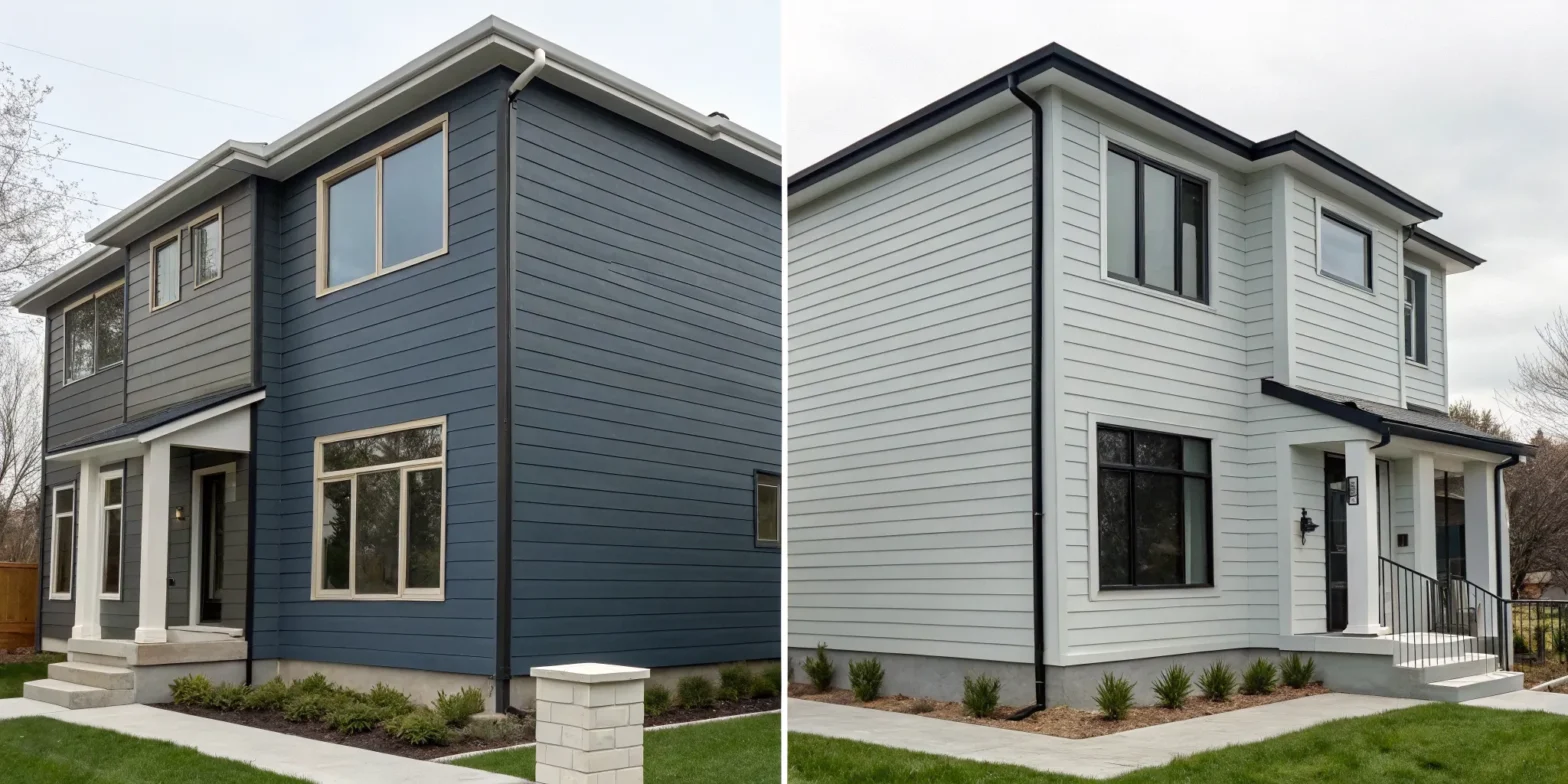
This is where the materials really show their differences. Because James Hardie siding is thicker than vinyl, it can be embossed with deeper, more realistic wood grain textures. This gives it an authentic look that closely mimics traditional wood siding, creating rich shadow lines that add dimension to your home’s exterior. When it comes to color, you can paint Hardie Board any shade you like, or opt for the factory-applied ColorPlus Technology, which comes with a 15-year warranty against fading. Vinyl siding also comes in many colors, but since the color is part of the material itself, it can be more susceptible to fading from sun exposure over time, especially in darker hues.
How Much Design Freedom Do You Get?
Both Hardie Board and vinyl offer a fantastic range of styles to match your home’s architecture, whether it’s a classic Craftsman or a modern design. You can find both in traditional lap siding, vertical panels, and even shingle-style shakes. However, the design flexibility of James Hardie siding often provides a more premium finish. Its ability to hold deeper textures gives it an edge in replicating the authentic appearance of natural materials. While vinyl is a versatile and popular choice, Hardie Board’s substantial feel and crisp lines tend to create a more high-end, custom look that many homeowners in the Puget Sound area prefer.
Alternative Fiber Cement Brands
While James Hardie is often seen as the gold standard in fiber cement, it’s helpful to know it’s not the only quality option out there. Other brands like Allura and Nichiha also produce excellent fiber cement siding that offers similar durability and performance. These alternatives often provide competitive warranties and a wide range of styles and colors, sometimes at a more budget-friendly price point. Just like Hardie Board, they are engineered to resist moisture, pests, and fire, ensuring you get a long-lasting exterior. Knowing about these other fiber-cement siding brands can help you feel confident in your final decision, whether you stick with the industry leader or explore a different path.
How Curb Appeal Translates to Property Value
The siding you choose can have a real impact on your home’s resale value. Because of its premium look and superior durability, Hardie Board is often seen by homebuyers as a high-quality upgrade. This positive perception can directly translate into a higher selling price. In fact, studies have shown that fiber cement siding provides a strong return on investment at resale. While vinyl siding is a practical and budget-friendly option that protects your home effectively, it typically doesn’t add as much to your property’s market value. If maximizing your home’s long-term value is a top priority, the initial investment in Hardie Board often pays for itself.
Debunking Common Siding Cost Myths
When you’re looking at siding quotes, it’s easy to get sticker shock and focus only on the initial price tag. But the true cost of siding goes far beyond the number on your estimate. Several common myths can steer you toward a choice that seems cheaper now but ends up costing you more in repairs, maintenance, and headaches down the road. Let’s clear up some of the biggest misconceptions about siding costs so you can see the full picture. Thinking about the long-term value, maintenance needs, and even the environmental footprint will help you make a much smarter investment in your home’s exterior.
Myth: The Cheapest Siding Upfront Is the Best Deal
It’s tempting to think the siding with the lowest upfront cost is the best deal. While vinyl siding often has a more approachable initial price, it’s not the whole story. A material like James Hardie siding is a long-term investment in your home. While the initial installation cost is higher, its incredible durability means you won’t be paying for frequent repairs or a full replacement in 10 to 15 years. High-quality residential siding protects your home and can even increase its resale value, making the lifetime cost much more attractive.
Myth: All Siding Requires the Same Amount of Work
Another common myth is that all siding requires the same amount of work to maintain. This simply isn’t true. Hardie Board siding is famously low-maintenance because it’s built to resist common issues like rot, pests, and weather damage. A simple wash with a hose and a soft brush each year is usually all it needs to look great. Vinyl, on the other hand, can be more susceptible to cracking or warping, which can lead to more hands-on repairs. While some homeowners try a DIY installation to save on labor, a professional job ensures your siding is installed correctly for maximum longevity and minimal upkeep.
Myth: Your Siding Choice Doesn’t Affect the Environment
Many people don’t factor environmental impact into their cost analysis, but it’s an important piece of the puzzle. The most sustainable choice is often the one you don’t have to replace. Because Hardie Board is made from sustainable materials like sand and cement and is designed to last for decades, it keeps waste out of landfills. Vinyl siding has a shorter lifespan, meaning it will likely need to be replaced more often, contributing to more construction waste over time. Choosing a durable, long-lasting product isn’t just good for your wallet in the long run; it’s also a more responsible choice for the environment.
The Environmental Impact of Manufacturing
The environmental impact of your siding starts with the materials used to create it. Vinyl siding is a petroleum-based product, which means its manufacturing process relies on fossil fuels. In contrast, James Hardie siding is composed of more common materials like sand, cement, and cellulose fibers. While making fiber cement does require a significant amount of energy, its long-term sustainability comes from its incredible durability. A product engineered to last for decades means you won’t have to replace it as often. This reduces the overall demand for new materials and, most importantly, keeps old siding out of our landfills, making a durable siding installation a more responsible choice for the long haul.
So, Which Siding Is the Best Value for You?
Choosing between Hardie Board and vinyl siding really comes down to what you value most for your home. There isn’t a single right answer for everyone. It’s about balancing your immediate budget with your long-term goals for durability, maintenance, and curb appeal. Think about how long you plan to stay in your home and what kind of performance you expect from your siding, especially here in the Pacific Northwest. By weighing the upfront costs against the lifetime value, you can find the perfect fit that protects your home and your wallet for years to come.
Choosing Siding That Fits Your Budget
Let’s talk numbers. Vinyl siding generally has a lower initial cost, typically running between $5 and $11 per square foot installed. This makes it an attractive option if you’re focused on keeping upfront project expenses down. On the other hand, James Hardie siding costs a bit more, usually between $4.70 and $8.50 per square foot for materials and installation, but often results in a higher total project cost. While the initial investment is higher, many homeowners see it as a smart long-term play because of its incredible durability and lower maintenance needs over time. To get a clear picture for your specific project, it’s always best to get a detailed siding estimate that reflects your home’s unique needs.
Matching Your Siding to Your Home’s Needs
Your budget is just one piece of the puzzle. The biggest factor influencing your final cost will be the size of your home, since materials and labor are calculated by square footage. Where you live also plays a role, as local labor rates and building codes can affect the price. Beyond cost, consider the long-term value. Hardie Board is often seen as a lasting investment that can increase your home’s resale value, thanks to its premium look and resilience. It’s about finding the residential siding that not only fits your budget today but also aligns with your vision for your home’s future.
Considering Your Home’s Age and Condition
The age and current condition of your home play a big role in which siding makes the most sense. If you’re planning to stay in your home for the long haul, durability becomes a top priority. James Hardie siding has a typical lifespan of 30 to 50 years, while vinyl generally lasts between 20 and 40 years. That extra decade of performance means you get more value from your investment. Here in the Pacific Northwest, our climate is another major factor. Hardie Board excels because it resists the constant moisture that can lead to rot, while vinyl can become brittle during our cold snaps. A more durable material can be a smarter choice for protecting an older home’s structure.
The Importance of Getting Multiple Quotes
Once you have an idea of the material you prefer, the next step is to get several detailed quotes from qualified contractors. This isn’t just about finding the lowest price; it’s about understanding exactly what you’re paying for. A professional estimate will break down the costs, including materials, labor, and any necessary prep work. As you compare, you’ll see how factors like the complexity of your home’s design and local labor rates in the Puget Sound region affect the final price. For example, the quote will reflect that James Hardie siding is heavier and requires more specialized expertise to install than vinyl, which influences the labor cost. Getting multiple quotes empowers you to make a well-informed decision based on a complete picture of the project.
Related Articles
- Vinyl Siding Cost: A Complete Price Breakdown – Landmark Roofing & Siding
- Average Cost of Vinyl Siding: A Full Breakdown – Landmark Roofing & Siding
Frequently Asked Questions
Is Hardie Board really worth the higher upfront cost? For many homeowners, the answer is yes. While the initial price is higher, you’re paying for superior long-term performance. Hardie Board has a longer lifespan, is more resistant to fire and impact damage, and often provides a better return on investment when you sell your home. Think of it as investing in durability and peace of mind, which can save you money on repairs and replacement down the road.
Which siding holds up better in the Pacific Northwest climate? James Hardie siding has a distinct advantage in our damp climate. Its fiber cement composition is specifically designed to resist moisture, which means it won’t rot, warp, or swell from our persistent rain. Vinyl can become brittle in colder temperatures, making it more susceptible to cracking, while Hardie Board maintains its strength and integrity through all of our region’s seasons.
What are the main maintenance differences I should expect? The long-term upkeep is quite different for each material. Vinyl siding is incredibly low-maintenance; its color is solid throughout, so it never needs painting, and a simple annual wash is all it requires. Hardie Board does need more care. You will need to repaint it every 5 to 15 years and periodically inspect and replace the caulk at the seams to ensure it remains properly sealed against water.
Will new siding actually increase my home’s value? New siding almost always improves curb appeal, but the material you choose can affect your home’s market value differently. Because Hardie Board is recognized as a premium, durable product, it generally offers a higher return on investment at resale. Buyers often see it as a significant upgrade. While clean, new vinyl siding is attractive, it typically doesn’t add as much to a home’s final selling price.
Besides materials and labor, what other costs should I budget for? It’s smart to plan for a few other expenses. Most siding replacement projects require a building permit from your city, which comes with a fee. You should also have a small contingency fund set aside in case your contractor discovers any underlying damage to your home’s structure after the old siding is removed. A good contractor will discuss these potential costs with you from the start.