Date
Mon Apr 6That small puddle on your roof or the tiny discoloration on a ceiling tile isn’t just a minor issue. For a commercial building, these are early warnings of serious commercial roof damage. By the time you notice water inside, it may have already weakened your building’s structure and created a perfect home for mold. This is why a reactive approach to commercial property roof repairs is so risky. Waiting for a disaster costs more than just money; it can disrupt your entire business. This guide will help you get ahead of problems by showing you how to spot and manage commercial roof damage repair effectively.
Key Takeaways
- Prioritize proactive maintenance: Scheduling regular professional inspections is the most effective way to protect your investment. It allows you to catch small issues like clogged drains or minor membrane damage before they become expensive, business-halting emergencies.
- Look for signs of trouble inside and out: Your building will often signal a problem before it becomes critical. Keep an eye on your roof for ponding water and blisters, and pay attention to internal clues like ceiling stains or musty odors.
- Choose a qualified commercial roofing specialist: Protect your property by hiring a contractor with valid licensing, full insurance, and proven experience with your specific roof type. A reputable partner will also provide a clear workmanship warranty to stand behind their installation.
What to Expect from Commercial Roof Repair
Your commercial roof is one of the most important assets protecting your business. Commercial roof repair involves diagnosing and fixing issues to maintain the structural integrity of your building and prevent disruptions to your daily operations. A failing roof can have far-reaching consequences beyond simple water damage, potentially halting your business in its tracks. Unlike residential roofing, commercial roofing systems are often larger, have flatter slopes, and feature complex elements like HVAC units, vents, and pipes that require specialized knowledge.
This means repairs are rarely a simple patch job. They require a professional approach to identify the root cause of the problem, whether it’s a membrane puncture, a failing seam, or a drainage issue. A small leak or minor damage might seem insignificant, but it can quickly escalate, leading to inventory loss, equipment damage, and even temporary closure. Proactive repairs are about more than just fixing a problem; they’re about safeguarding your investment and ensuring your business can continue to run smoothly, no matter what the weather brings. Understanding the basics of your roof and the common issues it faces is the first step toward effective maintenance and avoiding costly emergencies down the line.
What Kind of Commercial Roof Do You Have?
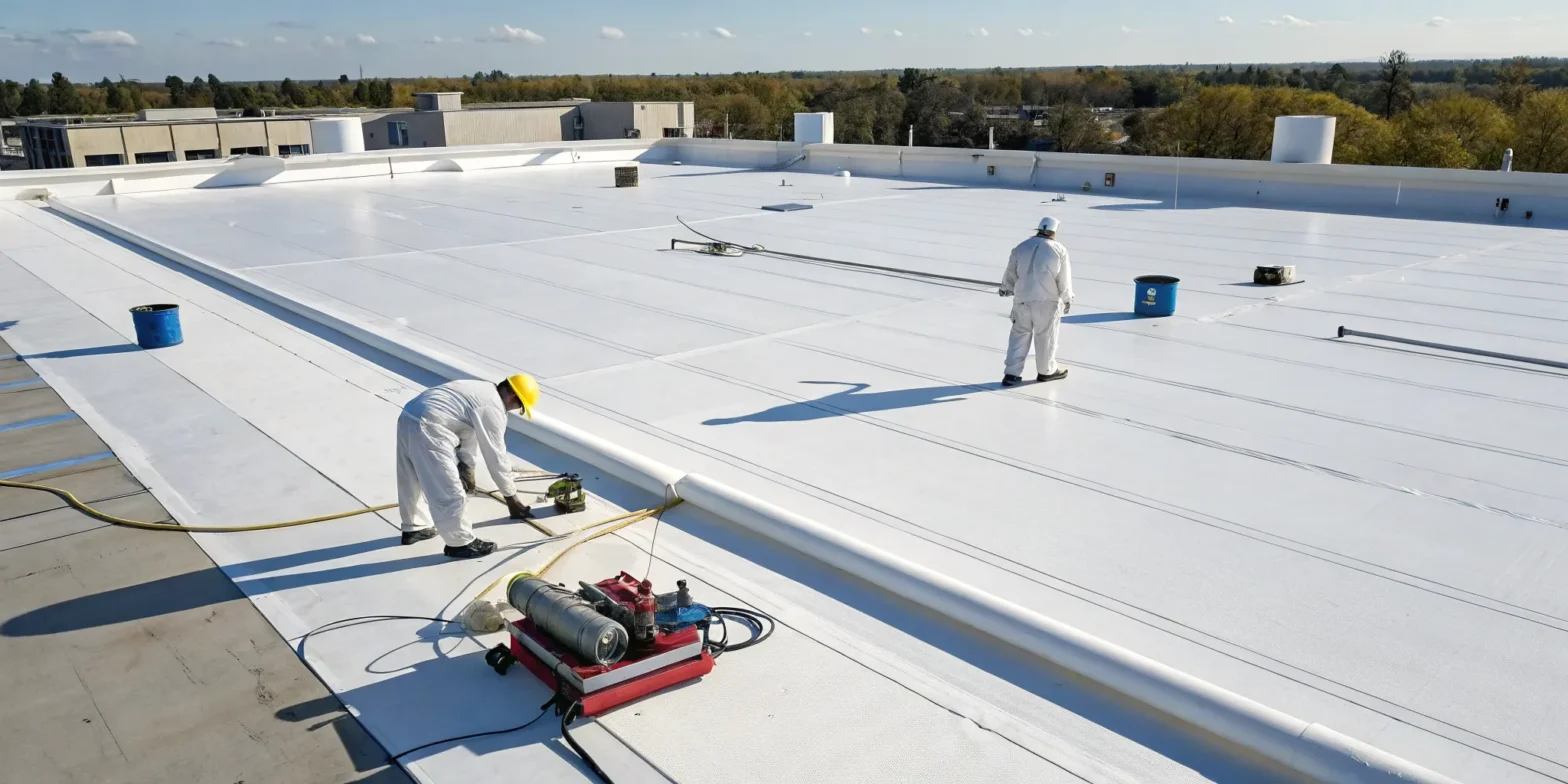
Commercial roofs come in several different materials and designs, each with its own strengths and maintenance needs. You won’t find the same shingles you see on houses. Instead, common systems include durable metal roofing, single-ply membranes like TPO (thermoplastic polyolefin) and PVC (polyvinyl chloride), and built-up roofing made from layers of asphalt. For instance, Landmark Roofing is experienced with high-performance systems like Duro-Last Single Ply roofing. The type of roof on your building dictates the specific repair methods and materials a contractor will use. Knowing what kind of system you have helps you understand potential vulnerabilities and what to look for during inspections.
Comparing Common Roofing Materials
TPO Roofing
TPO, which stands for thermoplastic polyolefin, is one of the most common materials you’ll find on flat or low-slope commercial roofs today. It’s a single-ply membrane known for hitting a sweet spot between performance and cost. TPO roofs are highly resistant to UV rays, which helps keep your building cooler and can lower energy bills—a huge plus during warmer months. This material is also lightweight and comes in wide rolls, making installation relatively quick and straightforward for a professional crew. While it offers good protection against chemical exposure, its main appeal is its energy efficiency and budget-friendly price point, making it a practical choice for many commercial properties, from retail centers to warehouses.
PVC Roofing
PVC, or polyvinyl chloride, is another top-tier single-ply membrane, often considered the more robust cousin to TPO. Its standout feature is its exceptional durability and resistance to harsh elements. PVC is built to withstand chemical exposure, grease, and fire, which is why it’s a go-to choice for restaurants, airports, and manufacturing facilities. Like TPO, it’s highly reflective and energy-efficient. Here at Landmark, we have extensive experience with premium commercial roofing systems like Duro-Last, which is a PVC membrane. While the initial investment for PVC might be higher than for TPO, its long lifespan and superior resistance to punctures and chemicals often make it a worthwhile investment for building owners who need maximum protection and longevity.
Common Types of Commercial Roof Damage
Even the most durable commercial roofs face challenges over time, especially with the wet weather we see in the Puget Sound. Leaks are by far the most common issue, often stemming from ponding water. Because many commercial roofs are flat or low-sloped, poor drainage can cause water to collect, putting stress on the roofing material and eventually finding a way inside. Other frequent problems include surface erosion from sun and rain, punctures in the roof membrane from foot traffic or debris, and failing flashing around vents and equipment. Scheduling regular, professional inspections is the best way to catch these potential issues early before they turn into major headaches for your business.
Repair or Replace? Making the Right Decision
When you discover a problem with your roof, the first question is always whether to repair the damage or invest in a full replacement. A quick fix might seem like the most budget-friendly option, but it isn’t always the wisest financial move in the long run. A patch on a roof that’s nearing the end of its lifespan is like putting a bandage on a much larger problem. The key is to assess the overall health of your roofing system. Consider its age, the extent of the damage, and its history of repairs. Making an informed choice now can protect your property and prevent you from spending more on recurring issues down the road. A thorough evaluation will help you determine the most cost-effective and durable solution for your building.
Key Signs It’s Time for a Full Replacement
Sometimes, the damage is too widespread for a simple repair to be effective. If you’re dealing with extensive issues across your roof, a full replacement is often the smarter path forward. Constant leaks, large areas of ponding water, or significant membrane deterioration are all red flags. Age is another critical factor; if your roof is approaching the end of its expected service life, pouring money into repairs may not be a sound investment. A new commercial roofing system not only solves existing problems but also comes with a new warranty, improved energy efficiency, and peace of mind. It protects your building’s structural integrity and ensures your operations can continue without the threat of unexpected disruptions.
Using the 25% Rule as a Guideline
A helpful industry guideline for this decision is the “25% Rule.” This rule of thumb suggests that if more than a quarter of your roof’s surface is damaged, it’s generally more practical to contemplate a full replacement rather than attempting extensive patchwork. Trying to fix a large, damaged area can lead to an uneven roof surface and create new vulnerabilities where the old and new materials meet. While this rule is a great starting point, it’s not a substitute for a professional opinion. An experienced contractor can provide a detailed assessment to give you a clear, personalized plan. They will inspect the entire system, identify underlying issues, and help you weigh the long-term costs and benefits of both options.
How Are Commercial Roofs Typically Repaired?
When you manage a commercial property, the roof is your first line of defense against the elements. While every building is unique, certain issues tend to appear more frequently than others. Understanding these common problems helps you spot trouble early and know what to expect when you call a professional. Timely and effective commercial roofing repairs protect your investment, prevent operational disruptions, and keep your tenants safe and dry. Here are the four repairs we handle most often for property owners.
Stopping Leaks with Waterproofing Solutions
Leaks are by far the most frequent complaint for commercial roofs. Flat and low-slope roofs, common in commercial architecture, are particularly susceptible to standing water after heavy rain, which can eventually find its way through the roofing material. The fix often involves locating the source of the leak, repairing the damaged area, and applying a professional-grade sealant or waterproof coating. This not only stops the immediate problem but also adds a protective layer to prevent future water intrusion, extending the life of your roof.
When to Patch vs. Replace the Membrane
The roof membrane is the primary waterproof layer of your commercial roof. Over time, it can develop blisters, cracks, or punctures from foot traffic, weather, or falling debris. For minor damage, a simple patch can be a cost-effective solution. However, if the damage is widespread or the membrane is nearing the end of its lifespan, replacing a section or the entire membrane might be necessary. Addressing membrane issues quickly is crucial, as even small openings can lead to significant water damage and compromise the roof’s structural integrity.
Securing Flashing and Improving Drainage
Flashing consists of thin pieces of metal installed around roof penetrations like vents, skylights, and HVAC units to direct water away. Because these are transition points, they are common failure spots. Improper installation or age-related deterioration can cause flashing to loosen or corrode, creating an entry point for water. Similarly, clogged drains, gutters, or scuppers can cause water to pool on the roof, adding stress to the structure and materials. Regular inspection and repair of these critical components are essential for a healthy roof system.
Your Action Plan for Storm Damage Repair
Here in the Puget Sound, storms can bring high winds, heavy rain, and falling tree limbs that can cause sudden and severe roof damage. Punctures from debris, uplifted roofing materials, and damaged flashing are all common issues following a major weather event. Post-storm repairs are often urgent to prevent further water damage to the building’s interior and structure. A swift response from a qualified roofing team can secure the building and begin the restoration process, minimizing disruption to your business operations.
Signs You Need Commercial Roof Repair
Knowing when to call for a roof repair can feel like a guessing game, but your building often gives you clues long before a major problem occurs. The key is to catch these signs early. A small issue, like a minor leak or a few cracked seams, can quickly turn into a significant expense that disrupts your business operations. By regularly checking for specific signs of trouble, both inside and outside your building, you can address problems proactively. This approach not only protects your property and its contents but also helps you manage maintenance costs more effectively, preventing small repairs from becoming a full-blown roof replacement.
Spotting Normal Wear and Tear
Most commercial roofs are built to last, typically having a lifespan of about 20 to 30 years. As your roof approaches this age range, it’s smart to pay closer attention. Even with diligent maintenance, materials naturally degrade over time from constant exposure to sun, rain, and wind. You might notice the roofing material looks faded, brittle, or has widespread cracking. These are clear indicators that its protective qualities are diminishing. An older roof is more vulnerable to leaks and damage, so scheduling a professional inspection is a wise step to assess its condition and plan for future commercial roofing needs before an emergency strikes.
A Visual Checklist for Roof Damage
A quick visual inspection of your roof’s surface can reveal a lot. One of the most common issues on flat or low-slope roofs is ponding water. If you see puddles lingering for more than 48 hours after it rains, it’s a red flag for poor drainage that can accelerate wear and tear on the roof membrane. Also, keep an eye out for blisters, bubbles, or open seams in the roofing material, as these can allow water to seep underneath. Check the flashing, which is the metal sealing around vents, pipes, and HVAC units. If it’s rusted, loose, or damaged, your roof’s most vulnerable points are exposed.
Don’t Ignore These Interior Warning Signs
Sometimes, the first sign of a roof problem appears inside your property. Water stains on ceiling tiles or walls are the most obvious clue that you have an active leak. Don’t ignore musty smells or visible mold growth, as these point to hidden moisture that can compromise your building’s air quality and structural integrity. A sudden, unexplained spike in your energy bills could also be related to your roof. Damaged or wet insulation is less effective, forcing your HVAC system to work harder to maintain the building’s temperature. These internal signs often mean a roof issue has been present for a while, so it’s important to act quickly.
When to Call for Emergency Repairs
Certain situations require immediate attention. If you experience a significant leak during a storm, see sections of the roof membrane peeling back, or notice structural damage after high winds, it’s time to call for emergency service. Delaying repairs can lead to extensive interior water damage, ruined inventory, and unsafe conditions for your employees or tenants. Addressing roof issues promptly is the best way to prevent a minor problem from escalating into a costly and disruptive disaster. A professional commercial roofing contractor can provide a rapid response to secure your property and minimize further damage.
Understanding the Cost of Commercial Roof Repairs
When it comes to budgeting for property maintenance, the cost of roof repairs is a major consideration. Unlike a simple residential roof, commercial systems involve different materials, greater complexity, and larger surface areas, all of which influence the final price. While a quick online search might give you a ballpark figure, the actual cost can vary significantly based on the specifics of your building and the extent of the damage. Getting a clear, detailed estimate from a qualified professional is the only way to truly understand the investment required. This transparency allows you to plan effectively and ensures there are no surprises down the line, helping you protect your asset without breaking your budget.
Average Costs Per Square Foot
While every project is different, you can get a general idea of costs by looking at square-foot estimates. For common low-slope systems, a basic replacement often falls between $8 and $12 per square foot for membrane roofing like TPO or PVC. More traditional built-up roofing (BUR) systems are in a similar range, typically from $8 to $10 per square foot. If your building has a metal panel system, the cost can be higher, often ranging from $16 to $22 per square foot due to material and labor complexities. These figures are a starting point, but a professional inspection is necessary to diagnose the specific needs of your roof and provide an accurate quote.
Factors That Influence the Final Price
Several key factors determine the final cost of your commercial roof repair or replacement. The type of roofing system you choose is a primary driver, but so is the condition of the existing roof. If the old roof needs to be completely torn off, that will add to labor costs. The state of the underlying insulation and roof deck is another critical variable; if there’s water damage, these components may need to be replaced. The complexity of your roof, including the number of vents, drains, and HVAC units, also plays a role. Finally, factors like ease of access to the roof and local building code requirements will be factored into a comprehensive estimate.
Who is Responsible for Commercial Roof Repairs?
When a leak appears in a commercial building, one of the first questions is always, “Who pays for this?” The answer isn’t always straightforward and typically depends on the agreements you have in place. Unlike a residential property where the owner is solely responsible, commercial properties often involve leases that outline the financial duties of both the landlord and the tenant. Misunderstanding these terms can lead to disputes, delays in critical repairs, and unexpected expenses. Before you authorize any work, it’s essential to review your legal documents and understand exactly where the responsibility lies. This clarity ensures that repairs are handled smoothly and fairly for everyone involved.
How Your Lease Agreement Defines Responsibility
The single most important document in determining who pays for roof repairs is the lease agreement. This contract should explicitly detail the maintenance responsibilities of both the landlord and the tenant. There are several common types of commercial leases, and each one allocates costs differently. It’s crucial to read your lease carefully to understand your obligations. If the language is unclear, it may be wise to seek legal advice to interpret the terms. Never assume who is responsible; always consult your lease first to avoid potential conflicts and ensure repairs are funded correctly from the start.
Gross Lease vs. Triple-Net Lease
The type of lease you have plays a huge role. In a gross lease, the tenant pays a flat rental rate, and the landlord is typically responsible for all property expenses, including structural maintenance and roof repairs. This is a common arrangement in multi-tenant office buildings. On the other hand, a triple-net (NNN) lease shifts most of the financial responsibility to the tenant. In this scenario, the tenant pays a lower base rent but is also responsible for their share of property taxes, insurance, and common area maintenance, which often includes the roof. Understanding which lease you have is the first step in knowing who needs to call the roofer.
Other Considerations: Damage Cause and Code Upgrades
Beyond the lease agreement, other factors can influence who pays. For example, if a tenant’s actions directly caused the roof damage—such as by installing equipment improperly—they may be held responsible for the repair costs, regardless of the lease type. Additionally, local laws often hold the property owner ultimately responsible for maintaining the building’s main structure to ensure it is safe and habitable. If a roof replacement triggers a requirement for code upgrades, the landlord is generally expected to cover those costs, as they represent a capital improvement to the building itself.
Financial and Practical Considerations
Beyond the immediate cost and responsibility for repairs, managing a commercial roof involves other important financial and logistical details. As a significant business asset, your roof has tax implications that can affect your bottom line over the long term. Furthermore, the process of replacing a roof isn’t as simple as just hiring a crew; it involves adhering to local regulations and securing the proper permits to ensure the work is done legally and safely. Understanding these elements helps you make informed decisions, maintain compliance, and manage your property’s finances more effectively. It’s about seeing the bigger picture beyond the initial repair.
Tax Considerations and Depreciation
Your commercial roof is a long-term asset, and its value can be depreciated over time for tax purposes. According to the Modified Accelerated Cost Recovery System (MACRS), the IRS classifies a commercial roof as part of the building itself. This means nonresidential real property, including the roof, must be depreciated over a 39-year period. This allows you to deduct a portion of the roof’s cost from your taxable income each year, helping to offset the large initial investment. Keeping detailed records of your roof replacement or major repairs is essential for accurately calculating this deduction and taking full advantage of the tax benefits.
Building Permits for Roof Replacement
Undertaking a major roof project, especially a full replacement, almost always requires a building permit from your local municipality. This process ensures that the work meets all current building codes and safety standards, protecting both your property and the public. Failing to secure a permit can result in fines, work stoppages, and even an order to remove the new roof. A professional and reputable contractor, like Landmark Roofing, will handle the entire permitting process for you. This includes submitting the necessary plans and scheduling inspections, ensuring your project is fully compliant from start to finish and giving you one less thing to worry about.
What to Look for in a Roofing Contractor
Finding the right partner for your commercial roof repair is one of the most important decisions you’ll make as a property owner. It’s a common misconception that all roofing companies offer the same level of expertise, but the right choice directly impacts the durability and lifespan of your roof. A great contractor not only fixes the immediate problem but also acts as a long-term partner in protecting your investment. Taking the time to vet your options thoroughly will save you from costly headaches and premature replacements down the road. The key is to look for a company with a proven track record, transparent practices, and a deep understanding of the specific challenges commercial properties face.
Check for Proper Licensing and Insurance
Before you even discuss your project, the first step is to confirm that any potential contractor is properly licensed, bonded, and insured. This isn’t just a formality; it’s your primary protection. A valid license proves they meet state and local requirements to perform the work. Full liability insurance and workers’ compensation coverage protect you from being held responsible for accidents or property damage that might occur on site. Don’t just take their word for it. Ask to see copies of their certificates and verify that they are current. This simple check ensures you’re working with a legitimate professional who takes their business and your safety seriously.
Do They Have Experience with Your Roof Type?
Commercial and residential roofing are entirely different fields. They involve different materials, installation techniques, and building codes. That’s why it’s critical to hire a contractor with specific experience in commercial roofing. Ask about their experience with your particular roofing system, whether it’s a flat roof with a single-ply membrane like Duro-Last or a sloped metal roof. A contractor who primarily works on houses may not have the specialized skills to properly diagnose and repair issues on a large commercial building. Look through their portfolio for projects similar to yours and ask for references from other local business owners.
What’s Their Emergency Repair Process?
When a roof leak threatens your inventory, equipment, or daily operations, you can’t afford to wait. A reliable commercial roofing contractor should have a clear plan for handling urgent repairs. Ask them about their emergency service protocols, including their typical response times and availability after hours or on weekends. Addressing roof issues quickly can prevent minor problems from escalating into major structural damage and business disruptions. Knowing your roofer has a dependable emergency response plan provides invaluable peace of mind, especially with the unpredictable weather we see in the Puget Sound region.
Ask About the Materials They Use
The materials used in your repair are just as important as the skill of the person installing them. A reputable contractor will be transparent about the products they use and why they recommend them. Ask about the quality of their materials and their relationships with suppliers. Top-tier contractors often have certifications from leading manufacturers, which means they are trained to install those products according to the highest standards. This not only ensures a better, longer-lasting repair but can also be essential for keeping your manufacturer’s warranty valid. Prioritizing quality materials is a key part of making sure your roofing investment pays off.
How Do Commercial Roofing Warranties Work?
A new commercial roof is a significant investment, and a warranty is your safety net. But not all warranties are created equal, and understanding the fine print is key to protecting your property. A solid warranty provides peace of mind, ensuring that both the materials and the installation are covered if something goes wrong. It separates reputable professionals from the rest. Let’s break down the two main types of coverage you’ll encounter: the manufacturer’s warranty and the contractor’s workmanship guarantee. Knowing how they work together, and what you need to do to keep them active, will save you from costly surprises down the road.
Warranties on Repair Work
Warranties aren’t just for full roof replacements; they are just as important for repair work. A reputable contractor will always stand behind their repairs with a workmanship warranty. This guarantee ensures that the specific area they fixed was installed correctly and will perform as expected for a set period. For instance, if a team patches a leak, their warranty should cover that patch against failure due to faulty labor. Always ask for the warranty details in writing so you understand the duration of the coverage and what actions might void it. This document is your assurance that the contractor is accountable for the quality of their commercial roof repair and will make it right if the fix doesn’t hold.
What’s Covered by the Manufacturer?
A manufacturer’s warranty is a promise from the company that made your roofing materials. It’s their assurance that the products will perform as expected for a set period, often 10 to 30 years. This warranty specifically covers defects in the materials themselves. For example, if roofing material cracks prematurely due to a manufacturing flaw, this warranty would cover the cost of replacement materials. Remember, this coverage is limited to the product and doesn’t apply to installation errors. When you invest in a new commercial roofing system, we help you select materials with strong manufacturer warranties for lasting protection.
Why You Need a Workmanship Guarantee
This is where your choice of contractor really matters. A workmanship guarantee is your roofer’s promise that they installed everything correctly. Even the best materials can fail if they aren’t installed with skill and precision. This guarantee protects you from issues caused by poor installation, like improperly sealed seams or faulty flashing. If a leak appears because of an installation mistake, a reputable contractor will return to fix the problem on their dime. A strong workmanship guarantee shows a company is confident in their team and committed to the long-term performance of your roof.
How to Keep Your Warranty Valid
A warranty isn’t a blank check; it comes with responsibilities. To keep your coverage intact, you must follow the terms from both the manufacturer and the contractor. The most common reason a warranty becomes void is neglect. Failing to schedule regular maintenance can nullify your protection. Routine professional inspections can save you thousands by catching small issues early. Other actions that could void your warranty include unauthorized repairs, installing new rooftop equipment without consulting your roofer, or allowing damaging foot traffic. A proactive maintenance plan is the best way to protect your investment and ensure your commercial roofing warranty remains valid.
Prevent Costly Repairs with Regular Maintenance
When you’re managing a commercial property, the last thing you want is an unexpected, expensive roof repair that disrupts your business. The best way to handle roof problems is to stop them before they start. A proactive maintenance plan is your first line of defense, saving you from operational headaches and significant costs down the road. By staying ahead of wear and tear, you protect your investment and ensure your building remains a safe, dry environment for your tenants, employees, and customers. Regular care extends the life of your roof and gives you peace of mind.
Why You Need a Professional Inspection Schedule
It’s easy to overlook your roof until a leak appears, but by then, the damage has already begun. Neglecting your roof allows minor issues, like small punctures in the membrane or clogged drains, to quietly develop into major problems. A professional inspection schedule is essential because it catches these small concerns early. An expert can spot subtle signs of weakness that an untrained eye would miss, preventing a simple fix from turning into a full-blown replacement. Regular check-ups are a small investment that protects the long-term health of your entire commercial roofing system.
Simple Ways to Protect Your Roof
A proactive approach is always more effective than a reactive one. The cornerstone of this strategy is scheduling routine professional inspections, ideally twice a year, in the spring and fall. During these visits, a technician will clear debris from drains, check for membrane damage, inspect flashing around vents and HVAC units, and look for any signs of water pooling. Keeping detailed records of these inspections helps you track your roof’s condition over time. This simple, consistent effort allows you to address common issues before they compromise your building’s structure and lead to costly interruptions.
How Preventive Care Saves You Money
Preventive care is one of the smartest financial decisions you can make for your property. The cost of a routine maintenance plan is minimal compared to the expense of emergency repairs, water damage restoration, and potential inventory loss. Business owners who implement proactive measures can effectively sidestep these budget-breaking scenarios. By investing in regular upkeep, you not only prevent expensive repairs but also reduce operational disruptions and maintain a high-performing roofing system for decades. This foresight keeps your building secure and your budget predictable, protecting your bottom line year after year.
How to Create an Emergency Repair Plan
Even with the best maintenance, emergencies can happen, especially with the unpredictable weather in the Puget Sound region. A roof failure can seriously disrupt your business operations, so having a clear plan is crucial. Start by identifying a trusted, local roofing contractor you can call for immediate assistance. Keep their contact information readily accessible. Your plan should also include steps for documenting damage for insurance claims and protocols for ensuring the safety of anyone inside the building. Knowing who to call and what to do helps you manage the situation calmly and efficiently, minimizing downtime and getting your business back on track faster.
Related Articles
- Roof Damage & The Most Expensive Part to Fix
- How to Hire a Flat Roof Repair Contractor – Landmark Roofing & Siding
Frequently Asked Questions
How often should my commercial roof be inspected? For most commercial properties in the Puget Sound, we recommend a professional inspection twice a year, once in the spring and again in the fall. A spring check-up ensures your roof is ready for the summer sun, while a fall inspection prepares it for the heavy rain and wind of the coming winter. This regular schedule allows a professional to catch and address small issues, like clogged drains or minor membrane damage, before they become serious problems.
What’s the difference between a roof repair and a full replacement? A repair addresses a specific problem in a targeted area, such as patching a puncture, sealing a failing seam, or fixing the flashing around an HVAC unit. It’s a great solution when the rest of your roof is still in good condition. A full replacement, on the other hand, is necessary when the roofing system has reached the end of its functional life or has sustained widespread damage. Think of it as fixing a flat tire versus replacing all four tires because the tread is gone.
My roof isn’t leaking. Why should I pay for maintenance? Think of roof maintenance like changing the oil in your car; you do it to prevent a much bigger, more expensive problem from happening. By the time you see a leak inside your building, water has already been seeping through layers of your roofing system, potentially causing unseen rot and mold. Proactive maintenance catches vulnerabilities early, extends the life of your roof, and helps you avoid the costly disruptions that come with an emergency repair.
How long will a commercial roof repair disrupt my business? The timeline for a repair depends entirely on the scope of the work. A simple patch might take just a few hours, while a more complex issue could take a couple of days. A professional contractor will always prioritize minimizing disruption to your operations. They should communicate a clear work plan with you, schedule work during off-hours if possible, and maintain a clean, safe job site to ensure your business can continue running smoothly.
Can I perform minor roof repairs on my own? While it might seem tempting to handle a small issue yourself, we strongly advise against it. Commercial roofing systems are complex and require specialized tools and knowledge to repair correctly. An improper fix can often make the problem worse, lead to more extensive damage, and may even void your manufacturer’s warranty. For safety and quality reasons, it’s always best to leave the work to a licensed and insured professional.