
Date
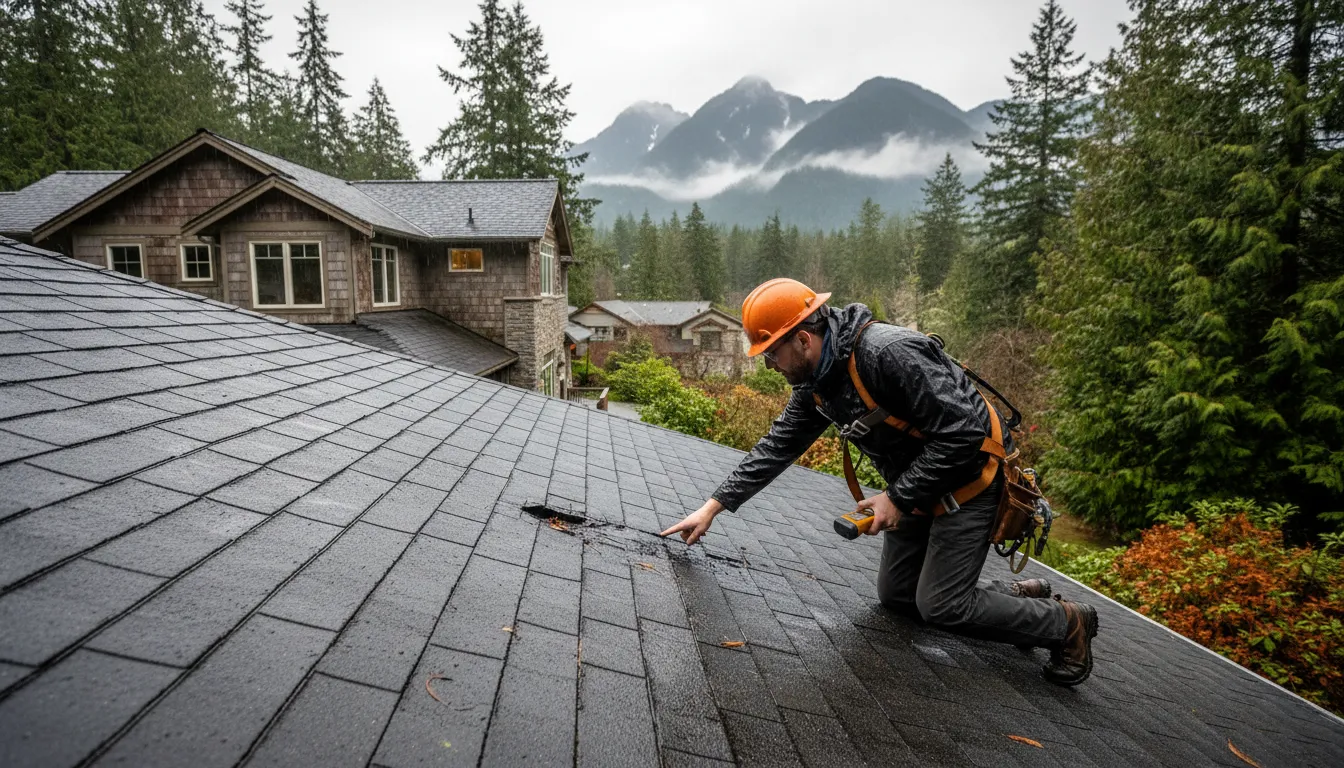
Mon Jun 8Washington rain exposes the difference between a small patch and damaged roof decking. A ceiling stain may be the first visible sign, not the full repair scope.
Roof leak repair cost in Washington depends on the leak source, roof material, access, and whether moisture has reached the underlayment or decking. Simple patches or vent leaks often fall between $150 and $1,000, while multiple leaks or partial decking work can run $1,000 to $3,000. Extensive water damage or sagging reinforcement can push repairs to $3,000 to $8,000 or more, according to this roof repair cost guide. These planning ranges help homeowners and property managers compare repair options, but they are not a site-specific quote. Timing matters because delayed repairs may allow water to affect insulation and interior ceilings, so an inspection should check the entry point. It should also check hidden damage.
Homeowners and property managers need a useful starting point before deciding whether to repair, monitor, or plan broader work. The next section, Roof leak repair cost in Washington: quick ranges, sets that baseline for a more focused inspection conversation. Here’s how.
Roof leak repair cost in Washington: quick ranges
For Puget Sound homeowners and property managers, roof leak repair cost often starts in the hundreds, not the thousands. Still, no single price fits every roof. A roofer needs to inspect the leak source, roof surface, and any damage below it before pricing permanent work.
Planning ranges for common repairs
Published cost guides can help set an early budget. They are not Washington quotes. One roof leak repair cost guide lists these broad ranges by repair type:
- Small isolated leak: $350 to $900.
- Flashing around a vent or chimney: $500 to $1,200.
- Shingle replacement in one area: $500 to $1,500.
- Leak involving underlayment or decking: $1,200 to $3,500 or more.
Use those figures as planning ranges only. Labor, roof access, material type, slope, and hidden damage can change the final bid. An inspection shows whether a visible stain points to one repair or a wider issue.
Treat a quote as a scope, not just a number. It should state which roof area will be opened and which materials will be replaced. If the decking is sound, the job may stay limited. If it is damaged, the budget can move into a higher range.
When the scope grows
A small leak may need a patch or a limited shingle repair. A flashing leak can require work where a roof meets a vent, chimney, or wall. Once moisture reaches underlayment or decking, the scope can grow. Damaged layers may need to be opened, checked, and repaired.
Replacement-level issues belong in a separate budget. They may arise when damage is widespread or a repair will not solve the roof’s larger condition. If you want more context before an inspection, Landmark’s guide to understanding roof repair costs explains why some roof parts cost more to fix.
Puget Sound budgeting for managed properties
Property managers should budget for more than the first visible leak point. A leak may call for a closer look at the roof and nearby building envelope. One university roof and building-envelope repair record shows how broader scopes can include multiple roof areas.
For a portfolio, record each affected unit and note when the stain or drip appeared. Ask whether the quote covers interior protection and follow-up checks. This helps separate a limited roof repair from later interior work.
For a Puget Sound home or managed property, the practical next step is an on-site inspection. Ask for a written scope that separates the leak source, flashing work, shingle work, underlayment, decking, and any replacement option. That makes the quote easier to compare and easier to plan for.
What changes the price of a roof leak repair?
A roof leak repair cost depends on more than the size of the ceiling stain. The estimate starts with the leak source, the roof surface, and the work needed to reach the damaged area. It also depends on what the roofer finds below the visible surface.
Leak source and roof material
A small, isolated entry point can take less work to correct than a leak near a valley or chimney. Roof valleys carry water where two roof planes meet. Flashing, vents, pipe boots, skylights, and roof openings each call for a different repair plan.
The roof material also shapes the scope. Asphalt shingles, metal panels, cedar shakes, and flat-roof systems use different parts and repair methods. A roofer may need to match the existing material, remove a wider area, or use system-specific fasteners and sealants.
Pitch, access, and hidden damage
A steep roof or hard-to-reach section can add setup time. Limited driveway access, landscaping, and multi-story work may also affect how the crew reaches the repair area. These conditions matter even when the visible leak looks small.
Water does not always stop at the first stained spot. It can affect underlayment, roof decking, insulation, drywall, or trim before the source is found. In larger projects, water intrusion work may involve the roof and the surrounding building envelope. A University of Central Florida project document shows how broad that scope can become. It covers complex roof and building envelope repairs.
For homeowners planning a repair, understanding roof repair costs means looking below the surface. Replacing damaged decking or repairing an interior ceiling adds work beyond sealing the entry point. An inspection helps separate the immediate fix from damage that needs a broader plan.
Emergency protection and the final scope
An active leak during heavy rain may need temporary protection before a permanent repair can begin. Landmark’s emergency tarping service helps limit further exposure while the repair scope is assessed. Tarping costs can be credited toward the final repair or replacement invoice.
The final estimate should state what is included. Ask whether the plan covers the exterior repair, damaged decking, interior work, disposal, and any temporary protection. A clear scope makes it easier to compare options and budget for the work that the roof needs.
Common leak sources and typical repair scope
What changes the repair scope?
A roof leak repair cost depends on more than the stain inside the building. The entry point may sit uphill from the visible mark. The roofer also needs to check nearby materials for moisture damage before defining a lasting repair.
Published examples can help with early planning, but they are not quotes. One roof repair cost guide places simple vent patches or a few shingle replacements at $150 to $1,000. It places multi-leak or partial decking work at $1,000 to $3,000. Extensive damage can reach $3,000 to $8,000 or more.
| Leak source | Typical repair scope | Budget pattern |
|---|---|---|
| Pipe boots | Replace the failed boot and check the seal around the vent. | Often a narrower repair when damage stays local. |
| Flashing | Repair or replace metal at a chimney, wall, or roof joint. | Varies with access and the size of the affected area. |
| Valleys | Open the water channel, repair the leak point, and restore nearby materials. | Can cost more when moisture has spread beneath the surface. |
| Shingles | Replace damaged shingles and inspect the layers below them. | Often limited when only a small area needs work. |
| Underlayment or decking | Remove surface materials, replace wet layers, and rebuild the opened section. | Usually a broader repair with more labor and materials. |
| Major water damage | Assess the roof, deck, insulation, and connected interior damage. | May require a larger budget and a staged plan. |
Why inspection matters
The least costly repair is not always the smallest patch. It is the repair that addresses the entry point and the affected layers. A surface-only fix may leave wet decking or underlayment in place, which can create more work later.
This concern is not limited to homes. A University of Central Florida roof and building envelope repair record includes 28 roof areas. Large properties may need a wider review before the repair scope is clear.
A budget-conscious way to compare options
Use the table as a planning tool, not a final estimate. Ask which layers are affected, how far moisture traveled, and whether the repair area can be isolated. Those answers help explain why two leaks with similar ceiling stains can have different costs.
Property managers may also need to plan access, interior protection, and tenant updates. Homeowners comparing repair with replacement can start by understanding roof repair costs. A clear inspection keeps the decision tied to the actual damage.
Repair, emergency service, or roof replacement?
The right next step depends on the leak, the weather, and the roof’s condition. Roof leak repair cost is only one part of the decision. First, stop active water entry and check how far the damage may extend.
Standard leak repair
A standard repair often makes sense when the issue is isolated. Examples include a missing shingle, damaged flashing, or one known leak point. An on-site inspection should trace the source before the work is priced. The visible ceiling stain may not sit below the opening in the roof.
A repair plan should separate the immediate fix from related damage. Wet insulation, decking damage, and interior staining can change the scope. Landmark’s guide to understanding roof repair costs explains why some roof parts take more work to fix.
Emergency service first
Treat the leak as urgent when water is entering the building now. The same applies after storm damage leaves part of the roof exposed. Move belongings away from the wet area if it is safe. Then arrange a temporary measure before more water enters.
Landmark offers emergency tarping for active leaks. A tarp is not the permanent repair. It helps protect the property while the roof can be inspected and the next step can be planned.
Property managers should document the affected unit, wet materials, and access limits. This creates a clear record for the repair scope. It also helps coordinate tenant updates and interior protection without delaying the roof assessment.
When replacement deserves review
A full replacement deserves review when the problem is not limited to one repair area. Repeated leaks, broad wear, soft decking, or several failed details can point to a wider issue. The inspection should compare a focused repair with the cost and value of replacement.
Complex properties may need a broader review. One university roof and building envelope project covered many roof areas rather than one visible leak point. That example is larger than a typical home, but the lesson is useful. Water entry can require a wider look.
For a replacement discussion, ask for the material options, scope, and warranty terms in writing. A roofing cost calculator can also provide an early planning range. Use that range as a starting point, then rely on the on-site inspection for the actual proposal.
How to get an accurate estimate without overpaying
A sound roof leak repair cost estimate starts with the cause, not a fast guess. Document the issue, limit further water entry, and ask each contractor to price the same work. This helps homeowners and property managers compare value without choosing a partial fix.
A clear record of the leak
Start with photos and notes before anyone removes materials. Record the room, stain location, time of day, recent weather, and any change in the drip. For a rental or HOA property, add the unit number and tenant contact details. Keep this record with your inspection notes.
- Document the leak. Take photos of ceiling stains, damp areas, and visible exterior damage from the ground. Note when the water appeared and whether the leak is active.
- Control active water safely. Use containers and move belongings away from the wet area when it is safe. Do not climb onto a wet roof. Ask about emergency tarping if water is still entering the building.
- Schedule an on-site inspection. A contractor should trace the source and check nearby materials before pricing permanent work. Share your photos, access details, and any past repair records.
- Compare the scope. Read each estimate line by line. Check whether it covers the leak source, damaged materials, labor, cleanup, and any follow-up work. Use this guide for understanding roof repair costs before you compare totals.
- Review payment options and credits. Ask whether temporary protection can be credited toward the final job. If the scope is larger, review financing terms before approving the work.
Scope before price
The lowest estimate is not always the most cost-effective choice. One quote may cover a surface patch, while another includes damaged flashing or roof decking. Ask each contractor to state what is included, what is excluded, and what could change after work begins.
Request a written scope that names the work area and repair materials. It should also explain cleanup, access needs, and any steps that require separate approval. When two quotes differ, ask each contractor to explain the gap. That question often reveals whether the estimates cover the same repair.
Property managers should request a unit-by-unit record and a plan for access. Ask who will update tenants, protect interior spaces, and document completed work. For larger properties, the scope may extend beyond the visible drip. A university project record shows that building envelope work can include design workshops, permit reviews, and permit submission.
Credits and financing
Before signing, ask for the payment schedule in writing. Confirm whether an emergency tarp credit applies and whether financing is available for a larger repair or replacement. Keep the inspection notes, final scope, and invoice together for future maintenance planning.
For a managed property, store the approved scope with photos and tenant updates. This creates a useful record if a later leak appears nearby. Homeowners can use the same file to track past work and prepare questions for the next inspection.
What should property managers budget for leak repairs?
Property managers and HOA boards need a roof leak repair cost plan that covers more than the roof surface. A leak can affect tenant schedules, access, interior protection, and documentation. The repair budget should leave room for the inspection, the repair scope, and any related work found after materials are opened.
Budget for access and coordination
Managed properties often require more coordination than a single-family home. Crews may need roof access windows, parking clearance, tenant notices, and safe interior access. If the leak affects a top-floor unit, a manager may also need photos, moisture notes, and a clear timeline for residents.
The quote should name the affected roof area and the expected repair method. It should also explain whether the work includes flashing, shingles, underlayment, decking, cleanup, and follow-up inspection. Clear scope language helps boards compare bids without reducing the decision to the lowest number.
Plan for more than one leak point
A stain in one unit does not always mean the roof has one small opening. Water can travel along framing before it appears inside. On larger buildings, a contractor may need to check nearby penetrations, roof valleys, and drainage paths before confirming the final scope.
For properties in Redmond, Bellevue, Seattle, Kirkland, Bothell, Everett, Tacoma, and other approved Puget Sound communities, heavy rain can expose several weak points in the same season. Budgeting for a careful inspection can prevent a cycle of repeat service calls.
Keep a repair record
Store photos, inspection notes, the approved scope, invoices, warranty details, and tenant updates in one file. This record helps with future maintenance planning. It also gives the next contractor a starting point if a nearby leak appears later.
If the roof has repeated leaks or widespread wear, ask for a repair-versus-replacement review. Landmark’s roofing cost calculator can support early planning, while the on-site inspection should guide the actual repair proposal.
Can insurance help with roof leak repair cost?
Home insurance may help with roof leak repair cost when a covered sudden event caused the damage. A fallen branch or storm damage may support a claim. Still, each policy has its own terms, limits, and exclusions. Ask your insurer how your policy applies before you assume a repair is covered.
When a claim may apply
The cause matters more than the leak alone. A sudden, documented event may be treated differently from a slow leak that developed over time. An insurer may also review the roof’s condition before deciding what it will cover.
A roof inspection can help show where water entered and which materials need repair. It can also help you compare the repair scope with your deductible. For more context, read our guide to understanding roof repair costs.
Common reasons for limits or exclusions
Age, wear, and missed maintenance can affect a claim. An insurer may distinguish storm damage from worn flashing or shingles in poor condition. Coverage for interior damage may also differ from coverage for the roof repair itself.
The visible ceiling stain may not show the full repair scope. Water intrusion work can involve the roof and the surrounding building envelope, not only the visible leak point. A University of Central Florida repair scope shows why a broad assessment can matter.
What to document before repairs
Start with clear records, as long as it is safe to do so. Keep the date you noticed the leak, photos of the affected area, and notes about recent weather. Save receipts for steps taken to reduce further damage.
- Photograph roof damage from a safe location.
- Take photos of ceiling stains, wet insulation, and damaged belongings.
- Write down when the leak started and whether it changed.
- Keep copies of inspection notes, estimates, and repair invoices.
Then contact your insurer and ask what documents it needs. At the same time, schedule an inspection through our roofing services team. That inspection can give you a repair scope without making a promise about your insurer’s decision.
Frequently asked questions about roof leak repair cost
How much does roof leak repair cost?
Roof leak repair cost often ranges from a few hundred dollars for a small, isolated issue to several thousand dollars when underlayment, decking, or structural damage is involved. The exact price depends on the leak source, roof material, access, and hidden moisture damage.
Is a roof leak an emergency?
A roof leak is an emergency when water is actively entering the home. A storm has exposed part of the roof, or electrical, ceiling, or insulation damage may be present. Temporary tarping can help limit further water entry before permanent repair work begins.
Does insurance pay for a leaky roof?
Insurance may help when the leak comes from a covered sudden event, such as storm damage. It may not cover wear, age, or deferred maintenance. Document the damage, contact your insurer, and schedule a roof inspection so the repair scope is clear.
Can I repair a roof leak myself?
Avoid climbing onto a wet or damaged roof. Homeowners can move belongings, collect water safely, and photograph visible damage. A professional inspection is safer and more reliable because the visible stain may not be directly below the actual leak source.
Request a roof leak inspection in Washington
If you are comparing roof leak repair cost options, start with a clear inspection and written scope. Landmark Roofing & Siding helps homeowners, property managers, and HOAs across approved Puget Sound communities identify the leak source, protect the property, and choose a cost-effective repair plan.
Request a free roof inspection to get a practical next step for your home or managed property.