Date
Wed May 20Your roof makes up a huge portion of your home’s exterior, giving it a distinct character and style. Whether you love the classic, rustic look of cedar, the clean lines of modern metal, or the timeless elegance of slate, the material you choose has a massive impact on your home’s curb appeal. But a roof has to do more than just look good; it has to provide uncompromising protection. The real challenge is finding that perfect intersection of style and substance. To do that, you need to know what are the top 5 roofing materials and how their aesthetics align with their performance, durability, and cost.
Key Takeaways
- Focus on long-term value over initial price: A roof is a major investment, so consider the total cost of ownership. A more durable material can save you money on future repairs and replacements, making it a smarter choice over time.
- Choose a material that fits your home and climate: There is no single best material, only the best one for you. Weigh the pros and cons of each option against your home’s style, your budget, and the specific demands of Pacific Northwest weather.
- A great roof requires great care and installation: The quality of your roofing material will not matter if it is installed incorrectly. Partner with a reputable local contractor and commit to regular maintenance to protect your investment and maximize your roof’s lifespan.
What to Look for When Choosing a New Roof
Choosing a new roof is a big decision, and it’s about more than just keeping the rain out. It’s an investment in your home’s safety, value, and even its personality. Before you get lost in the different material options, it helps to have a clear idea of what you’re looking for. Think about your budget, our local weather, and the style you want for your home. Getting these priorities straight will make it much easier to find the perfect fit for your property.
Balancing Upfront Cost and Long-Term Value
A new roof is one of the most significant expenses you’ll face as a homeowner, so it’s natural to focus on the price tag. While some materials, like asphalt shingles, have a lower initial cost, it’s important to think about the long-term value. A more durable material like metal might cost more upfront but could save you money over time with fewer repairs and a longer lifespan. It’s a balancing act between what you can afford now and what will be most economical over the next few decades. Using a roofing cost calculator can give you a starting point for budgeting.
How Long Will It Last? A Look at Lifespan and Durability
How often do you want to think about replacing your roof? The answer to that question can help you choose a material. Standard asphalt shingles typically last between 15 and 30 years. In contrast, materials like metal can protect your home for 40 to 70 years, and some tile or slate roofs can last for a century or more. A roof with a longer lifespan provides peace of mind and is a powerful selling point if you decide to move. Durability is key, especially when you consider the cost and disruption of a full roof replacement.
Finding a Match for Pacific Northwest Weather
Here in the Puget Sound, our roofs have a tough job. They face months of persistent rain, moss growth, and the occasional heavy windstorm. You need a material that’s up to the challenge. Metal roofing is an excellent choice for handling heavy rain and shedding debris like pine needles. Other materials, like composition shingles, are specifically designed with additives to resist moss and algae growth, which is a common headache for homeowners in our damp climate. Choosing a material suited for the PNW ensures your residential roofing investment is well-protected against the elements.
Factoring in Energy Efficiency and Maintenance
Your roof plays a surprising role in your home’s energy consumption. Lighter-colored and reflective materials, particularly metal, can bounce sunlight away from your home, keeping it cooler in the summer and potentially lowering your air conditioning bills. On the other side of the coin is maintenance. While materials like asphalt are affordable, they may require more frequent inspections and repairs over their lifespan compared to lower-maintenance options like tile or metal. Considering the time and money you’re willing to spend on upkeep is a practical step in making your choice.
Perfecting Your Home’s Curb Appeal
Your roof makes up a huge part of your home’s exterior, so its appearance matters. The right material can tie your whole aesthetic together. Do you love a classic, rustic look? Cedar shakes might be the perfect fit. Are you drawn to a clean, modern style? A standing-seam metal roof could be exactly what you need. For a timeless and elegant feel, nothing beats slate, while tile can give your home a beautiful Mediterranean vibe. Think about your home’s architectural style and the statement you want to make, because the right roof can truly transform its curb appeal.
A Quick Comparison of the Top 5 Roofing Materials
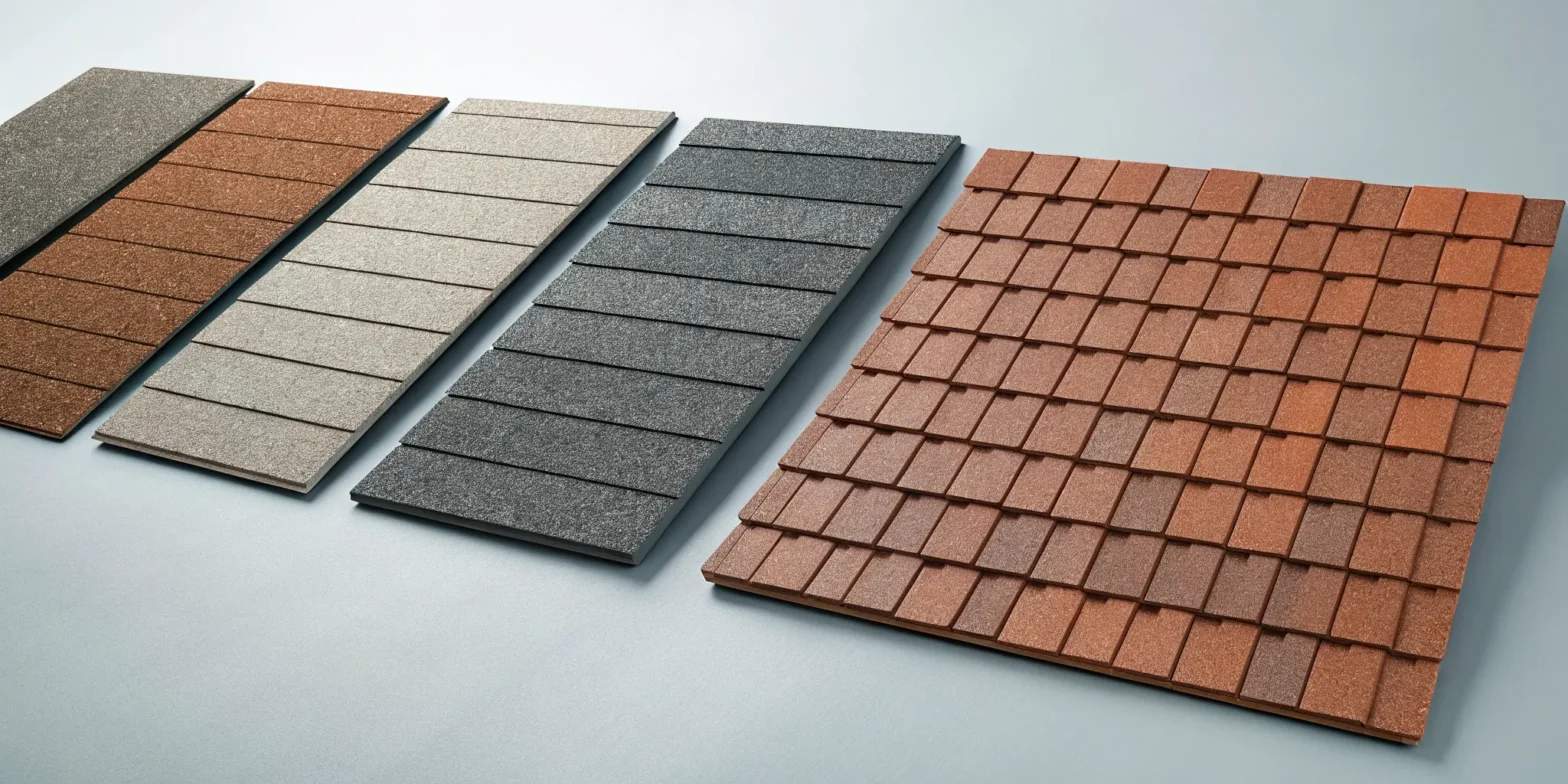
Picking the right material for your roof can feel like a huge decision, but it gets a lot easier when you know the main players. Each option offers a different mix of durability, cost, and style. Let’s walk through a quick comparison of the top five choices to help you get a feel for what might work best for your home.
-
Asphalt Shingles: Think of these as the go-to, all-around favorite. They are the most common roofing material for a reason: they’re affordable, come in a huge variety of colors, and are versatile enough for almost any home style. With a typical lifespan of 15 to 30 years, they offer a solid, reliable performance without a massive upfront investment.
-
Metal Roofing: If you’re looking for something that lasts, metal is a fantastic choice. It’s incredibly durable, energy-efficient, and can last anywhere from 40 to 70 years. Metal roofs are great at shedding our famous Pacific Northwest rain and stand up well to high winds, making them a practical and long-term solution.
-
Cedar Shake: For that quintessential Pacific Northwest look, nothing beats cedar. Wood shakes give your home a beautiful, rustic, and natural aesthetic that blends perfectly with our landscape. They provide good insulation but do require a bit more maintenance to keep them looking their best.
-
Tile (Clay or Concrete): Tile roofs are known for their impressive longevity, often lasting 50 years or more. They are extremely fire-resistant and provide excellent insulation against heat. While often associated with Spanish or Mediterranean-style homes, they can offer a unique and durable option for the right property.
-
Slate Roofing: Slate is the premium, lifetime investment. As a natural stone, it offers a timeless, high-end appearance and can last for 75 years or even longer. It’s one of the most durable materials you can choose, creating a truly distinctive and long-lasting roof.
Understanding these basic differences is the first step. As you explore your residential roofing options, think about which benefits matter most to you, from budget to curb appeal.
1. Asphalt Shingles: The Popular All-Rounder
If you’ve ever pictured a typical roof, you were probably thinking of asphalt shingles. There’s a good reason they’re the most popular roofing material in the country. They hit that sweet spot of affordability, versatility, and reliability that works for so many homeowners. Whether you’re building a new home or replacing an old roof, asphalt shingles are almost always part of the conversation. They come in a surprising variety of styles and colors, making it easy to find an option that fits your home’s look without breaking the bank. Let’s walk through what makes them such a common choice.
Cost and Lifespan
Asphalt shingles are known for being budget-friendly. The material itself is affordable, and because they are so common, finding experienced installers is easy, which helps keep labor costs down. You can generally expect a new asphalt shingle roof to last between 15 and 30 years. The exact lifespan depends on the quality of the shingle (architectural shingles last longer than basic 3-tab ones) and how well it’s maintained. For many homeowners, this combination of a lower upfront investment and a solid lifespan makes asphalt shingles the most practical choice. You can get a better idea of the numbers for your specific project by using a roofing cost calculator.
Pros and Cons
The biggest pro for asphalt shingles is their incredible value. They offer solid protection at a price point that’s hard to beat. Installation is also straightforward, which means your roofing project can be completed relatively quickly. Plus, their wide availability and range of colors make them a flexible design choice. On the flip side, their main drawback is a shorter lifespan compared to materials like metal or slate. They can be more susceptible to damage in extreme weather and may require more frequent repairs over the years. It’s a trade-off between a lower initial cost and long-term durability.
Busting Common Myths About Asphalt Shingles
Some people think asphalt shingles look plain or cheap, but that’s an outdated idea. Modern architectural shingles offer beautiful textures and dimensional looks that can mimic wood or slate, seriously enhancing your home’s curb appeal. Another myth is that they can’t handle Pacific Northwest weather. While they don’t last as long as metal, quality asphalt shingles are engineered to withstand wind and rain. Many even come with treatments to resist moss and algae growth, which is a huge plus in our damp climate. Choosing the right type of asphalt shingle is key for a durable and attractive residential roofing solution.
2. Metal Roofing: The Durable Performer
If you’re looking for a roof that combines modern style with serious strength, metal is an excellent choice. Once seen as purely for commercial buildings or barns, metal roofing has become a popular and stylish option for residential homes, especially here in the Pacific Northwest. It’s known for its incredible longevity and ability to stand up to just about anything our weather throws at it, making it a smart, long-term investment for your property.
Cost and Lifespan
Let’s be upfront: a metal roof typically has a higher initial cost than asphalt shingles. However, that investment pays off over time. A professionally installed metal roof can last anywhere from 40 to 70 years, and some materials like copper can last even longer. Think of it this way: you might replace an asphalt roof two or three times in the same period you’d have a single metal roof. This durability makes it one of the most cost-effective options over the life of your home. The final price depends on the material you choose, with options ranging from steel and aluminum to premium copper.
Pros and Cons
The biggest advantage of metal roofing is its resilience. It’s highly resistant to wind, sheds rain and snow effectively, and won’t rot or fall victim to insect damage. Metal is also fire-resistant, which can provide peace of mind and sometimes even lead to a discount on your homeowner’s insurance. Plus, it’s energy-efficient. Metal roofs reflect solar heat, which can help keep your home cooler in the summer and potentially lower your air conditioning bills. The main drawback is the upfront cost, and installation requires a skilled team with specific experience in metal roofing.
What People Get Wrong About Metal Roofs
Many people still picture a loud, corrugated tin roof when they think of metal, but today’s options are far more sophisticated. Modern metal roofing comes in a huge variety of colors, finishes, and styles, including panels that beautifully mimic the look of traditional shingles or cedar shakes. Another common myth is that they are noisy in the rain. With proper sheathing and insulation installed underneath, a metal roof is typically no louder than any other roofing material. It’s a quiet, strong, and stylish choice that adds lasting value and protection to your home.
3. Cedar Shake: The Classic Pacific Northwest Look
Nothing says “Pacific Northwest” quite like a cedar shake roof. It’s a look that feels right at home here, blending seamlessly with the lush, green surroundings of the Puget Sound. If you love a natural, rustic aesthetic, cedar is a beautiful choice that adds incredible character to a house. Each shingle is unique, and the roof develops a distinguished, silvery-gray patina as it ages, giving your home a timeless quality. But beyond its classic good looks, cedar offers some practical benefits, like natural insulation. Of course, it also comes with its own set of considerations, from maintenance needs to cost. Let’s break down what you can expect if you’re considering a cedar shake roof for your home.
Cost and Lifespan
Cedar shake is a premium material, and its price reflects that craftsmanship. You can generally expect costs to range from $600 to $1,600 per square (a 10×10 foot area). While the upfront investment is higher than for asphalt shingles, a well-maintained cedar roof can last 30 to 40 years or even longer. Cedar is also a natural insulator, which can help reduce your energy bills over time. One important factor to consider is fire safety. Many areas require cedar shakes to be factory-treated with fire retardants. It’s always a good idea to check local building codes and your home insurance policy to ensure compliance before making a final decision on your residential roofing material.
Pros and Cons
The biggest pro of a cedar shake roof is its undeniable beauty. It offers a warm, natural look that simply can’t be replicated by synthetic materials. Because wood is a natural insulator, it helps keep your home cooler in the summer and warmer in the winter. Plus, if sourced from a sustainably managed forest, it can be an eco-friendly choice. On the other hand, cedar requires more upkeep than other materials. To prevent moss, algae, and rot, it needs regular cleaning and maintenance, which is a key consideration in our damp climate. It’s also more vulnerable to impact damage from falling branches. While its durability is impressive, achieving that long lifespan depends entirely on consistent care.
4. Tile Roofing: The Distinctive, Long-Lasting Option
When you picture a tile roof, you might think of a sun-drenched Mediterranean villa. This roofing material brings a unique and elegant character to any home, offering a look that is both timeless and striking. Made from materials like clay or concrete, tile is one of the most durable roofing options available. It’s a true investment in your home’s future, designed to protect it for generations.
While it’s a premium choice, a tile roof offers more than just curb appeal. It’s naturally resistant to fire and moisture, making it a formidable barrier against the elements. The tiles themselves are incredibly tough and can handle harsh weather conditions, from driving rain to strong winds, without breaking down. This makes them a surprisingly good fit for the Pacific Northwest, despite their sunny reputation. If you’re looking for a roofing solution that combines distinctive style with exceptional performance, tile is a fantastic material to consider. It’s a choice that says you value longevity and are willing to invest in a roof that will stand the test of time, becoming a defining feature of your home’s architecture.
Cost and Lifespan
Tile roofing comes with a higher upfront cost compared to materials like asphalt, but its incredible lifespan provides significant long-term value. A well-installed tile roof can easily last for 50 years or even longer, meaning it’s very likely the last roof you’ll ever need to install on your home. This durability makes the initial expense a worthwhile investment over the decades.
Beyond its longevity, tile offers excellent insulation, which can help keep your home cooler in the summer and contribute to energy efficiency. While the price tag is higher, you can start to budget by using a roofing cost calculator to get a general idea. When you factor in its minimal maintenance needs and impressive lifespan, tile roofing often proves to be a cost-effective choice over the long run.
Pros and Cons
The biggest pro of tile roofing is its unmatched combination of beauty and durability. It provides a distinct, high-end look while being tough enough to resist fire, strong winds, and moisture. This makes it a reliable choice for homeowners who want peace of mind along with stunning aesthetics. The tiles won’t rot or decay, and they are impervious to insect damage, so you can count on them to protect your home for decades with very little upkeep.
The primary consideration with tile is its weight. Clay and concrete tiles are significantly heavier than most other roofing materials. Because of this, your home’s structure may need to be evaluated to ensure it can support the additional load, and in some cases, reinforcement might be necessary. A professional can assess your home’s framing during an inspection to determine if it’s a good candidate for a beautiful new residential roofing system like tile.
5. Slate Roofing: The Ultimate Lifetime Investment
Slate is the definition of a “forever roof.” As a natural stone, it offers an elegance and durability that few other materials can match. If you’re looking for a premium option that will likely outlast your time in the home, slate is an incredible choice. Its classic, sophisticated look can dramatically enhance your home’s architectural style. While it represents a significant upfront investment, its longevity and minimal maintenance needs make it a smart financial decision for the right homeowner.
Cost and Lifespan
Slate sits at the highest end of the price spectrum. While the initial cost is substantial, it’s best viewed as a long-term investment. A professionally installed slate roof can easily last 75 to 100 years, sometimes longer. Over its lifetime, it requires very little maintenance, saving you money on future repairs and replacements. This durability can also increase your home’s resale value, making it a financially sound choice for those planning to stay put. You can get a preliminary idea of the investment by using a roofing cost calculator to compare materials.
Pros and Cons
The biggest pro of slate is its unmatched beauty and longevity. As a natural stone, each tile is unique, creating a rich, textured look that adds significant curb appeal. It’s also completely fireproof and resistant to rot and insects. The primary drawback is its weight. Slate is incredibly heavy, so not all homes are built to support it. The tiles can also be brittle and may crack if walked on improperly, meaning any roof work requires a specialist. The high cost of both the material and the specialized labor is another major consideration.
Is Your Home’s Structure Ready for Slate?
Before you commit to a slate roof, your first step is to determine if your home can handle the weight. A structural engineer may need to assess your home’s framing to ensure it can support the heavy load. This is not a step to skip. Additionally, installing slate is a specialized craft that requires deep expertise, not a job for a general roofer. You need a contractor with proven experience in residential roofing to prevent leaks and ensure the roof’s longevity. They can evaluate your home and guide you through the process, ensuring the job is done right.
How Much Does a New Roof Actually Cost?
Let’s talk numbers. A new roof is a significant investment in your home, and the price tag can feel intimidating. While national averages often place a new roof somewhere between $5,800 and $13,300, your final cost will be unique to your property. The price depends on a few key things: the size and pitch of your roof, the materials you select, and the labor involved in the installation. Understanding what goes into a roofing estimate is the first step toward creating a realistic budget. Think of it less as a single price and more as a collection of costs that add up to a protected, beautiful home. A trustworthy contractor will walk you through each line item, so you know exactly where your money is going.
Breaking Down the Cost Per Square Foot
When you get a roofing quote, you’ll see prices listed “per square.” This is simply industry shorthand for a 100-square-foot area. The material you choose is the biggest variable here. For example, asphalt shingles, a popular and affordable choice, can range from $100 to $600 per square. If you opt for a more durable material like metal, you might see prices from $500 to $2,500 per square. At the high end, premium materials like slate can cost between $800 and $3,500 per square. To get a preliminary estimate tailored to your home’s size and preferred material, you can use a roofing cost calculator to explore different scenarios.
Watch Out for These Hidden Costs
The price of the shingles or panels is only part of the story. A comprehensive quote for your residential roofing project should also clearly outline several other essential costs. These include the labor for tearing off your old roof, disposing of the debris, and installing the new system. It’s also wise to have a contingency in your budget for unexpected issues. Sometimes, once the old roof is removed, we find underlying damage like rotted wood decking that needs to be replaced before the new roof can be installed. A transparent quote will account for these possibilities, ensuring you aren’t caught off guard by surprise expenses down the line.
Looking Beyond the Upfront Price Tag
It’s tempting to choose the least expensive roofing option, but it’s important to consider the long-term value. A material with a lower upfront cost might require more frequent repairs or need a full replacement sooner than a more durable alternative. This means you could end up spending more over the life of the roof. For instance, a metal roof may cost more initially, but its incredible durability and 50+ year lifespan can make it a more cost-effective choice over time, especially in the wet and windy Pacific Northwest. Investing in a high-quality commercial roofing system, for example, is all about balancing initial outlay with long-term performance and minimal maintenance.
What’s the Best Roofing Material for the Pacific Northwest?
Living in the Puget Sound area means dealing with a unique climate. We get a lot of drizzle, persistent moisture, and the occasional powerful windstorm. Choosing a roof isn’t just about looks; it’s about finding a material that can stand up to our specific weather patterns year after year. The right roof will keep your home dry, protect it from storm damage, and even help manage your energy bills in our mild but damp environment.
When you’re looking at options, you need to think about how a material will handle constant moisture, how it will perform during a windstorm, and whether it’s suited for our moderate temperatures. Some materials are practically made for this climate, while others might require more maintenance to perform well. Let’s break down what works best for a residential roofing project in our corner of the country, so you can feel confident in your choice.
Built for Rain: Handling PNW Moisture and Humidity
It’s no secret that it rains a lot here. All that moisture can lead to moss, algae, and mildew, which can damage a roof over time. You need a material that can handle a constant state of dampness. Asphalt composition shingles are a go-to choice for many homeowners because they are affordable and provide solid protection against our wet weather. They offer a great balance of cost and performance for the region.
For even better moisture defense, metal roofing is an excellent contender. Its smooth, hard surface sheds rain effortlessly and is highly resistant to moss and mildew growth. This durability means less worry about water-related issues down the line, making it a smart long-term investment for keeping a PNW home dry and secure.
Standing Strong Against Wind and Storms
While we may not have hurricanes, the Pacific Northwest gets its fair share of intense windstorms that can rip off shingles and cause leaks. Your roof is your home’s first line of defense during these events. Metal roofs are known for their exceptional strength and wind resistance. Because they are installed in large panels with interlocking seams, they are far less likely to be lifted or damaged by high winds compared to individual shingles.
Another incredibly resilient option is composite slate or shake, like the products offered by DaVinci Roofscapes. These materials are engineered to mimic the look of natural slate or cedar but are built to withstand extreme weather, including high winds and impacts. They provide an extra layer of security, giving you peace of mind when the next big storm rolls through the Puget Sound.
Staying Efficient in Our Mild Climate
Energy efficiency might not be the first thing you think of with our mild weather, but your roof still plays a big role in your home’s comfort and utility costs. A “cool roof” can reflect more sunlight and absorb less heat, which is a nice perk during our increasingly warm summers. Metal roofing is a fantastic performer here, as its reflective surface can help keep your home cooler and reduce the need for air conditioning.
Asphalt shingles also offer a great balance of performance and value for our climate. They provide reliable insulation without the higher upfront cost of some other materials. Ultimately, the right material helps maintain a comfortable temperature inside your home year-round. You can start to weigh the costs and benefits of different materials by using a roofing cost calculator to get a preliminary idea of your budget.
How to Make Your Roof Last Longer
Choosing the right roofing material is a huge first step, but protecting that investment for years to come is just as important. A little proactive care can make a massive difference in how long your roof lasts and how well it protects your home. Think of it like regular maintenance for your car; it prevents small issues from turning into major, costly repairs down the road. By focusing on a few key areas, you can add years to your roof’s life and maintain your peace of mind, especially here in the rainy Pacific Northwest. These simple habits help your roof stand up to the elements, from summer sun to winter storms, ensuring it continues to perform at its best. Let’s walk through the four most effective ways to extend the lifespan of your roof.
Schedule Regular Professional Inspections
It’s easy to forget about your roof until a problem, like a leak, makes itself known. The best way to stay ahead of issues is with regular professional inspections. We recommend having a pro look at your roof at least once every couple of years and after any major storm. An experienced roofer can spot subtle signs of wear and tear that an untrained eye would miss, like cracked sealant or loose shingles. Trying to diagnose and fix roof issues yourself can be unsafe and often ineffective. A professional can safely assess your entire roofing system, from the shingles to the flashing, and provide a clear plan for any necessary repairs, saving you from surprise expenses later.
Keep Your Gutters Clean and Clear
Your gutters are your roof’s first line of defense against water damage. When they get clogged with leaves, pine needles, and other debris, rainwater has nowhere to go. Instead of flowing away from your home, it backs up and can seep under your roofing materials. This trapped moisture can lead to wood rot in your roof deck, damage your fascia boards, and even cause leaks inside your home. Regular gutter cleaning is one of the most effective maintenance tasks you can perform. As experts note, this simple step is key to preventing water damage and extending the life of your roof. Keeping them clear ensures water is channeled away properly, protecting both your roof and your foundation.
Manage Moss, Algae, and Debris
In the damp climate of the Puget Sound, moss and algae can feel like a constant battle. While a little green might seem harmless, it can cause significant problems for your roof. Moss acts like a sponge, trapping moisture against the surface of your shingles. This constant dampness can accelerate the deterioration of your roofing materials, leading to curling, cracking, and granule loss on asphalt shingles. Similarly, fallen branches and piled-up leaves can trap water and create a breeding ground for rot. It’s important to gently remove debris and have any significant moss growth treated by a professional to avoid damaging the shingles in the process. This helps keep your residential roofing system healthy and functional.
Ensure Proper Ventilation
A healthy roof needs to breathe. Proper attic ventilation is a critical component of your entire roofing system, as it helps regulate temperature and moisture levels year-round. In the summer, ventilation allows hot air to escape, preventing it from baking your shingles from the inside out. In the winter, it helps keep the roof deck cool to prevent snow from melting and refreezing at the eaves, which creates damaging ice dams. Without good airflow, trapped moisture can lead to mold, mildew, and rot in your attic and roof structure. Ensuring your home has proper ventilation is a technical job, but it’s essential for preserving your roof’s integrity and even improving your home’s energy efficiency.
Making Your Final Decision
Choosing a new roof is a big decision, but breaking it down into these final checks can make it feel much more manageable. Once you’ve narrowed down your material options based on cost, durability, and style, it’s time to think about the practical details of your specific home and project. These last few steps will help you land on a choice you’ll be happy with for decades to come.
Check Your Home’s Structural Needs
Before you fall in love with a specific material, you need to make sure your home can actually support it. Some materials, like slate or tile, are incredibly heavy. As one expert notes, “Your roof structure might need to be made stronger to hold their weight, especially for older homes.” An existing roof frame built for lightweight asphalt shingles may not be able to handle the load of a heavier material without reinforcement. The only way to know for sure is to have a professional residential roofing contractor assess your home’s structural integrity.
Match Your Home’s Style and Protect Resale Value
Your roof is one of the most prominent features of your home’s exterior, so its style has a huge impact on curb appeal and resale value. Think about the architectural style of your house and neighborhood. A material like slate can give a home an elegant, classic look, while cedar shake is a perfect fit for many Pacific Northwest homes. Versatile asphalt shingles are a popular choice because they work well with many different home styles and appeal to a wide range of future buyers. Your roof should complement your home’s overall aesthetic, including its siding and windows.
Consider the Environmental Impact
For many homeowners, the environmental footprint of their home is an important factor. If sustainability is on your mind, you’ll be happy to know there are some great eco-friendly roofing options. For example, “Metal roofing… can be recycled, which is good for the environment,” making it a choice you can feel good about at the end of its long life. Natural materials like cedar are also a great option, as “Wood is a natural, renewable resource.” Choosing an energy-efficient material can also reduce your home’s environmental impact while saving you money on heating and cooling bills.
Partner with a Trusted Local Roofing Contractor
Finally, the success of your roofing project depends heavily on the quality of the installation. A great material installed poorly will fail, so finding the right partner is key. Look for a contractor with deep roots in the community and a solid reputation. As Consumer Reports suggests, “Look for roofers who have been in business for at least five years and have a good local reputation.” An experienced team will not only ensure a flawless installation but can also provide invaluable advice on choosing the right material for your home and our specific Puget Sound climate.
Related Articles
Frequently Asked Questions
How do I know when it’s time to replace my roof instead of just repairing it? That’s a great question. A repair is usually best for isolated issues, like a few missing shingles after a windstorm or a small leak around a vent. However, if you’re seeing widespread problems like most of your shingles curling, extensive granule loss in your gutters, or if your roof is simply reaching the end of its expected lifespan (around 15 to 20 years for many older asphalt roofs), a full replacement is often the smarter long-term investment. A professional inspection is the best way to get a clear answer.
You mentioned several materials are good for the PNW. Is there one ‘best’ choice? The “best” choice really depends on your priorities, specifically your budget and the style you want. For pure performance against our rain and wind, metal roofing is a top contender due to its incredible durability and how well it sheds water and debris. That said, modern architectural asphalt shingles offer fantastic value and are specifically designed with features to resist moss and algae, making them a very popular and practical choice for our region.
How long does a typical roof replacement project take? The timeline can vary, but for an average-sized home, the entire process of tearing off the old roof and installing the new one usually takes about two to five days. This can change depending on the size and complexity of your roof, the material you choose, and of course, the weather. A professional contractor will give you a clear and detailed schedule before the work begins so you know exactly what to expect.
Is a metal roof really noisy when it rains? This is a common myth, but the short answer is no. The idea of a loud, drumming sound comes from old-fashioned barns with tin roofs installed directly on framing. Modern residential metal roofs are installed over a solid roof deck and underlayment, just like shingles. This structure provides sound insulation, making a metal roof just as quiet as any other roofing material during a rainstorm.
What’s more important: the roofing material I choose or the contractor who installs it? They are both incredibly important, but a poor installation can ruin even the best material. You can invest in a premium, 50-year roof, but if it’s not installed correctly, it will fail and leak. A skilled, experienced contractor not only ensures the roof is installed to last but also helps you choose the right material for your home and our climate in the first place. The quality of the workmanship is what guarantees your investment is protected.