Date
Mon May 4You’re here because you need a straightforward answer to a very specific question: how much does a 4×8 sheet of Hardie Board cost? While the price isn’t a single number, we can give you a clear breakdown of what to expect. The final cost per sheet is influenced by the panel’s style, texture, and whether it comes pre-primed or factory-painted. Where you purchase it also plays a significant role. This guide will walk you through the typical price ranges for different Hardie panels and explain the key factors that will affect your material budget, giving you the information you need to plan effectively.
Key Takeaways
- Understand the material costs: Expect to pay between $45 and $70 for a single 4×8 sheet of Hardie Board, as the final price depends on whether you choose a smooth or textured panel and a primed or pre-painted finish.
- Budget for the full installation: The price per sheet is only one part of the equation; your total project cost must also account for professional labor and all the necessary supplies like trim, fasteners, and weather barriers.
- Shop strategically to find the best price: You can manage your budget effectively by comparing costs from different suppliers, asking about volume discounts for larger projects, and timing your purchase to take advantage of seasonal sales.
What is Hardie Board Siding?
If you’ve been researching siding options, you’ve almost certainly come across the name Hardie Board. It’s a popular brand name for fiber cement siding, a durable composite material made from a simple mix of cement, sand, water, and wood fibers. This combination creates a thick, sturdy panel that beautifully mimics the look of natural wood without the constant upkeep.
Because of its strength and versatility, James Hardie siding has become a go-to choice for homeowners across the Puget Sound. It offers the classic charm you want for your home’s exterior, paired with modern performance that can handle our specific climate. It’s a smart investment that protects your home while keeping it looking its best for years to come.
The Benefits of Fiber Cement
Fiber cement siding is known for being incredibly resilient. Unlike wood, it resists damage from insects, pests, and rot, so you won’t have to worry about termites or decay compromising your home’s exterior. It’s also built to last, holding up against warping, cracking, and melting, which means it maintains its integrity and appearance through changing seasons. This durability translates into less maintenance and fewer repairs over the life of your home, giving you peace of mind and saving you money in the long run.
Protection From Fire and Moisture
Two of the biggest concerns for any homeowner are fire and water damage, and this is where fiber cement truly shines. Hardie Board siding is non-combustible, meaning it will not ignite when exposed to a direct flame or contribute fuel to a fire. This provides a critical layer of protection for your home and family. Additionally, it’s engineered to stand up to moisture, preventing issues like swelling and mold. For those of us in the Pacific Northwest, this resistance to rain and humidity is a huge advantage, ensuring your siding remains stable and protective through even the wettest winters.
How Much Does a 4×8 Sheet of Hardie Board Cost?
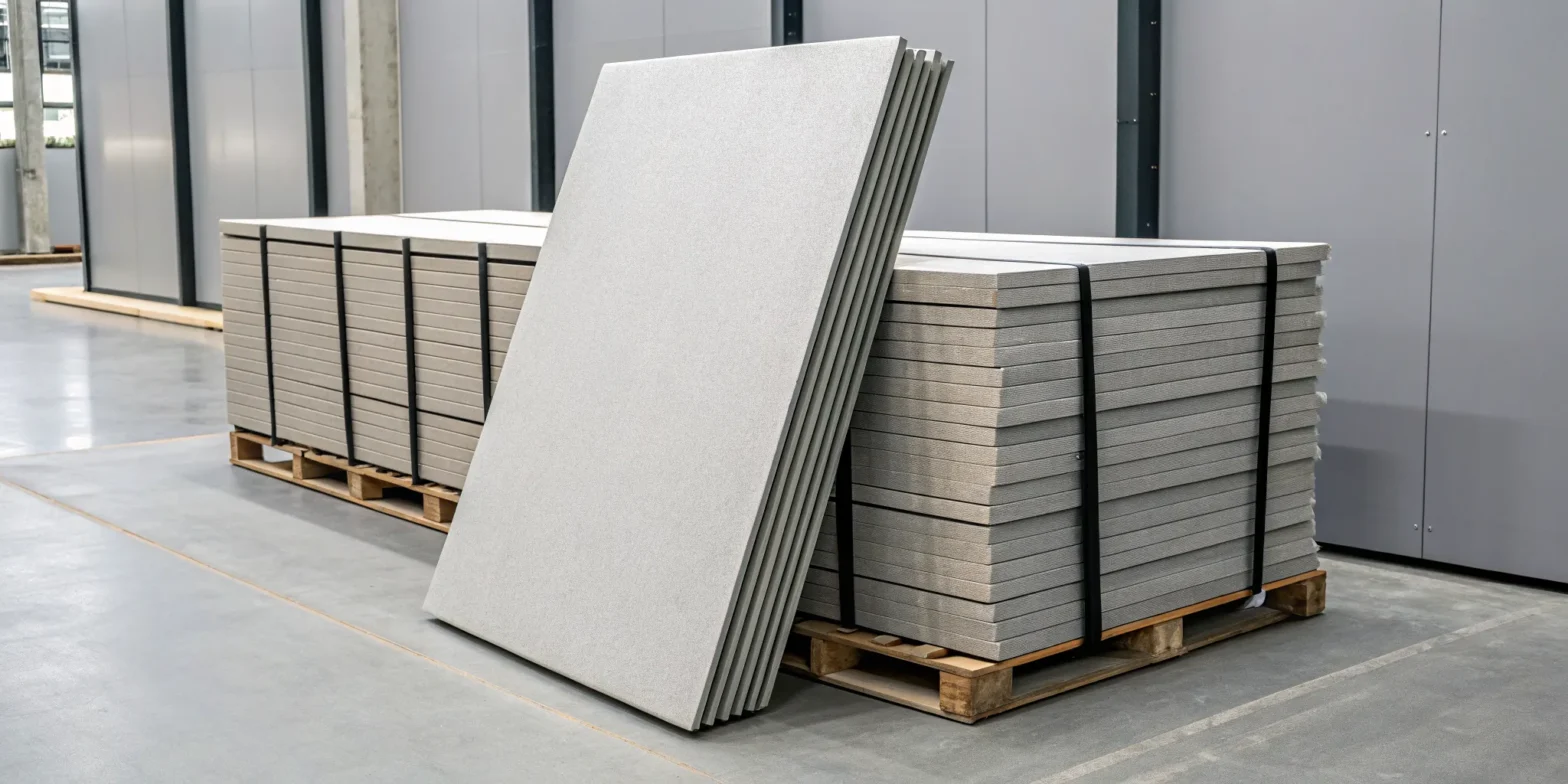
When you’re planning a siding project, one of the first questions that comes to mind is, “How much will this cost?” James Hardie siding, often called Hardie Board, is a popular choice for its durability and style, but the price can vary. The 4×8 sheet, a common size for HardiePanel vertical siding, is a great starting point for understanding your budget. The final price tag for a single sheet depends on several factors, including the style, texture, and finish you choose.
This type of panel is a fantastic option for creating modern board-and-batten looks or covering large surface areas with a clean, uniform appearance. As a versatile part of a complete residential siding system, these panels can be used on their own or paired with other siding styles. Let’s break down the costs for the most common types of 4×8 panels so you can get a clearer picture of what to expect for your home.
Cost of Standard Smooth Panels
If you’re going for a clean, contemporary look, the standard smooth HardiePanel is a fantastic choice. It’s also one of the most budget-friendly options available from James Hardie. A 4×8 sheet of primed, smooth fiber cement siding typically costs between $45 and $60. This price can fluctuate based on your location and the supplier you purchase from. Because it comes primed, it’s ready for a coat of paint in any color you choose, giving you complete creative control over your home’s exterior finish. This makes it a versatile and affordable starting point for many homeowners.
Cost of Textured Panels
For those who want a bit more character, HardiePanel also comes in textured finishes that mimic the look of stucco or natural wood grain. These textured options add depth and visual interest to your home’s exterior. As you might expect, the added detail comes with a slightly higher price tag. A 4×8 sheet of textured Hardie Board generally runs from $50 to $70. The specific texture you select will influence the final cost, but it’s a great way to get a high-end look without the maintenance that comes with traditional materials like wood or stucco.
Comparing Pre-Primed and Unprimed Costs
Most Hardie Board panels you’ll find at the store come pre-primed, meaning they are ready for you to paint after installation. This is the standard and most affordable option. However, James Hardie also offers its ColorPlus Technology line, where panels are painted in the factory with a durable, baked-on finish. These pre-painted sheets cost more upfront, often 25% to 40% more than their primed counterparts. While the initial investment is higher, you can save on painting costs and get a long-lasting, consistent finish designed to withstand the elements right from the start.
What Factors Influence the Price?
The price tag on a 4×8 sheet of Hardie Board isn’t a single, fixed number. Think of it more as a starting point that can shift based on several key factors. Understanding these variables is crucial for creating an accurate budget and avoiding surprises down the road. When you’re planning a major home improvement project like installing new James Hardie siding, knowing what influences the cost puts you in control. The specific style you fall in love with, the finish you choose, and even where you purchase the materials can all impact your bottom line. For example, a basic, primed panel will cost less than a pre-finished, textured one. Similarly, the price at a local lumber yard might be different from what you’d find at a national home improvement store. By getting familiar with these details, you can better plan your project and ensure you’re getting the best value for your investment. It helps you decide where to spend and where you might be able to save, making the entire process feel much more manageable. Let’s walk through the main factors that will determine the final price you pay per sheet.
Panel Types and Finishes
The specific style of Hardie Board you choose is one of the biggest factors in its cost. A standard, smooth panel that comes primed for painting will be your most budget-friendly option. If you prefer a more distinct look, textured panels like the Sierra 8 with its grooved design will cost more per sheet. Another key consideration is the finish. You can buy panels that are primed and ready for you to paint, or you can opt for James Hardie’s ColorPlus Technology. These pre-painted panels are more expensive upfront but can save you time and money on painting later.
Price Differences by Location
Where you buy your Hardie Board matters. Prices can vary quite a bit from one region to another, so what someone pays in another state might not reflect costs here in the Puget Sound area. Even within our region, you’ll find price differences between suppliers. Large, big-box retailers like The Home Depot or Lowe’s might have different pricing than your local lumber yard. It’s always a good idea to check with a few local sources to get a feel for the current market price before you commit to a purchase. This little bit of local research can make a real difference in your overall budget.
How Supplier Choice Impacts Cost
Don’t underestimate the power of shopping around, because your choice of supplier can dramatically affect your project’s cost. For the exact same product, prices can vary significantly from one seller to the next. For instance, one builder shared that their subcontractor’s supplier quoted a Hardie Panel at $57 per sheet, while a big-box store had the same panel listed for just $38. That’s a huge difference, especially when you’re buying dozens of sheets. This is why getting multiple quotes is so important. Check with contractors, local building suppliers, and large home improvement stores to compare prices and find the best deal for your project.
Where Can You Buy 4×8 Hardie Board?
Once you’ve decided that James Hardie siding is the right choice for your home, the next step is finding where to buy it. You have a few great options, and the best one for you might depend on your project’s size, your budget, and how hands-on you want to be. From major retailers to local experts, here’s a breakdown of the most common places to purchase 4×8 Hardie Board panels.
Big-Box Home Improvement Stores
For many homeowners, the first stop is a familiar big-box store like The Home Depot or Lowe’s. These retailers are incredibly convenient, with locations in most cities and user-friendly websites. You can typically find a good selection of James Hardie products, including the popular 4×8 sheets, right on the shelves. This gives you the chance to see the textures and primed finishes in person before you buy. Plus, they offer flexible purchasing options like ordering online for in-store pickup, which can save you time. Their websites often feature customer reviews and project guides, which can be a helpful resource as you plan your siding installation.
Your Local Building Supplier
Don’t overlook the power of shopping local. Your nearby building supply company can be a fantastic resource, especially for larger projects. These suppliers often work directly with contractors and can provide a level of expertise you might not find elsewhere. They may offer more competitive pricing on bulk orders and can special-order specific Hardie Board styles or finishes that aren’t available at a big-box store. The staff can also offer personalized advice tailored to our specific Puget Sound climate. To find a reputable dealer in your area, the official James Hardie dealer locator is the best place to start your search.
Shopping for Siding Online
If you prefer to shop from home, you can certainly buy Hardie Board online. The websites for big-box stores and many local suppliers allow you to browse their inventory and place orders for delivery. Shopping online makes it easy to compare prices from different sellers to find the best deal. However, keep a close eye on shipping costs. Siding is heavy and bulky, and delivery fees can add a significant amount to your total bill. It’s also a good idea to request samples beforehand, as colors and textures can look different on a screen. This ensures you get exactly what you envision for your home’s exterior.
Can You Save Money by Buying in Bulk?
If your project requires a significant amount of siding, buying in bulk is one of the smartest ways to manage your budget. It’s a common practice in the construction world for a reason. Suppliers are often willing to offer a better price when you purchase a larger quantity, which can lead to some serious savings on a big project. Think of it as a thank you for a large order. Beyond simple volume pricing, you can also time your purchase to take advantage of seasonal sales and manufacturer rebates. Combining these strategies can make a high-quality material like Hardie Board much more affordable. It just takes a little planning and research to find the best deals available for your residential siding project.
Understanding Volume Discounts
When you’re buying more than just a few sheets of Hardie Board, always ask your supplier about volume discounts. Many retailers, from local building suppliers to big-box stores, reduce the price per sheet once your order hits a certain quantity. This can make a huge difference in your total material cost, especially for a full home re-siding. For example, major home improvement stores often have specific programs and may even offer free shipping for qualified bulk pricing orders. Don’t be shy about asking what qualifies as a “bulk” purchase; the threshold might be lower than you think.
Finding Seasonal Deals and Promotions
Beyond volume discounts, timing your purchase strategically can unlock even more savings. Keep an eye out for seasonal sales, especially during the fall and spring when many homeowners are starting exterior projects. Manufacturers like James Hardie also run their own promotions. For instance, their Hardie™ Honors program sometimes offers a product rebate that can put a few hundred dollars back in your pocket. It’s also worth checking with local suppliers who might be running their own deals to clear out inventory, sometimes offering significant markdowns on high-quality materials. A little patience can definitely pay off.
How Does Hardie Board Compare to Other Siding?
Choosing the right siding for your home is a big decision, and it’s smart to weigh your options. While Hardie Board is a fantastic choice for its strength and beauty, it’s helpful to see how it stacks up against other popular materials like vinyl and wood. The best fit for your home depends on your budget, how much maintenance you’re willing to do, and what you value most in a siding product.
Let’s break down the key differences in cost, durability, and upkeep. Understanding these factors will help you decide if James Hardie is the right investment for your property. As a certified residential siding contractor, we’ve seen firsthand how each material performs in the Pacific Northwest climate, and we can help you find the perfect match for your home’s needs and style.
Cost: Hardie Board vs. Vinyl and Wood
When it comes to your budget, it’s important to know that Hardie Board typically has a higher upfront cost than vinyl siding. A full Hardie Board installation can range from around $11,000 to over $34,000, depending on your home’s size and the specific style you choose. Vinyl is generally the more budget-friendly option at the outset. Wood siding costs can vary widely based on the type of wood, but it often falls somewhere between vinyl and fiber cement. While the initial price for Hardie Board is higher, many homeowners see it as a long-term investment in their property’s value and protection.
Durability and Long-Term Value
This is where Hardie Board truly shines. Made from a blend of cement, sand, and cellulose fibers, it’s engineered to withstand the elements. Unlike wood, it’s resistant to pests, insects, and rot. And unlike vinyl, it won’t warp or melt when exposed to heat or fire. This exceptional durability makes it a great choice for homes in areas with extreme weather, providing peace of mind for years to come. The strength of James Hardie siding means you’ll spend less on repairs and replacements over the life of your home, which adds significant long-term value to your initial investment.
A Look at Maintenance Needs and Costs
Every siding material requires some level of upkeep to stay in top condition. For Hardie Board, this involves repainting every 10 to 15 years and ensuring the caulking around seams and joints remains intact to prevent moisture from getting behind the panels. In contrast, vinyl siding doesn’t require painting and can be cleaned with soap and water, making it a lower-maintenance option. While vinyl may seem more convenient, the periodic painting of Hardie Board allows you to refresh your home’s look or change the color completely, offering a level of design flexibility that vinyl can’t match.
What Should You Budget for Installation?
The price on a 4×8 sheet of Hardie Board is just the starting point. To get a true sense of the total investment, you need to account for the cost of installation. While it might be tempting to think about a DIY approach, installing fiber cement siding is a demanding job that requires specialized tools and expertise. A professional installation ensures the siding not only looks great but also performs correctly for decades, protecting your home from the Pacific Northwest weather and keeping your warranty intact.
When you get a quote from a contractor, you’re paying for more than just nailing panels to a wall. The total project cost includes skilled labor, essential prep work, and all the additional materials needed to create a complete, weather-tight barrier for your home. Understanding these components will help you read any estimate with confidence and see the full value of a professional job. Let’s break down what goes into a typical installation budget.
The Cost of Professional Installation
Hiring a professional crew is the most significant part of your installation budget, and for good reason. Experienced installers have the right equipment and know-how to handle fiber cement safely and efficiently. When you factor in labor, the siding panels, trim, and weather barriers, the total project cost can range from $18 to $40 per square foot. This all-in price reflects a complete residential siding system designed to last. A professional quote bundles these elements together, giving you a clear picture of the investment needed to properly protect and beautify your home.
Budgeting for Tools and Extra Materials
A successful siding project involves more than just the boards themselves. A professional’s quote will include a variety of other materials that are crucial for a durable, long-lasting finish. These include things like a weather-resistant barrier (house wrap), specialized fasteners, flashing, trim, and high-quality caulk. If you choose pre-primed boards, your budget will also need to account for paint and labor for painting. The total square footage of your home is the main factor that determines the amount of these materials needed, directly impacting the final cost. This is why a comprehensive quote for commercial siding projects covers every detail from start to finish.
How to Get the Best Deal on Hardie Board
Tips for Shopping Around
Getting a good price on Hardie Board starts with a little research. It’s smart to compare costs from different sources, including big-box home improvement stores and your local building suppliers. You might find that local suppliers offer more competitive pricing, especially if you’re buying a larger quantity. On that note, always ask about volume discounts. If you’re planning to re-side your entire home, buying in bulk can often lead to significant savings on your total material cost.
Another point to consider is that established residential siding contractors usually have strong relationships with their suppliers. This can give them access to trade pricing that isn’t available to the general public. When you look at the combined cost of materials and installation, hiring a professional can sometimes be more cost-effective than sourcing everything yourself. Don’t forget to factor in delivery fees, as they can add a surprising amount to your final bill if you’re not careful.
When to Buy for the Best Price
Timing your purchase can make a real difference in how much you spend. The construction industry has its own seasons, and you can use this to your advantage. Prices for materials like siding can sometimes dip during the slower months of late fall and winter. If you can plan your project ahead of time, you’ll be in a great position to take advantage of off-season sales or holiday promotions from retailers.
It’s also a good idea to keep an eye out for manufacturer promotions. James Hardie occasionally offers rebate programs that can put some money back in your pocket after you buy. You can typically find information about these deals on their website or by asking your supplier or contractor. By being patient and strategic, you can avoid paying top dollar. Planning your siding replacement well in advance gives you the flexibility to wait for the right price instead of rushing the purchase.
Related Articles
Frequently Asked Questions
Is Hardie Board worth the extra cost compared to vinyl? While vinyl siding has a lower upfront price, Hardie Board is often seen as a better long-term investment. Its superior durability means you’ll spend less on repairs and replacements over the years. It’s resistant to pests, rot, and fire, and it won’t warp or crack from temperature changes. This resilience adds significant value and protection to your home, making the initial cost a worthwhile trade-off for many homeowners.
How long can I expect Hardie Board siding to last in the Pacific Northwest? James Hardie siding is particularly well-suited for our wet Pacific Northwest climate. It’s engineered to resist moisture, which prevents the swelling, rotting, and mold issues that can plague other materials. With proper installation and routine maintenance, like keeping the paint and caulk in good shape, your Hardie Board siding can easily last for 50 years or more, providing decades of reliable protection.
What’s the real difference between buying primed siding versus the pre-painted ColorPlus option? A primed panel is your most affordable option per sheet, but you’ll need to factor in the cost and labor of painting it after installation. The ColorPlus option costs more upfront because the color is applied and baked on in a controlled factory setting. This creates an incredibly durable, consistent finish that resists fading and comes with its own warranty, saving you the immediate expense and hassle of painting.
Can I save money by installing the siding myself? Although a DIY installation might seem like a way to cut costs, it’s generally not recommended for fiber cement. The material is heavy, requires specialized cutting tools, and has very specific installation guidelines to ensure it performs correctly and keeps your warranty valid. A professional installation guarantees the siding is properly secured and weatherproofed, preventing costly moisture issues down the road.
Besides the panels, what other costs should I plan for in my siding budget? The price of the siding panels is just one piece of the puzzle. A complete project budget should also include costs for essential materials like house wrap, trim, flashing, fasteners, and caulk. If you choose primed boards, you’ll also need to account for the cost of high-quality exterior paint. These items are all critical for a professional, weather-tight installation.