Date
Wed Feb 25Let’s be honest, the word “free” can feel like a red flag, especially for home services. You’re right to wonder if a free roof assessment is just a sneaky sales pitch in disguise. The truth? It all comes down to the company. A good contractor offers a free residential roof inspection to earn your trust and give you a clear picture of your roof’s condition. It’s about empowering you with knowledge, not pressuring you into a sale. We’ll cover what a real inspection involves, the warning signs of a scam, and how to find a pro you can rely on.
Key Takeaways
- Use inspections as preventative maintenance: A free roof inspection acts as a health check for your home, allowing you to catch minor issues like failing seals or loose shingles before they turn into major, expensive repairs.
- A thorough inspection is more than surface-level: A true professional assessment is comprehensive, including an examination of your shingles, flashing, gutters, and even the interior of your attic to get a complete picture of your roof’s condition.
- Choose your inspector wisely to avoid scams: Protect your investment by verifying a roofer’s license and insurance, checking local reviews, and being cautious of high-pressure sales tactics or unsolicited door-to-door offers.
What Does a Free Roof Assessment Actually Cover?
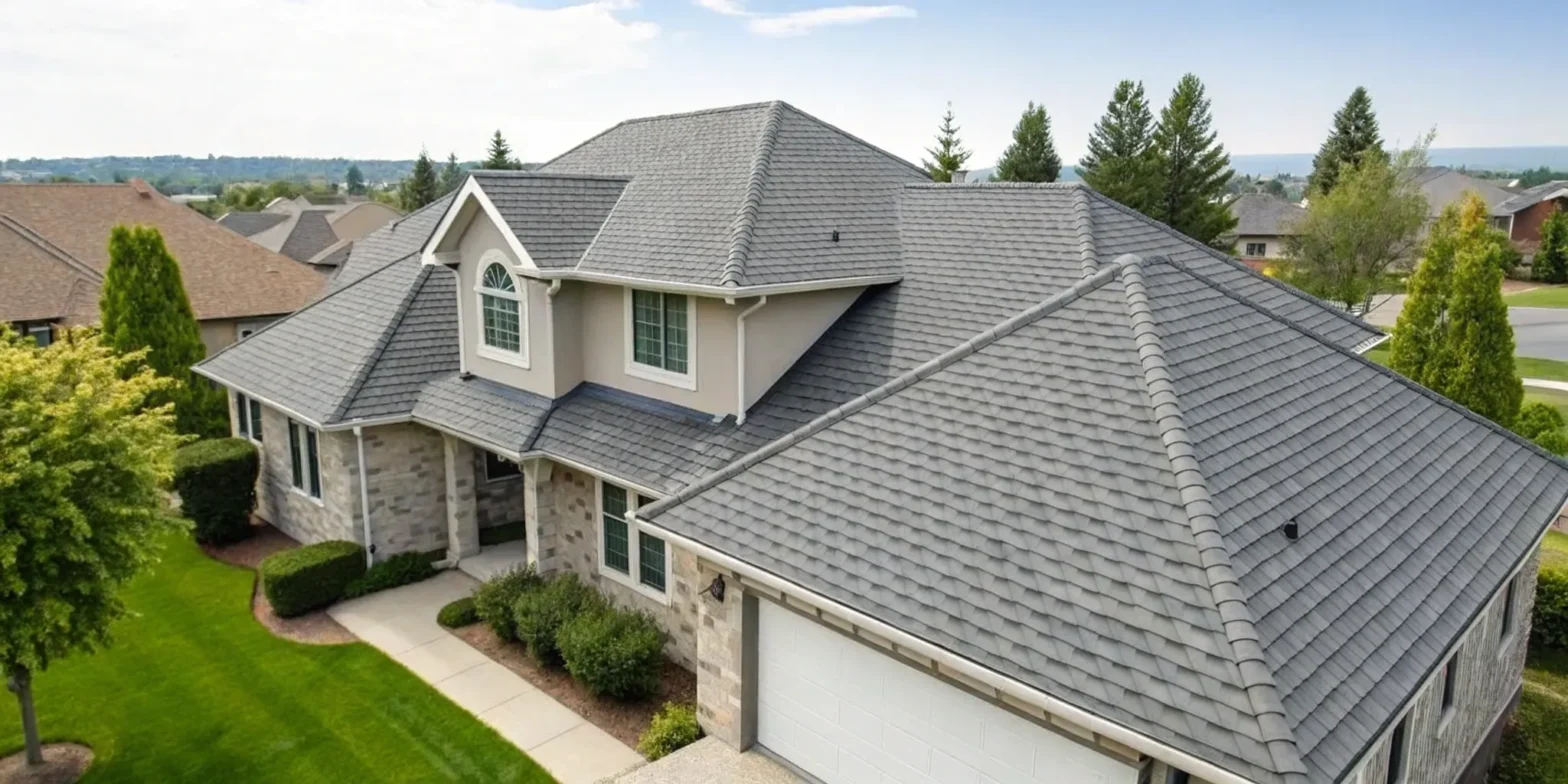
Think of a free roof inspection as a health check-up for your home’s first line of defense. It’s a thorough, professional assessment of your roof’s current condition, offered at no cost to you. A trained expert will examine every component of your roofing system to identify potential issues, from obvious storm damage to subtle signs of wear and tear that could lead to bigger problems down the road. This isn’t just a quick look from the curb; a proper inspection involves getting up on the roof and even checking inside your attic to get a complete picture.
The goal is to give you a clear and honest understanding of your roof’s health. Whether you own a home or a commercial property, this evaluation provides the information you need to plan for maintenance, repairs, or a future replacement. It’s a proactive step that helps you protect your investment and prevent small issues from turning into costly emergencies. A reputable company provides this service to build trust and help you make informed decisions about your property, without any obligation.
A Close Look at Your Roof’s Surface
The first thing an inspector will do is carefully examine the surface of your roof. This involves looking for any signs of damage or aging. For a composition roof, they’ll check for shingles that are curling, bubbling, cracked, or missing altogether. If you have a cedar shake roof, they’ll look for split, decayed, or moss-covered shakes. The inspector will also identify any holes or areas where granules have worn away, which can leave your roof vulnerable to the elements. This detailed surface check gives you a clear picture of your roof’s overall condition and its remaining lifespan.
Checking for Leaks: Flashing and Seals
Some of the most common sources of roof leaks are found around the areas where your roof meets other structures. An inspector will pay close attention to the flashing, which is the metal material installed around chimneys, vents, skylights, and valleys. They will check for rust, cracks, or gaps where the seals may have deteriorated over time. Ensuring these components are intact and properly sealed is critical for preventing water from seeping into your home. This part of the inspection is essential for catching vulnerabilities that aren’t always obvious from the ground.
Why We Peek Inside Your Attic
A truly comprehensive inspection doesn’t stop at the exterior. The inspector will also need to look inside your attic to check for underlying issues. From here, they can spot signs of trouble that aren’t visible from the outside, like water stains on the underside of the roof deck, damp insulation, or mold growth. They will also assess your attic’s ventilation. Poor airflow can trap heat and moisture, which can shorten your roof’s lifespan and lead to structural problems. This interior check helps confirm the roof is performing as it should from the inside out.
Inspecting Your Gutters and Downspouts
Your gutters are a vital part of your residential roofing system, responsible for directing water away from your home’s foundation. During the inspection, the professional will check your gutters and downspouts for clogs, damage, or signs that they are pulling away from the house. Blocked or malfunctioning gutters can cause water to back up and seep under your shingles, leading to rot and leaks. Making sure your drainage system is working correctly is a key step in protecting both your roof and the rest of your home from water damage.
Understanding Your Detailed Report
After the physical inspection is complete, you’ll receive a detailed report summarizing the findings. This document will outline the overall condition of your roof and highlight any areas of concern. It should be easy to understand and include photos to show you exactly what the inspector saw. The report will also provide clear recommendations for any necessary repairs or maintenance. This gives you all the information you need to move forward with confidence. You can even use this information to start planning your budget with a roofing cost calculator.
What a Comprehensive Estimate Includes
A good estimate is much more than just a number; it’s a complete breakdown based on a thorough evaluation of your entire roofing system. A true professional assessment will include an exact calculation of your roof’s size and a detailed report covering everything from the condition of your shingles to the integrity of your flashing and seals. The inspection should also cover your gutters and a look inside the attic to catch any hidden issues. This comprehensive approach ensures you receive a clear, custom breakdown of costs, often outlining options for both repair and a full roof replacement. This level of detail is what empowers you to make a confident, informed decision about protecting your home.
Is a Free Roof Inspection Worth Your Time?
You might see the offer for a “free roof inspection” and think it’s just a sales tactic. But a professional, no-obligation inspection is one of the smartest things you can do for your home. It’s a proactive step that protects your property, saves you money, and gives you a clear understanding of your roof’s health. Here’s why scheduling one is always a good idea.
Spot Issues Early to Save Money Later
That one loose shingle might not seem like a big deal, but in the Pacific Northwest, small issues can quickly become major headaches. Water can seep into your attic, leading to wood rot and mold. A professional inspection catches these problems early before they turn into expensive disasters requiring extensive repairs. Think of it as preventative care for your home. By addressing minor wear and tear now, you can extend the life of your residential roofing and avoid the high cost of a premature replacement. It’s a simple step that protects your biggest investment.
Why You Should Never Ignore a Leak
It’s tempting to see a small water spot on the ceiling and add it to the “later” list. But when it comes to your roof, procrastination is your worst enemy. Leaks don’t fix themselves; they only get worse over time. That tiny drip is a clear signal that water has already breached your roofing system’s defenses and is causing damage you can’t see. Water can seep into the attic, saturating insulation, weakening your home’s wooden frame, and creating the perfect environment for mold to grow. Addressing a leak early often means a simple fix, but waiting can turn it into a major, expensive problem that compromises your home’s structure and your family’s health.
Simplify Your Insurance Claim Process
After a major storm, dealing with insurance can be overwhelming. A free inspection from a reputable roofer provides the professional documentation you need to file a successful claim. If an inspector finds storm-related damage, they will create a detailed report with photos and an expert assessment. This evidence is crucial for your insurance adjuster and simplifies the entire process. A trusted roofing partner can help you manage the claim, ensuring you get the full coverage you’re entitled to without the added stress. It’s like having an expert on your side when you need one most.
Get Professional Advice, Completely Free
Are you unsure if your roof needs a few repairs or a full replacement? A free inspection gives you clear answers without any financial commitment or sales pressure. A trained professional will assess your roof’s condition and provide an honest, straightforward opinion. You’ll receive a detailed report explaining their findings, so you can make an informed decision about your home. You can even use tools like a roofing cost calculator to budget for potential work. This no-obligation advice empowers you to plan for your home’s future with confidence.
An Inspection is Always the First Step
You can’t address a roofing problem if you don’t know it exists, which is why a professional inspection is always the first step. It’s a complete health check for your roof, serving as preventative maintenance to identify its current condition. A thorough assessment of your residential roofing system goes far beyond what you can see from the ground. A true expert will get up on your roof and even look inside your attic to get a complete picture. This proactive approach helps you catch minor issues, like a few loose shingles or failing seals, before they escalate into major, costly repairs, empowering you to make informed decisions for your home.
Enjoy True Peace of Mind
Your roof is your home’s primary shield against the elements, and not knowing its condition can be a source of constant worry. A professional inspection provides a clear, comprehensive picture of your roof’s health, letting you know exactly where you stand. This annual check-up gives you the reassurance that your home and family are protected, especially during the stormy seasons. Instead of wondering if your roof is secure, you can rest easy. This simple, no-cost service from Landmark Roofing & Siding offers invaluable peace of mind that your property is safe and sound.
The Reality of “Free” Roof Inspections
While a free inspection from a trusted professional is a valuable tool, it’s smart to be aware of how the industry operates. Not all “free” offers are created equal, and understanding the difference can help you avoid a sales trap and find a truly reliable partner for your home’s maintenance. Some companies use this offer as a way to get a foot in the door, while others, like us, see it as the first step in building a long-term relationship based on trust and transparency. Knowing what to look for ensures you get genuine value, not a high-pressure pitch.
Why Companies Offer Them as a Marketing Tool
Let’s be direct: companies offer free services to connect with potential customers. Some contractors use “free” inspections as a marketing tactic simply to generate leads, hoping to find any small issue they can turn into a quick repair job. However, a reputable company has a different goal. For us, it’s an opportunity to demonstrate our expertise and provide real value upfront. We want to give you an honest assessment of your roof’s condition so you can make informed decisions. It’s our way of showing you we’re a knowledgeable and trustworthy resource, so when you eventually need work done on your roof, siding, or windows, you’ll already have a team you can count on.
Potential Downsides: Rushed Jobs and Missed Damage
You should be cautious of companies that offer “free” roof inspections, as they might come with hidden costs or be used to sell you unnecessary repairs. A less-than-thorough inspector might rush the job, either to get to the next appointment or because they’re only looking for an easy problem to sell. The real danger is what they might miss. A “free” inspection that overlooks hidden damage, like failing flashing or early signs of wood rot, can end up costing you far more in expensive repairs later on. This is why it’s so important to choose a contractor with a long-standing reputation for detailed and honest work on all parts of a home’s exterior, including residential siding.
Understanding Drone Inspection Limitations
Drones are a fantastic tool for getting a quick, safe overview of a roof, especially on properties with steep pitches or complex designs. They can easily spot obvious issues like missing shingles or large debris. However, a drone’s-eye view has its limits. Drone inspections are safe but might not find hidden problems like mold, moisture under the shingles, or soft spots in the roof deck that indicate rot. These are issues an experienced inspector can only find with a hands-on assessment. A true professional uses technology as a supplement, not a replacement, for getting on the roof to physically examine critical areas and ensure nothing is overlooked.
How Much Does a Paid Roof Inspection Cost?
If you’re buying a home or need a detailed report for an insurance assessment, you might consider a paid inspection. A standard, hands-on roof inspection by a qualified contractor usually costs between $70 and $300. When you pay for this service, you are investing in a dedicated, unbiased assessment that is completely separate from any potential repair work. The inspector’s only job is to provide you with a comprehensive report on the roof’s condition. That said, a no-cost inspection from an established, reputable company should deliver the same level of honesty and detail, giving you the information you need without the price tag.
What Red Flags Should You Watch For?
A free roof inspection is a great tool for maintaining your home, but it’s important to know who you’re dealing with. While most roofing companies are honest, some use the offer of a “free” service to pressure homeowners into unnecessary or overpriced repairs. Being aware of the warning signs helps you separate the trustworthy professionals from the potential scammers. Here are a few red flags to keep in mind when you’re looking for a roofing partner.
Watch Out for High-Pressure Sales Tactics
A reputable roofer will provide you with a detailed report and a clear estimate, then give you the space to make an informed decision. If a contractor tries to force you into signing a contract on the spot, consider it a major red flag. Scammers are often very forceful and create a false sense of urgency, using phrases like “this offer is only good for today” or claiming that a small issue will become a catastrophe overnight. They prey on your fear of future damage to get a quick signature. You should never feel pressured. A professional will respect your need to review the estimate, get a second opinion, or simply think it over before committing.
Be Wary of Unsolicited Door-to-Door Offers
Be cautious of anyone who shows up at your door uninvited offering a “free roof inspection.” This is a common tactic used by “storm chasers,” who travel to areas recently hit by bad weather. They might say they were working on a neighbor’s house and noticed damage on your roof. While it’s possible they’re legitimate, it’s also a classic approach for high-pressure sales. It’s always better for you to initiate the contact. Do your own research to find a trusted local company for your residential roofing needs rather than hiring the first person who knocks on your door.
Always Ask for a License and Insurance
Any contractor working on your home should be fully licensed, bonded, and insured. Don’t just take their word for it; ask to see proof. Insurance is especially critical because if an uninsured worker is injured on your property, you could be held financially responsible. A legitimate company will have no problem providing you with their credentials. If they hesitate, can’t produce the documents, or are from out-of-state, it’s best to walk away. Your home is too important to leave in the hands of an unverified contractor.
If It Sounds Too Good to Be True, It Probably Is
If an offer sounds too good to be true, it probably is. Be wary of contractors who promise to cover your insurance deductible or offer a price that is dramatically lower than other quotes. These deals often come with a catch, such as using subpar materials or adding surprise charges later. A professional estimate should be detailed and transparent, clearly outlining the scope of work and the costs for both labor and materials. You can get a realistic idea of project costs by using a roofing cost calculator before you even speak to a contractor.
Look for Hidden Fees Before You Sign
A truly free inspection shouldn’t come with strings attached. Some less-reputable companies might use the inspection to get their foot in the door, only to present you with a confusing estimate filled with hidden fees. A rushed or incomplete inspection can also be a red flag, as it may suggest the contractor is more interested in making a quick sale than accurately assessing your roof’s condition. Always read the fine print before signing anything and ask for clarification on any line item you don’t understand. A trustworthy roofer will be happy to explain every detail of their quote.
How to Find a Trusted Roofer for Your Inspection
An offer for a free roof inspection can feel like a great deal, but the value of that inspection depends entirely on who is doing it. A thorough, honest assessment from a qualified professional can save you thousands in the long run, while a rushed look-over from a less-than-reputable company might just be a setup for a high-pressure sales pitch. To make sure you’re getting genuine expert advice, it’s important to do a little homework before letting someone on your roof. Taking these simple steps will help you find a trustworthy local roofer who will give you an accurate picture of your roof’s health.
First Step: Verify Their License and Insurance
Before you schedule anything, confirm the roofing contractor is properly licensed and insured in Washington. This is your first line of defense against scams and shoddy work. A valid license shows they meet state standards, while insurance protects you from any liability if an accident happens on your property. Be cautious of anyone who shows up unannounced, as out-of-state contractors sometimes go door-to-door after storms. Always ask for proof of their license and insurance, and you can easily verify a contractor’s status with the Washington State Department of Labor & Industries. A professional company will have this information ready and available for you.
Read Online Reviews from Local Homeowners
What are your neighbors saying? A roofer with a long history in the Puget Sound area should have a solid digital footprint. Look up their reviews on Google, Yelp, and the Better Business Bureau. A pattern of positive feedback is a great sign that they deliver quality work and stand by their promises. The BBB is a particularly useful resource; look for an accredited business with a high rating, as this indicates they adhere to ethical business practices. Don’t hesitate to ask for local references you can call. A reputable company will be proud to share examples of their residential roofing projects in your community.
Do They Have Industry Certifications?
Certifications from leading manufacturers are a clear sign of a roofer’s commitment to quality. These credentials mean the team has been specially trained to install specific materials according to the manufacturer’s strict guidelines. This not only ensures a better installation but can also be required to validate the material warranty. For example, if you’re interested in premium materials like DaVinci Roofscapes, you’ll want a certified installer. A good contractor will also be transparent about their process and any potential costs from the start, so you know exactly what to expect without any surprises.
Experience Matters: How Long Have They Been in Business?
Experience matters, especially when it comes to protecting your home or commercial property. A roofing company that has been in business for many years has a proven track record of handling the unique challenges of our local climate. They’ve seen it all, from windstorm damage to the constant dampness that can affect roofs in the Pacific Northwest. A long-established roofer has built a reputation they want to protect, so they are more likely to provide an honest inspection and reliable service. An experienced team can offer a more accurate assessment and help you plan for future costs, sometimes even providing tools like a roofing cost calculator to help you budget.
What Happens After the Inspection?
Once the ladder is packed up and our inspector is gone, what comes next? The inspection itself is just the starting point. A thorough assessment is only useful if you get clear, understandable information afterward. This is where a professional roofing company truly shows its value. You shouldn’t be left with more questions than answers. Instead, you should receive a complete breakdown of your roof’s condition and a clear path forward. Let’s walk through exactly what you can expect from us after we’ve taken a look at your roof.
Expect a Detailed Report with Photos
Vague statements about “wear and tear” aren’t helpful. After our inspection, you’ll receive a detailed report that clearly explains what we found. We believe in showing, not just telling, so we include high-resolution photos of any problem areas. Whether it’s cracked shingles, damaged flashing, or signs of moisture in the attic, you’ll see the evidence for yourself. This documentation gives you a complete picture of your roof’s health and serves as a valuable record for your home. It’s an essential tool for making informed decisions about your residential roofing needs and is incredibly useful if you need to file an insurance claim.
Get Clear Next Steps and a Timeline
A report full of problems isn’t very useful without a solution. Alongside our findings, we provide straightforward, expert recommendations. We’ll tell you honestly whether a few simple repairs will do the trick or if a full roof replacement is the more sensible long-term option. Our goal is to give you the information you need to protect your investment. We’ll also outline a proposed timeline for any work, so you know what to expect and can plan accordingly. If you’re curious about potential costs, our roofing cost calculator can give you a preliminary estimate to help with your budgeting.
Receive a No-Pressure, Transparent Estimate
A free inspection should be exactly that: free. We provide a detailed, itemized estimate for any recommended work, so you can see exactly where your money is going. There are no hidden fees or surprise charges. We believe in giving you all the information upfront and then stepping back to let you decide. You’ll never get high-pressure sales tactics from our team. We’re here to be a resource, whether you need a simple repair or a full exterior update with new windows and siding. Our job is to provide a clear, honest assessment, not to push you into a sale.
Get Expert Help with Your Insurance Paperwork
Dealing with insurance companies can be a headache, especially after your home has been damaged by a storm. If our inspection uncovers issues covered by your policy, we’re here to help you through the claims process. We can provide all the necessary documentation, including the detailed report and photos, to support your claim. Our team has experience working with insurance adjusters and can help ensure all the damage is properly identified and accounted for. We’ll work with you to make the process as smooth and stress-free as possible, helping you restore your commercial roofing or residential property.
Understanding Potential Roofing Costs
So, let’s talk about the big question: “How much is this going to cost?” When it comes to roofing, there isn’t a simple price tag. The final cost of a project is unique to your home and depends on several key factors. Think of it like a custom-built piece of furniture—the size, materials, and complexity all influence the final price. A professional estimate is the only way to get a truly accurate number, but knowing what goes into that number helps you budget wisely and feel confident in your decisions. It’s all about being prepared. A great first step is using an online roofing cost calculator to get a general idea of the investment before you even make a call.
Factors That Influence the Final Price
The final number on your estimate isn’t pulled out of thin air; it’s a careful calculation based on several key elements. While the size of your roof and the materials you pick are the most obvious contributors, other details are just as important. The complexity of your roof’s architecture, whether there are old layers of shingles to remove, and the health of the underlying wood structure all affect the final cost. Each of these factors determines the amount of skilled labor and quality materials needed to complete the job correctly. Understanding them helps you see exactly what you’re paying for: a secure, durable roof that will protect your home for years.
Roof Size and Shape
It makes sense that a larger roof requires more materials and more time to install, which directly translates to a higher cost. But it’s not just about square footage. The complexity of your roof’s shape also plays a big part. A simple, gently sloped gable roof is more straightforward to work on than a roof with multiple steep pitches, valleys, dormers, and skylights. These features require more detailed work, custom cuts, and careful flashing installation, all of which add to the labor costs. The more complex the architecture, the more time and skill are needed to ensure every angle is perfectly sealed and protected.
Roofing Materials
The type of roofing material you choose is one of the most significant factors in your project’s total cost. Standard composition shingles are a popular and budget-friendly option, while premium materials like cedar shake, metal, or designer shingles from DaVinci Roofscapes come at a higher price point. While it might be tempting to go with the least expensive option, it’s important to consider long-term value. Higher-quality materials often offer superior durability, better weather resistance, and longer warranties, which can save you money on repairs and replacements down the road. Your choice will ultimately depend on your budget, aesthetic preferences, and long-term goals for your home.
Number of Old Roof Layers to Remove
Before a new roof can be installed, the old one typically needs to be torn off. If your home has had a “roof-over” in the past—where new shingles were installed directly over the old ones—there may be multiple layers to remove. Each additional layer adds to the labor required for the tear-off and increases the volume of debris that needs to be hauled away and disposed of. This extra work will be reflected in the final cost. A proper tear-off is essential because it allows the inspector to get a clear look at the underlying roof deck and address any hidden issues before the new materials go on.
Structural Repairs
Sometimes, the true condition of your roof isn’t clear until the old shingles are removed. Once the underlying roof deck is exposed, an inspector might find issues like soft spots, water damage, or rot that need to be addressed before the new roof can be installed. These structural repairs are non-negotiable; installing a new roof over a compromised foundation would be like building a house on sand. While these unexpected repairs can add to the overall cost, they are critical for ensuring the long-term integrity and safety of your entire residential roofing system.
Typical Costs for Common Roof Repairs
Not every roofing issue calls for a full replacement. For smaller problems, a targeted repair can often extend the life of your existing roof and prevent minor issues from becoming major headaches. For example, fixing a small leak around a chimney or vent might cost anywhere from $300 to $1,200, depending on the complexity. If a few shingles blew off in a windstorm, replacing a small section could run between $350 and $1,000. Addressing these problems promptly is a smart investment that protects your home from water damage and more expensive repairs down the line.
Average Cost for a Full Roof Replacement
A full roof replacement is a significant investment, but it’s also one of the most important you can make for your home’s protection and value. The cost can vary widely based on all the factors we’ve discussed. For a standard-sized home, a full asphalt shingle roof replacement typically ranges from $6,500 to over $12,000. If you have a flat or low-slope roof, common in some modern homes and commercial properties, a replacement could cost between $8,000 and $14,000 or more. These are just general estimates, and the best way to get an accurate price for your specific property is to schedule a free, detailed inspection and estimate.
How to Prepare for Your Roof Inspection
A roof inspection is a straightforward process, but a little prep work can help it go even more smoothly. Taking a few simple steps beforehand ensures our team can do a thorough job and that you get all the information you need to make confident decisions about your home. Think of it as setting the stage for a productive conversation about one of your most important assets. It helps us be more efficient and gives you the peace of mind that nothing will be overlooked. Here’s how you can get ready for our visit and make the most of your free inspection.
Pick a Time That Works for You
First things first, let’s find a time that works for you. While you don’t have to be home for the inspection, it can be really helpful if you are. Being there allows you to walk the property with the inspector, point out any specific concerns you have, and ask questions in real time. We want this to be a collaborative process, and your input is valuable. You can easily schedule an inspection by giving us a call or filling out the form on our website. If your schedule is packed, don’t worry. We’ll take detailed photos and provide a comprehensive report you can review later.
Prepare a List of Questions to Ask
This is your chance to get expert insights, so come prepared with a few questions. A great starting point is to ask about the overall condition and estimated age of your roof. You can also ask about the specific materials used and how much life they might have left. If you’ve noticed any issues, like water spots on your ceiling or missing shingles, be sure to point them out. It’s also a good idea to ask what our residential roofing services cover and what the next steps would be if we find any problems. The more you ask, the more you’ll understand about the health of your roof.
Make Sure the Inspector Has Safe Access
To help us get a clear and safe look at everything, please take a few minutes to clear the perimeter of your house. This means moving things like patio furniture, grills, potted plants, and vehicles away from the walls. It gives our inspector safe footing for their ladders and prevents anything from accidentally getting damaged. It’s also a good idea to make sure any pets are safely inside so they don’t get underfoot. This simple step allows us to work efficiently and focus completely on assessing your roof and siding, ensuring we don’t miss a single detail.
When Is the Right Time for a Roof Inspection?
Knowing when to call for a roof inspection can feel like a guessing game, but it doesn’t have to be. Your roof gives you clues about its health. By paying attention to a few key moments and signs, you can stay ahead of potential issues and keep your home protected. Think of an inspection as a wellness check for one of the most important parts of your property. Here are the most important times to schedule a professional look at your roof.
Right After a Major Storm or High Winds
The Puget Sound is no stranger to strong winds and heavy rain. After a significant storm passes through, it’s always a good idea to have your roof checked. High winds can lift or tear off shingles, while hail can leave dents and cracks that aren’t visible from the ground. An inspection can identify this kind of damage to your residential roofing right away. Catching these problems early not only prevents leaks but also provides the documentation you’ll need if you decide to file an insurance claim. Don’t wait for a drip in the ceiling to tell you there’s a problem.
Once a Year for Regular Home Maintenance
A yearly roof inspection is one of the smartest things you can do as a homeowner. Just like a regular health check-up, it helps you catch small problems before they become big, expensive headaches. A professional can spot minor issues, like a few loose shingles or failing sealant around a vent, and fix them on the spot. This proactive approach extends the life of your roof and helps you budget for future repairs or replacement down the road. Making it a regular part of your home maintenance routine gives you confidence that your roof is in solid shape year-round.
Expert Advice on Inspection Frequency
So, what’s the magic number for inspections? While some general advice suggests a professional look every two to three years, we believe an annual inspection is the smartest approach for homeowners, especially here in the Pacific Northwest. Think of it as a yearly health check for your home. This proactive maintenance helps you find problems early, before they get worse and become expensive. Catching a failing seal or a few loose shingles now can save you from major, costly repairs down the road. This regular check-up extends the life of your roof and helps you budget for future needs, giving you a clear plan instead of sudden surprises.
The Moment You Notice Any Warning Signs
Sometimes, your house will tell you exactly when it needs help. If you see any warning signs, schedule an inspection immediately. Inside your home, look for water stains on the ceiling or walls, which are clear indicators of a leak. Outside, keep an eye out for shingles that are cracked, curling, or missing altogether. You might also notice an excessive amount of shingle granules in your gutters. These signs mean the integrity of your commercial roofing or home’s roof is compromised. Addressing these issues quickly can prevent widespread water damage, mold growth, and structural problems.
Who Benefits Most from a Roof Inspection?
While every property owner can benefit from knowing the condition of their roof, a professional inspection is especially valuable for certain people. Whether you’re planning for the long-term health of your home, navigating a real estate transaction, or managing multiple properties, a detailed assessment provides the clarity you need to make smart financial decisions. It’s a simple, proactive step that can protect your investment, prevent future headaches, and provide essential documentation when you need it most. Think of it as a strategic tool that serves different, but equally important, purposes depending on your goals.
Homeowners Planning for the Future
If you see your house as a long-term home, a regular inspection is your best friend. A free roof inspection acts as a health check for your home, allowing you to catch minor issues like failing seals or loose shingles before they turn into major, expensive repairs. This preventative approach is key to extending the life of your roof and avoiding a sudden, costly replacement you didn’t budget for. It gives you a clear timeline for future maintenance, helping you plan and save accordingly. By staying ahead of wear and tear, you ensure your residential roofing system remains strong and secure for years to come.
Homebuyers and Sellers
In the competitive real estate market, knowledge is power. For sellers, a recent inspection report is a powerful tool that demonstrates transparency and shows that the property has been well-maintained, potentially speeding up the sale. For buyers, an independent inspection uncovers any hidden issues that could turn into costly surprises after closing. The professional documentation from an inspection provides a clear, unbiased assessment of the roof’s condition, which can be crucial during negotiations. It ensures both parties have a realistic understanding of the property’s value and any immediate needs, leading to a smoother, more confident transaction for everyone involved.
Property Managers
Managing a commercial or multi-family property means juggling maintenance schedules and budgets. Regular roof inspections are essential for protecting the value of your assets and ensuring the safety of your tenants. They help you find problems early, before they get worse and become expensive, disruptive repairs. An annual inspection allows you to create a long-term maintenance plan and budget for your commercial property, preventing unexpected costs that can throw your finances off track. It’s a simple, effective way to manage your properties proactively and maintain their integrity and profitability over time.
Common Questions About Roofing Projects
Roofing projects can feel overwhelming, and it’s completely normal to have questions. From confusing industry terms to concerns about cost, getting clear answers is the first step toward feeling confident about your decisions. We hear many of the same questions from homeowners, so we’ve put together straightforward answers to some of the most common ones. Our goal is to demystify the process and give you the information you need to protect your home and your wallet.
What is the 25% rule in roofing?
The “25% rule” is a guideline found in many local building codes. It generally states that if more than 25% of your roof’s surface is damaged, you must replace the entire roof rather than just patching the affected areas. This rule ensures the roof’s structural integrity and uniform performance. It’s also why you should be wary of contractors who promise to cover your insurance deductible or offer a price that is dramatically lower than other quotes. These deals often come with a catch, like using subpar materials or ignoring code requirements, which could leave you with bigger problems down the line. A trustworthy contractor will explain the rules and provide a transparent quote.
How can you get a new roof if you can’t afford it?
Facing a roof replacement when money is tight is stressful, but you have options. First, getting a roof inspection can help you save a lot of money over time by fixing minor issues before they become major, costly repairs that force a replacement. If a replacement is unavoidable, check your homeowner’s insurance policy; if the damage is from a storm or other covered event, your policy may pay for a significant portion of the cost. Many reputable roofing companies also offer financing options to help you manage the expense. You can start by using a roofing cost calculator to get a baseline idea and then talk to a professional about a payment plan that fits your budget.
Related Articles
- What Is a Certified Roof Inspector & Why Hire One? – Landmark Roofing & Siding
- Roof Inspection Cost: What’s a Fair Price? – Landmark Roofing & Siding
Frequently Asked Questions
Is a “free” roof inspection really free, or is there a catch? Yes, a professional inspection from a reputable company is completely free. There are no hidden costs or obligations. We see it as an opportunity to provide you with valuable information about your home’s condition and build a relationship based on trust. You’ll receive a detailed report with our findings, and what you choose to do with that information is entirely up to you. We will never pressure you into buying services you don’t need.
How long does a typical roof inspection take? Most residential roof inspections take between 45 minutes and two hours to complete. The exact time depends on several factors, including the size and complexity of your roof, its pitch, and whether we need to perform an interior attic check. We take our time to be thorough because our goal is to give you a complete and accurate assessment of your entire roofing system.
What happens if the inspection finds no problems with my roof? That’s great news. If we find that your roof is in excellent condition, you get the invaluable peace of mind that your home is well-protected. We will still provide you with a full report documenting its current state, which serves as a helpful baseline for future inspections. There is absolutely no charge and no obligation to move forward with any work if none is needed.
Do I need to be home during the inspection? While it isn’t required, we highly recommend being home if your schedule allows. This gives you a chance to speak directly with the inspector, ask questions, and point out any specific areas of concern you may have noticed. If you can’t be there, that’s perfectly fine. We will conduct the full inspection and send you a comprehensive report with photos, and we can schedule a call to review the findings with you afterward.
How often should I have my roof inspected? As a general rule, we recommend a professional roof inspection once a year. An annual check-up is the best way to catch minor issues before they develop into costly problems, which is especially important given the wet and windy weather we experience in the Pacific Northwest. You should also schedule an inspection after any major weather event, like a severe windstorm, to check for any immediate damage.