Date
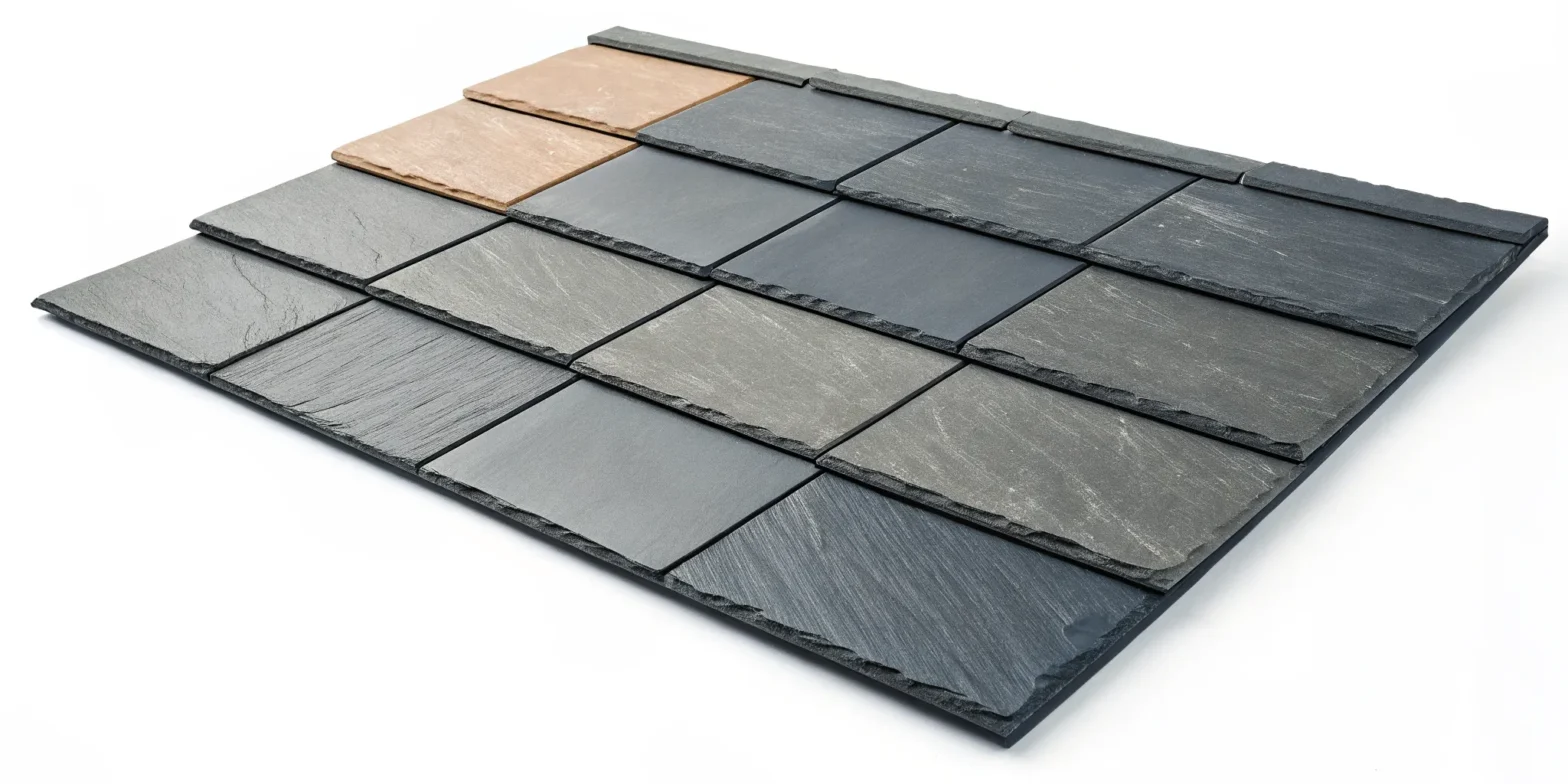
Wed Apr 8Let’s address the main concern: do these fake slate roof tiles actually look real? It’s a fair question. You want that gorgeous, sophisticated slate look without a roof that screams “plastic.” The great news is that modern manufacturing is incredibly advanced. The best synthetic slate roof tiles are crafted from molds of actual quarried slate, capturing every subtle texture and detail. This guide will show you what to look for in terms of authenticity and help you choose the perfect engineered slate roofing to give your home timeless beauty with modern performance.
Key Takeaways
- Enjoy classic style with modern benefits: Synthetic slate provides the elegant look of natural stone without the high cost, heavy weight, or structural concerns. It’s a practical way to achieve timeless curb appeal for your home.
- Focus on key performance ratings: For lasting protection, choose tiles with top-tier ratings like Class 4 for impact resistance and Class A for fire safety. These features, often backed by 50-year warranties, ensure your roof is a durable, long-term investment.
- Expert installation protects your investment: The performance and lifespan of your new roof depend entirely on the quality of the installation. Working with a professional is crucial for ensuring your roof performs as designed and your manufacturer’s warranty remains valid.
What Is Engineered Slate Roofing?
Thinking about a slate roof but feeling hesitant about the cost and weight? Synthetic slate might be the perfect solution. It’s a modern roofing material designed to give you the timeless, elegant look of natural slate without the traditional drawbacks. Instead of being quarried from the earth, synthetic slate tiles are crafted from durable, engineered materials like rubber, plastic, or advanced polymers. This manufacturing process allows for a product that not only looks like the real thing but also offers some impressive performance advantages. It’s quickly become a go-to choice for homeowners who want both beauty and practicality for their home’s exterior.
How Does It Compare to Natural Slate?
The biggest differences come down to durability, weight, and consistency. Natural slate is beautiful but can be brittle, making it prone to cracking or chipping from hail or falling debris. Synthetic slate is engineered to be much more resilient, resisting impacts and fading over time. It’s also incredibly lightweight. A natural slate roof is so heavy that some homes require extra structural support, but a synthetic slate system puts far less stress on your home’s frame. This often makes the installation process simpler and more straightforward for your residential roofing project. Finally, synthetic tiles offer a uniform look, while natural slate has inherent variations in color and texture.
Why Choose Synthetic Slate?
Homeowners often choose synthetic slate because it delivers that high-end, classic look without the hefty price tag or demanding upkeep. It’s a smart way to get the curb appeal of a slate roof while staying within a more manageable budget. The long-term savings are also a major draw. Since synthetic tiles are so durable and resistant to common issues like moss growth, you’ll spend less time and money on maintenance over the years. Brands like DaVinci Roofscapes offer stunning options that combine this low-maintenance benefit with authentic-looking textures and colors, giving you the best of both worlds: timeless style and modern performance.
The Best Synthetic Slate Roofing Brands Reviewed
When you start exploring synthetic slate, you’ll notice a few names that stand out for their quality and innovation. These brands have earned their reputations by creating durable and beautiful roofing materials. At Landmark Roofing, we work with the best in the business to give your home a roof that lasts. Here are four of the top brands you should know about.
DaVinci Roofscapes: The Premium Polymer Option
DaVinci Roofscapes is a leader in the premium polymer roofing space. Their tiles are engineered to capture the authentic look of natural slate while providing superior strength and simple maintenance. According to Westlake Royal Building Products, DaVinci’s lightweight tiles are designed to last for decades and hold up against harsh weather, which is a huge plus for homes in the Pacific Northwest. We often recommend DaVinci Roofscapes to homeowners who want that classic slate beauty without the heavy weight and upkeep. It’s a fantastic choice for achieving a high-end look with modern performance.
EcoStar: Innovative Recycled Rubber
If sustainability is a priority for you, EcoStar is a brand worth considering. Their Majestic Slate tiles are made from an innovative blend of recycled rubber and plastics, offering an eco-friendly roofing solution without sacrificing performance. These tiles are specifically engineered to endure the elements while providing the attractive, textured appearance of real slate. As noted by roofing experts, this design ensures a sustainable roofing option that does not compromise on durability. For homeowners looking to make a green choice for their home’s exterior, EcoStar delivers both environmental benefits and long-lasting protection.
Brava Roof Tile: Versatility in Composite
Brava Roof Tile is all about performance and durability. Their composite slate tiles are known for their incredible strength, making them a top contender for homes that face demanding weather. Brava’s tiles deliver the stunning, multi-toned appearance of natural slate but are engineered to overcome its fragility. They have the highest possible impact rating (Class 4) and can withstand winds up to 188-211 MPH, according to the company. These impressive specs, along with excellent fire ratings, make Brava synthetic slate a smart investment for homeowners who want total peace of mind and a roof that is truly built to last.
Thickness and Varied Widths for Authenticity
The most convincing synthetic slate gets its authentic look from the small details. Manufacturers use molds cast from real quarried slate to capture every natural texture and subtle imperfection. The real magic, however, comes from thickness and varied widths. A thicker tile—like the 1-inch options from Brava—creates deep shadow lines that give the roof a substantial, high-end appearance and prevent it from looking flat. Combining tiles of different widths breaks up the uniformity, mimicking the classic, staggered pattern of a traditional slate roof. This adds character and visual interest, and it’s a specialty of brands like DaVinci Roofscapes, which are known for their realistic textures.
CertainTeed Symphony: The Fiber Cement Standard
CertainTeed is a well-known name in building materials, and their Symphony slate line lives up to the brand’s reputation for quality. This product blends the timeless aesthetic of slate with a durable, modern composite material that is both lightweight and easy to maintain. A key advantage is its resistance to common roofing issues; the material is designed to prevent cracking, warping, and weathering over time. This makes it a consistently reliable choice for homeowners who want a beautiful slate look combined with practical, long-term durability. It’s a great all-around option that balances classic style with dependable performance.
Understanding the Fiber Cement Composition
So, what exactly is fiber cement? It’s a clever mix of cement, cellulose fibers, water, and air. This unique blend creates a material that’s surprisingly lightweight yet incredibly durable, perfectly mimicking the appearance of natural slate. During production, these materials are compressed, which ensures every tile has a consistent thickness and strength. This process is why fiber cement is so good at resisting common issues like cracking, warping, and weathering over time. It’s this engineered resilience that makes it such a reliable and long-lasting alternative to natural stone, giving you peace of mind for years to come.
Other Notable Brands to Consider
CeDUR, Enviroshake, and Euroshield
While the brands we’ve covered are top contenders, a few others are definitely worth a look, especially if you have specific needs. CeDUR is fantastic if you love the rustic charm of hand-split wood shakes; their synthetic version is not only beautiful but also comes with top-tier Class A fire and Class 4 impact ratings. For homes that face serious wind, Enviroshake is a standout, offering products that look like natural cedar or slate and can withstand winds up to 180 mph. Then there’s Euroshield, which produces incredibly tough shake and slate options. They’re known for meeting some of the strictest building standards out there, which tells you a lot about their durability. These brands offer excellent performance and give you even more choices for finding the perfect roof.
How Much Does a Synthetic Slate Roof Cost?
One of the first questions homeowners ask about synthetic slate is about the price. While it’s considered a premium roofing material, it’s much more affordable than its natural counterpart. The total cost of your new roof will depend on several factors, including the specific product you choose, the size and complexity of your roof, and local labor rates.
Think of a synthetic slate roof as a long-term investment in your home’s protection and curb appeal. The initial price is higher than asphalt shingles, but the benefits in durability, longevity, and low maintenance often provide greater value over time. To get a clear picture of what your project might cost, it’s always a good idea to use a roofing cost calculator for a preliminary estimate and then consult with a professional for a detailed quote.
Material Costs: Synthetic vs. Natural Slate
The most significant price difference between synthetic and natural slate comes down to the materials themselves. Natural slate is a heavy, quarried stone that is expensive to source and transport. You can expect to pay between $20 and $40 per square foot for a natural slate roof.
In contrast, synthetic slate offers the same elegant look for a fraction of the price. On average, synthetic slate roofing costs between $9 and $16 per square foot, installed. This price point makes the timeless beauty of a slate roof accessible to more homeowners. You get the high-end aesthetic without the steep material costs associated with natural stone, freeing up your budget for other parts of your home renovation.
Comparison with Architectural Shingles
When you’re exploring roofing options, the choice often comes down to architectural shingles and synthetic slate. Architectural shingles are a popular, reliable choice for a reason—they offer good performance at an accessible price point. However, if you’re looking for a step up in both durability and style, synthetic slate is worth a serious look. It’s engineered to be far more resilient, holding up against impacts from hail and falling branches much better than traditional shingles. This added toughness translates to a longer lifespan, meaning you’ll spend less time worrying about future repairs and replacements for your residential roofing system.
From a style perspective, both materials can enhance your home’s curb appeal, but they offer different aesthetics. Architectural shingles provide a classic, textured look that works well on many homes. Synthetic slate, on the other hand, delivers the unmatched elegance and character of natural stone. It’s designed to capture the authentic details of quarried slate, giving your home a more luxurious and timeless appearance. Plus, it achieves this high-end look without the extreme weight of natural slate, so you won’t need to worry about adding extra structural support to your home before installation.
Of course, budget is always a key factor. Architectural shingles are the more cost-effective option upfront, making them an attractive choice for many homeowners. Synthetic slate requires a larger initial investment, but it’s important to view it as a long-term value proposition. Because it lasts longer and requires less maintenance, the higher initial cost can be offset over the life of the roof. You’re paying more now for decades of durability and peace of mind. To get a better sense of how these options compare for your home, you can start by plugging your details into a roofing cost calculator.
What Drives Installation and Labor Costs?
Installation is another area where synthetic slate provides significant savings. Natural slate is notoriously heavy and fragile, requiring specialized tools and handling to prevent breakage during installation. This delicate process is time-consuming and drives up labor costs. Many homes also need structural reinforcement to support the sheer weight of a natural slate roof.
Synthetic slate, on the other hand, is lightweight and durable. It’s designed to be installed using standard roofing techniques, which makes the process faster and more efficient. Your residential roofing crew can cut and nail the tiles without worrying about them cracking or shattering. This straightforward installation reduces the hours spent on the job, directly lowering your overall labor expenses.
How Ease of Installation Affects Pricing
The way a material is installed has a huge impact on the final price tag, and this is where synthetic slate really shines. Installing natural slate is a slow, careful process. The tiles are heavy and can easily break, so installers need special skills and more time to get the job done right. Plus, the sheer weight often means your home’s structure needs to be reinforced, which is a major hidden cost. Synthetic slate avoids all of that. Because it’s so lightweight and durable, your roofing team can work much more efficiently using standard tools and techniques. This speed translates directly into lower labor costs for your project, making the overall price much more predictable and affordable.
Is Synthetic Slate a Good Investment?
A new roof is a major investment, and synthetic slate delivers excellent long-term returns. While the upfront cost is higher than asphalt, its extended lifespan makes it a smarter financial choice over the decades. A well-installed synthetic slate roof can last 40 to 50 years, easily doubling the 20- to 30-year lifespan of a typical asphalt shingle roof.
The savings continue with reduced maintenance. Synthetic slate is engineered to resist cracking, chipping, and fading. Its high impact resistance also means you’ll spend less on repairs after hail or storm debris. Some insurance companies even offer discounts for homes with highly durable roofing systems like DaVinci Roofscapes. Over the life of the roof, these combined benefits make synthetic slate a cost-effective and worry-free option.
Potential for Insurance Savings and Tax Credits
Beyond the long-term durability, a synthetic slate roof can bring some welcome financial advantages, starting with your homeowner’s insurance. Insurance companies love materials that reduce risk, and the high-performance ratings of synthetic slate do just that. Many synthetic tiles boast a Class 4 impact rating—the highest available—meaning they are built to withstand severe weather. This resilience can translate into lower premiums, as some insurers offer discounts for homes with these durable systems. Additionally, you might find opportunities for state grants or tax deductions. Programs like FORTIFIED Roof™ sometimes provide financial incentives for installing exceptionally strong roofing materials, further adding to the overall value of your investment.
Decoding Synthetic Slate Performance Ratings
When you’re investing in a new roof, you want to know it can handle whatever comes its way. Beyond color and style, a synthetic slate tile’s performance ratings tell you exactly how it will hold up over the long haul. These ratings aren’t just technical jargon; they are your guide to a roof that provides security, durability, and peace of mind for decades. Here are the key performance metrics to look for when comparing your options.
Checking for Class 4 Impact Resistance
Think of impact resistance as your roof’s first line of defense against the unexpected. The highest rating a roofing material can receive is Class 4. Tiles with this rating are incredibly tough, having been tested to withstand damage from hail and other falling objects without cracking or breaking. This top-tier resistance also means they hold up better against freeze-thaw cycles, which can cause lesser materials to become brittle over time. When you choose a Class 4 product, you’re getting a roof that is built to endure impacts and harsh weather without compromising its integrity.
How Well Does It Handle High Winds?
Here in the Puget Sound, we know a thing or two about powerful windstorms. That’s why a roof’s wind resistance rating is so important. Premium synthetic slate tiles are engineered to perform exceptionally well in high winds. For example, DaVinci Slate tiles are certified to handle winds up to 180 miles per hour. Meanwhile, Brava tiles can withstand winds up to 188 MPH with standard nail installation. This level of engineering ensures your shingles stay put, protecting your home when the weather is at its worst.
Installation Methods and Wind Speed Ratings
A tile’s impressive wind rating is only as good as its installation. The way your roof is installed plays a huge role in its ability to withstand high winds. Fortunately, synthetic slate is designed to be installed using standard roofing techniques, which makes the process efficient and reliable. This straightforward approach helps ensure every tile is properly secured according to the manufacturer’s specifications. Achieving those high-performance ratings—like 180 MPH for DaVinci or 188 MPH for Brava—depends entirely on following these precise guidelines. This is why an expert installation is so critical; it guarantees that your roof will perform as engineered and that your warranty remains intact for years to come.
Fire Safety: What to Look for in UL Ratings
Fire safety is a non-negotiable for any home. Roofing materials are rated Class A, B, or C, with Class A offering the highest level of protection against fire. Most top-quality synthetic slate products, including DaVinci, achieve a Class A fire rating, giving you the best defense available. Some tiles, like those from Brava, can achieve either a Class A or Class C rating depending on the underlayment used during installation. This is a great example of why professional installation is so critical to ensuring your roof performs as designed.
Warranty and Expected Lifespan
A strong warranty is a manufacturer’s vote of confidence in its own product. Leading brands like DaVinci and Brava back their synthetic slate tiles with impressive 50-year limited warranties. This long-term protection far surpasses what you’d find with traditional materials. An asphalt roof typically lasts 20 to 30 years, but a properly installed synthetic slate roof can be expected to last 40 to 50 years. This exceptional lifespan means you won’t just have a beautiful roof; you’ll have a reliable and cost-effective solution for your home for many years to come.
Can Fake Slate Roof Tiles Really Look Authentic?
One of the biggest questions homeowners have about synthetic slate is simple: does it actually look like the real thing? It’s a valid concern. After all, the classic, elegant appearance of a natural slate roof is what makes it so desirable. The good news is that manufacturing technology has come a long way. Today’s synthetic slate tiles are designed to closely mimic the beauty and character of quarried slate, often to the point where it’s difficult to tell the difference from the curb.
Top manufacturers have perfected the art of creating authentic-looking tiles. They use molds cast from real slate to capture the natural textures, clefts, and fine details that make each piece unique. This process ensures the final product has the same dimensional, layered look as its natural counterpart. Color is another area where synthetic slate shines. Instead of a flat, uniform color, high-quality synthetic tiles feature subtle color variations and blends, replicating the rich, earthy tones found in natural stone. This allows you to get the timeless aesthetic you love without the fragility and weight of real slate.
Achieving the Look of Real Slate
Achieving an authentic look comes down to the details in the manufacturing process. Leading brands like DaVinci Roofscapes and Brava have invested heavily in technology that replicates natural slate’s unique charm. To get a realistic and varied texture, many companies use molds made from real slate, which imprints the composite material with authentic patterns and surface details.
Coloring techniques are just as advanced. For example, some brands use a special mineral pigmentation process that creates deep, rich colors that are less likely to fade over time. This gives you the beautiful look of natural slate without the inherent issues like cracking or delamination. The result is a tile that not only looks the part but is engineered to hold its color and texture for decades.
Uniformity vs. Variation: Choosing Your Style
While synthetic slate does an excellent job of mimicking natural stone, there is one key visual difference: uniformity. Natural slate is cut from rock, so every single tile has slight variations in color, thickness, and texture. This randomness is part of its rustic appeal. In contrast, synthetic slate is manufactured for a uniform look, with each tile being consistent in size, shape, and color blend.
This uniformity can be a major advantage. It creates a clean, consistent roofline that many homeowners prefer, eliminating the “luck of the draw” that can come with a pallet of natural stone. It also simplifies the installation process for your roofing contractor. While the tiles are uniform, the color blending and surface textures are designed so well that the overall effect is still rich and dynamic, not flat or artificial.
Matching Your Roof to Your Home’s Style
One of the best things about choosing synthetic slate is the incredible range of options available. You aren’t limited to the colors and styles available from a local quarry. Manufacturers offer a wide spectrum of colors, from traditional grays and blacks to earthy reds, greens, and purples. This makes it easy to find the perfect shade to complement your home’s siding, trim, and overall architectural style.
Many brands also offer special “Cool Roof” colors that are designed to reflect more sunlight, which can help save energy. Whether your home is a historic Tudor or a modern craftsman, there’s a synthetic slate profile that will fit right in. This versatility gives you the freedom to achieve a beautiful, high-performance roofing solution that perfectly matches your vision for your home.
Why Synthetic Slate Is Built to Last
When you invest in a new roof, you want something that not only looks great but also stands the test of time. Synthetic slate truly shines in this department, offering a modern solution that combines classic beauty with impressive resilience. It’s engineered to handle the specific challenges our homes face, giving you peace of mind for decades. From harsh weather to the simple effects of aging, these tiles are built to last, making them a smart and reliable choice for any homeowner.
The real value of a synthetic slate roof becomes clear when you look at its long-term performance. It’s more than just a covering for your house; it’s a protective shield designed with advanced materials that outperform many traditional options. Let’s break down the key durability benefits that make synthetic slate such a popular choice for residential roofing projects.
Standing Strong Against Sun, Wind, and Rain
Here in the Puget Sound, our roofs have to endure everything from relentless rain to freeze-thaw cycles. Synthetic slate is specifically designed for this kind of environment. Most premium options, like the DaVinci Roofscapes we install, carry a Class 4 impact rating, which is the highest available. This means they can withstand significant impact from hail or falling debris without cracking or chipping. Unlike natural slate, which can become brittle and crack under the stress of freezing and thawing, synthetic tiles maintain their integrity, keeping your home protected year after year. They are also highly resistant to fading from sun exposure, so your roof’s color stays vibrant.
Why a Lighter Tile Matters for Your Home
One of the most practical advantages of synthetic slate is its weight. Natural slate is incredibly heavy and often requires a structural engineer to assess your home and add expensive reinforcements to your roof deck. Synthetic slate, on the other hand, is much lighter. This reduced weight puts far less stress on your home’s structure, which often means you can skip the costly and time-consuming structural modifications. This not only simplifies the installation process but can also significantly lower the overall project cost, a factor you can explore with our roofing cost calculator.
A Look at the Numbers: Weight Comparison
When you look at the numbers, the difference is pretty staggering. Natural slate is known for its beauty, but it’s also incredibly heavy, weighing anywhere from 800 to 1,500 pounds per square (a 10×10 foot area). This immense weight often means you need to bring in a structural engineer and pay for costly reinforcements to your home’s frame just to support the roof. In contrast, synthetic slate tiles are engineered to be much lighter. For example, Brava’s synthetic slate weighs around 311 pounds per square. This huge reduction in weight means most homes can support a synthetic slate roof without any expensive structural changes, making it a far more practical choice for your residential roofing project. The lighter material also simplifies the installation process, which helps reduce labor costs since crews can work more efficiently without the specialized handling required for heavy, fragile stone.
How Much Maintenance Does It Really Need?
A new roof should free you from constant worry, not add to your to-do list. Synthetic slate requires very little upkeep. Because the material is non-porous, it naturally resists moss and algae growth, a common headache for homeowners in our damp climate. You won’t have to worry about the routine power washing or chemical treatments that other roofing materials often need. Since these tiles don’t chip or crack easily, you can also expect fewer repairs over the roof’s lifespan. This low-maintenance quality means you save both time and money, all while your roof continues to look and perform its best.
Versatility in Application
The benefits of synthetic slate aren’t just limited to your roof. Because it’s so lightweight, durable, and beautiful, it has become a popular choice for other parts of a home’s exterior. This versatility allows you to create a cohesive and sophisticated look that extends beyond the roofline. Instead of trying to coordinate different materials that might not match perfectly in color or texture, you can use the same high-performance product to add character to your entire home. It’s a creative way to achieve a unified design that is both stunning and built to last, giving your home a truly custom feel.
Beyond the Roof: Siding and Architectural Accents
Imagine using the rich texture of slate as a unique siding option for your home. It’s a fantastic way to create a standout feature wall or cover your entire exterior with a material that is resistant to moisture, impact, and fading. Beyond siding, synthetic slate is perfect for smaller architectural accents. It can be used to highlight dormers, gables, or window boxes, adding a touch of elegance and tying your home’s design elements together. Using the same material for both your roof and accents ensures a seamless, high-end look that enhances your home’s curb appeal from every angle.
What to Know Before Installation Day
Choosing the perfect synthetic slate tile is a big step, but the installation process is where your vision truly comes to life. A beautiful, durable roof depends just as much on the quality of the installation as it does on the materials. Getting this part right ensures your new roof will perform well and look great for decades. Let’s walk through the key things to keep in mind before the work begins.
Why Professional Installation Is a Must
This is one area where you definitely don’t want to cut corners. Synthetic slate has specific installation requirements, and a small mistake can lead to big problems down the road, like curling tiles or leaks. More importantly, improper installation can void your manufacturer’s warranty, leaving you without protection. Working with an experienced roofing team ensures every tile is placed correctly and your investment is secure. A professional crew understands the nuances of the material and has the right tools to create a flawless, long-lasting finish that protects your home.
Does Your Roof Need Extra Support?
One of the best things about synthetic slate is that it’s incredibly lightweight. Natural slate is famously heavy and often requires homeowners to pay for expensive structural reinforcements to their roof deck before installation. With synthetic options like DaVinci or Brava tiles, that’s rarely a concern. Most homes are already equipped to handle the weight without any modifications. This not only simplifies the installation process but also helps keep your project budget in check by avoiding unexpected engineering costs. It’s a major advantage that makes a slate look accessible to more homeowners.
How to Pick the Right Tile for Your Climate
Synthetic slate is engineered to be tough, standing up to everything from harsh sun to hail and wind. However, not all products are created equal. It’s important to select a tile that’s well-suited for your local weather. Here in the Puget Sound, we need materials that can handle plenty of rain, resist moss growth, and withstand the occasional freeze without becoming brittle. High-quality synthetic slate is designed to do just that, resisting cracking, chipping, and fading far better than many other materials. Always check the product specifications to confirm it’s a good fit for our Pacific Northwest climate.
Compatibility with Solar Panels and Skylights
Absolutely. If you’re thinking about adding solar panels or skylights, a synthetic slate roof is an excellent foundation. Unlike natural slate, which is notoriously brittle and can easily crack during installation, synthetic tiles are engineered for durability. This resilience is a huge advantage when you need to mount hardware or cut openings in your roof. However, the key to a successful integration is professional installation. An experienced team knows the proper techniques to install solar panels or flash a skylight without compromising the roof’s water-shedding capabilities. As we always say, expert installation protects your investment and ensures your warranty remains valid. With the right expertise, you can confidently combine the timeless look of slate with the modern benefits of solar energy or natural light.
How to Choose the Best Synthetic Slate Roof Tiles
With a clear understanding of the top brands and their performance ratings, you can start to narrow down the perfect option for your home. Choosing the right synthetic slate isn’t just about picking a color you like. It’s about finding a complete roofing system that protects your home, fits your budget, and adds to your curb appeal for years to come. The best decision comes from balancing three key factors: your local climate, your budget, and your home’s unique style.
Thinking through these points will help you sort through the options with confidence. For example, premium brands like DaVinci Roofscapes offer a wide variety of tiles designed for different needs and aesthetics. By defining what matters most to you, you can select a product that not only looks beautiful but also provides lasting peace of mind. Let’s walk through how to weigh each of these important considerations.
Factor in Your Local Climate
Here in the Puget Sound, our roofs need to handle plenty of rain, wind, and moss. Synthetic slate is an excellent choice for our climate because it’s designed to resist cracking, chipping, and fading from moisture and UV exposure. Unlike natural materials, it doesn’t absorb water, which helps prevent issues like algae growth and rot. When you’re comparing products, make sure the synthetic slate you choose is well-suited for our regional weather. This helps prevent potential problems like brittleness during the occasional cold snap, ensuring your roof maintains its integrity year-round.
Balance Your Budget with Long-Term Quality
A new roof is a significant investment, so it’s important to understand the costs. Synthetic slate offers the timeless look of natural slate without the premium price tag. You can expect to pay about $9 to $16 per square foot for synthetic slate, installed. This is much more affordable than natural slate, which can cost $20 to $40 per square foot. This price difference makes a high-end aesthetic accessible to more homeowners. To get a better idea of what your project might cost, you can use a roofing cost calculator for a preliminary estimate.
Select a Style That Complements Your Home
This is where you get to bring your vision to life. High-quality synthetic slate closely mimics the look of natural stone with detailed textures and authentic color variations. You can find it in a huge range of colors, shapes, and textures to match any home style, from a classic craftsman to a modern design. Whether you want the uniform appearance of new slate or a more rustic, varied look, there’s a synthetic option available. A great residential roofing partner can help you find the perfect tile to complement your home’s architecture and color scheme.
How Roof Color Can Impact Home Value
Your roof color is one of the first things people notice, and it plays a huge role in your home’s overall curb appeal. But it’s more than just a style choice; the right color can actually increase your home’s market value. Lighter shades, for instance, are known to reflect more sunlight, which helps keep your home cooler and can lead to lower energy bills. This energy efficiency is a major selling point for potential buyers. Homes with aesthetically pleasing and energy-efficient roofs tend to sell faster and at higher prices. Choosing a color that complements your home’s exterior not only creates a beautiful, cohesive look but also makes a smart financial investment in your property’s future.
Getting a Real-World Feel: Samples and Site Visits
Looking at photos online is a great starting point, but it can’t replace seeing a roofing tile in person. Colors can look different from screen to screen, and you can’t get a sense of the texture or thickness from a picture. That’s why it’s so important to get your hands on physical samples. Most manufacturers, like Brava Roof Tile, are happy to send them. Once you have a sample, you can hold it up against your home’s siding and trim in the morning light, at midday, and on a cloudy afternoon. This is the best way to see how the color will truly look and feel before you commit to a final decision.
Considering Contractor Recommendations and Brand Reputation
An experienced roofing contractor has seen which products perform well and which ones don’t. Their recommendations are based on years of hands-on experience, not just a sales pitch. They know which brands stand behind their warranties and which materials are best suited for our Pacific Northwest climate. At Landmark, we prefer working with brands that have a proven track record of quality and durability, like DaVinci Roofscapes. A trusted brand reputation is your assurance that you’re investing in a product that is engineered to last and will protect your home for decades to come.
Learning from Past Product Issues
Like any building material, synthetic slate has evolved over the years. It’s important to know that the quality can vary significantly from one brand to the next. Some early or off-brand products had issues with curling or premature fading, which has made some homeowners cautious. This is precisely why choosing a high-quality, established brand is so critical. Top-tier manufacturers have invested heavily in research and development to perfect their formulas, creating tiles that are exceptionally durable and colorfast. Relying on your contractor’s expertise will help you avoid products with a poor history and select one with a solid reputation for long-term performance.
Related Articles
- Slate Roof Alternative – EcoStar – Landmark Roofing & Siding
- DaVinci Roofscape Installation | Landmark Roofing & Siding
Frequently Asked Questions
How does synthetic slate handle the damp, mossy climate of the Pacific Northwest? This is where synthetic slate really excels. Because the tiles are made from non-porous materials like rubber and polymers, they don’t absorb moisture the way other materials can. This makes them naturally resistant to moss, algae, and rot, which are common issues for roofs in our region. You get the beautiful look of slate without the constant cleaning and maintenance headaches that come with our damp weather.
Is synthetic slate worth the higher initial cost compared to asphalt shingles? While the upfront price is higher, synthetic slate provides incredible long-term value. A typical asphalt roof might last 20 to 30 years, but a synthetic slate roof is expected to last 40 to 50 years or more. Over that extended lifespan, you’ll save money on repairs and avoid the cost of a full replacement. When you consider its superior durability and minimal upkeep, it often proves to be a more cost-effective choice over the decades.
Will a synthetic slate roof look fake or plastic-y from the street? This is a common concern, but modern manufacturing has made incredible progress. Top-tier brands use molds cast from actual quarried slate, which gives the tiles an authentic, detailed texture. They also use sophisticated color blending techniques to create the subtle variations you’d see in natural stone. The result is a roof with rich dimension and character that looks remarkably like the real thing, not flat or artificial.
Do I need to do anything special to my house structure before installing synthetic slate? In almost all cases, no. This is one of the biggest advantages of choosing synthetic slate over natural stone. Natural slate is extremely heavy and often requires an engineer to approve your home’s structure and add costly reinforcements. Synthetic slate is lightweight, so most homes can support it without any structural modifications, which simplifies the installation process and helps keep your project on budget.
What does a 50-year warranty on synthetic slate typically cover? A 50-year warranty is a manufacturer’s promise that the product itself will perform as expected. It generally covers manufacturing defects that could cause the tiles to fail, such as cracking, chipping, or breaking down under normal weather conditions. It’s important to remember that the warranty protects the material, not the installation, which is why hiring a certified and experienced professional is so crucial to protecting your investment.