
Date
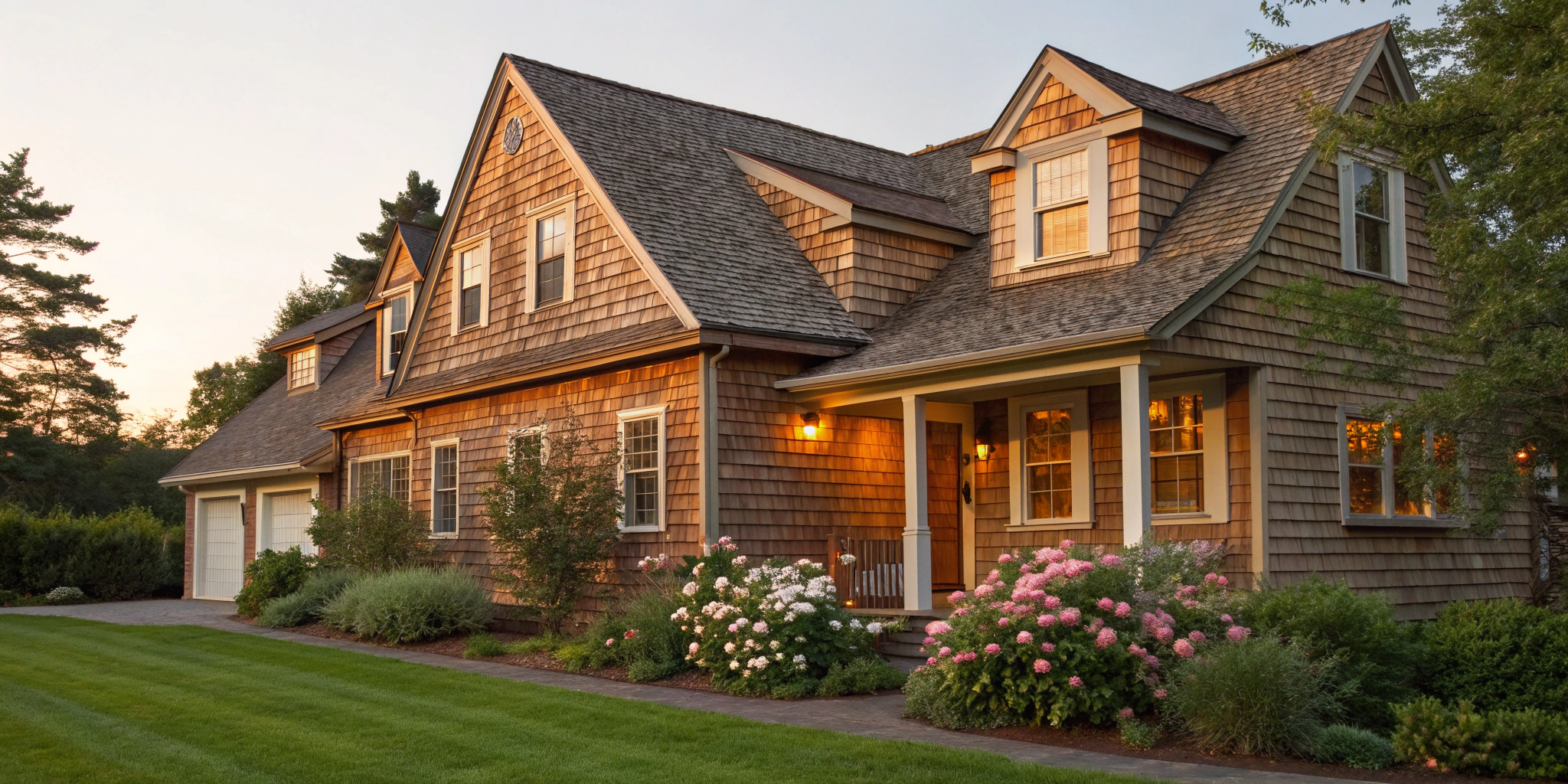
Tue Jan 27Tired of the same smooth, uniform siding you see everywhere? Cedar shake siding offers something refreshingly different: character. Unlike flat cedar siding boards, each hand-split shake has its own unique grain and texture, creating a rich, layered look full of depth. It’s a way to give your home a distinct personality that feels both rustic and refined. We’ll explore how to get this stunning look, from understanding the cedar shake siding cost to deciding between cedar shake panels vs individual shake siding. Let’s get you ready to choose the perfect natural exterior for your home.
Key Takeaways
- Cedar is a Natural Fit for the Pacific Northwest: Cedar shake siding offers more than just timeless, rustic charm. Its natural oils provide inherent resistance to the rot and insects common in our damp climate, making it a beautiful and practical choice for protecting your home.
- Customize Your Look by Understanding the Details: The final cost and appearance of your siding project depend on your choices. Understanding the differences between wood grades, cedar types, and shake thicknesses allows you to create the exact aesthetic you want while staying within your budget.
- Protect Your Investment with a Simple Maintenance Routine: Cedar siding’s longevity is not a myth, and its upkeep is straightforward. A yearly gentle cleaning and re-staining every three to five years are all that’s needed to preserve its color and protect the wood, making it a durable, long-term investment.
What Is Cedar Shake Siding?
Cedar shake siding is a classic choice, especially here in the Pacific Northwest, where it feels right at home among our evergreen landscapes. It’s made from real cedar wood, which gives any house an instant dose of warmth and character. Unlike uniform materials like vinyl, each piece of cedar has its own unique grain and texture, so your home’s exterior will have a one-of-a-kind, natural look. Builders have long trusted cedar for its natural resistance to moisture, decay, and insects, making it a practical and beautiful choice for our damp climate. This siding is created by splitting logs into thin, wedge-shaped pieces called shakes, which are layered to protect your home. The result is a beautiful, textured surface that adds depth and dimension, fitting everything from a cozy cottage to a contemporary new build.
Capturing a Natural, Rustic Look
Cedar shake siding uses panels made from cedar wood to give homes a cozy, rustic, and “woodsy” look. The beauty of cedar is its versatility; you can find styles that complement everything from a classic craftsman to a sleek, modern design. Each shake has its own distinct grain, color, and texture, which means your home’s residential siding will have a rich, authentic character that manufactured materials just can’t replicate. This natural variation creates a dynamic surface that changes with the light throughout the day. Whether you leave it to weather to a silvery gray or apply a stain to maintain its warm, reddish-brown tones, cedar siding offers a timeless appeal that truly makes a house feel like a home.
Shake vs. Shingle: What’s the Difference?
While people often use the terms “shake” and “shingle” interchangeably, they are actually two different products. The main distinction comes down to how they’re made. Cedar shakes are typically hand-split from a log, which gives them a more rustic, textured surface with a thicker, irregular profile. This creates a rugged, charming look full of character.
On the other hand, cedar shingles are machine-cut for a smoother, more uniform finish. They are thinner than shakes and have clean, precise edges, resulting in a more tailored and refined appearance. Your choice between the two really depends on the aesthetic you’re going for. If you want a natural, rustic vibe, shakes are the way to go. If you prefer a clean, classic look, shingles will be a better fit.
A Look at the Top Cedar Shake Siding Brands
Choosing the right brand of cedar shake is just as important as deciding on the material itself. The quality of the wood, the precision of the cut, and the consistency of the product can vary significantly from one manufacturer to another. A top-tier brand ensures your siding not only looks beautiful on day one but also performs reliably for decades. Over our years of installing residential siding in the Puget Sound region, we’ve seen firsthand what separates the best from the rest.
High-quality cedar comes from well-managed forests and is milled with care to ensure each shake and shingle meets strict grading standards. This attention to detail results in a more uniform appearance, easier installation, and superior resistance to the elements. When you invest in a reputable brand, you’re investing in peace of mind, knowing your home is protected by a product designed to last. Let’s look at some of the options we trust and recommend to homeowners.
Our Top Picks for Cedar Siding
When we help homeowners select cedar shake siding, our focus is always on quality and durability. Cedar is a fantastic choice for its natural resistance to rot, insects, and decay, thanks to the high concentration of oils in the wood. With the right product and proper care, cedar shake siding can last 50 years or more, making it a worthwhile investment in your home’s future. We prefer brands that consistently provide well-graded, high-quality cedar that stands up to the damp Pacific Northwest climate and looks stunning for years to come.
Twin Creeks Log Home Supply
Twin Creeks Log Home Supply is a standout provider that offers an impressive variety of cedar products. Their selection includes different grades and styles, from hand-split shakes to precisely milled shingles in multiple sizes. This variety allows you to achieve the exact rustic, warm aesthetic you envision for your home. Whether you’re aiming for a rugged, textured look or a more refined finish, you can find high-quality options from Twin Creeks. Their commitment to quality makes them a popular and reliable choice for residential projects.
More Top-Rated Brands to Consider
While we have our favorites, several other excellent brands produce high-quality cedar shake siding. The best manufacturers offer siding panels that provide that cozy, classic appearance many homeowners are looking for. Because the natural oils in cedar help it resist warping and shrinking, a quality product will maintain its integrity over time. While the upfront cost of premium cedar shake can be higher than other materials, this guide to cedar shake siding explains how its durability and ease of repair make it a smart long-term decision for protecting and beautifying your home.
A Guide to Cedar Shake Types and Grades
Once you’ve decided on cedar, you’ll find there are still a few choices to make. Cedar shakes aren’t a one-size-fits-all product. They come in different wood species, grades, sizes, and thicknesses, and each of these factors plays a role in your home’s final look, durability, and cost. Understanding these options is the key to choosing the perfect cedar siding that you’ll love for years to come. Let’s walk through the main categories so you can feel confident in your decision.
Beyond Shakes: Common Cedar Siding Board Styles
While the textured, layered look of shakes is undeniably beautiful, it’s just one of the many faces of cedar. If you love the warmth and durability of cedar but are looking for a different aesthetic, there are several board styles to consider. These options range from classic to contemporary and can dramatically change the character of your home’s exterior. Unlike shakes, which have a more random, rustic pattern, cedar boards offer cleaner lines and more uniform profiles. Many of these styles can be installed horizontally for a traditional look, vertically for a modern touch, or even diagonally to make a unique architectural statement. Exploring these different profiles is a great way to find the perfect cedar siding that matches your personal style.
Bevel Siding (Clapboard)
Bevel siding, often called clapboard, is one of the most traditional and recognizable siding styles. It’s created by sawing boards at an angle, resulting in pieces that are thicker on one edge and thinner on the other. When installed horizontally, the thick edge of each board overlaps the thin edge of the board below it, creating classic shadow lines that add depth and dimension to a home’s exterior. As noted by siding experts, untreated Western Red Cedar is a fantastic material for this style because its natural oils make it inherently resistant to rot, decay, and insects, ensuring a durable and long-lasting finish. This timeless look is perfect for achieving a charming, rustic aesthetic.
Tongue and Groove Siding
If you’re aiming for a smooth, seamless appearance, tongue and groove siding is an excellent choice. Each board is milled with a groove on one side and a corresponding “tongue” on the other, allowing them to interlock tightly. This design hides the fasteners and creates a solid, gap-free surface that offers great protection from the elements. Tongue and groove is incredibly versatile; it can be installed horizontally, vertically, or diagonally to create different visual effects. A vertical installation, for example, can make a home appear taller and more modern, while a horizontal layout offers a more traditional feel. It’s a popular option for everything from contemporary homes to cozy cabins.
Channel Siding
Channel siding offers a unique look that blends rustic charm with clean, modern lines. This style is designed so that each board has a small channel or groove on one edge that overlaps the board next to it. This creates a distinct shadow line between the boards, adding visual interest and texture without the irregularity of shakes. The overlapping design provides excellent weather protection while allowing the wood to breathe, which is a great feature in our damp Puget Sound climate. It’s a fantastic choice if you want a bit more definition than tongue and groove but a more uniform look than traditional bevel siding.
Shiplap Siding
Once used primarily for its weather-tight seal on barns and sheds, shiplap has become a design favorite for both interiors and exteriors. Shiplap boards have a special L-shaped notch, called a rabbet joint, on opposite sides. This allows the boards to overlap and fit snugly together, creating a strong seal with a subtle, clean gap between them. This design provides excellent protection against wind and rain. As this quick guide to cedar siding points out, shiplap can be installed horizontally or vertically, making it a versatile choice for achieving either a classic farmhouse look or a sleek, contemporary design. Its clean lines and subtle texture make it a popular choice for modern homes.
Choosing a Texture: Smooth vs. Rough-Sawn
Beyond the profile of the board, you’ll also want to consider its texture. Cedar siding typically comes in two main finishes: smooth and rough-sawn. Rough-sawn, or rough-cut, cedar has a textured, rustic surface that highlights the wood’s natural grain. This finish is great at absorbing stains, which can help preserve the wood and maintain its color over time. On the other hand, smooth-faced cedar is sanded down for a clean, refined finish. This texture is ideal if you plan to paint your siding, as it provides a flawless surface for application. Your choice really comes down to the final look you want to achieve for your home’s exterior—a rugged, natural vibe or a polished, contemporary one.
What Do the Grades Mean? (#1, #2, and Select)
Think of cedar shake grades like a quality rating. The highest grade is #1, often called “Blue Label.” These shakes are cut from the heartwood of the tree, making them 100% edge grain with no defects. They provide a clean, uniform appearance. Grade #2, or “Red Label,” allows for some knots and imperfections, giving your siding a more rustic, character-rich look. There are also “Select” grades, which are often a mix of #1 and #2 shakes, offering a balanced look. The grade you choose will directly impact both the aesthetic and the price of your project.
Clear vs. Knotty Grades
Beyond the numbered grades, you’ll often hear cedar described as either “clear” or “knotty.” This is all about the visual texture. Clear grade cedar has very few, if any, knots or blemishes, giving it a clean, uniform, and sophisticated appearance. It’s a fantastic choice if you’re aiming for a sleek, polished look, and its smooth surface takes paint and stain beautifully. On the other hand, knotty grades embrace the wood’s natural character. The presence of knots adds a warm, rustic charm that’s perfect for creating a cozy, cottage-like feel. The choice really comes down to personal style and budget, as clear grades tend to be more expensive. Understanding these differences helps you create the exact aesthetic you want for your siding project.
Western Red Cedar vs. Alaskan Yellow Cedar
The type of cedar tree your shakes come from matters, too. Western Red Cedar is probably the most popular choice, celebrated for its rich, warm reddish-brown tones and natural resistance to rot and insects. It’s a fantastic, reliable option for the Pacific Northwest. Alaskan Yellow Cedar is another excellent choice. It’s a bit denser and stronger than its red counterpart, weathering to a beautiful silvery-gray over time. Its superior durability makes it an ideal pick for homes in harsher climates or those looking for a siding that can really stand the test of time.
How to Choose the Right Size and Thickness
Cedar shakes come in standard lengths of 16, 18, and 24 inches. The length you choose affects how much of each shake is exposed to the weather, which changes the overall pattern on your walls. You’ll also have a choice of thickness, typically “medium” or “heavy.” Hand-split heavy shakes are thicker and more irregular, creating deep, dramatic shadow lines for a rugged, textured appearance. Medium shakes offer a more subtle texture. This choice is purely about the aesthetic you want to achieve for your home’s exterior.
Planning and Preparing for Your Cedar Siding Project
A successful cedar siding project is all about the details, and much of the important work happens before the first shake is even nailed to the wall. Cedar is a natural material, which means it responds to its environment. Proper preparation and storage are essential to ensure it looks beautiful and performs well for decades. While a professional installation team handles these steps, understanding the process helps you appreciate the craftsmanship involved and know what to look for in a quality job. From letting the wood acclimate to our unique Pacific Northwest climate to using the right fasteners, these foundational steps are what guarantee a long-lasting, stunning result for your home.
Essential Prep Work Before Installation
Before cedar siding can be installed, it needs to be properly prepared. This isn’t just a suggestion; it’s a critical phase that prevents common issues like shrinking, warping, and premature finish failure. Wood is a living material that holds and releases moisture, so getting it to a stable state before installation is key. This involves two main processes: seasoning the wood to the right moisture level and then allowing it to acclimate to the specific environment of your property. These steps ensure the siding remains stable and secure once it’s on your home, providing a durable and beautiful exterior.
Seasoning: Ensuring the Wood is Properly Dried
The term “seasoned” simply means the cedar has been dried to an optimal moisture level. Freshly cut, or “green,” wood has a high moisture content. If installed too soon, it will shrink as it dries, creating unsightly gaps and stress on the fasteners. According to experts at Cabot Stain, the wood’s moisture content should be below 15% before any finish is applied. This ensures the stain or paint adheres properly and provides maximum protection. If you’re working with unseasoned wood, it needs time to air-dry before it’s ready for your home.
Acclimatizing Siding to Your Local Climate
Once the wood is seasoned, it needs to get used to its new home. This process is called acclimatization. It involves letting the siding sit at your job site for a few days—typically between one and ten—before installation. This allows the wood to adjust to the local temperature and humidity levels of the Puget Sound region. Skipping this step can cause the boards to expand or contract after they’ve been installed, leading to buckling or gapping. Proper acclimatization ensures the wood is stable, resulting in a tighter, more secure fit.
How to Store Cedar Siding at the Job Site
How your cedar siding is stored on-site before installation is just as important as the prep work. The goal is to protect it from the elements—direct sunlight can cause it to dry out too quickly, while rain and dirt can lead to staining or moisture damage. The ideal storage spot is inside a garage or another enclosed building. If it must be stored outside, the siding should be stacked off the ground on a flat, level surface. Cover the stack with a waterproof tarp that allows for air to circulate underneath, preventing mold and mildew from forming while keeping the wood clean and dry.
Key Installation Best Practices
The final stage is where skill and attention to detail truly shine. A high-quality installation is what transforms beautiful materials into a protective and durable exterior for your home. The right techniques not only ensure your cedar siding looks fantastic but also maximize its natural resistance to the elements. From the type of nails used to the way each board is finished, these best practices are non-negotiable for a project that’s built to last. They prevent common problems like rust stains, water damage, and premature wear, safeguarding your investment for years to come.
Use Stainless Steel Fasteners to Prevent Stains
This might seem like a small detail, but it has a huge impact on the final look of your siding. Standard galvanized nails can react with the natural tannins in cedar wood, causing dark, streaky rust stains to run down your walls over time, especially in our rainy climate. To avoid this, always use stainless steel nails or screws. They won’t corrode or stain, ensuring your cedar siding remains clean and beautiful. It’s a simple choice that preserves the pristine appearance of your home’s exterior.
Finish All Sides for Maximum Protection
To give your cedar siding the best possible defense against moisture, it’s crucial to apply a high-quality finish to all six sides of each board—that means the front, back, and all four edges. This process, known as back-priming, seals the wood completely, preventing it from absorbing water from behind the wall. This comprehensive protection helps stop warping, cupping, and rot before they can start. As recommended by suppliers like Twin Creeks Log Home Supply, maintaining this finish every three to five years will keep the wood healthy and vibrant.
Caulk Joints to Keep Water Out
Caulk is the final seal that protects your home from water intrusion. A high-quality, flexible caulk should be applied to all joints where the siding meets corners, trim, windows, and doors. This creates a waterproof barrier that prevents rain and moisture from seeping behind the siding, where it can cause serious damage to your home’s structure over time. Meticulous caulking is a hallmark of a professional installation and is one of the most effective ways to ensure your siding system performs flawlessly for its entire lifespan.
How Much Does Cedar Shake Siding Cost?
Let’s talk numbers. Cedar shake siding is a premium material, and its price reflects its quality, durability, and timeless beauty. While it’s one of the more expensive siding options, homeowners find the investment pays off in curb appeal and longevity. On average, you can expect a professional cedar siding installation to cost around $11.70 per square foot. For a typical home, the total project cost often lands somewhere between $15,000 and $35,000, but this can vary widely based on the size of your home, the specific materials you choose, and local labor rates.
Think of this as a starting point. The final cost of your residential siding project depends on a few key variables. The grade and type of cedar you select will have a big impact on material costs, and professional installation is a significant part of the budget. We’ll break down each of these factors so you can get a clearer picture of what to expect and build a realistic budget for your project. It’s about finding the right balance between the look you want and the budget you have, ensuring you get a result you’ll love for years to come.
Breaking Down Material Costs
The biggest variable in your siding budget will always be the materials themselves. The grade of cedar, the specific type you choose, and even the style of the boards all play a role in the final price tag. Understanding how these materials are priced is the first step to creating an accurate budget and avoiding any surprises down the road. It allows you to see exactly where your money is going and make informed decisions about which options give you the look you want without stretching your finances too thin. Let’s get into the specifics of how siding is sold and the other costs you’ll need to consider.
How Siding is Priced (Per Linear Foot)
When you start shopping for cedar, you’ll notice it’s typically priced by the linear foot, not the square foot. This price can change quite a bit depending on the style and size of the boards you select. For example, current cedar siding pricing shows that a 1×6 bevel siding might cost around $1.59 per linear foot, while a wider 1×8 channel siding could be closer to $1.89 or more. Simpler styles like tongue and groove can range from about $1.09 to $1.69 per linear foot. These differences might seem small, but they add up quickly across an entire house, making your choice of siding profile a key factor in the overall material cost.
Don’t Forget to Factor in Shipping Costs
One cost that often catches homeowners by surprise is shipping. Unless you’re sourcing your cedar from a local supplier, you’ll need to have it delivered to your home, and this isn’t like ordering a small package. Siding boards, especially longer lengths of 8 to 12 feet, require freight shipping, which can be expensive. It’s not uncommon for shipping costs to add $400 or more to your material total. When you’re getting quotes for materials, always make sure to ask about the delivery fee so you can include it in your budget from the very beginning. This simple step ensures you have a complete and accurate picture of your project expenses.
How Grade and Type Affect the Final Cost
Not all cedar is created equal, and the type you choose plays a major role in your total material cost. The grade of the wood—which refers to its appearance and the number of imperfections—is the first thing to consider. Knotty grades offer a rustic, natural look and are the most budget-friendly, typically running from $2.50 to $5 per square foot. For a smoother, more uniform finish with fewer knots, you can opt for a premium grade, which can range from $10 to $30 per square foot.
The species of cedar also affects the price. Western Red Cedar is a popular choice here in the Pacific Northwest for its rich color and natural resistance to decay. You’ll also find options like Alaskan Yellow Cedar, which is known for its strength and stability. Both can range from $2.50 to $30 per square foot depending on the grade, giving you flexibility to find a beautiful product that fits your budget.
Budgeting for Labor and Installation
Materials are only one part of the equation; expert installation is the other. For a high-quality material like cedar shake, professional installation is crucial to ensure it looks great and protects your home for decades. Labor costs can account for 25% to 50% of your total project budget. Generally, you can expect to pay between $1 and $5 per square foot for installation labor, or an hourly rate of about $30 to $65 for a skilled siding contractor.
While it might be tempting to cut costs here, this is one area where you don’t want to compromise. Proper installation prevents issues like moisture damage and ensures the siding performs as it should. Working with an experienced team means you’re investing in craftsmanship that will stand the test of time, protecting both your home and your investment in beautiful siding.
Calculating Your Total Project Cost
So, how do you put all this together for a ballpark estimate? Let’s use an average U.S. home needing about 1,500 square feet of siding as an example. With materials and labor combined, the total cost could be around $17,500. Remember to also budget for smaller expenses like building permits, which can add another $50 to $200 to the final bill.
Of course, every home is unique. The best way to get an accurate number for your specific project is to get a detailed quote. You can use tools like a roofing cost calculator to get a general idea for other exterior projects, but for something as custom as siding, a personalized estimate is key. This will account for the specific dimensions of your home, your chosen materials, and any unique architectural features that might influence the installation process.
Understanding “Coverage” vs. Board Width
When you’re calculating how much siding you need, it’s easy to overlook a key detail: the difference between a shake’s actual size and its “coverage.” Because cedar shakes are installed in overlapping layers, a portion of each piece is hidden by the one above it. This visible portion is called the “exposure.” For example, a 24-inch long shake won’t provide 24 inches of vertical coverage on your wall. The length you choose—whether it’s the standard 16, 18, or 24 inches—directly affects this exposure and creates the distinct pattern and shadow lines on your home. Understanding this concept is crucial for ordering the right amount of material and avoiding a shortage midway through your project.
Planning for Cutting Waste
No siding project uses every single inch of material you buy. You’ll always need to account for a “waste factor” to cover cuts made around windows, doors, corners, and rooflines. A good rule of thumb is to order 5% to 10% extra material for long, straight walls. For more complex areas with lots of angles, like gable ends, you should plan for 15% to 25% extra. Factoring this in from the start saves you from the headache of running out of material and delaying your project. When you work with an experienced team, this calculation is a standard part of the quoting process for your residential siding, ensuring a smooth and efficient installation.
The Pros and Cons of Cedar Shake Siding
Cedar shake siding is a beautiful choice for any home, but like any building material, it has its own set of strengths and weaknesses. Understanding both sides of the coin is the best way to decide if it’s the right fit for your property, budget, and lifestyle. It’s about balancing that stunning natural aesthetic with the practical considerations of cost and upkeep. Let’s walk through what makes cedar a top contender for many homeowners and what potential drawbacks you should be aware of before making a final decision.
Why Homeowners Love Cedar Shake
There’s a reason cedar has been a go-to siding material for centuries. Its rich, warm appearance gives homes a cozy, rustic charm that’s hard to replicate. Whether your style is classic or modern, the natural wood grain and varied tones of cedar add incredible character. Beyond its looks, cedar is one of nature’s most durable woods. It contains natural oils that make it inherently resistant to rot, decay, and insect damage. It also holds up well against warping and shrinking, which is a huge plus in the damp Puget Sound climate. While the initial investment might be higher, its long lifespan and the relative ease of repairs make it a solid long-term choice for your home’s residential siding.
The Potential Downsides of Cedar Siding
While cedar is a fantastic material, it’s not without its challenges. The most significant factor for many is the upfront cost. Cedar shake is typically more expensive to purchase and install than other common siding options like vinyl or fiber cement. It also requires more maintenance to keep it looking its best. Here in the Pacific Northwest, the shady, moist environment can encourage moss growth on the wood. While moss doesn’t harm the siding, you may need to gently pressure wash it every few years to maintain a clean look. Regular staining or sealing is also recommended to protect the wood and preserve its color over time.
Cedar vs. Other Siding: A Quick Comparison
When you place cedar side-by-side with other siding materials, the main trade-off is cost versus character. Materials like James Hardie fiber cement or vinyl are often less expensive initially and may require less maintenance. However, many homeowners feel that nothing can truly match the authentic beauty and timeless appeal of real wood. The higher initial cost of cedar is often balanced by its incredible longevity and the fact that individual shakes can be replaced if damaged, potentially lowering long-term repair costs. Ultimately, choosing the right siding for your home comes down to your personal priorities—whether you value natural aesthetics and long-term durability over a lower initial price tag and less upkeep.
How to Maintain Cedar Shake Siding
One of the best things about cedar shake siding is its longevity. With the right care, it can protect and beautify your home for decades. But “the right care” can sound intimidating, and many homeowners worry that cedar is a high-maintenance choice. The truth is, keeping your cedar siding in top shape is more straightforward than you might think. It just requires a consistent and simple routine.
Think of it less as a demanding chore and more as a way to protect your investment. A little attention each year prevents small issues from becoming costly problems, ensuring your siding stays as strong and stunning as the day it was installed. By breaking it down into a simple cleaning schedule, a staining timeline, and a clear understanding of long-term upkeep, you can easily manage the process. This proactive approach not only preserves the wood’s natural charm but also reinforces its ability to stand up to the wet Puget Sound weather. It’s about working smarter, not harder, to maintain your home’s beautiful exterior and give you peace of mind for years to come.
Your Simple Cleaning and Inspection Routine
To keep your cedar looking its best, plan on giving it a gentle cleaning once a year—spring is a great time to tackle this. You don’t need harsh chemicals or a high-powered pressure washer, which can actually damage the wood. Instead, use a garden hose to rinse away loose dirt, then scrub gently with a soft-bristled brush and an oxygen bleach cleaner to handle any mildew. While you’re cleaning, take the opportunity to inspect the siding for any signs of trouble like cracked shakes, warping, or discoloration. Catching these small issues early is the key to avoiding bigger, more expensive siding repairs down the road.
When Should You Stain and Seal Your Siding?
Staining your cedar siding does more than just maintain its beautiful color; it’s a crucial protective step. A quality stain acts as a shield against moisture and the sun’s damaging UV rays. We recommend applying a fresh coat of high-quality, UV-resistant, and mildew-resistant stain every three to five years. Here in the Pacific Northwest, the consistent moisture means you’ll likely be on the shorter end of that timeline. This regular sealing prevents water from seeping into the wood, which can lead to rot, and stops the sun from bleaching the cedar to a dull gray. It’s a simple step that dramatically extends the life and beauty of your siding.
Long-Term Upkeep: Costs vs. Myths
There’s a common myth that cedar siding is overly expensive and difficult to maintain. While the initial cost can be higher than materials like vinyl, it’s a fantastic long-term investment when properly cared for. Its durability is impressive, and one of its biggest advantages is that individual shakes can be repaired or replaced easily if they get damaged. This is much more cost-effective than having to replace an entire section of siding. With a consistent cleaning and staining routine, your cedar siding will last for many years, proving that its reputation for being “high-maintenance” is often overblown. It’s all about consistent care, not constant effort.
Is Cedar Shake Siding the Right Choice for You?
Deciding on the right siding for your home is a big deal. It defines your home’s character, protects it from the elements, and plays a huge role in curb appeal. Cedar shake is a beautiful, timeless option, but is it the perfect match for your home, your climate, and your peace of mind? Let’s walk through the key factors to consider so you can feel confident in your choice. It’s all about finding the balance between the look you love and the performance you need.
Does Cedar Shake Siding Fit Your Home’s Style?
Cedar shake siding has a unique charm that can transform a house into a home. It delivers a cozy, rustic look that feels both natural and sophisticated. While it’s a perfect fit for Craftsman, cottage, and traditional homes, its versatility is surprising. You can use it to create a warm, classic aesthetic or apply it as an accent on a more modern design for a touch of organic texture. Because cedar shake siding uses panels made from real wood, it offers an authentic, “woodsy” feel that synthetic materials just can’t replicate. If you’re aiming for a look with depth, character, and timeless appeal, cedar is an incredible choice.
Will Cedar Siding Work in Your Climate?
Here in the Puget Sound, we know a thing or two about rain. That’s why choosing a siding material that can handle moisture is non-negotiable. Cedar is a fantastic performer in our specific climate. Thanks to its natural oils, cedar wood inherently fights off rot, decay, and insects. It’s also dimensionally stable, meaning it resists the warping and shrinking that can happen with fluctuating moisture levels. This natural resilience is why it has been a trusted building material for centuries. When you choose a quality residential siding, you’re investing in a material designed to protect your home from our region’s specific weather challenges.
What to Know About Insurance and Fire Safety
It’s smart to think about fire safety when considering any wood siding. Historically, fire concerns were a major reason many homes switched from wood to asphalt shingles in the early 1900s, but a lot has changed since then. Today, the fire risk associated with modern building materials is much lower. Many cedar shake products can be treated with fire retardants to meet stringent safety standards, giving you an extra layer of protection. It’s always a good idea to have a quick chat with your homeowner’s insurance agent to see if they have any specific requirements, but for most modern homes, treated cedar siding is a perfectly safe and insurable option.
Related Articles
- Cedar Siding in Redmond | Landmark Roofing & Siding
- Cedar Shake Roofing | Landmark Roofing & Siding
- The Pros and Cons of Cedar Shake Roof Shingles – Landmark Roofing & Siding
Frequently Asked Questions
How long can I realistically expect cedar shake siding to last? With a consistent care routine, cedar shake siding can easily last for 50 years or even longer, making it a true long-term investment for your home. Its impressive lifespan is one of its biggest selling points. The key is protecting the wood from moisture and sun damage with regular cleaning and staining, which ensures it stays strong and beautiful for decades.
Is staining my cedar siding absolutely necessary, or can I let it weather naturally? You can absolutely let your cedar siding weather naturally if you love the beautiful, silvery-gray patina it develops over time. Just know that applying a high-quality stain provides a crucial layer of protection against moisture and UV rays. This helps maximize the siding’s lifespan, especially in our damp climate. It really comes down to balancing the aesthetic you prefer with the level of long-term protection you want for your home.
What’s the real difference between a shake and a shingle? The main difference is how they’re made, which creates two distinct looks. Shakes are typically hand-split from logs, giving them a thicker, more irregular, and rustic texture. Shingles, on the other hand, are machine-sawn for a thinner, smoother, and more uniform appearance. If you’re going for a rugged, natural charm, shakes are your answer. For a cleaner, more tailored look, you’ll want to go with shingles.
Is cedar siding a good fit for the wet Pacific Northwest climate? Cedar is an excellent choice for the Pacific Northwest. The wood contains natural oils that make it inherently resistant to rot, decay, and insects, which is a huge advantage in our consistently damp environment. It also holds its shape well, resisting the warping that can happen with constant changes in moisture. It’s a material that is naturally equipped to handle exactly what our climate throws at it.
How much maintenance does cedar siding really require? The maintenance is more about consistency than difficulty. Think of it as a simple annual check-up for your home’s exterior. Once a year, you’ll want to give it a gentle wash to remove any surface dirt or mildew. Then, every three to five years, it will need a fresh coat of stain to protect it from the elements. This straightforward routine prevents small issues from becoming big problems and is the key to keeping the siding looking great for its entire lifespan.