
Date
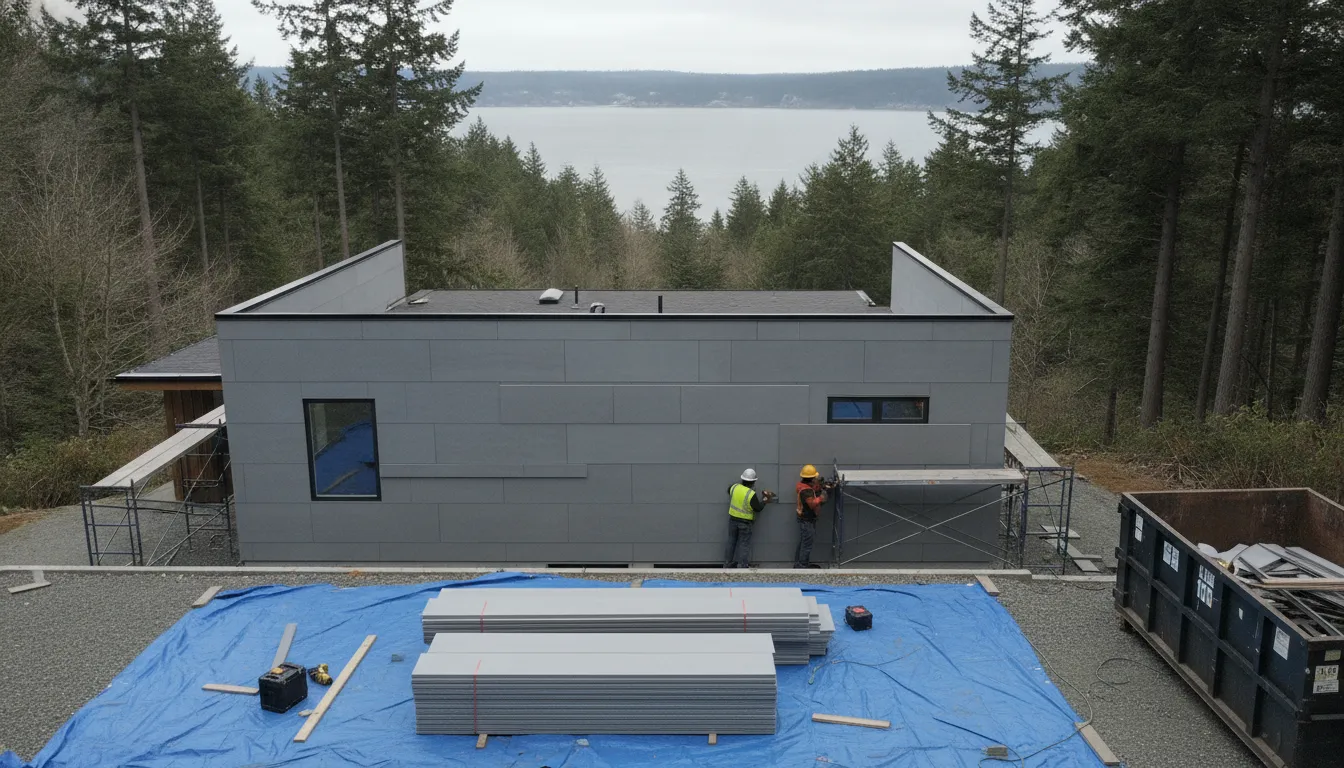
Tue Jun 16The cost of siding installation in the Puget Sound area is rarely a simple square-foot number. Material, home size, tear-off needs, wall condition, trim details, and moisture protection all shape the final estimate. For Washington homes, the better question is whether the bid includes the work needed to protect the house from rain, rot, and long-term water intrusion.
Ready to request a siding estimate for your Puget Sound home? Contact Landmark Roofing & Siding today.
Landmark Roofing & Siding works with homeowners across Redmond, Bellevue, Kirkland, Seattle, Sammamish, Issaquah, Renton, Bothell, Woodinville, Kenmore, Shoreline, Lynnwood, Edmonds, and Mukilteo. The team also serves Everett, Snohomish, Duvall, Carnation, North Bend, Snoqualmie, Maple Valley, Covington, Enumclaw, Puyallup, Tacoma, Gig Harbor, and nearby Puget Sound communities. This guide explains what affects siding cost, how to compare materials, and how to read a contractor proposal before you approve the project. If you are comparing exterior updates, Landmark’s siding services page is a useful next step for project planning.
Quick answer: The cost of siding installation can range widely because every home has a different surface area, tear-off condition, access challenge, and material choice. Vinyl often has the lowest upfront price, while fiber cement, engineered wood, cedar, and premium details usually cost more. A useful estimate should separate materials, labor, removal, moisture management, trim, repairs, disposal, permits, and warranty terms.
If you are planning a siding project, start with the parts of the job that appear on a complete estimate.
For homeowners in Redmond, working with a siding contractor in Redmond ensures the estimate reflects local labor rates and building requirements.
What does the cost of siding installation include?
A siding estimate should cover more than the visible panels on the outside of the house. The total cost of siding installation usually includes the siding material, fasteners. House wrap or moisture barrier, flashing, trim, corner boards, caulking, labor, old siding removal, disposal, and cleanup. If the proposal skips these items, it may be hard to compare it against another bid.
Materials and fasteners
Material cost changes with the type of siding, the profile, the finish, and the amount of waste created by the home shape. A simple rectangular wall uses material more efficiently than a home with many gables, bump-outs, windows, and architectural details. Fasteners also matter because exterior products need to be installed according to the manufacturer instructions.
Labor and project complexity
Labor often becomes a major part of the final price. Multi-story walls, steep grades, tight side yards, decks, shrubs, and limited staging space can add time. Homes in dense neighborhoods of Seattle, Kirkland, Bellevue, or Edmonds may require more careful access planning than a home with wide open space around it.
Tear-off and disposal
Removing old siding takes time and creates debris. Some homes have multiple layers or older trim details that slow down the work. Disposal costs should be included clearly so you know whether the contractor is handling cleanup and hauling.
Water management details
In western Washington, water management is not optional. A proper siding project should account for house wrap, flashing, drainage details, and transitions around windows, doors, decks, and rooflines. These details may not be exciting, but they are a key reason one bid can cost more than another.
Typical siding installation price ranges by material
Short answer: Siding material usually moves a project from lower-cost vinyl to mid-range engineered wood or fiber cement, then higher-cost cedar or premium detailing. The right choice depends on budget, maintenance expectations, curb appeal goals, and how well the product fits wet Puget Sound conditions.
Material choice is one of the easiest cost drivers to understand. It affects the upfront price, expected maintenance, appearance, and long-term durability. The best option depends on your budget, the age of the home, neighborhood expectations, and how much maintenance you want to take on.
| Material. | Relative cost. | Best fit. | Care level. |
|---|---|---|---|
| Vinyl. | Lower. | Budget-conscious replacement. | Low. |
| Fiber cement. | Mid to higher. | Durable Puget Sound exteriors. | Moderate. |
| Engineered wood. | Mid-range. | Wood-look curb appeal. | Moderate. |
| Cedar or natural wood. | Higher. | Premium appearance. | High. |
Vinyl siding
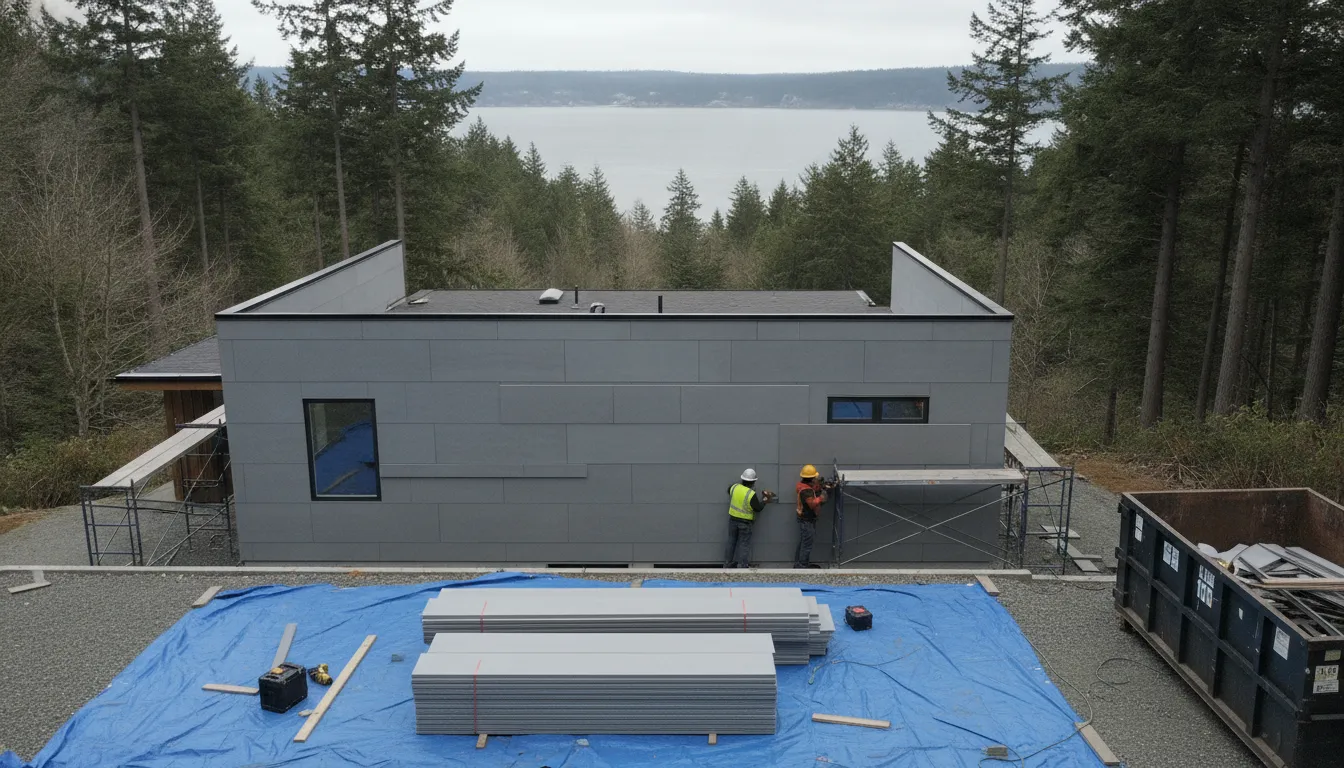
Vinyl is often chosen for its lower upfront cost and simple maintenance. It can be a practical choice when the existing wall system is in good shape and the homeowner wants a straightforward replacement. The tradeoff is that it may not provide the same premium look or impact resistance as higher-end options.
Fiber cement siding
Fiber cement is popular in the Puget Sound area because it handles wet weather well when installed correctly. Many homeowners compare fiber cement when they want a stronger exterior and a more substantial appearance. Landmark also has a detailed resource on Hardie siding costs for readers who want to explore that material more deeply.
Engineered wood and cedar
Engineered wood can offer a warm look with factory finishes and a lower maintenance profile than natural cedar. Homeowners in Eastside communities can also compare Bellevue siding services to get a complete picture of pricing and available materials. Cedar remains attractive for certain homes, but it usually needs more ongoing care. If your priority is long-term simplicity, ask how each material performs in damp conditions and how often it may need repainting, sealing, or repair.
Why can Puget Sound siding projects cost more?
Short answer: Puget Sound siding projects can cost more because wet weather exposes weak flashing, hidden rot, soft sheathing, and drainage problems. A complete estimate should account for moisture barriers, wall repairs, staging access, and careful transitions around windows, doors, decks, and rooflines.
Puget Sound siding projects often involve more than a basic cosmetic update. Homes in Redmond, Bellevue, Kirkland, Seattle, Sammamish, Issaquah, Bothell, and Woodinville face long wet seasons. That means contractors need to pay attention to moisture movement, flashing, rot repair, and installation sequencing.
Rain exposure and drainage
Rain can get behind siding through failed caulk, poor flashing, old penetrations, and gaps around windows or doors. A better siding project gives that moisture a path to drain and dry. This is why a low bid that ignores the wall assembly can become expensive later.
Rot and sheathing repair
Old siding can hide soft sheathing, damaged trim, or framing issues. A contractor may not know the full repair scope until removal starts. Good proposals explain how repairs are priced if hidden damage is found. That protects both the homeowner and the crew from surprises.
Window and roofline transitions
Water often enters at transitions, not in the middle of a plain wall. Windows, doors, roof-to-wall areas, deck connections, and trim returns need careful flashing. If your siding project includes aging windows, compare the scope with Landmark’s window replacement services so the exterior envelope is planned as one system.
Permits and access
Permitting needs vary by city and scope. Site access also matters. A home in a tight Seattle lot, a sloped Kirkland property, or a wooded Sammamish setting may require different staging than a wide driveway in Puyallup or Tacoma. Those logistics affect labor time and scheduling.
How do you estimate your siding installation budget?
Short answer: Estimate your siding budget by gathering home measurements, documenting current siding damage. Choosing a material tier, and asking contractors to separate removal, repairs, trim, flashing, cleanup, and warranty details. A site visit is still needed for an accurate project-specific number.
You can build a practical budget before you request a professional quote. The goal is not to replace an on-site estimate. It is to understand the variables that move the number so you can ask better questions and compare bids on equal terms.
- Estimate the siding area. Gather the home square footage, number of stories, and photos of each elevation. A contractor will still measure, but this helps you discuss scale.
- Identify the current siding condition. Note soft spots, peeling paint, swelling, gaps, loose boards, or areas where water appears to enter.
- Choose a material tier. Decide whether you are comparing vinyl, fiber cement, engineered wood, cedar, or another option. Do not compare bids unless the material scope is similar.
- Account for trim and repairs. Ask whether window trim, corner boards, fascia transitions, and sheathing repairs are included or priced separately.
- Request a complete site-specific quote. A contractor should inspect the walls, discuss moisture protection, explain disposal, and document warranty coverage.
Want a site-specific number instead of a rough online range? Request a siding consultation with Landmark.
This process gives you a cleaner conversation with each contractor. It also helps you avoid choosing a low number that leaves out important details.
When is siding replacement worth the investment?
Short answer: Siding replacement is worth considering when damage is widespread, water keeps getting behind the exterior, or repeated repairs no longer solve the problem. New siding can protect the wall system, improve curb appeal, and coordinate with roofing, gutters, windows, and trim.
Siding replacement is often worth considering when the current exterior is no longer protecting the home. Repeated small repairs can make sense for isolated damage. Full replacement becomes more practical when problems are widespread or the wall system is failing.
Signs the old siding is costing you
Watch for rot, warping, cracking, loose boards, swollen panels, bubbling paint, interior moisture stains, musty smells, and recurring caulk failures. These symptoms can point to deeper water problems. If repairs keep returning in the same areas, replacement may offer a more stable long-term solution.
Energy and resale considerations
New siding can improve curb appeal and may create an opportunity to improve insulation or air sealing details. It can also help a home look more current before a sale. The value depends on material, installation quality, market conditions, and the condition of the rest of the exterior.
Protecting other exterior systems
Siding works with roofing, gutters, windows, and trim. If one system fails, water can move into another. Landmark’s experience across roofing and siding can help homeowners look at the full envelope instead of treating each exterior problem as separate.
What should you ask before comparing siding bids?
Comparing siding bids only works when each proposal covers the same scope. A lower number may be a better value, or it may simply leave out tear-off, repairs, trim, permits, or cleanup. Ask direct questions before choosing a contractor.
Scope questions
- Does the bid include old siding removal and disposal?
- What material, profile, and finish are included?
- Are house wrap, flashing, trim, and caulking included?
- How are hidden rot or sheathing repairs handled?
- Does the proposal include permits if they are required?
Warranty and workmanship questions
Ask what warranty comes from the manufacturer and what warranty comes from the installer. Also ask how the crew protects landscaping, manages weather delays, and cleans the site. A clear proposal should help you understand the project from tear-off through final walkthrough.
You can also review Landmark’s siding replacement process to see how a complete project should be planned.
How can you keep siding costs under control?
Short answer: Keep siding costs under control by defining the scope early, comparing the same material and repair assumptions across bids, planning ahead, and protecting the water-management details. Cutting flashing, drainage, or repairs can lower the bid but raise long-term risk.
Cost control starts with scope clarity. Choose the material that fits your goals, but do not cut the parts that protect the wall from water. The cheapest project is not always the lowest lifetime cost if it skips flashing, drainage, or repair work.
Prioritize the highest-risk walls
If a full project is not possible right away, ask whether the most damaged walls should be handled first. South- and west-facing walls can age differently than shaded or protected areas. A contractor can help determine whether phased work makes sense.
Plan around timing
Busy seasons can affect scheduling. Planning early gives you more room to compare materials, choose colors, and avoid rushing into a decision. It also gives the crew more flexibility to work around wet weather.
Use financing carefully
Financing can help spread out a major exterior project. Landmark provides information about financing options for homeowners who want to protect the home now while managing cash flow. Review terms carefully and compare the monthly payment against the total project cost.
Why does a detailed siding estimate beat an online calculator?
Short answer: A detailed local estimate beats an online calculator because it reflects the real home, not a national average. It can account for wall condition, trim, flashing, access, disposal, repairs, permits, and the moisture details that affect Puget Sound siding projects.
Online calculators can help you frame a starting budget, but they cannot inspect your walls. They do not see soft sheathing, aging trim, failed flashing, steep access, or the way rain moves around a specific roofline. That is why a local estimate is more useful than a single national average.
A strong proposal should explain what is included and what may change after tear-off. It should also describe the material, the installation method, the cleanup plan, and the warranty. When those details are clear, you can compare bids with more confidence and avoid paying twice for missed work.
Frequently asked questions about siding installation cost
What is the biggest factor in the cost of siding installation?
The biggest factors are home size, material choice, labor complexity, tear-off needs, and hidden wall repairs. In the Puget Sound area, moisture protection and rot repair can also change the final price.
Is fiber cement siding worth the higher upfront cost?
Fiber cement can be worth it for homeowners who want a durable exterior that performs well in wet weather when installed correctly. It usually costs more than vinyl, but many Washington homeowners prefer its appearance and strength.
Can I compare siding bids by price per square foot?
Price per square foot can be a starting point, but it does not tell the full story. Compare removal, repairs, trim, flashing, permits, cleanup, warranty, and material specifications before choosing a bid.
How do I know if my siding needs repair or replacement?
Repair may work for isolated damage. Replacement is more likely when rot, warping, leaks, failed paint, or loose panels are widespread. A professional inspection can show whether the wall system is still sound.
Ready to request a siding installation estimate?
Waiting to fix worn siding can let rain reach sheathing, trim, and framing during wet Puget Sound weather. Landmark Roofing & Siding can inspect your home, explain material options, and help you compare a complete siding scope instead of guessing from a generic online range.
Ready to request a siding installation estimate? Fill out our contact form to book your site visit with our team.