
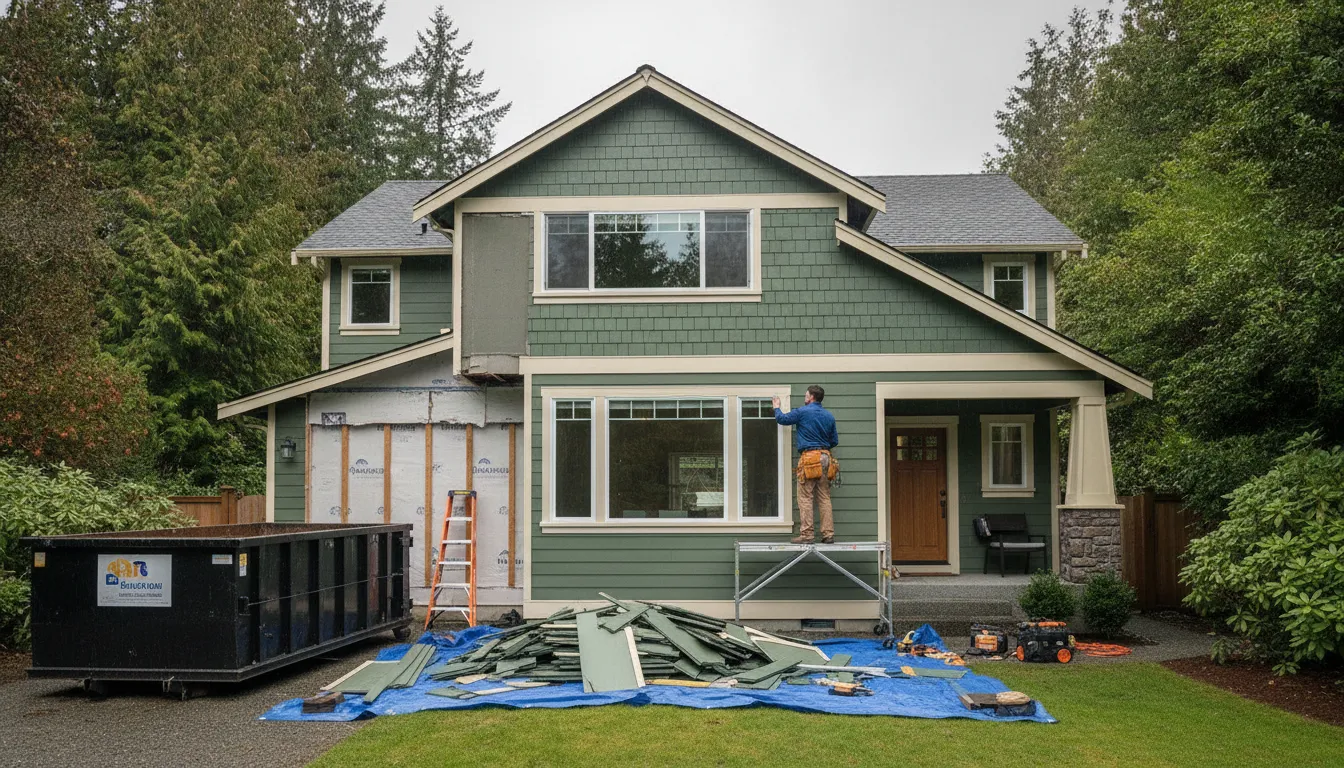
Date
Mon Jun 15If you are asking for a siding replacement estimate, you are likely trying to answer two questions at once: what will this project cost. And what could make the final price change after a contractor sees the home? A good estimate does more than multiply square footage by a material price. It looks at the wall condition, trim, access, removal, moisture protection, and the level of finish you want for your property.
Ready for a site-specific number? Request a siding replacement estimate from Landmark Roofing & Siding.
A siding replacement estimate is a written price range or proposal that accounts for siding material. Labor, wall size, tear-off, trim, weather barrier work, repairs, access, and warranty details. Online calculators can help you plan a rough budget, but an in-person inspection is the only way to price hidden rot. Water damage, complex wall shapes, and Puget Sound moisture needs with confidence.
For homeowners in Redmond, Bellevue, Seattle, Kirkland, Sammamish, Tacoma, and nearby Puget Sound communities, the best estimate is clear, local, and specific. It should explain what is included, what is excluded, and which choices have the biggest impact on the final price. Start with the main cost drivers.
Siding replacement estimate: the main cost drivers
A siding replacement estimate starts with material and wall area, but those two items are only part of the picture. The final price also depends on how much old siding must come off, what the crew finds under it. How many corners and openings the home has, and how much weather protection the wall system needs.
Material selection
The siding product you choose has one of the clearest effects on cost. Vinyl can be a more budget-friendly option. Cedar can bring a classic Northwest look, but it needs more care over time. Fiber cement, including James Hardie products, is often chosen for a balance of durability, curb appeal, and lower routine upkeep.
The best choice is not always the lowest initial price. In the Puget Sound area, siding must handle rain, shade, moss-prone conditions, and long wet seasons. A higher-quality system may cost more at the start, but it can help protect the wall assembly and preserve the look of the home. Landmark’s residential siding team can help compare product fit during the estimate process.
Removal and wall condition
Old siding removal is a major line item. If the current siding is layered, damaged, or hard to remove, labor and disposal needs rise. Once the wall is open, the crew may also find soft sheathing, failed house wrap, old flashing mistakes, or trim damage that was not visible from the outside.
This is why a low bid can change later. A careful contractor will explain how hidden damage is handled before work begins. The estimate should state whether repairs are included, priced as allowances, or billed only if discovered. That clarity protects your budget and helps avoid rushed choices once the project is underway.
Access, trim, and detail work
Simple wall planes are faster to side than homes with tall elevations, decks, tight lot lines, dormers, many windows, or detailed trim. Access affects staging, safety gear, and labor time. Trim, corners, fascia, soffit tie-ins, and window details also add time because each piece must be cut, sealed, and flashed with care.
A good siding replacement estimate should show these details rather than hide them in one vague total. When the scope is clear, you can compare bids based on real value, not just the lowest number on the page.
How do materials change the final siding price?
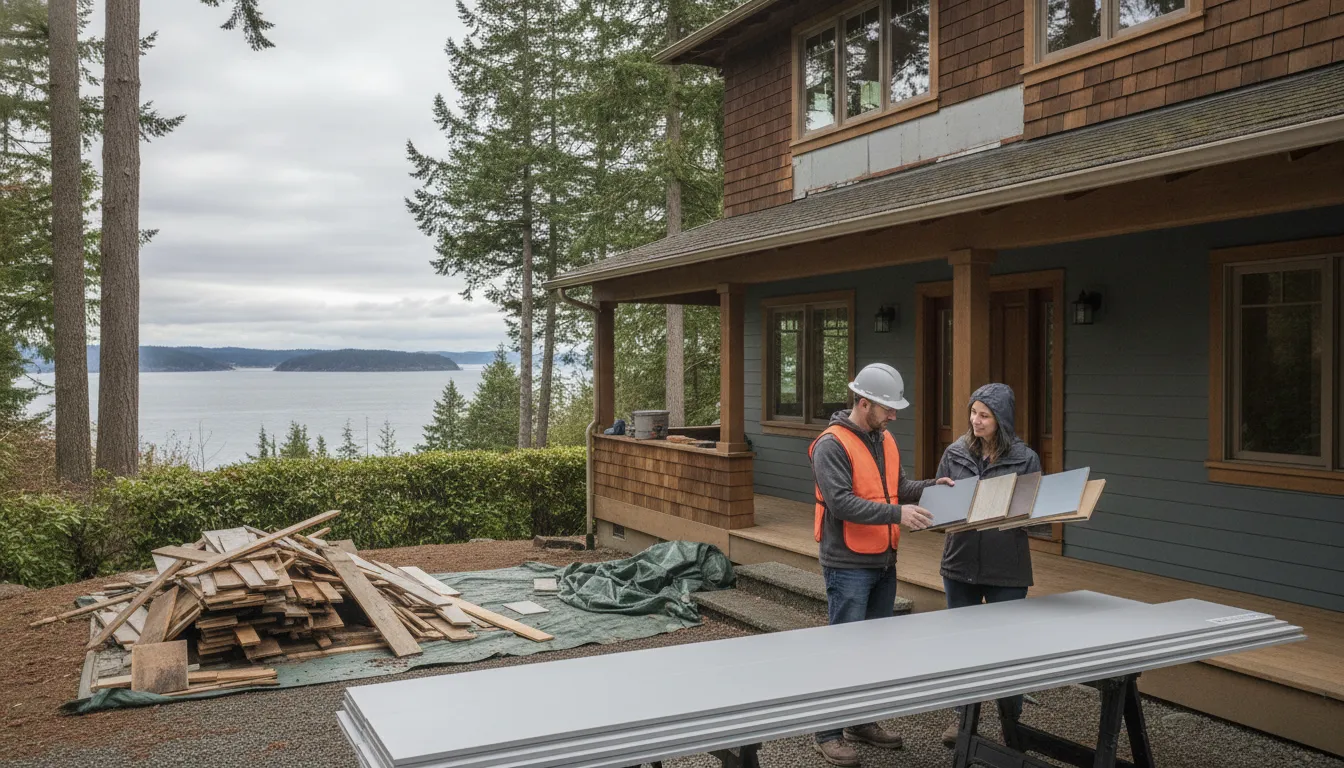
Material choice shapes the look, life span, maintenance needs, and labor plan for your siding project. Comparing options with a siding contractor in Bellevue helps you get accurate local pricing that reflects your home’s specific needs. It also affects the accessories needed to finish the job, including trim, fasteners, flashing, caulk, and weather barrier details. That is why two homes with the same wall area can receive very different estimates.
Common siding choices
Vinyl, cedar, and fiber cement each solve a different problem. Vinyl can fit a tighter budget and works well when the goal is a clean refresh. Cedar is valued for warmth and natural character, but it needs more upkeep. Fiber cement is a strong fit for many Washington homes because it gives a sturdy painted finish and resists many common exterior wear issues.
| Material | Estimate impact | Best fit | Planning note |
|---|---|---|---|
| Vinyl siding | Often lower upfront cost | Budget-focused refreshes | Review profile, color, and trim options carefully. |
| Cedar siding | Higher labor and upkeep needs | Homes that need a natural Northwest look | Plan for staining, sealing, and future care. |
| Fiber cement siding | Mid to higher upfront investment | Durable curb appeal in wet climates | Flashing, clearances, and paint details matter. |
Labor changes with the product
Some siding products are faster to install than others. Heavier materials may need more careful handling, more cuts, and tighter fastening rules. Cedar may need more finish work. Fiber cement requires correct clearances, flashing, and joint treatment. These steps are part of a sound installation, not optional extras.
That is why a quote should name the product, profile, finish, trim package, and warranty terms. If a proposal only says “new siding,” ask for more detail. A clear material list makes it easier to compare the price against the quality of the system.
Pairing siding with other exterior work
Siding replacement often overlaps with windows, exterior trim, gutters, and roofing edges. If you plan to replace windows soon, it may be smart to talk through timing before the siding crew starts. Coordinating work can reduce rework around openings and help the final exterior look more complete. Landmark also offers window services, which can be helpful when planning a larger exterior project.
Why is square footage only the starting point?
Square footage matters, but it is not the same as a final price. Many online tools ask for home size, then return a rough range. That can be useful for early planning, but the wall area, shape, waste factor. And site conditions matter more than the number of square feet listed in a real estate profile.
Wall area is not floor area
A 2,000 square foot home does not have 2,000 square feet of siding. Wall height, roof shape, garage walls, gables, dormers, and additions can raise or lower the amount of siding needed. A one-story home and a two-story home with the same living area can have very different siding needs.
This is why a contractor measures the exterior walls instead of relying only on floor area. The estimate should account for each wall plane, then adjust for waste, trim, and openings. Without that step, the price is just a guess.
Windows, doors, and corners slow the job
Openings reduce some panel area, but they add labor. Each window and door needs trim, flashing, sealing, and careful cuts. Corners, hose bibs, light fixtures, vents, decks, and cable penetrations also take time. These details are where water can get behind siding if the work is rushed.
- More windows mean more trim and flashing.
- More corners mean more cuts and finish pieces.
- Tall walls may need staging or lift access.
- Complex rooflines add detail work at transitions.
- Waste factor helps cover cuts, breakage, and layout needs.
Calculators cannot see hidden conditions
A calculator cannot inspect soft sheathing, failed building paper, loose trim, or old water damage. It also cannot see tight side yards, steep grades, or deck areas that limit crew access. Those conditions are often the difference between a basic price range and a real siding replacement estimate.
Use online ranges as a starting point, then request a site visit before making a final decision. A detailed inspection gives you a clearer scope and helps prevent budget surprises during tear-off.
What should a professional siding estimate include?
A professional estimate should be easy to read, specific, and complete enough to compare against other bids. It should also separate the core siding work from optional upgrades, allowances, and possible repairs. If a proposal is vague, ask questions before you sign.
Estimate checklist
- Site inspection. The contractor should inspect all elevations, wall transitions, trim, windows, doors, and areas where water may enter.
- Measured scope. The estimate should explain the wall area, material quantity, waste factor, and major assumptions used to price the project.
- Material details. Look for product type, profile, color, trim package, house wrap, flashing, fasteners, sealants, and finish details.
- Removal and disposal. The proposal should state whether old siding tear-off, hauling, and jobsite cleanup are included.
- Repair process. The estimate should explain how hidden rot, sheathing damage, or framing issues will be priced if found.
- Schedule and access needs. You should know the expected timeline, staging needs, and any owner tasks before work begins.
- Warranty and exclusions. The bid should define workmanship coverage, material warranty terms, and anything not included in the price.
Why detail protects your budget
A low number can look attractive, but it may leave out important work. Missing details around flashing, trim, wall repair, or disposal can create change orders later. A complete estimate lets you see what you are actually buying.
For property managers and HOAs, detail is even more important. Clear scope helps boards, owners, and tenants understand the work plan. It also creates a record for future maintenance. Landmark’s commercial siding services support larger properties that need clear planning and communication.
How to compare two bids
Do not compare siding bids by price alone. Compare the product, wall prep, flashing plan, warranty, crew process, and repair allowances. If one bid is much lower, it may be using a different scope. Ask each contractor to explain what could change the final price after work starts.
How Washington weather affects siding replacement estimates
Puget Sound siding has a tough job. Homes in Redmond, Kirkland, Seattle, Bellevue, and nearby communities face long wet seasons, shaded walls, wind-driven rain, and moss-friendly conditions. A siding estimate in this region should treat moisture control as a core part of the project, not a small add-on.
Moisture details matter
The siding panels are only the outer layer. Behind them, the wall system needs a sound weather barrier, correct flashing, and clean transitions around openings. If water gets behind the siding, it can damage trim, sheathing, and framing. That risk is higher when old siding has already failed.
A careful estimate should include time to inspect and protect these areas. It should also explain how the crew will handle windows, doors, penetrations, and trim joints. These details may not be exciting, but they are what help the new siding last.
Rot can change the scope
Rot is not always visible before tear-off. Paint, old boards, and trim can hide damage until the siding is removed. If the estimate does not explain how repairs are priced, you may be surprised when the project is open. Ask whether the bid includes a repair allowance or a clear unit price for common wall repairs.
This is also why the cheapest bid can be risky. A contractor who skips wall checks may cover a problem instead of fixing it. That can lead to higher costs later.
Scheduling around weather
Weather can affect project timing in Washington. Crews may need to protect exposed walls during rain, stage work in sections, and plan deliveries around site access. These steps can add time, but they help protect the home while work is in progress.
A strong estimate should set realistic expectations. It should explain how your home will be protected during the job and how the crew will keep the project moving safely when the weather shifts.
When should you repair, phase, or replace all siding?
Not every siding concern calls for a full replacement right away. Some homes need targeted repairs. Others can be phased by elevation. Many homes, especially those with widespread rot, old failing materials, or repeated water issues, are better served by a full siding replacement.
When repair may make sense
Repair can be a good fit when damage is small, isolated, and easy to match. A few cracked boards, loose trim pieces, or a localized leak may not justify replacing every elevation. The key is making sure the problem is truly limited. If water has spread behind the siding, a small patch may only hide the issue.
When phased work can help
Phasing can help homeowners, HOAs, and property managers manage budget and disruption. A building may start with the most exposed elevation, then plan the remaining sides later. This approach works best when the scope is documented clearly, materials will still be available, and transitions between old and new siding are planned with care.
When full replacement is the better value
Full replacement may be the better choice when siding failure is widespread, trim is worn throughout, or multiple walls show water damage. It can also make sense when you want a consistent exterior look, a stronger warranty path, or a full upgrade to fiber cement, cedar, or another long-term product.
If you are unsure which path fits your home, start with an inspection. Landmark can review the current siding, explain the risk areas, and help you decide whether repair, phased work, or full replacement gives the best long-term value. You can also review the warranty information as you compare options.
Ready to compare your siding options with a local exterior team? Request a detailed siding estimate from Landmark.
Frequently asked questions about siding replacement estimates
How much does it cost to replace siding on a 2,000 square foot house?
A 2,000 square foot home can fall into a wide range because floor area is not the same as wall area. Material, stories, wall shape, tear-off, repairs, and trim details all matter. Use online ranges only for early planning, then request an on-site estimate for a real project number.
How much siding do I need for a 1,500 square foot house?
A contractor must measure exterior wall area, not just the home’s floor area. Gables, dormers, attached garages, and wall height can change the amount of siding needed. Most estimates also include a waste factor for cuts around windows, doors, and corners.
Is Hardie Board more expensive than vinyl siding?
James Hardie fiber cement is often a higher upfront investment than basic vinyl. The added cost can reflect material weight, installation rules, trim details, and long-term durability goals. Many Puget Sound homeowners choose it for a sturdy painted look and strong exterior performance.
Why do siding estimates vary so much?
Siding estimates vary because contractors may include different products, prep steps, flashing details, repair allowances, warranty terms, and cleanup. One bid may include tear-off and moisture work while another may not. Ask each contractor to explain the scope line by line.
Request a siding replacement estimate from Landmark
A useful siding replacement estimate should give you more than a number. It should explain the material choices, wall condition, moisture details, repair risks, and project scope behind that number. Landmark Roofing & Siding brings local Puget Sound experience to residential, HOA, property management, and commercial exterior projects.
Request your siding replacement estimate or call 1-855-908-7663 to talk with the Landmark team about your home or property.