
Date
Tue Mar 24That small leak in your roof is a warning sign for a much bigger, more expensive problem. Water damage doesn’t wait. It soaks insulation, rots your home’s wooden frame, and creates the perfect environment for mold. Suddenly, a simple repair becomes a massive restoration project. An emergency roof tarp is your most critical first step. This proactive measure stops water intrusion immediately, preventing catastrophic secondary damage. Think of emergency roof tarping as a smart investment—it contains the problem right away, keeping your long-term repair costs manageable and protecting your home.
Key Takeaways
- Tarping is a critical first step: An emergency tarp acts as a temporary shield for your home, immediately stopping water damage and preventing small problems from turning into expensive structural repairs.
- Hire the right team for the job: Don’t just hire the first company you find. Verify they are licensed and insured, have a quick response time, and use high-quality materials to ensure your home is properly protected and your insurance claim is supported.
- Know that insurance often covers it: The cost of professional tarping depends on the damage size and urgency, but don’t let that stop you. Most homeowner’s insurance policies cover this service as a necessary step to prevent further damage, so document everything for your claim.
What Exactly Is an Emergency Roof Tarp Service?
Think of an emergency roof tarp service as a first-aid kit for your home. When your roof suffers unexpected damage from a storm, a fallen tree, or another incident, it’s left vulnerable to the elements. An emergency tarp is a heavy-duty, waterproof covering that professionals install over the damaged area. It acts as a temporary bandage, providing a crucial layer of protection to keep rain, wind, and debris out of your home.
This service isn’t a permanent fix, but it’s an essential first step. It effectively stops the damage from getting worse, preventing water from seeping into your attic, insulation, and walls. By securing a tarp over the breach, you buy yourself valuable time to assess the situation, contact your insurance company, and schedule a proper residential roofing repair or replacement without the stress of an active leak. It’s a quick, effective way to protect your home and belongings until a lasting solution can be put in place.
How to Identify Roof Damage
After a major storm or even just as part of your regular home maintenance, it’s smart to know what to look for. You don’t have to be a roofing expert to spot the early warning signs of damage. Catching a problem early can save you a lot of stress and money down the road. The key is to know where to look and what to listen for. Always prioritize your safety; if you suspect significant damage, it’s best to call for a professional inspection rather than getting on the roof yourself. Many initial checks can be done safely from the ground or inside your home.
Visible Signs of a Problem
Your eyes are your best tool for a preliminary roof check. Start by walking around your property and looking up. Do you see any shingles that are missing, cracked, or curled at the edges? Check your gutters and downspouts for an accumulation of asphalt granules—this is a sign that your shingles are aging and losing their protective layer. Also, look for any areas where the roofline appears to be sagging or drooping, as this could indicate a serious structural issue. Don’t forget to head up to your attic during the day. If you can see any daylight peeking through the roof boards or notice any dark water stains on the wood, you have an active leak that needs immediate attention.
Sounds to Listen For During a Storm
Sometimes, you can hear roof damage before you can see it. During the next heavy rain or windstorm, pay close attention to any new or unusual sounds coming from your ceiling or attic. While your house will make some noise, you should be alert for distinct dripping, creaking, or popping sounds that aren’t normal. A faint, consistent drip could mean water is getting through your roof and soaking into your insulation or ceiling drywall. Loud creaks or groans during high winds might suggest that roofing components have loosened. These auditory cues are your home’s way of telling you something is wrong, signaling that it’s time to investigate further once the storm has passed.
When Should You Call for an Emergency Roof Tarp?
You should call for an emergency roof tarp as soon as you notice significant damage. Don’t wait for a small problem to become a major disaster. If you see missing shingles, punctures from hail, or holes from a fallen branch, it’s time to make the call. Any opening in your roof is an invitation for water damage, which can quickly lead to mold, rotted wood, and compromised structural integrity. Acting fast helps stabilize the structure and prevents further deterioration. If you can see daylight through your attic ceiling or notice active leaks during a storm, a professional tarping service is your best immediate defense.
The Emergency Tarping Process, Step by Step
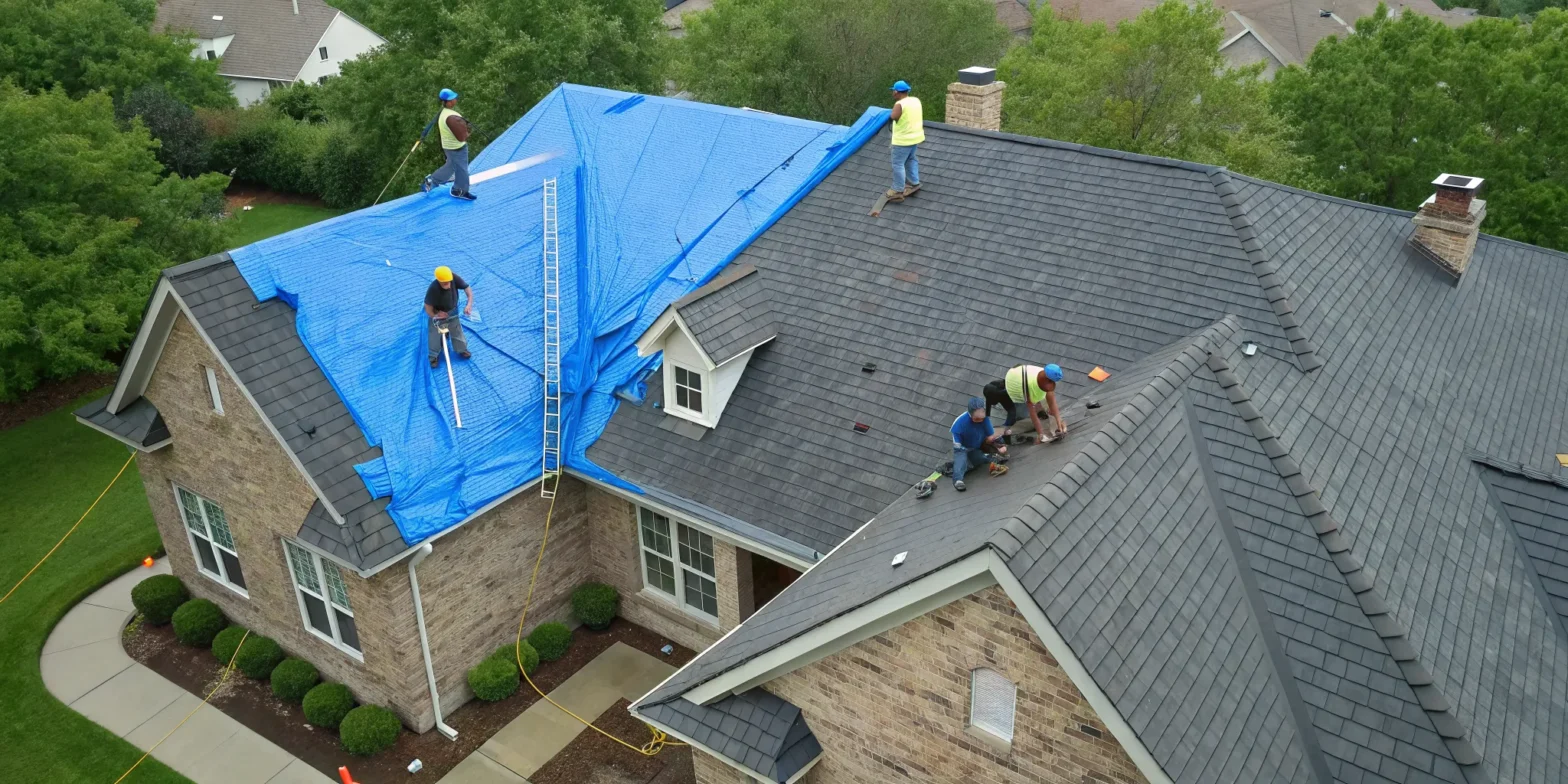
When you call for an emergency tarping service, a professional team will first conduct a safety assessment of the roof. Working on a damaged roof can be dangerous, so they take precautions to ensure the structure is stable enough to walk on. Next, they will clear any loose debris from the damaged area and measure it to determine the right size for the tarp. The team will then lay the tarp flat, making sure it extends several feet past the damage on all sides. Finally, they secure it tightly with wooden planks or furring strips and specialized fasteners to create a watertight seal that can withstand wind and rain until permanent repairs are made.
Common Causes of Sudden Roof Damage
The need for emergency tarping often arises suddenly and without warning. Severe weather is the most common culprit, with high winds tearing off shingles and hail creating punctures. Fallen trees or large branches are another frequent cause, as their weight can easily break through the roof deck. You might also need a tarp after a fire damages your roof structure or if you discover extensive leaks from old, failing materials. Many homeowners believe tarping is an optional step, but failing to cover exposed areas when needed almost always leads to more significant and costly interior damage. It’s a critical measure for any commercial property or home with a compromised roof.
Safety First: Critical Guidelines for Homeowners
Immediate Steps for Major Structural Damage
If you’re dealing with major structural damage—like a tree crashing through your roof or a significant collapse—your first and only priority is to get everyone out of the house immediately. Don’t stop to grab belongings. Just ensure your family and pets are safely outside and away from the structure. A damaged roof can compromise the integrity of your entire home, creating a serious risk of further collapse or falling debris. It’s a terrifying situation, but your personal safety is paramount. Once everyone is accounted for and in a safe spot, you can then call for professional help. Remember, possessions can be replaced, but people can’t.
Personal Safety Around a Damaged Roof
Once you’ve assessed the immediate danger and ensured everyone is safe, your next instinct might be to inspect the damage yourself. Please resist this urge. Never climb onto a damaged roof or even use a ladder to get a closer look. The surface can be incredibly unstable, wet, and slippery, creating a severe fall risk. Professionals have the safety equipment and training to assess the situation without getting hurt. Your job is to stay on the ground and call a trusted, insured residential roofing contractor. They can handle the dangerous part, allowing you to focus on the next steps, like contacting your insurance provider.
Electrical Hazards and Other Dangers
The risks aren’t always as obvious as a gaping hole. Water from a roof leak can easily come into contact with your home’s electrical wiring, creating a serious shock or fire hazard. Be extremely cautious around any wet areas, especially near outlets or light fixtures. If you see fallen power lines near your home, stay far away and contact your utility company immediately. Inside, pay close attention to your ceilings. If you notice any sagging or bulging, do not enter that room. It’s a clear sign that the ceiling is saturated with water and could collapse at any moment.
Why Emergency Roof Tarping Is a Non-Negotiable First Step
When a storm hits or a tree branch falls, the damage to your roof can feel overwhelming. While your first thought might be about a full repair, the most critical immediate step is often emergency tarping. Think of it as first aid for your home. This temporary solution is a heavy-duty, waterproof barrier placed over the damaged area to prevent the situation from getting worse.
Acting quickly is key. A small leak can escalate into a major issue, causing damage far beyond the initial hole in your roof. Tarping protects your home’s structure, your belongings, and your peace of mind while you arrange for a permanent residential roofing solution. It’s a proactive measure that bridges the gap between the incident and the repair, ensuring your home stays safe and dry. Ignoring this step can lead to more complex and costly problems, turning a manageable repair into a massive restoration project.
Stop Leaks and Prevent Further Water Damage
The most immediate threat from a damaged roof is water intrusion. Emergency roof tarping provides a quick and effective shield, covering the exposed areas to stop rain from seeping into your home. Once water gets past your roof, it can saturate your attic insulation, soak into drywall, and compromise your home’s electrical systems. This moisture can lead to stained ceilings and walls, warped wood framing, and a host of other structural problems. A professionally installed tarp is your best defense against this cascade of damage, keeping the elements outside where they belong.
Protect Your Wallet from Costly Future Repairs
Spending a little on an emergency tarp now can save you a lot on repairs later. It’s best to get a tarp on your roof within 24 to 48 hours of the damage. This swift action can significantly reduce your final repair bill by preventing secondary issues like mold growth, which thrives in damp, dark spaces like attics. Mold remediation alone can be an expensive and complicated process. By immediately covering the damage, you contain the problem and stop it from spreading, making the eventual roof repair more straightforward and less costly.
Safeguard Your Home and Everything Inside
A hole in your roof puts everything inside your home at risk. Water doesn’t just damage the structure; it can ruin your personal belongings. Furniture, electronics, carpets, and irreplaceable items like family photos and heirlooms are all vulnerable to water damage. An emergency tarp protects the contents of your home, giving you crucial time to plan for repairs without worrying about your possessions. It’s a vital step in safeguarding what matters most to you from further harm after a storm or accident has already struck.
Satisfy Your Homeowner’s Insurance Policy
If you plan on filing a homeowner’s insurance claim, emergency tarping is not just a good idea, it’s often a requirement. Most insurance policies include a clause that requires you to “mitigate damages,” which means you must take reasonable steps to prevent the problem from getting worse. Placing a tarp over the damaged area shows your insurance provider that you are being responsible and proactive. Failing to do so could result in your claim being denied for any subsequent damage that occurred after the initial incident, leaving you to cover the costs yourself.
How to Choose the Right Emergency Tarping Service
When your roof is damaged, you’re under a lot of pressure to act fast. The last thing you want is more stress from choosing the wrong company for the job. A hasty decision can lead to improper installation, further damage, or even issues with your insurance claim. Taking a few moments to vet your options will ensure your home is protected properly until permanent repairs can be made. Think of it as a crucial first step in the recovery process. A reliable company like Landmark Roofing & Siding will not only respond quickly but will also have the expertise to secure your home correctly, giving you peace of mind when you need it most.
First Things First: Check for Licensing and Insurance
Before you let anyone on your roof, make sure they are properly licensed and insured. This isn’t just a formality; it’s a critical layer of protection for you as a homeowner. A valid license shows that the contractor meets local and state standards for roofing work. More importantly, adequate insurance, including liability and worker’s compensation, covers any accidents that might happen on your property. Without it, you could be held financially responsible for injuries or property damage. Don’t be afraid to ask for proof of both. A professional company will have these documents ready and will be happy to provide them.
Does Response Time Matter? (Yes, It’s Crucial)
In a roofing emergency, time is of the essence. Every hour you wait with an exposed roof is another hour that water can seep into your home, damaging insulation, drywall, and personal belongings. When you call for help, one of the first questions you should ask is about their estimated arrival time. A local company with a dedicated emergency team will be able to respond much faster. They should promise to arrive quickly and install heavy-duty tarps professionally to stop the damage in its tracks. A swift response is the key to minimizing the long-term impact on your home and your wallet.
Ask About Their Experience with Your Specific Roof
Not all roofs are created equal, and the method for tarping a steep metal roof is very different from securing a flat composition one. It’s important to choose a service that has direct experience with your specific type of roof. An inexperienced crew could accidentally cause more damage by using the wrong anchoring techniques or walking on fragile materials. Ask the company if they have worked on roofs like yours before. A team that handles a variety of residential roofing materials, from cedar shake to DaVinci Roofscapes, will have the knowledge to apply a temporary tarp safely and effectively, ensuring it holds up until a permanent fix is possible.
Inquire About Their Tarp Quality and Equipment
The quality of the tarp and the hardware used to secure it are just as important as the team installing it. A flimsy, thin tarp from a hardware store simply won’t stand up to the wind and rain we often see in the Puget Sound region. A professional service will use thick, heavy-duty, waterproof tarps designed for this exact purpose. Ask what kind of materials they use and how they plan to attach the tarp to your roof. They should use methods that minimize new holes, like securing the tarp with wooden battens and screws sealed with rubber washers, to create a watertight barrier that protects your home.
Tarp Materials: What Professionals Use
When you picture a roof tarp, you probably think of the thin, blue plastic sheets you can grab at any hardware store. While those are fine for covering a woodpile, they are not what a professional will use on your roof. A reputable service uses heavy-duty, UV-resistant tarps that are significantly thicker—often 16 to 20 mil—and designed to endure weeks or even months of wind and rain. These materials are engineered to resist tearing and degradation from sun exposure, providing a reliable barrier against the elements. Choosing a company that invests in high-quality materials ensures your temporary fix is strong enough to protect your home until a permanent roofing solution is in place.
Proper Installation Techniques to Avoid More Damage
The way a tarp is installed is just as critical as the material itself. A common mistake is to nail or staple the tarp directly to the shingles, which actually creates more holes and can lead to new leaks. Professionals use a method that protects your roof’s integrity. After a safety check, they lay the tarp so it extends several feet beyond the damaged area on all sides, creating a generous overlap. Then, they secure it by wrapping the edges around wooden planks (or furring strips) and fastening those planks to the roof. This technique distributes the tension, creates a watertight seal, and prevents the wind from getting underneath, all without causing additional damage that could complicate your future repairs or insurance claim.
Look for Professional Certifications
Beyond basic licensing, look for a company that holds professional certifications from roofing manufacturers. These credentials show that the team has received specialized training and is recognized for their expertise in installing specific materials. A certified contractor is up-to-date on the latest industry standards and installation techniques, which is crucial for ensuring your temporary tarp—and eventual repair—is done correctly. This is especially important if you have a unique roof made of materials like cedar shake or metal. A company that invests in these certifications demonstrates a commitment to quality and craftsmanship, giving you confidence that your home is in capable hands.
Ask About Additional Emergency Services
The company you hire for emergency tarping is often your first partner in the recovery process, so it’s wise to ask what other services they offer. A reputable contractor should be able to do more than just cover the damage. Ask if they can provide a detailed damage assessment for your insurance claim or if they can handle the permanent roof repair or replacement once the storm passes. Choosing a full-service company simplifies the entire process, giving you a single, trusted point of contact from the initial emergency call to the final inspection. This continuity ensures a smoother experience and helps you get your home back to normal more quickly.
What to Expect When You Call for an Emergency Roof Tarp
When your roof is suddenly damaged, knowing what happens next can bring a sense of calm to a chaotic situation. Calling a professional for an emergency tarping service is the critical first step, but what does that process actually look like? From the moment the team arrives, their focus is on safely securing your property to prevent any further harm. The process involves a careful assessment of the damage, a secure and professional installation of the tarp, and clear communication about timelines. Understanding these steps helps you know what to expect and how to prepare your home for their arrival.
The Initial Call: Safety and Damage Assessment
The first thing a professional crew will do when they arrive is conduct a thorough safety and damage assessment. Before anyone steps onto your roof, they will evaluate the structural stability from the ground and, if safe, from inside your attic. This initial check helps them understand the full extent of the damage and identify any potential hazards. This professional evaluation is about more than just finding the leak; it’s about creating a safe work environment and ensuring the tarping strategy effectively stabilizes the structure against further damage until permanent repairs can be made.
Can You Tarp a Roof Yourself? Pro vs. DIY
While it might be tempting to try a quick fix yourself, emergency roof tarping is a job best left to professionals. A DIY approach can be dangerous and often ineffective. Professionals have the right safety equipment, training, and materials to secure a heavy tarp correctly, even in difficult conditions. An improperly installed tarp can easily be blown away by the wind or fail to keep water out, leading to more damage. Remember, tarping is a temporary solution designed to protect your home until a full roof repair or replacement can be scheduled. A professional installation ensures this temporary fix does its job properly.
How Long Will It Take? (And What About Weather?)
In an emergency, time is critical. The goal is always to get your roof tarped within 24 to 48 hours to minimize water damage and prevent issues like mold growth. However, safety is the top priority. If the storm that caused the damage is still active, with high winds, heavy rain, or lightning, the crew may need to wait for safer conditions. A reputable company will communicate clearly with you about any weather-related delays. While waiting can be stressful, it’s essential to ensure the team can work safely and effectively without putting themselves or your property at further risk.
How to Prepare Your Home Before the Team Arrives
You can take a few simple steps to help the tarping process go smoothly before the crew arrives. If it’s safe to do so, check your attic for signs of sagging or significant water intrusion. Take photos or videos of the damage, both inside and out, for your insurance claim. Taking these steps to protect your property can be crucial for your claim. Clear a path to the damaged area of your roof if possible, and make sure any pets are secured indoors. This preparation allows the team to get to work immediately and safely upon arrival.
Breaking Down the Cost of an Emergency Roof Tarp
When you’re dealing with a sudden roof leak, the last thing you want is a surprise bill. While it’s impossible to give a flat rate for emergency tarping, understanding the key factors that influence the price can help you know what to expect. The final cost is a combination of the damage’s extent, the materials needed, and the urgency of the situation. Think of it as a necessary, temporary fix that protects your home from much more expensive problems down the line.
Investing in a professional tarping service is one of the smartest first steps you can take after discovering damage. It secures your property, prevents water from seeping into your home’s structure, and gives you the breathing room you need to plan for a permanent residential roofing repair or replacement. A professional team can assess the situation and provide a clear estimate based on the specific variables of your job, ensuring there are no hidden fees.
Factor 1: The Size and Severity of Roof Damage
The most significant factor in determining the cost is the scale of the problem. A small patch for a few missing shingles will naturally cost less than covering a large section of your roof that was damaged by a fallen tree. As one industry expert notes, “The most obvious cost factor is the amount of roof surface that needs to be covered. Larger areas require more tarp material and labor time.” The complexity of your roof’s design, such as steep pitches or multiple valleys, can also add to the labor involved, which will be reflected in the final price.
Factor 2: Materials and Labor Costs
The cost of emergency tarping typically ranges from $1.00 to $2.80 per square foot, a price that includes both materials and labor. Professional roofers use heavy-duty, tear-resistant tarps designed to withstand harsh weather, which are far more durable than a standard blue tarp from a hardware store. The labor cost covers the expertise of the crew, who are trained to install the tarp securely and safely, often in challenging conditions. This ensures the tarp is properly anchored with wood battens to prevent wind from lifting it and causing further damage.
Factor 3: Urgency and Weather Conditions
When you need help immediately, especially outside of standard business hours or during a storm, you can expect to pay a premium. Emergency response time is a key factor that influences the cost. A call in the middle of a windy, rainy night requires a rapid dispatch and involves higher risks for the roofing crew. Safely working on a wet, slippery roof in poor weather demands extra precautions and expertise, which contributes to the overall cost of the service. This urgency fee ensures you get the immediate protection you need to prevent a bad situation from getting worse.
Understanding Emergency Service Fees
It’s helpful to know that an “emergency” service often comes with a premium, and for good reason. This isn’t an arbitrary charge; it reflects the immediate, often after-hours, nature of the work. A call during a stormy night involves a rapid dispatch and significantly higher risks for the crew working on a wet, slippery roof in poor weather. The emergency fee covers the specialized expertise and safety precautions required to handle these hazardous conditions. Think of it as the cost of having a skilled team ready to protect your home at a moment’s notice, preventing thousands in costly water damage, no matter the time or the weather.
Factor 4: What Your Insurance Will Cover
The good news is that your homeowner’s insurance policy likely covers emergency tarping. Most insurers see it as a crucial step in “loss mitigation,” meaning you’re taking reasonable action to prevent further damage, which saves them money in the long run. Emergency tarping can cost anywhere from $500 to over $1,500, but you may only be responsible for your deductible. Be sure to contact your insurance agent as soon as possible to report the damage and confirm your coverage. Always keep detailed records and receipts from the roofing company to submit with your claim.
After the Tarp Is On: Maintenance and Lifespan
You can finally breathe a sigh of relief. The tarp is on, the leak is stopped, and your home is protected from the elements. But it’s important to remember that a tarp is a temporary bandage, not a permanent cure. To ensure it continues to do its job effectively while you plan for a permanent repair, it needs a little bit of attention. Think of it as short-term aftercare. A few simple checks can make all the difference in keeping your home dry and secure, preventing any new issues from popping up before the professionals return to install a lasting solution.
How to Maintain Your Emergency Tarp
Maintaining your emergency tarp is straightforward, but it’s a crucial step. After it’s installed, you should visually inspect it from the ground every week and after any significant storm. Look for any signs of trouble, such as edges that have come loose, areas that are sagging, or places where water might be pooling. You’ll also want to keep an eye out for any new tears or punctures. If you notice leaves, branches, or other debris collecting on the tarp, it’s important to have them cleared away carefully. While these checks are simple, remember that a damaged roof is no place for a DIY inspection. If you see anything concerning, call the professionals who installed it to make adjustments.
How Long Will a Roof Tarp Last?
The lifespan of an emergency roof tarp depends almost entirely on the quality of the material and the installation. A professional service will use a heavy-duty tarp, typically at least 16-20 mil thick, to ensure it can stand up to the weather. A standard UV-treated polyethylene tarp, when installed correctly, can last anywhere from 10 to 30 days. For situations requiring a longer temporary solution, reinforced vinyl tarps are a better option, often lasting up to 90 days or more. This is why professional installation is so critical; it not only secures your home immediately but also ensures the temporary fix will hold strong until you’re ready for a permanent roof replacement.
From Temporary Tarp to Permanent Solution
With the immediate crisis handled, your focus can now shift from the temporary fix to the permanent solution. The tarp has bought you valuable time to make a thoughtful, unhurried decision about how to best restore your roof. This is the moment to weigh your options between a targeted repair and a full replacement. Several factors will influence this decision, from the extent of the damage to the age of your roof. Taking the time to understand these factors will help you make a smart, long-term investment in your home’s health and safety.
Planning for Permanent Repairs: The “25% Rule”
A helpful guideline many roofing professionals use is the “25% Rule.” The concept is simple: if the damage affects more than a quarter of your roof’s surface area, it’s generally more cost-effective to replace the entire roof rather than attempt a large-scale repair. Patching up widespread damage can be complex, and it often leads to a mismatched appearance. More importantly, a full replacement comes with a brand-new warranty covering the entire structure, giving you complete peace of mind. A repair, on the other hand, only guarantees the patched section. You can use a roofing cost calculator to get a preliminary idea of replacement costs in your area.
Factors to Consider Beyond the 25% Rule
While the 25% Rule is a great starting point, it’s not the only thing to consider. The age of your roof plays a huge role; if it’s already nearing the end of its expected lifespan, putting a lot of money into a repair might not be the wisest investment. The type of damage also matters. A single hole from a fallen branch is very different from widespread granule loss caused by a hailstorm. Finally, as one expert points out, local building codes may require you to bring the entire roof up to current standards if the damage is significant. A thorough inspection from an experienced team is the best way to get a clear recommendation tailored to your specific situation.
Are There Other Temporary Roofing Options?
For most homeowners facing an unexpected leak, a professionally installed, heavy-duty tarp is the fastest and most effective temporary solution. It’s the industry standard for emergency residential situations for a reason. However, it’s worth knowing that other types of temporary covers exist, though they are typically used in different contexts, such as on large-scale commercial projects or during new construction. These systems are often designed for long-term projects where a section of the building will be exposed to the elements for an extended period, rather than for an immediate emergency response.
Beyond Tarps: Other Temporary Covers
While you likely won’t need them for a typical storm damage scenario, other temporary roofing options are used to protect construction projects from bad weather. These can include systems like corrugated iron panels, which provide a rigid, durable cover, or shrink-wrap sheeting that creates a drum-tight, waterproof seal over a structure. Another option, often seen on large commercial builds, is a Keder roof, which is a modular system that can cover a massive area. While these are fascinating solutions, for a homeowner needing to stop a sudden leak, a high-quality tarp remains the most practical, accessible, and efficient choice to protect your home.
Related Articles
- Commercial Roofing Maintenance | How to Extend Roof Life
- A Homeowner’s Guide to Residential Roof Replacement – Landmark Roofing & Siding
- The Guide to Roof Replacement in Bellevue – Landmark Roofing & Siding
Frequently Asked Questions
Can I just put a tarp on my roof myself? While it might seem like a straightforward task, tarping your own roof can be dangerous and is often less effective than a professional job. Working on a damaged, potentially slippery roof requires specific safety equipment and training. Professionals also use high-grade, tear-resistant tarps and know how to anchor them correctly so they can withstand wind and rain, ensuring your home is actually protected.
How long will an emergency tarp last on my roof? A professionally installed tarp is a robust temporary fix, not a permanent solution. It’s designed to shield your home for weeks or even a few months, depending on the weather conditions. This gives you the necessary time to work with your insurance company and arrange for a proper, long-term roof repair or replacement without the stress of an active leak.
Will my homeowner’s insurance pay for an emergency tarp? Most homeowner’s insurance policies do cover the cost of emergency tarping. Insurers see it as a necessary step to “mitigate damages,” which means you are taking responsible action to prevent the problem from getting worse. This proactive step can save them (and you) a lot of money in the long run. Be sure to contact your insurance agent right away to confirm your coverage.
What if I need a tarp while a storm is still active? Safety is always the first priority. A professional crew will not work on a roof during dangerous conditions like high winds, lightning, or torrential rain. However, they will get you on their priority list and dispatch a team the very moment there is a safe window in the weather. They understand the urgency and will communicate with you about the timeline.
Won’t nailing a tarp down create more holes in my roof? This is a valid concern, but professionals use methods designed to minimize any new damage. Instead of just putting nails through the tarp, they typically secure it with wooden battens or planks. This technique distributes the force and creates a much more secure hold. The small screw holes are then easily sealed during the permanent roof repair.