
Date
Fri Dec 12Let’s talk numbers. Yes, the initial cost of seamless gutters is higher than the sectional kind you grab off the shelf. That price tag can make you pause. But what you’re really investing in is long-term peace of mind. These systems are custom-made for your home, meaning fewer leaks and a much longer lifespan. Before you can decide if it’s the right move, you need to understand the full picture. This guide breaks down the cost to install seamless gutters, exploring the price by material and explaining why paying more now saves you money and hassle later.
Key Takeaways
- Budget Beyond the Price Per Foot: Your final quote is a custom calculation based on your home’s specific needs; key factors include the material you choose, the total linear footage required, and the complexity of your roof’s shape.
- Think Long-Term to Save on Hassle: The primary benefit of seamless gutters is their durability. Their single-piece design drastically reduces the risk of leaks and clogs, leading to less maintenance and a longer lifespan than traditional sectional systems.
- A Quality Installation is Non-Negotiable: The effectiveness of your new gutters depends entirely on the installation. Critical details like correct sizing, a precise slope for drainage, and the right material choice are essential for protecting your home from water damage.
Seamless vs. Sectional Gutters: Which Is Better?
When you think about gutters, you probably picture a simple trough that catches rainwater. But how they’re made and installed can make a world of difference for your home’s protection and curb appeal. The two main players are traditional, or sectional, gutters and their modern counterpart, seamless gutters. Understanding the distinction is the first step in making a smart investment for your property’s exterior solutions. Choosing the right system helps protect everything from your roof to your foundation, so it’s worth getting to know your options before making a decision.
Why Homeowners Are Choosing Seamless Gutters
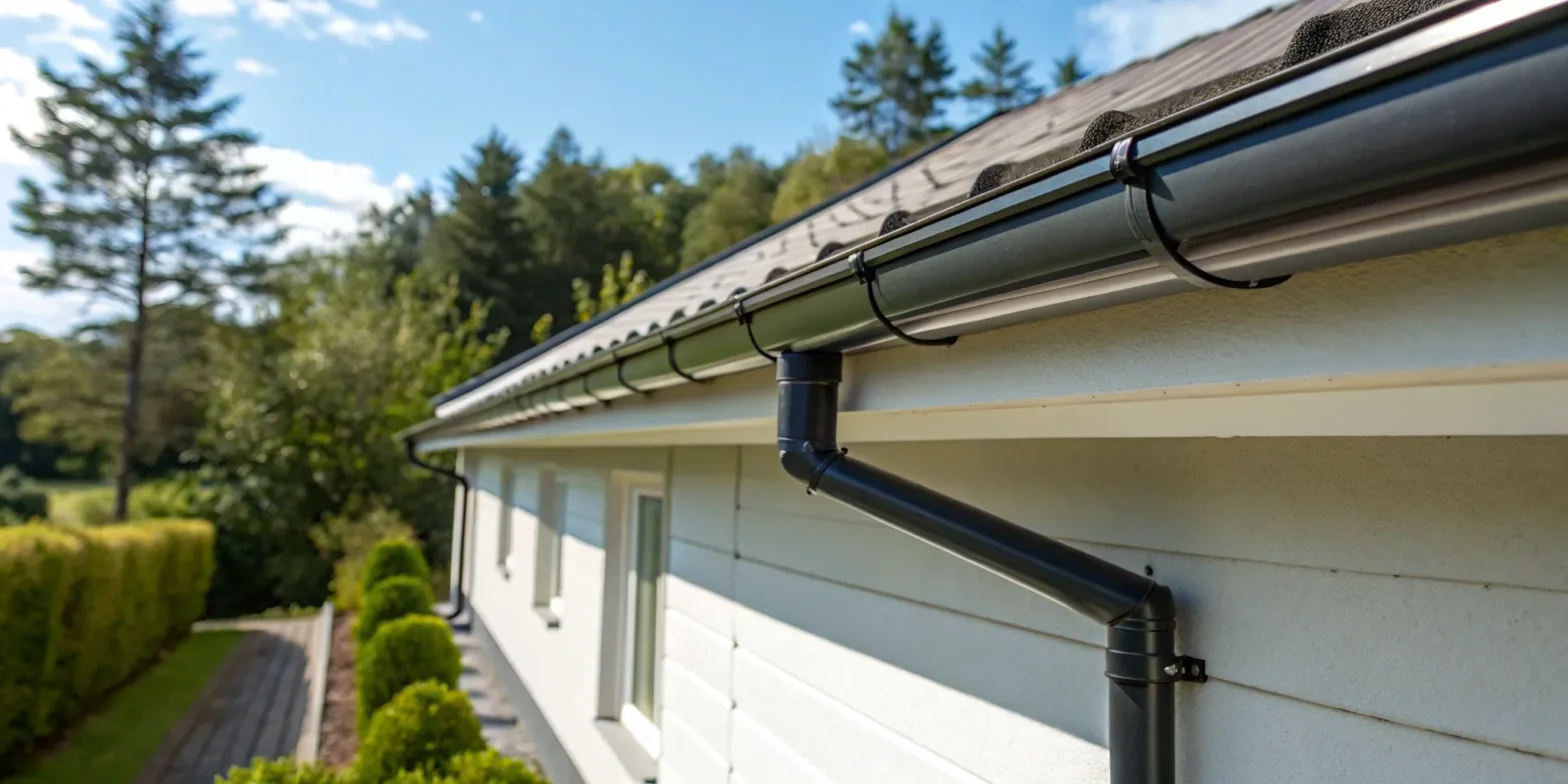
Seamless gutters are exactly what they sound like: one continuous piece of gutter, custom-made for your home. Unlike traditional gutters that come in pre-cut sections, seamless systems are manufactured right at the job site. A specialized machine shapes a long coil of metal into a gutter that perfectly matches your roofline’s exact measurements. This custom approach means they are made to complement your home’s design, layout, and color, creating a clean, polished look. Because they are tailored specifically for your house, you get a perfect fit that not only looks better but also functions more effectively from day one.
The Advantage of a Longer Warranty
One of the biggest perks of investing in seamless gutters is the extended warranty that often comes with them. Many manufacturers back their systems with warranties lasting 20 years or more, a significant jump from the shorter guarantees you see with sectional gutters. This isn’t just a number; it’s a direct reflection of the product’s durability. Seamless gutters are built to last longer and require fewer repairs because their single-piece design is better at withstanding the elements. That kind of confidence from the manufacturer speaks volumes about the quality you’re getting for your home.
This durability translates directly into long-term savings. The custom fabrication of seamless gutters means they are far less prone to the leaks and clogs that can lead to costly water damage down the line. While seamless systems may cost more upfront, they can save you significant money over time because they last longer and need less fixing. In the end, that longer warranty is more than just a piece of paper—it’s a sign of superior quality. When you choose a seamless system, you’re investing in a solution that provides lasting protection for your home and saves you from future repair headaches.
A Head-to-Head Gutter Comparison
The biggest difference between the two styles comes down to the seams. Traditional gutters are sold in sections, usually 10 to 20 feet long, which are then pieced together with sealant at the joints. Over time, these many seams can weaken, separate, and become prime spots for leaks. Seamless gutters, on the other hand, are made from one long piece of material and only have joints at the corners and downspouts. With far fewer weak points, they are inherently stronger and much less likely to leak. This durable design means less maintenance for you and better protection for your home’s foundation and siding.
The Drawbacks of Seamless Gutters to Consider
While the benefits are compelling, it’s smart to look at the full picture. Seamless gutters do have a couple of potential downsides that are important to weigh. The most significant is the upfront investment. Because they are custom-fabricated on-site to fit your home’s exact dimensions, the initial cost is higher than for standard sectional gutters you can pick up from a hardware store. Additionally, if a section of your seamless gutter system gets damaged, the repair process isn’t as straightforward. It’s not about discouraging you, but about making sure you have all the facts to feel confident in your choice for your home’s protection.
Potential Repair Challenges
Let’s say a heavy branch falls and dents a five-foot section of your gutter. With a traditional system, you could simply unhook that one piece and replace it. With seamless gutters, it’s a different story. Since the gutter is one long, continuous piece, you can’t just patch a small area. The entire length, from one corner to the next, often needs to be replaced to maintain its integrity and seamless design. This process requires a professional crew to bring their specialized equipment back to your home to form and install the new section, which can make the cost of repairs more significant than with sectional systems. It highlights the importance of a durable material choice and a quality installation from the start.
What’s the Average Cost of Seamless Gutters Per Foot?
When you start budgeting for new gutters, the price per foot is the most important number you’ll see. For professionally installed seamless gutters, you can generally expect the cost to fall between $6 and $28 per foot. That’s a pretty wide range, right? The final price tag depends heavily on the material you choose, with premium options like copper pushing the cost even higher.
The beauty of seamless gutters is that they are custom-made right at your home to fit your roofline perfectly. This custom approach means you’re not just paying for materials; you’re investing in a tailored solution that minimizes leaks and looks fantastic. To get a clear picture of your total investment, it’s helpful to break down the costs into two main categories: the materials themselves and the labor required for a flawless installation. Understanding these components will help you see exactly where your money is going and make the best choice for your home.
Understanding the Total Project Cost for a Typical Home
While the price per foot gives you a starting point, it’s the total project cost that really matters. For a standard house, you can expect the final price for a seamless gutter installation to land somewhere between $1,500 and $2,500, though this total cost is shaped by a few key variables. The material you select is the biggest factor, but the total length of guttering needed and the complexity of your roofline—think lots of corners and angles—also play a significant role. It’s important to remember that your investment covers more than just materials; it includes the professional installation that makes the system work. A quality installation ensures your gutters have the correct slope for proper drainage, protecting your home’s foundation and siding from water damage for years to come.
How Gutter Materials Affect Your Price
The material you select is the biggest factor in your per-foot cost. Aluminum is by far the most popular choice for homeowners, balancing durability and affordability. You can expect standard aluminum seamless gutters to cost between $10 and $16 per linear foot. If you’re looking for something with a longer lifespan and a more distinct look, you might consider zinc, which runs from $15 to $30 per linear foot. There are several types of gutters available, each with its own price point and benefits, from steel to high-end copper. Your choice will ultimately depend on your budget, your home’s style, and the climate in your area.
What to Expect for Installation Costs
Since seamless gutters are created on-site with special machinery, professional installation isn’t just recommended—it’s required. Labor costs typically add $3 to $10 per foot to your total bill. This price can fluctuate based on the complexity of the job. A simple, single-story home will be on the lower end of that range, while a multi-story house with a complex roofline will cost more. A professional installation ensures your gutters are properly sloped for drainage and securely attached to your home, preventing future water damage and giving you peace of mind. It’s a crucial part of the process that protects your investment for years to come.
Labor by the Foot vs. by the Hour
When you get a quote for seamless gutters, you’ll see the labor priced in one of two ways: by the foot or by the hour. Most installers charge by the linear foot, typically between $3 and $10 per foot. The final rate depends on how complex the job is. A simple, single-story home is on the lower end, while a multi-story house with a tricky roofline will require more time and equipment, pushing the cost up according to industry cost guides. Less commonly, a contractor might charge by the hour, usually between $60 and $80 per hour. This approach often makes sense for very custom or complicated projects where it’s tough to estimate the time needed upfront. No matter how your installer prices the job, the quality of the work is what truly matters. A professional installation is the only way to guarantee your gutters are perfectly sloped for drainage and securely attached to your home, which is key to preventing water damage and making sure your new system lasts for decades.
What Influences Your Seamless Gutter Installation Cost?
While knowing the cost per foot is a great starting point, it’s only one piece of the puzzle. Several key factors specific to your home will shape the final price tag for your seamless gutter installation. Think of it like a custom project—because it is. The total cost is a blend of materials, the specific architecture of your home, and the labor required to get the job done right. A quote isn’t just a number pulled from a chart; it’s a careful calculation based on your property’s unique characteristics.
Understanding these variables helps you see exactly what you’re paying for and why one estimate might differ from another. It’s not just about the length of the gutters; it’s about the complexity of the installation, the condition of your home’s exterior, and any extra features you choose to include for long-term protection. For example, a two-story home with a complex roofline will naturally cost more than a single-story ranch-style house, even if they have the same square footage. Before you get a final estimate, a professional contractor will assess your home’s unique layout and needs. This ensures the gutter system is perfectly tailored to protect your property from the Pacific Northwest rain, giving you confidence in your investment.
How Your Home’s Size and Roofline Impact Price
It makes sense that the bigger your house, the more gutter material you’ll need. Most homes require between 100 and 200 linear feet of gutters, so the total length is a primary cost driver. However, the shape of your roof is just as important. A simple, single-story rectangular home is straightforward to work on. But if your home has a more complex residential roofing design—with multiple stories, steep pitches, gables, and lots of corners—the job requires more time, custom cuts, and meticulous sealing. Each corner and downspout placement adds to the labor and material costs, so a complex roof will always have a higher installation price than a simple one of the same square footage.
Does Your Location Change the Final Cost?
Where you live plays a significant role in your final cost. Labor rates, material availability, and even local permit requirements can vary from one city to another. Here in the Puget Sound area, you’re paying for the expertise of skilled technicians who know how to install gutters that can handle our specific weather patterns. Labor often accounts for half or more of the total project cost, and for good reason. A proper, leak-proof installation is a craft that protects your home’s foundation, siding, and landscaping from water damage. Investing in a reputable local company ensures you get experienced professionals who stand by their work.
How Costs Vary by State
It’s not just about your city; gutter installation costs can swing pretty dramatically from one state to another. This is due to differences in labor wages, material transport costs, and regional demand. To give you an idea of how wide the gap can be, national data shows that installing seamless gutters in a state like Nevada might cost between $29 and $31 per linear foot, while in Iowa, the range could be closer to $13 to $22 per foot. These variations highlight why relying on a national average can be misleading. The best way to understand your potential investment is to get a quote based on local pricing and your home’s specific needs right here in the Redmond area.
Budgeting for Add-Ons Like Gutter Guards
Beyond the gutters themselves, you can add features that enhance their performance and reduce future maintenance. The most popular add-on is a gutter guard system. These guards are designed to keep leaves, pine needles, and other debris out of your gutters, preventing clogs and saving you from frequent, risky trips up a ladder. While adding gutter guards increases the initial investment, many homeowners find the long-term convenience and peace of mind are well worth it. They are an especially smart choice in a region with as many trees as ours, ensuring water flows freely away from your home year-round.
Are Gutter Guards Worth the Investment?
When you’re already investing in seamless gutters, it’s fair to ask if adding gutter guards is really necessary. They are designed to keep leaves, pine needles, and other gunk from clogging up your system, which is a major plus in our tree-filled Pacific Northwest neighborhoods. While they do add to the initial cost, the payoff in convenience and performance is significant. In fact, one study found that an overwhelming 93% of homeowners were happy with the value they got from their gutter guards, feeling it was a worthwhile addition to their home.
The biggest win for most people is the time and effort saved on maintenance. Research shows that about 71% of homeowners clean their gutters just once a year or less after installing guards. That means fewer risky trips up a wobbly ladder, a benefit you can’t really put a price on. As we often tell our clients, adding gutter guards helps your seamless gutters work at their best and protects your investment by ensuring water flows freely away from your home. It’s a smart upgrade that keeps your system functioning properly with minimal effort on your part.
Gutter Material Costs: A Complete Breakdown
The material you choose for your seamless gutters is one of the biggest factors determining the final price tag. It’s not just about what you spend upfront; it’s also about what you want for your home long-term. Are you looking for a budget-friendly solution that gets the job done, or are you investing in a material that will last for decades and add a touch of elegance to your home’s exterior? Your decision will influence everything from durability and maintenance to curb appeal.
In the Pacific Northwest, our gutters work hard all year long. That’s why selecting a material that can handle persistent rain and changing temperatures is so important. Each option—from the ever-popular aluminum to the striking look of copper—comes with its own set of benefits and costs. Understanding these differences will help you find the perfect fit for your home’s style, your budget, and the level of maintenance you’re comfortable with. Let’s break down the most common materials so you can make a confident choice for your gutter installation.
Aluminum: The Go-To for Most Homes
There’s a reason aluminum is the go-to choice for most homeowners. It hits the sweet spot between affordability, durability, and style. Installed, you can expect to pay between $10 and $16 per linear foot. Aluminum gutters are lightweight, which makes installation a bit easier, and they won’t rust—a huge plus in our damp climate. They also come in a wide variety of factory-painted colors, so you can easily find a shade that perfectly complements your residential siding and trim. For most homes, aluminum offers reliable performance and a clean look without breaking the bank, making it a practical and popular investment.
Understanding the Price Range for Aluminum
That price range of $10 to $16 per linear foot makes aluminum a practical choice for many homeowners, but the real value is in its performance. According to cost estimators, this price point hits a sweet spot for durability and affordability. Aluminum is naturally rust-resistant, which is a non-negotiable feature here in the Pacific Northwest where moisture is a constant. This durability means you’re investing in a system that won’t corrode or fail when you need it most. Plus, its lightweight nature helps streamline the installation process, which can keep labor costs in check. It’s a smart balance of upfront cost and long-term reliability.
Beyond its practical benefits, aluminum also delivers on curb appeal. These gutters come in a wide array of factory-painted colors, allowing you to find the perfect match for your home’s siding and trim. Because they are custom-formed for your home, the seamless design creates a clean, polished look that sectional gutters just can’t replicate. This custom fit isn’t just for show; with joints only at the corners, the risk of leaks and clogs drops significantly. You get a beautiful, low-maintenance system that protects your home and saves you the hassle of constant upkeep.
Copper: A High-End Gutter Investment
If you’re looking for a gutter system that makes a statement, copper is in a class of its own. It’s a premium material that brings unmatched durability and a truly distinctive look to a home’s exterior. Copper gutters are built to last, often for 50 to 100 years, and they develop a beautiful blue-green patina over time that adds character and charm. This longevity and high-end aesthetic come at a higher price, typically ranging from $29 to $50 per linear foot. While it’s a significant investment, copper is the perfect finishing touch for historic homes or properties with premium residential roofing systems.
Considering Steel and Vinyl Gutters
While aluminum and copper are the front-runners, steel and vinyl are also worth considering. Galvanized steel gutters are known for their strength and can stand up to heavy rain and debris. They cost between $8 and $26 per linear foot, but they can be prone to rust if the protective coating gets scratched. On the other end of the spectrum, vinyl is the most budget-friendly choice, running about $4 to $11 per linear foot. However, vinyl is less common for seamless gutters because it’s not as durable as metal. It can become brittle and crack in colder weather, making it a less reliable option for the long haul in the Puget Sound region.
How Your Home’s Layout Affects the Final Quote
The unique character of your home—its size, shape, and architectural details—plays a significant role in the final cost of your seamless gutter installation. While the material you choose sets a baseline price per foot, the specific layout of your house determines the total amount of material needed and the complexity of the job. A straightforward, single-story ranch home will have a different price tag than a multi-story home with intricate rooflines, gables, and dormers.
Understanding these factors will help you get a clearer picture of your potential investment. It’s not just about the length of the gutters; it’s about how they need to be configured to perfectly fit your home and effectively protect it from the Pacific Northwest rain. Let’s look at how your home’s design breaks down into specific cost factors.
How to Measure for Your New Gutters
The most direct factor influencing your gutter cost is the amount of material required, which is measured in linear feet. Simply put, a larger home with a more extensive roofline will need more guttering. A good rule of thumb is that a 1,000-square-foot home typically requires about 100 linear feet of gutters. To get a rough idea for your own home, you can measure the lengths of all the roof edges where gutters will be installed. For a more precise number, you can use our handy roofing calculator or have a professional from our team provide an exact measurement during an on-site inspection.
Do Corners and Multiple Stories Cost More?
If your home has more than a simple, rectangular roof, the installation becomes more complex and, therefore, more expensive. Homes with intricate roof designs, multiple stories, or hard-to-reach areas require more time, skill, and equipment to complete the job safely and correctly. Each corner, whether inside or outside, requires a custom-cut and sealed miter, which adds to the labor involved. Our team has extensive experience with complex residential roofing projects and knows how to create a seamless system that fits every angle of your home perfectly, ensuring a clean look and leak-free performance for years to come.
The “Height” Premium: Costs for Multi-Story Homes
The height of your home directly adds to the installation cost, and for good reason. Working on a two- or three-story house requires more than just a longer ladder; it demands extra safety measures, specialized equipment, and more time to get the job done right. This increased complexity is reflected in the labor costs, which can add an extra $1 to $3 per linear foot for taller homes. This “height premium” isn’t just about reaching the roofline; it’s about ensuring the crew can work safely and meticulously, guaranteeing every section of your new gutter system is perfectly sloped and securely attached. Paying a little more for a multi-story installation is an investment in a professional, secure job that protects your entire home, from the roof down to the foundation.
Don’t Forget the Cost of Downspouts
Gutters collect rainwater, but downspouts are what carry it safely away from your home’s foundation. They are a critical part of the system, and their cost—typically between $5 and $16 per foot—is factored into the total price. The number of downspouts you need depends on the size of your roof and the volume of rainfall your area receives. In the Puget Sound region, having an effective drainage plan is essential. Properly placed downspouts protect your siding, prevent soil erosion, and keep your basement or crawl space dry. Adding extra downspouts or other drainage solutions can increase the initial cost but is a wise investment in protecting your home’s structural integrity.
Budgeting for Downspout Installation
As you plan your budget, it’s important to treat downspouts as a critical part of the total investment. The cost for these essential channels typically runs between $5 and $16 per foot, based on the material and your home’s specific layout. The number of downspouts you need isn’t just a guess; it’s a careful calculation based on your roof’s size and the heavy rainfall we see in the Puget Sound. It can be tempting to cut corners here to lower the initial quote, but skimping on drainage is a gamble. A properly designed system is the best defense against water damage, protecting your foundation, siding, and the frames around your windows. Viewing this as a long-term investment in your home’s structural health will save you from much larger repair costs down the road.
Are There Hidden Costs When Installing Gutters?
When you’re budgeting for a home improvement project, surprises are the last thing you want. While a quote for seamless gutters covers the materials and installation, a few other factors can influence your final bill. Thinking about these potential costs ahead of time helps you create a more realistic budget and ensures your project goes smoothly from start to finish. A trustworthy contractor will always discuss these possibilities with you upfront, but it’s smart to have them on your radar.
From removing the old system to making sure the underlying structure is sound, a few extra steps might be necessary to guarantee your new seamless gutters perform perfectly for years to come. Let’s walk through the most common additional costs so you know exactly what to expect.
The Cost of Old Gutter Removal
Before your beautiful new seamless gutters can be installed, the old ones have to go. Most contractors include removal and disposal in their estimate, but it’s always a good idea to confirm. If it’s listed as a separate line item, you can expect the cost to be around $1 to $2 per linear foot. While it might seem like a small amount, this can add a couple of hundred dollars to your total project cost, depending on the size of your home. Properly disposing of old materials is a crucial step, ensuring a clean slate for your new, high-performance gutter system.
Will You Need to Pay for Permits?
Depending on where you live, your local municipality might require a permit for gutter installation. This is more common for larger projects or new constructions, but it’s worth looking into for any replacement. Permit fees vary widely by location, so this cost can be a bit of a wild card. Your contractor should be familiar with local regulations and can handle the permitting process for you. Asking about potential permit requirements during the quoting process is a simple way to avoid unexpected paperwork or expenses down the line and ensure your project is fully compliant with local codes.
Budgeting for Potential Wood Rot Repairs
Your gutters are mounted to the fascia, the long, straight board that runs along the lower edge of your roof. The soffit is the exposed surface beneath the overhanging section of a roof eave. If your old gutters were leaking, there’s a chance they caused water damage, leading to rot in these wooden components. A professional installer will always inspect the fascia and soffit before putting up new gutters. If they find any damage, repairs are essential for a secure installation. Addressing these issues is critical, as installing new gutters on rotted wood will only lead to bigger problems. These exterior repairs ensure your new system has a solid foundation.
Factoring in a General Contractor’s Fee
When your gutter installation is part of a larger home exterior project, you’ll likely have a general contractor’s fee to consider. This fee, which typically adds between 13% and 22% to the overall cost, covers the contractor’s expertise in managing timelines, coordinating different crews, and ensuring the final result is flawless. While it might seem like just another line item on the bill, this is an investment in a smooth, professionally managed process. A good contractor ensures your new gutters are installed with the correct slope for our rainy climate and integrate perfectly with your siding and roofline. This oversight is crucial for preventing the kind of installation errors that can lead to water damage down the road, giving you confidence that your entire home exterior is protected as a single, cohesive system.
Are Seamless Gutters a Good Long-Term Investment?
When you’re looking at the initial cost of seamless gutters, it’s easy to focus just on that number. But thinking about your home’s exterior is a long game. Seamless gutters are more than just a functional component; they’re an investment in your property’s health, appearance, and value over time. Unlike traditional sectional gutters that are pieced together, seamless gutters are custom-made from a single piece of metal to fit your home perfectly. This design difference is what sets them up for a longer, more effective life, protecting your home from the persistent Pacific Northwest rain.
The real value comes from what you don’t have to deal with down the road: fewer leaks, less maintenance, and a reduced need for premature replacement. By minimizing the seams, you eliminate the weakest points in a gutter system where clogs, rust, and water damage often begin. This means you’re not just buying gutters; you’re buying peace of mind and protecting your home’s foundation, siding, and landscaping from water-related issues for years to come. When you add it all up, the long-term benefits often make the upfront cost a very smart financial move for any homeowner. It’s a classic case of paying a little more now to save a lot more later in both money and hassle.
How Long Do Seamless Gutters Really Last?
One of the most compelling reasons to choose seamless gutters is their impressive lifespan. Because they are crafted from a single, continuous piece of metal, they don’t have the joints and fasteners of sectional gutters that can weaken, separate, or rust over time. This robust construction means seamless gutters typically last 20 to 30 years, while their sectional counterparts often need replacing in just 10 to 15 years. This extended lifespan makes them a one-and-done upgrade for many homeowners, saving you the cost and headache of a full replacement project a decade from now. It’s a practical choice for a long-lasting, reliable water management system.
Lifespan Compared to Sectional Gutters
When you look at the numbers, the difference is pretty clear. Seamless gutters are built to last, with a typical lifespan of 20 to 30 years. In contrast, the sectional gutters you find at hardware stores often need to be replaced in just 10 to 15 years. The reason for this huge difference comes down to their design. Sectional gutters are pieced together, creating dozens of seams that can weaken, pull apart, and rust over time. These joints are the primary culprits behind leaks and clogs. By choosing a seamless system, you eliminate these weak points from the start, investing in a far more durable and reliable solution for your home.
This superior durability translates directly into fewer headaches for you as a homeowner. With a stronger, single-piece construction, seamless gutters are much less likely to leak, which means you’ll spend less time and money on maintenance and repairs over the years. It’s about more than just convenience; it’s about protecting your entire home. A reliable gutter system safeguards your foundation from water damage, keeps your siding dry, and prevents soil erosion around your property. While the initial cost is higher, the longevity and reduced upkeep make seamless gutters a smart choice for anyone looking for a long-term, worry-free solution.
Spend Less Time on a Ladder with Low-Maintenance Gutters
If you’d rather spend your weekends doing anything other than scooping gunk out of your gutters, you’ll appreciate the low-maintenance nature of a seamless system. Sectional gutters have lips and seams that are notorious for snagging leaves, pine needles, and other debris, leading to stubborn clogs. Seamless gutters, with their smooth, uninterrupted channels, allow water and debris to flow much more freely. This design significantly reduces the frequency of clogs, meaning you’ll spend far less time on a ladder. It’s a safer, more convenient option that helps keep your water drainage system working properly with minimal effort on your part.
How New Gutters Improve Your Home’s Value
Gutters might be a practical necessity, but that doesn’t mean they can’t look good. Seamless gutters offer a clean, polished aesthetic that sectional gutters just can’t match. Since they are custom-cut to the exact dimensions of your home, they create a smooth, continuous line that complements your roof and siding. This sleek appearance can instantly improve your home’s curb appeal, making your property look more refined and well-maintained. For homeowners who may sell in the future, this is a valuable selling point. A functional and attractive gutter system is a clear sign of a well-cared-for home, making it a smart and simple way to invest in your property’s overall value.
Common (and Costly) Gutter Installation Mistakes to Avoid
Investing in seamless gutters is a smart move for protecting your home, but their performance truly depends on getting the details right from the start. Even the best products can fail if they’re not suited for your home or installed properly. When you’re planning your project, two major pitfalls can turn a great upgrade into a costly headache: a botched installation and the wrong material choice for our Pacific Northwest climate. Getting these two things right is the key to a long-lasting, effective water management system.
A proper installation ensures water flows exactly where it needs to go, preventing overflow that can damage your foundation, siding, and landscaping. It’s about more than just hanging a piece of metal; it involves precise measurements, correct sizing, and a keen understanding of water dynamics. Likewise, choosing a material that can stand up to the constant drizzle and downpours we see in the Redmond area means you won’t be dealing with rust or corrosion prematurely. The right material choice is an investment in longevity. By avoiding these common missteps, you can feel confident that your new gutters will protect your home for years to come, saving you from unexpected repairs and giving you peace of mind every time it rains.
Why a Professional Installation Is Worth It
A seamless gutter system is only as good as its installation. One of the most frequent errors is choosing the wrong size. Gutters that are too small for your roof simply can’t handle the volume of water during a heavy rainstorm, leading to overflow and potential water damage. Another critical detail is the pitch. Gutters need a slight, precise slope to guide water toward the downspouts. If they’re installed perfectly level or, worse, sloped the wrong way, water will pool instead of drain. This stagnant water can attract pests, cause clogs, and add unnecessary weight that strains your fascia boards. That’s why it’s so important to work with an experienced professional who understands how to get these technical details right.
How to Pick the Right Material for Your Climate
Here in the Puget Sound, our gutters work hard all year long. That’s why selecting a material that can withstand our damp climate is non-negotiable. While options like steel or vinyl exist, aluminum is often the go-to choice for its rust-resistant properties and durability. Choosing a material that isn’t suited for constant moisture can lead to rust, corrosion, and leaks far sooner than you’d expect. For example, while some materials might work well in a dry climate, they may quickly degrade here. Making a smart material choice from the outset ensures your gutters will hold up against the elements, saving you from the expense and hassle of premature repairs or replacement.
How to Get an Accurate Seamless Gutter Quote
Getting a quote for your gutter project should feel straightforward, not like you’re trying to decipher a secret code. A trustworthy estimate is more than just a final number; it’s a clear breakdown of what you’re paying for. To make sure you’re getting a fair price and high-quality work, you need to know what to look for and what to ask. Let’s walk through how to get a quote you can feel confident about, so you can partner with a contractor who will protect your home for years to come.
What to Ask a Gutter Contractor Before You Hire
When a contractor hands you an estimate, your job is to ask clarifying questions. Start by requesting a detailed breakdown that separates the costs of materials, labor, and any extra services like removing your old gutters. It’s also crucial to confirm that the contractor has proper insurance and licensing for your peace of mind. Don’t forget to ask about warranties covering both the materials and the installation itself. Finally, a simple but important question: is cleanup included? You don’t want to be left with a mess after the crew leaves. These questions help ensure there are no surprises down the line.
How to Compare Gutter Installation Quotes
To feel confident in your choice, it’s smart to get two or three estimates from different companies. This isn’t just about finding the lowest price; it’s about comparing the value and scope of work each contractor offers. Be cautious if one quote is dramatically lower than the others—it could be a red flag for subpar materials or hidden fees. A good estimate is comprehensive and transparent. Understanding a few common gutter installation myths can also help you spot unrealistic promises and make a truly informed decision for your home.
Smart Tips for Homeowners
Making a smart investment in your home goes beyond just choosing the right product; it’s also about managing the project wisely. From budgeting effectively to recognizing a fair deal and understanding the long-term care your new gutters will need, a little bit of knowledge can save you a lot of money and stress. When you’re prepared, you can approach your gutter installation with confidence, knowing you’re making the best decisions for your property’s protection and value. Here are a few practical tips to help you feel in control throughout the process and ensure your project is a success from start to finish.
How to Save on Your Gutter Project
A new gutter system is a significant home improvement project, with the average installation costing anywhere from $2,600 to over $4,700. To ensure you’re getting the best value, always get multiple quotes. Make it a rule to ask at least three local companies for a detailed estimate. This allows you to compare not just the final price, but also the quality of materials and the scope of work included. Don’t be afraid to negotiate, but remember that the cheapest option isn’t always the best. A slightly higher price from a reputable installer can mean better materials and a stronger warranty, saving you money on repairs down the road.
Avoiding High-Pressure Sales Tactics
It’s a classic sales move: a company offers you a huge discount, but only if you sign the contract on the spot. Be wary of these high-pressure tactics. Often, the initial price is inflated to make the “special offer” seem like a once-in-a-lifetime deal. A trustworthy contractor will give you a fair, detailed quote and the time you need to review it without pressure. Don’t feel rushed into a decision. Take a day or two to compare your options and read reviews from other homeowners. The right company will be confident enough in their pricing and service to give you the space to make an informed choice for your home.
The Importance of Regular Maintenance
One of the best reasons to invest in seamless gutters is their incredible durability; they typically last 20 to 30 years, often doubling the lifespan of traditional sectional gutters. To get that kind of longevity, however, a little upkeep is required. Plan to clean your gutters at least twice a year, once in the spring and again in the fall after the leaves have dropped. This simple routine prevents clogs, ensures water flows freely, and protects your investment. Regular maintenance is the key to making sure your gutters can effectively shield your home’s foundation and siding from water damage for decades to come.
Frequently Asked Questions
What’s the biggest advantage of seamless gutters? The single greatest benefit is the lack of seams. Traditional gutters are pieced together in sections, creating multiple joints that can weaken, leak, or snag debris over time. Because seamless gutters are formed from one continuous piece of metal, they eliminate these weak points, resulting in a stronger, more reliable system that is far less likely to leak and cause water damage to your home.
Are seamless gutters really worth the higher price? Think of it as a long-term investment in your home’s health. While the initial cost is higher than for sectional gutters, you save money down the road. You’ll spend less on repairs, face fewer clogs, and won’t have to replace the entire system as quickly. They provide superior protection for your foundation, siding, and landscaping, which helps you avoid much more expensive water damage repairs in the future.
How long does it take to install new seamless gutters? For most single-family homes, a professional crew can complete a full seamless gutter installation in just one day. The process is very efficient because the gutters are custom-formed right at your property. If your home is particularly large or has a very complex roofline, the job might extend slightly, but it’s typically a quick and undisruptive project.
Do I really need gutter guards, especially in the Pacific Northwest? While not strictly required, gutter guards are an incredibly smart addition for homes in our region. With our abundance of trees, leaves and pine needles are a constant issue that can lead to serious clogs. Gutter guards prevent this debris from building up, ensuring rainwater can flow freely away from your home year-round and saving you from the dangerous and frequent task of climbing a ladder to clean them out.
Why is professional installation so important for seamless gutters? Unlike sectional gutters you can buy at a hardware store, seamless gutters require specialized machinery to be custom-made on-site to fit your home’s exact measurements. A professional installation ensures the gutters are not only sized correctly but also sloped at the perfect angle for proper drainage. This precision is key to preventing pooled water, overflows, and potential damage to your home’s fascia and foundation.