
Date
Fri Feb 20If you’re asking, “what should homeowners consider when choosing a metal roofing contractor?”, you’re already focused on the most important part of your project. While quality metal panels are key, the installer’s skill is what guarantees your roof performs for the next 50 years. A great contractor understands how all the hidden parts work together, from the underlayment to the final trim. They also know how to bid a metal roofing job accurately, giving you a clear, detailed estimate. We’ll cover exactly what to look for, including specialized experience and red flags to avoid.
Key Takeaways
- A Metal Roof Is a Complete System: A qualified contractor does more than lay panels; they install a comprehensive system including custom trim and proper underlayment, ensuring your roof is weatherproof and performs for decades.
- Prioritize Proven Expertise Over Price: When choosing a contractor, focus on their specific experience with metal roofing, check for manufacturer certifications, and demand a detailed estimate. Quality workmanship is the key to protecting your investment.
- Understand the Factors That Shape Your Budget: The final cost is influenced by your choice of metal, your roof’s complexity, and labor rates, but a professional process will always include a clear plan and transparent pricing to avoid surprises.
So, What Does a Metal Roofing Contractor Really Do?
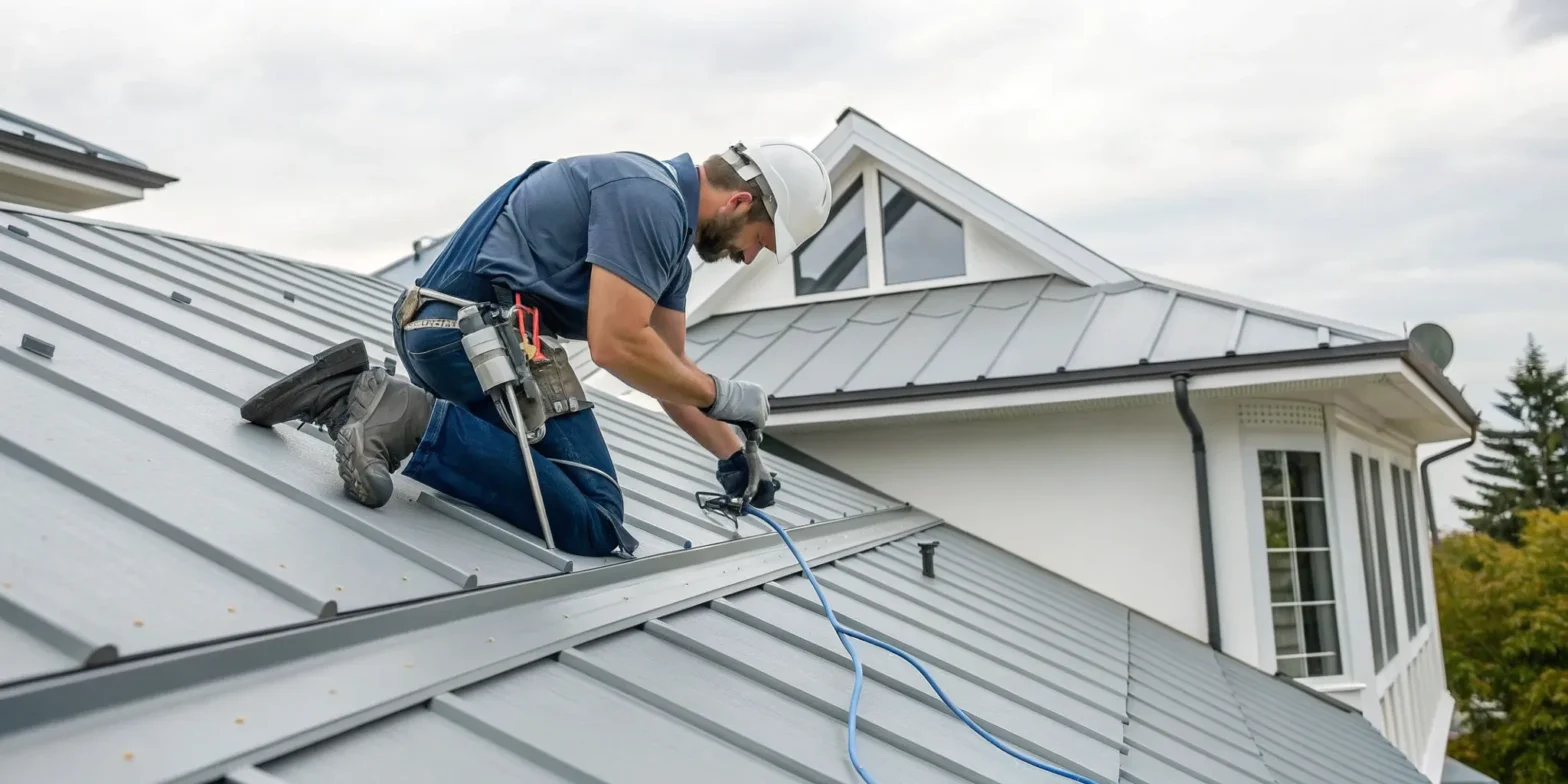
When you think of a roofing contractor, you probably picture someone hammering shingles into place. But a metal roof contractor is a specialist with a distinct set of skills. Their job goes far beyond simply installing panels; they are responsible for engineering a complete, watertight system that protects your property for decades. Think of them as a master craftsperson for your building’s most important shield.
From the initial assessment to the final cleanup, a metal roofing expert manages every detail. They understand the unique properties of different metals, how they expand and contract with temperature changes, and the precise techniques needed to create durable, weather-resistant seams. They don’t just build a roof; they install a long-term asset for your home or commercial building. Choosing the right professional is critical, as poor workmanship can lead to leaks, rust, and a shortened lifespan for your investment. A great contractor ensures every component, from the underlayment to the custom trim, works together perfectly.
Installing Different Types of Metal Roofs
A professional contractor’s primary role is the expert installation of your roof. This isn’t a one-size-fits-all job. They are trained to work with a variety of systems, including standing seam, corrugated panels, and metal shingles, each requiring specific techniques. Proper installation is what ensures your roof will last for its full potential lifespan of 40 to 70 years—a huge leap compared to the 15 to 25 years of traditional asphalt. They handle everything from preparing the roof deck and installing the underlayment to precisely cutting and fastening each panel for a secure, weatherproof fit. This expertise is essential for both residential roofing and large-scale commercial projects.
Your Go-To for Roof Repairs and Upkeep
Even the most durable metal roofs can need attention over time. A qualified contractor is your go-to for handling repairs and ongoing maintenance. Their trained eye can spot subtle issues before they become major problems. Common tasks include addressing loose or damaged panels after a storm, treating any surface rust to prevent it from spreading, and resealing joints and flashings to maintain a watertight barrier. Regular inspections and prompt repairs are key to getting the maximum life out of your roof, and a reliable contractor provides the peace of mind that your property is always protected.
Understanding the 25% Rule for Roof Replacement
You might hear contractors talk about the “25% rule,” and it’s a great guideline for homeowners to know. The rule suggests that if more than a quarter of your roof is damaged, it’s often smarter and more cost-effective to replace the entire roof rather than attempt a large-scale repair. Patching up widespread damage can lead to an uneven roof surface, creating weak spots where new and old materials meet, which can cause future leaks. While a full roof replacement is a bigger initial investment, it can save you money and stress in the long run by providing a uniform, reliable shield for your home. As roofing experts advise, every situation is unique, so it’s always best to have a professional assess the damage to determine the right course of action for your specific property.
Inspecting Your Roof from Top to Bottom
Before any work begins, a metal roof contractor conducts a thorough inspection and assessment. This is a critical diagnostic step where they evaluate the condition of your existing roof structure, identify any underlying issues like rot or water damage, and take precise measurements. This detailed assessment forms the basis for an accurate project plan and estimate. It also helps you avoid common problems like poor workmanship or communication issues down the line. A professional evaluation ensures the proposed solution is tailored to your building’s specific needs and will perform well in the Puget Sound climate.
Crafting Custom Trim and Flashing
A metal roof is more than just the large panels; it’s a complete system of interconnected parts. A skilled contractor is an expert at fabricating and installing the custom trim and accessories that give your roof a finished look and ensure it’s completely sealed from the elements. This includes things like flashing around chimneys and vents, ridge caps, and drip edges. These components are crucial for directing water away from vulnerable areas and preventing leaks. This attention to detail is what separates a professional installation from a standard job and guarantees a clean, functional, and long-lasting result.
Helping You Choose the Best Metal for Your Home
With so many options available, choosing the right metal for your roof can feel overwhelming. A good contractor acts as your trusted advisor, guiding you through the material selection process. They’ll explain the pros and cons of different metals like steel, aluminum, and copper, as well as the various coatings and finishes available. Their recommendation will be based on your budget, aesthetic preferences, and the specific demands of your commercial property or home. This guidance is invaluable, as making the right choice upfront prevents costly issues and ensures you’re happy with your roof for years to come.
How to Choose a Metal Roofing Contractor You Trust
Choosing the right material for your roof is a huge decision, but finding the right team to install it is just as critical. A great contractor is more than just an installer; they’re a partner who will protect your investment and ensure your new metal roof performs beautifully for decades. To find a professional you can trust, focus on a few key areas that separate the experts from the rest.
Find Contractors Through Referrals and Research
One of the best ways to start your search is by talking to people you already trust. Ask friends, family, or neighbors who have recently had a metal roof installed about their experience. Don’t just ask if they liked the final product; get into the details. Was the crew professional and respectful of their property? Did the project stay on schedule and within budget? And, most importantly, how did the contractor handle any unexpected issues that came up? Firsthand accounts from people who have been through the process can give you invaluable insight into a company’s reliability and customer service.
Once you have a few promising names, it’s time to do some homework on their credentials. A reputable contractor must have the proper licenses to operate in your state, along with full insurance coverage. Specifically, you’ll want to confirm they carry both workers’ compensation and general liability insurance. This isn’t just red tape; it’s a critical protection for you as the property owner. It ensures that you won’t be held liable for any accidents that might happen on your property during the installation. Any professional company will be able to provide proof of this documentation without hesitation.
A contractor’s reputation is built one project at a time, so look for a long track record of happy clients. Check online reviews on platforms like Google and the Better Business Bureau to get a sense of their public feedback. It’s also wise to choose a local roofer who is familiar with Puget Sound weather patterns and building codes. Finally, don’t be shy about asking for references and a portfolio of their work. A confident contractor will be proud to show you their completed residential roofing projects and connect you with past customers who can speak to the quality of their craftsmanship.
Check for Licensing and Insurance
Before you even start talking about materials or timelines, make sure any contractor you consider is properly licensed, bonded, and insured. This is non-negotiable. Ask for proof of both general liability insurance and workers’ compensation. General liability protects your property from any damage that might occur during the project, while workers’ comp covers the contractor’s employees if they get injured on the job. Without it, you could be held liable. A reputable contractor will have this documentation ready and will be happy to share it with you for your peace of mind.
Make Sure They Specialize in Metal
Not all roofing skills are the same. Installing a metal roof requires specialized tools, techniques, and training that differ significantly from installing composition shingles or cedar shakes. You want a team that works with metal day in and day out, not just occasionally. Ask potential contractors for a portfolio of their recent metal roofing projects. Don’t be shy about asking direct questions, like “How many metal roofs have you installed in the Puget Sound area?” or “What type of metal systems do you specialize in?” Their answers will quickly tell you if they have the hands-on experience your project deserves.
Read Online Reviews and Ask for References
Online reviews are a great starting point, but it’s important to read between the lines. Look for comments that mention communication, professionalism, and how the team handled unexpected issues. A long list of five-star ratings is great, but detailed reviews give you a clearer picture of the customer experience. Take it a step further by asking the contractor for a list of two or three recent references—and then actually call them. Ask the previous clients about their overall satisfaction, whether the project stayed on budget, and if the job site was kept clean.
Get at Least Three Different Written Estimates
Once you have a shortlist of qualified contractors, it’s time to ask for written estimates from at least three of them. Think of this less as price shopping and more as a fact-finding mission. Comparing detailed proposals allows you to see how different companies approach the same project, from the specific materials they recommend to their proposed timeline. A professional estimate should be itemized, breaking down the costs for labor, materials, permits, and tear-off of your old roof. This transparency is your best tool for avoiding surprise charges later on. It also gives you a clear understanding of the value you’re getting, ensuring you’re comparing apples to apples. Before you even make the calls, you can get a ballpark figure for your project to have a baseline understanding of the potential investment.
Compare Detailed Bids and Warranties
When you gather quotes, resist the urge to simply go with the lowest bid. A quality estimate should be a detailed, itemized document that breaks down the costs for materials, labor, permits, and debris removal. This transparency helps you understand exactly what you’re paying for and prevents surprise costs later. You should also get a clear explanation of the warranties. Typically, you’ll receive a material warranty from the manufacturer and a workmanship warranty from the contractor. Make sure you understand what each one covers and for how long.
Understand Contracts, Payments, and Warranties
Once you’ve vetted a contractor’s experience and checked their references, the final step is to look closely at the paperwork. The contract, payment schedule, and warranties are your official roadmap for the project and your protection if something goes wrong. A professional contractor will provide clear, detailed documents that leave no room for confusion. This isn’t just a formality; it’s a critical part of ensuring a smooth process and a successful outcome for your new roof.
Workmanship vs. Manufacturer Warranties
Your new metal roof should come with two distinct warranties, and it’s important to understand what each one covers. The manufacturer’s warranty protects you against defects in the materials themselves, such as premature fading of the finish or rust. The second, and equally crucial, is the workmanship warranty provided by your contractor. This covers the quality of the installation. A reputable contractor will stand behind their work, offering a warranty that covers leaks or issues arising from improper installation of panels, flashing, or fasteners. Be sure to get both warranties in writing and clarify the length and terms of each before signing on.
Reviewing the Payment Schedule
A detailed contract is your best friend. Before you agree to anything, read the document carefully to ensure it clearly outlines the full scope of work, the specific materials being used, a project timeline, and total cost. Pay special attention to the payment schedule. You should never pay for the entire project upfront. A standard, fair structure involves a reasonable down payment to secure materials, followed by progress payments at key milestones, and a final payment only after the work is complete to your satisfaction. This approach protects both you and the contractor, ensuring the project stays on track from start to finish.
Prioritize Good Communication and On-Site Safety
Pay close attention to how a contractor communicates from your very first interaction. Do they answer your calls promptly? Do they provide clear, straightforward answers to your questions? This initial experience is often a strong indicator of how they’ll communicate throughout the project. It’s also important to ask about their safety plan. Roofing is a hazardous job, and a professional company will prioritize the safety of their crew and your property. They should be able to explain their safety protocols and how they adhere to industry standards.
Look for Manufacturer Certifications
Manufacturer certifications are a clear sign of a contractor’s expertise and commitment to quality. These certifications mean the installation team has been specifically trained by the manufacturer to install their products according to their exact specifications. This is a huge plus, as it often ensures a flawless installation and can give you access to enhanced or extended material warranties that uncertified installers can’t offer. When a contractor is certified, it shows they’ve invested in their craft and have a proven track record of success with that specific material.
Specific Questions to Ask a Potential Contractor
Once you’ve narrowed down your list of potential contractors, it’s time to start the interview process. Think of it this way: you’re hiring someone for a critical role in protecting your home or business. Asking detailed, specific questions is the best way to understand their expertise, process, and professionalism. A great contractor will welcome your questions and provide clear, confident answers. This conversation is your opportunity to gauge their experience, see if their communication style works for you, and ensure they are the right partner for your project. Don’t be afraid to dig into the details—the right team will have nothing to hide.
Questions About Their Experience and Team
The quality of your metal roof depends entirely on the skill of the people installing it. You need to know who will be working on your property and what level of experience they bring. A contractor’s history with metal roofing and the structure of their team are strong indicators of the results you can expect. Asking about their specialization and whether they use their own crew or subcontractors will help you understand their commitment to quality control and accountability. This is about ensuring the team has the specific expertise required for a successful metal roof installation.
How many years have you specialized in metal roofing?
This question gets straight to the point. General roofing experience is good, but metal roofing is a specialized craft. It requires different tools, training, and an understanding of how metal behaves differently from materials like asphalt or cedar. Ask how long they’ve been specifically installing metal roofs and what percentage of their work involves metal. A contractor who primarily installs shingles but does a metal roof once in a while may not have the deep expertise needed to handle the custom flashing and trim work that a lasting metal roof requires. You want a team that lives and breathes metal roofing.
Do you use subcontractors for the installation?
It’s important to know exactly who will be on your property. Some contractors use their own in-house, factory-trained employees, while others hire subcontractors for the installation. A company with a dedicated in-house team often has more control over the quality of the work, scheduling, and on-site professionalism. If they do use subcontractors, ask how long they’ve worked with them and if they are fully licensed and insured. The key is to ensure there is a clear line of accountability and that the team installing your roof is held to the same high standards as the company you hired.
Questions About Their Past Work
A contractor’s past projects are the best evidence of their capabilities. While a glossy photo portfolio is a nice start, seeing their work in the real world gives you a much clearer picture of their craftsmanship and durability. Asking for references and the opportunity to see completed projects allows you to verify their quality and speak with previous clients about their experience. This step helps you move beyond sales pitches and base your decision on proven results. A confident contractor will be proud to share their work with you.
Can I see addresses of completed projects?
Ask for a list of local addresses where they have installed metal roofs similar to the one you’re considering. Driving by these properties allows you to see their workmanship up close. Pay attention to the details: Are the lines clean and straight? How does the flashing around chimneys and vents look? Does the overall finish appear professional and polished? Seeing a roof that has been through a few Puget Sound seasons can also give you an idea of how their work holds up over time. This is a great way to assess the quality you can expect for your own residential roofing project.
Can I visit a current job site?
Seeing a crew in action is incredibly revealing. Ask if you can briefly and safely visit a current project. This gives you a chance to observe their professionalism, safety practices, and site organization. Is the work area clean and orderly, or is it chaotic? Are the team members wearing appropriate safety gear? How do they interact with each other and the property owner? A well-run job site is a strong indicator of a professional and respectful company. It shows they care not just about the final product, but about the entire process.
Questions About Their Process
Understanding a contractor’s process from start to finish is essential for a smooth and stress-free experience. These questions focus on the day-to-day logistics of the project, from how they’ll protect your property to how they’ll handle the final cleanup. A professional contractor will have established procedures for every stage of the job. Their answers will reveal their attention to detail, commitment to quality, and respect for your home or business. Clear communication about these processes helps set expectations and prevents misunderstandings down the road.
How will you protect my landscaping and property?
A roofing project can be messy, but a conscientious contractor will have a solid plan to minimize the impact on your property. Ask them what specific measures they take to protect your landscaping, siding, windows, and driveway. This could include using tarps to cover flower beds, placing plywood over sensitive areas to protect them from falling debris, and having a designated spot for their equipment and materials. Their answer will show you how much they respect your property and their commitment to leaving it in the same condition they found it—or better.
Do you follow the manufacturer’s installation guidelines?
This is a critical question for the longevity of your roof and the validity of your warranty. Every metal roofing manufacturer has specific installation guidelines that must be followed precisely. Ask the contractor if they are certified by the manufacturer of the product you’re considering, such as Duro-Last for commercial buildings. Following these guidelines ensures your roof performs as designed and that your material warranty remains intact. A contractor who cuts corners on installation can void your warranty and leave you with a roof that fails prematurely. A professional will always install by the book.
What is your process for cleanup and trash removal?
No one wants to be left with a mess after their new roof is installed. Ask about their daily and final cleanup procedures. A professional crew will clean up the site at the end of each day and perform a thorough final sweep when the job is complete. This should include removing all debris, materials, and equipment. Specifically, ask if they use a magnetic sweeper to find and remove stray nails from your lawn and driveway. A detailed cleanup process is a hallmark of a contractor who takes pride in their work from start to finish.
What do your job close-out procedures include?
The end of the project should be as organized as the beginning. Ask what the final steps of the job involve. A proper close-out process typically includes a final walkthrough with you to ensure you are completely satisfied with the work. This is your chance to ask any remaining questions and point out anything that needs attention. The contractor should also provide you with all the necessary paperwork, including the final invoice, lien waivers, and documentation for your material and workmanship warranties. This ensures a clean, professional end to the project.
Red Flags to Watch For When Hiring a Contractor
Just as important as knowing what to look for in a great contractor is knowing the warning signs of a bad one. Some contractors use questionable tactics that can leave you with shoddy workmanship, a voided warranty, or even legal trouble. Being aware of these red flags can help you protect your investment and avoid a major headache. Trust your instincts—if something feels off, it probably is. A reputable professional will be transparent, patient, and never pressure you into a decision.
Avoid “Storm Chasers” and High-Pressure Sales Tactics
Be very cautious of contractors who knock on your door uninvited, especially after a major storm. These “storm chasers” often travel from out of town to capitalize on widespread damage. They may perform subpar work, use low-quality materials, and then disappear, leaving you with no one to call when problems arise. Another red flag is high-pressure sales tactics. If a contractor pressures you to sign a contract on the spot or offers a “special price” that’s only good for today, it’s best to walk away. A professional will give you a detailed estimate and ample time to make an informed decision.
Verify Their Local Office and Credentials
A legitimate contractor should have an established presence in your community. Ask for the address of their local office—not just a P.O. box—and consider driving by to see if it’s a real place of business. This shows they are a stable, local company that will be around to honor their warranty. Most importantly, never hire a contractor who is hesitant to provide proof of their license and insurance. You can verify a contractor’s license with Washington State’s Department of Labor & Industries. If they can’t or won’t show you their credentials, that is a major red flag, and you should end the conversation immediately.
Why a Metal Roof Might Be Your Best Investment
When you’re choosing a roof for your commercial building, you’re making a long-term investment in the safety and efficiency of your property. While options like asphalt or single-ply membranes are common, a metal roof offers a unique combination of strength, style, and sustainability that’s hard to beat. It’s a decision that pays off for decades, protecting your assets while keeping your operational costs down.
From incredible longevity to modern aesthetics, there are plenty of reasons why business owners are turning to commercial metal roofing. It’s more than just a covering; it’s a high-performance system designed to withstand the elements and enhance your building’s value. Let’s walk through the key benefits that make metal a smart choice for any commercial property in the Puget Sound region.
Enjoy Decades of Durability
One of the most compelling reasons to choose a metal roof is its impressive lifespan. With proper installation and maintenance, a metal roof can easily last 50 years or more—that’s two to three times longer than many traditional materials like asphalt shingles. This durability means you won’t have to worry about frequent, costly replacements. A metal roof stands up to the Pacific Northwest’s wind and rain, resisting corrosion, cracking, and shrinking. For a property owner, this means fewer headaches and a more predictable, lower long-term cost of ownership, giving you peace of mind for decades to come.
Save Money with Superior Energy Efficiency
Keeping energy costs in check is a priority for any business, and your roof plays a huge role in that. Metal roofs are highly reflective, which means they bounce solar heat away from your building instead of absorbing it. This simple feature helps reduce the heat transfer into your building, significantly cutting down on the need for air conditioning during warmer months. This leads to lower energy bills and a more comfortable environment for your employees or tenants. By maintaining a more stable indoor temperature year-round, an energy-efficient metal roof is an investment that starts paying you back from day one.
Say Goodbye to Constant Upkeep
As a business owner, you have enough on your plate without worrying about constant roof upkeep. Metal roofs are known for being incredibly low-maintenance. Thanks to their durable materials and secure installation methods, they aren’t susceptible to the same kind of wear and tear as other roofing types. You won’t have to deal with issues like cracking, peeling, or rot. A simple annual inspection to check for debris and ensure sealants are intact is typically all that’s needed. This low-maintenance advantage saves you both time and money on repairs, making it a practical and cost-effective choice for your business property.
Stand Up to Fire, Wind, and Hail
Protecting your commercial property from the unexpected is crucial, and a metal roof offers top-tier defense. Metal is a non-combustible material, giving it an exceptional fire rating that provides a critical layer of safety for your building, inventory, and personnel. Beyond fire, metal roofs are engineered to perform beautifully in harsh weather. They can withstand high winds and heavy rain, and their slick surface helps shed snow and ice easily. This superior resistance to the elements ensures your business is protected year-round, no matter what the Pacific Northwest weather brings.
Make an Eco-Friendly Roofing Choice
If sustainability is a priority for your business, a metal roof is an excellent choice. Many metal roofing systems are made with a significant percentage of recycled materials, reducing the demand for new resources. Even better, at the end of its very long life, a metal roof is 100% recyclable. Unlike asphalt shingles that end up in landfills, old metal panels can be repurposed into new products. Combined with its energy efficiency, this recyclability makes metal roofing a truly sustainable building material that minimizes your property’s environmental footprint. It’s a responsible choice you can feel good about.
What Goes Into the Cost of a Metal Roof?
A new metal roof is a significant investment in your property’s future, so it’s smart to understand what goes into the final price tag. The total cost isn’t just about the metal itself; it’s a combination of materials, labor, and the unique characteristics of your home or building. Several key factors come together to determine your project’s budget. While every project is different, knowing these variables will help you have a more informed conversation with your contractor and plan your finances accordingly. For a personalized estimate, you can always start with a roofing cost calculator to get a baseline idea.
The Metal Material Itself
The type of metal you select is one of the biggest drivers of cost. Options range from more budget-friendly choices like galvanized steel to premium materials like copper or zinc. Each has its own price point, aesthetic, and performance characteristics. For example, aluminum is lightweight and naturally rust-resistant, making it great for coastal areas, while steel is known for its strength and durability. While some metals have a higher upfront cost, they often provide incredible long-term value. A well-maintained metal roof can last 50 years or more, far outliving traditional asphalt shingles and saving you money on future replacements.
Your Roof’s Size, Slope, and Complexity
It makes sense that a larger roof requires more materials and more time to install, which increases the cost. But it’s not just about square footage. The complexity of your roof’s design also plays a major role. A simple, single-slope roof will be much less expensive to cover than a steep roof with multiple gables, dormers, valleys, and skylights. These features require intricate cuts, custom flashing, and more detailed labor to ensure every angle is perfectly sealed and weatherproof. The steeper the pitch, the more safety precautions and specialized equipment are needed, which also adds to the labor costs.
Labor Costs in Your Area
Labor is a substantial portion of any roofing project, often making up more than half of the total bill. These rates can vary significantly based on your location and the demand for skilled installers in the area. Installing a metal roof is a specialized skill that requires more training and precision than installing asphalt shingles. You’re paying for the expertise of a team that knows how to handle the material, create weathertight seams, and ensure the system performs for decades. In the Puget Sound region, hiring an experienced, licensed, and insured crew is essential for a quality installation that stands up to our unique weather.
Removing Your Old Roof (or Not)
Before your beautiful new metal roof can be installed, the old one usually has to go. Tearing off the existing roofing material is a necessary step that adds to the overall project cost. This process includes the labor to remove the old shingles or panels, as well as the fees for properly disposing of the debris. While it might be tempting to look for ways to cut this expense, placing a new roof over an old one can hide underlying structural issues and may even void your new roof’s warranty. Starting with a clean, sound roof deck is the best practice for any residential roofing project.
Your Choice of Style and Finish
The way your metal roof is installed and finished also affects the price. There are two primary systems: exposed fastener and standing seam. Corrugated panels with exposed fasteners are generally more affordable and quicker to install. Standing seam systems, which feature hidden fasteners and interlocking panels, offer a sleeker, more modern look and superior weather protection, but they come at a higher cost due to the more intensive labor involved. Additional customizations like special coatings, unique colors, or custom-fabricated trim pieces for chimneys and vents will also influence the final budget.
Building Permits and Code Requirements
Properly installing a roof means following all local regulations, which includes securing the necessary permits and adhering to building codes. The cost of the permit itself is a direct expense, but ensuring compliance also involves time and expertise. For commercial siding and roofing projects, these codes can be particularly stringent, requiring specific materials or installation techniques to meet safety and energy efficiency standards. Working with a contractor who understands Redmond and Puget Sound-area codes is critical. This ensures your project is completed safely, passes inspection, and avoids any potential fines or legal issues down the road.
What to Expect During Your Metal Roof Installation
Getting a new roof is a big project, but knowing what’s coming can make the entire process feel smooth and predictable. From the first conversation to the final handshake, a professional installation follows a clear, organized path. Here’s a breakdown of the key stages you’ll go through when you install a new metal roof on your property.
The First Step: Consultation and Planning
Everything starts with a detailed conversation. During the initial consultation, we’ll visit your property to assess your current roof, discuss your goals, and understand your budget. This is the time to ask every question you have. We’ll create a comprehensive plan that outlines the project scope, timeline, and materials. Choosing the right team for your commercial roofing project is critical, as a solid plan from a qualified contractor is your best defense against poor workmanship or unexpected costs down the line. This first step ensures we’re all on the same page and sets your project up for success from the very beginning.
What to Expect During an In-Person Estimate
Once you’ve scheduled a visit, the in-person estimate is where the real planning begins. A professional contractor won’t just glance at your roof from the ground; they’ll conduct a thorough inspection to assess its current condition, take precise measurements, and identify any hidden issues like rot or water damage. This is your chance to see material samples and discuss options—they should walk you through different panel types, colors, and finishes, explaining why a particular system is the best fit for your home and the Puget Sound climate. The estimate you receive should be a detailed, itemized document breaking down all costs, from materials and labor to permits and cleanup. Pay attention to how they answer your questions; this meeting is as much about you evaluating their professionalism as it is about them evaluating your residential roofing project.
Preparing for Installation: Material Delivery
Once the plan is finalized and you’ve signed off on the estimate, we get to work ordering your materials. Metal roofs are known for their incredible lifespan—often lasting 40 to 70 years—so selecting high-quality materials is a crucial investment in your property’s future. We handle all the logistics of ordering and scheduling the delivery of your metal panels, underlayment, and other components. The materials will be delivered directly to your property and carefully staged in a designated area to minimize disruption. Their arrival is often the first tangible sign that your new roof is about to become a reality.
The Main Event: Installing Your New Roof
With materials on-site, the installation begins. First, our crew will prepare the site, protecting your landscaping and property. If necessary, we’ll remove your old roofing material and inspect the underlying roof deck for any damage, making repairs as needed. Next, we install the underlayment, which acts as a vital moisture barrier. Finally, the metal panels are expertly cut and fitted to your roof’s specific dimensions. While our team handles the hard work, we encourage you to stay engaged and communicate with the project manager. This helps ensure the residential roofing work meets your expectations every step of the way.
Finishing Touches and the Final Walk-Through
As the installation wraps up, our focus shifts to quality control. Our site supervisor conducts thorough checks throughout the process to ensure every detail meets our high standards. Once the work is complete, we’ll schedule a final walk-through with you. This is your opportunity to inspect the finished roof, ask questions, and point out anything you’d like us to look at more closely. A reputable contractor prioritizes safety and quality, and this final inspection is our way of confirming that all protocols were followed and that you are completely satisfied with the craftsmanship and final result.
Cleanup and Tips for Long-Term Care
Our commitment to you doesn’t end when the last panel is installed. We conduct a meticulous cleanup of the job site, using magnetic rollers to pick up any stray nails or metal scraps, leaving your property as clean as we found it. We’ll also provide you with advice for future maintenance to keep your new roof in peak condition. Simple steps like regular inspections are key to maximizing your roof’s long lifespan. We’ll explain what to look for and are always here to help with any future needs, ensuring your investment remains protected for decades to come.
Related Articles
- How to Find the Best Metal Roof Installation Contractors – Landmark Roofing & Siding
- Metal Roofing Contractor | Landmark Roofing & Siding
Frequently Asked Questions
Can I install a metal roof over my old shingles? While it’s technically possible in some cases, it’s rarely the best approach. Placing a new roof over old shingles can trap moisture and hide underlying damage to the roof deck. A professional contractor will almost always recommend a full tear-off. This ensures they can inspect the structure underneath and give your new metal roof a solid, clean foundation to rest on, which is essential for its long-term performance and warranty.
Is a metal roof noisy when it rains? This is a common myth, but modern metal roofs are not noisy. When installed correctly over a solid roof deck with proper underlayment and insulation, a metal roof is often quieter than an asphalt shingle roof. The sound of rain is diffused by the layers of your roofing system, so you won’t be dealing with a constant drumming sound during a downpour.
What’s the real difference between standing seam and corrugated metal? The main difference comes down to how the panels are fastened and the final look. Corrugated metal roofs use screws that go through the face of the panel, leaving the fasteners exposed. Standing seam systems use hidden clips and fasteners, creating a sleek, modern appearance with clean vertical lines. Standing seam is generally considered a more premium, weathertight option due to the concealed fasteners.
How often does a metal roof need maintenance? One of the best things about a metal roof is how little maintenance it requires. A simple annual inspection is usually all you need. You’ll want to check for any debris like leaves or branches in the valleys, make sure gutters are clear, and give the surface a quick look to ensure the finish is in good shape. This small amount of upkeep helps guarantee your roof will last for its full 50+ year lifespan.
How long does a metal roof installation take? The timeline for a metal roof installation can vary depending on the size and complexity of your roof. For an average-sized home, the process typically takes anywhere from a few days to a week. Larger or more intricate commercial projects will naturally take longer. Your contractor will provide a specific and more accurate timeline for your project during the initial consultation phase.