Date
Tue May 12You’ve chosen the perfect metal roof, maybe even a custom style that perfectly fits your home. But even the best materials depend entirely on the quality of the installation. A metal roof is a specialized system, and a small mistake can lead to big problems down the road. So, how do metal roofing contractors handle custom roofing designs and ensure a perfect fit? It all comes down to their expertise. This guide will show you exactly what to look for, from their experience with tricky metal roofing installations to how they handle future repairs, so you can hire your team with total confidence.
Key Takeaways
- Think Beyond the Initial Price Tag: A metal roof is a long-term investment. Its impressive lifespan, low maintenance requirements, and energy-saving qualities often make it a more cost-effective choice over the life of your property.
- Your Contractor’s Skill Matters Most: The performance of a metal roof depends entirely on the installation quality. To prevent leaks and protect your investment, it is essential to hire a licensed, insured contractor with specific experience in metal roofing.
- Durability Doesn’t Mean Sacrificing Style: Metal roofing is incredibly versatile. You can choose from sleek standing seam panels for a modern look or opt for stamped shingles that beautifully mimic traditional materials like wood shake or slate.
Is a Metal Roof the Right Choice for You?
When you’re thinking about a new roof, you’re making a decision that will protect your property for decades. While there are many materials to consider, metal roofing stands out as a top-tier choice for its unique combination of strength, efficiency, and style. It’s an investment that delivers returns in durability, cost savings, and peace of mind. For both homes and businesses in the Puget Sound, a metal roof is more than just a cover; it’s a smart, long-term upgrade. Let’s look at some of the key reasons why so many property owners are making the switch.
A Roof Built to Last for Decades
A new roof is a major investment, so you want it to last. Metal roofs are champions of longevity, often lasting 50 years or more with proper installation. Compare that to traditional asphalt shingles, which typically need replacing every 20 to 30 years. This incredible lifespan means you might never have to worry about re-roofing your home or commercial building again. Here in the Pacific Northwest, metal also stands up beautifully to our challenging weather, resisting damage from heavy rain, high winds, and moss growth. Choosing a durable residential roofing solution like metal gives you lasting security and adds significant value to your property for years to come.
Lifespan of 40 to 80 Years
When we talk about longevity, metal roofs are in a class of their own. They can last 40 to 80 years, and sometimes even longer, making them a fantastic long-term investment for any property owner. For many people, this means installing a metal roof is a once-in-a-lifetime project. This durability provides incredible peace of mind, especially for business owners who need a reliable, low-maintenance solution for their properties. A high-quality commercial roofing system protects your assets without requiring constant attention or costly replacements down the line, making it a smart financial decision that pays off for decades.
The Role of Modern Protective Coatings
The incredible durability of modern metal roofing isn’t just about the metal itself; it’s also about the advanced technology that protects it. Today’s metal roofing systems are treated with sophisticated protective coatings that significantly enhance their performance and appearance. These coatings are engineered to resist corrosion and rust—a huge advantage in our damp Puget Sound climate. They also prevent the color from fading under the sun, ensuring your roof looks just as vibrant years from now as it did on day one. This technology ensures your metal roof maintains its structural integrity and aesthetic appeal over its long lifespan, giving you a beautiful and resilient exterior.
Save Money with an Energy-Efficient Metal Roof
Who doesn’t want to save money on their energy bills? Metal roofs can help you do just that. Many are considered “cool roofs” because they reflect the sun’s heat instead of absorbing it. During our warm, sunny summers, this means your home or building stays naturally cooler, so your air conditioning system doesn’t have to work as hard. This efficiency can lead to noticeable savings on your monthly energy costs. For business owners, this benefit is even more significant, as cooling a large commercial roofing space can be a major expense. A metal roof is a practical upgrade that works for you every day, keeping your property comfortable while reducing your environmental footprint.
Lowering Both Cooling and Heating Bills
While the reflective properties of a metal roof are a huge plus for lowering summer cooling bills, the energy savings don’t stop when the clouds roll in. In the winter, a properly installed metal roofing system contributes to your home’s overall insulation, helping to trap the heat you’re paying for inside and preventing it from escaping. This year-round efficiency makes a metal roof one of the smartest upgrades you can make for your property. By reducing the strain on both your air conditioner and your furnace, you can see a difference in your utility costs throughout the year, making it a top choice for a new roofing installation.
Gain Peace of Mind with Superior Fire Resistance
Safety is always a top priority, and your roof is your first line of defense. Metal is one of the most fire-resistant roofing materials you can choose. It carries a Class A fire rating, which is the highest possible rating for fire resistance. This means the material is non-combustible and will not fuel a fire, offering critical protection for your property and everyone inside. For homeowners in areas with lots of trees or for businesses that need to meet strict safety codes, this feature provides invaluable peace of mind. Choosing a metal roof is a proactive step toward making your property as safe as it can be from external fire threats.
Enjoy Superior Weather Resistance
The weather here in the Puget Sound region is no joke. We get our fair share of heavy rain and strong winds, which can be tough on any roof. Metal roofing is exceptionally well-suited for our climate because of its incredible resilience. Unlike some materials that can crack, curl, or blow off in a storm, metal panels are built to withstand the elements. They shed rain effortlessly, preventing water from pooling, and their inherent strength means they can handle high winds without lifting. This durability gives you confidence that your property is protected, a key consideration for any homeowner in the area. It’s a robust defense system for your home or business, designed to handle exactly what our local weather throws at it.
How Interlocking Panels Create a Weatherproof Seal
The secret to a metal roof’s weather-tight performance lies in its design. The panels are engineered to interlock with one another, creating a seamless and unified surface. Think of it like a shield where each piece connects securely to the next, leaving no gaps for wind or water to penetrate. This is especially important for standing seam metal roofs, where raised seams run vertically up the roof, channeling water down and away. Because these systems are often custom-fabricated for your property’s exact dimensions, the fit is precise. This interlocking system is what makes metal roofs so effective against driving rain and powerful winds, forming a weatherproof seal that keeps your property dry and secure through even the most severe storms.
Say Goodbye to Constant Roof Maintenance
Your time is valuable, and the last thing you want to do is spend your weekends worrying about roof upkeep. Metal roofing significantly reduces long-term maintenance needs. Unlike other materials that can crack, curl, or require frequent cleaning to remove moss and algae, metal panels are incredibly resilient and shed debris easily. While we always recommend a professional inspection after a major storm, the day-to-day upkeep is minimal. This makes it an ideal choice for busy homeowners and commercial property managers alike. By spending less on repairs and maintenance over the years, you’ll find that the initial investment makes even more financial sense. You can even use a roofing cost calculator to see how these long-term savings add up.
What Are the Different Types of Metal Roofing?
When you hear “metal roof,” you might picture one specific style, but the reality is much more exciting. Metal roofing offers a surprising amount of variety, allowing you to find the perfect match for your property’s architecture and your personal taste. From sleek, modern panels to options that mimic classic shingles, there’s a style and material to fit your vision. This versatility is one of the biggest advantages of choosing metal. You are not locked into a single look; instead, you can select a system that complements your home’s character, whether it’s a historic craftsman or a brand-new contemporary build.
Understanding these choices is the first step toward finding a roof you’ll love for decades. It helps you have a more productive conversation with your contractor and ensures the final result is exactly what you imagined. Before you can decide on colors or finishes, you need to know the fundamental differences between standing seam, corrugated panels, and metal shingles. Each has its own unique aesthetic, installation process, and price point. Getting familiar with these options will empower you to ask the right questions and make an informed choice for your home or commercial building. Let’s walk through the most popular options you’ll encounter so you can feel confident in your decision.
The Sleek, Modern Look of Standing Seam
If you’re looking for a clean, contemporary look, standing seam metal is likely what you have in mind. This style uses vertical panels connected by raised, interlocking seams. This design isn’t just for looks; the raised seams hide the fasteners from the elements, creating a highly weather-resistant surface that’s perfect for the wet Puget Sound climate. Because the panels run vertically from the top of the roof to the eaves, there are no horizontal seams, which minimizes the chances of leaks. It’s a durable, low-maintenance, and incredibly popular choice for modern residential roofing projects.
The Classic Durability of Corrugated Panels
Corrugated metal roofing is a classic for a reason. It’s defined by its signature wavy or ribbed pattern, which adds significant structural strength to the panels. This design makes it exceptionally durable and resistant to dents and damage. Known for its practicality and affordability, corrugated metal is a workhorse. It’s a fantastic option for a wide range of buildings, from rustic homes and cabins to barns, workshops, and other commercial structures. If you need a no-fuss, strong, and budget-friendly roofing solution that will stand the test of time, corrugated metal is an excellent choice to consider.
Get a Traditional Look with Metal Shingles & Tiles
Do you love the durability of metal but prefer the look of a traditional roof? Metal shingles and tiles offer the perfect compromise. These systems are designed to replicate the appearance of classic materials like asphalt shingles, wood shakes, or even clay tiles. Made from stamped steel or aluminum, they give you the aesthetic you want with all the benefits of metal: longevity, fire resistance, and minimal maintenance. This option allows you to maintain a conventional look for your home while getting a significant upgrade in performance and lifespan, making it a smart and stylish investment.
Choosing Your Material: Steel, Aluminum, or Copper
Once you’ve picked a style, you’ll also need to select a material. The three most common choices are steel, aluminum, and copper, and each has distinct advantages. Steel is the most popular option because it’s incredibly strong and cost-effective. Aluminum is lighter and naturally resistant to corrosion, making it a great fit for our coastal air. Copper is a premium choice that offers unmatched longevity and develops a beautiful, distinctive green patina over time. Your decision will depend on your aesthetic goals, local climate, and how you want to factor it into your budget.
Your Metal Roofing Installation: What to Expect
A new metal roof is a significant upgrade for your property, and knowing what the installation process involves can make the entire experience feel smooth and predictable. While every project is unique, a professional installation follows a clear, structured path from the first conversation to the final walkthrough. This process ensures that your new roof is installed correctly, safely, and efficiently, giving you peace of mind. Understanding these steps helps you know what’s happening on your property and allows you to ask the right questions along the way. We believe in transparency, so we want you to feel confident and informed from start to finish. Here’s a breakdown of the five key stages you can expect when you partner with a professional roofing contractor for your metal roof installation.
Step 1: Your Initial Consultation & Roof Assessment
The process begins with an in-depth consultation. This is our chance to listen to your goals and for you to get to know us. A roofing expert will visit your property to perform a thorough assessment of your current roof’s condition, take precise measurements, and identify any potential challenges, like steep slopes or existing damage. This is the perfect time to discuss your vision, including material preferences and budget. When choosing a company, you should feel comfortable with their communication style and confident in their expertise. We’ll answer all your questions about our residential roofing services, material options, and warranties, ensuring you have all the information you need to make a great decision for your home or building.
Step 2: Planning Your Custom Roofing Design
Once the initial assessment is complete, we move on to the planning phase. Together, we’ll select the perfect metal roofing materials for your property’s style and functional needs. You’ll get to choose from different profiles, colors, and finishes to match your aesthetic. After you’ve made your selections, we’ll create a detailed project plan. This document outlines the entire scope of work, including the project timeline, material delivery schedule, and a clear cost breakdown. A company with a proven track record will be happy to provide references and show you a portfolio of completed projects. This plan acts as our shared roadmap, ensuring everyone is on the same page before any work begins.
The Custom Fabrication Process
Unlike grabbing a pack of shingles from the store, metal roofing is not a one-size-fits-all product. Each panel and piece of trim is custom-fabricated specifically for your property. This bespoke approach is essential because it ensures every component fits your roof’s exact dimensions, from the main surfaces to the smallest corners. This precision is what creates a seamless, integrated system that effectively sheds water and withstands the elements. Because everything is made to order, the quality of the initial plan and measurements is everything. This is why working with an experienced team is so important; they understand how to translate your roof’s unique architecture into a perfectly crafted metal roofing system.
How Roofs Are Measured for Manufacturing
The success of a custom-fabricated roof hinges on one thing: accuracy. Precision is absolutely crucial during the measurement phase. A professional roofer will meticulously measure every slope, valley, hip, and ridge of your roof. They’ll also account for the placement of every vent, chimney, and skylight. There is no room for error here; even a small mistake in the measurements can lead to significant problems, causing manufacturing delays, wasted materials, or—worst of all—panels that don’t fit correctly. An improper fit can compromise the roof’s structural integrity and create vulnerabilities for leaks. This detailed measurement process is a hallmark of a true professional and is fundamental to installing a high-performance commercial roof.
Essential Custom Components for a Perfect Fit
A metal roof is much more than just the large panels. It’s a complete system of interconnected parts, and each one needs to be custom-made for a perfect fit. Your contractor’s plan will include essential details like drip edges, which direct water away from the fascia, and flashing, which seals the joints around chimneys, vents, and skylights to prevent leaks. It also includes ridge and hip caps that cover the peaks of the roof, creating a weatherproof seal. Every one of these components is critical for the roof’s long-term performance. When you receive a detailed quote, it should account for all these custom pieces, which helps you estimate the total cost and ensures no detail is overlooked.
Step 3: Prepping the Site for Installation
Before the new metal panels can be installed, we need to prepare the existing roof surface. Depending on its condition and local building codes, this may involve a full tear-off of the old roofing material or installing the new system directly over it. Proper preparation is key to the longevity of your new roof. Many property owners underestimate the importance of addressing underlying issues, but taking proactive measures now can prevent much costlier repairs down the road. Our team will inspect the roof deck for any rot or damage, making necessary repairs to create a solid, stable foundation for your new metal roof.
Step 4: The Professional Installation Process
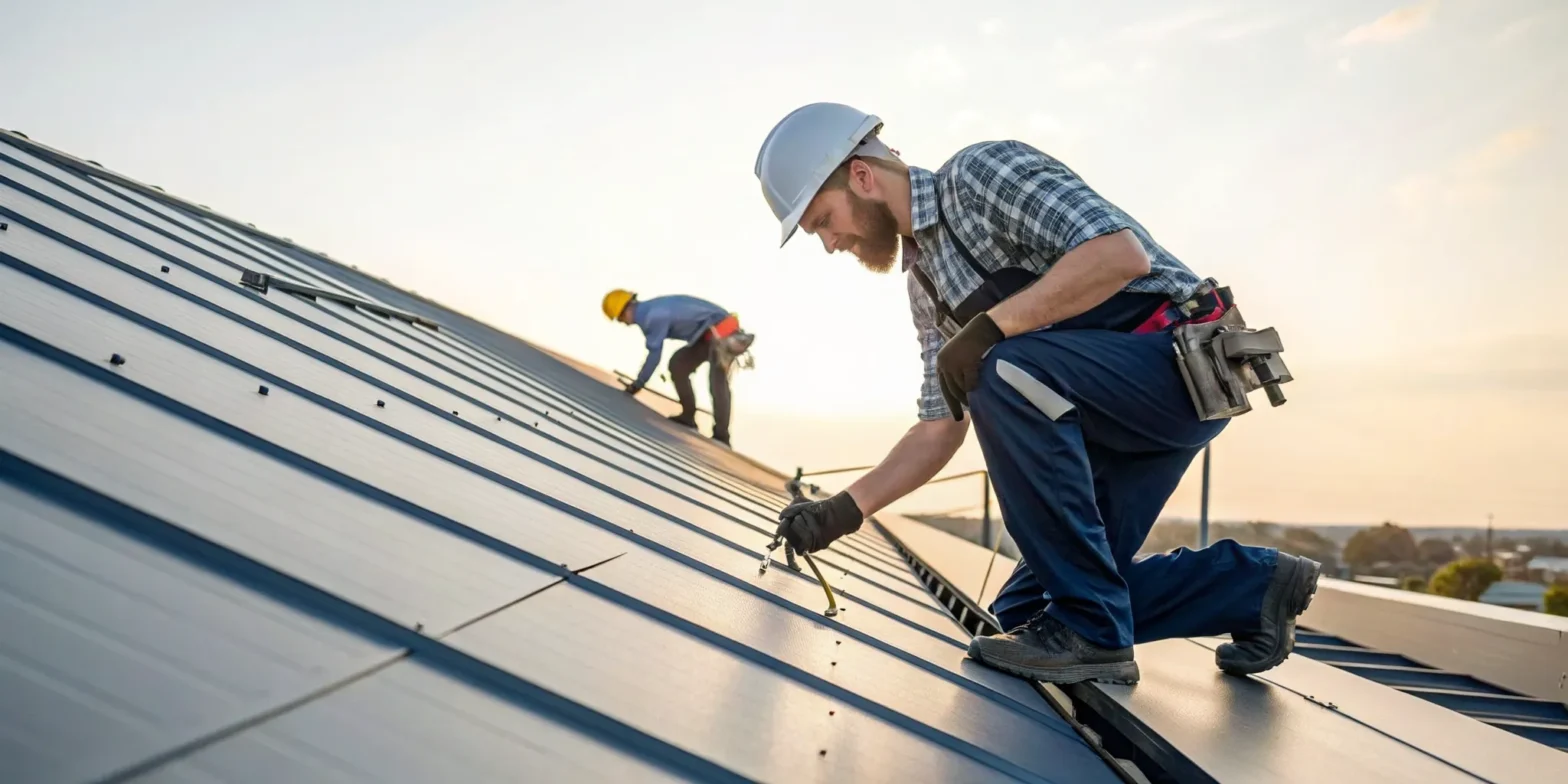
This is where your vision starts to become a reality. The installation begins with laying down a high-quality underlayment, which acts as a secondary moisture barrier. Next, our skilled technicians will meticulously install the metal panels, flashing, and trim. Precision is everything during this stage. Common installation mistakes, like using the wrong fasteners or having poor flashing and edge sealing, can lead to leaks and long-term damage. Our experienced crew pays close attention to every detail, from panel alignment to fastener placement, ensuring your roof is not only beautiful but also completely weatherproof and built to last for decades.
Performing Quality Checks Throughout the Project
A professional installation isn’t just about the final product; it’s about the process. A reliable contractor won’t wait until the end to inspect their work. Instead, they perform quality checks at every stage of the installation. This is especially important with metal roofing, where panels and trim are often custom-fabricated for your home’s specific dimensions. A skilled team understands that precision is key. They’ll continuously verify that fasteners are correctly installed, flashing is secure around vents and chimneys, and panels are perfectly aligned to create a weatherproof seal. This ongoing attention to detail is what prevents common issues like leaks and ensures your roof performs flawlessly for decades. It’s a hallmark of a truly professional team and a non-negotiable part of a high-quality installation.
Step 5: Your Final Walkthrough and Inspection
Once the installation is complete, we conduct a comprehensive final inspection to ensure every element of your new roof meets our high standards of quality. We’ll check all seams, flashings, and fasteners to confirm everything is secure and properly sealed. After our internal review, we’ll walk you through the finished project. This is your opportunity to inspect the work, ask any remaining questions, and officially sign off on the job. A well-planned roofing strategy is an investment that pays off by enhancing your property’s value and performance. You can even get a preliminary idea of your investment by using a roofing cost calculator to help with your initial planning.
How to Find the Best Metal Roofing Contractor
A metal roof is a major investment in your property’s future, and the quality of the installation is just as important as the material itself. The right contractor ensures your roof not only looks great but also performs flawlessly for decades, protecting you from the Pacific Northwest weather. A poor installation, on the other hand, can lead to leaks, damage, and costly repairs that undermine the whole point of choosing a durable metal roof in the first place. This is especially true in the Puget Sound region, where constant moisture and wind demand a perfectly sealed and secured roofing system. A shoddy job can turn your dream roof into a recurring nightmare of fixes and frustration.
Finding a trustworthy partner can feel like a big task, but it doesn’t have to be overwhelming. By focusing on a few key areas, you can confidently vet potential contractors and find a team that has the skill and integrity to do the job right. Think of it as a hiring process for one of the most important roles in protecting your home or commercial building. A great contractor will be transparent, experienced, and ready to answer all your questions without hesitation. They should make you feel comfortable and informed every step of the way. Here’s what to focus on to find a qualified, reliable roofing professional for your project.
Start with an Independent Roof Inspection
Before you start calling contractors for quotes, consider taking a powerful first step: hiring an independent roof inspector. This is someone who isn’t affiliated with any roofing company and whose only job is to give you a completely honest and detailed assessment of your roof’s condition. They can use tools like drones to get a comprehensive view, identifying any current or potential issues without a sales agenda. This gives you an unbiased report that you can use as a baseline for your project. Armed with this information, you’ll know exactly what needs to be done, which helps you avoid being upsold on unnecessary work and ensures every contractor is bidding on the same scope of work. It’s a small investment that puts you in a much stronger position during negotiations.
Gather Multiple Quotes and Recommendations
Once you have a clear understanding of your project, it’s time to find the right team. It’s a good practice to get quotes from at least three to five different contractors. This isn’t just about finding the lowest price; it’s about finding the best value and the right fit. Comparing multiple proposals allows you to see how different companies operate. Do they provide a detailed, itemized breakdown of costs, or is it just a single number on a piece of paper? A thorough quote shows professionalism and transparency. This process helps you gauge each contractor’s expertise and communication style, giving you a much better feel for who you’ll be working with. It’s your best tool for spotting red flags and identifying the true professionals.
Where to Find Contractor Referrals
So, where do you find these contractors to get quotes from? A great starting point is your own network. Ask friends, family, and neighbors for recommendations, especially if they’ve recently had work done on their property. Beyond that, think about other home professionals you trust, like plumbers, electricians, or even your insurance agent. These experts often work alongside roofers and know who has a reputation for quality and reliability. Another excellent resource is your local building supply store. The staff there see the same contractors day in and day out and know who is consistently busy and buying quality materials. A company with a long-standing presence in the community, like our team at Landmark Roofing & Siding, builds these professional relationships over years of reliable service.
Check for Proper Licensing and Insurance
Before you even start talking about materials or timelines, make sure the contractor has their essential paperwork in order. This is non-negotiable. A legitimate contractor must be licensed to work in Washington. This proves they meet state standards and are operating legally. Next, ask for proof of insurance, specifically general liability and workers’ compensation. General liability protects your property from any damage that might occur during the project, while workers’ comp covers the crew if someone gets injured on the job. Without this coverage, you could be held financially responsible for accidents. Finally, look for manufacturer certifications. These show the contractor has been specially trained to install certain products, which is often required to validate the material warranty.
How to Verify a Contractor’s Credentials
A reputable contractor will have no problem sharing their credentials with you—in fact, they should be proud to. Once you have their business name or license number, you can do a quick check yourself. For any work done in Washington, you can verify a contractor’s license, bond, and insurance status online through the Department of Labor & Industries website. It’s a simple step that provides a lot of information. Confirming they have active liability insurance and workers’ compensation is your safety net. It ensures that if any accidents or damage happen on your property, you are not held responsible. This isn’t just about following rules; it’s about protecting your financial well-being and ensuring you’re working with a true professional.
Always Ask About Subcontractors
It’s important to know exactly who will be working on your property. It’s a common practice for companies to hire subcontractors, but you have a right to know who they are and if they are qualified. Don’t be shy about asking, “Will your employees be performing the installation, or will you be using a subcontracted crew?” If they use subcontractors, follow up by asking if those crews carry their own license and insurance. The primary contractor you hire should stand by the quality of everyone they bring to your job site. The skill of the installers is what makes or breaks a residential roofing project, so ensuring every person on your roof is a vetted professional is essential for a successful outcome.
Ask About Their Experience with Metal Roofs
Not all roofing contractors are experts in metal. Installing a standing seam or metal shingle roof requires different tools, techniques, and expertise than working with composition shingles. You want a team that specializes in metal roofing and understands its unique challenges. Don’t be shy about asking for specifics. How many metal roofs have they installed in the Puget Sound area? Can they show you a portfolio of their work? A contractor with deep experience will be proud to share examples of their residential roofing and commercial roofing projects and discuss the different types of metal systems they’ve worked with. This conversation will quickly tell you if they have the hands-on knowledge your project requires.
Review Their Past Work and Client Testimonials
A contractor’s reputation is built on their past work, so it’s time to do a little research. Start by reading online reviews on third-party sites like Google and the Better Business Bureau to get an unbiased picture of other customers’ experiences. While a perfect record is rare, look for a consistent pattern of positive feedback regarding communication, timeliness, and quality. Go a step further and ask the contractor for a list of references and completed projects you can see for yourself. Speaking with a past client or driving by a home they roofed five years ago can give you incredible insight into the quality of their workmanship and how their projects stand the test of time.
Get Clear on Warranties and Guarantees
A solid warranty is your long-term protection and a clear sign that a contractor stands behind their work. When you get a new metal roof, you should receive two types of warranties: one from the manufacturer that covers the metal panels against defects, and another from the contractor that covers the installation or workmanship. Ask for copies of both and take the time to read them. What is the length of the workmanship warranty? What specific issues does it cover? Understanding these details upfront prevents future misunderstandings. A contractor who offers a strong, clear workmanship guarantee is confident in their team’s ability to install your roof correctly from the start.
Warning Signs of a Disreputable Contractor
While you’re searching for a great partner, it’s just as important to know how to spot a bad one. Most contractors are honest professionals, but a few bad apples can cause major headaches, from shoddy work to outright scams. Protecting your investment means being vigilant and recognizing the red flags that signal you should walk away. Trust your gut; if something feels off, it probably is. Paying attention to these warning signs can save you from a costly and stressful experience, ensuring you find a team that will treat your property with the respect it deserves.
Unusual Payment Requests
It’s standard practice for a contractor to ask for a down payment to cover the initial cost of materials. However, be wary of anyone who demands an unusually large sum upfront or asks for the full payment before the work even begins. This can be a sign of a financially unstable business or, in the worst-case scenario, a scammer who has no intention of completing the job. Many states have laws that limit the amount a contractor can request as a down payment. A contractor who pressures you for a large cash payment or asks for more than the legally allowed amount is a major red flag you shouldn’t ignore.
Suspiciously Low Bids
Everyone loves a good deal, but an estimate that comes in dramatically lower than all the others should raise questions, not excitement. While it’s wise to get multiple quotes, a bid that undercuts the competition by a large margin often means the contractor is cutting corners. This could involve using inferior materials, hiring unskilled labor, or skipping essential steps like proper underlayment installation. These shortcuts will compromise the integrity and lifespan of your new roof, leading to expensive repairs down the road. A quality residential roofing project is an investment, and a fair price reflects quality materials and skilled workmanship.
Offers to Cover Your Insurance Deductible
If a contractor offers to “waive,” “absorb,” or “cover” your insurance deductible, you should end the conversation immediately. This practice is a form of insurance fraud. The contractor typically makes up the difference by submitting an inflated invoice to your insurance company, which is illegal. Not only is this a dishonest business practice, but it can also put you in legal jeopardy. An ethical contractor will provide a detailed estimate for the work required and expect you to pay your deductible as outlined in your insurance policy. A willingness to commit fraud is a clear sign that the contractor cannot be trusted with your home or business.
Poor Communication
Pay close attention to how a contractor communicates with you during the initial bidding process. If they are difficult to reach, slow to return your calls, or vague when answering your questions, don’t expect things to improve once you’ve signed a contract. Poor communication is a huge warning sign. A professional team will be responsive, clear, and willing to put all details in writing. You should feel like a priority, not an afterthought. A project as important as a new roof requires a partner who keeps you informed and is readily available to address your concerns, ensuring a smooth and transparent process from start to finish.
Common Metal Roofing Installation Mistakes to Avoid
A metal roof is a fantastic investment, but its performance is only as good as its installation. Even the highest quality materials can fail if they aren’t put together correctly. Small mistakes made during the installation process can turn into major headaches down the road, from persistent leaks to structural issues that compromise your home or commercial building. This is why choosing a contractor with proven expertise in metal roofing is so important. An experienced team knows how to handle the unique challenges of metal and will ensure your roof is built to last for decades.
Understanding the common pitfalls can help you appreciate the precision and skill required for a successful project. It also equips you to ask the right questions when you’re choosing a contractor for your commercial roofing needs. A true professional won’t just install your roof; they’ll anticipate potential issues and build a system that’s perfectly suited to your property and our Pacific Northwest climate. Let’s look at some of the most frequent installation errors and why they happen, so you know what to watch out for.
Mistake #1: Using Incorrect Fasteners
It might seem like a small detail, but the screws and clips used to secure your roof are incredibly important. Using the wrong fasteners can lead to leaks, corrosion, and even structural damage over time. Different metals expand and contract at different rates, so the fasteners must be compatible with the roofing panels to prevent them from loosening or causing galvanic corrosion. An experienced roofer understands which fasteners are right for your specific metal roof and the climate conditions in the Puget Sound. They ensure every component works together as a cohesive, watertight system.
Mistake #2: Improper Flashing and Sealing
Flashing is the material, typically metal, used to direct water away from critical areas like chimneys, vents, and valleys where roof planes meet. It’s one of the most important defenses against water intrusion, but it’s also one of the most technical parts of an installation. When flashing isn’t installed or sealed correctly, it creates a direct path for water to get under your roofing material. This can lead to rot in your roof deck, mold growth in your attic, and costly interior damage. In a rainy climate like ours, flawless flashing is non-negotiable.
Mistake #3: Misaligning Panels or Overlaps
Installing a metal roof is a game of precision. Each large panel must be perfectly aligned and overlapped with the next to create a seamless, weatherproof barrier. If the panels are misaligned, even slightly, it can create gaps that allow wind and water to get underneath. This not only leads to leaks but also compromises the roof’s overall structural integrity and its ability to withstand strong winds. A professional installer takes the time to measure and align every panel correctly, ensuring the finished roof is as strong and durable as it is beautiful.
Mistake #4: Skipping Essential Roof Prep
You can’t build a strong new roof on a weak foundation. Before any metal panels are installed, the underlying roof deck must be properly prepared. This means ensuring it is clean, dry, and structurally sound. Installing a new roof over a soft, rotten, or uneven deck is a recipe for failure. The new roof won’t sit flat, and the fasteners won’t hold securely, compromising the entire system. A thorough contractor will always start with a detailed inspection of your existing roof structure and make any necessary repairs first. This crucial step ensures your investment is protected for the long haul.
Breaking Down the Cost of a Metal Roof
Understanding the price of a new metal roof involves looking at more than just the materials. While it’s true that metal roofing is a premium investment, the final cost is a combination of several key factors. Think of it as a complete package that includes the specific metal you choose, the unique characteristics of your roof, the skilled labor required for a flawless installation, and the incredible long-term value you get in return.
To give you a clear picture of what to expect, we can break down the cost into four main components. Each one plays a significant role in your project’s budget. By understanding these elements, you can make an informed decision that balances your immediate budget with the future benefits for your home or commercial property. You can even get a preliminary estimate by using a roofing cost calculator to see how these variables come together.
How Material Choice Affects Your Final Cost
The type of metal you select is one of the biggest drivers of the overall cost. Different metals come with different price points and performance features. For example, steel is a popular and often more budget-friendly option, while aluminum offers excellent corrosion resistance, which is a huge plus in the damp Puget Sound climate. Copper sits at the premium end of the spectrum, known for its stunning appearance and incredible longevity. The choice of material for your metal roof can significantly impact the overall cost, so it’s important to weigh the pros and cons of each one based on your goals and budget for your residential roofing project.
The Impact of Roof Size and Complexity
It makes sense that a larger roof requires more materials and more time to install, which increases the cost. But it’s not just about square footage. The size and complexity of your roof also play a crucial role in determining the cost. A simple, low-pitched gable roof will be more straightforward to install than a steep roof with multiple dormers, valleys, and skylights. Each of these features requires precise cuts, custom flashing, and careful sealing, adding to the labor involved. While a more complex roof may cost more to install, the investment pays off, since a properly installed metal roof can last 50 years or more.
Understanding Labor and Installation Costs
When you hire a professional contractor, you’re paying for their expertise, not just their time. Labor costs can vary based on the complexity of the installation, and this is one area where you don’t want to cut corners. An experienced team knows how to handle the specific challenges of metal roofing, from ensuring proper underlayment and panel alignment to correctly placing fasteners. Common metal roof installation mistakes, like poor flashing and edge sealing, can lead to leaks and expensive damage. Investing in skilled labor from a trusted commercial roofing contractor ensures the job is done right the first time, protecting your property for decades.
How to Calculate Your Long-Term ROI
A metal roof is more than just an expense; it’s a long-term investment in your property. While the upfront cost may be higher than traditional materials like asphalt shingles, a metal roof offers significant long-term savings. With a lifespan of 50 years or more, you likely won’t have to replace your roof again. They also require minimal maintenance and can help lower your home’s cooling costs by 10 to 25 percent by reflecting solar heat. When you add up the savings on repairs, replacements, and energy bills over the decades, a metal roof often proves to be a more cost-effective option over time.
Cost Example for a 1200 sq. ft. House
Let’s put these factors into perspective using a common 1200 sq. ft. house as an example. The final price tag is influenced by several key choices you’ll make. First is the material itself; steel is often the most budget-friendly, while aluminum offers superior corrosion resistance for our damp climate, and copper provides a premium, long-lasting finish. The complexity of your roof’s design also plays a significant role. A simple, low-pitched roof will be less labor-intensive than a steep one with multiple dormers or skylights, which require more custom work and precision.
While the upfront investment for a metal roof on a 1200 sq. ft. home is higher than for traditional asphalt shingles, it’s crucial to consider the long-term value. You’re paying for a roof that can last 50 years or more with very little maintenance. This durability, combined with potential energy savings, makes it a smart financial decision for your residential roofing project over its entire lifespan. It’s an investment in peace of mind and lasting quality for your property.
A Guide to Metal Roof Repairs and Maintenance
One of the best things about a metal roof is how little upkeep it needs. But low-maintenance doesn’t mean no-maintenance. A little proactive care goes a long way in making sure your roof lasts for decades. Think of it as protecting your investment. Whether you own a home or a commercial building, a simple maintenance routine can prevent small issues from turning into big, expensive problems. Here’s a quick guide to keeping your metal roof in top shape.
Maintenance for Commercial vs. Residential Roofs
If you own a commercial property, your lease typically outlines maintenance duties. Building owners are generally responsible for maintaining and repairing the commercial roof, including major issues like leaks or structural damage. However, tenants still play a key role. By keeping rooftop units clear and promptly reporting any signs of water intrusion, you help protect the building and your own business assets from damage.
Who’s Responsible? Tenant vs. Owner Duties
Even if major repairs aren’t your legal responsibility, staying proactive about roof care is smart business for tenants. A small, unreported leak can quickly damage your inventory, ruin equipment, and disrupt your operations. By keeping an eye out for issues like water stains or clogged drains and reporting them immediately, you help the property owner address problems before they escalate. This simple vigilance protects your business and contributes to a well-maintained property for everyone.
Why You Need a Regular Inspection Schedule
A planned roofing strategy helps reduce unexpected costs for any property owner. We recommend setting up regular inspections at least twice a year, ideally in the spring and fall, and after any major storm. During your visual check, look for debris, loose fasteners, and damaged sealant around vents and flashing. Catching these small things early is the easiest way to prevent water damage and extend the life of your roof.
When Should You Call a Roofing Professional?
While you can handle simple tasks like clearing leaves, some jobs require an expert. Building owners who use proactive measures can prevent costly repairs down the road. You should call a professional if you notice significant dents, rust, or loose flashing. If you see water stains on your interior ceiling or have a persistent leak, it’s time to get an expert opinion. A professional inspection will diagnose the root cause and ensure the repair is done correctly and safely.
What Is the “25% Rule” in Roofing?
You might hear contractors mention the “25% Rule,” and it’s a really practical guideline for deciding between repairing or replacing your roof. The rule of thumb is simple: if more than 25% of your roof’s surface is damaged, it’s usually more cost-effective to replace the entire roof instead of trying to patch it up. While a single repair might seem cheaper upfront, widespread issues often mean you’ll be paying for one fix after another. These cumulative costs can quickly surpass the price of a full replacement, turning your roof into a constant source of stress and expense. Understanding this rule helps you make a smart, long-term financial decision and avoid a cycle of endless repairs.
How to Prepare for Your Installation Day
Once you’ve chosen your contractor and materials, the final step is preparing for installation day. A smooth installation process doesn’t just happen; it’s the result of good communication and a little prep work on your end. Taking a few simple steps before the crew arrives helps ensure the project stays on schedule and protects your property. Think of it as setting the stage for a successful project. A well-planned installation day minimizes stress and helps the team work efficiently, getting you that beautiful new metal roof even faster.
Clear the Area and Ensure Site Access
Your roofing team will arrive with large trucks, equipment, and materials, so they’ll need plenty of space to work. Before they get there, take some time to clear the area around your home or building. Move cars from the driveway and street, and relocate patio furniture, grills, potted plants, and kids’ toys to a safe spot away from the house. It’s also a good idea to trim any low-hanging tree branches that could get in the way of the crew accessing the roof.
Inside, vibrations from the work can shake things off walls or shelves. Take a moment to secure any fragile items. You may also want to cover anything stored in your attic with a tarp to protect it from dust and debris. Finally, make sure the crew knows where to access outdoor power outlets and a water source. This simple preparation helps the team work safely and efficiently, preventing accidental damage and delays.
Keep an Eye on the Weather Forecast
Here in the Puget Sound, we know the weather can be unpredictable. Professional roofers are experts at monitoring forecasts, but metal roof installation requires dry conditions. Rain, snow, and high winds can compromise the quality of the installation and create unsafe working conditions. Your contractor will schedule your project during a clear weather window, but it’s always wise to build a little flexibility into your timeline.
Stay in touch with your project manager in the days leading up to the installation. If bad weather is on the horizon, they may need to postpone the start date. While a delay can be frustrating, it’s far better than rushing the job in poor conditions. A proper installation in the right weather is the first step toward ensuring your residential roofing investment lasts for decades and protects your home from the elements.
Don’t Forget About Permits and Local Codes
Navigating local building codes and securing the right permits can feel complicated, but this is a key area where a professional contractor shines. A reputable, licensed roofer will handle the entire permitting process for you. They know the specific requirements for Redmond and the surrounding communities, ensuring your new roof is fully compliant with all safety and construction standards. This protects you from potential fines and ensures the work is done correctly.
Your main role is to make sure the permit is posted visibly on your property before work begins, which is usually a requirement. While your contractor manages the paperwork, it’s always a good idea to ask for a copy for your own records. Hiring an experienced team that understands local regulations gives you peace of mind that your project is being handled professionally from start to finish.
Explore Financing and Payment Options
A new metal roof is a significant and valuable investment in your property. Before work begins, it’s important to have a clear plan for how you’ll handle the cost. Many homeowners and property managers use a credit card or secure a personal loan from their bank or a credit union. It’s also worth asking your contractor if they offer any direct financing options, as these can sometimes be a convenient solution.
The best approach is to discuss payment terms and schedules with your contractor when you sign the project agreement. This ensures everyone is on the same page and there are no surprises down the line. To get a better sense of your budget, you can use a roofing cost calculator to estimate the expense ahead of time. Having your financing sorted out early allows you to focus on the excitement of your upcoming roof transformation.
Related Articles
- Your Guide to Hiring a Metal Roof Contractor – Landmark Roofing & Siding
- How to Choose the Right Metal Roof Contractor – Landmark Roofing & Siding
- 8 Commercial Roof Types: Which Is Best for You? – Landmark Roofing & Siding
- 6 Key Types of Commercial Roofing Systems – Landmark Roofing & Siding
Frequently Asked Questions
Is a metal roof really worth the higher initial cost? That’s the big question, isn’t it? While the upfront price is higher than for materials like asphalt shingles, it’s important to see it as a long-term investment. A metal roof can last 50 years or more, meaning you likely won’t ever have to pay for a replacement again. When you factor in the money you’ll save on energy bills from its reflective properties and the minimal costs for repairs and maintenance over its lifetime, a metal roof often proves to be the more economical choice in the long run.
I’ve heard metal roofs are loud in the rain. Is that true? This is a common myth, but you can rest easy. The old image of rain drumming on a tin roof doesn’t apply to modern residential systems. When installed correctly over a solid roof deck with proper underlayment, a metal roof is no louder than any other type of roof. The layers underneath provide sound insulation, so you can enjoy the sound of a rainy Pacific Northwest day from the comfort of your quiet home.
Can a new metal roof be installed over my old asphalt shingles? In some cases, yes, it is possible to install a metal roof over a single layer of existing shingles. However, it depends on local building codes and the condition of your current roof. We often recommend a full tear-off. Removing the old shingles allows us to inspect the underlying roof deck for any rot or damage and make necessary repairs. This ensures your new roof has a solid, stable foundation, which is the best way to guarantee its longevity.
How well do metal roofs handle the wet, mossy climate of the Puget Sound? Metal roofs are practically made for the Pacific Northwest climate. Their hard, smooth surfaces are excellent at shedding water and debris, and they are highly resistant to the moss, algae, and mildew growth that can plague other roofing materials in our damp environment. With a professional installation that includes expert flashing and sealing, a metal roof provides superior, long-lasting protection against our region’s heavy rain and wind.
Am I limited to an industrial look with a metal roof? Not at all. The variety available today is one of the best parts of choosing metal. While standing seam panels offer a sleek, modern look, you can also get metal shingles and tiles that are designed to beautifully mimic the appearance of traditional materials like asphalt shingles, wood shakes, or even clay tiles. You can have the classic aesthetic you love with all the durability, fire resistance, and low-maintenance benefits of a metal system.