Date
Mon Jun 22Hardie Plank siding protects Puget Sound homes from rot and pests better than traditional cedar or vinyl options. This durable material handles the heavy rain and salt air common in Western Washington without warping or cracking. It gives homeowners and property managers a long-term solution that stays beautiful for decades.
Request a siding consultation with Landmark Roofing & Siding.
Hardie Plank siding is the top choice for Washington property owners because it combines the look of wood with the extreme durability of fiber cement. This material is made from a blend of cement, sand, and cellulose fibers. These parts allow it to resist moisture, fire, and pests much better than wood or vinyl. Research on polymer-modified fiber cement shows a 50% reduction in water absorption after aging. This makes the boards ideal for the wet climate in cities like Bellevue and Kirkland. Landmark Roofing & Siding installs this product to provide a 30-year warranty and better protection against the weather. By choosing this siding, you ensure your home or building remains safe from rot while increasing its resale value.
Deciding between fiber cement and other materials requires a close look at how each one stands up to local weather. You need to know exactly what goes into this material and why it performs better than the rest. The path to a better exterior begins with answering the question: What is Hardie Plank siding?
What is Hardie Plank siding?
Hardie Plank siding is a strong type of lap siding made from fiber cement. It is the most famous product from James Hardie. Many people in the Puget Sound area pick this product for their homes. It looks like real wood but lasts much longer. This is because of the way it is made and the raw parts used to build each board.
The parts of fiber cement
James Hardie makes Hardie Plank siding using a mix of cement, sand, and cellulose fibers. These items create a board that is tough. Fiber cement is much heavier than vinyl or wood. It is also non-combustible. This means it helps keep your home safe from fire. It does not ignite or add fuel to a fire like wood does.
Research shows that fiber cement boards with polymer treatments absorb 50% less water as they age. This helps the siding stay solid and prevents the fibers from breaking down. You can read more about this in tests from the EPA on material lifespan. This tech keeps the boards from swelling or rotting when they get wet.
Made for the Pacific Northwest
Homeowners in cities like Seattle and Bellevue deal with a lot of rain and damp air. Hardie Plank siding is made just for the local climate. James Hardie uses the HardieZone system to make boards for specific areas. In Washington, the boards are built to resist mold and rot from high moisture levels.
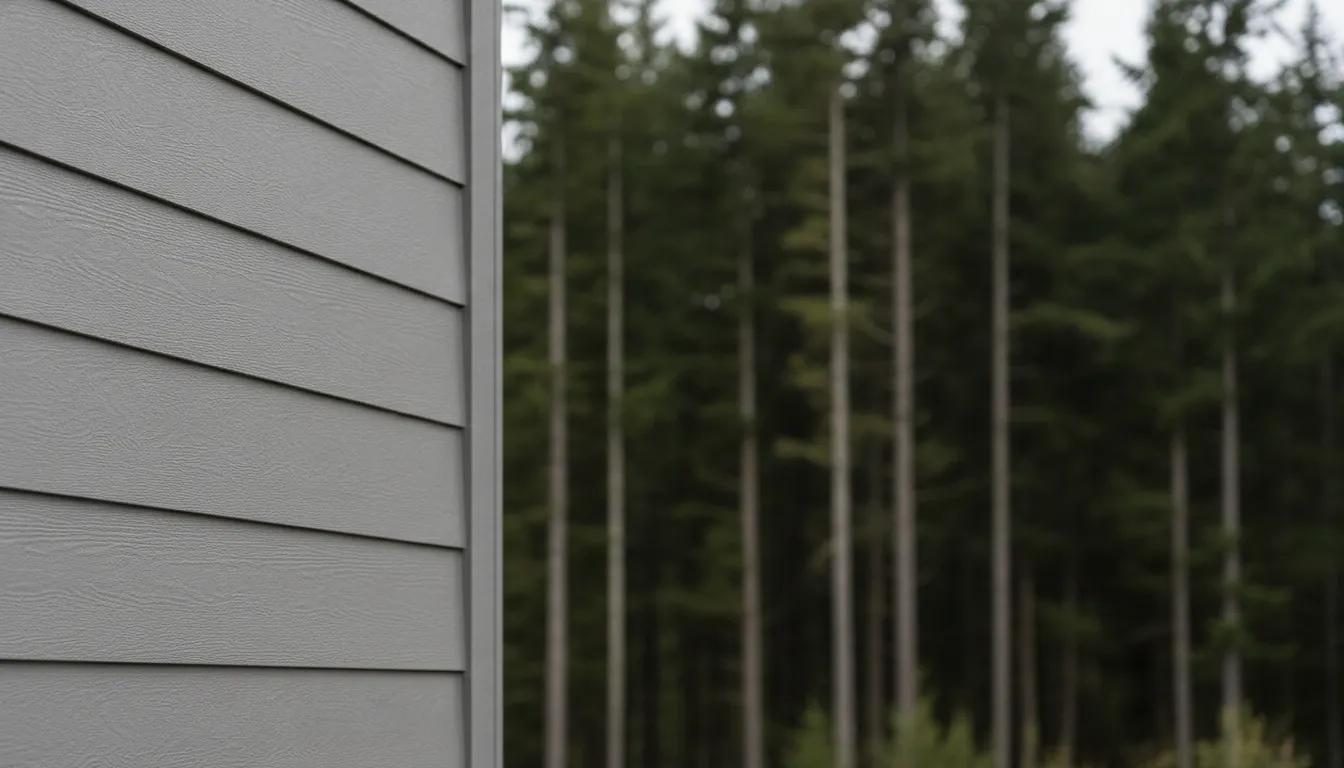
There are many reasons why this product works well in the Northwest:
- It does not swell when it gets hit by rain.
- It fights the growth of mold and mildew in damp areas.
- It stays strong even when the air is cold or wet.
- It keeps its shape and does not shrink like wood.
Because it lasts so long, this siding adds a lot of value to a house. It stays strong even when the weather is wet or cold. Before you start a job, you may find it helpful to look at Landmark’s commercial siding services. This tool gives you a clear idea of what to expect for your home.
Why it beats wood siding
Old wood siding can warp, crack, or peel after just a few years in the rain. Hardie Plank siding does not have these issues. It stays flat and keeps its shape for a long time. It also stops pests like termites and wood birds from causing damage. Wood birds often peck holes in real wood, but they cannot do that to fiber cement.
Picking a style is also simple. There are many common James Hardie siding colors that look great on any home. These colors are baked into the board at the factory. This finish lasts much longer than a standard paint job on wood. It also saves you money since you do not have to paint as often.
Safety is a top goal during the work. Cutting these boards makes a fine dust that is not safe to breathe. The CDC warns that this dust can be bad for your lungs if workers do not use the right gear. Good teams use saws with dust fans to keep the job site clean and safe.
Hardie Plank siding vs. traditional siding at a glance
Choosing the right pick for your home outside is a big deal. In the Puget Sound area, rain and damp air can wear down some siding types fast. Hardie Plank siding is a common pick because it stands up to wet weather. This fiber cement product mixes sand, cement, and wood fibers for a strong build. It gives you the look of wood without the high care needs.
How it works in wet climates
Puget Sound homes face a lot of rain. Wood siding can soak up water. This leads to rot and mold. Vinyl siding might crack in cold air or warp when it gets hot. Fiber cement boards work in a new way. Research shows that polymer-modified cement boards absorb much less water than other types. This helps the boards keep their shape even after many years of heavy rain. It stops the swelling that ruins other homes.
Care and style needs
Most owners want a home that is easy to care for. Wood siding needs paint or stain every few years to stay safe from rot. Vinyl is easy to clean but can be hard to fix if it breaks. Hardie Plank needs very little work to stay in good shape. It holds paint well. It does not attract pests like bugs or birds. This makes it a smart long-term pick for people who want a nice home without the stress. It also comes in many popular James Hardie siding colors that stay bright for a long time.
| Feature | Hardie Plank | Vinyl | Traditional Wood | Engineered Wood |
|---|---|---|---|---|
| Water Resistance | Very High | High | Low | Medium |
| Fire Rating | Non-burnable | Melts in heat | Burns fast | Low |
| Annual Upkeep | Very Low | Low | High | Medium |
| Expected Life | 30 to 50 years | 20 to 30 years | 15 to 25 years | 20 to 30 years |
| Pest Resistance | High | High | Low | Medium |
Fire safety and home protection
Safety is a key part of any siding choice. Wood siding burns fast if a fire starts nearby. Vinyl can melt and give off thick smoke. Fiber cement siding will not burn. It does not fuel a fire. This added layer of safety can help protect your home and family. Landmark’s expert crews install these boards to meet all local fire codes in Puget Sound cities like Redmond and Bellevue.
Home value and curb appeal
New siding can boost how much your home is worth. Many people in Washington look for Hardie Plank when they buy a house. They know it lasts a long time and keeps the home safe. Landmark’s crews work in towns like Kirkland and Issaquah to help owners get the best look. You can choose from many styles that match the old look of wood or a more modern feel. This choice helps your home stand out in the neighborhood.
Long-term warranty coverage
Investing in new siding is a major project. You want to know your home is safe for the long haul. Hardie Plank siding comes with a 30-year substrate warranty. This promise is also transferable if you sell your home. Landmark is a James Hardie Preferred Contractor. This means our local crews follow every rule to keep your home safe. You get a strong home and a solid promise of quality.
How does Hardie Plank perform in Washington weather?
Homeowners in cities like Redmond and Bellevue know that rain is a part of life. Constant moisture can cause traditional wood siding to rot, swell, or peel over time. hardie plank siding is a top choice for the Puget Sound area because it is made of fiber cement. This material blends cement, sand, and cellulose fibers to create a strong shield for your home. It stays firm even when the air is thick with mist or heavy rain hits your walls.
Resistance to rain and rot
The Pacific Northwest has long moisture cycles that test any house. Wood often traps water, which leads to mold and soft spots. Fiber cement boards are different because they do not soak up water like wood does. Research shows that polymer-modified cement boards can reduce water intake by 50% after aging. This keeps your siding from warping or cracking during the wet winter months in places like Seattle or Kirkland.
Because it does not hold moisture, this siding also keeps pests away. Termites and wood-peckers usually look for soft, damp wood to call home. Since fiber cement stays dry and hard, these pests cannot damage the core of your house. Choosing the right popular James Hardie siding colors also ensures your home looks great without the risk of paint failure due to rot.
Protection against fire and heat
While rain is a big concern, fire safety is also vital for many in Snohomish and North Bend. Wildfire risks have grown in some parts of the state, making non-combustible materials a smart move. Fiber cement siding offers high durability and resistance to fire compared to wood. It will not act as fuel for a flame, which can help protect your family and your property during a dry summer season.
Heat can also cause some siding types to expand and contract. This often leads to gaps where water or bugs can get in. Fiber cement has great dimensional stability, so it holds its shape as the seasons change. Whether it is a hot July day in Renton or a freezing night in Snoqualmie, your siding stays tight. This stability helps the paint last longer, which saves you money on upkeep over the years.
Strong winds and storm safety
Storms in the Puget Sound can bring high winds that rattle loose siding. James Hardie products are built to withstand these conditions when set up by working with qualified siding contractors. The weight and strength of the boards keep them in place during heavy gusts. This means you do not have to worry about panels blowing off or flapping during a winter gale in Edmonds or Lynnwood.
What are the main benefits and tradeoffs?
Picking a siding product needs you to look at both the good and the bad. Hardie plank siding offers a lot of value for homes in areas like Redmond and Bellevue. It stands up well to the damp air and rain we see in the Puget Sound. But it also needs a high level of skill to set up right. Knowing these points will help you make a smart choice for your home.
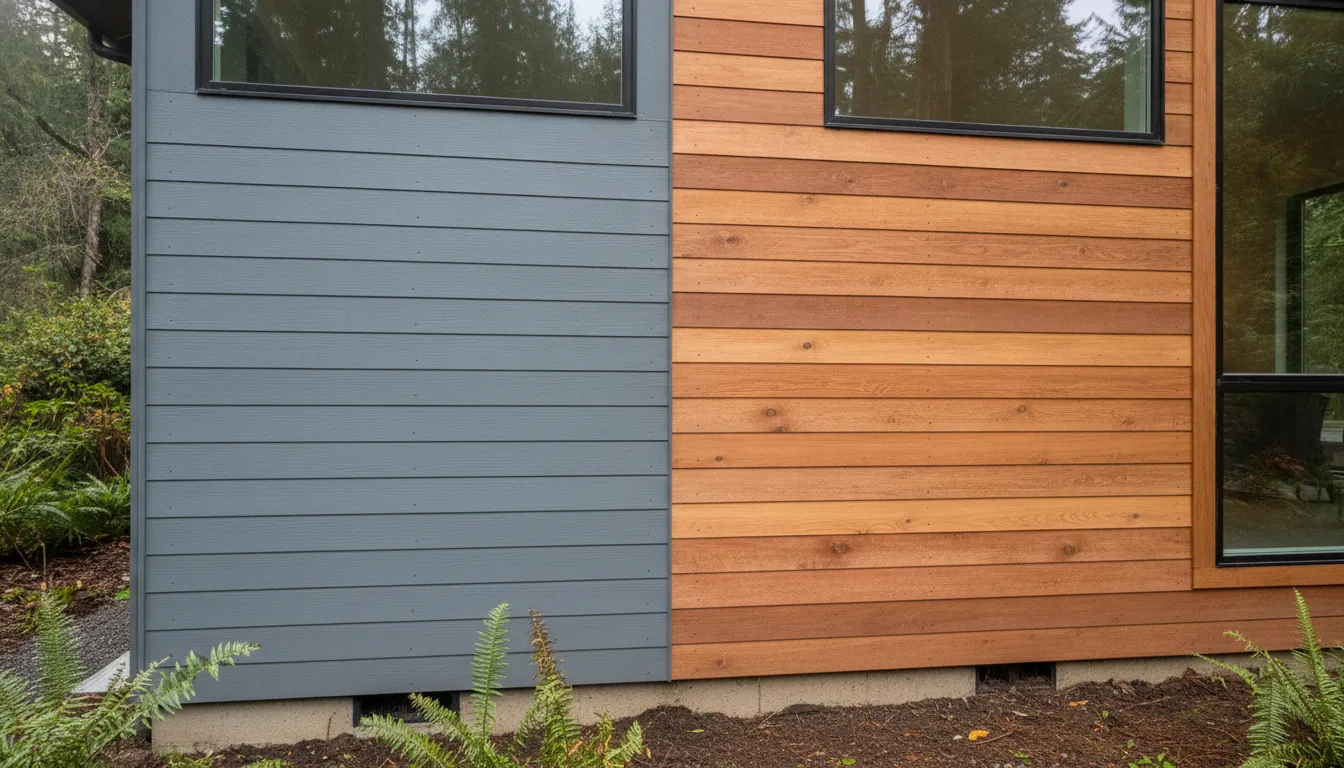
Explore residential siding options with Landmark Roofing & Siding.
Why fiber cement lasts
The biggest plus for hardie plank siding is how well it handles moisture. Real wood siding can rot, swell, or peel when it gets wet. Fiber cement does not have these same issues. It is a mix of cement, sand, and wood fibers. This blend creates a board that stays hard and flat for years. It is also a safe pick because it does not burn or catch fire. This makes it a great shield for your house.
The way these boards are made helps them last through many seasons. Lab tests show that treated boards soak up 50% less water than basic cement boards after they age. This EPA study on durability shows how these boards keep their shape. When siding stays the same size, it does not crack or push against other boards. This keeps your home tight and dry through every storm. You can also pick from many popular James Hardie siding colors to match your style.
Handling weight and safety
One tradeoff of this material is its heavy weight. Each plank is much heavier than vinyl or wood. This weight makes the boards hard to carry and hold in place. Because they are stiff, they can also break if they are not handled with care. A crew must have several people to lift and nail the planks. This is why contacting expert Hardie Plank siding contractors is a must for this type of work.
Safety is another key part of the build. Cutting these boards creates a very fine dust. This dust can be a health risk if it is not kept under control. The CDC warns that silica dust from power tools can harm workers. Expert teams use saws with vacuums and water to stop the dust. Landmark uses its own trained crews to do this work. We do not use outside workers who might skip these safety steps. Our teams know how to keep your site clean and safe.
Keeping up with long term care
Care is low for this siding, but it is not zero. Most boards come with a 30-year warranty that stays with the home if you sell it. This is a big win for your home value. But you must still check on the siding as the years go by. You should look at the caulk joints every year. If you see gaps or cracks, you need to add new caulk. This stops rain from getting into the wall behind the siding.
While the color lasts a long time, you will later need to paint. Most homes need a new coat of paint every ten to fifteen years. This is still better than wood, which needs paint or stain more often. Keeping the paint fresh helps the siding look new and stay strong. You can use a siding warranty information to see how much this might cost over time. Planning for these small tasks will help your siding last for the full thirty years.
What affects the cost of Hardie Plank siding?
The full price for new siding goes past just the cost of the boards. For owners in the Puget Sound, many things play a role in the final bill. Each house is unique. Your project scope will depend on the state of your walls and the exact look you want.
When you start planning a siding project, it helps to look at the work as a full system. Landmark uses its own crews to make sure every part of the job meets high standards. Here are the main things that will change the amount you pay for your new siding.
Removal and wall prep
Before new boards can go up, the old siding must come off. The type of stuff being taken off can change the work time. As one way, taking off old wood lap siding is often faster than taking off heavy stone. Landmark’s process always includes taking off old parts to find and fix any hidden issues.
Once the walls are bare, we check for rot, mold, or water damage. Fixing these issues before the new fiber cement boards go on is vital for a result that lasts. These repairs add to the upfront cost. But they prevent much larger bills later by keeping your home’s frame safe. Tests show that treated cement boards have much better water strength. This helps keep your repair costs low over time.
Trim and finishing choices
The way you finish the corners and edges of your house also moves the price. Basic trim is the most common choice, but some owners want a more high-end look. For instance, Hardie Artisan siding is thicker. It allows for mitered corners that look like thick wood. These high-end choices need more time and skill to set up right.
Color is one more thing to think about. You can buy Hardie boards that come painted. This saves time on the job site and gives you a finish that lasts for years. If you choose to have the siding painted after it is set up, you will pay for the paint. You also pay for the extra work for the painting crew.
House size and site access
The shape and height of your home are big factors in the budget. A one-story house with flat walls is simple and cheap to side. Homes with more floors or complex shapes take more time and pro tools. Crews may need to use more frames or lift tools to reach high spots safely.
Safety rules also add to the work cost. Cutting fiber cement siding creates dust that has silica. To keep workers safe, crews must use special tools and masks. The CDC notes that without these steps, dust levels can be very high. Using the right safety tools and cleanup methods keeps the site safe but adds a small amount to the total work hours.
- Total square footage of the outer walls
- Number of windows, doors, and lights to cut around
- How close the house is to trees, fences, or other buildings
- The need for permits or HOA consent in your local town
By looking at all these parts, you can get a better sense of your budget. Our team works with you to find the best mix of style and value for your home. We also offer payment plans to help make your siding project cost less upfront.
How to choose the right siding for your Washington home
Choosing the right siding for your home in cities like Redmond or Bellevue is a big choice. The wet weather in the Puget Sound area means you need a material that can stand up to moisture. You should look at how well the siding keeps out water and how much care it needs over time. A good choice today can save you a lot of stress and money later.
Matching siding to local weather
The Pacific Northwest has a lot of rain and damp air. This moisture can cause wood to rot or vinyl to crack if it is not put on right. Many people now choose hardie plank siding warranty coverage because it was made just for this climate. It resists water and pests better than most other options. It also stays the same size even when the air is very wet. This helps keep the seal around your windows and doors tight for a long time.
When you look at different materials, think about fire safety too. Fiber cement is made of cement, sand, and wood fibers. It does not burn like wood does. This makes it a safe choice for homes near trees or in dry areas during the summer. You can check EPA research on how these boards stay stable when they get wet.
Comparing costs and looks
Vinyl is often the cheapest choice, but it may not last as long as other types. Wood looks great but needs a lot of work to keep it from rotting. Fiber cement costs more at first, but it saves money on repairs later. It also comes in many popular James Hardie siding colors to match your style. You can find a look that fits your home well without the high cost of upkeep.
Safety during the job is also a key factor. Good teams use tools that stop dust when they cut fiber cement. This is vital because the dust contains silica, which is bad for your lungs. The CDC notes that workers must use special tools to stay safe on the job. This is why hiring qualified Hardie Plank siding contractors is so important for your project.
Long-term value in the Puget Sound
Choosing a strong material can help your home value. In places like Kirkland or Issaquah, buyers look for homes that are easy to keep up. Fiber cement siding stays strong for decades with very little work. It does not warp or swell like wood does when the seasons change. This makes it a smart buy for any home in Washington.
Also, check the warranty before you buy. Most top siding comes with a long promise of quality. For example, Hardie Plank has a 30-year warranty that can even pass to a new owner if you sell your house. This gives you peace of mind that your home will stay safe and dry for many years to come.
Five steps to pick your siding
- Check your current siding for soft spots or cracks. If you find rot in your wood siding, you may need a full replacement to protect your home.
- Think about how much time you want to spend on work. If you do not want to paint every few years, look for a material that holds color well.
- Set a budget that includes both the product and the labor. While some materials cost less to buy, they might need more work to put on the right way.
- Look at homes in your area of Seattle or Snohomish. See which styles look best and check if your local group has rules about siding types.
- Meet with a pro to talk about your choice. A good team can show you samples and explain how different options will work on your own house.
Frequently Asked Questions
What are the benefits of Hardie Plank siding for homes in Washington?
Washington homes face heavy rain and damp air. Hardie Plank siding is made of fiber cement. This product resists rot and pests better than wood. It also stands up well to the wet climate of the Puget Sound area. According to James Hardie, these boards will not burn and offer high fire resistance. This makes it a safe choice for local property owners.
How does Hardie Plank siding compare to traditional wood siding?
Traditional wood siding looks great but needs regular painting and sealing. It is also prone to rot and wood-boring pests. In contrast, Hardie Plank siding provides a wood-like look with much less work. It does not warp or swell in the rain. Research shows that fiber cement is more durable and resists fire and rot better than wood. This makes it a smart long-term choice for Washington homeowners.
What is the warranty for Hardie Plank siding?
Most Hardie Plank products come with a strong 30-year substrate warranty. This warranty can often be passed on if you sell your home in the future. As a James Hardie Preferred Contractor, Landmark Roofing and Siding can help you get the full benefits of this coverage. This long-term protection gives homeowners peace of mind. It ensures your siding stays in top shape for decades.
How long does Hardie Plank siding last?
Hardie Plank siding is built to last for many years. It is much more durable than vinyl or wood. Most of these products come with a 30-year warranty. With proper care, fiber cement siding can protect your home for 50 years or more. James Hardie products are made to stand up to the harsh weather of the Pacific Northwest. This makes it a great pick for local homes.
Are you ready to request a siding consultation to protect your Washington home from the wet weather and the wind in the Pacific Northwest?
If you leave your old siding as it is, water can get in and cause rot that is very hard and costly to fix later. Starting your project today will help you get on our plan and make sure your home is safe before the very heavy rain starts again. Our local crew will help you pick the best Hardie Plank style so you can have a new home that stays strong for many years.
Ready to protect your Washington home with the right siding? Contact Landmark Roofing & Siding to request a consultation and quote.