Date
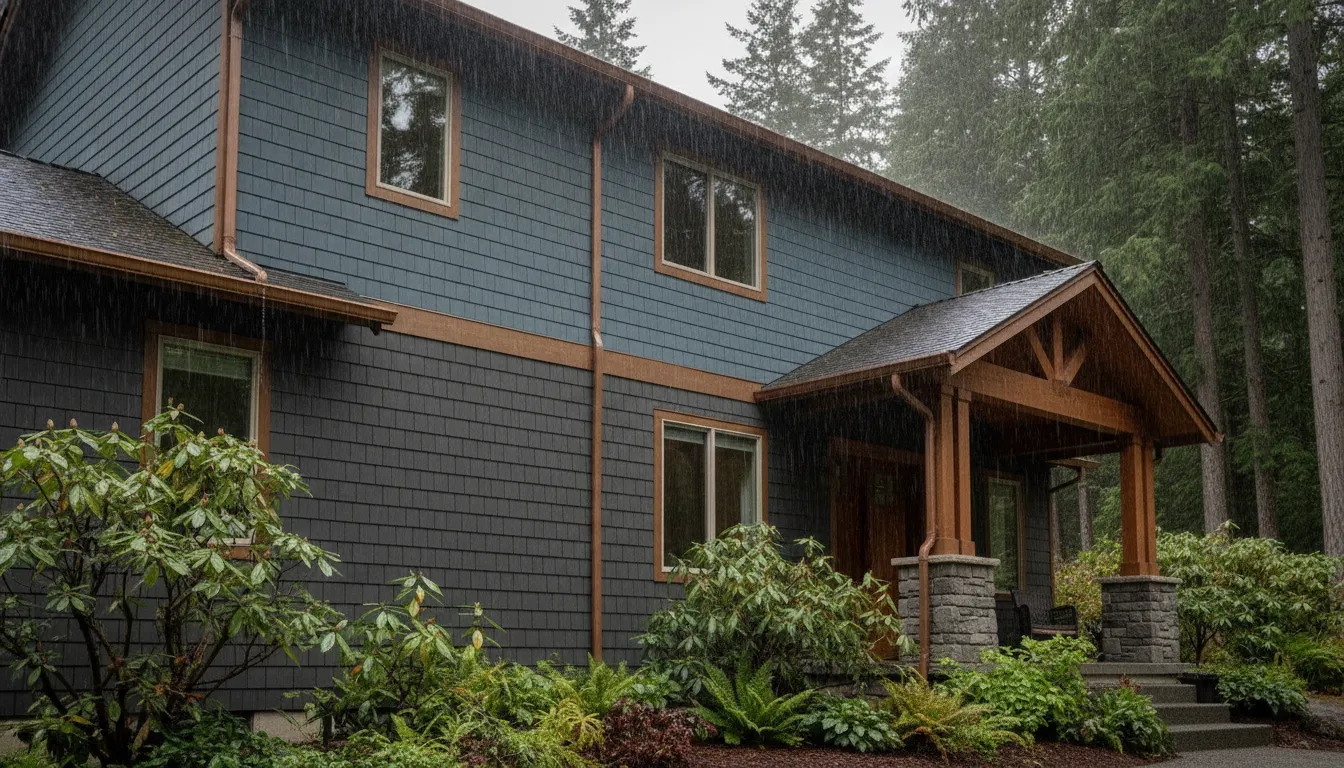
Fri Jun 19Choosing between James Hardie vs vinyl siding in the Puget Sound is not just a style decision. Months of wind-driven rain expose weak flashing, loose panels, and poorly sealed joints. James Hardie fiber cement generally offers the stronger, more stable exterior for rainy Washington weather, while vinyl remains a practical option for homeowners who prioritize a lower upfront cost and simple cleaning.
Schedule a free siding assessment with Landmark Roofing & Siding to compare materials for your home, budget, and exposure to rain.
The right answer still depends on installation quality, maintenance expectations, and how long you plan to own the home. This guide compares moisture performance, durability, upkeep, appearance, and long-term value so homeowners in Redmond, Bellevue, Seattle, and nearby Puget Sound communities can make an informed choice.
Homeowners can consult a Redmond siding contractor to evaluate which material fits their budget and exposure.
James Hardie vs vinyl siding at a glance
For rainy Washington homes, James Hardie usually offers the stronger long-term defense against impact, warping, and shifting panels. Vinyl siding costs less upfront and is easy to clean, but it needs prompt repairs when panels crack or loosen. Either option still depends on proper flashing, drainage, and installation.
James Hardie is a brand of fiber cement siding made from cement, sand, and cellulose fibers. The boards are thick, rigid, and available in profiles that recreate lap siding, shingles, and vertical panels. Vinyl siding is made from PVC. Its lighter interlocking panels are available in many colors and profiles and can be installed efficiently.
For rainy climates, James Hardie usually has the edge because the rigid boards resist warping and impact damage. Vinyl itself does not rot, but cracked, loose, or distorted panels can create openings where rain reaches the wall assembly. In either system, house wrap, flashing, drainage paths, and careful installation do most of the work of keeping the structure dry. A Bellevue roofing and siding company can assess specific home conditions.
| Factor | James Hardie fiber cement | Vinyl siding |
|---|---|---|
| Rainy-climate fit | Rigid boards resist rot, warping, and pests | Material does not rot, but panels can crack or shift |
| Upfront cost | Typically higher due to material weight and installation | Typically lower and faster to install |
| Maintenance | Wash, inspect joints, and maintain the finish | Wash and inspect panels, trim, and fastening |
| Appearance | Thicker profiles with a wood-like look | Wide range of colors and profiles |
| Fire behavior | Noncombustible fiber cement | Can melt when exposed to high heat |
| Best fit | Long-term durability and premium curb appeal | Lower initial budget and minimal finish upkeep |
Homeowners comparing more materials can also review Landmark’s guide to the best siding for the Pacific Northwest.
Which siding handles rainy Washington weather better?
James Hardie generally handles rainy Washington weather better because its rigid fiber cement boards resist rot, warping, pests, and impact. Vinyl does not rot and can perform well at a lower upfront cost, but loose or damaged panels need prompt repair. Both systems require careful flashing, drainage, and installation.
Moisture resistance depends on the full wall system
Fiber cement does not provide a waterproof wall by itself, and neither does vinyl. A reliable siding system must direct rain away from vulnerable areas and allow incidental moisture to drain. Window and door flashing, penetrations, kick-out flashing, clearances, and weather-resistant barriers all matter. That is why the quality of the installer is as important as the product selected.
James Hardie boards stay comparatively stable through seasonal temperature changes. Their rigidity helps the finished wall maintain consistent lines and reduces the likelihood of openings caused by a panel bending or cracking. Vinyl panels must be fastened so they can expand and contract. If fastened too tightly or installed without adequate clearance, panels may buckle or pull apart.
Wind-driven rain exposes small installation defects
During Puget Sound storms, wind can push water against walls and around trim. Fiber cement’s weight and rigidity help it stay in place, but correct fastening and flashing are still essential. Vinyl can also perform well when installed correctly, although damaged panels and loose edges should be repaired promptly.
Homes with tall, exposed walls or little roof overhang deserve special attention. Before replacing siding, a contractor should inspect the existing wall for stains, softness, failed caulk, and damaged sheathing. Landmark’s Redmond residential siding services cover installation, replacement, and repairs for local homes.
How do durability, fire resistance, and curb appeal compare?
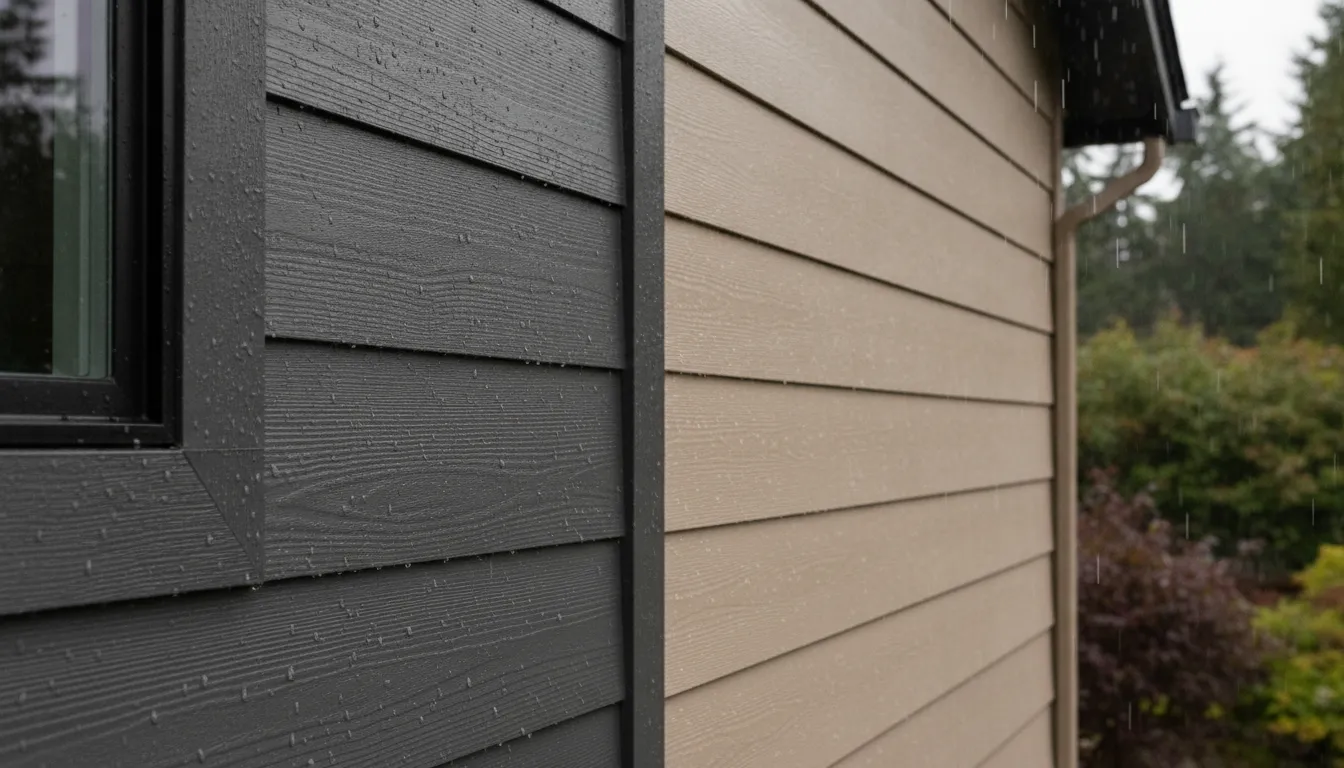
James Hardie leads on rigidity, noncombustibility, and a substantial wood-like appearance. Vinyl offers broad color choices and lower-cost upkeep, but it can crack from impact or deform near high heat. The better fit depends on the risks and appearance goals that matter most for your home.
How the materials respond to impact and temperature
James Hardie fiber cement is dense and resists dents, pests, and rot. The boards are less likely than thin vinyl panels to be damaged by a stray branch or routine impact. Fiber cement can still crack if handled improperly, so trained installation matters.
Vinyl is flexible and does not absorb water. However, older panels may become brittle, and severe impacts can crack them. Heat and cold also cause vinyl to expand and contract. If one panel is damaged, it may be possible to replace that section, but matching an older, faded color can be difficult.
Fire performance
Fiber cement is noncombustible, which can be valuable for homeowners considering exterior fire resistance. Vinyl can melt or deform when exposed to high heat. The National Institute of Standards and Technology has studied how exterior assemblies respond to firebrand showers. Siding is only one part of a home’s fire-resistance strategy, but the material difference is worth discussing with your contractor.
Appearance and long-term flexibility
James Hardie offers thick profiles and wood-grain or smooth finishes that suit many Washington homes. Fiber cement can also be repainted when homeowners want a new color. Vinyl comes in a broad range of factory colors and profiles, but repainting it requires careful product selection and may affect warranty terms.
If premium curb appeal and a substantial wood-like profile are priorities, fiber cement is often the better fit. If simple maintenance and a wide selection at a lower initial price matter more, vinyl may be appropriate. To understand what a professional fiber cement project should include, see Landmark’s guide to vetting fiber cement siding contractors.
What maintenance does each siding option need?
Both siding options benefit from yearly cleaning and inspection. James Hardie may eventually need finish touch-ups or repainting, while vinyl needs close checks for loose, cracked, or distorted panels after storms. With either material, quick repairs keep rain from reaching the wall assembly.
Neither option is maintenance-free. A short annual inspection can catch small problems before repeated rain turns them into sheathing or framing repairs. Walk around the home after storm season and look for loose pieces, cracks, open joints, staining, and vegetation touching the wall.
Maintaining James Hardie siding
- Rinse dirt and organic buildup with a garden hose and soft brush.
- Inspect flashing and sealant around penetrations, windows, and doors.
- Keep gutters clear and maintain the required clearance from soil and landscaping.
- Touch up damaged finish according to the manufacturer’s guidance.
- Plan for repainting when a field-applied finish begins to wear.
James Hardie ColorPlus finishes carry their own care guidance. Ask the installer which finish is proposed and what maintenance schedule applies. Landmark is a James Hardie Preferred Contractor and can explain product and installation requirements. Homeowners evaluating a contractor can use this guide to hiring James Hardie siding contractors.
Maintaining vinyl siding
- Wash panels gently to remove dirt, mildew, and pollen.
- Check for cracked, loose, bowed, or missing panels after storms.
- Inspect trim channels and openings around windows and doors.
- Repair damaged sections before wind-driven rain reaches the wall behind them.
- Keep heat sources away from the exterior.
A siding repair company can help determine whether a localized defect needs a simple repair or signals a larger moisture problem. Read Landmark’s guide to finding the best siding repair company in the Puget Sound before scheduling an inspection.
Ask Landmark to inspect worn or storm-damaged siding before another rainy season exposes the wall behind it.
Cost and long-term value in the Puget Sound
Vinyl siding usually has the lower initial price, while James Hardie can offer stronger long-term value for owners who prioritize durability and curb appeal. Compare complete proposals rather than material prices alone, because wall repairs, trim, flashing, access, and warranty coverage can change the final cost.
Vinyl usually wins on initial price
Vinyl’s lower material cost and lighter weight generally make it the more budget-friendly installation. It can be a sensible choice when the existing wall is in good condition, the design is straightforward, and the homeowner wants a clean exterior without periodic painting. The final proposal should still include proper removal or preparation, flashing, trim, and repairs to hidden damage.
Project prices change with home size, access, material profile, trim complexity, and the condition discovered after old siding is removed. Landmark’s articles on the cost to replace vinyl siding in Washington and siding replacement estimate cost drivers explain the variables to review in a quote.
Fiber cement can deliver stronger long-term value
James Hardie typically costs more at the start because the boards are heavier and require specialized cutting, handling, and fastening. That investment can make sense for homeowners who expect to stay in the property, want strong weather performance, or prefer a more substantial exterior appearance.
Long-term value is not just about the expected life of the material. It also depends on maintenance, repair frequency, installation quality, and whether the appearance supports resale goals. Use a detailed proposal rather than a simple per-square-foot figure. For a closer look at budgeting, review Landmark’s Hardie siding cost calculator guide.
How should you choose the right siding for your home?
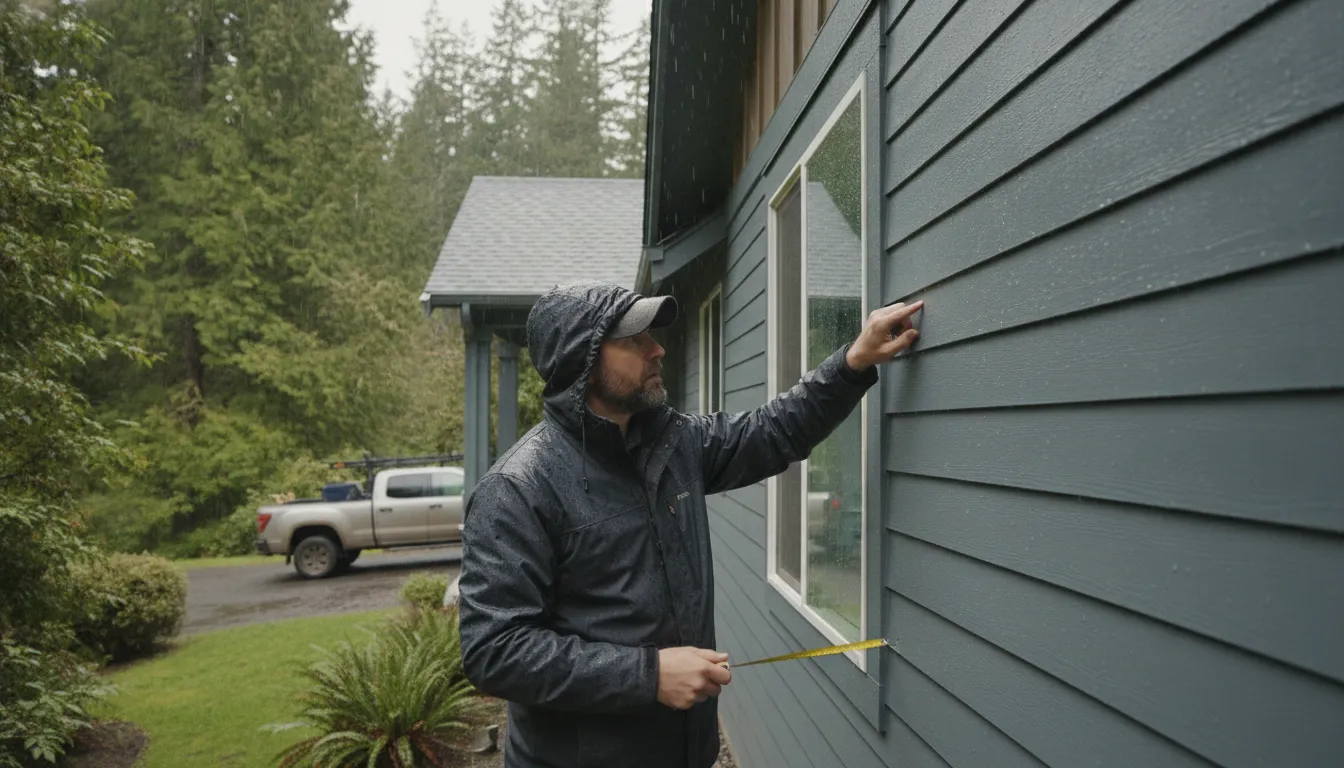
Choose James Hardie when long-term durability, fire performance, and a substantial profile outweigh the higher upfront investment. Choose vinyl when initial budget and simple cleaning lead the decision. In both cases, compare each contractor’s wall preparation, flashing, repair allowances, warranties, and installation experience.
Choose James Hardie when durability leads the decision
Fiber cement is usually the stronger choice when you want rigid boards, a wood-like appearance, noncombustible material, and the option to repaint later. It is especially compelling for exposed homes where rain, wind, and impact resistance are priorities. The best results come from a contractor experienced with manufacturer clearances, fastening, flashing, and finishing requirements.
Choose vinyl when upfront budget and easy cleaning lead
Vinyl can be the right choice for a homeowner seeking an affordable exterior with broad color options and no routine repainting. Its performance depends on selecting a quality product and installing it so panels can move without buckling. Plan to inspect for loose or cracked panels after storms.
Compare proposals, not just products
Ask each contractor to explain wall preparation, weather barriers, flashing, trim, disposal, repairs, warranties, and who will perform the work. A low estimate that excludes moisture repairs or flashing details may not represent the lowest long-term cost. Landmark has served the Puget Sound since 2005, uses in-house crews, and backs full siding replacements with a transferable lifetime craftsmanship warranty. Review the Landmark workmanship warranty for coverage details.
During the assessment, ask the contractor to identify the walls that receive the most wind and rain. Also discuss roof-to-wall intersections, deck connections, utility penetrations, and landscaping that holds moisture near the house. These details may change the recommended repair scope even when the siding looks acceptable from the street. A thorough proposal should explain what happens if the crew finds damaged sheathing after removal. It should also state how the team will protect openings and the property during work. Clear answers help you compare bids fairly and select a system designed for the actual conditions around your home.
For most rainy-climate Washington homes where long-term protection is the top priority, James Hardie is the better overall choice. Vinyl remains a valid value option when it is installed correctly and checked regularly. A site-specific assessment is the best way to account for wall condition, exposure, design, and budget.
Frequently asked questions
These quick answers cover the questions Washington homeowners most often ask when comparing fiber cement and vinyl siding. A site assessment is still important because the home’s existing wall condition, storm exposure, design details, and budget can change the best recommendation.
Is James Hardie siding better than vinyl for rainy climates?
James Hardie is generally the stronger choice for a rainy climate because its rigid fiber cement boards resist rot, pests, warping, and impact damage. Vinyl itself does not rot, but damaged or distorted panels can let water reach the wall behind them. Both require correct flashing and installation.
Does James Hardie siding require more maintenance than vinyl?
James Hardie and vinyl both need cleaning and annual inspections. Fiber cement may eventually need repainting or finish touch-ups, while vinyl does not normally need paint. Vinyl panels should be checked for cracks, looseness, and distortion after severe weather.
Is James Hardie siding fire resistant?
James Hardie fiber cement is noncombustible, while vinyl can melt or deform under high heat. That difference can make fiber cement appealing when exterior fire performance is a priority. Siding is only one part of a home’s fire-resistance plan, so homeowners should also consider vents, roofs, landscaping, and nearby exposures.
How should I compare siding replacement quotes?
Compare the exact product, wall preparation, weather barrier, flashing, trim, repair allowances, disposal, installer qualifications, and warranty. A complete scope makes it easier to understand why bids differ and reduces surprises after the old siding is removed.
Schedule a local siding assessment
A local siding assessment turns a broad material comparison into a practical plan for your home. Landmark Roofing & Siding can evaluate storm exposure, wall condition, flashing details, appearance goals, and budget before recommending James Hardie or vinyl.
The James Hardie vs vinyl siding decision should reflect your home’s condition, storm exposure, appearance goals, and budget. Landmark Roofing & Siding can inspect your exterior, explain the tradeoffs, and prepare a clear replacement plan for your Washington home.
Contact Landmark Roofing & Siding to schedule a free siding assessment and choose an exterior built for Puget Sound weather.